Tag: Ryzen AI Max

  • AMD Launches Zen 5 Strix Halo APUs to Compete with Nvidia and Apple

    AMD Launches Zen 5 Strix Halo APUs to Compete with Nvidia and Apple

    Key Takeaways

    1. AMD launched the Ryzen AI Max+ Strix Halo series to improve high-performance tasks in slim devices, featuring a unified memory and graphics solution.
    2. New models, the Ryzen AI Max+ 392 and 388, were introduced at CES 2026, designed specifically for AI developers with enhanced GPU power.
    3. AMD claims significant performance improvements with the Ryzen AI Max+ processors, including better value in AI tasks and enhanced multitasking and gaming capabilities.
    4. Extensive ecosystem support for Ryzen AI Max+ processors will come from major brands like Acer, Asus, HP, and Lenovo, along with various mini PC manufacturers.
    5. The GMKtec EVO-X2 mini PC with Ryzen AI Max+ 395 is available for purchase on Amazon.


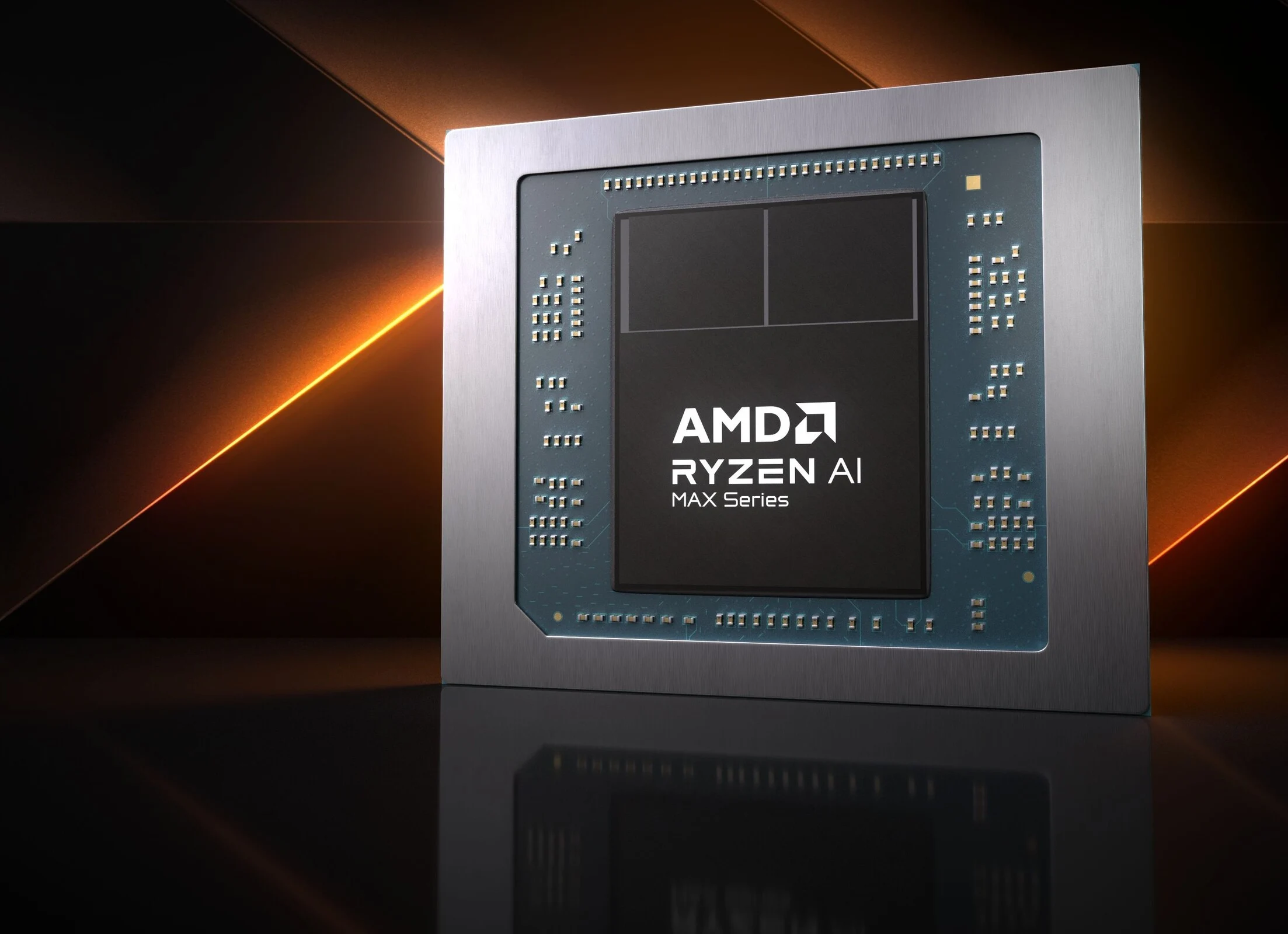
    Last year, AMD launched the Ryzen AI Max+ Strix Halo series, aiming to enhance high-performance tasks in slim and lightweight devices.

    Unified Memory and Graphics

    The Strix Halo provided a combined memory solution along with a specialized XDNA 2 NPU and a robust Radeon 8060S GPU, which eliminated the necessity for a separate graphics card. The lineup initially included the 16C/32T Ryzen AI Max+ 395, the 12C/24T Ryzen AI Max 390, and the 8C/16T Ryzen AI Max 385. These models appeared in various high-end laptops like the HP ZBook Ultra G1a and the Asus ROG Flow Z13, as well as mini PCs such as the HP Z2 Mini G1a, Bosgame M5, and Minisforum MS-S1 Max, among others.

    New Additions at CES 2026

    At CES 2026, AMD is rolling out two fresh SKUs in the Ryzen AI Max+ family — the Ryzen AI Max+ 392 and Ryzen AI Max+ 388, specifically designed for AI developers. AMD has labeled both APUs with the Max+ title, since they now feature 40 RDNA 3.5 compute units (CUs), producing up to 60 TFLOPs of GPU compute power.

    The Ryzen AI Max+ 392 has a slight spec improvement over the Ryzen AI Max 390, maintaining the same 12C/24T setup with a 5 GHz boost and up to 50 TOPS NPU. The RDNA 3.5 GPU now comes with 40 CUs. Likewise, the Ryzen AI Max+ 388 is an enhanced version of the Ryzen AI Max 385, retaining the same core and clock settings but sporting a 40 CU GPU.

    Performance Claims

    In terms of performance, AMD asserts that the Ryzen AI Max+ delivers 1.5x and 1.7x more tokens per second per dollar in LM Studio when utilizing the GPT-OSS 20B and GPT-OSS 120B models, respectively, with a $2,500 HP Z2 Mini G1a utilizing the Ryzen AI Max+ 395 compared to the $4,000 Nvidia DGX Spark, both equipped with 128 GB unified memory.

    AMD also suggested a 1.4x improvement in AI performance, 1.8x enhancement in multitasking and content creation, and 1.6x faster gaming when comparing an Asus ROG Flow Z13 powered by the Ryzen AI Max+ 395 at 55 W (Silent profile) against the Apple MacBook Pro 14 with its 10-core M5 chip (Balanced profile) and 24 GB RAM.

    Broad Ecosystem Support

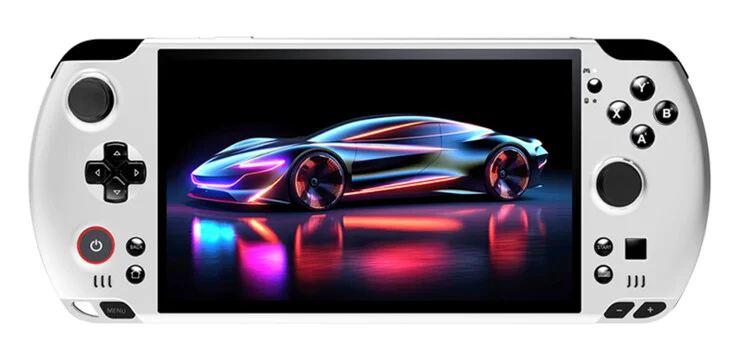
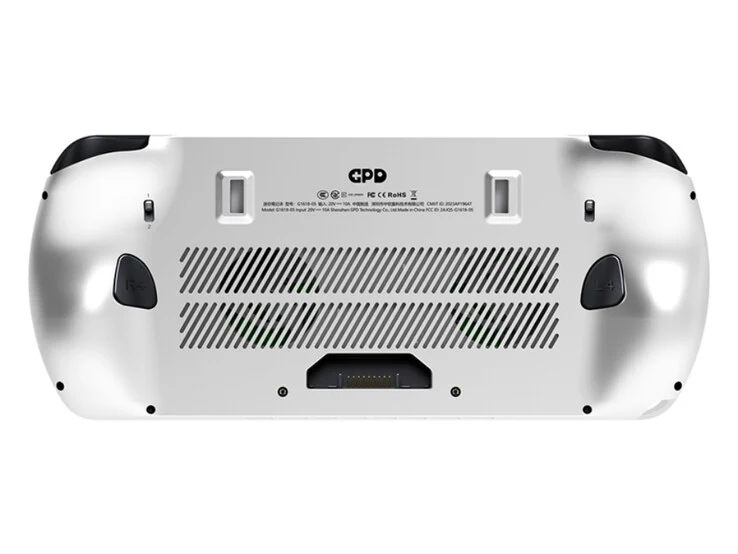
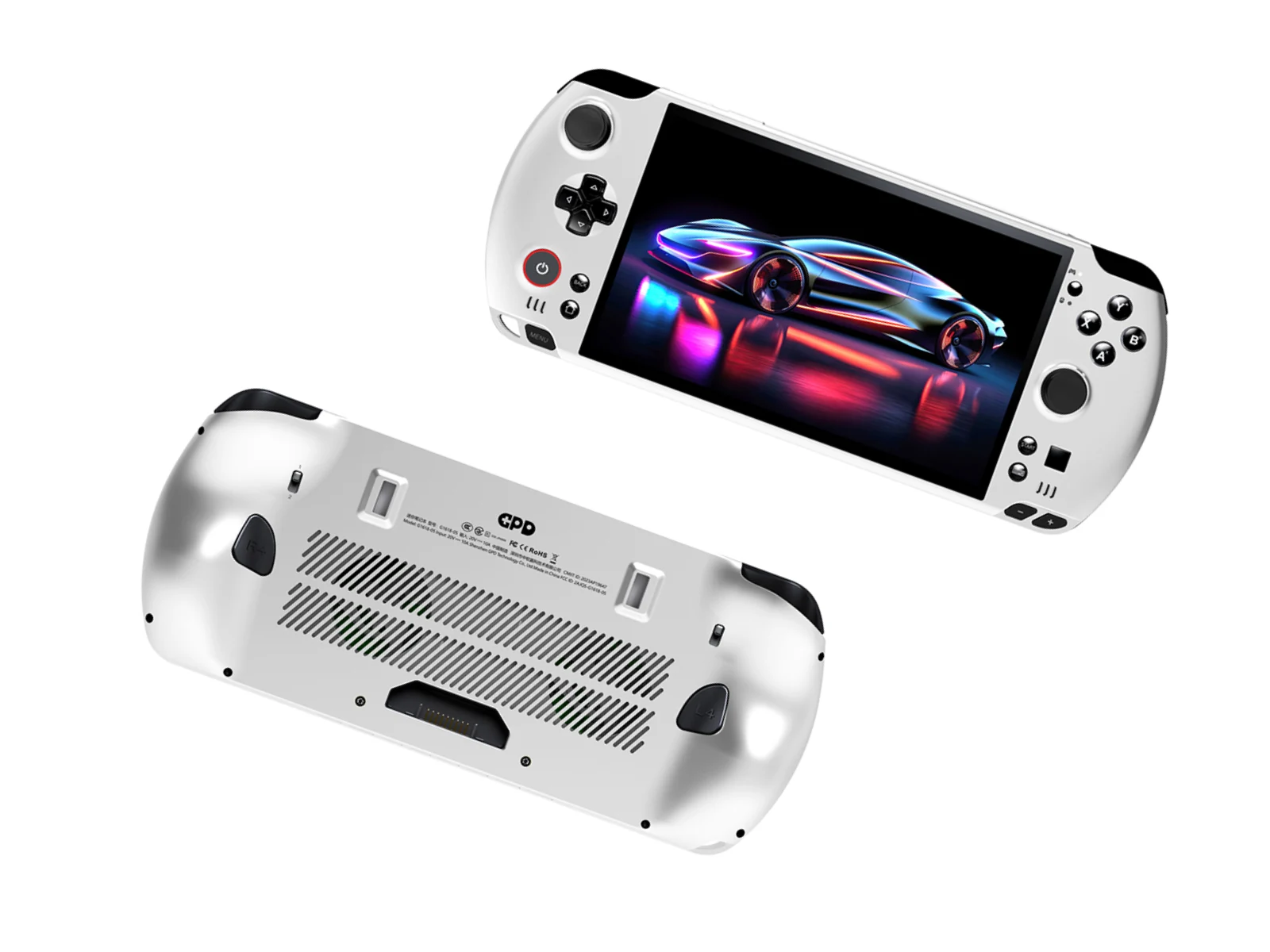
    AMD mentioned that there is extensive ecosystem support for the Ryzen AI Max+ processors from various device manufacturers and ISVs. New laptop designs utilizing Ryzen AI Max+ APUs will come from brands like Acer, Asus, Framework, HP, and Lenovo. We have also observed gaming handhelds like the GPD Win 5, which runs both Windows 11 and SteamOS, powered by Strix Halo.

    Companies such as Geekom, Minisforum, GMKtec, Beelink, Corsair, Colorful, and more will also be providing a range of Ryzen AI Max+ desktops and mini PCs.

    Source:
    Link


  • GPD Win 5 Handheld Refresh: New Panda Color & 128GB RAM Option

    GPD Win 5 Handheld Refresh: New Panda Color & 128GB RAM Option

    Key Takeaways

    1. GPD launched the Win 5 gaming handheld, the first to use AMD Strix Halo, on Indiegogo.
    2. The Win 5 offers options with Ryzen AI Max 385 and Ryzen AI Max+ 395 APUs, but the Max+ 395 supports only up to 64 GB of RAM.
    3. GPD plans to match the OneXFly Apex’s 128 GB RAM support with new versions available on Indiegogo’s InDemand service.
    4. The upcoming 128 GB RAM models will feature a new ‘panda’ color option alongside the existing black variant.
    5. Details on the official availability of the Win 5 on InDemand are yet to be provided by GPD.


    GPD made history in September by becoming the first company to launch a gaming handheld powered by AMD Strix Halo, introducing the Win 5 on Indiegogo. Even though AMD revealed the Ryzen AI Max 385, Ryzen AI Max 390, and Ryzen AI Max+ 395 nearly a year ago, many gaming handheld makers have opted for the less powerful Strix Point and Lunar Lake options, or the weak Ryzen Z2A found in the Asus ROG Xbox Ally (currently priced at $599 on Amazon).

    GPD’s Offerings

    As mentioned earlier, GPD presented the Win 5 with options between the Ryzen AI Max 385 and the Ryzen AI Max+ 395 APUs. However, the Max+ 395 could only support up to 64 GB of RAM, unlike the newer OneXFly Apex model. Following the release of the OneXFly Apex on Sunday, which supports up to 128 GB of RAM, GPD has announced its intention to match this offering.

    New Developments

    In a post on X, GPD has confirmed that versions with 128 GB of RAM will be available through Indiegogo’s InDemand service. This platform allows companies to continue fundraising while the production begins, but it is still considered crowdfunding and not a traditional retail purchase. Additionally, GPD revealed that the new 128 GB RAM models will also come in a second color option.

    Color Options

    GPD refers to this new color as ‘panda,’ which is a white finish that resembles the colors previously available for the Win 4 and Win Mini. All the buttons will have the same finishes and colors as the black variant of the Win 5. Unfortunately, GPD has not yet provided details on when the Win 5 will officially become available on InDemand.

    Source:
    Link


  • OneXPlayer Launches OneXFly Apex: Liquid-Cooled Gaming Handheld

    OneXPlayer Launches OneXFly Apex: Liquid-Cooled Gaming Handheld

    Key Takeaways

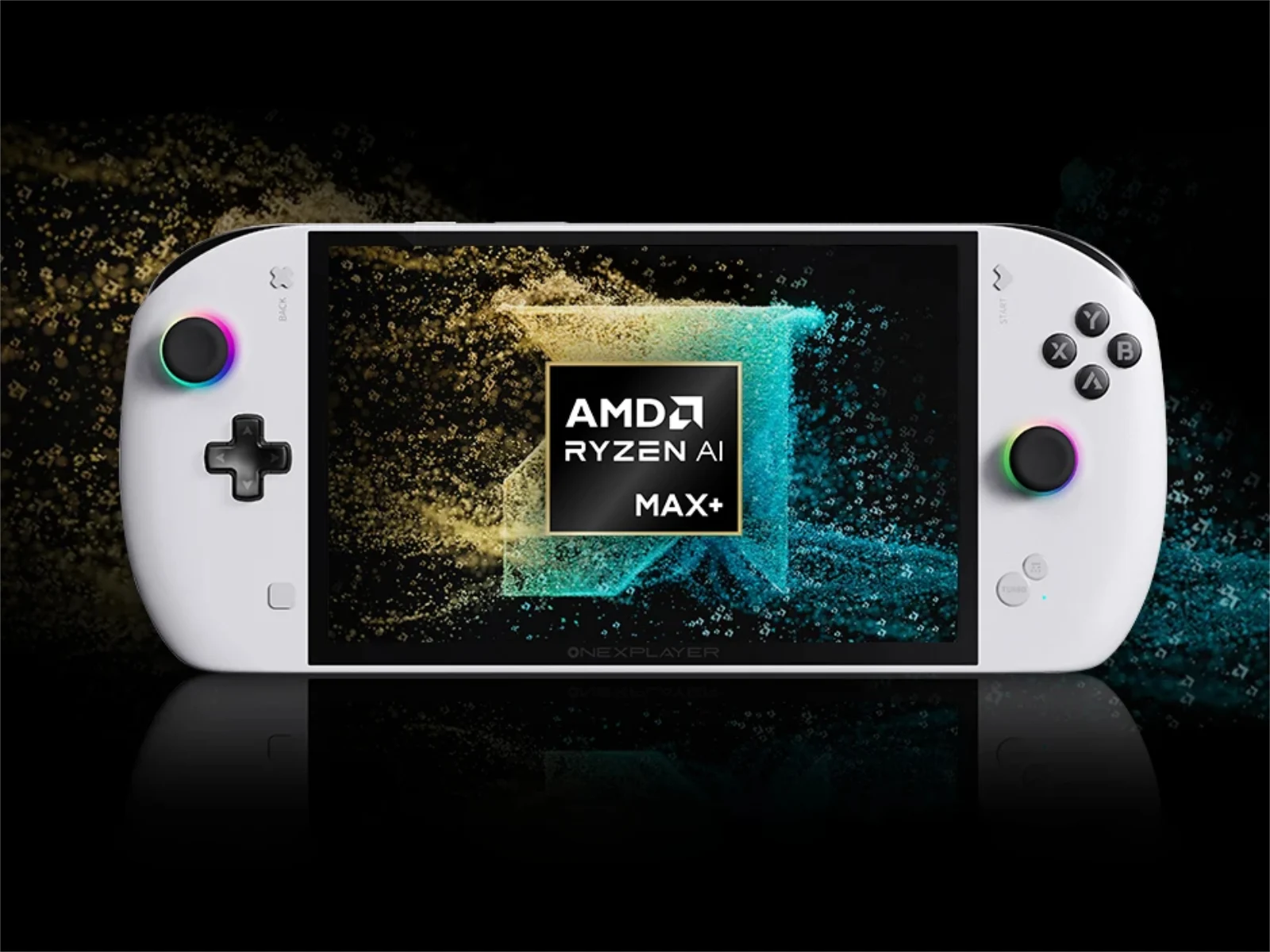
    1. The OneXFly Apex features Ryzen AI Max 385 and Max+ 395 APUs, with 8 and 16 CPU cores based on AMD’s Zen 5 architecture.
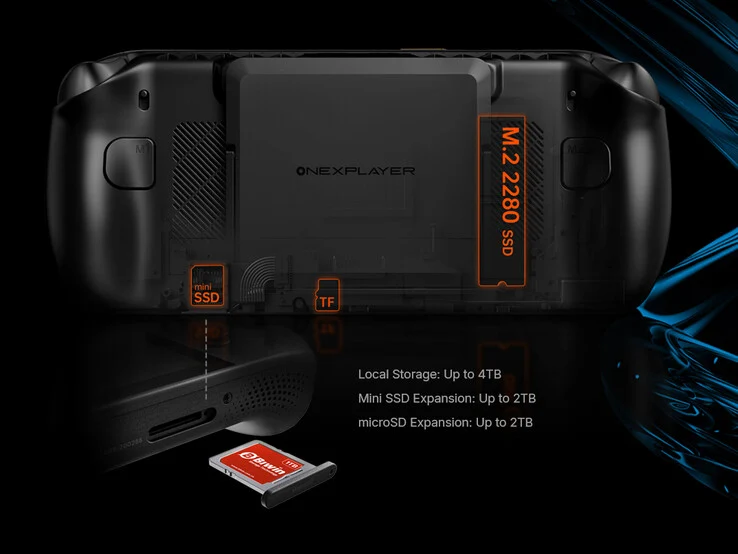
    2. Users can configure the device with up to 128 GB of LPDDR5X RAM and 2 TB of PCIe 4.0 storage, expandable to 8 TB.
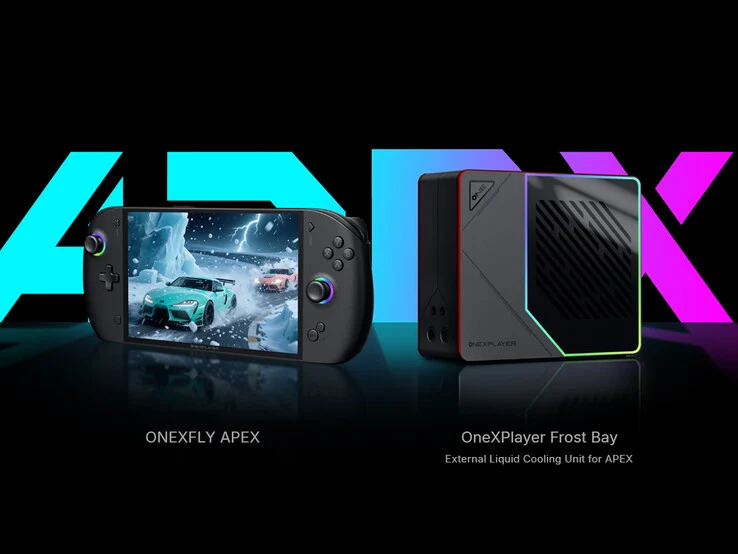
    3. There are two versions available: a Standard Version and a Liquid Cooled variant, which allows for higher power performance.
    4. The Apex has an 8-inch IPS display with 500 nits peak brightness, 1,920 x 1,200 resolution, and a 120 Hz variable refresh rate.
    5. Pricing starts at $1,399 on Indiegogo, with expected shipment beginning on January 31, 2026.


    Also known as a next-gen handheld, the OneXFly Apex can be set up with either the Ryzen AI Max 385 or the Ryzen AI Max+ 395. These are two Strix Halo APUs that come with 8 and 16 CPU cores, respectively, built on AMD’s Zen 5 architecture. The integrated graphics performance differs by about 25%, featuring a Radeon 8050S in the Ryzen AI Max 385 and a Radeon 8060S in the Ryzen AI Max+ 395.

    Configuration Options

    In addition to that, users can configure the OneXFly Apex with up to 128 GB of LPDDR5X RAM that operates at 8,000 MT/s, alongside a maximum of 2 TB of PCIe 4.0 storage. This storage can be expanded via a microSD card, a Mini SSD, or even both, allowing for a total of up to 8 TB across three drives. One-Netbook presents the Apex in two versions: a Standard Version and a Liquid Cooled variant, the latter adding an extra 70 g to the standard model’s weight of 669 g. The Liquid Cooled Version enables the Ryzen AI Max 385 or Ryzen AI Max+ 395 to run at 120 W, which is an increase from the 80 W limit in the air-cooled model.

    Display and Battery

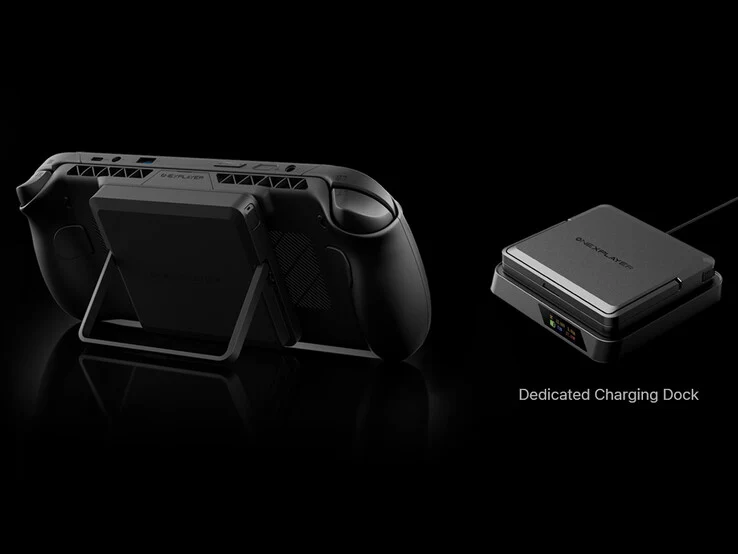
    No matter which version you choose, the Apex comes equipped with an 85 Wh external battery and features an 8-inch IPS display. One-Netbook claims that this display can achieve peak brightness of up to 500 nits, with full sRGB color space coverage, a resolution of 1,920 x 1,200 pixels, and a 120 Hz variable refresh rate (VRR). The OneXFly Apex is available starting at $1,399 on Indiegogo, with shipments expected to begin on January 31, 2026.

    Indiegogo’

    Source:
    Link


  • GPD Win 5 Launches Worldwide with AMD Ryzen AI 9 Max+ and 64GB RAM

    GPD Win 5 Launches Worldwide with AMD Ryzen AI 9 Max+ and 64GB RAM

    Key Takeaways

    1. The GPD Win 5 is larger and heavier than the PlayStation Vita, measuring 267 x 111 x 24.21 mm and weighing 940 g with an external battery.
    2. It features powerful APUs, offering options between Ryzen AI Max 385 and Ryzen AI Max+ 395, with the latter providing about 20% better GPU performance.
    3. Every model includes a 7-inch, 1080p, 120 Hz IPS display and various connectivity options, including USB 4 and Mini SSD slot.
    4. The GPD Win 5 starts at $1,448 for the base model and goes up to $2,120 for higher configurations, with additional external battery options available.
    5. GPD plans to ship the devices to Indiegogo backers by November 2025.


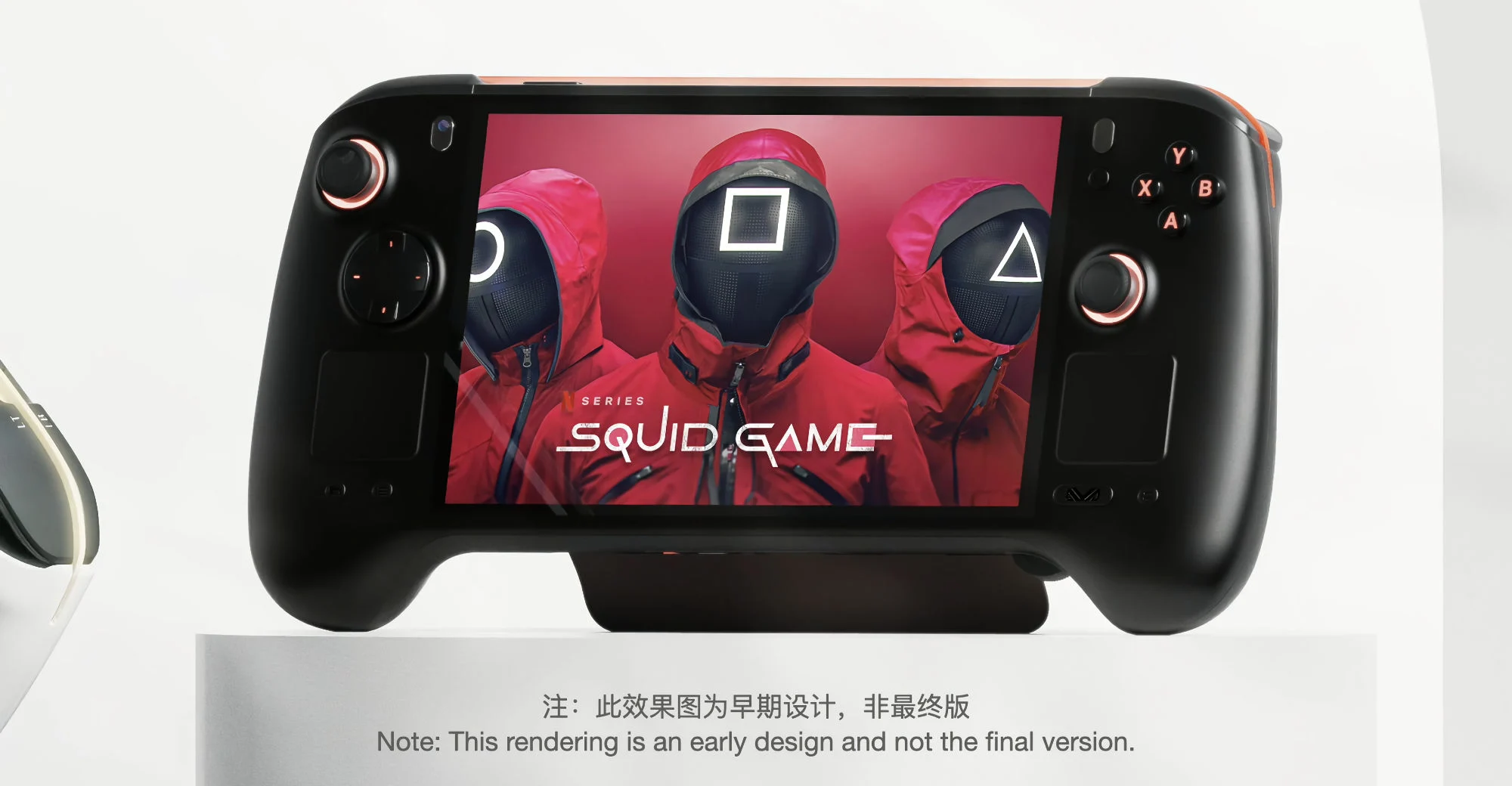
    The GPD Win 5 represents GPD’s newest effort in developing a Windows gaming handheld inspired by the PlayStation Vita. However, the GPD Win 5 is considerably larger than any PlayStation Vita, measuring 267 x 111 x 24.21 mm and weighing 940 g when the external battery is included. In comparison, the GPD Win 5 is also significantly bulkier than its predecessor, the GPD Win 4, which is currently available with AMD’s Strix Point architecture for about $1,489 on Amazon.

    Enhanced Performance

    This added size has allowed GPD to equip the Win 5 with much stronger APUs than those in the GPD Win 4. At its launch, users can choose between the Ryzen AI Max 385 or the Ryzen AI Max+ 395, which come with Radeon 8050S and Radeon 8060S integrated graphics processors, respectively. Benchmark results show that there is minimal difference between the two APUs in CPU-intensive tasks. However, the Radeon 8060S outperforms the Radeon 8050S by roughly 20% in GPU tests and gaming performance.

    Impressive Graphics

    Despite this, the Radeon 8050S significantly outclasses the Radeon 780M and Radeon 890M found in many well-known gaming handhelds. Furthermore, every GPD Win 5 model comes equipped with a 7-inch, 1080p, 120 Hz IPS display, plus an M.2 2280 slot, USB 4, a Mini SSD slot, and Hall effect triggers.

    Additionally, GPD provides an 80 Wh external battery pack with every purchase. Users can also buy extra batteries for $93 each, and the Win 5 can be powered directly from a wall outlet using USB4 or its unique 180 W charging port. By doing so, the weight of the handheld is reduced to a more manageable 590 g.

    Pricing and Availability

    The GPD Win 5 is priced starting at $1,448, which includes a Ryzen AI Max 385, 32 GB of RAM, and 1 TB of storage on Indiegogo. Alternatively, GPD has two models featuring the Ryzen AI Max+ 395 with either 32 GB or 64 GB of RAM available for around $1,650 and $2,120, respectively. Unfortunately, a model with 128 GB of RAM is not yet offered. GPD aims to start shipping to Indiegogo backers by November 2025.

    Source:
    Link


  • Lenovo’s LCFC Launches New AMD Strix Halo Mini PC

    Lenovo’s LCFC Launches New AMD Strix Halo Mini PC

    Key Takeaways

    1. Lenovo’s LCFC has launched the AMD Strix Halo mini PC, named H02, in China with three different Ryzen AI Max+ configurations.
    2. The mini PC supports up to 128 GB of LPDDR5 RAM and has two M.2 slots for PCIe 4.0 SSDs.
    3. The design resembles other Strix Halo systems and includes a variety of ports, with an effective cooling system for performance up to 120 W.
    4. Pricing starts at CNY 17,999 (about $2,508) for the entry-level model and goes up to CNY 19,999 (about $2,786) for the highest-end version.
    5. There is currently no news on a global release, and the Lenovo subsidiary has a limited international presence.


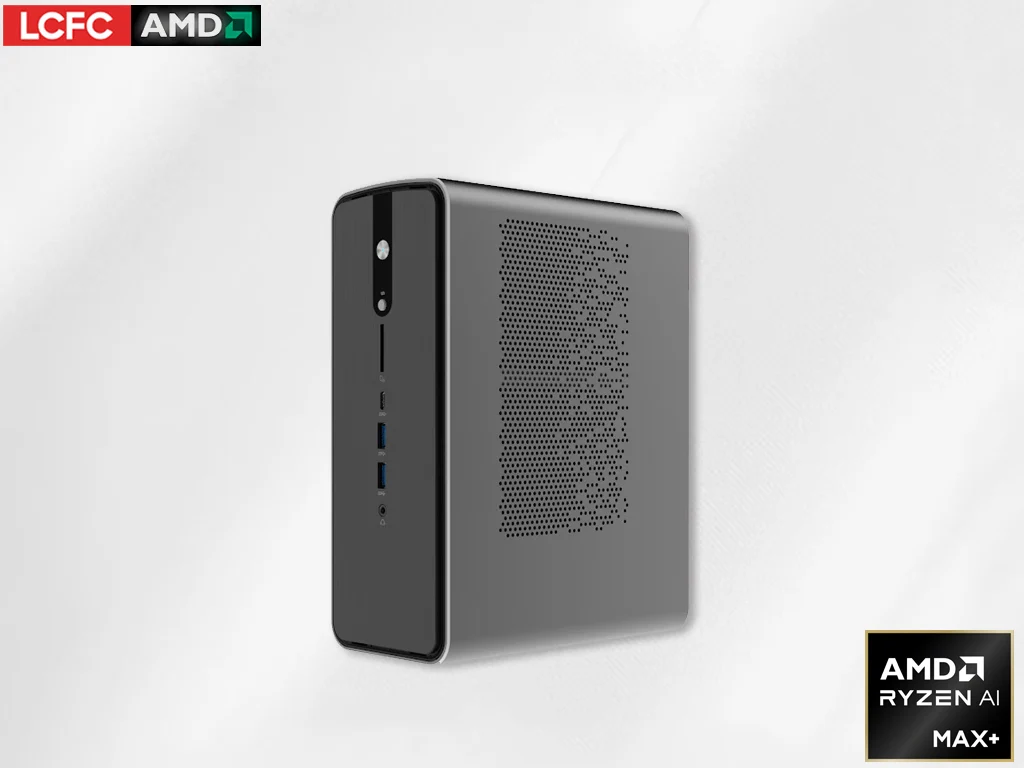
    Lenovo’s offshoot, LCFC, has quietly introduced a new AMD Strix Halo mini PC in China. Named the H02, this device can be fitted with the powerful Ryzen AI Max+ 395. There are also two other versions available, with the entry-level model featuring the Ryzen AI Max+ 385.

    Specifications and Performance

    The mid-tier version comes with the Ryzen AI Max+ 390. Each setup of this Lenovo mini PC supports up to 128 GB of LPDDR5 RAM, although the exact amount of memory included isn’t specified. Additionally, it features two M.2 slots for PCIe 4.0 SSDs, with a 2 TB Samsung 990 EVO Plus priced at $129.99 on Amazon.

    Design and Features

    In terms of design, the mini PC has a chassis that closely resembles the recently released Strix Halo systems, like the Corsair AI Workstation 300. It includes a satisfactory range of ports, including:

    Moreover, it supports a wireless module that can be installed in the M.2 2230 slot of the mini PC. This module can enable dual-band WiFi and Bluetooth 5.2. The company also highlights that the LCFC H02 features an effective cooling system, allowing it to deliver performance up to 120 W.

    Pricing Information

    As for the cost, the new Strix Halo mini PC begins at CNY 17,999, which is roughly $2,508. The highest-end model, equipped with the Ryzen AI Max+ 395, is priced at CNY 19,999, about $2,786. The mid-range version featuring the Ryzen AI Max+ 390 retails for CNY 18,999, around $2,647. There’s currently no news about a global release, but it’s important to mention that this Lenovo subsidiary does not have a strong international footprint.

    Source:
    Link


  • Ayaneo Next 2 Handheld Gaming Console Unveils AMD’s Top Laptop Chip

    Ayaneo Next 2 Handheld Gaming Console Unveils AMD’s Top Laptop Chip

    Key Takeaways

    1. AMD’s Ryzen AI Max series (Strix Halo) is debuting in handheld devices, starting with GPD’s Win 5 and Ayaneo’s Next 2.
    2. The Ayaneo Next 2 will feature a Ryzen AI Max+ 395 chip and up to 128 GB of LPDDR5X RAM.
    3. Key specs like storage and screen size are not yet revealed, but it will include multiple ports such as USB-A, HDMI, and Ethernet.
    4. The release date for the Ayaneo Next 2 is uncertain, and it may be available later this year at a high price point.
    5. The Strix Halo chip’s power may exceed typical handheld gaming needs, targeting a niche market rather than average consumers.


    AMD’s latest and greatest laptop processors, known as the AMD Ryzen AI Max series (Strix Halo), have been found in many mini-PCs but surprisingly few laptops in recent months. Now, these chips are making their debut in handheld devices, with GPD being the first to launch its Win 5. Following closely behind, Ayaneo has jumped into the competition with its new device: the Next 2.

    A Glimpse of the Future

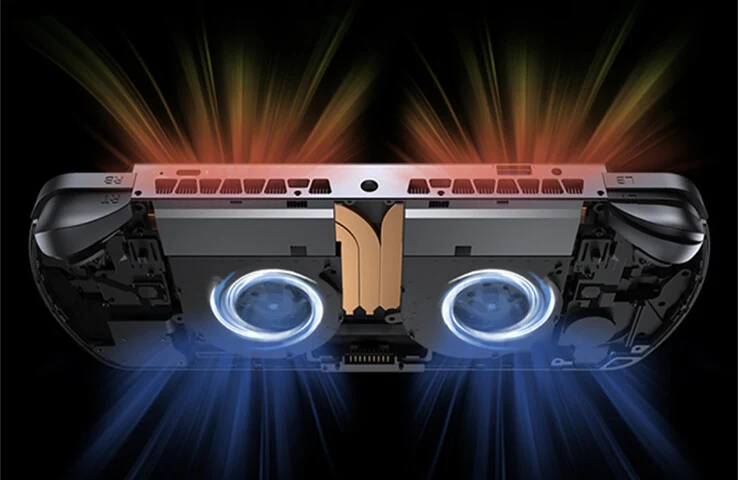
    Although it won’t be available right away, Ayaneo has showcased the Next 2 during a live stream event. This handheld will be powered by a Ryzen AI Max+ 395 chip, and with eight LPDDR5X memory modules, it could possibly come with either 64 GB or even 128 GB of RAM. The device features two large fans coupled with substantial heatsinks, which will need to work hard to manage the heat from the Strix Halo chip.

    Specs Still Under Wraps

    While details like storage capacity and screen size remain undisclosed, a photograph of the board indicates the inclusion of a full-sized SD card slot. Additionally, it shows that there will be two USB-A ports, two RJ-45 Ethernet connectors, an HDMI port, and a DP 1.4 port. It’s important to note that this is likely just a prototype, and the final version will likely be more refined.

    Sadly, there’s no official release date for the Ayaneo Next 2, and given its current development status, we might not see it on the market until much later this year. Moreover, it’s expected to be on the pricier side, potentially costing as much as a standard gaming laptop. However, it’s worth mentioning that this device isn’t aimed at the average consumer since the Strix Halo is almost too powerful for typical handheld usage.

    Ayaneo’s foray into the handheld gaming world is definitely something to keep an eye on, despite the uncertainty surrounding its launch.

    Source:
    Link


  • Toggle Unique Flexible RAM Features of AMD Ryzen AI Max Series

    Toggle Unique Flexible RAM Features of AMD Ryzen AI Max Series

    Key Takeaways

    1. The Ryzen AI Max features a faster Radeon 8060S GPU and supports up to 128 GB of soldered LPDDR5x RAM.
    2. Users can allocate RAM for the GPU and system through BIOS settings, enhancing flexibility for different needs.
    3. Accessing the BIOS involves pressing ‘Esc’ at boot, navigating to ‘BIOS Setup’, and adjusting ‘Video memory size’ under the ‘Advanced’ tab.
    4. Users can choose video memory from 512 MB up to 96 GB, impacting GPU performance and system RAM availability.
    5. The adaptable RAM/VRAM feature caters to different user needs, but a more accessible toggle could improve usability.


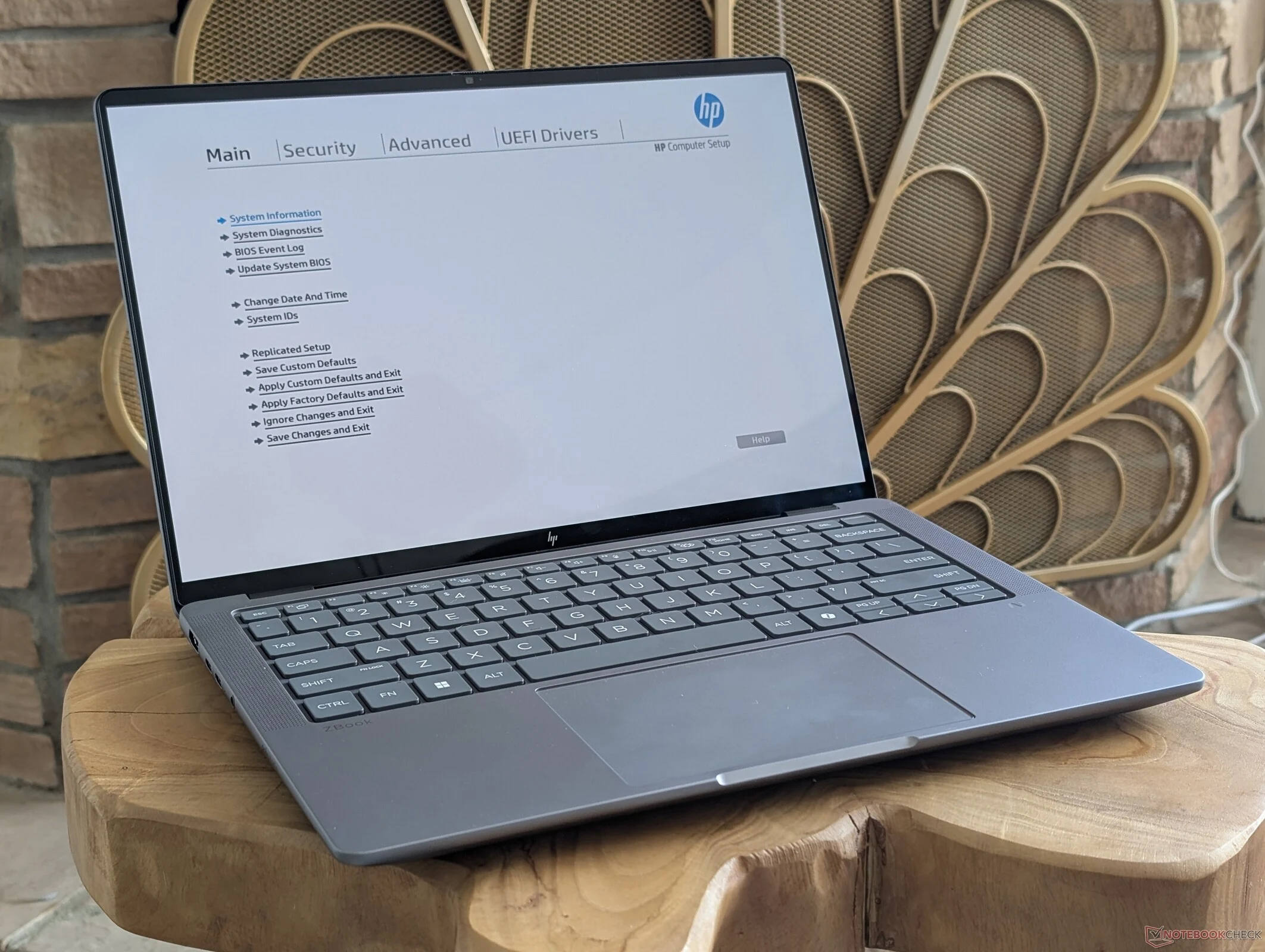
    Unlike the standard Ryzen AI 9 series, the Ryzen AI Max features a much faster Radeon 8060S GPU that demands more power and comes with soldered LPDDR5x RAM, which can reach up to 128 GB. This is particularly noteworthy because it enables compact models, like the HP ZBook Ultra G1a 14, to have an impressive amount of RAM for such a small 14-inch screen. Due to this large capacity, AMD allows users to specify how much RAM is allocated for the GPU and how much is reserved for the system through the BIOS settings.

    Accessing the BIOS

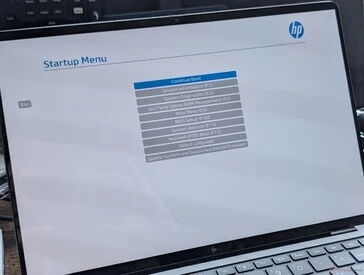
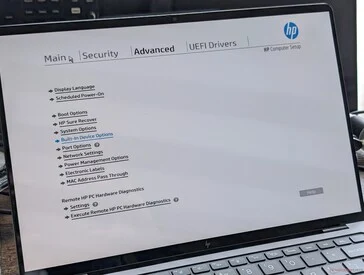
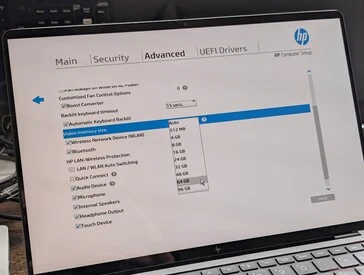
    To utilize this interesting feature, we can take the HP ZBook as our test unit. By pressing ‘Esc’ when the device boots up, you can open the ‘Startup Menu’ as depicted in the image below. Users then need to navigate to ‘BIOS Setup’, go to the ‘Advanced’ tab, and select ‘Video memory size’. The default setting is 64 GB, but users have the flexibility to choose from 512 MB up to 96 GB.

    Adjusting Video Memory

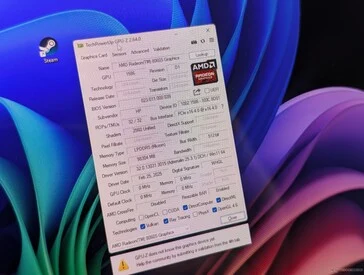
    After adjusting the settings, if you check GPU-Z, you’ll see the updated RAM pool available for the Radeon GPU. In this instance, we changed the video memory to 96 GB or 98304 MB, as indicated in GPU-Z, leaving 32 GB for the system to use.

    User Flexibility

    This adaptable RAM/VRAM feature can be quite useful based on what the user needs or who the target audience is. Those heavy-duty workstation users might want to allocate as much VRAM as they can, whereas gaming setups that also utilize the Ryzen AI Max processor will likely be satisfied with the 24 GB configuration. However, since this setting is somewhat hidden under multiple submenus, having a more obvious toggle could make it easier for more users to find and use this feature.


  • AMD Strix Halo Lineup Leaked with New Max Branding

    AMD Strix Halo Lineup Leaked with New Max Branding

    Golden Pig Upgrade, a well-known leaker on Weibo, has disclosed details about AMD’s entire Strix Halo series. This lineup features three models and introduces a new naming structure that includes ‘larger numbers’ as previously anticipated. Here’s the breakdown:

    Flagship Model Unveiled

    The Ryzen AI Max+ 395 stands out as the flagship option, boasting 16 Zen 5 CPU cores distributed across two CPUs, along with a 40 CU RDNA 3.5 GPU. This top-tier SKU is designed for premium laptops.

    Additional Models

    Following this, the Ryzen AI Max 390 is equipped with 12 cores and a 40 CU integrated GPU. Lastly, the Ryzen AI Max 385 features 8 CPU cores and a 32 CU integrated GPU. It’s possible that this model appeared on Geekbench earlier this year, indicating these are the initial three models to launch.

    Memory and Compatibility

    The leaker also notes that Strix Halo can support up to 96 GB of VRAM out of the total 128 GB available (256-bit LPDDR5X-8000). This capacity will likely be reserved for high-end enterprise models and may not reach the consumer market. Currently, one confirmed product featuring Strix Halo technology is Asus’ ROG Flow Z13.


    Image 1