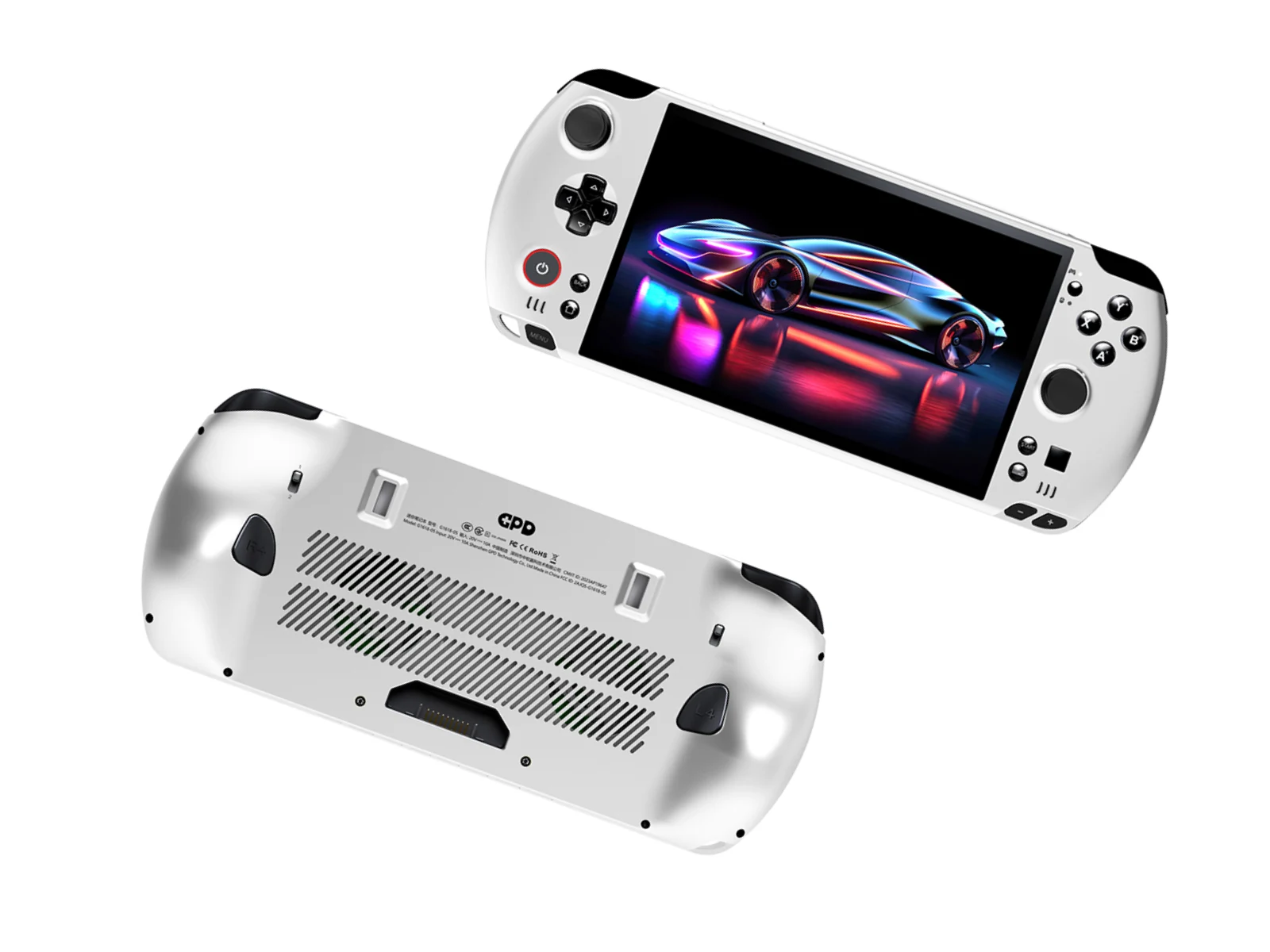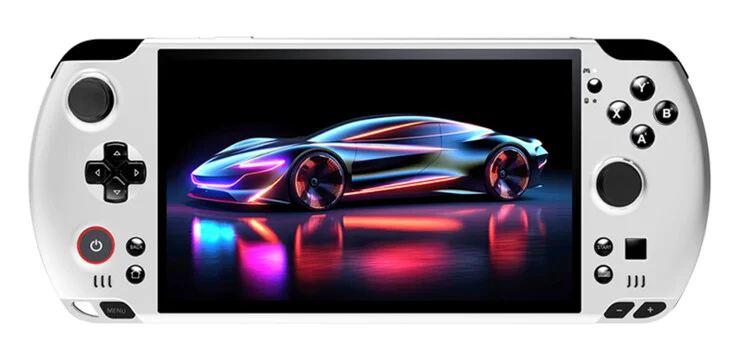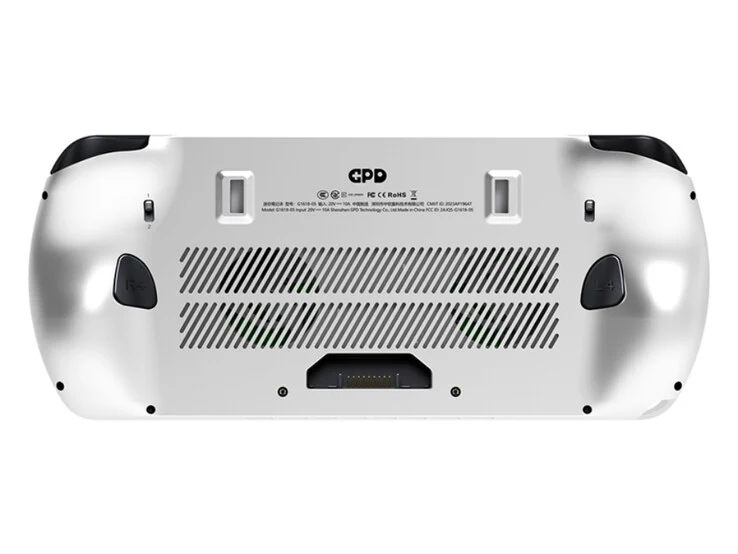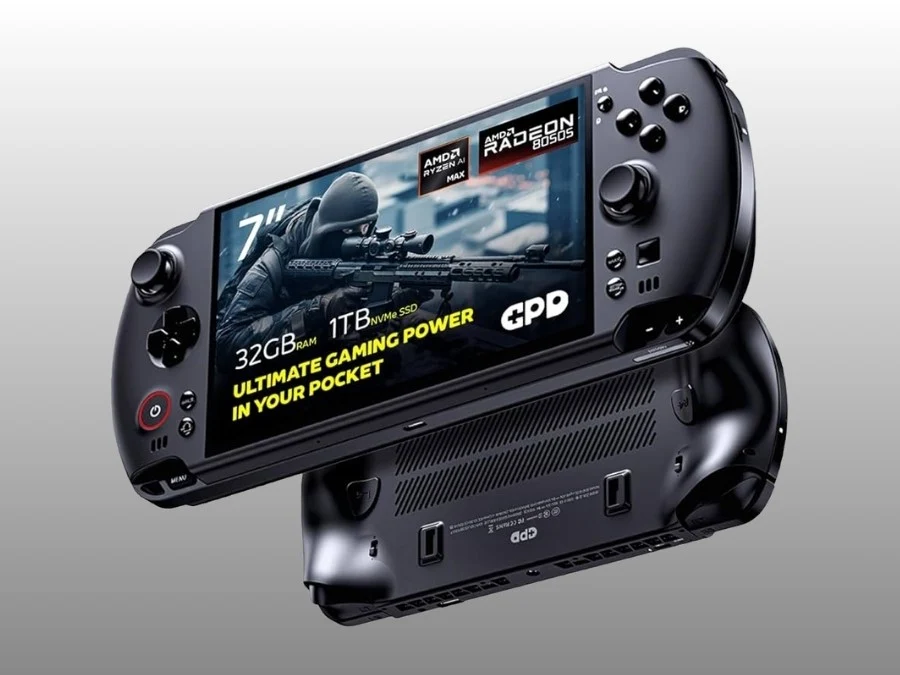
Tag: GPD Win 5

  • Blizzard President: Consoles Provide Better Value Than Handhelds

    Blizzard President: Consoles Provide Better Value Than Handhelds

    Key Takeaways

    1. Gaming handhelds are improving with better CPUs, GPUs, and more memory, allowing them to run modern games effectively on the go.
    2. Mike Ybarra argues that handhelds like the GPD Win 5 lack value for most gamers due to their high price compared to consoles.
    3. The GPD Win 5 is priced at $1,500, while a PS5 Pro could be purchased for less, providing better overall value.
    4. Traditional consoles are often sold at a subsidized price, making them more accessible to a wider audience, despite potential additional costs for games and services.
    5. Current consoles like the PS5 and Xbox Series X are expected to remain relevant for at least four more years, offering longevity that high-end handhelds may not provide.


    Gaming handhelds are improving every year. Newer models feature enhanced CPUs, superior GPUs, and increased memory, enabling them to run modern games seamlessly while you’re out and about. Despite this progress, former Blizzard Entertainment president Mike Ybarra thinks that they still lack value for most gamers.

    The GPD Win 5 Review

    The conversation began when Digital Foundry published its review of the GPD Win 5 on X, stating it was the first handheld they tested that could match PS5-like performance in a portable design. In response to the review, Mike Ybarra took to X to express his belief that consoles offer far better value at a lower price.

    Pricing Concerns

    Mike pointed out that the GPD Win 5 is priced at $1,500 (though the Ryzen AI Max 385 model actually starts at $1,870 on the GPD Store). While he recognized the appeal of playing high-end games while on the go, he insisted that the price is simply too steep for what it delivers.

    According to Ybarra, for much less cash, gamers could purchase a PS5 Pro and still have funds left for games and subscriptions. He explained that traditional consoles are often sold at a subsidized price, meaning the hardware costs less upfront. Companies then make up for the costs later through services, digital sales, and royalties from third-party games. This model makes consoles more available to a larger audience.

    Accessibility and Longevity

    Ybarra also mentioned that most individuals can’t afford to spend $1,500 on just one gaming device. With the ongoing rise in GPU and RAM prices, high-end handhelds might become even pricier in the future. He emphasized longevity too, stating that current consoles like the PS5, PS5 Pro, and Xbox Series X are powerful enough to stay relevant for at least another four years or more if necessary.

    However, it’s important to note that consoles aren’t entirely free from added costs. The PS5 Pro retails for $749.99, but players will also need a good 4K TV to fully utilize its capabilities.

    Source:
    Link
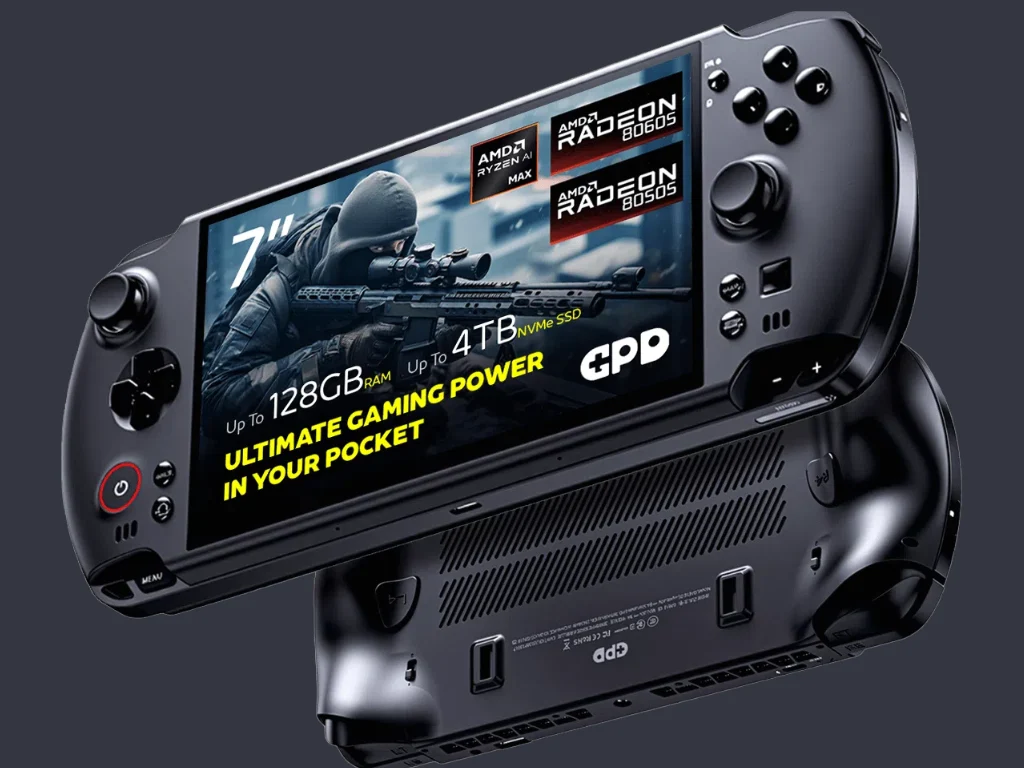


  • GPD Win 5 Achieves 93.5% PS5 FPS in Alan Wake 2 at 1440p

    GPD Win 5 Achieves 93.5% PS5 FPS in Alan Wake 2 at 1440p

    Key Takeaways

    1. The GPD Win 5 was released on October 17, 2025, featuring AMD’s powerful Ryzen 9 AI Max+395 processor, also known as Strix Halo.
    2. It boasts impressive specs, including 16 CPU cores, 40 RDNA 3.5 compute units, and a high bandwidth of 256 GB/s, with a larger silicon die than the PS5 Pro.
    3. In benchmarks, the GPD Win 5 achieved 93.5% of the PS5’s FPS at 1440p, demonstrating strong performance in demanding games.
    4. At 1080p, it performed at 85.6% of the PS5, with a notable increase when using FSR 2 Performance Mode.
    5. The GPD Win 5 is priced over $2,000, highlighting its premium positioning in the handheld gaming market.


    The GPD Win 5 hit the market on 17 October 2025, showing itself to be a small but mighty device that rivals the performance of the PlayStation 5. It features AMD’s Ryzen 9 AI Max+395 processor, which is also known by its codename, Strix Halo.

    Impressive Specifications

    At first glance, it may seem absurd to fit such a powerful chip into a handheld console. The Strix Halo packs in 16 CPU cores, 40 RDNA 3.5 compute units, and a 256-bit memory interface, providing an impressive 256 GB/s of bandwidth. Moreover, it has a larger silicon die of 440 mm² compared to the PS5 Pro’s 280 mm² Viola chip.

    Despite the Strix Halo being originally intended for laptops and mini PCs with a power draw of 140 watts, it still performs admirably in the GPD Win 5. The power consumption ranges from 7W to 85W, with an optimal power setting around 50W.

    Benchmarking Against the PS5

    Digital Foundry put the GPD Win 5 to the test against the PS5 using demanding titles like Alan Wake 2. The game was tested on the GPD Win 5 using “Tweaked Low” graphical settings. During a stress test that matched the PS5’s settings at 1440p, the GPD Win 5 achieved nearly 93.5% of the console’s FPS, hitting 51.65 FPS against the PS5’s 55.25 FPS.

    In battery mode with the GPD Win 5 set to 30W, it still managed to reach 69.6% performance at the same resolution, delivering 39 FPS.

    Performance at Different Resolutions

    When tested at 1080p, the GPD Win 5 performed at 85.6% of the PS5, yielding around 47.3 FPS, which increases to 51.47 FPS when using FSR 2 Performance Mode. The PS5, by comparison, produces 53 FPS at 1440p in Performance Mode during the identical stress test.

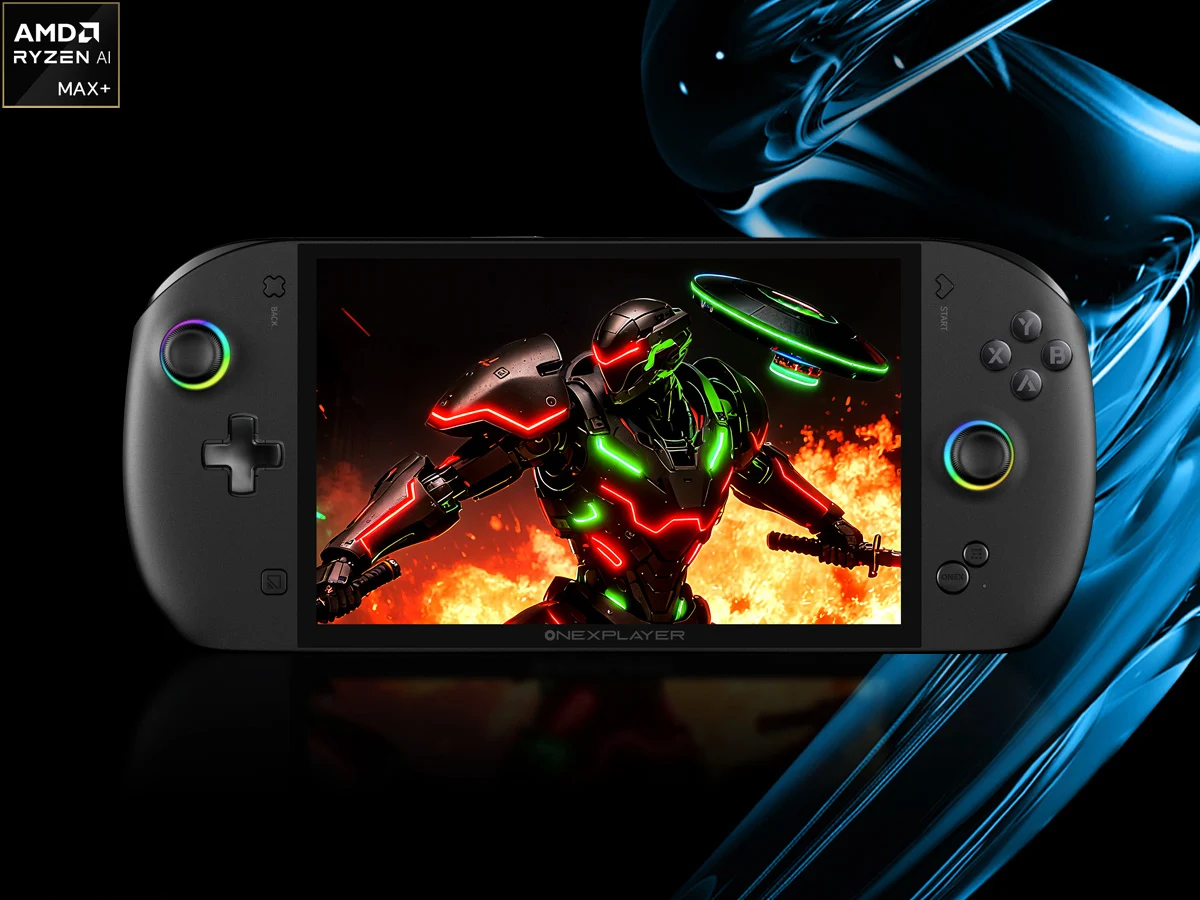
    Other handheld gaming PCs like AYANEO and OneXPlayer are reportedly planning to incorporate a Strix Halo APU into their devices. Yet, GPD is currently ahead, being the first handheld device to utilize AMD’s Strix Halo APU.

    Pricing Insights

    Although the GPD Win 5 is on the higher side, exceeding $2,000 ($2,179 for the 32GB LPDDR5X model with a 2TB NVMe), it’s still a remarkable insight into the potential of future handhelds, provided that battery technology can keep pace with the advances in silicon.

    Source:
    Link


  • GPD Win 5 Gets Internal Battery and Detachable Legion Go-Style Controllers

    GPD Win 5 Gets Internal Battery and Detachable Legion Go-Style Controllers

    Key Takeaways

    1. GPD has launched the Win 5 with design updates that have received mixed reactions from fans, especially regarding the external battery feature.
    2. Modder PureDIY has created two modified versions of the Win 5, one removing the external battery for a more portable design with a 45 Wh battery.
    3. The first modified version has a thicker chassis and shorter battery life but includes a vent strip and a non-OEM display while keeping the dual-fan system.
    4. The second modified version retains the original 85 Wh external battery and transforms the device into a tablet-like form when controllers are detached.
    5. PureDIY’s modified versions are not currently available for retail purchase, but a video showcasing them can be found on Bilibili.


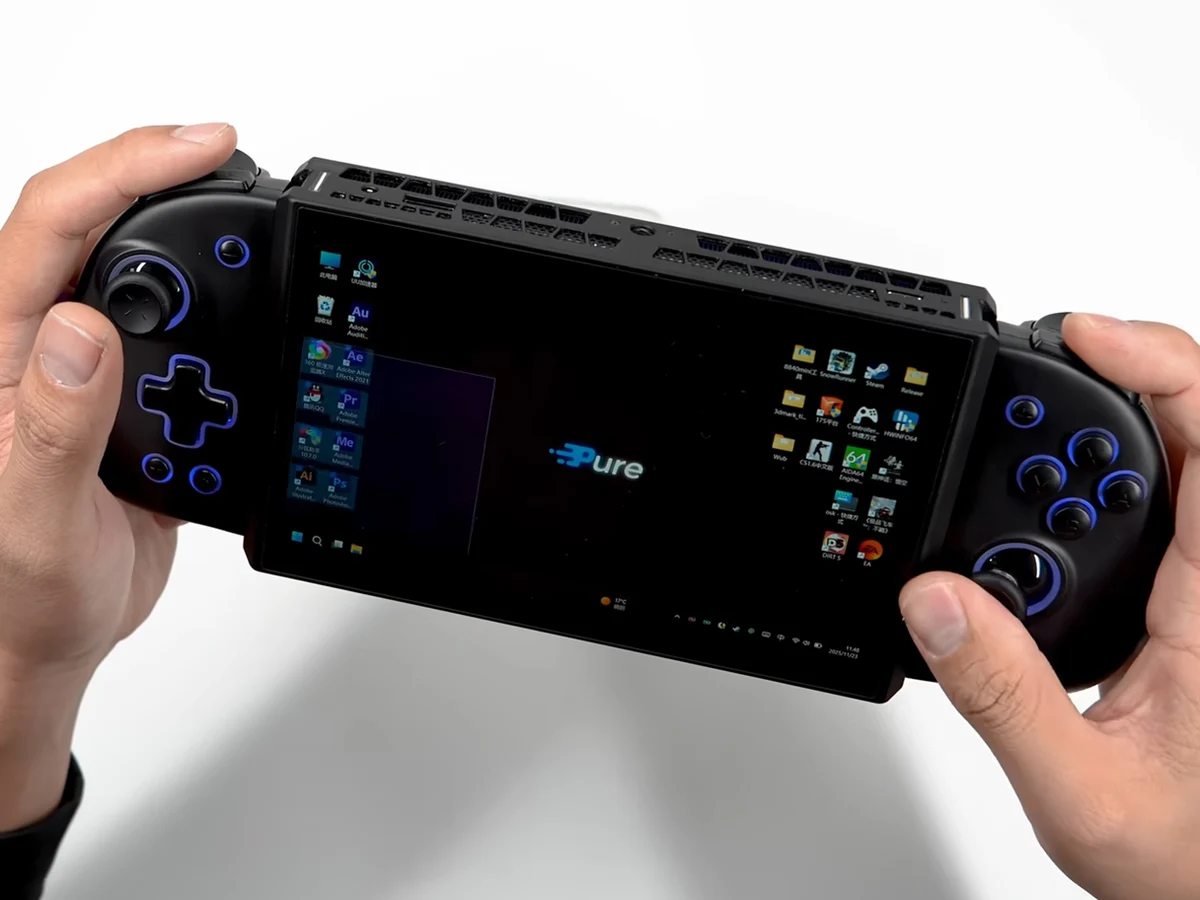
    GPD has launched the Win 5, featuring notable design updates compared to the previous model. Some of these changes have not been favored by all fans, particularly the external battery feature. Recently, a modder named PureDIY has unveiled a modified version of this gaming handheld that many users may find appealing.

    New Battery Design

    The modder, known as PureDIY, presented two different versions of the mod. One version completely removes the external battery design and instead includes a 45 Wh battery. This modification enhances portability, yet it results in a thicker chassis compared to the original model and also decreases the overall battery life.

    In addition to the new battery, this mod introduces a vent strip at the bottom and features a non-OEM display, while maintaining the original’s dual-fan system. The controllers are now detachable, reminiscent of Lenovo’s Legion Go 2. According to PureDIY, with the internal battery and attached controllers, the entire package weighs approximately 917 grams.

    Retaining Original Features

    The second version retains the detachable controllers but keeps the same 85 Wh external battery found in the original GPD Win 5. The clear benefit of this modified design is that it transforms the device into a more tablet-like form when the controllers are removed, making it comparable to the OneXPlayer Super X, albeit in a smaller size.

    Talking about the detachable controllers, they are equipped with their own batteries, allowing for wireless functionality even when separated (Xbox Elite Series 2 Core currently priced at $119 on Amazon). The modded versions feature Joy-Con-style rails, which enable the Win 5 to charge the controllers while they are attached.

    Availability of Mods

    Despite GPD seemingly endorsing these modifications, none are currently available for retail purchase. For a closer look at the modded Win 5 versions, check out PureDIY’s video on Bilibili linked below.

    Source:
    Link


  • GPD Win 5 Handheld Refresh: New Panda Color & 128GB RAM Option

    GPD Win 5 Handheld Refresh: New Panda Color & 128GB RAM Option

    Key Takeaways

    1. GPD launched the Win 5 gaming handheld, the first to use AMD Strix Halo, on Indiegogo.
    2. The Win 5 offers options with Ryzen AI Max 385 and Ryzen AI Max+ 395 APUs, but the Max+ 395 supports only up to 64 GB of RAM.
    3. GPD plans to match the OneXFly Apex’s 128 GB RAM support with new versions available on Indiegogo’s InDemand service.
    4. The upcoming 128 GB RAM models will feature a new ‘panda’ color option alongside the existing black variant.
    5. Details on the official availability of the Win 5 on InDemand are yet to be provided by GPD.


    GPD made history in September by becoming the first company to launch a gaming handheld powered by AMD Strix Halo, introducing the Win 5 on Indiegogo. Even though AMD revealed the Ryzen AI Max 385, Ryzen AI Max 390, and Ryzen AI Max+ 395 nearly a year ago, many gaming handheld makers have opted for the less powerful Strix Point and Lunar Lake options, or the weak Ryzen Z2A found in the Asus ROG Xbox Ally (currently priced at $599 on Amazon).

    GPD’s Offerings

    As mentioned earlier, GPD presented the Win 5 with options between the Ryzen AI Max 385 and the Ryzen AI Max+ 395 APUs. However, the Max+ 395 could only support up to 64 GB of RAM, unlike the newer OneXFly Apex model. Following the release of the OneXFly Apex on Sunday, which supports up to 128 GB of RAM, GPD has announced its intention to match this offering.

    New Developments

    In a post on X, GPD has confirmed that versions with 128 GB of RAM will be available through Indiegogo’s InDemand service. This platform allows companies to continue fundraising while the production begins, but it is still considered crowdfunding and not a traditional retail purchase. Additionally, GPD revealed that the new 128 GB RAM models will also come in a second color option.

    Color Options

    GPD refers to this new color as ‘panda,’ which is a white finish that resembles the colors previously available for the Win 4 and Win Mini. All the buttons will have the same finishes and colors as the black variant of the Win 5. Unfortunately, GPD has not yet provided details on when the Win 5 will officially become available on InDemand.

    Source:
    Link


  • $1,000 Gaming Handheld with Windows 11 and Xbox Mode Boosts FPS

    $1,000 Gaming Handheld with Windows 11 and Xbox Mode Boosts FPS

    Key Takeaways

    1. The handheld gaming market is rapidly evolving, with strong competition between Windows and Linux devices, highlighted by the GPD Win 5’s performance running Cyberpunk 2077 at 1080p Ultra.

    2. A performance comparison was conducted among handheld devices with AMD and Intel processors to gauge where a new Xbox-branded model may rank.

    3. Microsoft has introduced a full-screen handheld mode for the MSI Claw series, enhancing the Xbox gaming experience on Windows devices without needing unofficial modifications.

    4. The new full-screen experience on the Claw 8 AI+ reduces background memory usage, allowing for better game performance and resource allocation.

    5. Despite improvements, the Xbox-style launcher still lacks customization options and requires separate launches for some applications, indicating room for further refinements.


    Over the last few months, the handheld gaming market has been changing rapidly, with devices running on both Windows and Linux competing fiercely with one another. The GPD Win 5, equipped with the AMD Strix Halo, has shown off its ability to run Cyberpunk 2077 at 1080p Ultra on SteamOS 3.8, delivering some impressive results.

    Performance Comparisons

    In addition, there was a comprehensive comparison of handheld devices featuring the AMD Ryzen Z1 Extreme, Z2 Extreme, and Intel’s Core Ultra 7 258V. This was done to predict where the new Xbox-branded model might fall in terms of performance, considering it also includes the AMD Ryzen Z2 Extreme APU.

    Enthusiast Tweaks

    On another note, a test with Bazzite, a well-known Linux fork, on the ROG Xbox Ally X demonstrated how dedicated fans are to maximizing performance from these handheld devices by installing a new operating system on an Xbox-branded machine.

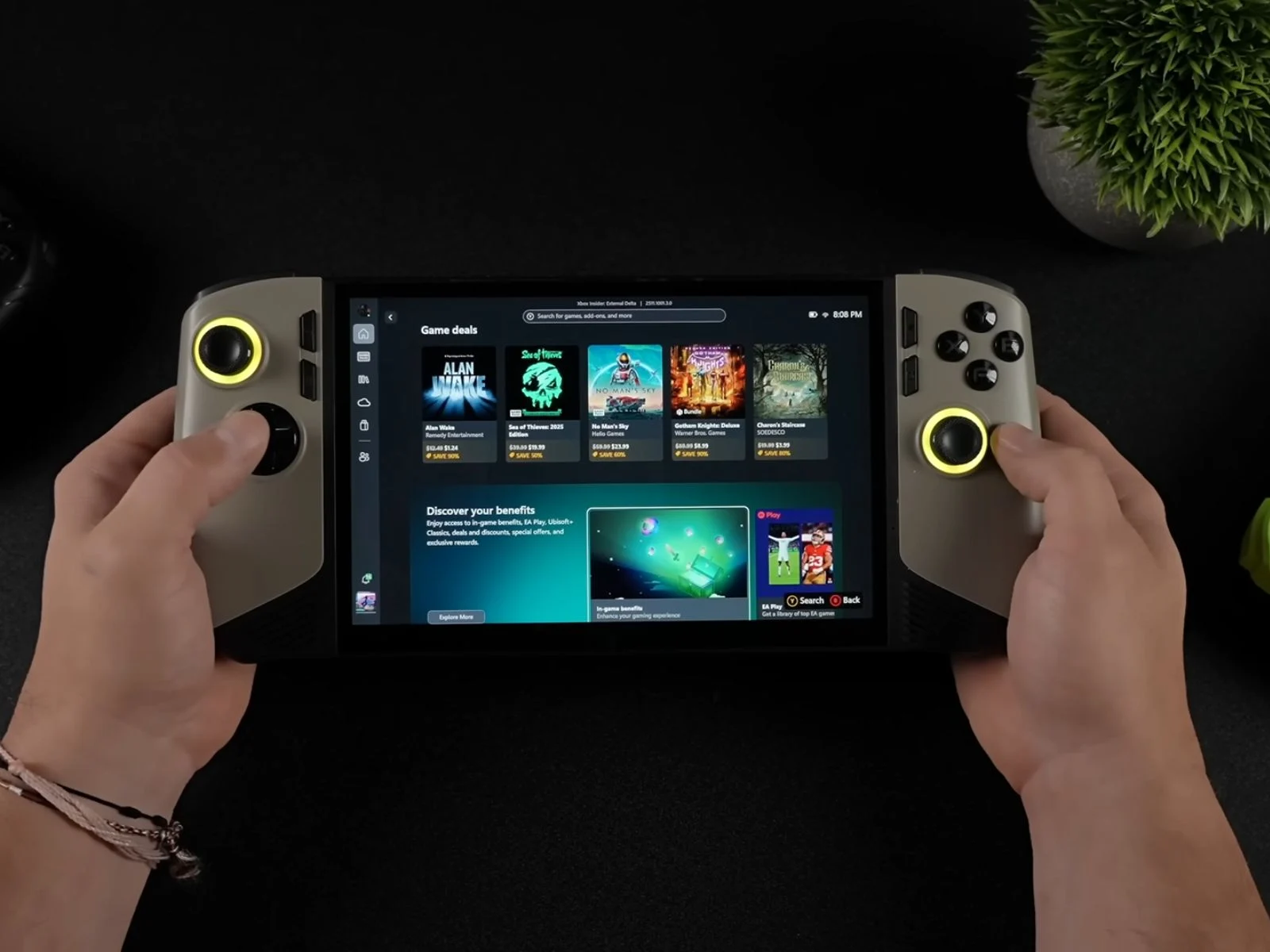
    Now, Microsoft is raising the bar by launching its full-screen handheld mode for the MSI Claw series via the Windows 11 Insider Dev and Beta channels (build 7051). This effectively extends the Xbox full-screen experience beyond just Asus’ ROG Ally devices. It’s an important milestone that acknowledges Windows handhelds as a significant category and eliminates the need for unofficial modifications to access the gaming-optimized interface.

    New User Experience

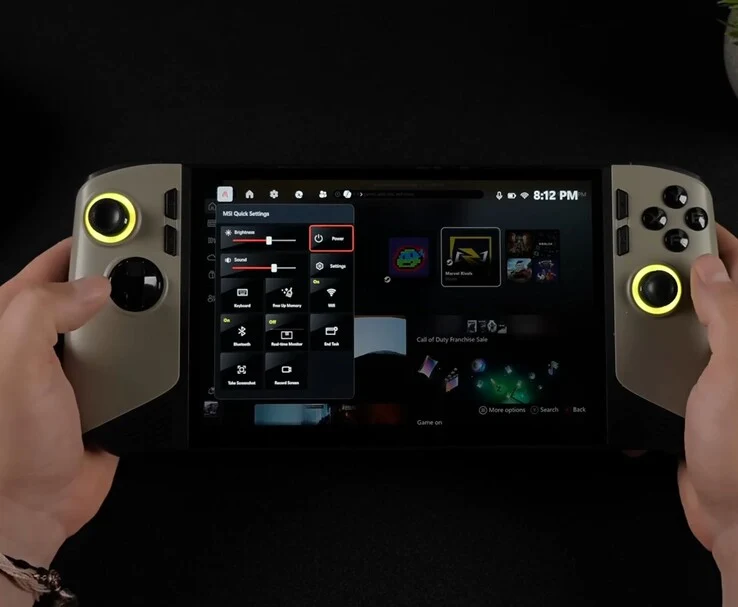
    YouTuber ETA Prime recently highlighted in a video how this update allows MSI Claw devices, such as the Intel-powered Claw 8 AI+, to enjoy the full-screen experience natively. Users can now boot straight into the new Xbox-like interface, navigate using the device’s buttons, and log in without a keyboard. Although this mode still needs an Insider build, Microsoft has stated that more OEMs will be supported in the upcoming months.

    The interface works well with the Claw’s built-in tools, like MSI Center M, enabling users to adjust TDP and performance settings via the Xbox Game Bar. This creates a more unified experience similar to what SteamOS provides on Valve’s handhelds but is entirely built within Windows.

    Memory Optimization and Performance

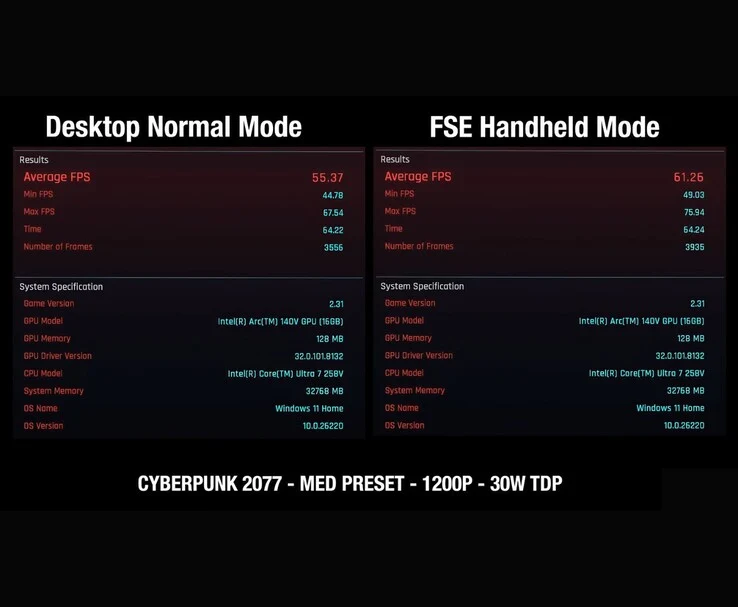
    Testing conducted by ETA Prime on the Claw 8 AI+ indicates that switching from the old desktop mode to the new full-screen experience decreases background memory usage from around 7.3 GB to 6.2 GB, closely aligning with Microsoft’s claim of a 2 GB reduction. This optimization could be especially beneficial for 16 GB models, allowing for more available memory for games or VRAM allocation.

    In terms of performance, games like Cyberpunk 2077 displayed modest yet steady improvements:

    Other titles, such as Forza Horizon 5 and Black Myth: Wukong, also experienced slight boosts, while battery life stayed the same.

    Room for Improvement

    Despite the functional enhancements, ETA Prime points out that the interface still lacks some refinement. The Xbox-style launcher provides limited customization options and only automatically detects game launchers rather than all installed applications. Users who depend on monitoring tools or mod managers will still have to start them separately or through Steam’s non-Steam shortcut feature.

    Nevertheless, ETA Prime emphasizes that this update marks a significant change in Microsoft’s approach to handheld gaming PCs, a sector that has been mainly dominated by Linux-based systems. With broader OEM support on the horizon, handheld gamers can anticipate improved compatibility and similar performance across devices like the MSI Claw, ROG Ally, and others.

    Source:
    Link


  • OneXPlayer Announces Global Launch for AMD Strix Halo and OneXFly Apex

    OneXPlayer Announces Global Launch for AMD Strix Halo and OneXFly Apex

    Key Takeaways

    1. OneXPlayer has launched the OneXFly Apex in China to compete with the GPD Win 5 at a lower price point.
    2. The OneXFly Apex will be available for pre-order on Indiegogo starting November 09, 2025.
    3. The international pricing for the OneXFly Apex is expected to be lower than the GPD Win 5, but higher than the Xbox ROG Ally X.
    4. The device features Ryzen AI Max+ 395 or AI Max 385 APUs with Radeon 8050S and 8060S integrated graphics.
    5. It includes an 8-inch VRR display with a 120 Hz refresh rate and a water-cooled model capable of delivering up to 120 W performance.


    OneXPlayer has introduced the OneXFly Apex in China, aiming to compete with the GPD Win 5 at a more budget-friendly price. At its debut, the company hinted that the new AMD Strix Halo gaming handheld would soon reach global markets, and now the date for its international launch has been announced.

    Launch and Pre-order Details

    The OneXFly Apex is set to be available on Indiegogo starting November 09, 2025. The company has also provided a timeline for pre-orders in various regions around the world (see the chart at the end). While the international pricing hasn’t been disclosed yet, it’s important to mention that the GPD Win 5 also made its global launch via Indiegogo.

    Pricing Expectations

    GPD’s AMD Strix Halo gaming handheld began at a price of $1,448 on Indiegogo, and the Ryzen AI Max+ 395 variant kicked off at a pre-order price of $1,650. The OneXFly Apex is anticipated to be priced slightly lower than the GPD Win 5, considering the price differences in China, however, it might still be pricier than the Xbox ROG Ally X (which has a non-X version available on Amazon).

    Specifications and Features

    In case you missed our previous coverage on the Chinese launch, the OneXFly Apex comes equipped with either the Ryzen AI Max+ 395 or the AI Max 385 APUs. These two configurations boast the Radeon 8050S and Radeon 8060S integrated graphics, making them some of the most powerful options currently available.

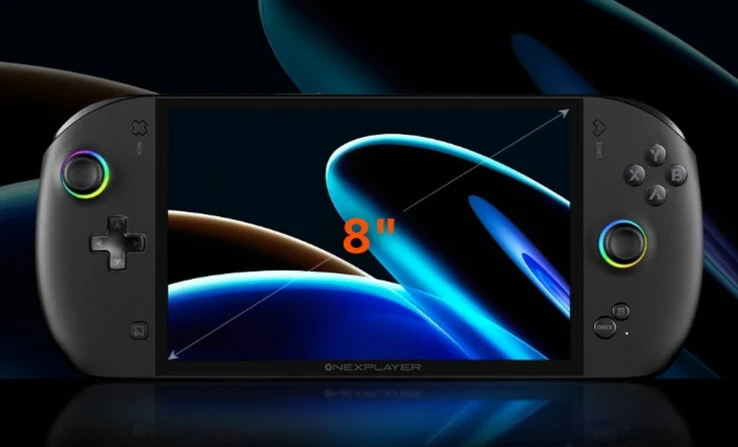
    This new AMD Strix Halo handheld sports an 8-inch VRR display with a refresh rate of 120 Hz, and the water-cooled model can deliver up to 120 W of performance. For more information, be sure to check out our earlier articles on the OneXFly Apex.

    Source:
    Link


  • Strix Halo Handheld: Cyberpunk 2077 on SteamOS vs. Windows 11

    Strix Halo Handheld: Cyberpunk 2077 on SteamOS vs. Windows 11

    Key Takeaways

    1. The GPD Win 5 runs SteamOS 3.8 natively, allowing full support for controllers, Wi-Fi, and Bluetooth.
    2. Power management in SteamOS on the GPD Win 5 requires additional tools, as TDP controls are not available in the native menu.
    3. Gaming performance on SteamOS is competitive, with titles like Marvel’s Spider-Man 2 and Cyberpunk 2077 achieving 70-74 FPS at 1080p.
    4. Windows 11 outperforms SteamOS in some games, such as Borderlands 4, suggesting better driver optimization for demanding titles.
    5. Battery life for AAA games is similar on both operating systems, approximately two hours at 25 W.


    The GPD Win 5 is said to perform nicely with Windows 11, which it comes pre-installed with, and it can run a range of indie and AAA games. This brings up the question of how well the new AMD Strix Halo-powered handheld would do with a lightweight, gaming-oriented Linux system like SteamOS.

    Exploring SteamOS on GPD Win 5

    This is what YouTuber ETA PRIME aimed to discover in their recent video. They started by loading the official SteamOS Hollow 3.8 main branch build onto the GPD Win 5, marking the first version that boots completely on AMD’s latest Strix Halo and Strix Point APUs.

    ETA PRIME explained that this particular release was selected because it fixes the long-standing boot issue that had stopped SteamOS from working on these processors. With the improved boot chain in version 3.8, the GPD Win 5 now runs SteamOS natively, providing full controller support, Wi-Fi, Bluetooth, and system-level features similar to those of the Steam Deck.

    Hardware Specifications

    The test unit features AMD’s Ryzen AI Max 385 APU working alongside a 30-CU Radeon 8050S iGPU. It’s loaded with 32 GB of RAM, which ETA PRIME set up to divide 16 GB for system use and 16 GB for the iGPU. SteamOS correctly identifies the platform under System settings as “Hollow 3.8” and lists the APU as model 385.

    Despite this progress, one limitation of SteamOS on non-Deck devices is the TDP control from the standard performance overlay. As shown by ETA PRIME, power limits do not show up in the native menu on the Win 5, leading them to install Decky Loader with the SimpleDeckyTDP plugin. With this configuration, the handheld can be adjusted anywhere from a low 4 W up to a reported 120 W slider range.

    Gaming Performance

    In practical terms, ETA PRIME keeps the power usage between 20 and 45 W for gaming on the go, noting that the Windows 11 “Performance” mode on the GPD Win 5 typically sits around 45 W and can peak to 65 W while on battery. For SteamOS, the YouTuber generally kept AAA games between 25 and 45 W.

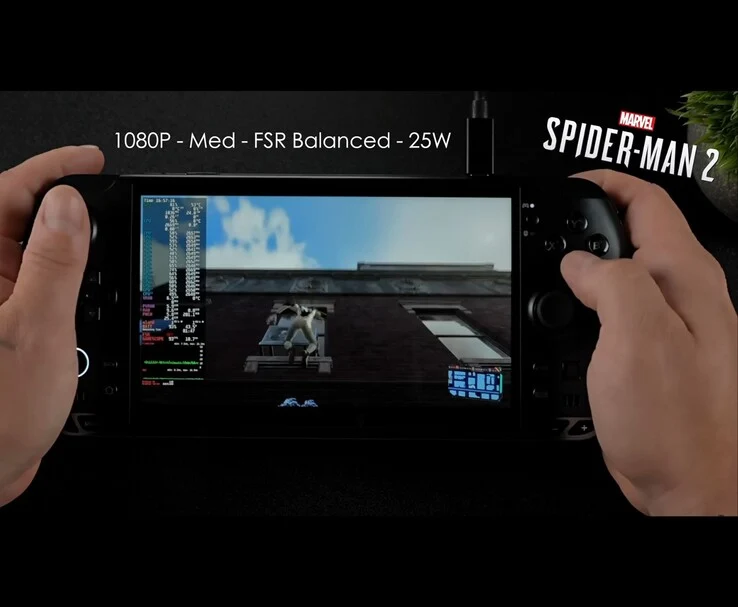
    During their tests, Marvel’s Spider-Man 2 was the first game they tried. At 1080p, Medium settings, FSR Balanced, and a 25 W TDP, the game averaged about 71 FPS without frame generation. Switching to the “High” preset could yield similar performance by raising power to around 35 W, the YouTuber noted.

    Next on the list was Cyberpunk 2077. Running at 1080p, Steam Deck preset, and a 25 W TDP, it averaged approximately 74 FPS. When set to 1080p, Ultra preset, FSR Quality, and a 45 W TDP, the game performed at roughly 71 FPS on average. The Ryzen Max chips were seen to scale effectively with power, with 45 W comfortably supporting 1080p Ultra gameplay. However, after 45 W, the Strix Halo chip’s performance begins to stabilize.

    Borderlands 4 at 1080p, Medium settings, FSR Balanced, and a 45 W TDP sometimes dipped below 60 FPS. In comparison, the same game runs about 13 FPS faster on Windows 11 with similar settings, indicating it might not be fully optimized for SteamOS just yet.

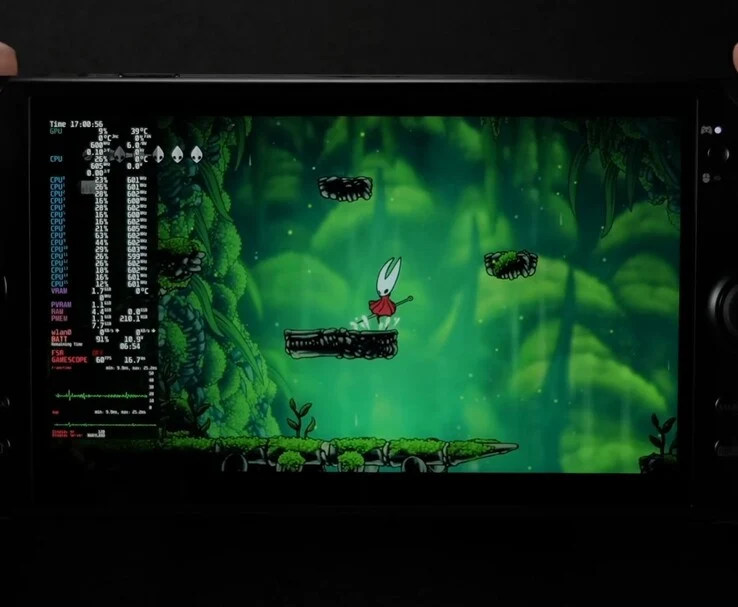
    Lastly, Hollow Knight: Silksong, a 2D indie game, was tested at a 6 W TDP with a frame rate capped at 60 FPS. The total system draw was around 10.5 W, suggesting nearly eight hours of gameplay.

    The YouTuber also checked out games like The Witcher 3: Wild Hunt, Elden Ring, and Doom: The Dark Ages in their video, which is linked below.

    Conclusion

    When looking at gaming performance between SteamOS and Windows 11 on the GPD Win 5, the results present a mixed picture. In Borderlands 4, Windows 11 has a clear advantage, averaging about 13 FPS higher at identical 1080p Medium settings and a 45 W TDP, implying better driver optimization on Windows’ part.

    Marvel’s Spider-Man 2 shows almost equal results between the two systems, with both holding around 70–74 FPS at Medium settings in the 25–28 W power range, though the Windows 11 test did not clarify whether FSR was set to Balanced.

    Battery life also remains roughly the same, offering about two hours of gameplay for AAA titles at 25 W on either operating system. Overall, while SteamOS 3.8 shows competitive performance in most cases, Windows 11 still holds a slight edge in more demanding games due to its well-developed drivers and broader game optimization.

    This indicates that although SteamOS and various Linux distributions are becoming more popular, there is still some work needed from developers to reach the same level of performance as Windows 11 in gaming.

    Source:
    Link


  • OneXFly Apex Handheld Gaming Device Launches to Compete with GPD Win 5

    OneXFly Apex Handheld Gaming Device Launches to Compete with GPD Win 5

    Key Takeaways

    1. Liquid Cooling Feature: The OneXFly Apex includes an optional external liquid cooling system, which can provide 120 W cooling power, but also supports internal cooling at 80 W.

    2. External Battery Design: Similar to the GPD Win 5, the OneXFly Apex uses a removable 85 Wh external battery that can be detached when connected to a power source.

    3. Performance Metrics: Boosting the thermal design power (TDP) from 80 W to 120 W results in only an 18% performance increase in benchmarks like 3DMark Time Spy.

    4. Pricing and Specs: The base model starts at CNY 8,599 (~$1,211) with 32 GB RAM and 1 TB storage, while higher configurations with Ryzen AI Max+ 395 range from CNY 9,999 (~$1,408) to CNY 15,999 (~$2,254).

    5. Global Release Plans: One-Netbook intends to launch the OneXFly Apex globally via Indiegogo, but specific details about the international release are still pending.


    One-Netbook has officially revealed the OneXFly Apex after hinting at its liquid cooling feature for the gaming handheld just yesterday. This new device, powered by AMD Strix Halo, shows a lot of similarities with the already existing GPD Win 5, not only in its architecture but also in several other aspects.

    Battery and Cooling Options

    For example, the OneXFly Apex uses an external battery, similar to the GPD Win 5. The battery offers a peak capacity of 85 Wh and can be completely removed when plugged into a power source, just like its counterpart. Additionally, One-Netbook has stated that the external liquid cooling system is optional. If you don’t require the 120 W cooling power, you can simply utilize the internal cooling system, which supports the Ryzen AI Max 395+ at 80 W by using two turbo fans and four heat pipes.

    Performance Insights

    Interestingly, boosting the Apex’s thermal design power (TDP) from 80 W to 120 W only provides an 18% increase in performance in the 3DMark Time Spy benchmark. The OneXFly Apex scored 4,083 points when running at 25 W, compared to the 3,816 points achieved by the AMD Ryzen AI 9 HX 370-powered OneXPlayer X1 Pro we reviewed earlier this year (currently priced at $1,599 on Amazon).

    Pricing and Availability

    Reports suggest that the OneXFly Apex outperforms Ryzen Z2 Extreme-powered handhelds, achieving over 125% higher framerates in 1080p high graphics settings. However, this enhanced performance comes with a hefty price tag. One-Netbook has stated that the OneXFly Apex will start at CNY 8,599 (~$1,211) in China, featuring 32 GB of RAM, 1 TB of storage, and the less powerful Ryzen AI Max 385 APU.

    The Ryzen AI Max+ 395 configurations will be priced between CNY 9,999 (~$1,408) and CNY 15,999 (~$2,254), offering up to 128 GB of RAM and a 2 TB SSD. Additionally, the proprietary 85 Wh external battery and the liquid cooling system will be sold for CNY 399 (~$56) and CNY 999 (~$141), respectively. One-Netbook plans to introduce the OneXFly Apex globally starting with Indiegogo. However, details regarding its international release are still unclear at this moment.

    Source:
    Link


  • Affordable Strix Halo GPD Win 5 Handheld Shines in Game Tests

    Affordable Strix Halo GPD Win 5 Handheld Shines in Game Tests

    Key Takeaways

    1. The GPD Win 5 will start shipping to Indiegogo supporters in November 2025, featuring a more budget-friendly Ryzen AI Max 385 model.
    2. The Ryzen AI Max 385 model showed good performance, maintaining 60 FPS in Street Fighter 6 at 1080p with Medium settings and a TDP of 18 W.
    3. In Spider-Man 2, the Win 5 averaged 74 FPS at 1080p with Medium settings and a TDP of 28 W, capable of reaching around 130 FPS with frame generation.
    4. Forza Horizon 5 exceeded 100 FPS at 1080p with Medium settings and a TDP of 17 W; Cyberpunk 2077 averaged 91 FPS at 1080p with High settings and a TDP of 45 W.
    5. The device provided a solid gaming experience across multiple titles, including Red Dead Redemption 2, DOOM: The Dark Ages, and Borderlands 4.


    The GPD Win 5 is set to begin shipping to Indiegogo supporters in November 2025. Before the Strix Halo gaming handheld arrives in users’ hands, ETA Prime has released a video demonstrating the features of the more budget-friendly version.

    Testing the Ryzen AI Max 385

    In the video, the YouTuber evaluates the Ryzen AI Max 385 model of the gaming handheld, which is less expensive than the AI Max+ 395 version. The former features a slightly less powerful APU, which includes the Radeon 8050S iGPU with 32 compute units (CU).

    Despite not being the top model available from GPD, the gaming handheld showed decent performance during the gaming evaluations. Initially, ETA tested Street Fighter 6 at a resolution of 1080p, using Medium visual settings and a thermal design power (TDP) of 18 W. During this session, the Ryzen AI Max 385 Win 5 managed to maintain a consistent 60 FPS.

    Performance with Popular Games

    Following that, the YouTuber played Spider-Man 2 on the handheld at 1080p with Medium settings, but this time with a TDP of 28 W. Although this game typically struggles on integrated graphics processors, the Win 5’s more affordable setup achieved an average of 74 FPS. ETA mentioned that utilizing frame generation, the handheld could reach around 130 FPS while running the game.

    Next up was Forza Horizon 5, tested at a TDP of 17 W and 1080p resolution. With the Medium visual settings, the gaming device exceeded 100 FPS. Cyberpunk 2077 was also put to the test at 1080p with High settings and FSR set to quality. With a TDP of 45 W, it averaged around 91 FPS, while at 25 W TDP, the frame rate hovered close to 60 FPS.

    Additional Games and Overall Experience

    ETA Prime also benchmarked Red Dead Redemption 2 (currently priced at $14.99 on Humble Bundle) without FSR, set at 1080p resolution. At 45 W TDP, the Win 5 could run the game at about 75 FPS. Additionally, ETA tested titles like DOOM: The Dark Ages and Borderlands 4, finding that the device provided a solid overall gaming experience. For more insights, be sure to check out the video linked below.

    Source:
    Link


  • GPD Unveils New Win Max Handheld with AMD Strix Halo APU

    GPD Unveils New Win Max Handheld with AMD Strix Halo APU

    Key Takeaways

    1. GPD launched the Win 5 handheld with high-performance specs, featuring the Ryzen AI Max+ 395 and Radeon 8060S graphics.
    2. The Win 5 may be joined by the GPD Win Max, which could also use the Ryzen AI Max+ 395 APU.
    3. The Win 5 has a new design, eliminating the sliding keyboard and lacking a built-in battery.
    4. The future design of the Win Max refresh is uncertain, but a larger display than the Win 5 is likely.
    5. There is no guarantee that the Ryzen AI Max+ 395-equipped Win Max will be released.


    GPD has unveiled its latest gaming handheld, the Win 5, which packs a punch with powerful specs. Users can opt for configurations that include the Ryzen AI Max+ 395, the highest-performance choice available in the Strix Halo series. This APU is complemented by the Radeon 8060S, which currently stands as AMD’s most advanced integrated graphics solution.

    More Handhelds on the Horizon

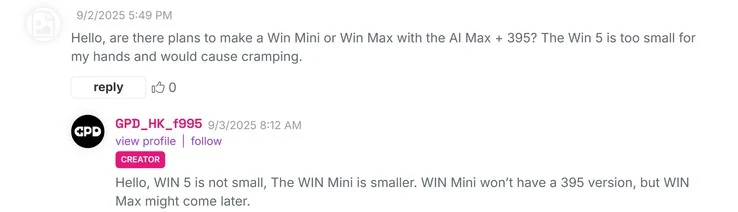
    Interestingly, GPD hinted that the Win 5 might not be the only device sporting the Ryzen AI Max+ 395. The company suggested that the GPD Win Max could also come equipped with the same powerful APU, much to the delight of those who felt let down by the Win 5’s features.

    A Shift in Design

    The GPD Win 5 showcases a new design, moving away from the sliding keyboard that characterized earlier generations. Notably, it lacks a built-in battery, which could be seen as a drawback for gamers who prefer portability (145 W Baseus small 20K power bank curr. $79.99 on Amazon).

    Future of the Win Max

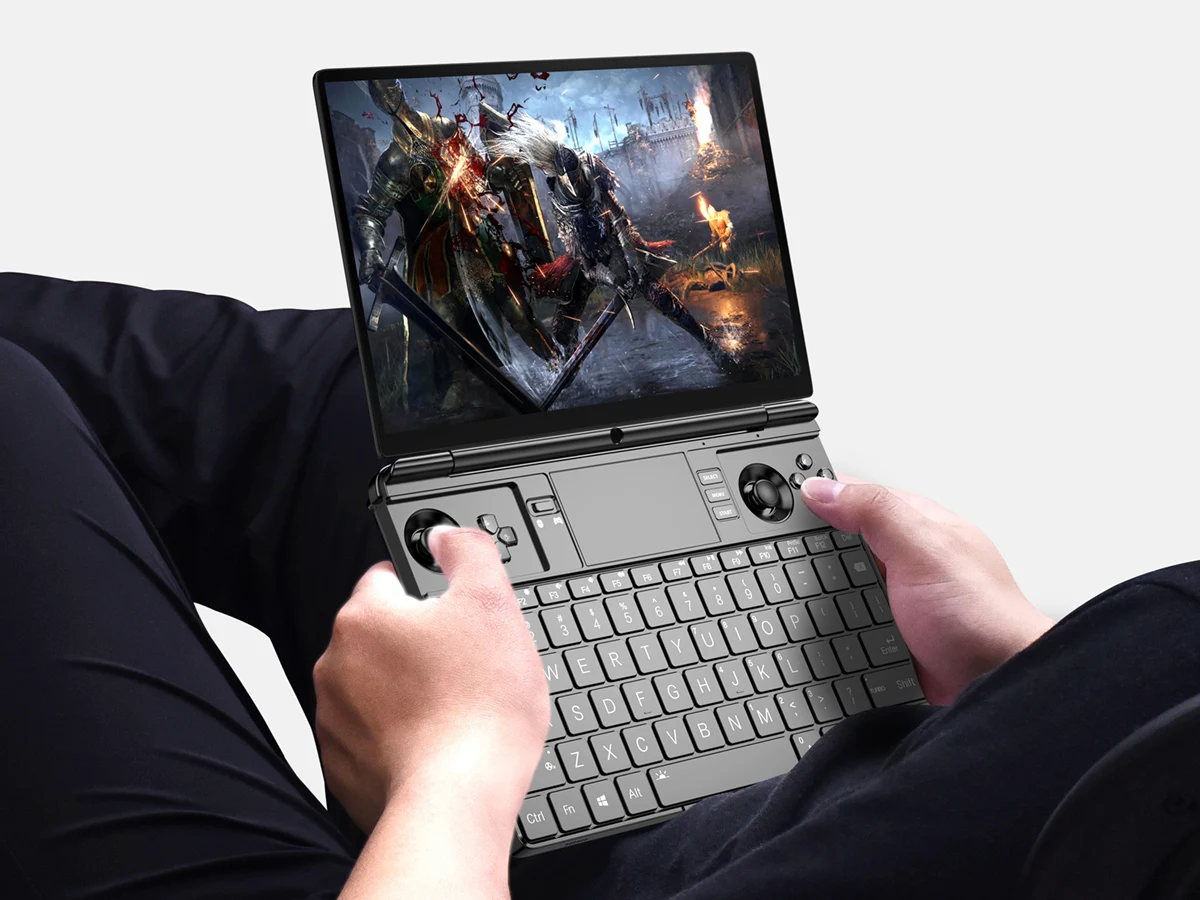
    As for the anticipated Win Max refresh, it remains uncertain if it will adopt a new design or stick with the old one, but a larger display than the Win 5 is quite probable. For reference, the Ryzen AI 9 HX 370 variant has a 10.1-inch screen.

    While GPD has been vague about the specifics, there’s always a chance that the Ryzen AI Max+ 395-equipped Win Max may never come to fruition.