Category: Computers

  • TobenONE Magnetic Hub: Versatile Charging Hub with Limitations

    TobenONE Magnetic Hub: Versatile Charging Hub with Limitations

    Key Takeaways

    1. TobenONE is crowdfunding a flexible charging device on Kickstarter, with a base and modules available for $76.
    2. The device features a base station with options for three or four slots, and modules attach magnetically.
    3. Charging options include USB Type-A and Type-C ports, and a wireless charging module with a 15-watt limit.
    4. Additional functions include a volume control knob and programmable buttons for specific actions.
    5. Shipping is expected to start in February 2026, signaling near completion of product development.


    TobenONE is currently running a crowdfunding campaign for their innovative flexible charging device on Kickstarter. People interested in supporting can secure the hub base with three slots and separate modules for $76, along with a variety of other configurations available for their choosing.

    Shipping and Risks

    Before making a pledge, it’s important for potential backers to review the shipping details and understand the risks involved in crowdfunding projects. Nonetheless, it’s worth mentioning that TobenONE is not a totally new or unfamiliar company in the market.

    Product Features

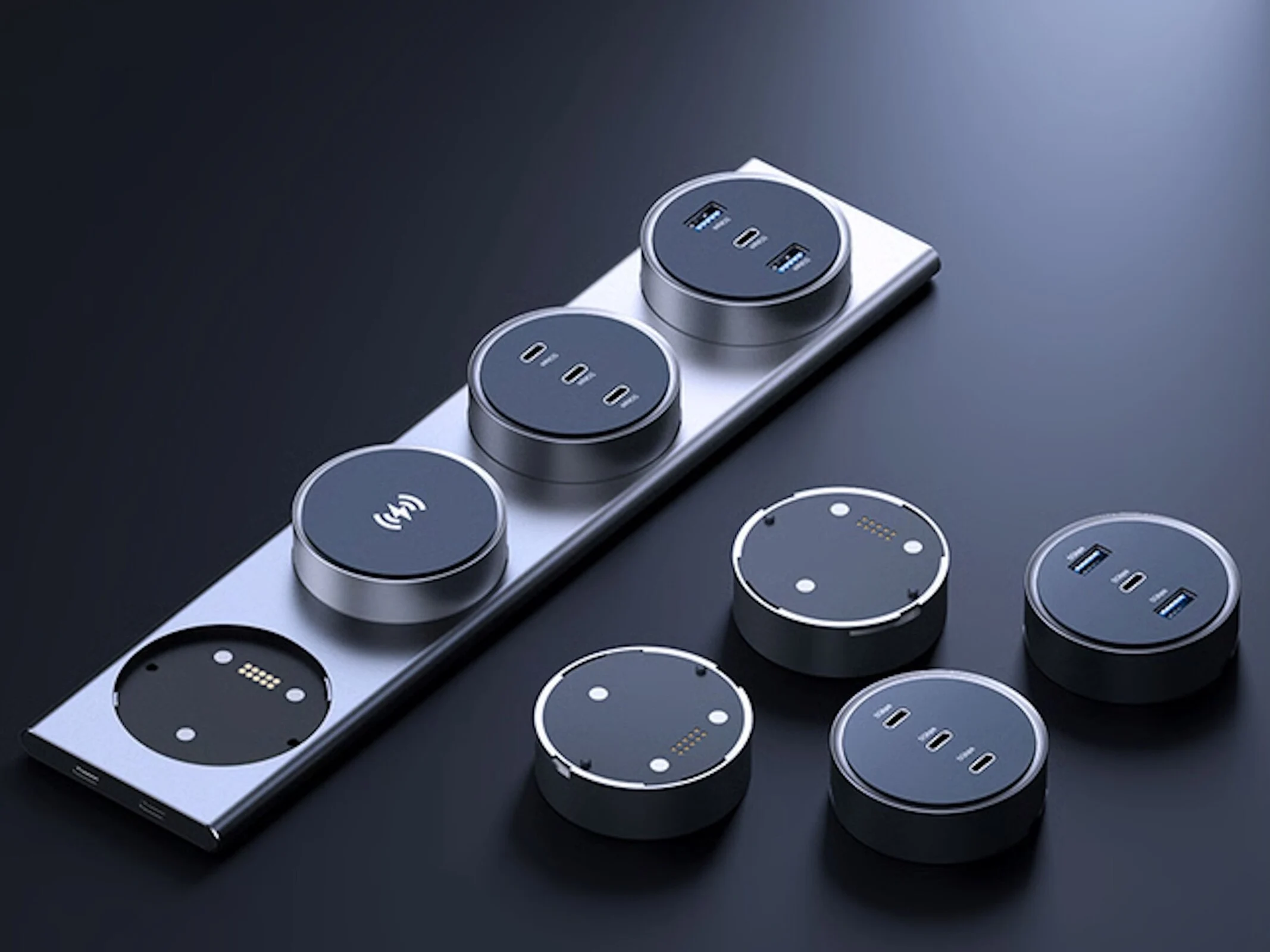
    The device consists of a base station that is either 13.5 or 9.7 inches long, featuring three or four slots. The corresponding modules are held in place by magnets, and there are multiple options to choose from. These options include a module with two USB Type-A ports and one USB Type-C port, modules with three USB Type-C or three USB Type-A ports, and a wireless charging module that supports up to 15 watts.

    This 15-watt cap is relevant for both wireless charging and the overall output, which could be a significant restriction in real life. Many top-tier smartphones and power banks today can charge at much faster rates, meaning it might take a lot longer than expected for devices to charge up.

    Additional Functions

    The TobenONE Magnetic Hub is more than just a charging station for devices. One of its modules has a rotary knob that lets users easily control the volume. Another module features four buttons that can be programmed for specific actions, like locking a desktop computer or pausing and playing media.

    Thus, this gadget can control a connected computer, while also functioning as a USB hub to transfer data to an external hard drive or SSD, for example. The Magnetic Hub is set to begin shipping in February 2026, which suggests that product development will be nearly complete by then.

    Source:
    Link


  • Aaeon UP Xtreme ARL Edge: Mini PC with 64GB RAM & Core Ultra 7

    Aaeon UP Xtreme ARL Edge: Mini PC with 64GB RAM & Core Ultra 7

    Key Takeaways

    1. Aaeon is expanding its desktop computers, focusing on professional and industrial users with the UP Xtreme ARL Edge designed for AI tasks.
    2. The system offers up to 64GB of soldered LPDDR5 RAM, with interchangeable SSDs and additional slots for WiFi/Bluetooth and cellular connectivity.
    3. It features a GPIO header with 40 pins for external sensor integration and supports RS232/422/485 connections for industrial use.
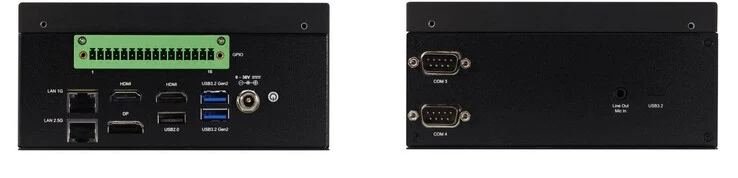
    4. The mini PC includes multiple USB ports, HDMI 2.1, DisplayPort 2.1, and Ethernet ports supporting up to 2.5 Gbps bandwidth.
    5. The compact size of 6.0 x 4.9 x 2.8 inches allows for VESA mounting or wall attachment, with pricing information yet to be disclosed.


    Aaeon is broadening its range of desktop computers, focusing mainly on those tailored for professionals and industrial users. This includes the UP Xtreme ARL Edge, which is designed specifically for AI tasks and features options for an Intel Core Ultra 5 225H, Intel Core Ultra 7 255H, or 265H processor, depending on the chosen setup.

    Memory and Storage

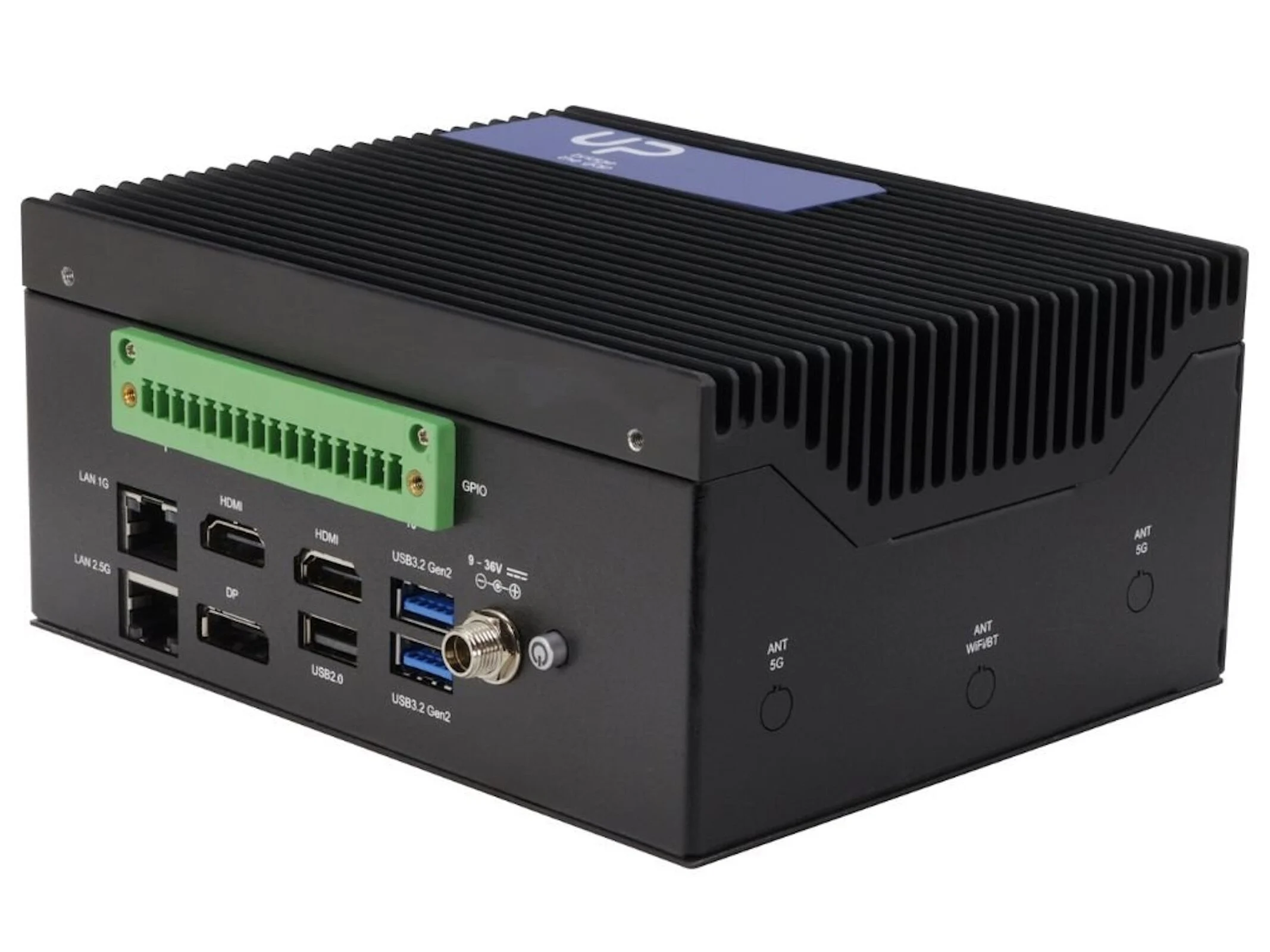
    The system is equipped with up to 64GB of soldered LPDDR5 RAM, which means it cannot be upgraded or replaced later. However, the SSDs are interchangeable, as the device includes two M.2 2280 slots and a SATA connector. Additionally, there is an M.2 2230 slot available for a WiFi and Bluetooth card, and users can also add cellular connectivity via an M.2 3052 modem.

    Connectivity Features

    Moreover, the mini PC features a GPIO header with 40 pins for connecting external sensors and actuators, enabling integration with industrial machines. All data collected can be processed directly on the Aaeon UP Xtreme ARL Edge. It also supports RS232/422/485 connections which are widely utilized in laboratories and industrial environments. On the device, you will find USB 2.0 and USB 3.2 Gen 2 ports, along with HDMI 2.1 and DisplayPort 2.1 for setups involving multiple monitors. Additionally, there are Ethernet ports that support 2.5 Gbps and 1 Gbps bandwidths.

    Size and Availability

    This compact computer has dimensions of 6.0 x 4.9 x 2.8 inches and can be mounted on a VESA bracket or attached to a wall. Aaeon has yet to disclose any pricing information, but similar products for individual buyers can be found at Amazon and other retail websites.

    Source:
    Link


  • MediaTek Launches Kompanio 540 Chip for Budget Chromebooks

    MediaTek Launches Kompanio 540 Chip for Budget Chromebooks

    Key Takeaways

    1. MediaTek has introduced the Kompanio 540 chip for low-power laptops, specifically targeting basic Chromebooks.
    2. The Kompanio 540 features a 2+6 architecture with two Cortex-A78 cores at 2.6 GHz and six Cortex-A55 cores at 2.0 GHz.
    3. It supports LPDDR5-6400 or LPDDR4x-4266 RAM and offers storage options like UFS 3.1 or eMMC 5.1.
    4. The chip includes advanced connectivity options such as Bluetooth 6 and Wi-Fi 7, aiming for enhanced performance in the entry-level market.
    5. Laptops with the Kompanio 540 are expected to have up to 35% longer battery life compared to devices using the previous Kompanio 520, with availability projected for January 2026.


    Even though MediaTek hasn’t launched its anticipated Windows-on-Arm chip yet, it continues to produce chips designed for low-power laptops. They’ve now introduced the Kompanio 540 for basic Chromebooks, which replaces the earlier Kompanio 528/520.

    Chip Details and Performance

    The Kompanio 540 retains the 2+6 architecture of the Kompanio 520 but incorporates two Cortex-A78 cores running at 2.6 GHz and six Cortex-A55 cores at 2.0 GHz. Manufacturers can choose to pair it with LPDDR5-6400 or LPDDR4x-4266 RAM, along with UFS 3.1 or eMMC 5.1 storage options. Additionally, it supports peripherals that comply with PCIe-Gen2, USB 2.0, and USB 3.2 Gen2 standards. For graphics, an Arm Mali-G57 MC2 GPU is utilized, which is capable of delivering video output at a maximum of 4K 60 FPS to one display or 2.5K via dual video feeds.

    Connectivity Features

    Other specifications of the Kompanio 540 include Bluetooth 6, Bluetooth LE, and Wi-Fi 7, positioning it as one of the initial chips to provide these connectivity features in the entry-level market. MediaTek asserts that laptops utilizing the Kompanio can achieve up to 35% longer battery life than those powered by the Kompanio 520. Devices using this chip are anticipated to be available for purchase around January 2026.

    MediaTek

    Source:
    Link


  • GMK M7 Ultra: Affordable Mini PC with iGPU and eGPU Support

    GMK M7 Ultra: Affordable Mini PC with iGPU and eGPU Support

    Key Takeaways

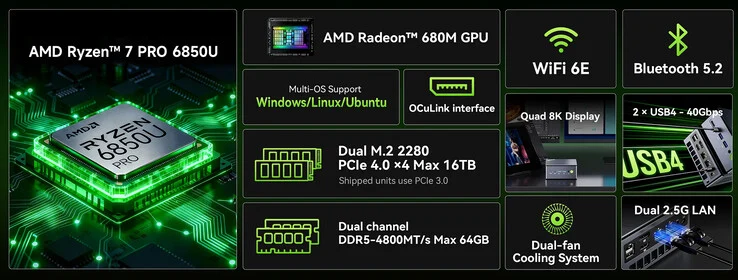
    1. The GMKtec NucBox M7 Ultra is a budget-friendly mini PC powered by the Ryzen 7 6850U and Radeon 680M GPU, suitable for gaming at 720p to 1080p with lower settings.
    2. It features an OCuLink port for compatibility with high-performance external GPUs, enhancing graphics capabilities.
    3. The device includes two USB4 ports, HDMI, and DisplayPort, allowing for quad-display output and easy connection of high-speed devices.
    4. The mini PC supports up to 64 GB of DDR5 RAM and has two PCIe M.2 slots for up to 16 TB of SSD storage, along with WiFi 6E and Bluetooth 5.2.
    5. Pricing starts at $309.99 for the barebones model, with mid-range and high-end versions priced at $369.99 and $429.99, respectively.


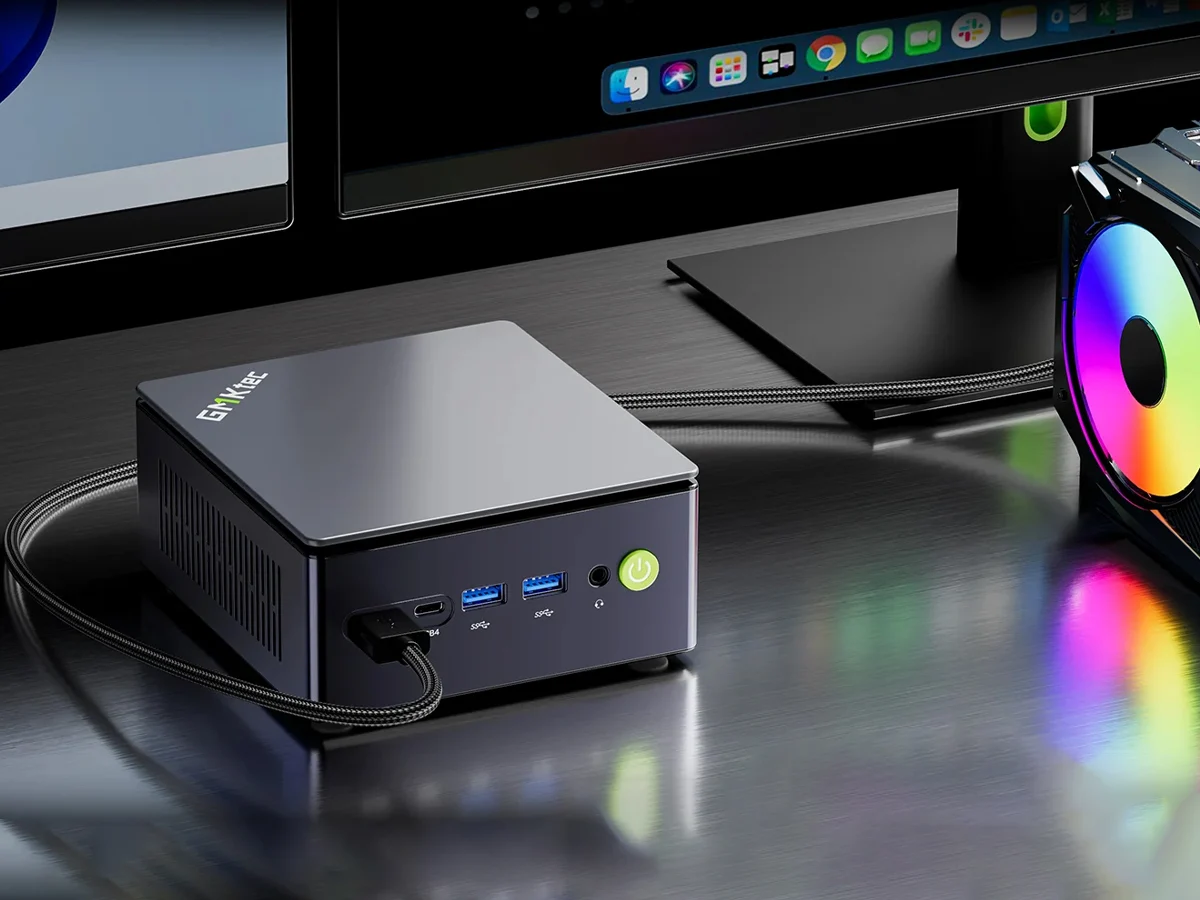
    GMKtec has launched a new budget-friendly mini PC globally, named the NucBox M7 Ultra. This device is powered by the Ryzen 7 6850U, which is part of the Zen 3+ family from the Rembrandt series, and includes the Radeon 680M. The integrated GPU (iGPU) features 12 compute units (CUs) and is based on the RDNA 2 architecture, allowing it to run a selection of games quite smoothly.

    Gaming Performance

    Specifically, the Radeon 680M is capable of playing many older AAA games at resolutions ranging from 720p to 1080p with lower graphic settings. For users looking for enhanced GPU performance, the GMK mini PC is equipped with an OCuLink port, enabling compatibility with high-performance external GPUs and graphics docks.

    Connectivity Options

    The GMK M7 Ultra is also fitted with two USB4 ports, further improving eGPU compatibility (the GMKtec AD-GP1 is currently priced at $499.99 on Amazon). These ports make it easier for users to connect high-speed devices to the mini PC. The additional ports are as follows:

    With the inclusion of HDMI, DisplayPort, and two USB4 ports, the mini PC can support quad-display output. GMKtec also highlights that the M7 Ultra features a sophisticated cooling system that keeps the internal components cool during intensive tasks while maintaining a low noise level. According to the company, the maximum operating noise is below 38 dB.

    Key Specifications

    Other important features include support for up to 64 GB of DDR5 RAM, two PCIe M.2 slots that can accommodate up to 8 TB SSD each, along with WiFi 6E and Bluetooth 5.2. In terms of pricing, the barebones model is listed at $309.99, while the mid-range version with 16 GB of RAM and 512 GB of storage is available for $369.99. The high-end model, which comes with 32 GB of RAM and a 1 TB SSD, is priced at $429.99. All configurations can be found on the official website.


  • Orico Unveils Mini PCs Inspired by Apple Mac Mini Design

    Orico Unveils Mini PCs Inspired by Apple Mac Mini Design

    Key Takeaways

    1. Orico is expanding into the PC market with new mini PCs that resemble Apple’s designs, like the Mac Pro and Mac mini.
    2. The mini PC inspired by the Mac Pro is expected to combine art and performance, featuring a discrete GPU similar to the Zotac Zbox Magnus with an RTX 5060 Ti.
    3. Orico plans to reveal another mini PC with a design reminiscent of the Mac mini, though specific performance details remain unclear.
    4. No specifications have been released yet, but more information will be provided on November 1, 2025.
    5. Orico’s strong global presence suggests these mini PCs will be available internationally after their initial launch in China.


    Orico is well-known for its accessories and offers several products designed for Apple devices, like the USB4 Mac mini dock. Now, it appears that the company is gearing up to be a serious competitor in the PC market, as it has been hinting at mini PCs that resemble those from Apple.

    New Mini PC Teasers

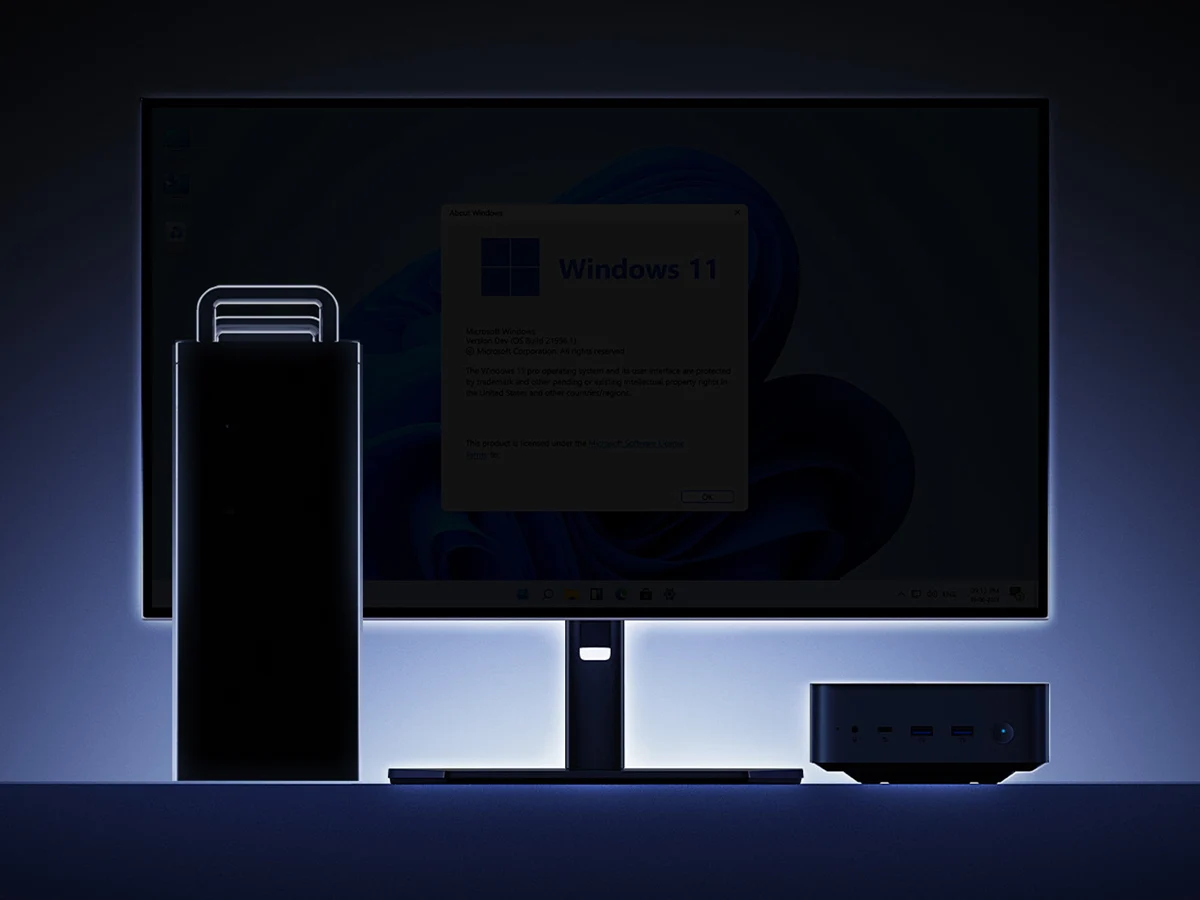
    Recently, Orico teased a mysterious system that closely resembles the Apple Mac Pro. The initial images present a tower-like design with a front panel featuring a grille. Initially thought to be a NAS, the new hints indicate that this will actually be a Windows mini PC.

    Combining Art and Performance

    This mini PC, inspired by the Mac Pro, is claimed to merge “art and performance in the PC world.” Although details are not confirmed, it is believed to include a discrete GPU, likely similar to the recently introduced Zotac Zbox Magnus with an RTX 5060 Ti.

    More to Come

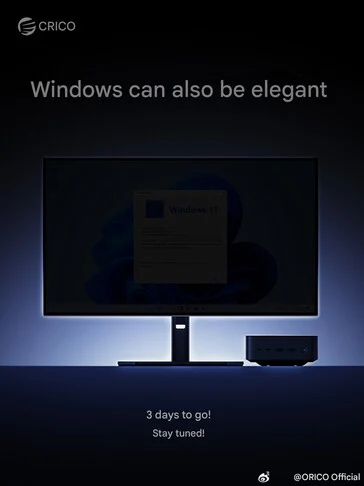
    In one of the latest teasers, Orico mentioned there will be another mini PC revealed soon. This teaser showcases a design reminiscent of the Mac mini. The company hasn’t revealed much about its performance, leading to speculation that it may feature a processor with an integrated GPU.

    While Orico has not disclosed any specifications for these mini PCs, it did announce that more information will be provided on November 1, 2025. Considering Orico’s strong global presence, these two products are anticipated to make their way to the international market shortly after their launch in China.

    Source:
    Link


  • Ubiquiti Unveils SFP Wizard for SFP and QSFP Module Support

    Ubiquiti Unveils SFP Wizard for SFP and QSFP Module Support

    Key Takeaways

    1. Ubiquiti launched the SFP Wizard to combat vendor lock-in in the networking sector, allowing users to program SFP and QSFP modules for various switches.
    2. The device features two module slots, a 1.1Wh battery lasting 75 minutes, a touchscreen interface, and Bluetooth LE communication.
    3. The SFP Wizard is compact, measuring approximately 2 x 3.5 inches and weighing about 3 oz, making it easily portable.
    4. Priced at $49, the SFP Wizard offers strong value compared to higher-priced alternatives, making it accessible for smaller setups.
    5. Ubiquiti also reduced prices for its SFP modules, enhancing affordability and accessibility for users.


    Ubiquiti has rolled out a new device designed for programming SFP network modules, called the SFP Wizard. This device is intended to combat the common practice of vendor lock-in in the networking field. Many switch makers prevent the use of third-party modules in their SFP and QSFP ports. This issue can occur even with switches that are priced just a few hundred dollars. The strictness of these limitations varies widely by manufacturer.

    Strategic Move Against Competitors

    The launch of the SFP Wizard by Ubiquiti can be interpreted as a bold move against the lucrative market of its rivals. The company has kicked off a rather unique and assertive marketing campaign, dubbing it an “SFP Liberation Day.”

    Features of the SFP Wizard

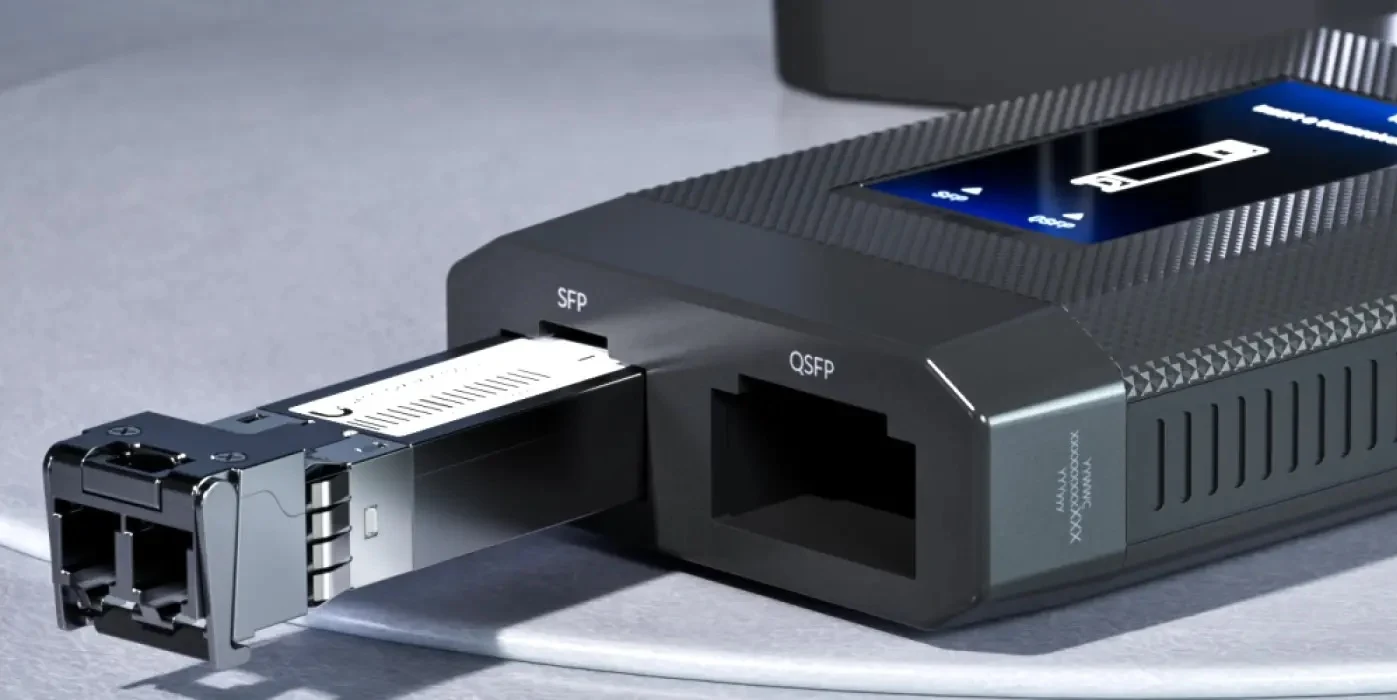
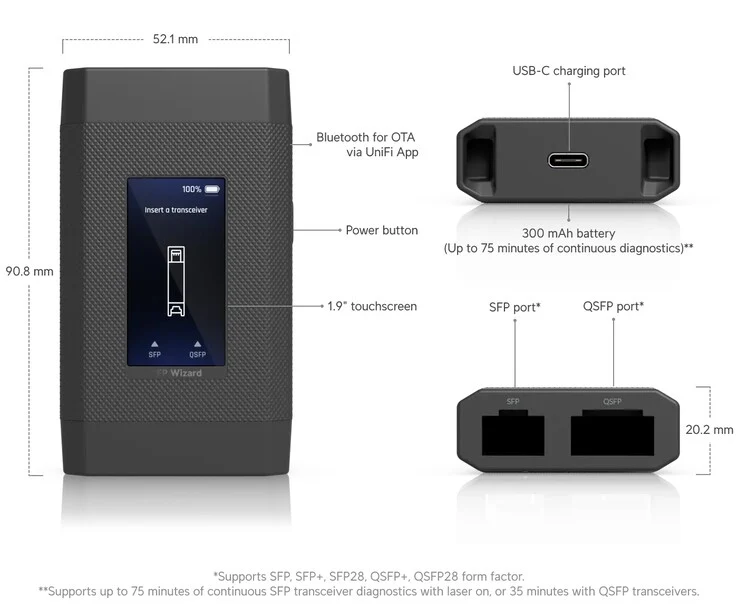
    This device enables users to prepare SFP and larger QSFP modules for integration with different switches. To facilitate this, the SFP Wizard is equipped with two module slots of the appropriate sizes. Ubiquiti claims that the device’s 1.1Wh battery lasts for 75 minutes without needing external power. It also features a touchscreen, which can be handy for module programming. The device’s dimensions are roughly 2 x 3.5 inches, and it weighs about 3 oz, making it compact enough to easily fit in most pockets.

    The two slots are compatible with SFP, SFP+, SFP28, QSFP+, and QSFP28 modules. Additionally, the device can receive firmware updates. Communication is done through Bluetooth LE, and setting it up requires the Unifi Mobile App available for both Android and iOS devices.

    Pricing and Accessibility

    The SFP Wizard was available for a short time at a price of $49, but it sold out quickly after the first batch. At this price point, the Ubiquiti SFP Wizard seems to offer a strong value. Comparable products, like the Flexbox, come with a much higher price tag, which made them primarily appealing to larger enterprises. With the introduction of Ubiquiti’s SFP Wizard, smaller setups can now access this useful tool.

    In addition to the SFP Wizard’s debut, Ubiquiti has also reduced the prices of its SFP modules. For instance, an SFP+ multimode transceiver suited for shorter distances with 10Gbps is now priced at around $9, while the QSFP28 100GbE module is selling for about $39.

    Source:
    Link


  • Asus ProArt P16: Best Multimedia Laptop with Tandem OLED

    Asus ProArt P16: Best Multimedia Laptop with Tandem OLED

    Key Takeaways

    1. The Asus ROG Zephyrus G16 features a multimedia variant, the ProArt P16, now upgraded with high-end GPUs like the GeForce RTX 5090.
    2. Enhanced cooling with a new vapor chamber system allows maximum TGP of 120 Watts for improved performance in both models, though the P16 lacks Advanced Optimus GPU switching.
    3. The Lumina Pro OLED display now offers 4K resolution, 120 Hz refresh rate, and significantly improved brightness of up to 1600 nits in HDR mode.
    4. The ProArt P16 provides increased VRAM (12-24 GB) and up to 64 GB of soldered RAM, suitable for demanding photo and video editing tasks.
    5. Despite its strengths, the ProArt P16 has a high price tag of €4,799 and doesn’t outperform competitors in every aspect, such as CPU capabilities and battery life.


    The Asus ROG Zephyrus G16 is an advanced and relatively slim gaming laptop, with a multimedia variant known as the ProArt P16. Until now, the P16 was only offered with the mobile RTX 5070 as its top GPU choice, and the 2.8K OLED display with a 120 Hz refresh rate was somewhat underwhelming in terms of its peak brightness. The company has finally released a faster model, and we’ve already taken a look at the high-end version featuring the GeForce RTX 5090.

    Enhanced Cooling and Performance

    Similar to the gaming-focused ROG Zephyrus G16, the new P16 has a slightly bulkier chassis to accommodate an upgraded vapor chamber cooling system. The high-end mobile GPUs (RTX 5070 Ti, RTX 5080, or RTX 5090) operate with a maximum TGP of 120 Watts, and overall, the performance of both models is nearly identical. This includes gaming capabilities, despite the P16 lacking support for Advanced Optimus GPU switching. In contrast to earlier P16 versions, users will enjoy increased VRAM (12-24 GB depending on the GPU) for photo and video editing tasks. Additionally, up to 64 GB of RAM is available, though it’s soldered in, meaning upgrades aren’t possible.

    Stunning Display Improvements

    Another significant update is the Lumina Pro OLED display that boasts a 4K resolution and 120 Hz refresh rate. This OLED panel, also seen in devices like the Lenovo Yoga Pro 9i 16, delivers remarkable image quality that isn’t compromised by the touch layer. Asus has notably enhanced the brightness, now achieving close to 700 nits in SDR mode and up to 1600 nits in HDR mode. This advancement means the new OLED screens are now competitive with Mini-LED displays. The color profiles for sRGB and P3 remain well calibrated. Although the battery life does take a small hit, most users will likely consider this trade-off worthwhile for the enhanced display quality.

    Overall Impressions

    While the ProArt P16 doesn’t excel in every single aspect (the Yoga Pro 9i 16 has its edge in color gamut, SDR brightness, and PWM; the MacBook Pro outperforms in CPU capabilities and battery longevity), it offers a compelling overall package that’s tough to surpass. However, Asus has set a high price point, with our premium review configuration priced at €4,799. For more detailed insights, be sure to check out our full review on the new ProArt P16.


  • AMD and Partners Plan $1 Billion Supercomputer in 6 Months

    AMD and Partners Plan $1 Billion Supercomputer in 6 Months

    Key Takeaways

    1. The US Department of Energy and partners are investing about $1 billion to build two new supercomputers: Lux and Discovery.
    2. AMD will provide processors and AI technology, while HPE will supply the server framework, with Oracle and ORNL handling software and integration.
    3. The first supercomputer, Lux, is expected to be completed in six months and will deliver three times the AI performance of current DOE supercomputers.
    4. The second supercomputer, Discovery, will combine traditional high-performance computing with AI and is set to be delivered in 2028 and go live in 2029.
    5. These supercomputers aim to enhance research in nuclear energy, drug discovery, and national security, with goals to simulate fusion reactions and treat terminal cancers within a few years.


    The US Department of Energy (DOE), along with AMD, Hewlett Packard Enterprise (HPE), Oracle, and Oak Ridge National Laboratory (ORNL), has revealed plans to build two new supercomputers. The total cost of the initiative is about $1 billion. AMD will provide the processors, AI accelerators, and network chips, while HPE will supply the server framework. Oracle Cloud Infrastructure and ORNL will take care of the software and integration of research. This project is funded as a public-private partnership, and the computing capabilities will be shared among the partners.

    First Supercomputer: Lux

    The first machine, known as “Lux”, is set to be finished in just six months. AMD’s CEO, Lisa Su, stated that this represents “the fastest implementation of a system of this magnitude we’ve ever seen”. The system will be driven by AMD MI355X accelerators and specially designed CPUs, and it is anticipated to deliver three times the AI performance compared to existing DOE supercomputers.

    Second Supercomputer: Discovery

    The second machine, named “Discovery”, is planned as a follow-up and will use AMD’s new MI430 AI chips from the upcoming MI400 series. It will merge traditional high-performance computing (HPC) with cutting-edge AI features. Discovery is expected to be delivered in 2028 and will go live in 2029.

    The DOE has stated that these supercomputers aim to “supercharge” research in areas like nuclear and fusion energy, drug discovery, and national security. The long-term ambition is to realistically simulate fusion reactions within two to three years, which would greatly speed up the development of functional fusion reactors and lead to nearly limitless clean energy. Additionally, many currently terminal cancers are projected to become treatable in five to eight years.

    Source:
    Link


  • Stylish Melt Mouse: Mouse, Touchpad, and Number Pad in One

    Stylish Melt Mouse: Mouse, Touchpad, and Number Pad in One

    Key Takeaways

    1. Multi-Functionality: The Melt Mouse serves as a mouse, number pad, and trackpad, with a touchpad on top for finger movements.

    2. Multi-Touch Capability: It can detect multiple fingers at once, enabling two-finger gestures for enhanced usability.

    3. Customizable Number Pad: The number pad features 12 small dots that can be modified through software for different applications, like Photoshop and Premiere Pro.

    4. Haptic Feedback and High Resolution: The mouse offers haptic feedback and has a peak resolution of 6,000 DPI for precise control.

    5. Crowdfunding on Kickstarter: The Melt Mouse is currently on Kickstarter, with a pledge starting at around $237, and delivery expected by September 2026, along with associated financial risks.


    At a quick look, the Melt Mouse appears to be a simple mouse, and in some respects, it truly is. Yet, it’s more than just a mouse since this device can also operate as a number pad and trackpad. The top of the mouse works like a touchpad that detects finger movements.

    Multi-Touch Functionality

    It can sense multiple fingers simultaneously, allowing for two-finger gestures. Depending on what you’re doing, using it as a trackpad can be very helpful. According to the maker, this mouse delivers haptic feedback and has a peak resolution of 6,000 DPI.

    Customizable Number Pad

    When it’s used as a number pad, small dots show where the numbers are. However, these 12 dots aren’t just for number entry; they can be modified through software. The manufacturer suggests this feature could aid in applications such as Photoshop or Premiere Pro. Users can also create different profiles. The mouse has two physical buttons on its side.

    The Melt Mouse is now in the crowdfunding stage on Kickstarter. Supporters need to pledge at least around $237, not including shipping, taxes, and possible import charges. If all goes well, deliveries are expected in September 2026. As always, there are financial risks, and it’s possible to completely lose the amount contributed.

    Source:
    Link


  • PNY CS3250 PCIe 5.0 SSD: Fast Storage in Two Models

    PNY CS3250 PCIe 5.0 SSD: Fast Storage in Two Models

    Key Takeaways

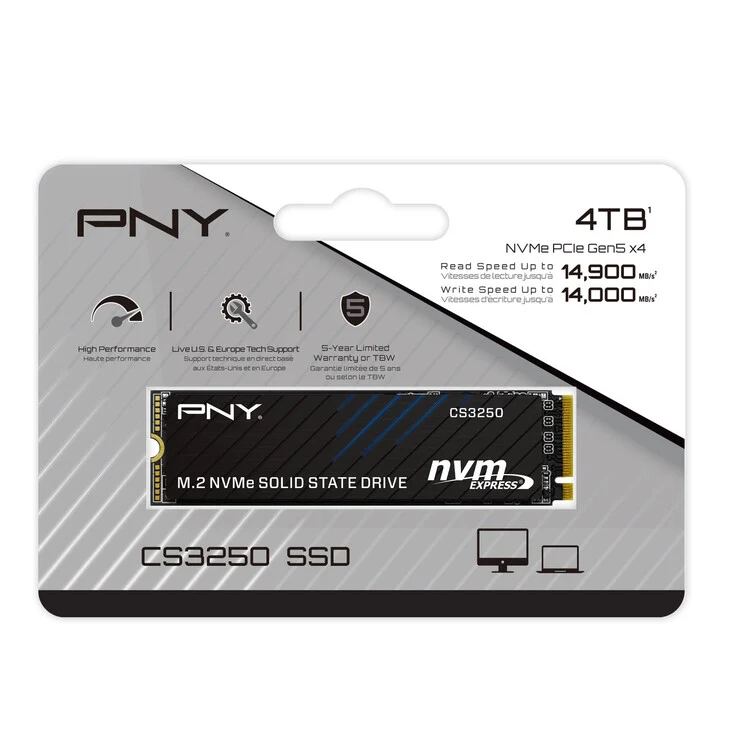
    1. PNY launched the CS3250 SSD, which features high-speed performance with a maximum read speed of up to 14,900 MB/s.
    2. The 1 TB version has a maximum write speed of 13,500 MB/s, while the 2 TB version reaches 14,000 MB/s.
    3. Both models use the M.2 2280 format and connect via four PCIe 5 lanes, allowing for significantly faster transfer rates than PCIe 4.
    4. The durability of the SSD is rated at 1,500,000 operating hours (MTBF), though details on cache are not provided.
    5. Pricing is set at $126 for the 1 TB model and $220 for the 2 TB model, with a 4 TB version expected to launch soon.


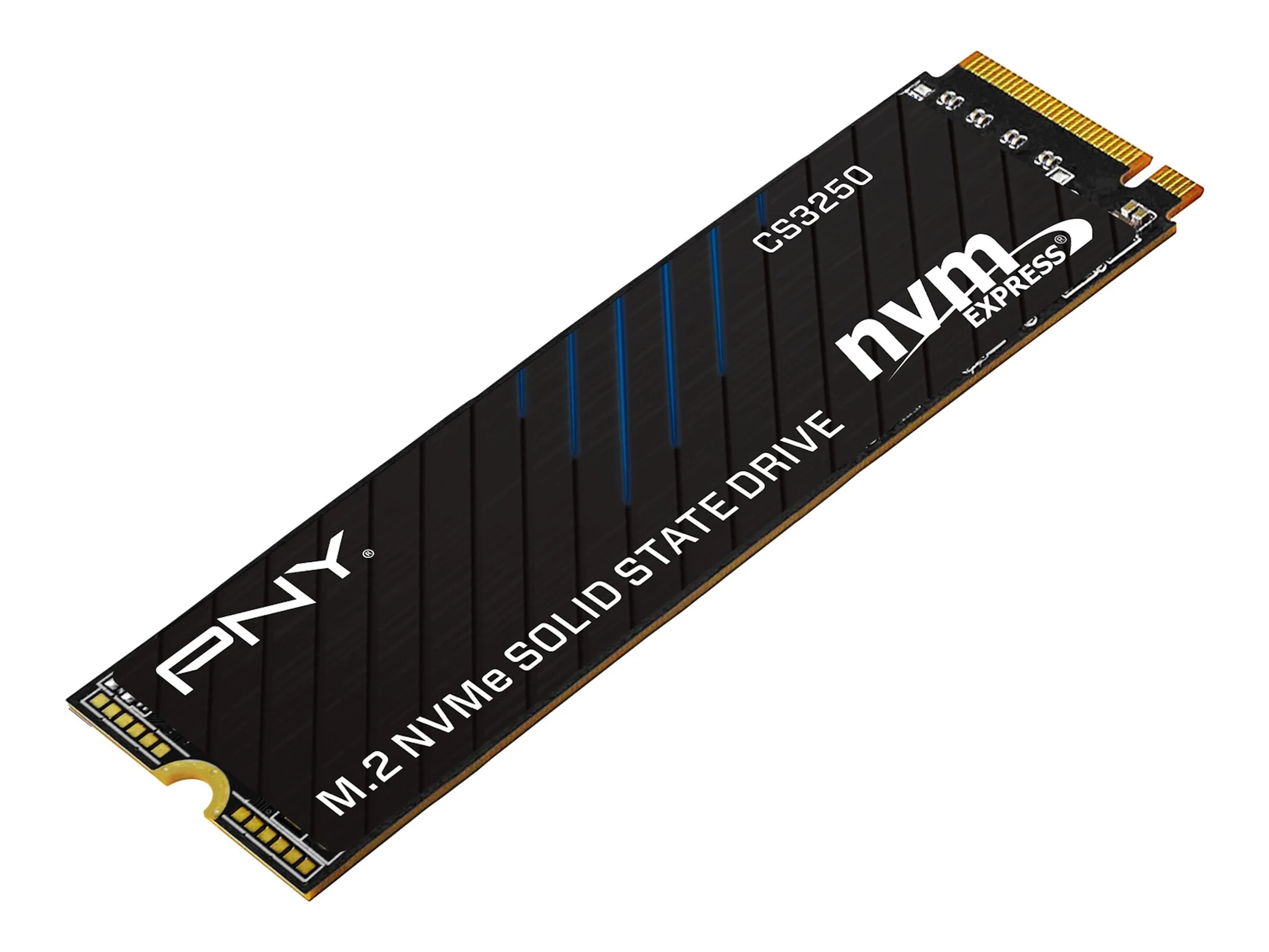
    PNY has launched a new SSD called the CS3250, which is quite powerful. This storage device is incredibly fast, though its specific maximum write speed can vary based on the model you choose. For instance, the 1 TB version can achieve a maximum write speed of 13,500 MB/s, which is slightly lower than the 14,000 MB/s that the 2 TB version can offer. However, both models boast a maximum read speed of up to 14,900 MB/s. In real-world use, the difference in write and read speeds between these two models is not likely to be noticeable, as these rates mainly apply to sequential data transfers.

    Specifications and Connectivity

    These storage units come in the widely used M.2 2280 format and connect using four PCIe 5 lanes, which is essential for reaching such high transfer rates; in comparison, PCIe 4 caps out around 8,000 MB/s. Naturally, the SSD incorporates 3D flash cells, yet the manufacturer has not provided detailed information regarding the presence of a cache. If the cache becomes full, there could be a significant drop in data transfer speed. The durability of the SSD is rated at 1,500,000 operating hours (MTBF).

    Pricing and Future Models

    The price for the 1 TB model is set at $126, while the 2 TB model will cost $220. Additionally, a 4 TB version is expected to be released soon, but the exact launch date has not been revealed yet.