Tag: Ryzen AI 5 340

  • HP Omen 17 with AMD Zen 5 Offers Minor Speed Boost Over Zen 4

    HP Omen 17 with AMD Zen 5 Offers Minor Speed Boost Over Zen 4

    Key Takeaways

    1. The 2025 HP Omen 17 features new AMD Zen 5 CPUs and Nvidia Blackwell options, replacing previous models.
    2. Performance improvements are minimal, with only a 10% boost from Ryzen AI 7 350 compared to Ryzen 7 8845HS.
    3. The integrated NPU in the new processors has limited gaming applications.
    4. Power consumption increased by 10% in the 2025 model, with no improvement in performance-per-watt.
    5. Users seeking significant upgrades should focus on GPU differences between the 2024 and 2025 Omen 17 models.


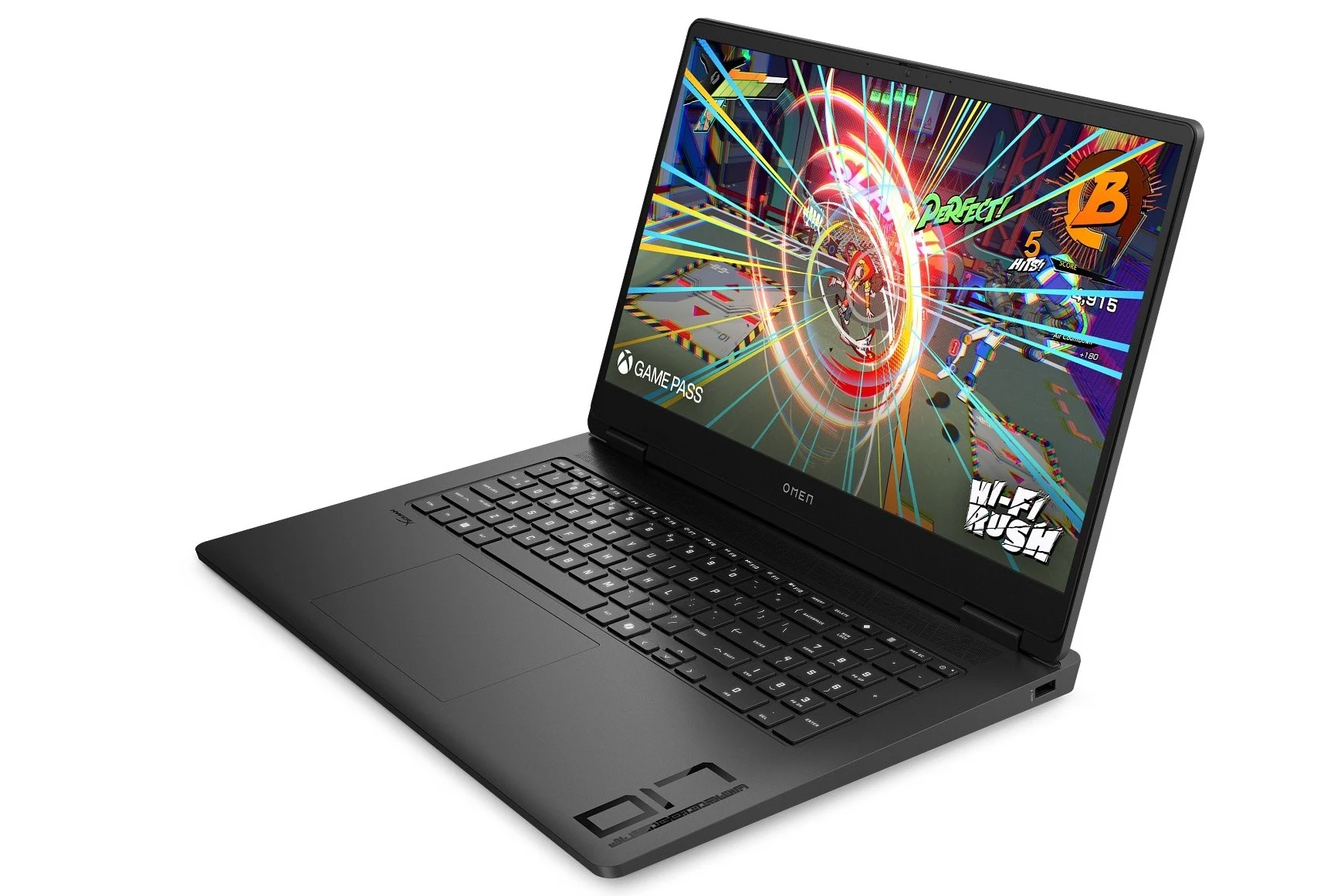
    The 2025 HP Omen 17 has been released and is now up for grabs with the new AMD Zen 5 and Nvidia Blackwell options, replacing the previous year’s Zen 4 and Ada Lovelace selections. The available CPUs include the Ryzen AI 5 340, Ryzen AI 7 350, and Ryzen AI 9 365. Sadly, these new processors don’t provide much improvement over the Ryzen 7 8845HS found in the 2024 Omen 17.

    Performance Comparison

    As illustrated by the graphs below, the Ryzen AI 7 350 in the 2025 Omen 17 shows only a 10 percent performance boost on average compared to the Ryzen 7 8845HS from the 2024 model, particularly in standard CPU tasks. While its integrated NPU could be useful in certain scenarios, its gaming application is limited. If one chooses to upgrade to the Ryzen AI 9 365 or downgrade to the Ryzen AI 5 340, the effect on multi-thread performance would be approximately 15 percent.

    Power Consumption Insights

    However, this 10 percent annual performance increase does not come without a cost. During our testing with Prime95 on the 2025 Omen 17 unit, we noticed that it used around 10 percent more power than the 2024 Omen 17 under similar conditions. This means that performance-per-watt remains unchanged between these two generations of Zen 4 and Zen 5 processors when handling standard CPU tasks.

    GPU Differences Matter

    For users looking for more substantial changes between the two versions, examining their GPU differences is essential. Additional details and comparisons can be found in our review of the 2025 Omen 17.

    Source:
    N/A)


  • Asus ExpertCenter PN54: Stylish Mini PC with Ryzen AI 7 and 64GB RAM

    Asus ExpertCenter PN54: Stylish Mini PC with Ryzen AI 7 and 64GB RAM

    Key Takeaways

    1. The Asus ExpertCenter PN54 mini PC features powerful internals with Ryzen AI 5 340 or Ryzen AI 7 350 APUs, providing strong performance for moderate to demanding tasks.
    2. Users can expand the mini PC’s memory with up to 64 GB of DDR5 RAM and have up to 2 TB of SSD storage through dual SODIMM and dual M.2 slots.
    3. The mini PC lacks dedicated graphics capabilities but includes integrated AMD Radeon GPUs, suitable for basic tasks but not for modern AAA gaming.
    4. It offers a wide variety of ports, including multiple USB 3.2, DisplayPort, HDMI, Ethernet, and supports Bluetooth 5.4 and WiFi 7 for connectivity.
    5. The design of the ExpertCenter PN54 is compact, measuring just 13 x 13 x 3.4 cm, making it a sleek addition to any workspace.


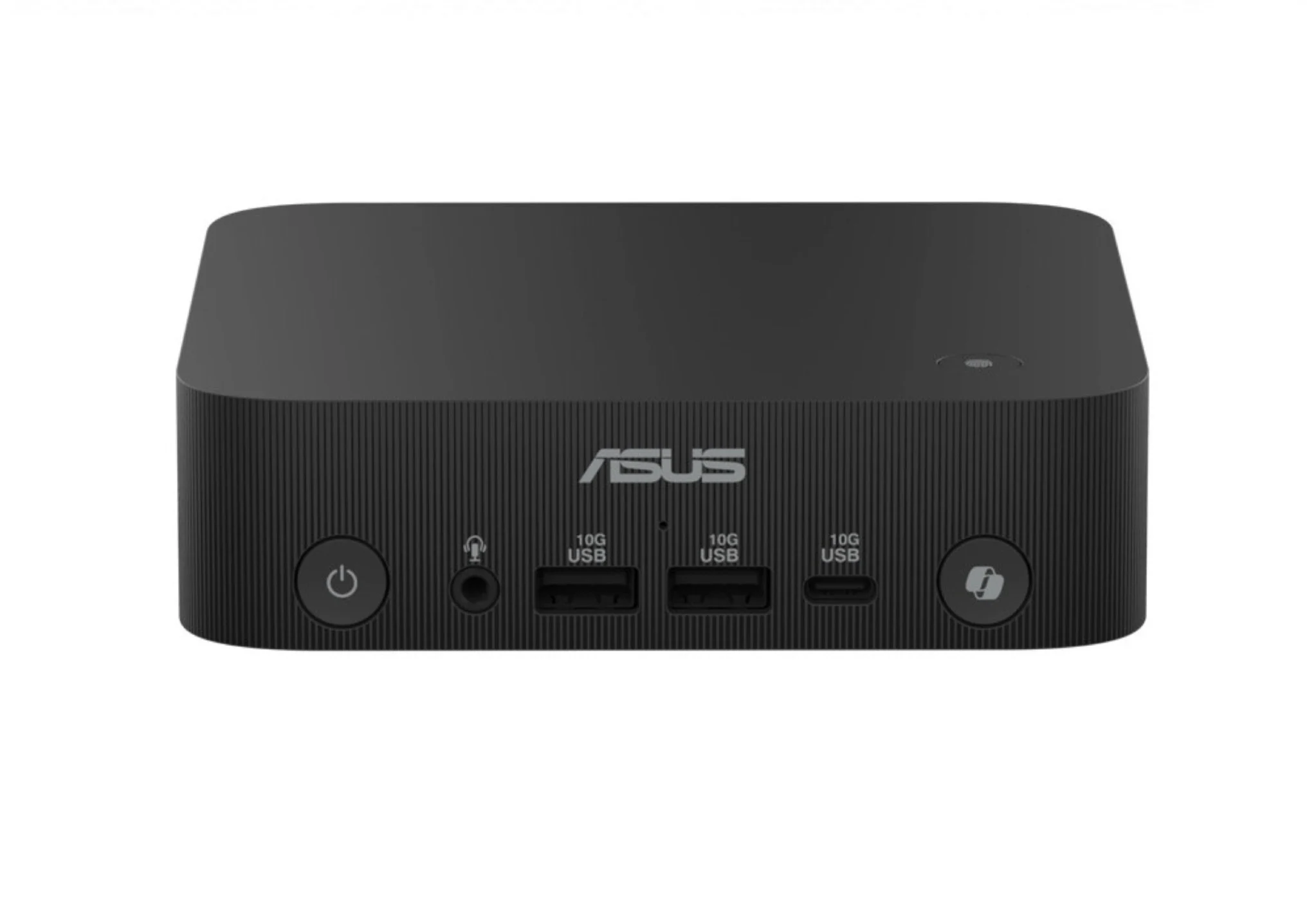
    A new mini PC from Asus has arrived, named the ExpertCenter PN54. This system comes with impressive internal components and a great variety of ports, all wrapped up in a sleek design measuring just 13 x 13 x 3.4 cm. As of now, there are no details regarding its price or availability, but it’s reasonable to assume the PN54 mini PC will be on the pricier side, given its strong internal specs.

    Powerful Internals

    At the core of the Asus ExpertCenter PN54 mini PC lies either the Ryzen AI 5 340 or the Ryzen AI 7 350 APU, featuring six and eight cores, respectively. Because of this, the Ryzen 7 version shows about a 25% advantage over the Ryzen 5 model in synthetic tests. Users can pair these systems with up to 64 GB of DDR5 RAM and can have up to 2 TB of SSD storage available through dual SODIMM and dual M.2 2280 slots. Both APUs offer substantial computing power, making them capable of handling most moderate to demanding tasks with ease.

    Limited Graphics Capabilities

    Like many mini PCs, the ExpertCenter PN54 does not have space for dedicated graphics cards. However, it does come with the AMD Radeon 860M (8 EUs, 3.1 TFLOPS) and Radeon 840M (4 EUs, 1.5 TFLOPS) integrated GPUs, which are decent but not enough for playing modern AAA games. As previously mentioned, this mini PC features an impressive selection of ports that includes three USB 3.2 Gen 2 Type-A, two DisplayPort 1.4, HDMI 2.1, USB 2.0, dual USB 3.2 Gen 2 Type-A, USB 4, an audio jack, and up to two 2.5G Ethernet ports. For wireless connectivity, it supports Bluetooth 5.4 and WiFi 7. Additionally, a fingerprint reader is included for enhanced security.

    Source:
    Link


  • AMD Radeon 840M Beats 740M in Early OpenCL Benchmark Results

    AMD Radeon 840M Beats 740M in Early OpenCL Benchmark Results

    Key Takeaways

    1. AMD has launched the entry-level Ryzen AI 5 340 APU, which features Zen 5 and Zen 5c cores along with the Radeon 840M GPU.
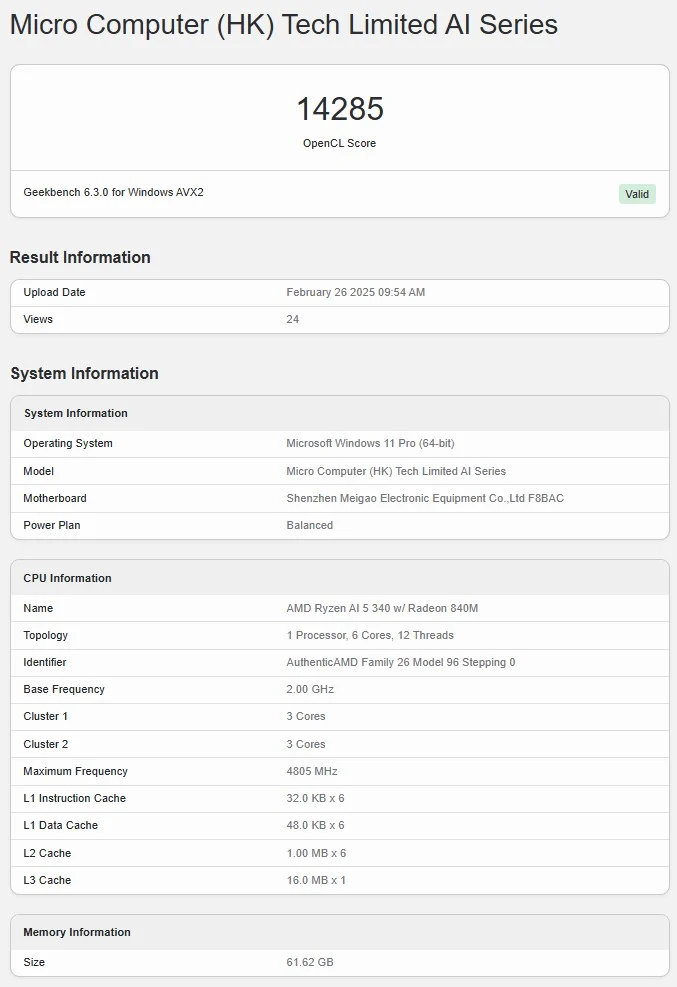
    2. The Radeon 840M outperforms the previous generation Radeon 740M in the OpenCL benchmark by over 3,000 points, scoring 14,285 points.
    3. The Radeon 840M is the least powerful GPU in the RDNA 3.5 series, with only four Compute Units (CUs), compared to higher models like the Radeon 890M and 860M.
    4. The Ryzen AI 5 340 may allow affordable laptops to run most AAA games smoothly at lower visual settings.
    5. Initial benchmark results may vary from post-launch performance, and single-core and multi-core performance details are still unknown.


    AMD has released its entry-level APU for the Krackan Point series, named the Ryzen AI 5 340, and it’s starting to show up in laptops. The Framework 13 is among the first devices to use this new chip. This APU features Zen 5 and Zen 5c cores, and it comes with a lower-end RDNA 3.5 GPU, known as the Radeon 840M.

    Benchmark Performance

    The Ryzen AI 5 340 has recently appeared on Geekbench, giving us a glimpse into how its integrated GPU stacks up against the previous generation. In one benchmark test, the Radeon 840M achieved a score of 14,285 points in the OpenCL test. In contrast, the older Radeon 740M scored approximately 11,000 points.

    As a result, in the OpenCL test, the Radeon 840M outperforms the Radeon 740M by more than 3,000 points. It is important to mention that the 840M is the least powerful RDNA 3.5 iGPU in the Krackan Point series, having only four Compute Units (CUs). On the other hand, the top model, the Radeon 890M (found in the Beelink SER9 with AI 9 370 HX priced at $999 on Amazon), boasts 16 CUs, while the slightly upgraded Radeon 860M has 8 CUs and scores around 25,450 points in the same benchmark.

    Future Gaming Capabilities

    Despite being the entry-level model, the higher OpenCL score of the Radeon 840M suggests it could provide better gaming performance compared to the 740M. This means that affordable laptops featuring the Ryzen AI 5 340 might be able to run most AAA games at lower visual settings quite smoothly.

    However, it’s essential to keep in mind that initial Geekbench results can differ significantly from scores collected after the product’s official release. Additionally, it remains uncertain how the Ryzen AI 5 340 will perform in both single-core and multi-core Geekbench tests.

    Source:
    Link