Author: GizNews

  • The Large Magellanic Cloud Warps Its Galactic Neighbor

    The Large Magellanic Cloud Warps Its Galactic Neighbor

    Key Takeaway

    – The Large Magellanic Cloud distorts the Small Magellanic Cloud through gravitational pull.
    – Infrared observation by the Vista telescope over 11 years enabled detailed study of stellar motions.
    – Stars in the Small Magellanic Cloud’s center move away at 17 km/s due to this gravitational force.
    – The Small Magellanic Cloud was likely more compact in the past than its current shape.


    The Large Magellanic Cloud is a satellite galaxy of the Milky Way, located about 163,000 light-years away. Although it is frequently observed by astronomers, a new study has revealed its effect on the Small Magellanic Cloud.

    Observations with the Vista Telescope

    This dwarf galaxy, located 200,000 light-years from Earth, was observed during eleven years with the Vista telescope (Visible and Infrared Survey Telescope for Astronomy) in Chile. According to astronomers, this celestial object is distorted not only by the Milky Way but also by the Large Magellanic Cloud. The infared vision of this telescope was key for seeing through interstellar dust, allowing researchers to study the motion of stars within the Small Magellanic Cloud.

    Researchers Reaction to the Results

    Thus, it was thanks to the infrared vision of this telescope that this observation was possible. Researchers were able to see through interstellar dust and study the motion of stars within the Small Magellanic Cloud, providing interesting results, as Florian Niederhofer explains in a statement: “When I saw the results for the first time, I was amazed by the quality of the measured stellar motions. By combining observations that have been taken over a time baseline of more than a decade, we were able to map the internal kinematics of the Small Magellanic Cloud with a level of detail that is outstanding for observations from the ground.”

    Key Phenomenon and Speed Data

    While results had been revealed in previous years, this new study highlights a specific phenomenon. Indeed, the stars located at the heart of this dwarf galaxy are moving away from its center at a speed of 10.6 miles (17 kilometers) per second. This specific speed measurement is critical for understanding the gravitational dynamics between the two galaxies.

    Gravitational Pull and Past Structure

    Therefore, these results highlight the gravitational pull exerted by the Large Magellanic Cloud on its companion. And that’s not all, because according to astronomers, the Small Magellanic Cloud would have had a more compact structure in the past, very different from its current shape. The study provides evidence that the smaller galaxy once looked nothing like it does today.

    Astronomy & Astrophysics

    Sources

  • Lenovo unveils 16-inch laptop: 1100-nit OLED, 105W GPU

    Lenovo unveils 16-inch laptop: 1100-nit OLED, 105W GPU

    Key Takeaway

    – Global release of IdeaPad Pro 5i 16IPH11 is now live in UK and Eurozone after delays.
    – Only available with Core Ultra 7 356H in Europe; US also gets the more powerful Core Ultra 9 386H.
    – Fixed specs: 32GB RAM, 1TB SSD, 84Wh battery, RTX 5050 (105W TGP), and 1800p 120Hz OLED display.
    – Pricing starts at £2,500 in UK and €2,569–€2,900 in Eurozone.
    – Connectivity options vary: Wi-Fi 6/BT 5.3 or Wi-Fi 7/BT 5.4 depending on configuration.


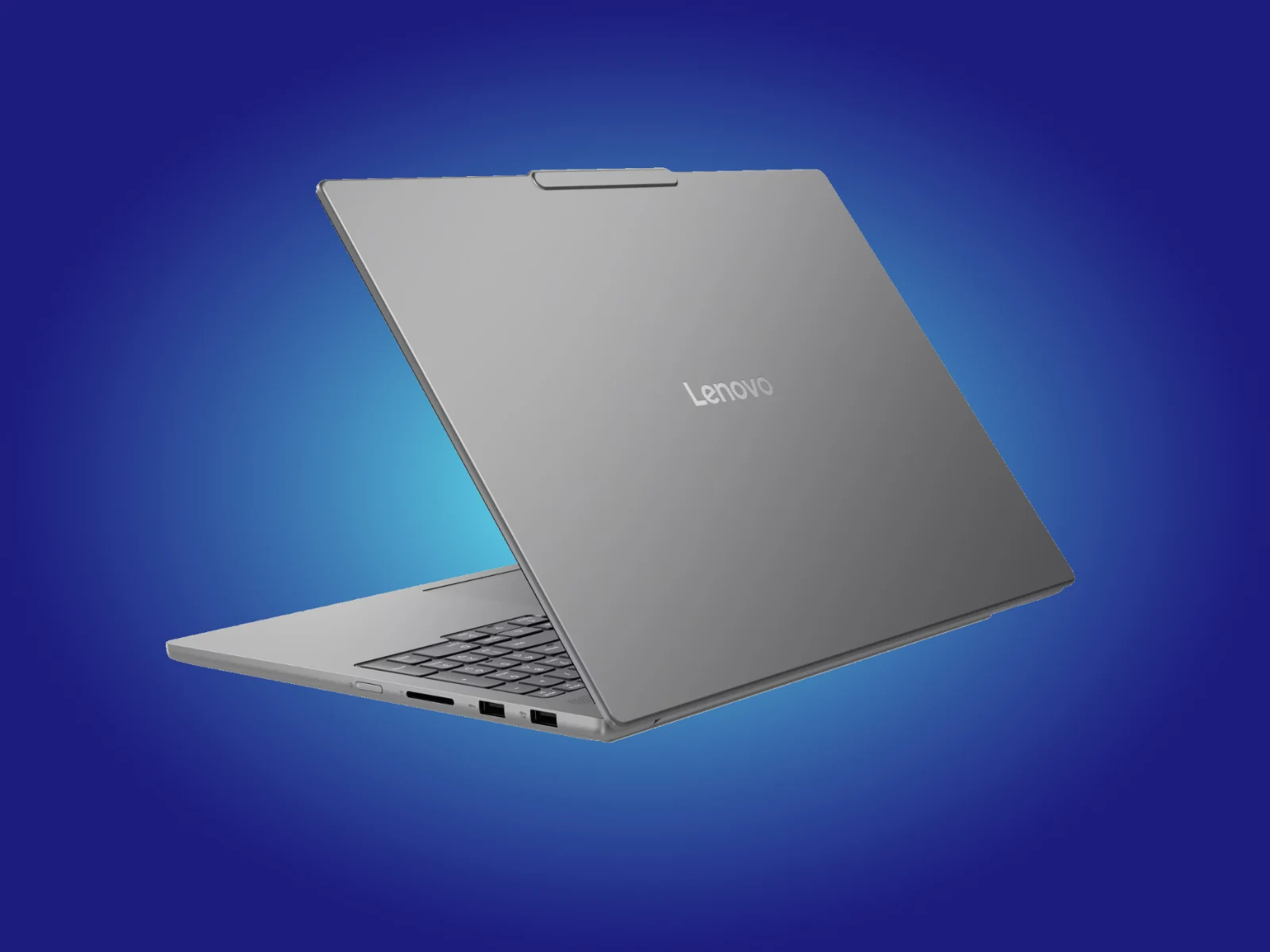
    The IdeaPad Pro 5i 16IPH11 has finally received a global release

    Replacing the older IdeaPad Pro 5i 16IAH10 in the process. To recap, Lenovo announced its new 16-inch laptop in January during CES 2026. Then in March, Lenovo began selling the laptop in certain markets, despite claiming there would be no availability before April.

    Fast forward to June and the IdeaPad Pro 5i 16IPH11 has finally reached the UK and the Eurozone

    Configuration options are rather limited for the time being, though. Currently, the laptop is only available with the Core Ultra 7 356H, a 16-core processor featuring a 4-core Xe3 iGPU from Intel’s Panther Lake family. By contrast, the US and other markets have also received the more powerful Core Ultra 9 386H.

    Likewise, the IdeaPad Pro 5i 16IPH11 is only available in Europe with 32 GB of LPDDR5X-8533 RAM

    A 1 TB M.2 2242 SSD and an 84 Wh battery. Moreover, the 16-inch laptop comes with an Nvidia GeForce RTX 5050 laptop GPU with a 105 W TGP at its disposal. Also, Lenovo includes a 1800p and 120 Hz VRR OLED display with 500 nits SDR and 1,100 nits HDR peak brightness values.

    As it stands, Lenovo offers the IdeaPad Pro 5i 16IPH11 with a choice between Wi-Fi 6 and Bluetooth 5.3 or Wi-Fi 7 and Bluetooth 5.4 connectivity in Europe

    Pricing starts at £2,500 in the UK with a Windows 11 Home licence. Meanwhile, the 16-inch laptop starts at €2,569-€2,900 in the Eurozone, depending on from where you order it.


  • AMD RDNA 5 Gaming GPUs Launch Possibly Delayed to 2028

    AMD RDNA 5 Gaming GPUs Launch Possibly Delayed to 2028

    Key Takeaway

    – AMD Radeon RX 9070 and 9070 XT launched spring 2025, followed by a DRAM crisis.
    – No RDNA 5 gaming GPUs expected until 2027–2028, a three-year gap from the RX 9070 XT.
    – Traditional two-year GPU launch cycle is obsolete.
    – High demand from AI companies (OpenAI) prioritizes profitable server chips over gaming GPUs.
    – Global chip production overload delays new gaming hardware.


    Next-Gen AMD Gaming GPUs Delayed to 2027

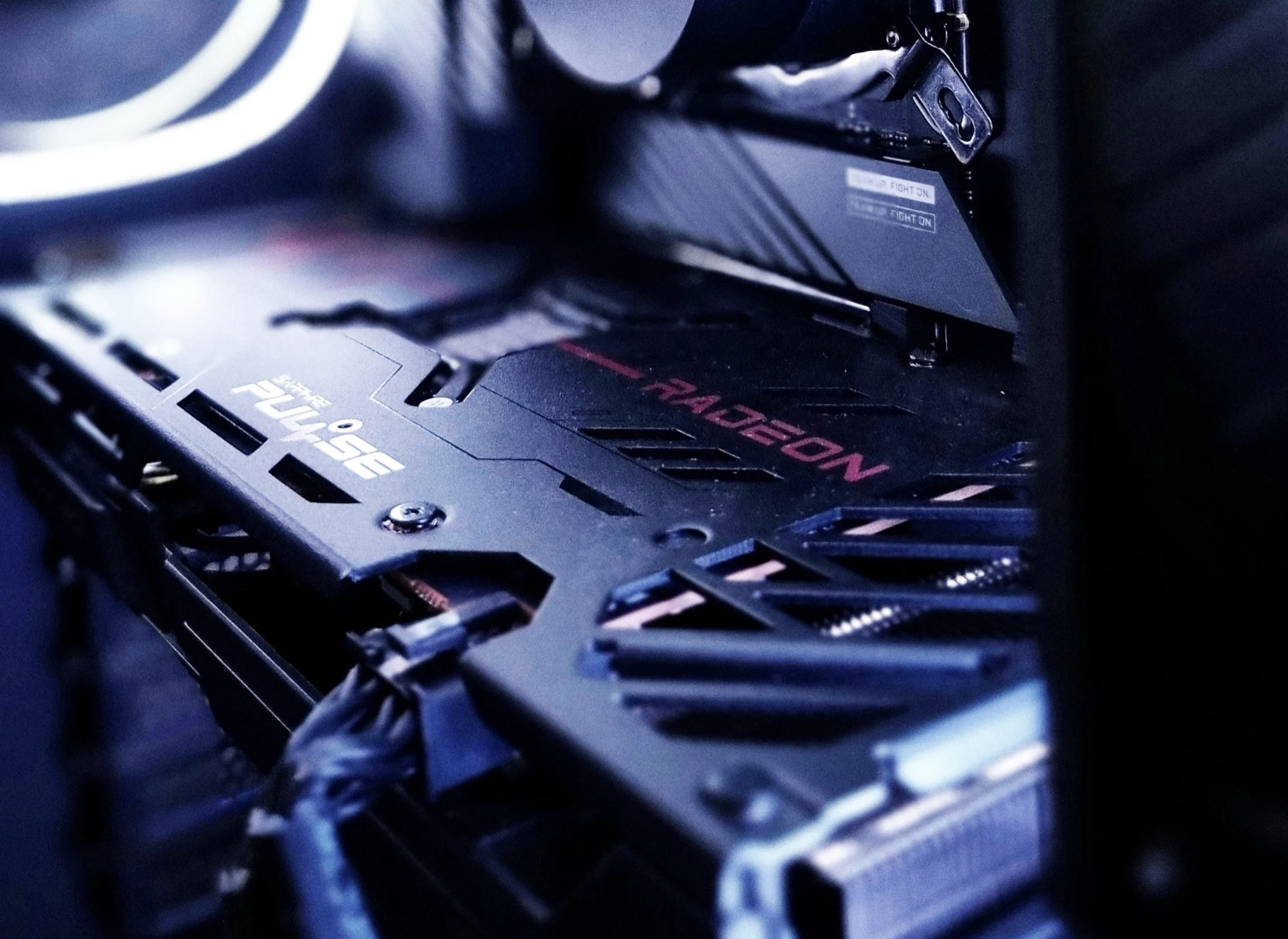
    The AMD Radeon RX 9070 and Radeon RX 9070 XT were launched in spring 2025, only shortly after Nvidia GeForce RTX 5000. In the second half of 2025, the DRAM crisis hit and not only drove up the prices of RAM, SSDs and graphics cards, but also caused the cancellation of Nvidia GeForce RTX 5000 Super. It seems that gaming enthusiasts will also have to wait a while longer for the next generation of AMD graphics cards.

    Board Partners Speak at Computex

    Tweakers spoke to several board partners who sell AMD Radeon desktop graphics cards at Computex in Taiwan. Some board partners expect the first gaming graphics cards based on the AMD RDNA 5 architecture to ship in the second or third quarter of 2027, while others said they are more likely to ship in late 2027 or early 2028. This means that there could be three years between the launch of the Radeon RX 9070 XT and its successor.

    Traditional Launch Cycles Are Over

    The usual launch cycle, in which graphics cards are first launched on the market, followed by a refresh a year later and a successor two years later, is therefore a thing of the past. The reason for the delays is the extremely high demand for chips and DRAM from AI giants such as OpenAI – selling expensive server processors and GPUs brings more profit, and as global production capacities for computer chips are currently overloaded, it hardly makes sense for companies such as Nvidia and AMD to bring “cheap” gaming products onto the market and no longer produce as many expensive server chips.


    Sources
  • Nvidia RTX 50 Super Series Launch Tipped for Later Date

    Nvidia RTX 50 Super Series Launch Tipped for Later Date

    Key Takeaway

    – RTX 50 Super series now rumored for CES 2027 unveiling, despite earlier expectations of a 2026 or even 2025 launch.
    – Recent reports have been contradictory, with some claiming a Q3 2026 release and others denying a 2026 arrival.
    – Leaked models include RTX 5060 Super (12 GB), 5070 Super (18 GB), 5070 Ti Super (24 GB), and 5080 Super (24 GB).
    – The Super lineup will use new 3 GB GDDR7 memory chips, already seen in laptop RTX 5070 and RTX 5090.
    – Nvidia prioritized AI and datacenter products over gaming GPUs, delaying the Super series release.


    Nvidia’s RTX 50 Super Series: New CES 2027 Rumour Emerges

    There has been a lot of back and forth about when Nvidia’s ‘Super’ version of the RTX 50 GPU’s will come out, with different sources giving conflicting release windows. A fresh report from a Chinese publication called Benchlife is now claming these graphics cards will be unveiled at CES 2027, even though previous stories were still saying we might see them as early as late 2026. The information seams to come from industry insiders, but Benchlife hasn’t stated who exactly their source is.

    According to the report, the RTX 50 Super series is set to be announced during the CES 2027 event, which usualy takes place in early January. This is a big shift from earlier expectations, where many thought Nvidia would reveal the cards at CES this year, but that never materialized. Instead, the company decided to focus their efforts on AI and datacenter products, leaving gamers waiting for a proper update to their high-end lineup.

    Contradictory Timelines and Launch Dates

    Back in February of this year, a different report suggested that the RTX 50 Super cards wouldn’t be arriving at all in 2026. Then just a few days later, another story cited a Q3 2026 launch date for at least one model in the Super lineup. Because there has been so much contradictory information floating around about the launch window, scepticism about the latest Benchlife rumor is completly justified. It’s hard to know what to belive at this point.

    For now, leaks and rumors about the RTX 50 Super cards are sugesting that there will be several new models. These includes an RTX 5060 Super with 12 GB VRAM, an RTX 5070 Super with 18 GB, an RTX 5070 Ti Super with a full 24 GB, and an RTX 5080 Super also with 24 GB of memory. All of these cards are expected to be based on the new 3 GB GDDR7 memory chips, which are already present in the current laptop RTX 5070 with 12 GB VRAM and the laptop RTX 5090 with 24 GB VRAM.

    Memory and Specification Details

    All these upcoming Super GPUs will leverage the 3 GB GDDR7 memory modules, which is a key upgrade over the standard 2 GB chips used in earlier generations, and this allows for higher VRAM capacities without needing more physical memory slots on the board. This is similar to the technology Nvidia already used in their mobile RTX 5070 and RTX 5090 laptop chips. It means that even the mid-range RTX 5060 Super will get a decent memory boost, making it more suitable for modern games and higher resolutions.

    Sources
  • Dell launches 14-inch laptop globally with 120Hz VRR and AMD Zen 5

    Dell launches 14-inch laptop globally with 120Hz VRR and AMD Zen 5

    Key Takeaway

    – Dell Pro 3 Series 14 (P314265) uses AMD Ryzen AI 400, outperforming Intel alternatives.
    – Configurable with Ryzen AI 5/7 Pro processors, up to 64 GB DDR5-5600 RAM.
    – Storage and connectivity options: PCIe Gen 4/5 SSDs, Wi-Fi 6E or Wi-Fi 7.
    – Battery choices: 45 Wh, 57 Wh, or 70 Wh, with Long Life Cycle options.
    – Display limited to 1200p IPS (no touchscreen); only one panel reaches 500 nits with 120 Hz VRR.


    Dell Has Rounded Off Its Pro 3 Series

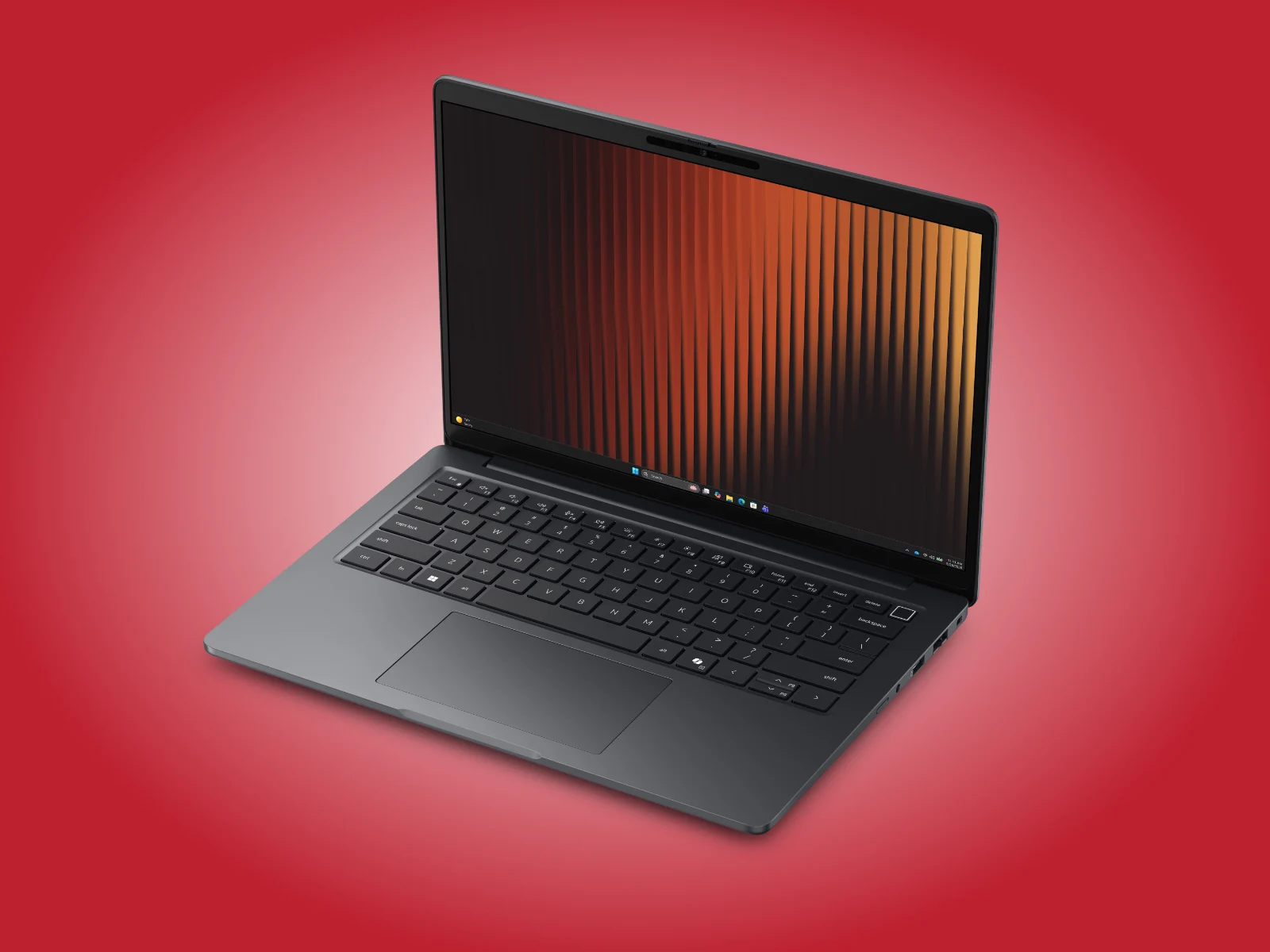
    Dell has rounded off its Pro 3 Series with a new 14-inch model. To recap, the company introduced an Intel alternative in May alongside multiple other Wildcat Lake-powered Pro laptops. By contrast, the Pro 3 Series 14 (P314265) adopts AMD’s more powerful Ryzen AI 400 platform, which should help it outshine the Pro 14 Plus PB14255 we reviewed in January.

    Specific Configuration Options

    Specifically, the P314265 can be configured with the Ryzen AI 5 Pro 435, Ryzen AI 7 450 or the Ryzen AI 7 Pro 450. According to our benchmarks, even the entry-level Ryzen AI 5 Pro 435 surpasses the performance of Dell’s Intel-powered alternatives. Additionally, these AMD processors can be complemented with 16 GB, 32 GB or 64 GB of DDR5-5600 RAM running in dual-channel mode.

    Moreover, Dell offers its new 14-inch laptop with PCIe Gen 4 or PCIe Gen 5 SSDs and Wi-Fi 6E or Wi-Fi 7 modems. On top of that, one can equip 45 Wh, 57 Wh or 70 Wh batteries with dedicated Long Life Cycle options. Currently, the P314265 only comes with 1200p IPS display options. All lacking a touchscreen layer too, only one panel reaches 500 nits and supports a 120 Hz variable refresh rate. In comparison, Dell’s other three options peak at 400 nits with a 60 Hz refresh rate.

    Pricing and Availablity

    The P314265 starts at £1,472 in the UK and €1,654-€1,728 in the Eurozone before delving into Dell’s configurator. Meanwhile, Dell requires those in Australia to call to place an order. Currently, the P314265 is unavailable in North America, although pricing should start at $1,799 in the US and CAD 2,299 in Canada. Please see Dell’s website for more details.

    Global Market Details

    Dell Australia, France, Germany, Ireland & UK

    • Ryzen AI 5 Pro 435, Ryzen AI 7 450, or Ryzen AI 7 Pro 450
    • 16 GB, 32 GB, or 64 GB DDR5-5600 RAM
    • PCIe Gen 4 or Gen 5 SSDs
    • Wi-Fi 6E or Wi-Fi 7
    • 45 Wh, 57 Wh, or 70 Wh batteries
    • 1200p IPS display (one 500-nit 120 Hz; others 400-nit 60 Hz)
  • Mac Studio with M5 Ultra set for WWDC debut

    Mac Studio with M5 Ultra set for WWDC debut

    Key Takeaway

    – iOS 27, iPadOS 27, macOS 27, and watchOS 27 are expected to be announced at WWDC 2026.
    – A new Mac Studio with an Apple M5 Ultra chip is likely to be revealed.
    – The M5 Ultra is rumored to have 36 processor cores and 84 GPU cores (though GPU specs may be inaccurate).
    – It may support up to 512 GB of RAM with over 1,000 GB/s memory bandwidth, making it ideal for AI applications.


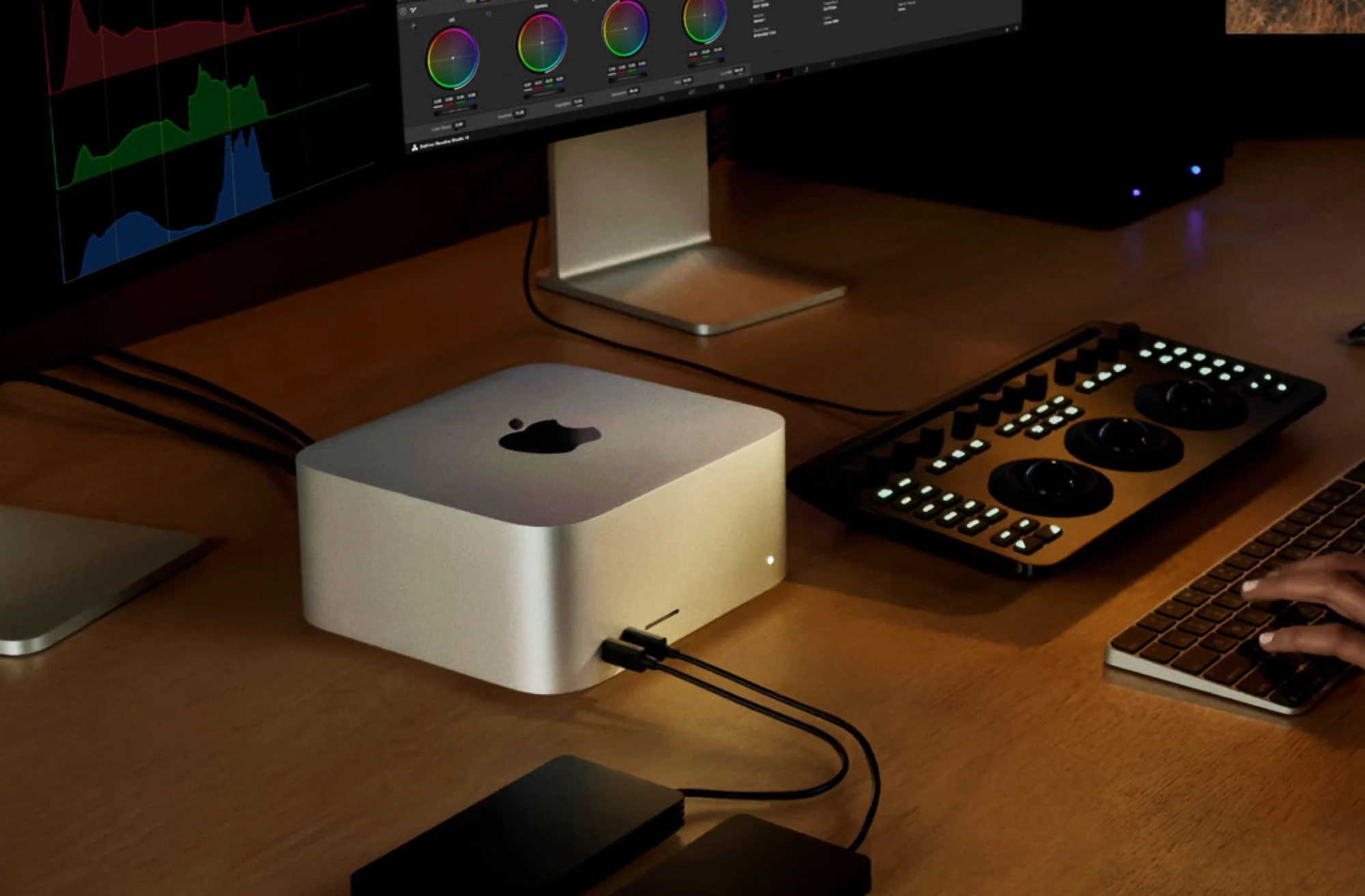
    The opening event of the World Wide Developers Conference (WWDC) 2026 begins shortly. Apple traditionally uses WWDC to announce major operating system updates, so iOS 27, iPadOS 27, macOS 27 and watchOS 27 are likely to be revealed. Although the updates are not usually released until September, the announcement in June gives developers some time to optimize their apps for the new operating systems.

    New Hardware Rumours and Chip Details

    According to a report by Commercial Times Taiwan, Apple could also announce new hardware, namely a new Mac Studio. The compact desktop computer was previously available either with the Apple M4 Max, or with the older but more powerful Apple M3 Ultra. The top model therefore offers 32 processor cores and a graphics chip with 80 cores.

    Apple M5 Ultra Specifications

    The Apple M5 Ultra, on the other hand, is said to fuse two Apple M5 Max and thus offer 36 processor cores. The Commercial Times reports that the GPU offers 84 cores, but the M5 Max has a maximum of 40 GPU cores, so this information should be viewed with caution.

    The chip is to be offered with up to 512 GB of RAM, which can be accessed by both the processor and the graphics chip, and which is to achieve a memory bandwidth of over 1,000 GB/s. This would make the Apple M5 Ultra perfect for AI applications, offering significantly more RAM than AMD Ryzen Strix Halo or Nvidia DGX Spark or RTX Spark.

    Sources
  • OnePlus Affordable Phone Series Tipped for Launch

    OnePlus Affordable Phone Series Tipped for Launch

    Key Takeaway

    – OnePlus is launching a new ‘N’ series in India, positioned as even more affordable than the Nord series.
    – Some N series models are expected to be priced under INR 20,000 (around $209).
    – The N series phones are rumored to arrive in July.
    – The N series could be a rebrand of the upcoming OnePlus Turbo 6X phones for the Indian market.


    OnePlus may be cooking up something new

    As OnePlus prepares for the launch of the affordable OnePlus Turbo 6X Pro in China, it seems to be working on a new lineup of even more affordable phones. A new leak hints at the name for the series and the target market, but no information on the specifications or configurations is available at this point.

    The leak comes from a tipster on X

    The information comes from leaker Yogesh Brar on X, who claims that OnePlus will be launching a new series of smartphones in India, expected to be called the OnePlus ‘N’ series. This will be even more affordable than the Nord series, or at least some models will be. The leaker states some models will be priced under INR 20,000 (around $209). Lastly, the N series phones are expected to arrive in July.

    No word on global release yet

    For now, it is unclear if OnePlus plans on releasing these phones in other markets as well, and if so, whether they will be rebranded to a different series remains to be seen. Speaking of which, the OnePlus Turbo 6X and 6X Pro will debut in China on June 10. These are powered by Mediatek Dimensity SoCs, LCD screens, and massive silicon-carbon batteries. The upcoming N series could be a rebrand of the Turbo 6X phones for the Indian market.

    Thats all we got for now

    That’s all we know about the rumored OnePlus N series of phones. It should be noted that the company has not shared any information on the same.

    Sources
  • Boox Tappy Page Turner Back in Stock in Citrus Color

    Boox Tappy Page Turner Back in Stock in Citrus Color

    Key Takeaway

    – Tappy Bluetooth page turner now available in Citrus color ($29.99) on US Boox store, shipping around June 24
    – International version launched in single green color; China gets three color options including Summer Orange
    – Green Tappy out of stock in US, but still available through Boox EU store
    – 50% discount ($15.99) on Tappy when purchased with new Go 6 (Gen II) ereader, limited to few hundred units
    – Tappy can be configured for screenshots, front light adjustment, or full screen refresh with firmware 4.2+


    New Citrus Shade for Boox Tappy

    Boox announced the Tappy Bluetooth page-turning device in May, and shortly after, it released the accessory in China. However, while the international version was released in a single color, those in China can choose from three colors, that doesn’t even include the green sold internationally.

    Stock and Color Differences

    What’s more interesting is that following the launch in China, the Boox Tappy has been listed as out of stock on the US store for a few weeks. The good news is that it is back in stock, albeit in a new color called Citrus. The new color is one of three sold in China, but as Summer Orange.

    Pricing and Availability

    Priced at $29.99, the Boox Tappy in Citrus can be ordered now from the Boox website, and it is expected to ship around June 24. The green version is still out of stock in the US, but can be purchased from the Boox EU store. Interestingly, the Citrus version is not available in Europe, yet.

    Special Bundle Offer

    Boox is also offering those who purchase the brand new Go 6 (Gen II) ereader a 50% discount ($15.99) if they add the Boox Tappy to their cart. Although the offer seems to be limited to a few hundred units.

    Device Features

    The Boox Tappy is a rechargeable Bluetooth device for flipping through pages on a compatible Boox tablet or ereader. It can also be used to scroll through webpages and control playback for your audiobooks. Boox also recently released a new firmware update (version 4.2) for its devices, and if you are running this version or newer, you will be able to configure the Boox Tappy to take a screenshot, adjust the front light, or do a full screen refresh.

    Sources
  • Nintendo Fined €35M for Switch Joy-Con Stick Drift

    Nintendo Fined €35M for Switch Joy-Con Stick Drift

    Key Takeaway

    – French regulator fined Nintendo €35 million for slow response to Joy-Con drift (2018-2023).
    – Lawsuit outcomes differ: French authorities found “deceptive practice”; U.S. class actions often defeated by EULA.
    – Free Joy-Con replacements still available via Nintendo Support, even beyond warranty.
    – Switch 2 Joy-Con 2 uses older potentiometer sticks, not drift-resistant Hall effect/TMR.
    – Nintendo claims reinforced parts in new controllers, but Pro Controller has separate stick issues.


    Over 9 years since the original Switch debuted, Nintendo continues grappling with the fallout from Joy-Con stick drift. As physical mechanisms inside the analog sticks degrade over time, it can cause spontaneous inputs to register on screen. The French government’s consumer protection agency has now fined the gaming giant a whopping €35 million.

    French authorities investigate consumer complaints

    Responding to a complaint from a consumer advocacy group back in 2020, the Directorate General for Competition, Consumer Affairs and Fraud Control (DGCCRF) launched a full investigation. They determined Nintendo was too slow to address the growing stick drift epidemic, delaying their official response until 2020. The French government believes many consumers bought new Switch controllers rather than contacting Nintendo Support.

    Record fine for deceptive commercial practice

    For “deceptive commercial practice” between 2018 and 2023, the company recieved one of the largest fines in the agency’s history. Nintendo agreed to the judgement and committed to publishing a press release about the resolution on its website. In the U.S., Nintendo has also faced class-action lawsuits over defective Joy-Cons, though plaintiffs were mostly unsuccessful. Courts acknowledged the issue existed, but the End User License Agreement (EULA) signed by buyers often spared the company from legal consequences or fines.

    Gamers still affected by misbehaving Switch controllers may be eligible for free replacements. Even if the normal warranty period has expired, the support site allows buyers to register for the service. Potentiometer-based analog sticks are prone to stick drift as components gradually degrade, prompting manufacturers to embrace Hall effect or TMR technology that relies less on mechanical parts.

    • To the disappointment of many fans, those changes were not implemented in the Switch 2 Joy-Con 2
    • Still relatively new, it’s unclear if the latest-gen accessories will display the same symptoms
    • Nintendo claims to have reinforced the parts most prone to damage

    Concerns around the Switch 2 Pro Controller

    However, that may not be the case with the more conventional Switch 2 Pro Controller. While it’s a separate concern, a Japanese YouTuber exposed how flaws in its construction can cause sticky analog sticks. This issue remains seperate from the main Joy-Con problem, but it shows Nintendo still has work to do on controller durability across its lineup.

    Sources
  • Moss: Beautiful VR Storytelling Comes to PC

    Moss: Beautiful VR Storytelling Comes to PC

    Key Takeaway

    – Flat-screen port preserves Moss’s signature scale and immersion, transforming VR’s tangible playground into a stunning diorama-like experience.
    – Visual performance excels on standard hardware (e.g., RTX 4050), with crisp details and locked frame rates thanks to reduced rendering demands.
    – Dual-control dynamic (Quill’s movement + the Reader’s orb) feels natural on mouse/keyboard or controller, maintaining the series’ unique split-focus gameplay.
    – Emotional connection with Quill translates effectively to a monitor, including fourth-wall-breaking high-fives and partner acknowledgments.
    – Removing VR requirements broadens accessibility without sacrificing mechanical or narrative depth, proving the core design stands alone.


    Shifting a VR Masterpiece to a Flat Screen

    Moving an experience designed entirely around virtual-reality immersion to a traditional flat panel is a massive gamble. For years, Polyarc’s Moss series stood as a shining example of what spatial design could achieve, letting players physically lean into a world to connect with its tiny mouse protagonist, Quill. With the release of Moss: The Forgotten Relic, the studio is removing the headset requirement entirely, bundling Moss, Moss: Book II, and the Twilight Garden DLC into a cohesive flat-screen experience.

    Performance on a Mid-Range Laptop

    Testing the Steam demo on a Lenovo LOQ equipped with an Intel Core i7-13620H and an Nvidia GeForce RTX 4050 reveals that this mechanical leap is not just functional; it is incredibly compelling. The immediate worry about a flat-screen port is that the environment will lose its sense of scale. In VR, the world feels like a massive, tangible playground surrounding you. On a standard monitor, that presence shifts into something reminiscent of an incredibly detailed, high-fidelity miniature diorama.

    Visual Fidelity and Rendering Efficiency

    The visual presentation remains stunning. The fixed-camera angles feel intentional, framing each area like a living painting. Tiny details, like the way light filters through the forest canopy, the scale of ancient stone ruins compared to Quill’s microscopic size, and the fluid water physics, pop with crisp clarity on a standard display. Because the hardware no longer needs to push dual high-refresh headset displays, the rendering overhead drops significantly. The RTX 4050 easily drives the game at its highest settings, maintaining a locked, butter-smooth frame rate that lets the vibrant art style shine without a hint of performance stutter.

    Dual Control Dynamics Preserved

    Where The Forgotten Relic truly succeeds is in preserving its unique approach to player interaction. You aren’t just controlling Quill; you are playing as “The Reader,” a massive mythic presence existing alongside her. On a mouse-and-keyboard or standard controller layout, this creates a fascinating dual-control dynamic that requires you to split your focus seamlessly. Your left hand or thumbstick manages Quill’s direct movement, letting her dodge, swing her sword, and leap across platforms. Meanwhile, your right hand or mouse cursor controls a glowing orb representing the Reader, allowing you to reach directly into the environment to slide massive blocks, freeze enemy combatants, or heal Quill mid-fight.

    Emotional Connection Through the Screen

    This mechanical separation feeds directly into the game’s signature fourth-wall-breaking moments. In VR, looking down at Quill meant seeing her stare back up at you, gesturing with sign language or offering a high-five. Remarkably, that emotional connection translates beautifully to a standard monitor. When you solve a difficult environmental puzzle or scrape through a tight combat encounter, Quill will still run to the front of the screen, look directly through the glass at you, and raise her paw for a high-five.

    A Touch That Breaks the Barrier

    Reaching out with your cursor to tap her hand creates a surprisingly intimate bond. She doesn’t just treat the player as an unseen pilot; she acknowledges you as her partner, making the monitor feel like a literal window into her world rather than just a flat screen displaying a game. By dropping the VR requirement, Polyarc is finally making a great series accessible to a much larger audience. Moss: The Forgotten Relic proves that Quill’s journey doesn’t actually need a headset to land its emotional and mechanical beats. The transition to a monitor is clean, the controls feel natural, and the puzzles remain just as clever. It is a successful port that shows the game’s core design can easily stand on its own.

    Sources