
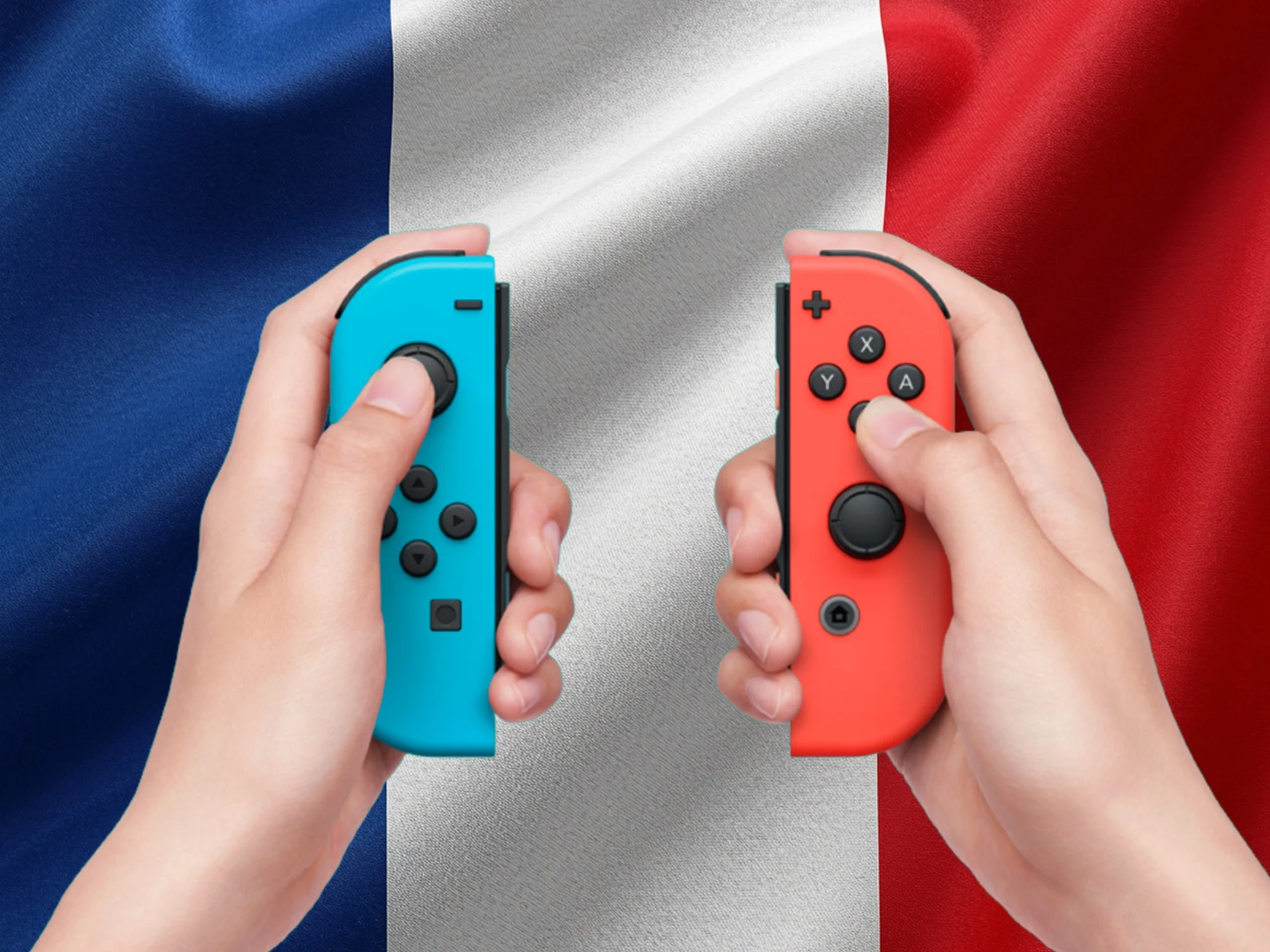
– French regulator fined Nintendo €35 million for slow response to Joy-Con drift (2018-2023).
– Lawsuit outcomes differ: French authorities found “deceptive practice”; U.S. class actions often defeated by EULA.
– Free Joy-Con replacements still available via Nintendo Support, even beyond warranty.
– Switch 2 Joy-Con 2 uses older potentiometer sticks, not drift-resistant Hall effect/TMR.
– Nintendo claims reinforced parts in new controllers, but Pro Controller has separate stick issues.
Over 9 years since the original Switch debuted, Nintendo continues grappling with the fallout from Joy-Con stick drift. As physical mechanisms inside the analog sticks degrade over time, it can cause spontaneous inputs to register on screen. The French government’s consumer protection agency has now fined the gaming giant a whopping €35 million.
French authorities investigate consumer complaints
Responding to a complaint from a consumer advocacy group back in 2020, the Directorate General for Competition, Consumer Affairs and Fraud Control (DGCCRF) launched a full investigation. They determined Nintendo was too slow to address the growing stick drift epidemic, delaying their official response until 2020. The French government believes many consumers bought new Switch controllers rather than contacting Nintendo Support.
Record fine for deceptive commercial practice
For “deceptive commercial practice” between 2018 and 2023, the company recieved one of the largest fines in the agency’s history. Nintendo agreed to the judgement and committed to publishing a press release about the resolution on its website. In the U.S., Nintendo has also faced class-action lawsuits over defective Joy-Cons, though plaintiffs were mostly unsuccessful. Courts acknowledged the issue existed, but the End User License Agreement (EULA) signed by buyers often spared the company from legal consequences or fines.
Gamers still affected by misbehaving Switch controllers may be eligible for free replacements. Even if the normal warranty period has expired, the support site allows buyers to register for the service. Potentiometer-based analog sticks are prone to stick drift as components gradually degrade, prompting manufacturers to embrace Hall effect or TMR technology that relies less on mechanical parts.
- To the disappointment of many fans, those changes were not implemented in the Switch 2 Joy-Con 2
- Still relatively new, it’s unclear if the latest-gen accessories will display the same symptoms
- Nintendo claims to have reinforced the parts most prone to damage
Concerns around the Switch 2 Pro Controller
However, that may not be the case with the more conventional Switch 2 Pro Controller. While it’s a separate concern, a Japanese YouTuber exposed how flaws in its construction can cause sticky analog sticks. This issue remains seperate from the main Joy-Con problem, but it shows Nintendo still has work to do on controller durability across its lineup.
Leave a Reply