Tag: Tesla

  • Tesla to Launch 5,000 Optimus Robots in 2025, Says Elon Musk

    Tesla to Launch 5,000 Optimus Robots in 2025, Says Elon Musk

    Key Takeaways

    1. Tesla aims to produce a “legion” of Optimus humanoid robots by the end of 2025, with an initial goal of 5,000 units this year.
    2. Elon Musk expressed optimism about reaching production goals, hoping for 10,000 to 12,000 components to create the robots.
    3. Musk referred to the production of 5,000 robots as the size of a Roman legion, highlighting the significance of this milestone.
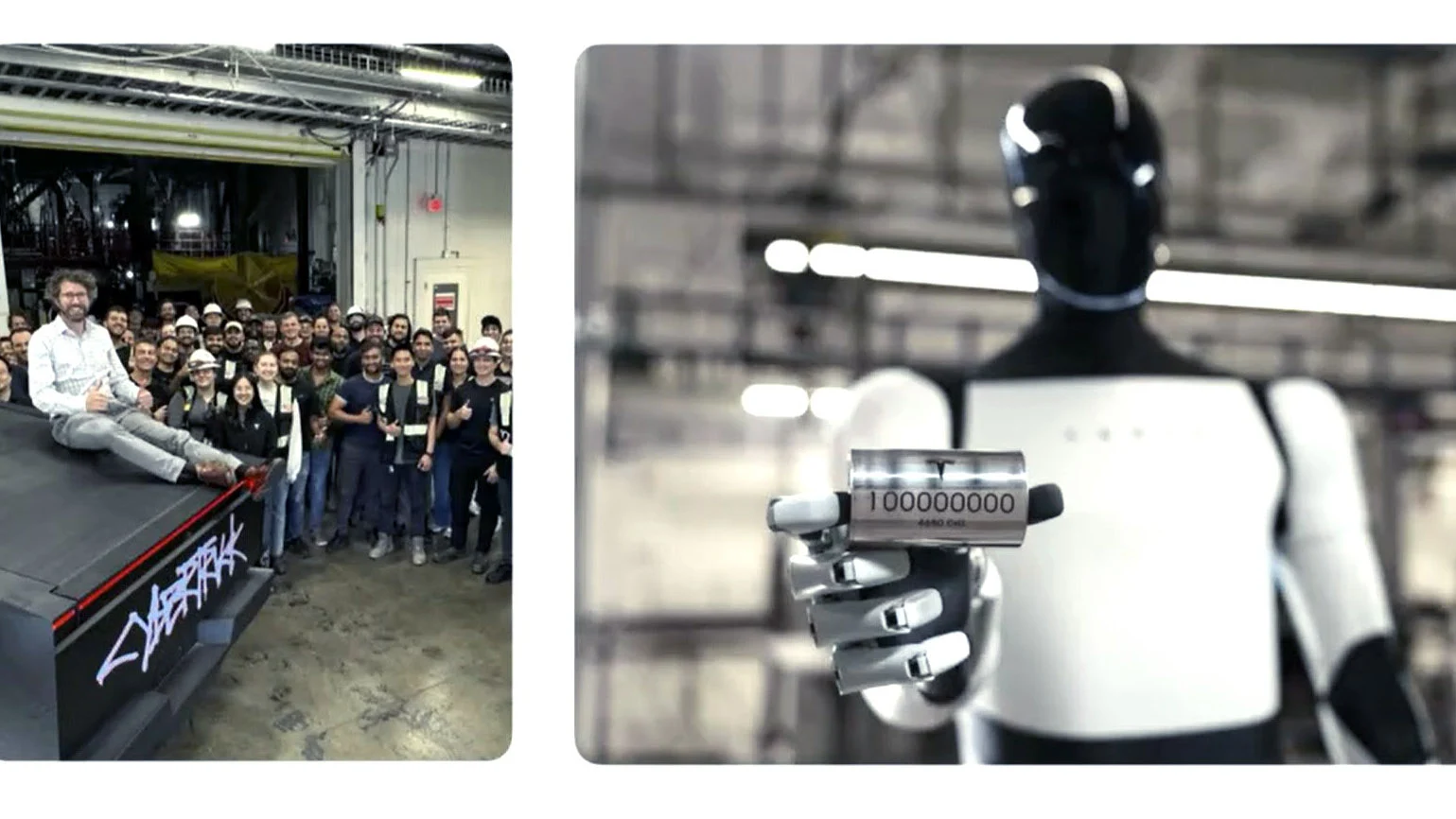
    4. The Optimus robot has been in development since 2021 and was showcased in a prototype during the Cybercab reveal in October 2024.
    5. Musk considers the Optimus robot to be potentially Tesla’s most important product ever created.


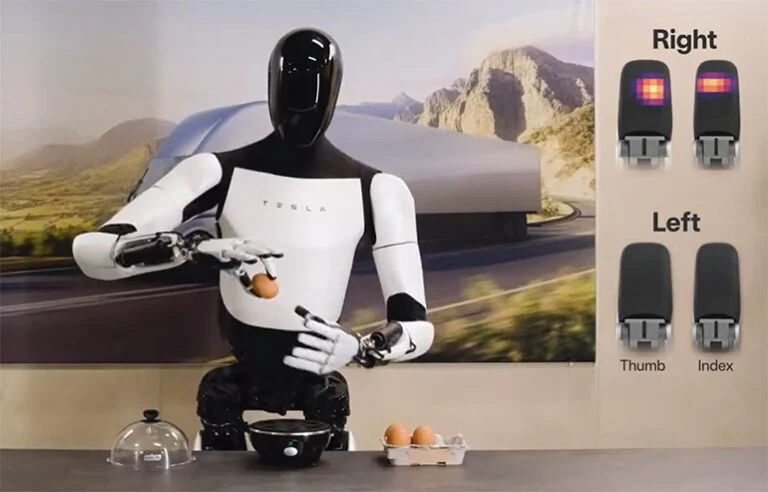
    Tesla is a company with many different divisions, one of which focuses on creating robots. Elon Musk, the CEO, has stated that the company plans to astonish the world with a “legion” of Optimus humanoids before the end of 2025.

    Musk’s Announcement

    The billionaire made this statement during an interactive meeting with staff, which was broadcasted live, allowing the public to prepare for the initial production of the two-legged robot. He mentioned that Tesla aims to gather enough components to produce up to 12,000 units this year, but he would be satisfied with 5,000 Optimuses, or a legion.

    Production Goals

    “This year, we’re hopeful to produce around 5,000 Optimus robots. We’re technically shooting for enough parts to create 10,000, maybe even 12,000, but since it’s a completely new product with entirely new everything, I’ll say we’ll consider it a success if we reach half of the 10,000 goal.

    “Even 5,000 robots, that’s about the size of a Roman legion, which is kind of a creepy thought. Just imagining a whole legion of robots, I’ll be like ‘whoa.’ But I really think we will actually create at least one legion of robots this year, and then perhaps 10 legions next year. It’s a cool way to measure it, you know? Units of legion. So maybe around 50,000 next year.”

    Musk’s Optimism

    Musk is always positive about his company’s innovations. He has called the bipedal robot likely the most significant product ever created.

    The Optimus has been in the works since its introduction in 2021, initially presented with an actor designed to resemble a robot. Tesla showcased a prototype the next year but emphasized it during the Cybercab reveal in October 2024, providing a sneak peek of how it interacts with full-sized robots.

    Source:
    Link
  • Tesla Cybertruck Recall Reveals Concerns About Sales Performance

    Tesla Cybertruck Recall Reveals Concerns About Sales Performance

    Key Takeaways

    1. Tesla has recalled all Cybertrucks made between November 13, 2023, and February 27, 2025, due to safety issues with the cantrail trim detaching while driving.

    2. A total of 46,096 Cybertrucks have been delivered, which is much lower than the expected 500,000 annual deliveries projected by CEO Elon Musk.

    3. The recent recall indicates ongoing sales challenges for the Cybertruck, despite qualifying for a $7,500 federal tax credit.

    4. Tesla has tried various incentives, including free wraps and lower financing rates, to boost Cybertruck sales without significant success.

    5. The future may improve for Tesla with the upcoming launch of the more affordable rear-wheel drive version of the Cybertruck, starting at $61,000.


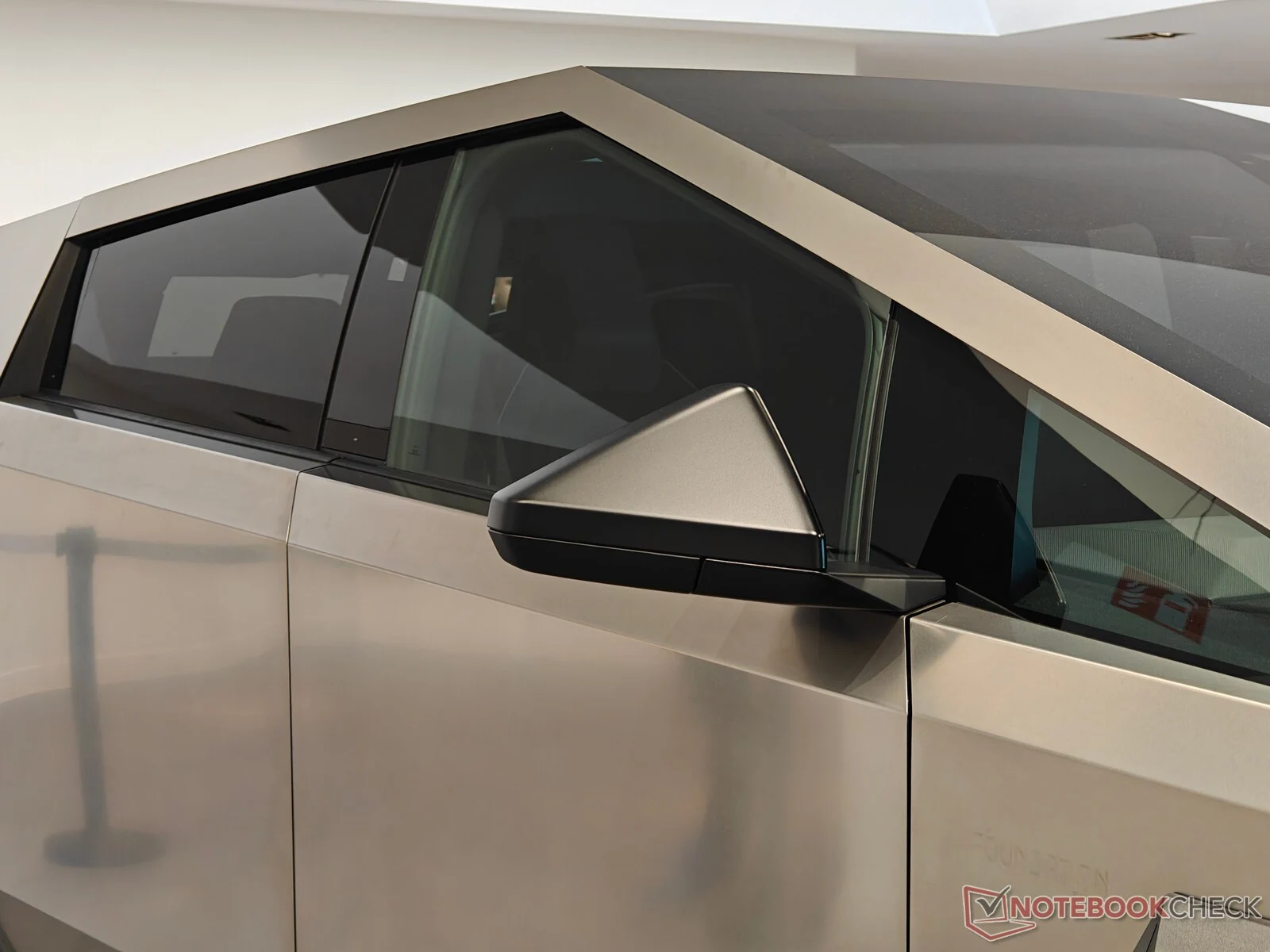
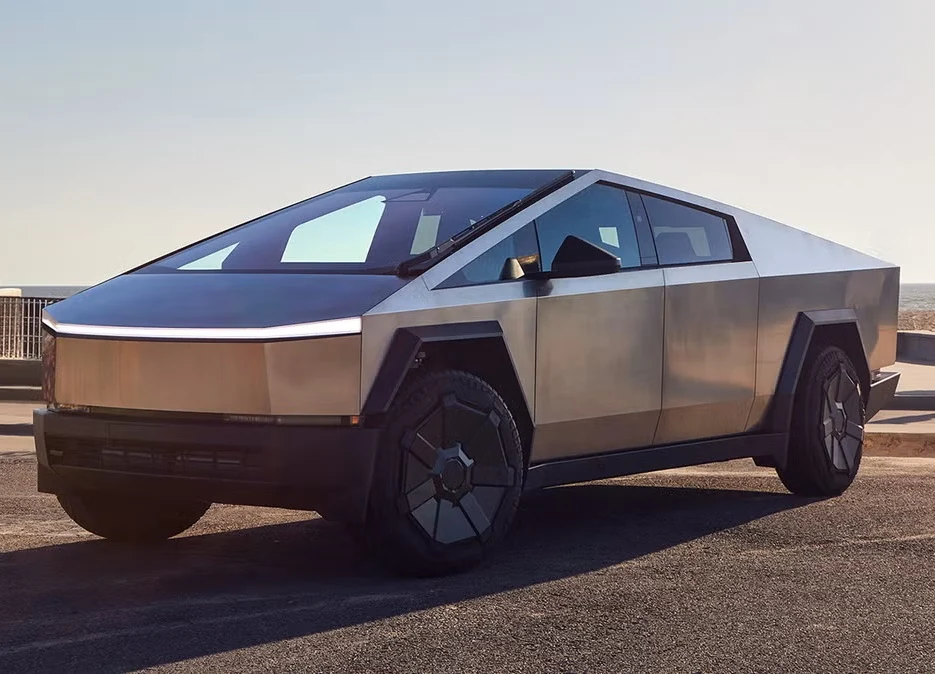
    Tesla has issued a recall for all Cybertrucks manufactured between November 13, 2023, and February 27, 2025. The problem involves the cantrail trim detaching from the electric vehicle while driving, which could create safety issues, especially at higher speeds. Since this isn’t something that can be fixed with an over-the-air software update, Tesla is urging all owners of the 46,096 units already delivered to visit a Tesla service center for a complimentary replacement of the defective part.

    Sales Insights

    Tesla hasn’t been detailing its vehicle sales by individual model for some time, but this recall has shed some light on how well the Cybertruck is doing. After over 15 months in production, the company has managed to recall only about 46,000 units, which is significantly lower than CEO Elon Musk’s forecast of 500,000 deliveries annually.

    Sales Challenges

    A more concerning aspect is that the Cybertruck qualifying for the $7,500 federal tax credit this quarter has not resulted in increased sales. Tesla has also experimented with various incentives, like free wraps, supercharger access, and lower financing rates to attract buyers.

    Future Prospects

    Nonetheless, Tesla might see a positive change later this year when it launches the rear-wheel drive (RWD) version of the Cybertruck. This more affordable model is priced starting at $61,000.

    Source:
    Link

  • Elon Musk: Cybertruck’s 4680 Battery Cheapest Per kWh Yet

    Elon Musk: Cybertruck’s 4680 Battery Cheapest Per kWh Yet

    Key Takeaways

    1. Elon Musk announced that Tesla’s 4680 battery cells are now the most affordable to produce globally on a per kWh basis.
    2. The upcoming RWD Cybertruck launch is positively impacted by potential IRA subsidies, which may last until 2032.
    3. There is confusion regarding the status of mass production for the 4680 battery cells, as earlier demonstrations were only proof of concept.
    4. Challenges remain in implementing the dry cathode production method, which has faced significant issues with machinery and production viability.
    5. Future testing is needed to determine if the new cells will resolve thermal efficiency issues that affect charging speeds.


    Elon Musk recently took the stage at an all-hands meeting to inspire employees, asserting that Tesla’s 4680 battery cells are now the most affordable to produce globally on a per kWh basis.

    It’s not entirely clear if Musk was referencing the 4680 battery’s cost with the generous made-in-America federal subsidy of up to $45/kWh, as outlined in the Inflation Reduction Act (IRA), or if he was speaking about the cost without any subsidies.

    Positive Outlook for Cybertruck

    Regardless, this news is promising for the upcoming price of the RWD Cybertruck, which is set to launch later this year. The IRA subsidies are expected to last until 2032, unless the new Trump administration decides to discontinue them, which seems to be their current plan.

    To support Musk’s statements, Bonne Eggleston, the head of Tesla’s battery division, confirmed that the company will begin mass production of Cybertruck 4680 cells using the economical dry cathode process “in a couple of months.”

    Confusion Over Production Status

    However, there’s some confusion regarding these announcements. Tesla had previously showcased the first Cybertruck utilizing the innovative dry-cathode 4680 battery back in July of last year. It now appears that this was merely a proof of concept and that Tesla was not prepared to mass-produce 4680 cathodes using the quicker, more cost-effective method at that time.

    Tesla has faced challenges for several years in delivering what it promised on Battery Day 2020, aiming for a 50% reduction in manufacturing costs with the 4680 battery. Most of the cost reductions so far have come from the efficiency of the packaging inherent to the 4680 design, as the cells are larger and fewer in number, which lowers the required welding points and allows for structural use in the chassis.

    Challenges in Dry Cathode Production

    Nevertheless, the so-called dry cathode production method, which can reduce the cost of a 4680 cell by 20%-30% as it avoids the baking of electrodes with toxic solvents, has been difficult to implement. Tesla acquired the technology from Maxwell, but it turned out to be unsuitable for large-scale production due to significant issues with the rolling machines needed for applying the dry coating. These machines frequently broke down, resulting in less than a third of the production being viable, in stark contrast to the industry standard rejection rate of just 2%.

    To validate Musk’s claim that the 4680 battery is now the cheapest per kWh, Tesla must have either improved the dry coating cathode machines significantly or found other ways to reduce costs sufficiently so that federal subsidies brought the price below what qualifies as the “cheapest battery.”

    In any case, the company anticipates starting mass production of the dry cathode 4680 battery for the Cybertruck in the upcoming months, with a record output planned at Giga Nevada, at which point a more affordable RWD Cybertruck might be introduced.

    Future Testing Needed

    It remains to be seen whether the new cells will face the same thermal efficiency issues as the current ones, which hinder the Cybertruck from quicker charging, despite its 800V architecture.

    Source:
    Link

  • Cybertruck Recall Due to Weak Glue in Stainless Steel Panels

    Cybertruck Recall Due to Weak Glue in Stainless Steel Panels

    Key Takeaways

    1. Tesla is facing issues with an adhesive that breaks down quickly in weather, affecting the attachment of stainless steel parts to the Cybertruck.
    2. The recall involves 151 warranty claims and affects nearly 46,096 Cybertrucks that will need repairs at service centers.
    3. Tesla plans to use a better adhesive and bolting method for new vehicles produced after March 21, halting new deliveries until fixes are made.
    4. The recall is due to safety concerns about the potential detachment of the stainless steel panel while driving, posing risks to other drivers.
    5. Vehicles still in Tesla’s possession that were manufactured before the updates will be retrofitted with new components before delivery to customers.


    Tesla has received a type of adhesive that breaks down too quickly when exposed to weather, which is causing issues in attaching stainless steel parts to the Cybertruck.

    Warranty Claims and Recall

    This problem has led to 151 warranty claims related to Cybertruck body panels coming loose, which has resulted in a significant recall from the US National Highway Traffic Safety Administration (NHTSA). Tesla has announced that it will be bringing in almost all of the Cybertrucks delivered before this month—46,096 units—for repairs at their service centers.

    Engineering Changes

    In addition to using a better adhesive, the fix involves bolting the problematic stainless steel cant rail to the Cybertruck’s body. However, Tesla will only start implementing this new method on vehicles produced “on or after March 21.”

    For now, Tesla has halted new deliveries of the Cybertruck and will not resume shipping until the necessary engineering updates are complete.

    Structural Adhesive Issues

    The part that is being recalled relies solely on a structural adhesive for assembly. This adhesive has been found to be vulnerable to environmental embrittlement. The new solution will utilize a different type of structural adhesive that does not suffer from this issue, reinforced with a stud that is welded to the stainless panel, and a nut that secures the steel panel to the vehicle’s structure.

    Previously, when Tesla launched the Cybertruck, they encountered a similar issue with accelerator pedal components detaching, which was resolved with a similar approach—simply bolting the faulty part in place.

    Safety Concerns

    Tesla has highlighted that the reason for this recall is the potential danger posed if the cant rail stainless steel panel detaches while the vehicle is being driven, as it could create a hazard for other drivers and increase the chances of accidents.

    This marks the seventh recall for the Cybertruck, and last June, Tesla faced a related issue concerning trunk bed components that were at risk of coming loose and flying off.

    Retrofitting Vehicles

    “Vehicles manufactured before the factory clean point that are still in Tesla’s possession will be retrofitted with the new component before they are delivered to customers,” Tesla clarified.

    Source:
    Link

  • Tesla Excluded from Canadian Auto Show Over Safety Issues

    Tesla Excluded from Canadian Auto Show Over Safety Issues

    Key Takeaways

    1. Tesla has been excluded from the Vancouver Auto Show due to safety concerns related to potential protests.
    2. The company refused to withdraw from the event despite requests, indicating a firm stance.
    3. Organized protests, such as the “Tesla Takedown,” are encouraging owners to sell their vehicles and investors to divest.
    4. B.C. Hydro has removed Tesla from its electric vehicle rebate program, focusing instead on Canadian-made products.
    5. Tensions between Canada and the U.S. are rising, exacerbated by Elon Musk’s influence on U.S. tariff decisions.


    Tesla is losing its popularity in Canada as the organizers of a well-known auto show have decided to exclude it from their event. Eric Nicholls, the executive director of the Vancouver Auto Show, stated, “The Vancouver Auto Show’s main priority is the safety of everyone involved, including attendees, exhibitors, and staff. This choice will ensure that all guests can focus on enjoying the positive aspects of the event.”

    Exclusion from the Event

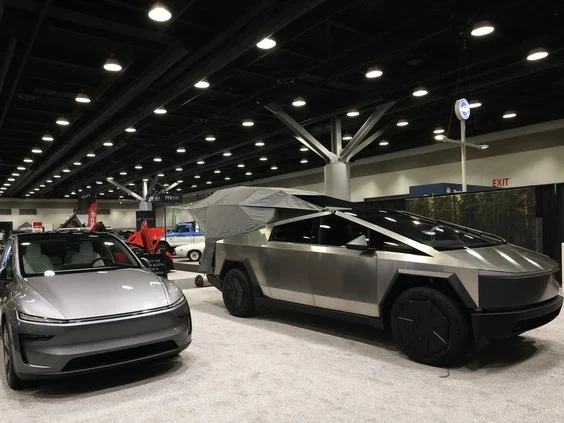
    The American automobile manufacturer received notice that it could not take part in this year’s show due to concerns over possible protests against the company and its CEO, Elon Musk. Despite multiple requests for Tesla to withdraw, the company reportedly stood firm and refused to leave the event voluntarily.

    Ongoing Pushback

    In Canada, Tesla has encountered resistance, highlighted by organized “Tesla Takedown” demonstrations. These protests encourage Tesla owners to sell their vehicles and investors to pull out their funds. Additionally, B.C. Hydro, a public utility in British Columbia, has removed Tesla from its list of brands eligible for its electric vehicle rebate program, opting to support Canadian-made products instead.

    Rising Tensions

    The relationship between Canada and the United States is increasingly strained. Musk plays a significant role in the U.S. administration’s decisions regarding tariffs on neighboring countries. Because of this connection, Tesla has experienced instances of vandalism directed at its properties around the world.

    Source:
    Link

  • China Stops BYD Mexico Factory Amid US EV Tech Competition

    China Stops BYD Mexico Factory Amid US EV Tech Competition

    Key Takeaways

    1. BYD plans to invest $1 billion in a new factory in Mexico to produce 150,000 vehicles annually.
    2. The Chinese government has advised BYD to pause its Mexican factory plans due to national security concerns over potential industrial spying by the US.
    3. New tariffs are increasing costs for importing materials to Mexico, raising fears about American competitors accessing BYD’s technologies.
    4. BYD is launching advanced technologies, including a 1MW EV powertrain system and an autonomous driving system called God’s Eye, which will be free with its vehicles.
    5. Concerns exist about supply chain risks, as a significant part of BYD’s supply chain is in Mexico, making it vulnerable to exploitation by competitors.


    China is expressing concern that the advanced electric vehicle technology of BYD, the leading EV manufacturer globally, might be taken by American car makers if it moves forward with plans to build a factory in Mexico.

    Investment Plans

    BYD plans to invest $1 billion in a new facility capable of producing 150,000 vehicles annually. However, these intentions were made public in 2023, before the current administration’s trade tensions were fully apparent.

    Government Response

    Recently, BYD stated it views Tesla as a partner in the fight against traditional internal combustion engine vehicles and is open to sharing its innovations. In contrast, the Chinese government has advised BYD to halt its plans for the Mexican factory while it assesses national security risks, particularly concerning potential industrial spying by the US.

    Tariff Concerns

    The new tariffs have made importing materials and components to Mexico costlier. Officials fear that the closeness to the US could enable American competitors like Tesla to exploit BYD’s advanced technologies.

    BYD has just unveiled its groundbreaking 1MW EV powertrain system that can charge in just 5 minutes, along with a distinctive 580 kW motor that occupies the same space and a 10C battery to support that powertrain.

    Competitive Features

    Additionally, BYD is introducing its autonomous driving system, called God’s Eye, which will be included for free with all its electric vehicles, even the most affordable ones, whereas Tesla charges $8,000 for its equivalent feature.

    “The commerce ministry’s major worry is Mexico’s nearness to the US,” shared an insider from the government. It seems that now China is anxious that the advanced electric vehicle and battery technologies it has poured resources into for over a decade could fall into the hands of American brands like Tesla or GM.

    Supply Chain Risks

    A significant portion of their supply chain is also based in Mexico, and this vast network developed over the years could potentially be exploited for industrial espionage, according to Chinese officials.

    Source:
    Link

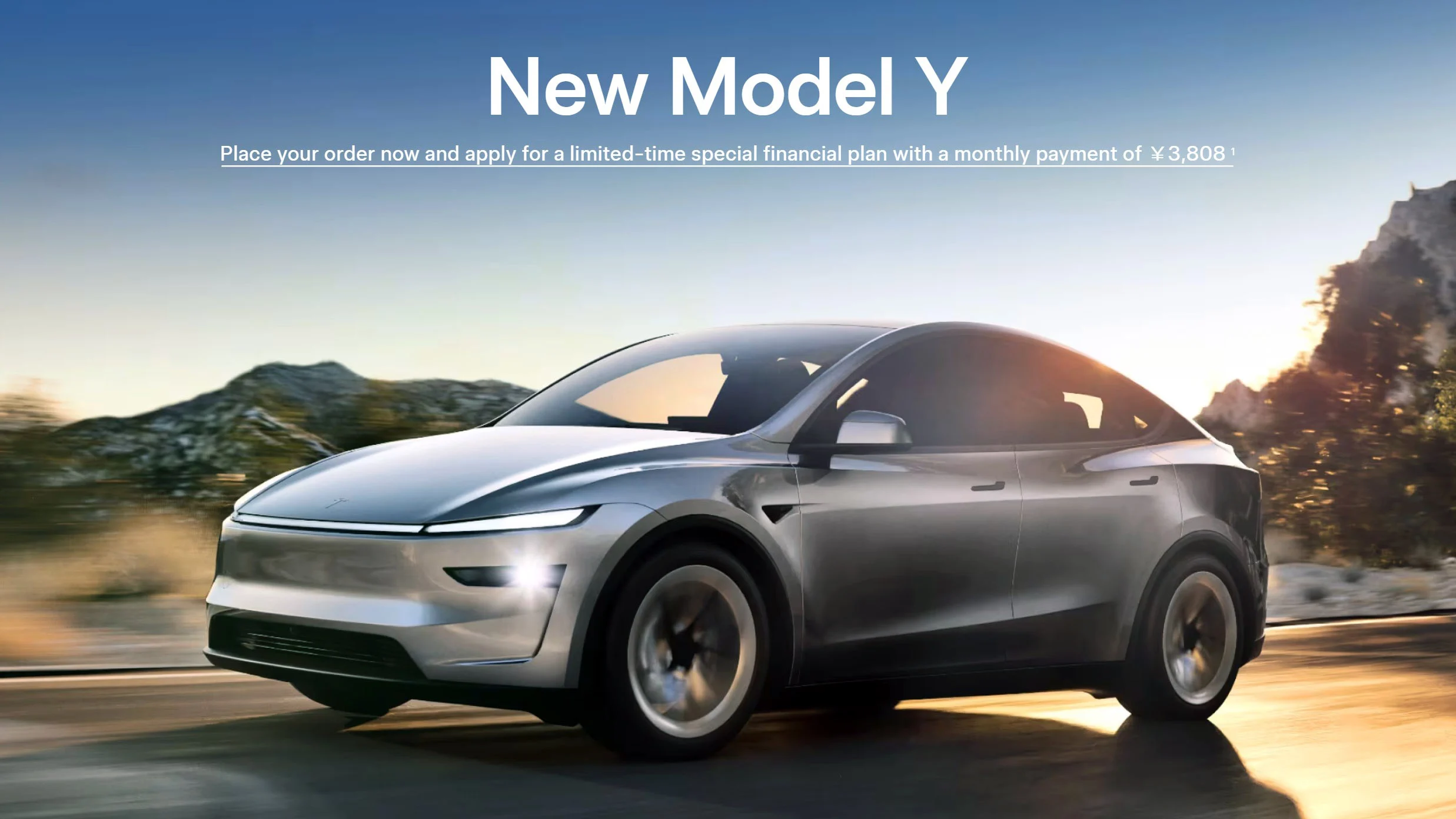
  • Tesla Model Y: 0% APR Financing & Price Hike in China

    Tesla Model Y: 0% APR Financing & Price Hike in China

    Key Takeaways

    1. Tesla is moving away from frequent price changes and “price wars,” aiming for stable pricing for the Model Y.
    2. The new Model Y is considered to offer “exceptional value for money” at its current price.
    3. Tesla has recently increased the price of the AWD Model Y in China for the first time, indicating a shift in strategy.
    4. To support the sales of the RWD Model Y, Tesla is offering a 0% APR financing option and a free FSD trial.
    5. The company is balancing sales by raising prices on higher-demand models while promoting financing and insurance offers for popular trims.


    Tesla might be changing its approach to pricing for the Model Y, according to its Country Director for Australia and New Zealand, who mentioned that the company will “not engage in price wars” anymore.

    Thom Drew remarked, “We have a reputation for quickly adjusting our prices in the past years,” but he believes they have found a solid pricing point now. The new Model Y is seen as “exceptional value for money” at its current price.

    Price Changes in Recent Years

    It’s an understatement to say Tesla’s pricing has seen drastic fluctuations over the last few years, with some prices plummeting by over a third. This has led to feelings of regret among those who purchased during the highest pricing periods.

    The era of price cuts might be behind Tesla, as evidenced by the recent increase in the price of the AWD Model Y in China—its first launch market—by around $1,380 rather than a decrease.

    Current Pricing Details

    This price increase applies only to the dual-motor non-Launch Series edition available since February 26th, while the lowest-priced RWD Model Y refresh remains at $36,430. Interestingly, Tesla typically sells about 80% of its RWD Model Y units in that market. The price hike for the more expensive version is surprising, especially since it already has longer delivery times ranging from 6 to 10 weeks compared to the RWD Model Y.

    To boost sales for the new Model Y RWD in China, which may not be performing as expected, Tesla has introduced a 0% APR financing option for the base trim, which has a quicker lead time of only 2 to 4 weeks. This is the very first 0% APR offer for the 2026 Juniper facelift and is available for orders placed by April 30.

    Sales Strategy Insights

    By raising the price of the higher-demand AWD Model Y and offering 0% APR financing for the popular RWD trim, Tesla may be trying to balance their sales figures in line with their initial production capacity planning.

    Besides the financing offer for a term of 36 months, Tesla is also providing a free FSD trial with each purchase and running a subsidized insurance promotion, indicating their commitment to the crucial Chinese market.

    Source:
    Link

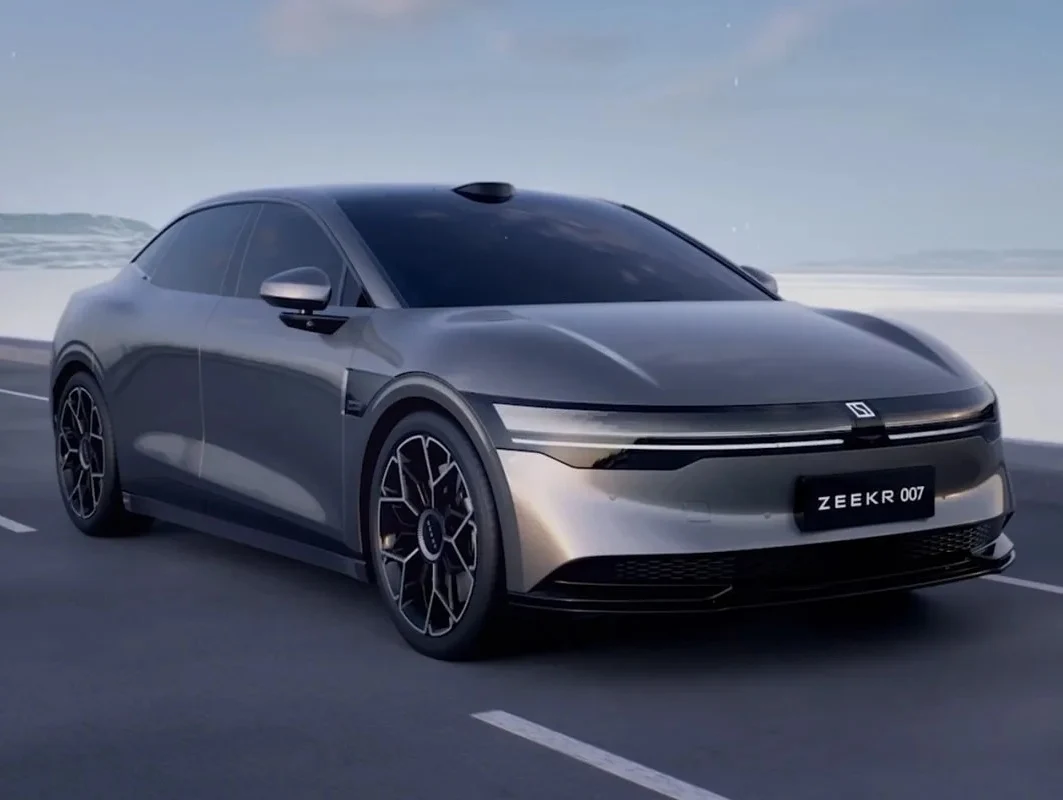
  • Zeekr Takes on Tesla’s FSD in China with Free Driver Assistance

    Zeekr Takes on Tesla’s FSD in China with Free Driver Assistance

    Key Takeaways

    1. Zeekr launches a free version of its Advanced Driver Assistance System (ADAS) to compete with Tesla’s paid Full Self-Driving feature.
    2. The current system allows drivers to almost fully relinquish control but requires hands on the wheel until regulatory approval is obtained.
    3. Zeekr’s technology utilizes two Nvidia Orin X chipsets and one lidar unit, with plans to introduce more advanced chips in the future.
    4. The free ADAS version will be tested by a select group before a broader release in April, with no subscription fees during development.
    5. Tesla is developing its own ADAS without lidar but offers a free one-month trial of its Full Self-Driving feature in China.


    Zeekr may not be as well-known globally as Tesla, but it’s showing that it can hold its own in the market. The Chinese car manufacturer has made a bold move against Tesla’s paid Full Self-Driving (FSD) feature by launching a free version of its Advanced Driver Assistance System (ADAS).

    Advanced Driving Features

    Zeekr’s technology enables drivers to almost completely relinquish control of the vehicle on designated routes. However, for now, users must keep their hands on the wheel, similar to the requirements set by Tesla, as the company is still waiting for official regulatory approval.

    The system uses two Nvidia Orin X chipsets along with one lidar unit. In the future, Zeekr plans to roll out the Nvidia Thor automotive chip, which includes one long-range and four short-range lidar units. This setup is specifically designed for the Chinese market, while vehicles intended for international sales will be equipped with different chips to meet local regulations.

    Launch Plans

    Zeekr intends to provide the free version to a select group for testing before it becomes broadly available in April. CEO Andy An mentioned that there’s no reason to start subscriptions while the ADAS is still being developed, and it’s hard to ignore the nod towards Tesla’s FSD, which comes with a hefty price tag of $8,850.

    Tesla is also working on its own ADAS without using lidar, a component that An acknowledges raises costs but also improves safety. Meanwhile, Tesla is enticing drivers in China by offering a free one-month trial of its FSD.

    Source:
    Link

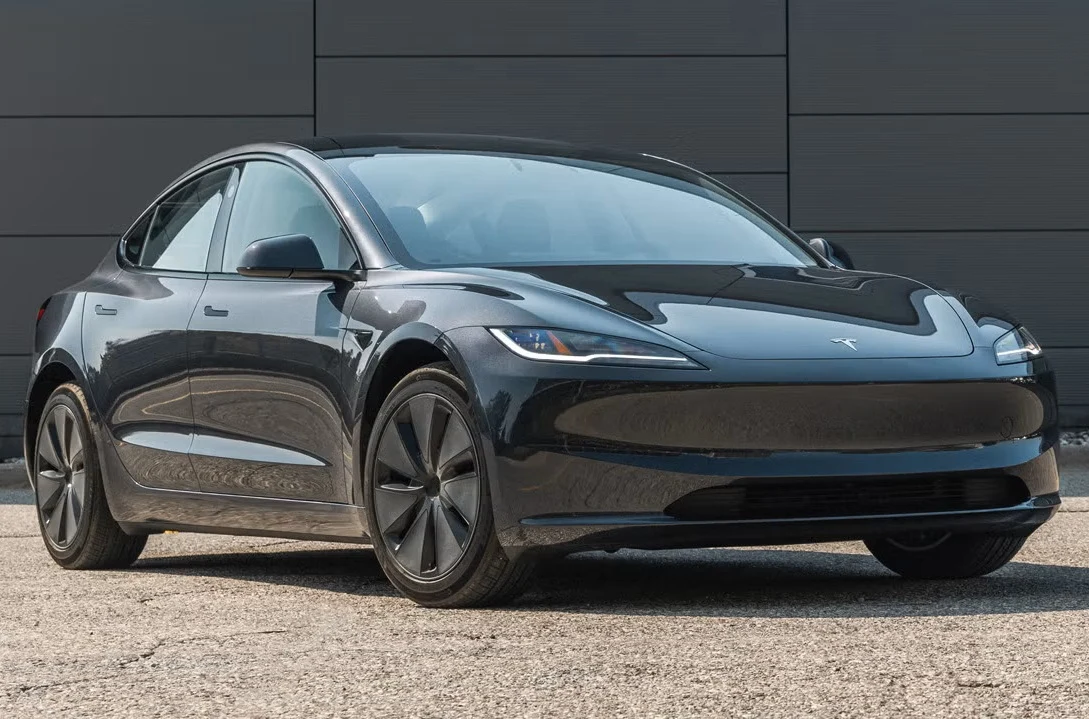
  • Tesla Moves Forward with Model 3 and Model Y Homologation in India

    Tesla Moves Forward with Model 3 and Model Y Homologation in India

    Key Takeaways

    1. Tesla has filed for homologation for its Model 3 and Model Y to meet Indian regulatory requirements.
    2. The company initially sought seven test permits and has now added an eighth.
    3. Tesla’s entry into India began in 2021, facing challenges from high import tariffs.
    4. A discussion between CEO Elon Musk and Prime Minister Modi has led to a more favorable situation for Tesla.
    5. Tesla is expanding its presence in India with a showroom near Mumbai airport and is recruiting for various positions amidst rising consumer interest in electric vehicles.


    Tesla is eager to introduce its products to India and has filed for homologation for its two most popular models.

    Understanding Homologation

    Homologation is a crucial step for car manufacturers before they can officially market their vehicles in a new region. This process guarantees that the cars meet the local regulatory requirements. The automaker must comply with safety regulations, emissions standards, and roadworthiness checks.

    Recent Developments

    Reports from IANS indicate that Tesla initially sought seven test permits but has now put in an eighth. These permits are for the Model 3 and Model Y.

    In 2021, Tesla began its journey into the Indian market by establishing a subsidiary, but the high import tariffs of up to 110 percent posed challenges. Nevertheless, after a discussion between CEO Elon Musk and Prime Minister Shri Narendra Modi, the company feels that the situation has improved.

    Expansion Plans

    Tesla has already secured a showroom location in a high-end area close to the Mumbai airport. Additionally, it has begun recruiting for various positions, including vehicle service, sales, customer support, and operations.

    The interest in electric vehicles among Indian consumers is on the rise, with nearly 100,000 units sold in 2023, representing a 20 percent increase from the previous year. Tesla will face competition from established automakers that already offer electric vehicles, such as BMW, Mercedes-Benz, Volvo, Audi, and Porsche.

    Source:
    Link

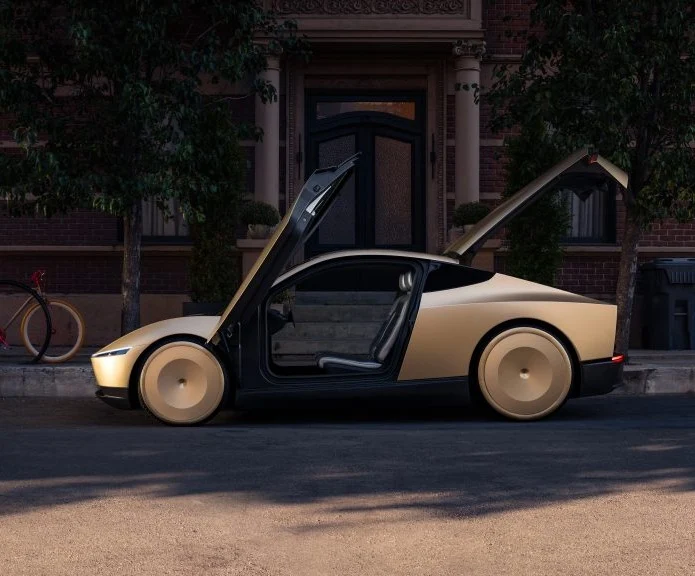
  • Tesla Cybercab Battery Size and Real-World Driving Range Revealed

    Tesla Cybercab Battery Size and Real-World Driving Range Revealed

    Key Takeaways

    1. Tesla plans to launch a robotaxi service by the end of this year, featuring the Cybercab vehicle.
    2. The Cybercab will have a battery capacity of less than 50 kWh, offering a driving range of approximately 300 miles.
    3. The vehicle’s aerodynamic teardrop design enhances its energy efficiency, making it one of the most efficient electric vehicles available.
    4. The tapered rear design of the Cybercab is intended to improve aesthetics while maintaining functionality.
    5. Prototype Cybercabs are expected to be built this summer, with a full-scale launch anticipated in 2026.


    Tesla is gearing up to unveil a robotaxi service by the end of this year, and key company leaders have shared important details about the vehicle that will support this ride-hailing initiative. Earlier today, Lars Moravy, the Vice President of Vehicle Engineering, and Franz von Holzhausen, the Senior Design Executive, discussed their plans with renowned automotive presenter Sandy Munro.

    Impressive Specifications

    The Cybercab will feature a battery pack with a capacity that falls short of 50 kWh. This allows for a practical driving range of around 300 miles, while also achieving the top energy efficiency among electric vehicles currently available.

    The two-seater’s streamlined shape and aerodynamic wheel covers play a significant role in its leading energy efficiency. Von Holzhausen noted, “This vehicle is really special because of its teardrop design. It’s actually narrower at the back than at the front. Sure, you’ve covered the wheels, but the aerodynamics is a major element in achieving a longer range with a smaller battery.”

    Unique Design Features

    Von Holzhausen pointed out the tapered rear of the Cybercab, which can be easily seen from an aerial view. He emphasized that this design choice doesn’t make the vehicle look unattractive.

    Tesla is in the process of installing production machinery for the Cybercab at its Giga Texas facility. Prototype versions are expected to be built during the summer, with a full-scale launch planned for 2026. The self-driving model has already been observed at the company’s large site in Austin, Texas.

    Source:
    Link