Tag: Apple

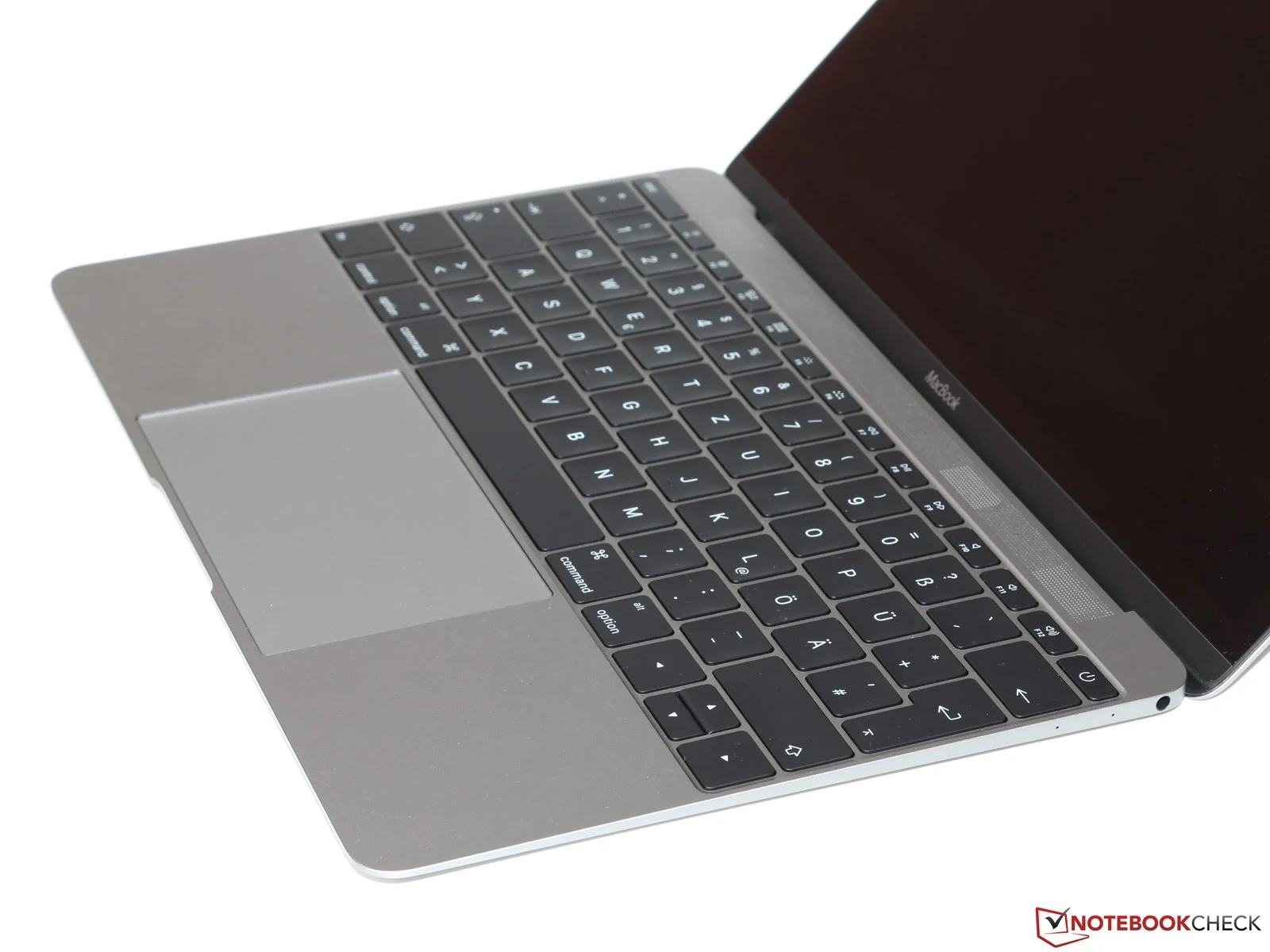
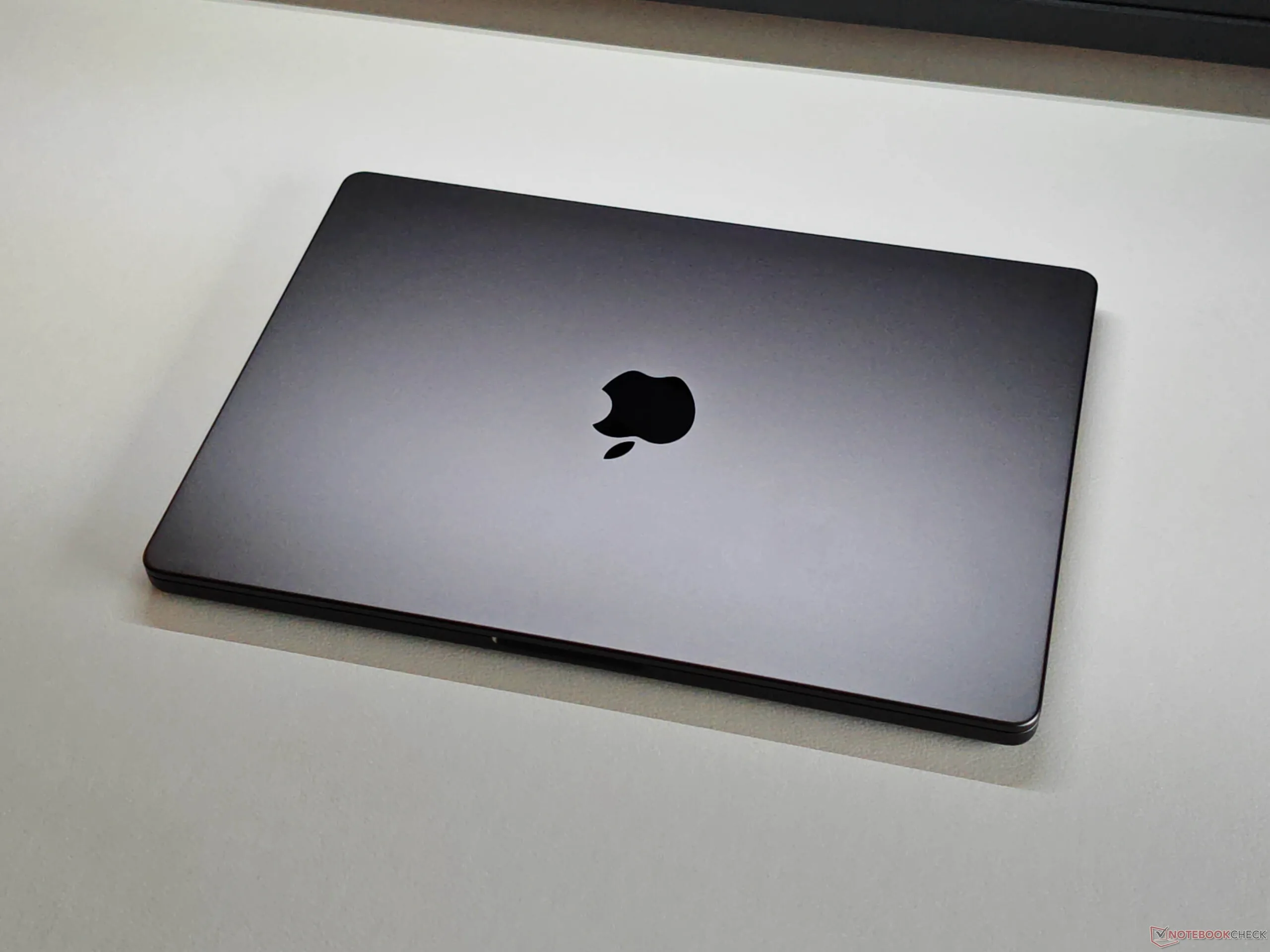
  • Affordable 12.9-inch MacBook with M2 Air Color Options Coming

    Affordable 12.9-inch MacBook with M2 Air Color Options Coming

    Key Takeaways

    1. The upcoming budget-friendly MacBook is expected to feature a variety of vibrant color options, including light blue, light yellow, pink, classic silver, and dark gray.
    2. Initial plans for colorful options were originally intended for the M2 MacBook Air but were ultimately shelved in favor of more subdued colors.
    3. Tipster Instant Digital shared that the lively colors were reserved specifically for the new entry-level MacBook, drawing a parallel to the colorful iMac.
    4. The 12.9-inch MacBook is anticipated to launch next month alongside other products like the iPhone 17e and new iPads.
    5. The pricing for the starting model of the M5 MacBook Pro is expected to remain unchanged at $1,449.


    Back in 2021, when chatter about a new MacBook Air powered by Apple Silicon was all the rage, various sources suggested that the upcoming Air would come in the same color options as the 24-inch iMac. This, however, did not materialize a year later when the M2 MacBook Air launched with the more subdued colors that have become a trademark of modern MacBooks.

    Exciting Color Choices

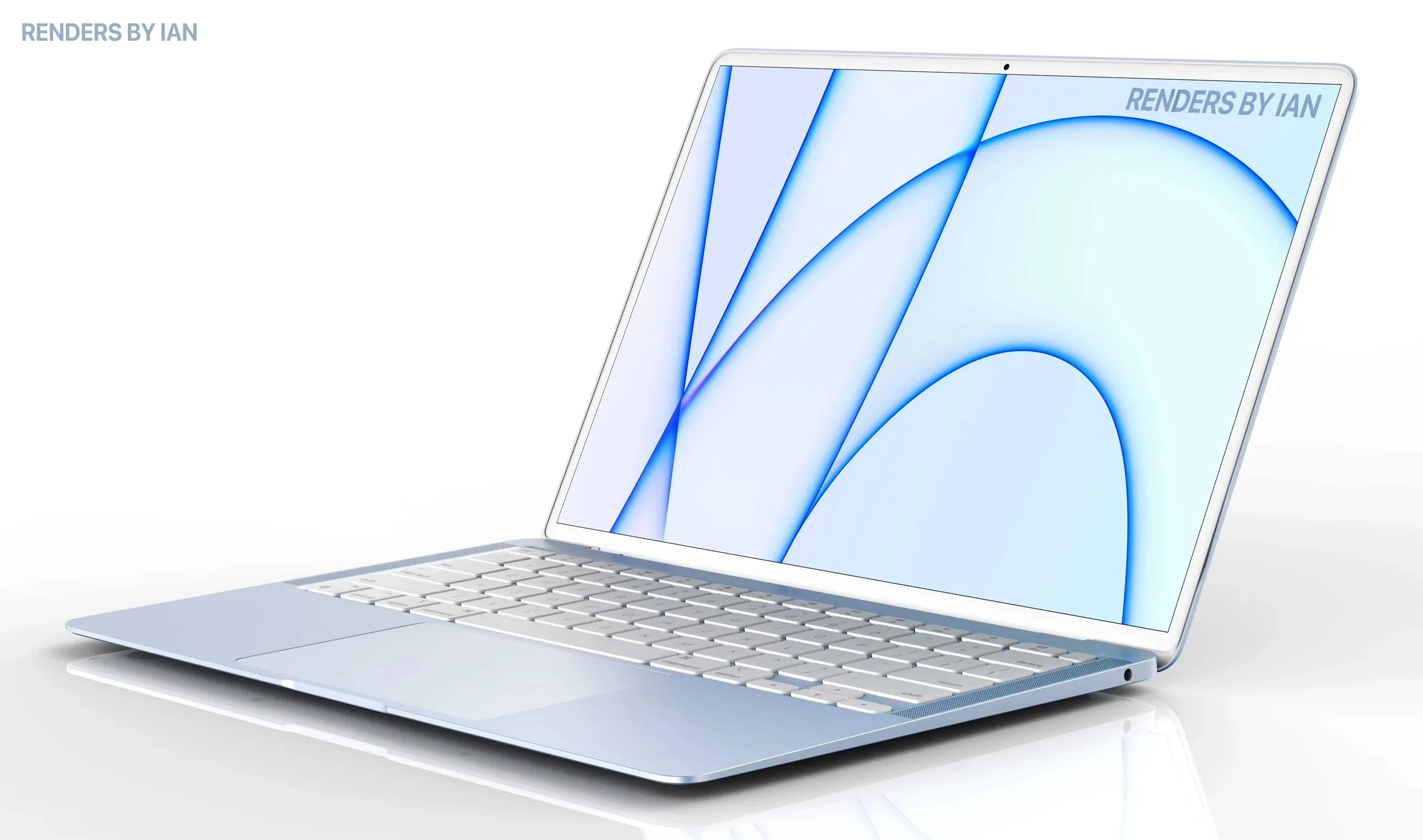
    As we get closer to the release of the budget-friendly MacBook, nearly all major sources have claimed that it will feature a wide range of “fun” color choices. Rumored shades include light blue, light yellow, pink, classic silver, and dark gray, which Apple is said to be experimenting with.

    Insights from Tipsters

    In a recent update on Weibo, well-known tipster Instant Digital mentioned that the color options for the affordable MacBook were initially intended for the M2 MacBook Air, but Apple opted to scrap that plan. Although the leaker didn’t clarify the reason behind this decision, it seems that the budget MacBook has been in the works for a long time, and Apple chose to reserve these lively colors exclusively for the entry-level MacBook, similar to what they did with the iMac.

    Upcoming Product Launches

    The economical 12.9-inch MacBook, likely featuring the A18 Pro SoC, is anticipated to be released next month, alongside the Apple iPhone 17e, new iPads, upgraded MacBook Pros, and possibly new Studio Displays. The starting model of the M5 MacBook Pro (currently priced at $1,449 on Amazon) will, as expected, stay the same.

    Source:
    Link


  • Apple iPad Pro May Face Long Wait for Major Updates Amid Competition

    Apple iPad Pro May Face Long Wait for Major Updates Amid Competition

    Key Takeaways

    1. The iPad Pro is not expected to have significant updates soon, particularly in bezel size.
    2. Apple will likely focus on minor upgrades, mainly with the introduction of the new M6 chip.
    3. The current iPad Pro features the advanced M5 SoC, which is still impressive.
    4. The iPad Pro has an excellent OLED Retina display, maintaining high quality.
    5. Recent buyers of the iPad Pro should feel satisfied with their purchase for now.


    If recent information shared by well-known tipster Instant Digital is accurate, it looks like Apple’s top-end iPad, the iPad Pro, won’t see any significant updates in the near future.

    Bezels and Competition

    According to Instant Digital, Apple isn’t planning to change the bezel size around the iPad Pro’s screen anytime soon. This is somewhat disappointing, especially since rival Android devices already have very slim bezels, making the iPad Pro, priced at $800 on Amazon, appear rather outdated.

    Expected Upgrades

    Nonetheless, minor upgrades are still likely, mainly focusing on the chips. The current iPad Pro is powered by the impressive M5 SoC, which is the latest technology from Apple. With the M6 chip expected to launch later this year, it’s quite probable that it will be included in the iPad Pro before long.

    Display Quality

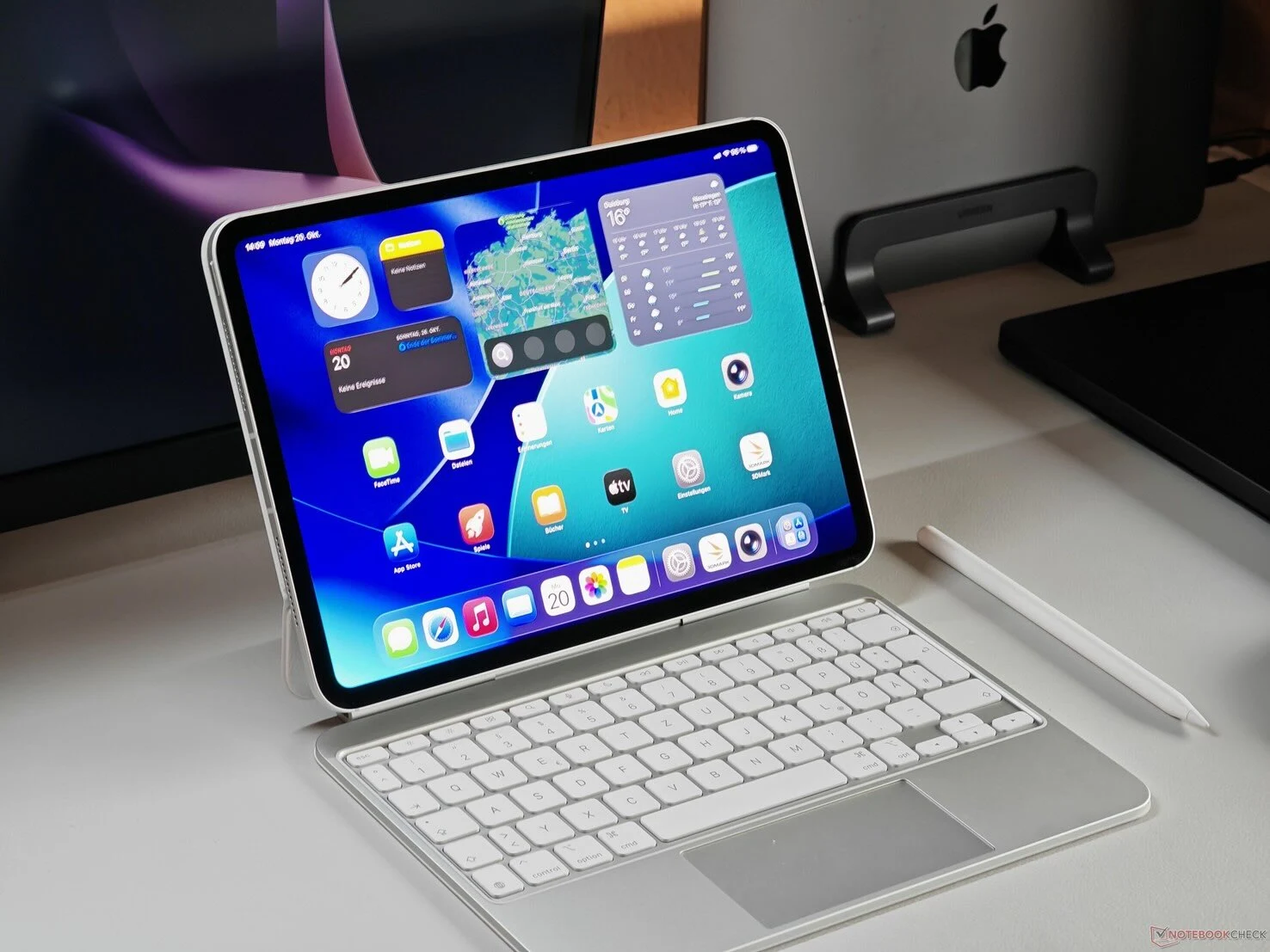
    The iPad Pro boasts an amazing OLED Retina display that performs exceptionally well, as highlighted in our detailed review of the device. Given that a significant update isn’t anticipated in the near future, those who have already purchased the iPad Pro shouldn’t feel any regret about their choice for quite some time.

    Instant Digital via Weibo

    Source:
    Link


  • Apple’s AI Wearables: New AirPods, AirTag Charm, and Smart Glasses

    Apple’s AI Wearables: New AirPods, AirTag Charm, and Smart Glasses

    Key Takeaways

    1. Apple is accelerating the release of AI-focused wearables, including AirPods with cameras and smart glasses, to stay ahead of competitors.
    2. The new AirPods will incorporate low-resolution cameras for environmental perception, shifting from their initial audio-focused design.
    3. A charm wearable is also in development, resembling a pendant, featuring two low-resolution cameras and functioning as an AI interface with the iPhone.
    4. Apple’s smart glasses are expected to have high-resolution cameras and advanced features like voice commands, music playback, and navigation assistance, all in a stylish design.
    5. Mass production of the smart glasses is set to begin in December 2026, with a potential market release in early 2027.


    The whispers about Apple working on various AI-focused wearables have recently gained momentum, with new information suggesting that their release dates are being moved up to stay ahead of competitors.

    AirPods Release and Features

    The initial release is expected to include AirPods with cameras, which might launch around the same time as the anticipated Google Gemini-enhanced Siri assistant in iOS 27. Following this, Apple plans to unveil its smart glasses in early 2027, along with a wearable charm device.

    Interestingly, while earlier discussions hinted at the AirPods having a camera solely for audio purposes, they are now envisioned as vision-oriented gadgets, similar to the smart glasses and brooch. Previous Apple analysts had indicated that the AirPods would include infrared cameras for spatial audio, but the shift towards AI seems to have altered these initial designs.

    Camera Capabilities

    It will be fascinating to discover how Apple incorporates a camera into such a small device like an AirPod. However, the report notes that these cameras will be of low resolution, primarily designed to allow the AI assistant to perceive its environment rather than for taking high-quality photos. They may resemble the 6.5 MP 3D camera system found in the Vision Pro, aimed at capturing spatial images and videos.

    On the other hand, the charm wearable will take the form of a pendant that can be worn on a necklace or clipped to clothing like a brooch. It will be compact, similar to an AirTag, but it is expected to feature two low-resolution cameras, microphones, and potentially a speaker, functioning as the iPhone’s eyes and ears, with the AI processing handled by the phone.

    Smart Glasses Features and Expectations

    Apple’s smart glasses are anticipated to be the most sophisticated in terms of hardware among the new AI-focused wearables, which is predictable given their size. These glasses are rumored to have high-resolution cameras that can record videos, take pictures, or assist with computer vision tasks. They will also enable calls, respond to voice commands, play music, offer navigation assistance, and provide translation on the move.

    Apple aims to distinguish its AI glasses with a stylish design that integrates microphones, speakers, batteries, and cameras, available in various sizes and colors to match individual preferences. It is yet unclear whether they will be priced higher than Meta’s similar product, the fashionable Oakley AI glasses, which are listed at $479 on Amazon and come in multiple styles for those keen on fashion.

    Mass production for Apple’s first AI-powered smart glasses is reportedly slated to begin in December 2026, suggesting they could hit the market by the first quarter of 2027.

    Source:
    Link


  • Affordable 12.9-inch Apple MacBook Launching in March with Colors

    Affordable 12.9-inch Apple MacBook Launching in March with Colors

    Key Takeaways

    1. Apple is developing a budget-friendly MacBook priced lower than the current 13-inch MacBook Air ($850).
    2. The new MacBook will have a smaller screen and use an A-series chip from an older iPhone model.
    3. The build quality will be high, featuring an aluminum body instead of plastic, thanks to a new manufacturing method.
    4. The budget MacBook will be available in various “playful” colors to attract students and younger consumers.
    5. A launch is anticipated in March, with rumors of an A18 Pro chip, a 12.9-inch display, and a price likely below $800.


    It is well-known that Apple has been developing a budget-friendly MacBook for a while now. This new model will be priced lower than the current 13-inch MacBook Air, which is available for $850 on Amazon. The budget MacBook will feature a smaller screen and will be powered by an A-series chip from an older iPhone model.

    Build Quality Assurance

    Recent information from Bloomberg’s Mark Gurman suggests that Apple will not compromise on the quality of the build. While the lower price may lead some to think that it would be made of plastic, that is not the case. Instead, the affordable MacBook will maintain an aluminum body, thanks to a new manufacturing method developed by Apple that speeds up production and reduces costs.

    Color Options for Appeal

    Mark also notes that the budget MacBook will come in a variety of “playful” colors, aimed at attracting students and younger consumers. The colors being tested include light blue, light yellow, pink, classic silver, and dark gray; however, Mark mentions that not all of these shades may make it to the final product. Nevertheless, offering different colors will likely broaden the product’s appeal.

    With a launch anticipated in March, the budget MacBook is poised to be an exciting new device. Although Mark did not provide detailed specifications, there are industry rumors suggesting it will feature an A18 Pro chip, a 12.9-inch IPS display, and a price that will probably not go over $800.

    Source:
    Link


  • Apple’s First 2026 Launch Event: 7+ New Devices Expected

    Apple’s First 2026 Launch Event: 7+ New Devices Expected

    Key Takeaways

    1. Apple’s first launch event of 2026 is scheduled for March 4 at 09:00 ET (14:00 UTC), called a ‘Special Apple Experience.’
    2. The iPhone 17e is expected to be announced, featuring built-in MagSafe, an Apple A19 chipset, an 18 MP front camera, and possibly a Dynamic Island OLED display.
    3. Updates to the MacBook Pro lineup with M5 Pro and M5 Max chipsets, and MacBook Air transitioning to the Apple M5 are anticipated.
    4. The new Studio Display 2 may include a 90 Hz or 120 Hz Mini LED panel with HDR and an A19 chipset.
    5. A new budget-friendly MacBook is expected to launch, featuring the A18 Pro chipset and new color options.


    Apple has officially announced the date for its first launch event of 2026. After a lot of speculation and leaks, this event is being referred to as a ‘Special Apple Experience’ to set it apart from the usual events and press releases.

    Event Details

    According to the image displayed below, the event will kick off at 09:00 ET (14:00 UTC) on March 4. True to Apple’s reputation, they have not revealed any further details about what we can expect. However, recent leaks and rumors offer some clues regarding the announcements.

    Expected Product Releases

    For example, it is anticipated that the iPhone 16e (currently priced at $387 for refurbished on Amazon) will be succeeded directly by the iPhone 17e. This new model is rumored to feature built-in MagSafe support, an Apple A19 chipset, an 18 MP front camera, and possibly a Dynamic Island OLED display.

    On March 4, Apple is also likely to unveil updates to its MacBook Pro lineup, incorporating M5 Pro and M5 Max chipsets. Similarly, the MacBook Air is expected to transition to the Apple M5 in both its 13-inch and 15-inch variants. Additionally, upgrades for the iPad and iPad Air are also on the table, with the former receiving the Apple A18 and the latter getting the Apple M4.

    New Hardware Launches

    Perhaps the most exciting hardware announcements will include a Studio Display 2 and a more budget-friendly MacBook. The new Studio Display is thought to feature a 90 Hz or 120 Hz Mini LED panel with HDR capabilities and an A19 chipset. On the other hand, the new MacBook is likely to be the first to use the A18 Pro chipset, and it is expected to come in a variety of new color options not seen in the current MacBook Air or MacBook Pro models.

    As shared by Apple through ‘9to5Mac’.

    Source:
    Link


  • iOS Beta Uncovers M5 Max and M5 Ultra SoCs; M5 Pro Missing

    iOS Beta Uncovers M5 Max and M5 Ultra SoCs; M5 Pro Missing

    Key Takeaways

    1. Apple is expected to release the M5 Pro and M5 Max MacBook Pros soon, alongside the existing M5 model priced at $1,875.
    2. New unreleased Apple M-series SoCs, T6051 and T6052, were found in the latest iOS 26.3 beta.
    3. The “C” and “D” designations in the SoCs likely indicate the M5 Max and M5 Ultra models, with no current mention of an M5 Pro variant.
    4. The absence of an M5 Pro could suggest a possible upcoming introduction or that an updated Mac Studio may launch sooner.
    5. There are concerns about power management with high-end SoCs, as MacBooks typically struggle with the demands of an Ultra SoC without sacrificing battery life.


    Apple is likely to release the M5 Pro and M5 Max MacBook Pros very soon, adding to the existing M5 MacBook Pro, which is currently priced at $1,875 on Amazon. Numerous rumors and insider information suggest that the launch of these new premium MacBooks is around the corner, with a recent leak indicating some intriguing details about the System on Chips (SoCs).

    New SoCs Spotted

    It’s not unusual for unreleased SoCs to appear in operating system beta versions, and this appears to have happened once again. Developer Nicolás Alvarez found mentions of two unreleased Apple M-series SoCs, known as T6051 and T6052, in the latest iOS 26.3 beta. The platform names associated with these chips are H17C and H17D.

    Naming Conventions

    As noted by MacRumors, the “C” and “D” designations likely correspond to the M5 Max and M5 Ultra models, based on Apple’s past naming patterns. This is curious because there seems to be no reference to a Pro version at all.

    With the high-end MacBook Pros seemingly only days away from launch, it’s puzzling that there has been no mention of an M5 Pro variant. It’s certainly possible that Apple might introduce the M5 Pro identifier soon, but there is also a chance that the updated Mac Studio could launch sooner than anticipated.

    Power Management Concerns

    MacRumors also mentions that Apple might include the M5 Max and M5 Ultra SoCs in the high-end MacBook Pros. However, this seems unlikely because MacBooks generally struggle to handle the power and thermal demands of an Ultra SoC without compromising on battery life and overall efficiency.

    Source:
    Link


  • M5 Pro and M5 Max MacBook Pro Launch Imminent, Stock Dwindles

    M5 Pro and M5 Max MacBook Pro Launch Imminent, Stock Dwindles

    Key Takeaways

    1. Apple is set to launch new MacBook Pros with M5 Pro and M5 Max chips soon.
    2. The new models will be available in 14-inch and 16-inch sizes, with existing stock levels of current models dropping rapidly.
    3. The release of macOS 26.3 is expected to coincide with the new MacBook launch, currently in beta form.
    4. There are speculations that Apple may delay the release of iOS 26.3 and macOS 26.3 until after the new MacBooks are unveiled.
    5. Consumers are advised to avoid purchasing the M4 Pro and M4 Max models at this time, as new models are imminent.


    It’s widely known that Apple is preparing to unveil new MacBook Pros featuring the M5 Pro and M5 Max chips in the near future. Well-known analyst Mark Gurman has previously mentioned that these new MacBook Pros will debut alongside macOS 26.3, which is currently available in beta form.

    New Models on the Horizon

    Recent rumors suggest that the new MacBook Pros, available in 14-inch and 16-inch sizes, are about to be launched. An Apple premium reseller shared some information with MacRumors, stating that the stock levels for the existing high-end MacBook Pros are falling quickly. This usually hints that a product release is imminent.

    As MacRumors highlighted, Apple tends to work closely with retailers before launching products to prevent excess inventory of current models. Additionally, the company has recently rolled out Xcode 26.3, which is unusual since Xcode updates typically coincide with macOS updates.

    Speculations Surrounding Release Dates

    For some reason, both iOS 26.3 and macOS 26.3 have yet to be made available, hinting that Apple may be waiting to release them until after the new MacBooks are unveiled, so they don’t accidentally reveal any new identifiers. However, the publication notes that the situation could be different, and Apple might just be delaying the macOS 26.3 release because it isn’t fully prepared yet.

    Regardless, it is quite evident that the new M5 Pro and M5 Max MacBook Pros will be released soon. We highly recommend that readers refrain from buying the M4 Pro and M4 Max models at this time. However, the base model M5 MacBook Pro, which is currently priced at $1,875 on Amazon, will remain unaffected.

    MacRumors’

    Source:
    Link


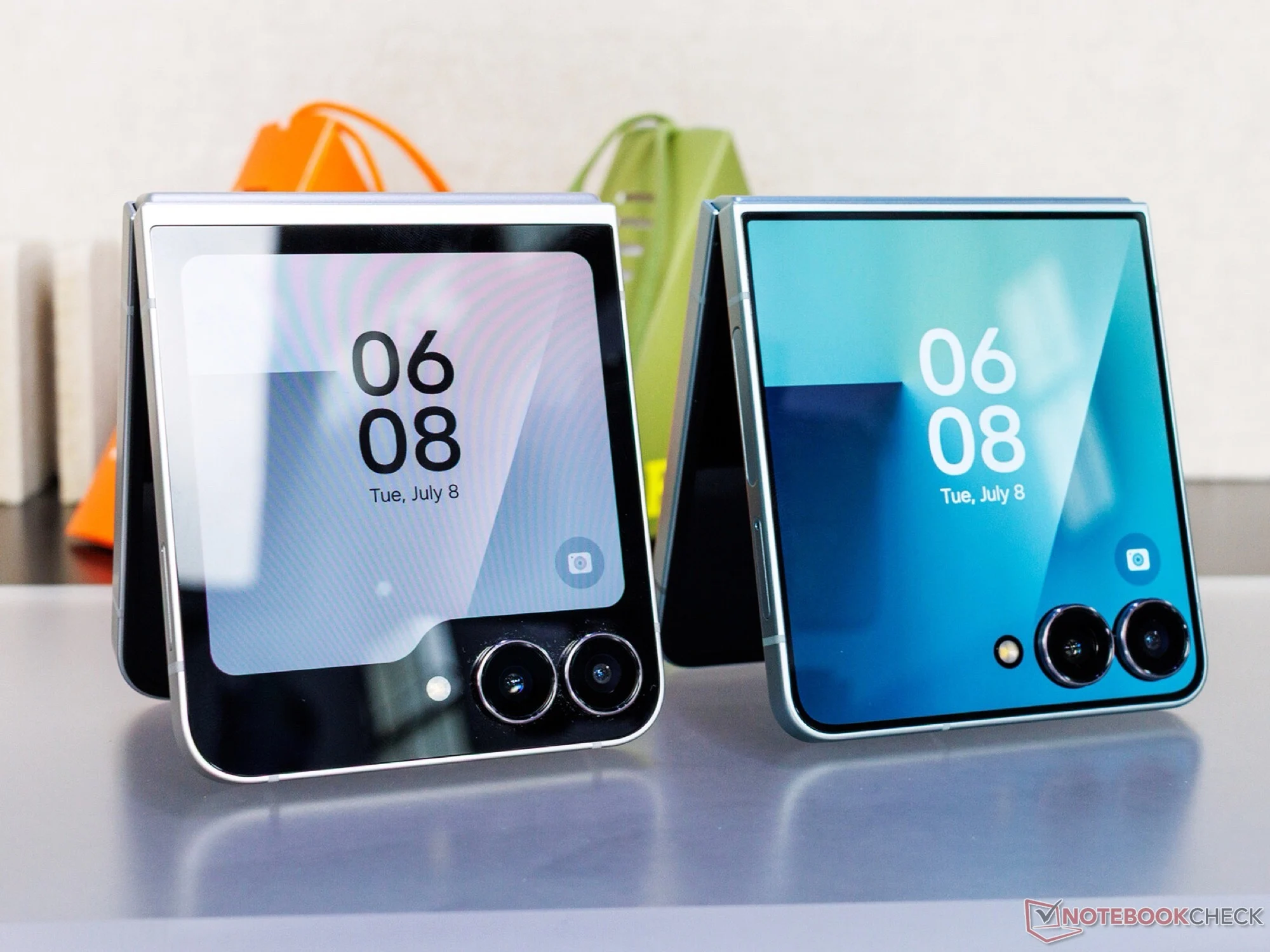
  • Apple Developing iPhone Flip as Compact Alternative to iPhone Fold

    Apple Developing iPhone Flip as Compact Alternative to iPhone Fold

    Key Takeaways

    1. Apple plans to launch a foldable iPhone, the iPhone Fold, in September 2026 alongside the iPhone 18 series.
    2. The iPhone Fold will be shorter and wider than the Galaxy Z Fold7 and will open like a traditional book.
    3. Apple is also working on a flip phone, the iPhone Flip, resembling the Motorola Razr Ultra, still in the conceptual stage.
    4. The success of the iPhone Fold will influence the future of Apple’s foldable devices, including the potential for more designs and lower prices.
    5. Apple is considering a larger model called the “iPhone Fold Max,” which would feature a 6.5-inch secondary display, but no final design or launch date is confirmed.


    Rumors have been buzzing for several months about Apple’s intention to launch a foldable iPhone in September 2026, coinciding with the iPhone 18 series. This new device is expected to be a bit shorter and wider than the Galaxy Z Fold7, but it will still open from left to right like a traditional book.

    Exciting Developments

    A recent report from Bloomberg indicates that Apple is also working on a flip phone that resembles the Motorola Razr Ultra, which starts at $1,022 on Amazon. This anticipated iPhone Flip is believed to have a nearly square shape when closed and an aspect ratio similar to that of the iPhone 17 Pro Max when it is opened. Yet, this compact foldable phone is still in the conceptual stage, with Bloomberg’s Mark Gurman mentioning that an actual release is not assured.

    Future Possibilities

    The choice to proceed with the flip phone is likely to depend on how well the iPhone Fold performs in the market. If it sells well, there may be a growing interest in foldable devices with different designs and possibly more affordable prices. Bloomberg also reports that Apple is contemplating a larger model, dubbed the “iPhone Fold Max,” which would expand the size of the secondary display from 5.5 inches to 6.5 inches. Similar to the flip version, Apple has not yet finalized its design or committed to a launch date. Nevertheless, it appears that Apple is serious about entering the foldable market, aiming to compete with companies like Samsung and Huawei in the future.

    Source:
    Link


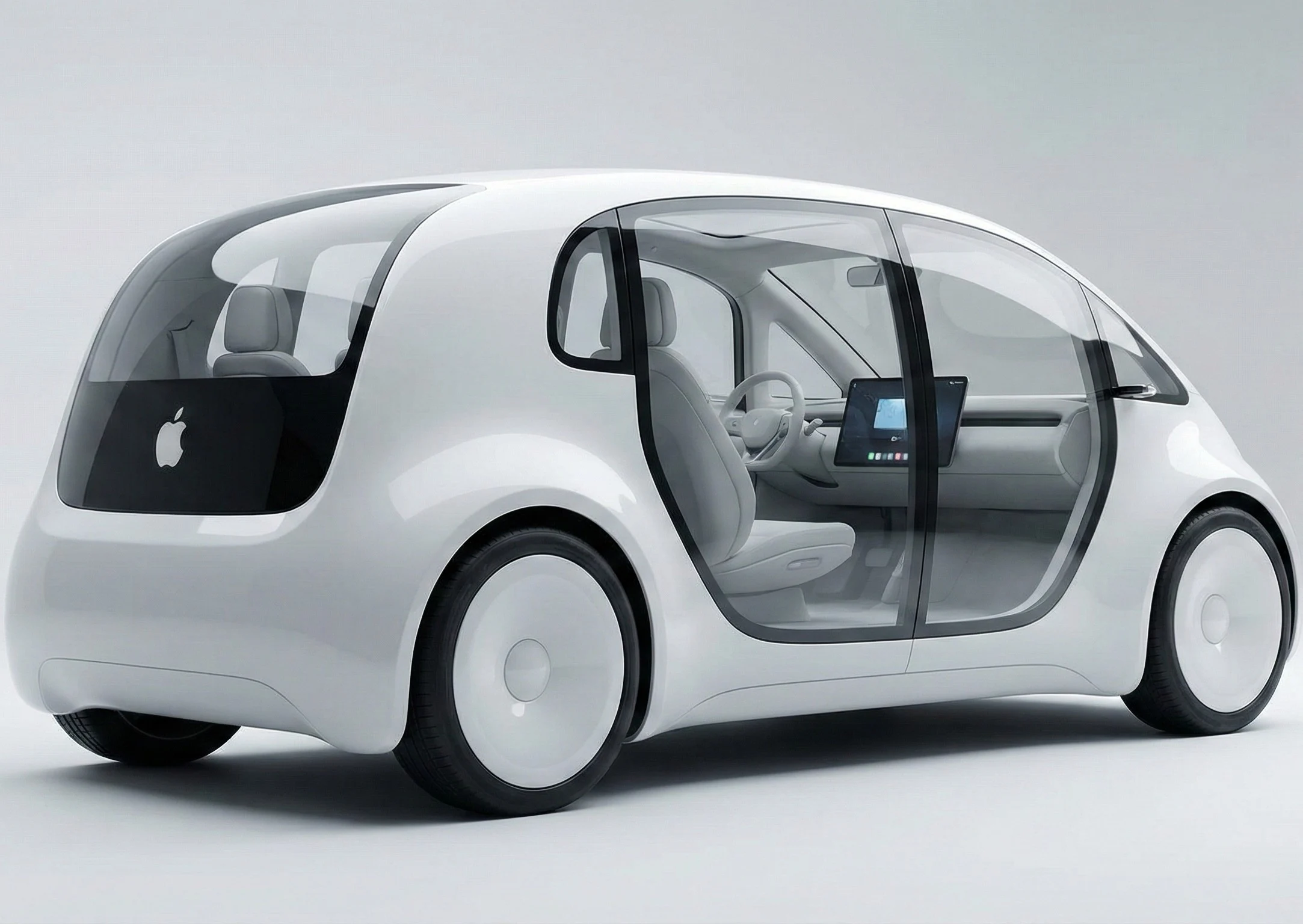
  • Airbnb CEO Reveals Apple’s Secret Car Project by Mistake

    Airbnb CEO Reveals Apple’s Secret Car Project by Mistake

    Key Takeaways

    1. Airbnb’s CEO Brian Chesky introduced new CTO Ahmad Al-Dahle in an internal memo, breaking from Silicon Valley’s usual secrecy.
    2. Ahmad Al-Dahle was the creator and leader of Apple’s autonomous technology group, confirming the existence of Apple’s self-driving car initiative.
    3. The revelation of Al-Dahle’s role may frustrate Apple, which highly values secrecy in its projects.
    4. Al-Dahle has a strong background with Apple, contributing to key products like the original iPhone and Apple Watch.
    5. After Apple, Al-Dahle led the development of Llama AI models at Meta, providing insights into the inner workings of major tech companies.


    In a recent internal memo to employees that was also made public on Tuesday, Airbnb’s CEO, Brian Chesky, introduced his new Chief Technology Officer, Ahmad Al-Dahle. In doing so, Chesky broke from the usual Silicon Valley secrecy, sharing information that could create a buzz in Cupertino. He stated in the memo:

    Significant Contributions to Apple

    In 2014, Ahmad was the creator and leader of Apple’s autonomous technology group, which was in charge of building the core AI systems for the company’s self-driving car initiative.

    For the first time, it’s confirmed: the “self-driving car initiative” was real. This is a big deal. Typically, ex-employees describe their roles at Apple in vague ways on their resumes, mentioning things like special projects or the “Technology Development Group.” However, Airbnb openly states the name of the group and even pinpoints its start to 2014.

    Apple’s Secrecy at Stake

    This revelation could be frustrating for Apple, even though the project is now in the past, as the company values secrecy above all. The irony is not lost that an outside partner has confirmed it after the fact. It seems Chesky wanted to highlight the impressive talent he has brought on board. Al-Dahle has a strong background with Apple, having started in Cupertino in 2005, which was two years before the first iPhone was launched. He contributed to the multitouch screens of the original iPhone and later worked on the first Apple Watch. His role in leading the car project indicates how serious Apple was back then.

    Insights into Tech Giants

    After his tenure at Apple, Al-Dahle transitioned to Meta, where he recently led the development of the popular Llama AI models. Chesky’s use of Al-Dahle’s Apple history to bolster his AI goals gives a rare insight into the workings of tech giants. Interestingly, Al-Dahle himself still follows Apple’s code of conduct in his professional profiles and avoids mentioning anything about the car project.

    Source:
    Link


  • Apple’s iPad: 16 Years of Changing Personal Computing

    Apple’s iPad: 16 Years of Changing Personal Computing

    Key Takeaways

    1. The original iPad, launched on January 27, 2010, marked the beginning of a new era in personal computing and shaped the tablet market.

    2. The first-generation iPad featured a 9.7-inch display, a custom-designed chip, up to 64 GB of storage, and a battery life of up to 10 hours, priced starting at $499.

    3. Steve Jobs emphasized the iPad’s ability to create a new category of devices that offered an intimate and intuitive way to interact with apps and digital content.

    4. Despite mixed reviews regarding its necessity compared to laptops, the iPad achieved remarkable commercial success, selling over 300,000 units on its first day and exceeding 15 million units in its first year.

    5. The iPad has evolved into a diverse range of devices, including the iPad mini, Air, and Pro, incorporating advanced features and accessories, solidifying its role in everyday computing.


    Sixteen years ago, on January 27, 2010, Steve Jobs took the stage at the Yerba Buena Center for the Arts in San Francisco to introduce what he referred to as “a magical and revolutionary device.” This device was the original Apple iPad, and its launch signified the start of a new era in personal computing that would shape the current tablet market.

    Specifications of the First iPad

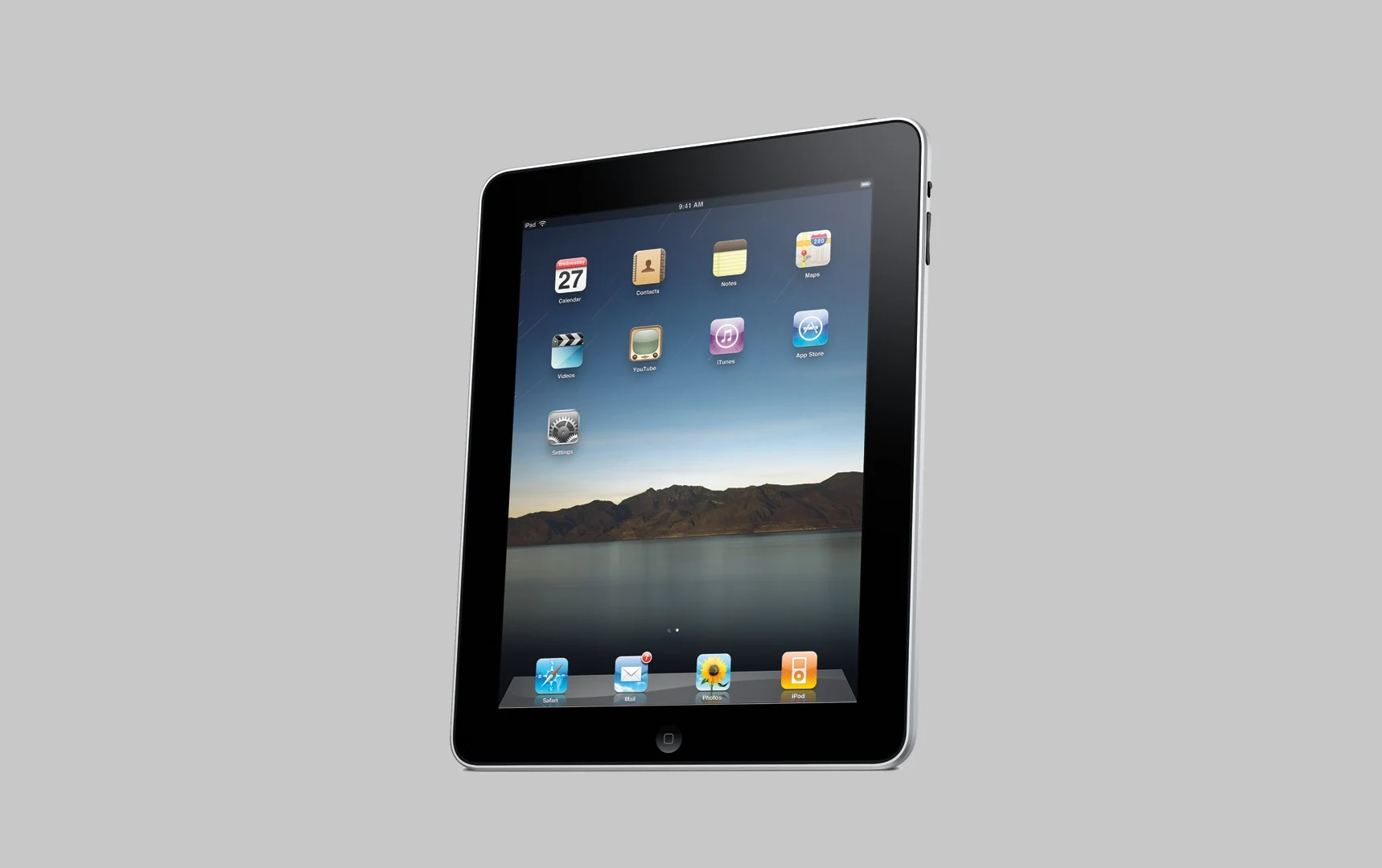
    The first-generation iPad was strategically placed between smartphones and laptops. It boasted a 9.7-inch LED-backlit multitouch screen, running on Apple’s inaugural custom-designed silicon chip. The device utilized a 30-pin dock connector and had storage options of up to 64 GB. Weighing in at 1.5 pounds, the original model featured thick black bezels, a physical Home button, and a curved aluminum backside. Apple advertised a battery life of up to 10 hours.

    With a starting price of $499, the iPad offered an easier, more user-friendly way to surf the web, read eBooks, watch videos, and use applications on a larger display. Jobs portrayed the tablet as a more personal and intuitive means of engaging with apps and digital content, especially for web browsing, media viewing, and reading.

    Jobs’ Vision for the iPad

    “iPad is our most advanced technology in a magical and revolutionary device at an unbelievable price. iPad creates and defines an entirely new category of devices that will connect users with their apps and content in a much more intimate, intuitive, and fun way than ever before,” Jobs stated.

    From a technical standpoint, the original iPad operated on a version of iOS tailored for its larger screen, bringing well-known apps like Safari, Mail, and Photos into a more expansive view. Apple also took this opportunity to launch iBooks and the iBookstore, marking the company’s entry into the e-reader sector, which was then dominated by Amazon’s Kindle.

    Mixed Reactions and Commercial Success

    The initial response to the iPad was a mix of opinions. Some reviewers praised the device as a top-notch platform for light computing and media experiences, while others doubted its necessity, claiming it lacked the functionality needed to replace a standard laptop. Even with these discussions, the iPad achieved impressive commercial success, selling over 300,000 units on its first day in April 2010 and hitting one million units within the first month. By the year’s end, total sales exceeded 15 million tablets, generating around $9.5 billion in revenue, solidifying the iPad as a vital Apple product.

    More significantly, the iPad sparked an entire industry. Competitors like Samsung, Microsoft, and Amazon quickly introduced their own tablets, each trying to either imitate or set themselves apart from Apple’s model.

    The iPad’s Evolution

    As time passed, the iPad transformed into a diverse range of devices. It expanded into the iPad mini, iPad Air, and iPad Pro, along with accessories like the Apple Pencil and Magic Keyboard. Later versions incorporated cameras, multitasking capabilities, various display sizes, USB-C connectivity, and enhanced performance levels akin to laptops. What started in 2010 as a “magical and revolutionary” concept has evolved into a well-known and impactful element of everyday computing.

    Apple, MacRumors’

    Source:
    Link