
Key Takeaways
1. The original iPad, launched on January 27, 2010, marked the beginning of a new era in personal computing and shaped the tablet market.
2. The first-generation iPad featured a 9.7-inch display, a custom-designed chip, up to 64 GB of storage, and a battery life of up to 10 hours, priced starting at $499.
3. Steve Jobs emphasized the iPad’s ability to create a new category of devices that offered an intimate and intuitive way to interact with apps and digital content.
4. Despite mixed reviews regarding its necessity compared to laptops, the iPad achieved remarkable commercial success, selling over 300,000 units on its first day and exceeding 15 million units in its first year.
5. The iPad has evolved into a diverse range of devices, including the iPad mini, Air, and Pro, incorporating advanced features and accessories, solidifying its role in everyday computing.
Sixteen years ago, on January 27, 2010, Steve Jobs took the stage at the Yerba Buena Center for the Arts in San Francisco to introduce what he referred to as “a magical and revolutionary device.” This device was the original Apple iPad, and its launch signified the start of a new era in personal computing that would shape the current tablet market.
Specifications of the First iPad
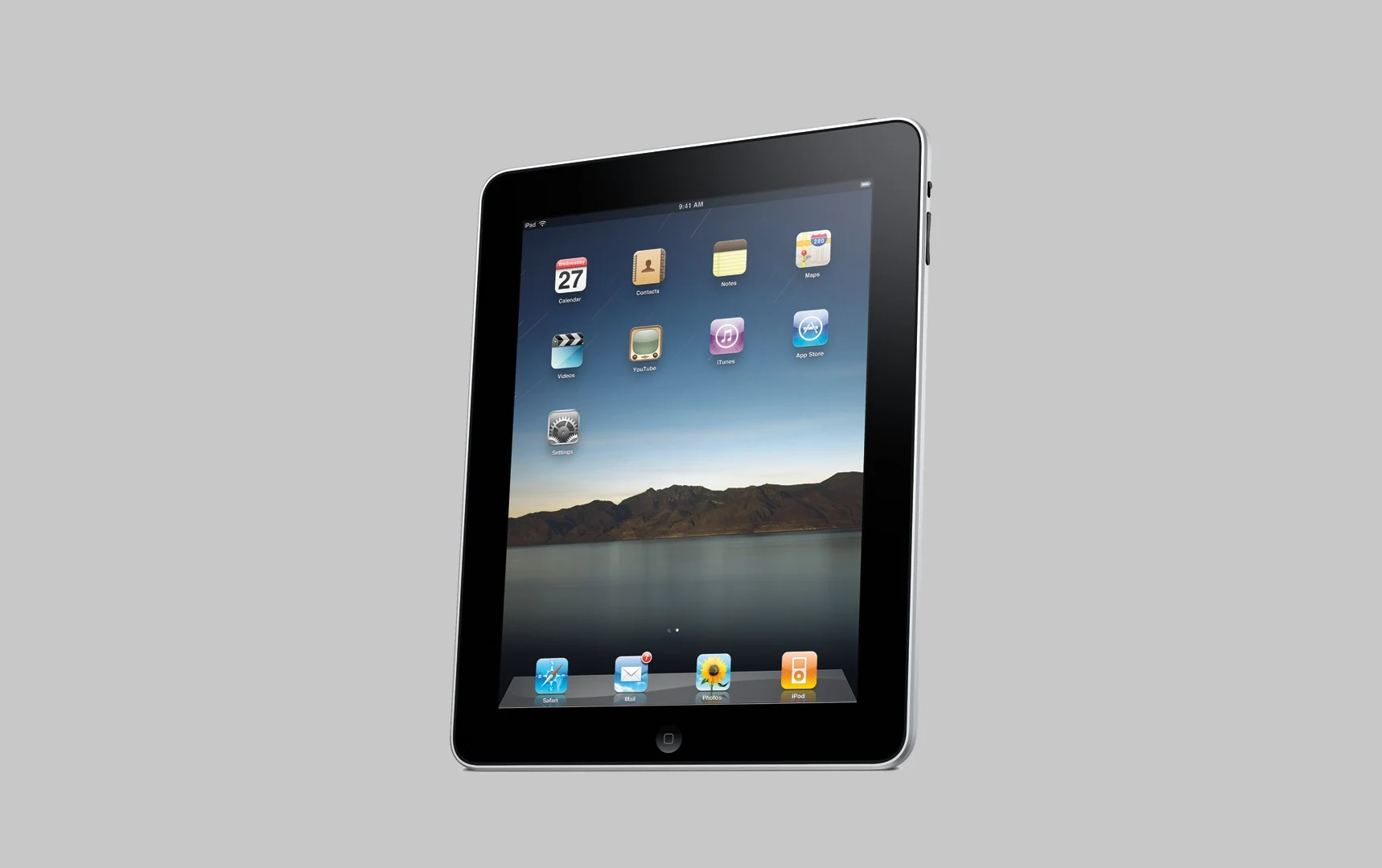
The first-generation iPad was strategically placed between smartphones and laptops. It boasted a 9.7-inch LED-backlit multitouch screen, running on Apple’s inaugural custom-designed silicon chip. The device utilized a 30-pin dock connector and had storage options of up to 64 GB. Weighing in at 1.5 pounds, the original model featured thick black bezels, a physical Home button, and a curved aluminum backside. Apple advertised a battery life of up to 10 hours.
With a starting price of $499, the iPad offered an easier, more user-friendly way to surf the web, read eBooks, watch videos, and use applications on a larger display. Jobs portrayed the tablet as a more personal and intuitive means of engaging with apps and digital content, especially for web browsing, media viewing, and reading.
Jobs’ Vision for the iPad
“iPad is our most advanced technology in a magical and revolutionary device at an unbelievable price. iPad creates and defines an entirely new category of devices that will connect users with their apps and content in a much more intimate, intuitive, and fun way than ever before,” Jobs stated.
From a technical standpoint, the original iPad operated on a version of iOS tailored for its larger screen, bringing well-known apps like Safari, Mail, and Photos into a more expansive view. Apple also took this opportunity to launch iBooks and the iBookstore, marking the company’s entry into the e-reader sector, which was then dominated by Amazon’s Kindle.
Mixed Reactions and Commercial Success
The initial response to the iPad was a mix of opinions. Some reviewers praised the device as a top-notch platform for light computing and media experiences, while others doubted its necessity, claiming it lacked the functionality needed to replace a standard laptop. Even with these discussions, the iPad achieved impressive commercial success, selling over 300,000 units on its first day in April 2010 and hitting one million units within the first month. By the year’s end, total sales exceeded 15 million tablets, generating around $9.5 billion in revenue, solidifying the iPad as a vital Apple product.
More significantly, the iPad sparked an entire industry. Competitors like Samsung, Microsoft, and Amazon quickly introduced their own tablets, each trying to either imitate or set themselves apart from Apple’s model.
The iPad’s Evolution
As time passed, the iPad transformed into a diverse range of devices. It expanded into the iPad mini, iPad Air, and iPad Pro, along with accessories like the Apple Pencil and Magic Keyboard. Later versions incorporated cameras, multitasking capabilities, various display sizes, USB-C connectivity, and enhanced performance levels akin to laptops. What started in 2010 as a “magical and revolutionary” concept has evolved into a well-known and impactful element of everyday computing.
Apple, MacRumors’
Source:
Link