Tag: Apple

  • Apple Faces DRAM Crisis, iPhone 18 Price Hike Expected

    Apple Faces DRAM Crisis, iPhone 18 Price Hike Expected

    Key Takeaways

    1. Apple faces supply agreement issues with DRAM suppliers Samsung and SK Hynix, affecting production capabilities.
    2. The company has secured a Long-Term Agreement for DRAM supply lasting until the first half of 2026 but couldn’t finalize its usual annual deal.
    3. The iPhone 18 series is set to launch in September 2023, with potential price increases due to the DRAM shortage.
    4. Apple plans to stagger the release of the iPhone 18 models, with some expected releases pushed to 2027.
    5. Significant DRAM price increases of up to 70% and NAND flash prices up to 100% are predicted, impacting Apple’s product pricing.


    It was just a matter of time before the current DRAM shortage would start affecting Apple and their production capabilities. According to a recent report from a Korean news source, the tech giant from Cupertino has struggled to finalize its usual agreements with DRAM suppliers Samsung and SK Hynix, which might lead to increased prices for the upcoming iPhone 18 series and other Apple gadgets.

    Supply Agreement Issues

    The report from ZDNet Korea reveals that Apple has only managed to secure a Long-Term Agreement (LTA) for DRAM supply that will last until the first half of 2026. The company relies on SK Hynix and Samsung for its DRAM needs, and due to the ongoing memory crisis, Apple couldn’t get its normal annual deal. As a result, the anticipated iPhone 18 series, set to launch in September this year, may face a price increase.

    Upcoming Launches

    It seems that Apple is planning to stagger the release of the iPhone 18 series, introducing the iPhone 18 Pro, Pro Max, and Fold this year. However, the base iPhone 18 and iPhone 18e are expected to be released in 2027, along with the iPhone Air 2. There’s a chance that some of these models might not have a higher price at launch. Likewise, Apple may manage to roll out the iPhone 17e, M5 Pro, and M5 Max MacBook Pro models without the added DRAM cost.

    Price Increase Predictions

    A previous leak from a well-known insider, which referenced data from research company Omdia, indicated potential price hikes of 70% for DRAM (LPDDR) and about 100% for NAND flash. Another source suggested that the prices for 12GB LPDDR5X RAM chips jumped from $25 to $29 to around $70 due to surging demand. Like many other manufacturers, Apple is not immune to these trends, and customers might start feeling the effects as soon as September this year.


    Source:
    Link


  • Apple M6 Launch Could Be Sooner Than Expected: 2026 for Mac

    Apple M6 Launch Could Be Sooner Than Expected: 2026 for Mac

    Key Takeaways

    1. New MacBook Pro and MacBook Air models are expected to be announced at Apple’s upcoming launch event, along with an updated Mac Studio and Apple Studio Display.
    2. The second half of the year may see the launch of a redesigned MacBook Pro featuring an OLED touchscreen, as production of OLED panels has begun.
    3. Other devices, including the iPad Mini, iPad Air, iMac, and MacBook Air, are rumored to transition from LCD to OLED displays soon.
    4. Mark Gurman predicts that the new Apple M-series chipset could launch sooner than expected, with the first Macs powered by the Apple M6 potentially revealed at WWDC in 2026.
    5. Recent supply chain leaks suggest a strong focus on OLED technology for multiple Apple products in the near future.


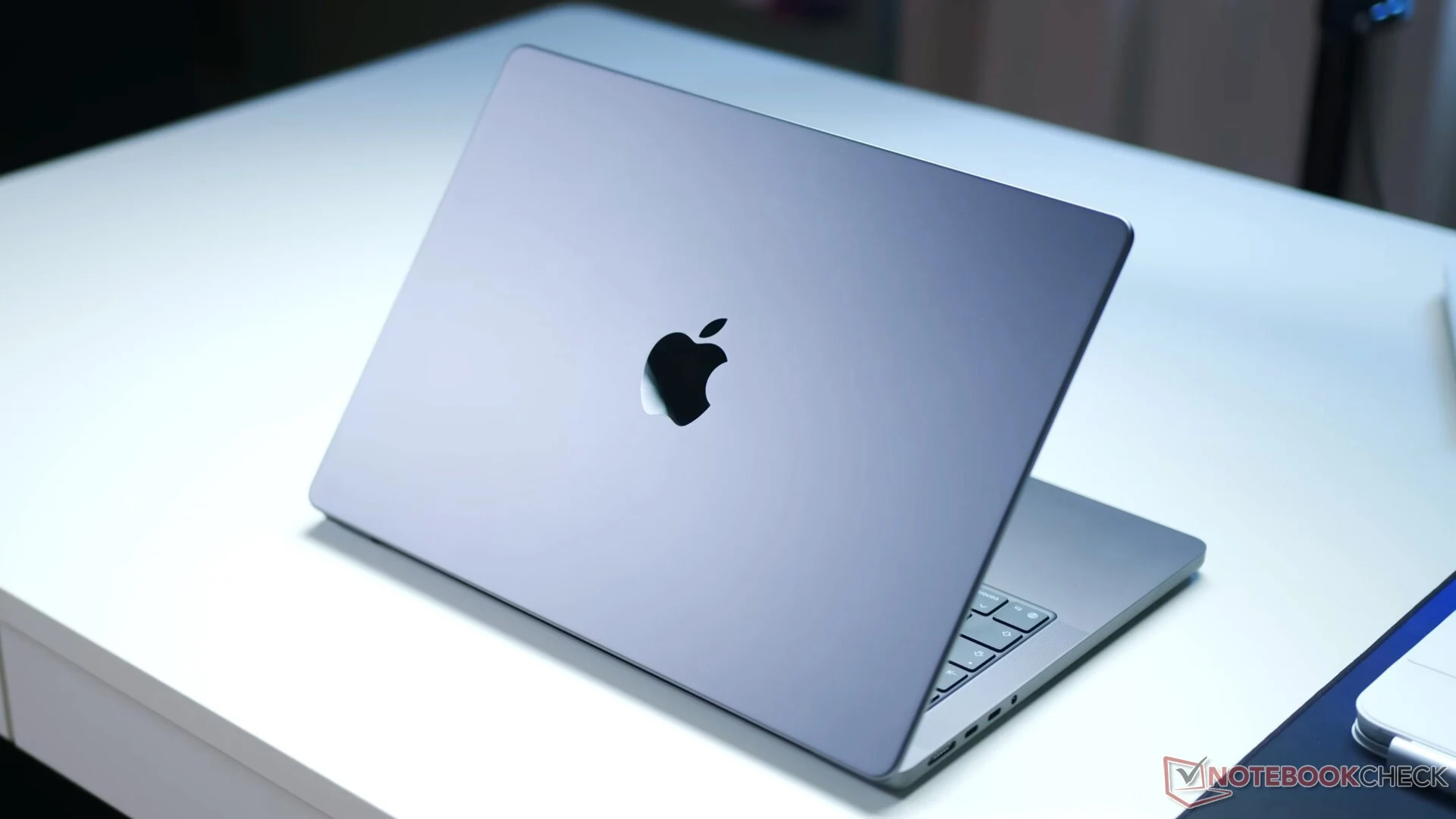
    Apple’s upcoming launch event is just around the corner, usually happening towards the end of the first quarter. This year, there’s a lot of anticipation for new gadgets, particularly for those who love MacBooks and Apple’s desktop products, as pointed out by Mark Gurman in his latest Power On newsletter. Gurman mentions that we can expect new models of the MacBook Pro and MacBook Air, along with a refreshed Mac Studio and the much-anticipated upgrade for the Apple Studio Display to be revealed in the first half of the year.

    Excitement for the Second Half

    The latter part of the year promises to be thrilling too. Alongside a new Mac Mini and a basic MacBook powered by an iPhone chipset, there’s talk of a redesigned MacBook Pro that has been rumored several times. This new model is expected to feature an OLED touchscreen and is likely to be launched towards the year’s end. This information is consistent with recent leaks from the supply chain, which reveal that Samsung has started production in a new factory dedicated to these OLED panels. The redesign of the MacBook Pro might not be the only Apple device making the switch from LCD to OLED displays in the near future. The iPad Mini, iPad Air, and eventually even the iMac and MacBook Air are rumored to benefit from vibrant OLED screens with impressive contrast ratios.

    Mark Gurman’s Insights

    Turning back to Mark Gurman and his forecasts, the year 2026 is also set to showcase the new Apple M-series chipset, which might launch sooner than we thought. The time gap between the Apple M3’s launch in October 2023 and the Apple M4’s announcement in May 2024 was just about six months, and Gurman hints that a similar timeline might occur again in 2026. Thus, it’s feasible that the first Macs powered by the Apple M6 could be revealed at WWDC in early summer.

    Source:
    Link


  • Cloud Risk and BitLocker: Microsoft Shares Keys with FBI

    Cloud Risk and BitLocker: Microsoft Shares Keys with FBI

    Key Takeaways

    1. Apple and Google cannot unlock encrypted devices for law enforcement requests, while Microsoft can provide BitLocker recovery keys if stored in the cloud.
    2. BitLocker is a Windows encryption tool that protects data on hard drives and generates a recovery key for emergencies.
    3. Users can back up the BitLocker recovery key by printing it, saving it on a USB drive, or storing it in the cloud via a Microsoft account.
    4. Microsoft will release BitLocker keys to authorities with a legitimate court order, highlighting their access to this data.
    5. Storing recovery keys in the cloud offers convenience but raises security concerns about unauthorized access and the potential for key exposure.


    Apple and Google often emphasize that they cannot unlock their customers’ encrypted devices, like smartphones or tablets, even if law enforcement requests them to. The case with Microsoft and its Windows encryption tool, BitLocker, is a bit more complicated. If a user saves the recovery key in the cloud, Microsoft can provide that key to the authorities.

    What is BitLocker?

    BitLocker is a drive encryption tool built into Windows that safeguards data on hard drives from unauthorized access, especially in cases of device theft. During the setup process, a recovery key is created to help regain access to the system in emergencies. Windows offers several methods for backing up this key: it can be printed, saved on a USB drive, or directly stored in the cloud via a Microsoft account.

    Storing Keys in the Cloud

    If you opt to keep your data in your Microsoft account, it will be stored on the company’s servers located in Redmond. Microsoft has confirmed to Forbes that they release these BitLocker keys when a legitimate court order is presented. The FBI makes about 20 such requests each year. This indicates that Microsoft does have access to the key data, though it’s not clear if this information is stored on their servers in plain text or if it is encrypted.

    Concerns About Security

    Nonetheless, just because data is stored in the cloud doesn’t mean the provider can read it. The recovery keys might be kept in a way that encrypts them, possibly with a separate password or hash that belongs to the user. In this case, Microsoft could store the data but would be unable to see it in plaintext or share it with law enforcement. Since the company can release the keys when a court order is presented, this type of protection clearly does not apply here. This situation raises concerns about the security of recovery keys that are saved in the cloud.

    Microsoft spokesman Charles Chamberlayne pointed out that while using cloud recovery is convenient, it also presents the risk of unauthorized access. Therefore, users need to consider if the convenience outweighs the risks, or if they should keep the key stored locally.

    Source:
    Link


  • Apple iPhone 18 Pro vs 17 Pro: Dynamic Island 35% Smaller Comparison

    Apple iPhone 18 Pro vs 17 Pro: Dynamic Island 35% Smaller Comparison

    Key Takeaways

    1. The Dynamic Island feature has remained unchanged since the iPhone 14 Pro, still using a large pill-shaped cutout.
    2. Rumors suggest that the iPhone 18 Pro may replace the pill-shaped cutout with a small round punch-hole, although this may stem from a translation error.
    3. A concealed infrared sensor might be placed below the AMOLED display, potentially reducing the punch-hole size significantly.
    4. The proposed design change could result in a 35% smaller punch-hole compared to the iPhone 17 Pro, while maintaining the same height.
    5. The new design may enhance screen space for users, allowing for better viewing experiences in videos and games, and could improve information display within the Dynamic Island.


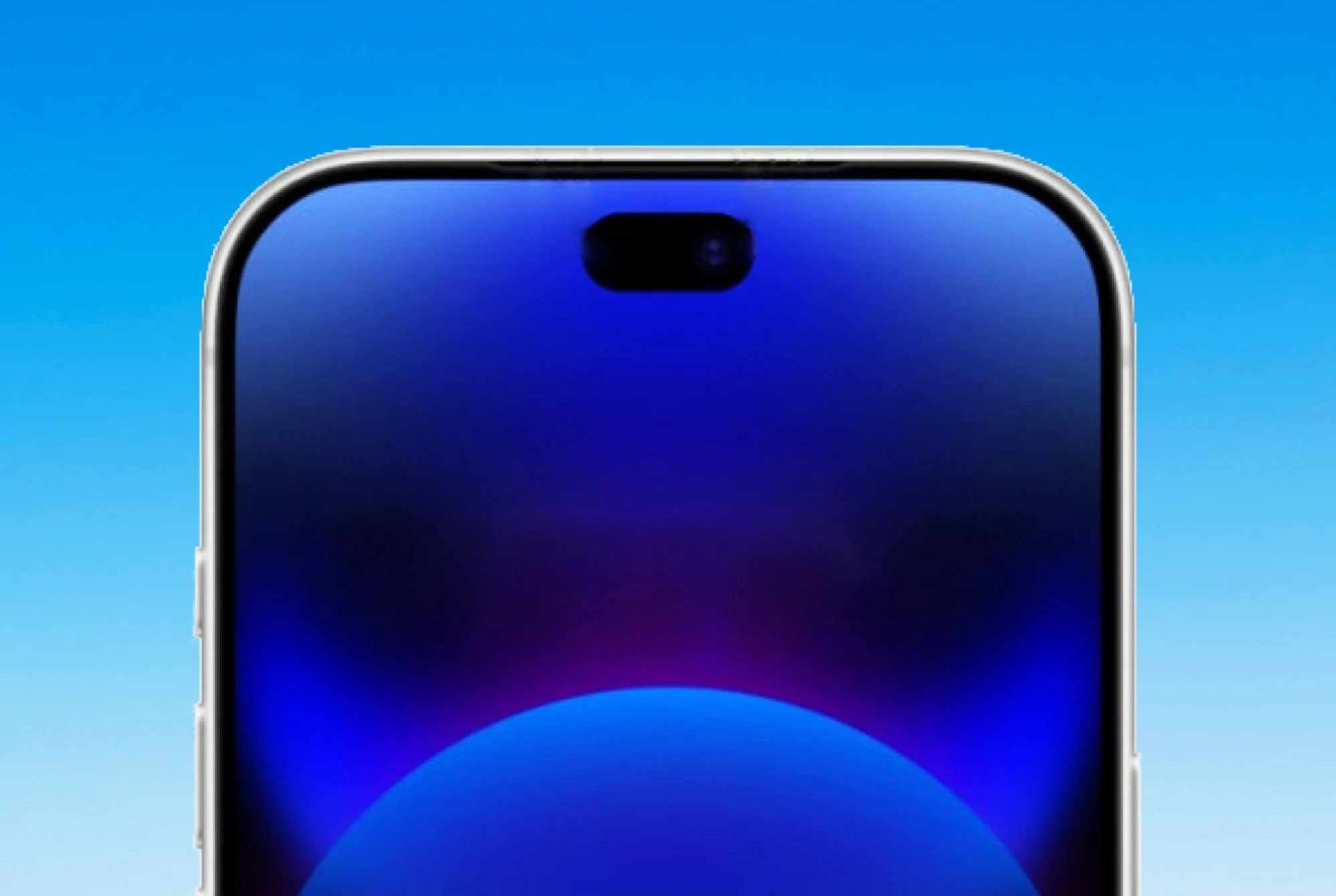
    Apple’s Dynamic Island has not seen much change since it was introduced with the iPhone 14 Pro. The new iPhone 17 Pro still features the same large, pill-shaped cutout that holds the front camera along with the infrared projector and camera for Face ID’s 3D recognition.

    Speculation About iPhone 18 Pro

    There have been rumors that Apple plans to swap the pill-shaped cutout for a small round punch-hole in the upper-left corner for the iPhone 18 Pro. However, these rumors may stem from a translation mistake. Instead, it seems that Apple intends to place a concealed infrared sensor below the AMOLED display in that same upper-left section. If this is true, the punch-hole could become much smaller in future models, as it would only need to accommodate the selfie camera and the infrared projector.

    Comparison of Cutout Sizes

    A comparison image shared by the leaker yeux1122 suggests that this modification could lead to a significant 35% reduction in the size of the iPhone 18 Pro’s punch-hole when compared to the iPhone 17 Pro. The new cutout would be narrower while still keeping the same height.

    This new design could free up a bit more active screen area on either side, which might allow developers to show more information within the Dynamic Island. Users could also enjoy a larger screen space while watching videos or playing games, where the punch-hole might otherwise disrupt the viewing experience. The Apple iPhone 18 series is likely to be officially revealed in September, when we will find out if these visual changes are indeed accurate.

    Source:
    Link


  • Apple Faces Major Price Hike from TSMC for iPhones and MacBooks

    Apple Faces Major Price Hike from TSMC for iPhones and MacBooks

    Key Takeaways

    1. Nvidia has become TSMC’s top customer, surpassing Apple, which previously held this position.
    2. TSMC is reportedly seeking to increase prices for Apple, with the largest price hike in recent years being demanded.
    3. Apple has historically benefited from discounted rates and priority access to TSMC’s advanced process nodes.
    4. Consumers may face higher prices for Apple products, including the iPhone 18 and future MacBooks, due to TSMC’s price increases.
    5. TSMC’s price hikes are expected to continue for at least four more years, impacting Apple’s product pricing strategy.


    Nvidia’s CEO Jensen Huang has recently announced that the company is now the top customer for TSMC, a position that Apple used to hold. This new status comes with certain advantages, and Apple has been known to benefit from them. For example, Apple has had priority access to TSMC’s latest process nodes, and this will likely extend to the upcoming TSMC 2 nm process node, which will be utilized for the A20 SoC in the iPhone 18 series.

    TSMC’s Price Increase Strategy

    Now, it seems TSMC is capitalizing on this change and seeking to increase prices for Apple. Following Nvidia’s rise as TSMC’s biggest client, a leaker named Fixed Focus Digital has reported that TSMC’s CEO, C.C. Wei, has personally approached Apple with a demand for “the largest price increase seen in recent years.”

    Impact on Apple’s Pricing

    For several years, TSMC has been hiking the prices of its advanced process nodes consistently. This trend is projected to persist for another four years starting in 2026. Apple, being TSMC’s largest customer, has historically enjoyed certain perks, like discounted rates and priority access to the most advanced process nodes. However, TSMC is now aiming to charge Apple significantly more than what it has previously paid.

    If the information from Fixed Focus Digital holds true, and Apple agrees to TSMC’s requests, then consumers should brace themselves for higher prices on iPhones, MacBooks, and iPads by 2026. The iPhone 18, for instance, might experience a substantial price increase due to TSMC’s hike in the costs associated with its 2 nm node.

    Future Apple Products Pricing

    In a similar vein, the M6 MacBooks, expected to launch in late 2026 or early 2027, could also see a notable price jump compared to M5 models, especially given the declining memory market conditions.

    Source:
    Link


  • Apple Pin: Dual Cameras, Triple Microphones & Speaker in AirTag Shape

    Apple Pin: Dual Cameras, Triple Microphones & Speaker in AirTag Shape

    Key Takeaways

    1. Jony Ive is developing an AI device for OpenAI, while Apple is reportedly creating a similar product expected by 2027.
    2. The new Apple gadget, referred to as the “Apple Pin,” is described as a thin, flat, round disk, comparable in size to an Apple AirTag but slightly thicker.
    3. It is expected to include a wide-angle and ultra-wide-angle camera, three microphones, a speaker for AI interaction, and a single physical button.
    4. The device will have a magnetic back for wireless charging, similar to the technology used in the Apple Watch.
    5. The gadget may connect with an upgraded version of Siri, expected to be more powerful with the upcoming iOS 27, built on Google’s Gemini AI chatbot.


    While the former design head of Apple, Jony Ive, is working on an AI device for OpenAI, Apple is said to be creating a similar product too. A recent report from The Information suggests that this new gadget could be available to consumers by 2027. The device is described as a thin, flat, round disk, which might remind one of an Apple AirTag (priced at $26 on Amazon). It’s expected to be a comparable size but a bit thicker.

    Features Unveiled

    On the front of this rumored “Apple Pin,” there are expected to be a wide-angle camera and an ultra-wide-angle camera for capturing images and videos of the environment around the user. Apple is also reportedly including three microphones and a speaker, enabling interaction with an AI assistant. Moreover, the gadget may have just a single physical button. It will feature a magnetic back for wireless charging, similar to the technology used in the Apple Watch.

    Expectations and Speculations

    Nonetheless, it is still uncertain what specific features this gadget will have. However, it’s likely that the device could connect with Apple’s upcoming version of Siri, which is anticipated to debut later this year with iOS 27 and macOS 27. In contrast to the first AI-driven version of Siri that will come with iOS 26.4, the iOS 27 iteration is rumored to be built on Google’s Gemini AI chatbot, making it much more powerful. As is often the case, these early speculations should be viewed with some skepticism, as Apple’s intentions could still change.

    Source:
    Link


  • USITC Investigates Sales Ban on Garmin, Apple, Samsung Smartwatches

    USITC Investigates Sales Ban on Garmin, Apple, Samsung Smartwatches

    Key Takeaways

    1. The US International Trade Commission (USITC) is investigating fall detection technology developed by UnaliWear, impacting many wearable device manufacturers.
    2. UnaliWear claims that major companies like Apple, Garmin, Google, and Samsung are using their patented technology without permission.
    3. The investigation is in its early stages, and no conclusions or decisions have been made yet by the USITC.
    4. Patent violations can lead to serious outcomes, such as import bans, as seen in Apple’s recent legal battles.
    5. The potential ruling by the USITC could have significant effects on markets both in the US and globally.


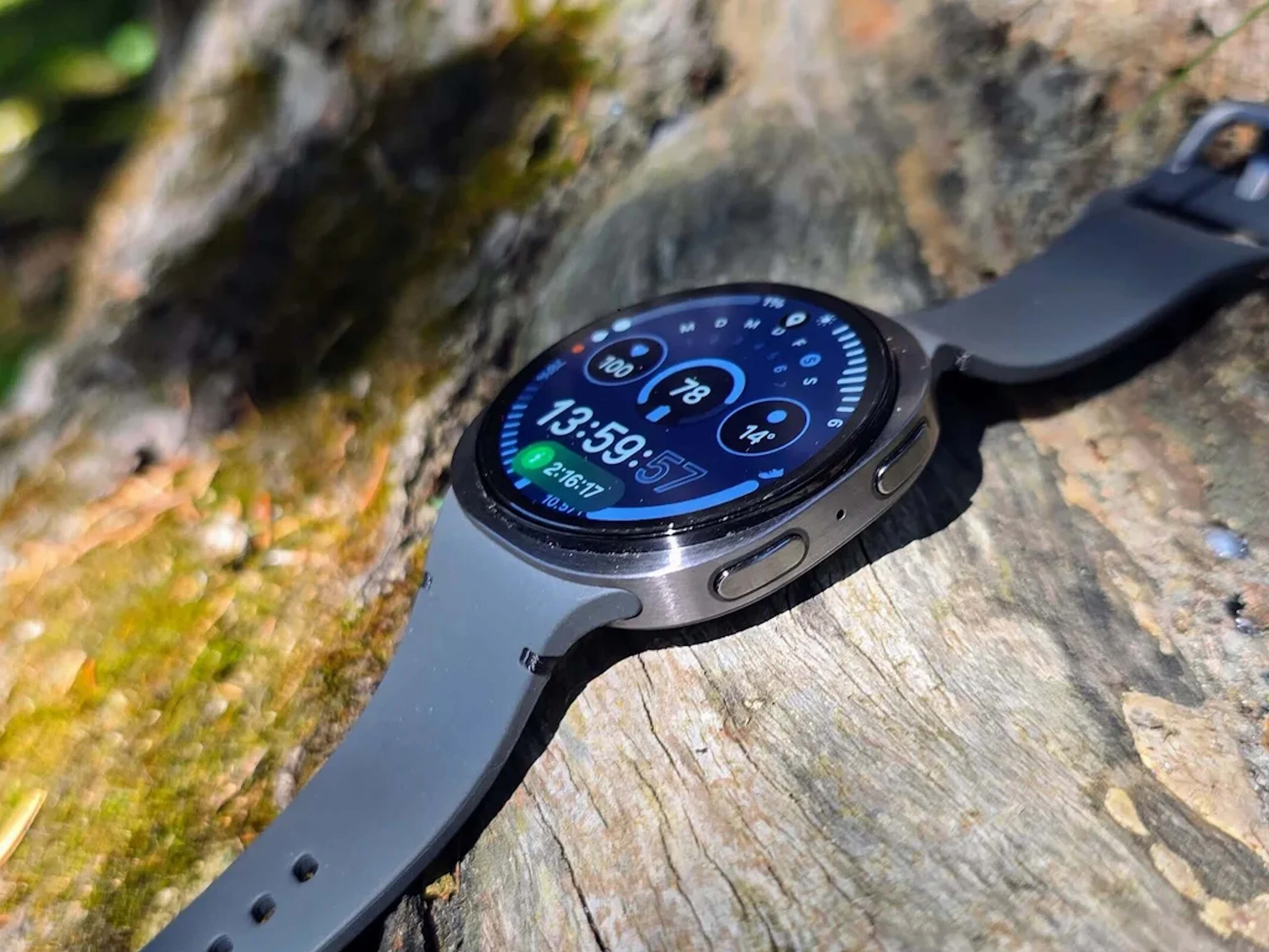
    The United States International Trade Commission has started an investigation that could have serious implications for many wearable device manufacturers. This inquiry focuses on a fall detection technology developed by a lesser-known company, UnaliWear. Many smartwatches from various brands come equipped with this fall detection feature. When a fall is detected by these devices, an emergency contact is alerted, based on the specific model and user settings—provided the user does not respond to the notification within a set timeframe.

    Investigation Details

    UnaliWear claims that numerous companies are using their patented technology without permission. The USITC has named several firms involved in this probe, which includes major players like Apple, Garmin, Google, and Samsung. All these brands incorporate the fall detection feature into their smartwatches.

    Future Implications

    In a statement, the USITC clarified that this is merely the beginning of the investigation and no conclusion has been reached yet. They also highlighted that a final decision is not anticipated in the near future. Patent violations can lead to serious repercussions. For example, Apple recently went through a prolonged legal battle that resulted in an import ban to the US. It’s uncertain whether the USITC will rule in favor of UnaliWear, and how that might influence markets globally outside the US.

    Source:
    Link


  • Apple Partners with Google: Siri to Use Gemini Technology Soon

    Apple Partners with Google: Siri to Use Gemini Technology Soon

    Key Takeaways

    1. Apple is partnering with Google to enhance Siri using Google’s Gemini technology and cloud services.
    2. This collaboration marks Apple’s first significant reliance on external technology for its AI ecosystem.
    3. Apple is committed to maintaining user privacy, with most AI operations occurring on-device and through its own cloud services.
    4. The partnership signals a shift in the AI landscape, positioning Apple and Google against Microsoft and OpenAI.
    5. There is cautious optimism among users about the potential improvements to Siri following this partnership.


    Apple has been careful with its approach to artificial intelligence until now. Even though Siri is well integrated into Apple’s ecosystem, it is frequently viewed as less effective than other voice assistants. It’s not surprising that AI assistants from leading smartphone brands like Samsung, Xiaomi, Oppo, and Motorola are already using Google’s Gemini. Now, Apple is aiming to close this gap.

    Partnership Announcement

    In a joint statement, Apple and Google have revealed a long-term strategic collaboration. Moving forward, Apple plans to develop its foundation models utilizing Google’s Gemini technology and cloud services. This partnership aims to greatly improve Apple Intelligence, leading to a smarter and more customized version of Siri.

    Privacy Commitment

    Even with this new partnership, Apple is upholding its promise of privacy. The company insists that Apple Intelligence will mainly operate on-device and through its own cloud services. While Google supplies the AI technology, Apple remains in full control of system integration and user information. This change is a pivotal moment for Apple, as it marks the first instance of the company depending on an outside technology for such a crucial aspect of its ecosystem.

    Changing Dynamics in AI

    A new power dynamic is starting to form in the AI industry, with Google and Apple clearly setting themselves against Microsoft and OpenAI. OpenAI, which is known for creating ChatGPT, is generally perceived as the one losing out in this situation, especially since a partnership with Apple was also thought to be a possibility. On Reddit, users are cautiously optimistic about the Apple-Google partnership. The general mood is that there is only room for improvement. After years of disappointing performance, many are hopeful that Siri is finally getting the upgrade it truly deserves.

    Source:
    Link


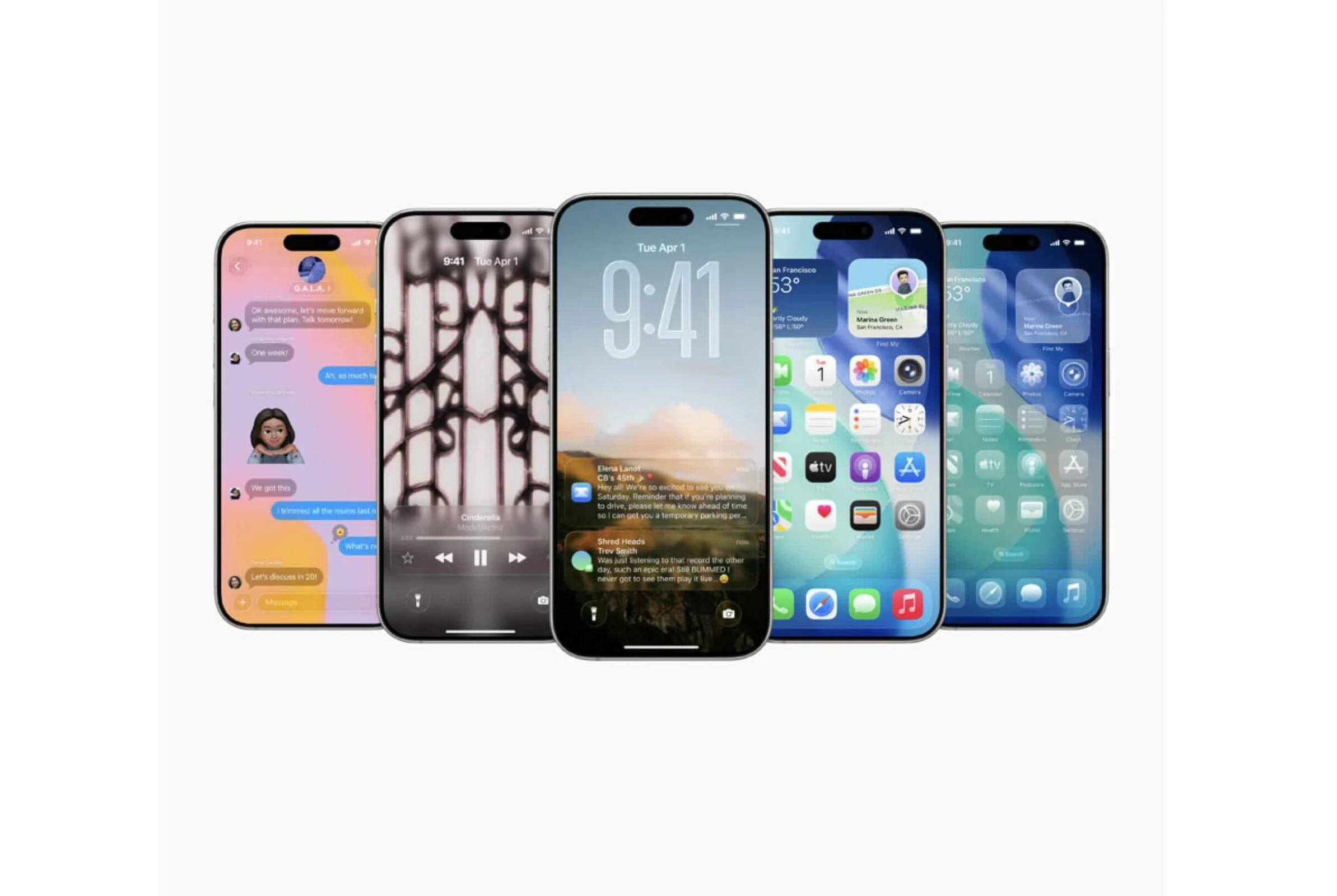
  • iOS 16 Faces Adoption Issues Amid Liquid Glass UI Criticism

    iOS 16 Faces Adoption Issues Amid Liquid Glass UI Criticism

    Key Takeaways

    1. User reactions to iOS 26 are mixed, with some praising Liquid Glass and others finding design updates overwhelming.
    2. Adoption rates for iOS 26 are low at 15.2%, significantly lower than previous versions like iOS 18 (63%).
    3. iOS 26 features design changes focusing on translucency that have disappointed many users.
    4. Despite mixed reactions, iOS 26 introduces positive features like call screening, new iMessage options, and enhanced CarPlay.
    5. iOS 18 will continue to receive support for several years, allowing users time to adapt to the new interface.


    Apple’s iOS 26 was revealed about six months ago, and the response from users has been quite mixed. While some praised Apple’s innovative use of Liquid Glass, others felt that the design updates were too much and not very user-friendly in certain situations.

    Adoption Rates Tell a Story

    The varied reactions to iOS 26 can be seen in the latest adoption statistics. As per StatCounter, around 15.2% of iPhone users have switched to iOS 26. It’s been over four months since the new iOS was released to all compatible iPhone users, making this adoption rate a bit hard to swallow.

    Comparison with Previous Versions

    In comparison, CultOfMac notes that the earlier version, iOS 18, achieved a remarkable 63% adoption in a similar period. Likewise, iOS 17 and iOS 16 also had significantly higher adoption rates than iOS 26, with figures of 54% and 62%, respectively.

    User Reactions to Design Changes

    The design modifications introduced with iOS 26, which focus on translucency and diffusion effects, have left many iPhone users feeling quite let down. Although Apple does not enforce yearly iOS updates, they make the upgrade process very easy to encourage users to adopt the latest version. However, it seems that even Apple’s user-friendly update system is having a tough time persuading people.

    On the plus side, iOS 26 introduces several exciting features that received positive feedback, including call screening, new iMessage options like polls and custom backgrounds, and enhanced CarPlay features. For those who really dislike the new user interface, there’s a way to minimize the translucency by adjusting the settings from ‘Clear’ to ‘Tinted.’

    In conclusion, it appears that iOS 18 will continue to be supported for several more years, giving loyal Liquid Glass critics some time to adjust and breathe easy for the time being.

    Source:
    Link


  • Apple Contest Ruling: Britons May Get £1.5 Billion in Refunds

    Apple Contest Ruling: Britons May Get £1.5 Billion in Refunds

    Key Takeaways

    1. A UK court found that Apple misused its dominant position in the App Store by imposing a high 30% commission.
    2. Apple plans to appeal the ruling, arguing for its current commission system and emphasizing the App Store’s economic contributions.
    3. The court suggested lower commission rates of 17.5% on app sales and 10% on in-app purchases.
    4. If Apple’s appeal fails, it may lead to more lawsuits against both Apple and Google from developers.
    5. Over 2,000 app developers are pursuing a separate legal action against Apple and Google, claiming unfair commission practices.


    The ongoing discussion about monopolies in software distribution has gained more attention, especially regarding tech giants like Apple and Google. Recently, a UK court determined that Apple misused its dominant position in the App Store, imposing high prices via its well-known 30% commission, often referred to as the “Apple tax.”

    Apple’s Response to the Ruling

    In response to this decision, Apple has decided to appeal. The judges were clear in their findings, suggesting that a commission of 17.5% on app sales and 10% on in-app purchases would be more suitable than the standard 30%. Apple disagrees with this assessment, claiming that the judges have a “flawed view” of the app economy. The company emphasizes that the App Store contributed over $55 billion to the UK economy in 2024 and provides a safe platform for developers. Moreover, Apple points out that many developers actually pay a lower commission of 15%.

    Implications for Future Lawsuits

    If Apple’s appeal does not succeed, it could lead to a wave of similar lawsuits against both Apple and Google. Developers are also joining the fight against these fees. In a separate legal action, more than 2,000 app developers are demanding up to £1 billion in damages, alleging that Apple and Google place unfair burdens on smaller studios with arbitrary commission rates. As a result, the UK courts could pose significant challenges for both Apple and Google by 2026.

    The Guardian

    Source:
    Link