Tag: Liquid Glass

  • Apple unveils macOS 27 Golden Gate with AI-packed MacBook features

    Apple unveils macOS 27 Golden Gate with AI-packed MacBook features

    Key Takeaway

    – “Liquid Glass” design overhaul with adjustable transparency, new sidebar, colorful icons, and up to 30% faster app startup.
    – Siri AI chatbot replaces standard Siri, offering natural language answers, screen access, and app control.
    – AI-powered Safari can generate custom browser extensions from user prompts.
    – System-wide AI Writing Tools and Image Playground for generating/editing text and images.
    – Photo AI features include expanding images (AI-generated zoom-out) and “Spatial Reframing” to change perspective.


    Major macOS 27 Update Unveiled

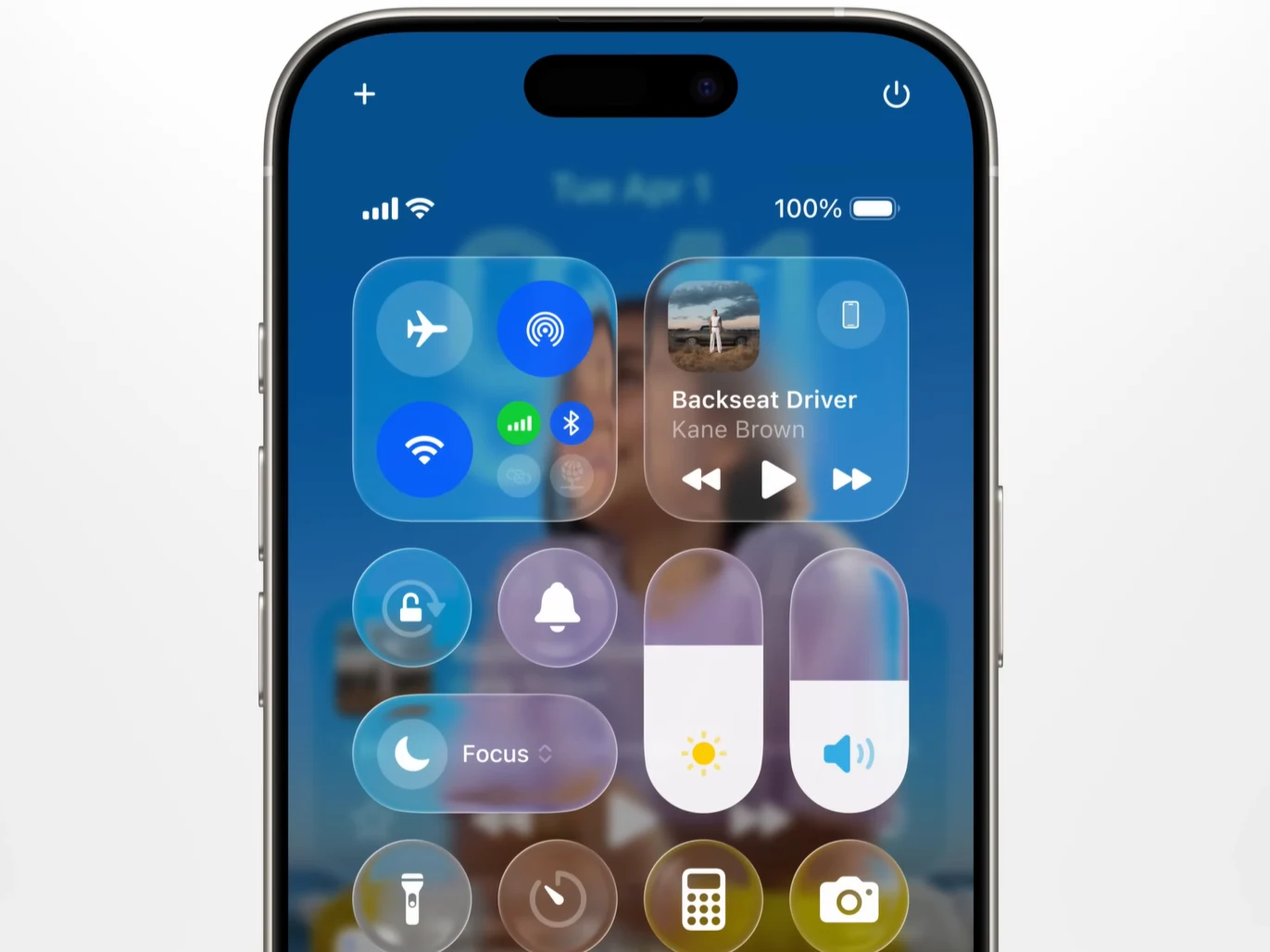
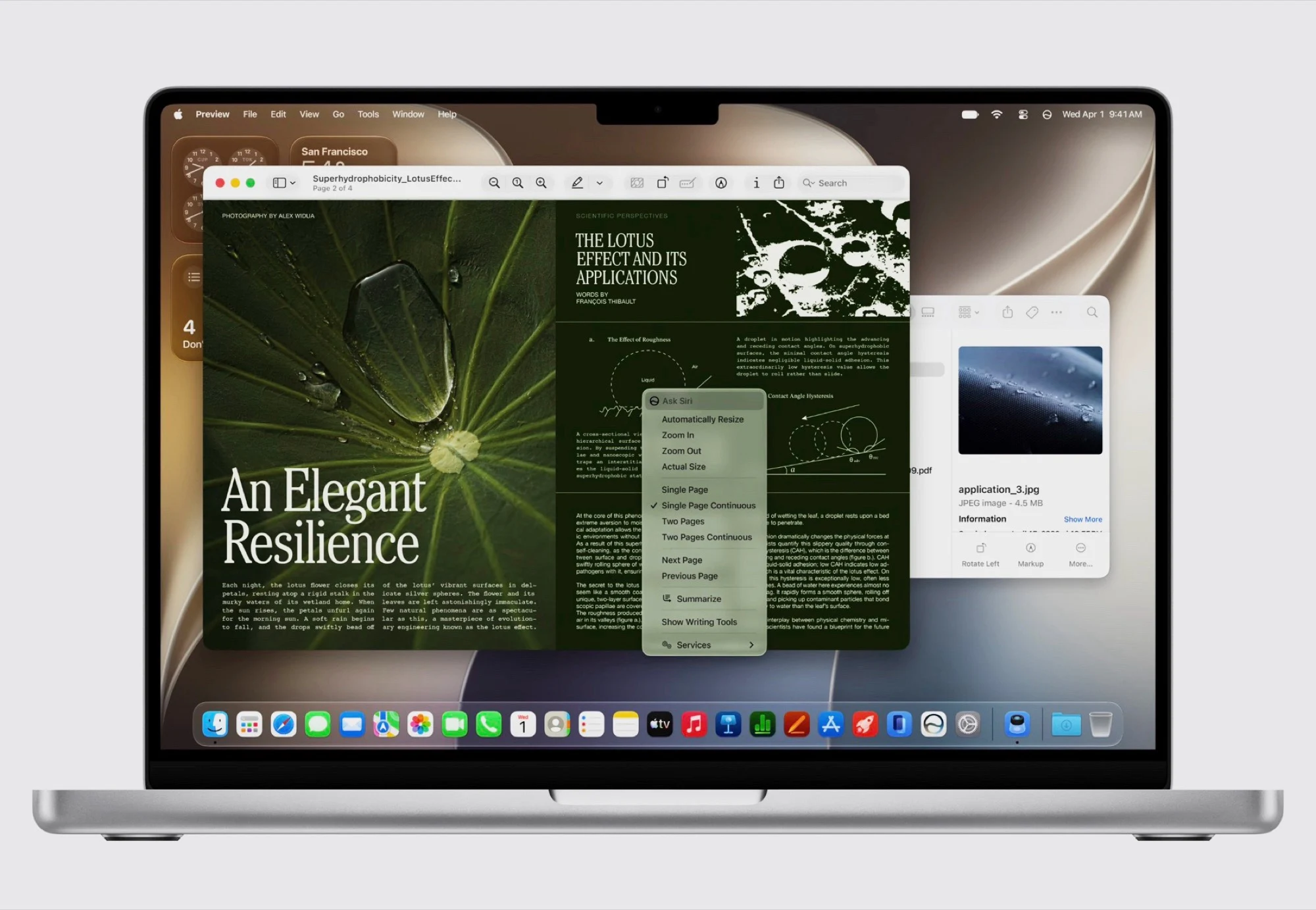
    With macOS 27, Apple today unveiled the next major operating system update for the Mac. The system receives many of the new features that are also coming to the iPhone with iOS 27, starting with an optimized “Liquid Glass” design that allows users to adjust how transparent the “glass” actually looks in the system settings.

    Visual and Performance Tweeks

    The sidebar on macOS now has a sloping edge, app icons are more colorful and the corner radius of windows has been standardized. Thanks to these adjustments and improved app icons, Liquid Glass should look better than ever and apps should start up to 30 percent faster by preloading parts of the code into the RAM. AirDrop can transfer data up to 80 percent faster after the update.

    AI Highlights and Siri Replacement

    In addition to the performance and design optimizations, the new AI features are the highlight of macOS 27 Golden Gate. The biggest innovation is Siri AI, Apple’s brand new AI chatbot, which replaces Siri as the voice assistant. Siri can either be used in the new Siri app or accessed directly via Spotlight.

    Siri AI gives answers in natural language, similar to ChatGPT. A special feature is that Siri AI can access the screen and open apps so that, for example, questions about a text or image can be answered on the screen or apps can be controlled. Apple Intelligence also receives innovations in other areas of the operating system

    Home, Safari, and Writing Tools

    For example, the Home app can now recognize objects via HomeKit cameras so that users can be notified when a package is delivered. Apple’s Safari web browser in macOS 27 can not only group tabs using AI, but can even generate browser extensions based on a prompt, for example to be notified when a new article is published.

    Apple’s Writing Tools are now available system-wide to generate or rewrite texts. Image Playground can now generate images using artificial intelligence, either in a realistic style or based on a photo. Generated images can be further edited using prompts.

    New Photo Editing Capabilities

    Apple also introduces numerous AI features for editing captured photos. Photos can be expanded in macOS 27 and iOS 27 so that they can be “zoomed out”, so to speak, and the missing pixels are generated. A feature called “Spatial Reframing” can subsequently change the perspective of a photo, ultimately generating a completely new image.
    Sources

  • Apple iOS 27: Faster iPhones, Liquid Glass & Siri Upgrade

    Apple iOS 27: Faster iPhones, Liquid Glass & Siri Upgrade

    Key Takeaway

    – iOS 27 supports all iPhones from iPhone 11 to iPhone 17, with a revised CPU scheduler improving fluidity on older models.
    – Apps launch up to 30% faster due to RAM preloading, AirDrop is 80% faster, and iCloud photo uploads are accelerated.
    – New AI features include “Siri AI” with conversational ability, screen and app access, and a dedicated app for reviewing chats.
    – Enhanced parental controls allow blocking apps/websites/contacts and automatic blocking of violent content in Messages.
    – The camera app adds panoramic depth data for 3D viewing on Apple Vision Pro and a “Siri mode” for AI interactions.


    Together with macOS 27 Golden Gate, Apple also unveiled iOS 27 today. The next major operating system update for Apple’s smartphones will be released for every iPhone that also runs iOS 26, meanin that the operating system is compatible with all models from the iPhone 11 to the iPhone 17. Older smartphones should benefit particularly strongly from the new operating system, as Apple has revised the CPU scheduler, which should make the system feel more fluid.

    Performance and Speed Upgrades

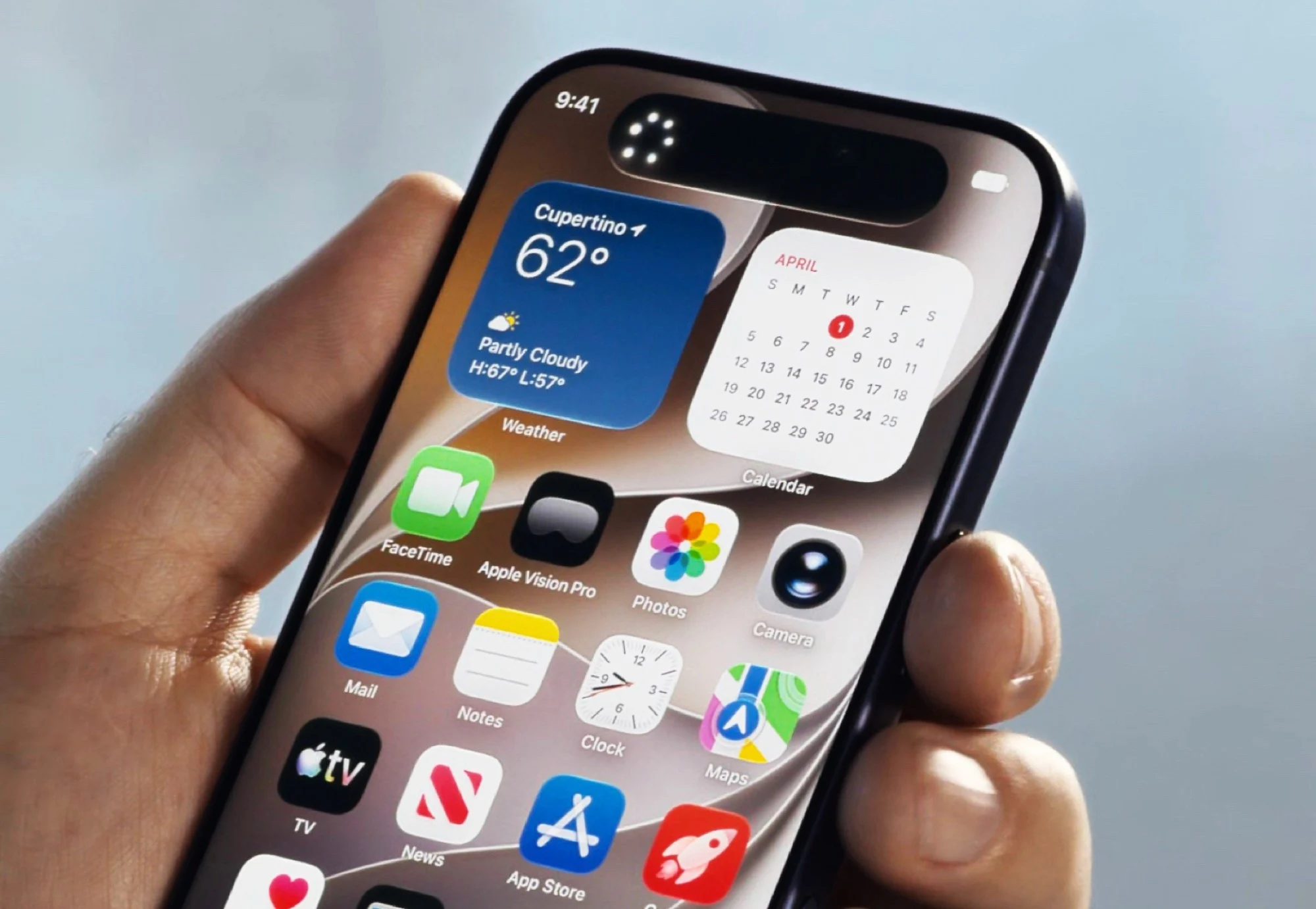
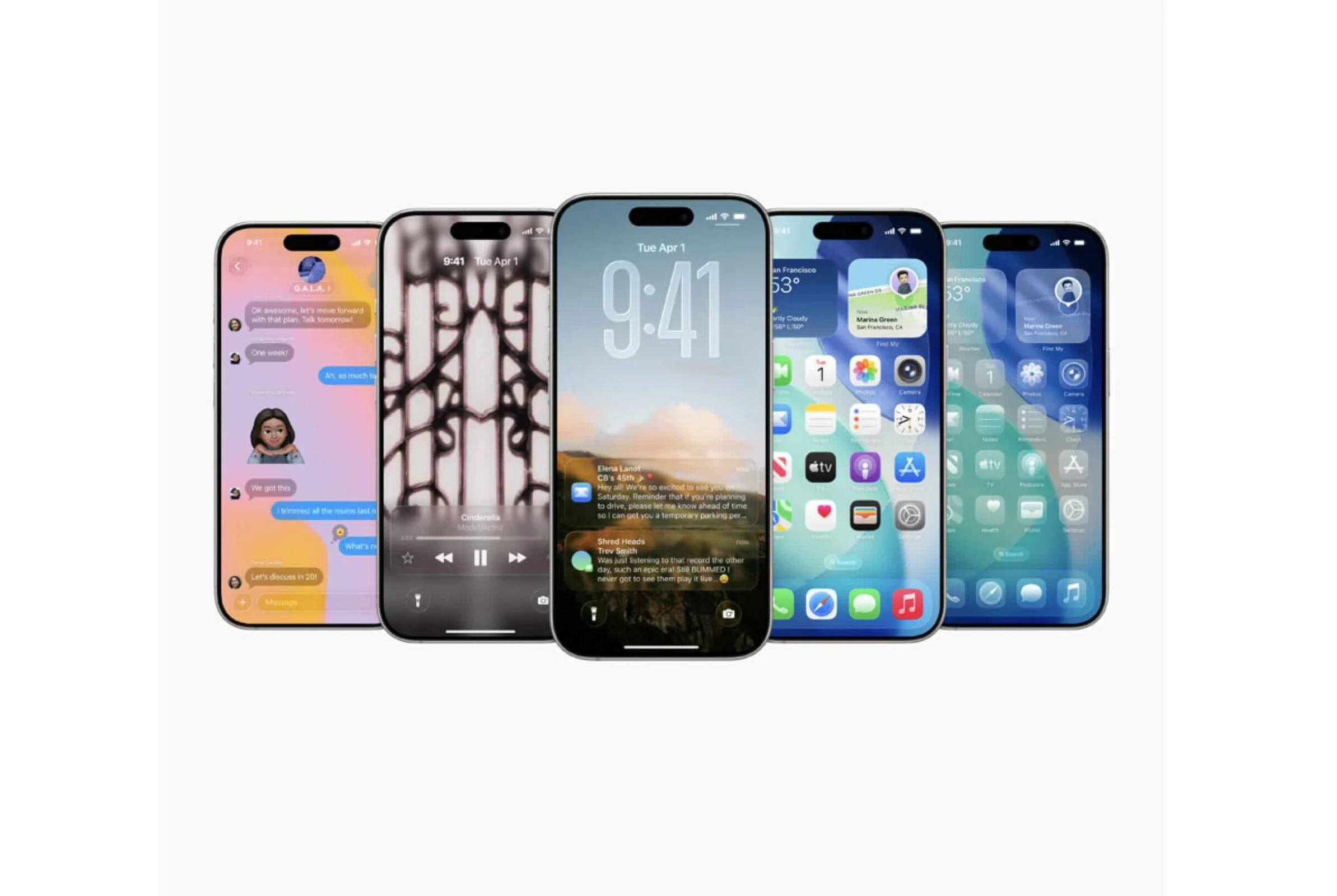
    As important app data is preloaded into the RAM, apps should start up to 30 percent faster – and this also applies to third-party apps. AirDrop file transfers should be completed 80 percent faster, and uploading photos to iCloud should also be faster than ever before. Apple revises the “Liquid Glass” design introduced last year, and not only introduces revised app icons and extra-large home screen widgets, but above all a setting that allows users to choose how transparent Apple’s “glass” actually is.

    Revamped Search and Camera Tools

    The system-wide Spotlight search is designed to index the content of various file types more reliably and find this data more quickly. The camera app has been given the option to record panoramas with depth data so that they can be viewed in 3D with Apple Vision Pro. Another new feature is the ability to adjust the sound of AirPods to your own preferences using an equalizer.

    Parental Controls and Safety

    Improved parental control options make it possible to set which apps, websites and contacts children are allowed to use. If the child wants to use a new app or website, a parent can be asked for permission at the touch of a button. Violent photos or videos should be automatically blocked in Apple Messages.

    Advancements in Apple Intelligence

    As befits tech giants in 2027, Apple has also announced new AI features. Apple Intelligence will offer more features than ever before in iOS 27 and will be able to access both the screen content and the features of the currently open app to simplify interactions. Apple combines an improved Large Language Model that runs locally on the iPhone with Google Gemini, but still wants to protect users’ data.

    Introducing Siri AI

    The highlight of these new AI features is “Siri AI”, a fundamentally revised version of the voice assistant. Siri AI is more reminiscent of ChatGPT than older versions of Siri, as the assistant can hold conversations and has its own app in which previous conversations can be read up on. As Siri can access the screen content and apps, it can, for example, ask questions about a website or an open photo or enter a route in Google Maps. The camera app gets a “Siri mode” to use these features through the iPhone’s camera. Siri also has a much more natural voice on newer iPhones.


    Sources

  • iOS 16 Faces Adoption Issues Amid Liquid Glass UI Criticism

    iOS 16 Faces Adoption Issues Amid Liquid Glass UI Criticism

    Key Takeaways

    1. User reactions to iOS 26 are mixed, with some praising Liquid Glass and others finding design updates overwhelming.
    2. Adoption rates for iOS 26 are low at 15.2%, significantly lower than previous versions like iOS 18 (63%).
    3. iOS 26 features design changes focusing on translucency that have disappointed many users.
    4. Despite mixed reactions, iOS 26 introduces positive features like call screening, new iMessage options, and enhanced CarPlay.
    5. iOS 18 will continue to receive support for several years, allowing users time to adapt to the new interface.


    Apple’s iOS 26 was revealed about six months ago, and the response from users has been quite mixed. While some praised Apple’s innovative use of Liquid Glass, others felt that the design updates were too much and not very user-friendly in certain situations.

    Adoption Rates Tell a Story

    The varied reactions to iOS 26 can be seen in the latest adoption statistics. As per StatCounter, around 15.2% of iPhone users have switched to iOS 26. It’s been over four months since the new iOS was released to all compatible iPhone users, making this adoption rate a bit hard to swallow.

    Comparison with Previous Versions

    In comparison, CultOfMac notes that the earlier version, iOS 18, achieved a remarkable 63% adoption in a similar period. Likewise, iOS 17 and iOS 16 also had significantly higher adoption rates than iOS 26, with figures of 54% and 62%, respectively.

    User Reactions to Design Changes

    The design modifications introduced with iOS 26, which focus on translucency and diffusion effects, have left many iPhone users feeling quite let down. Although Apple does not enforce yearly iOS updates, they make the upgrade process very easy to encourage users to adopt the latest version. However, it seems that even Apple’s user-friendly update system is having a tough time persuading people.

    On the plus side, iOS 26 introduces several exciting features that received positive feedback, including call screening, new iMessage options like polls and custom backgrounds, and enhanced CarPlay features. For those who really dislike the new user interface, there’s a way to minimize the translucency by adjusting the settings from ‘Clear’ to ‘Tinted.’

    In conclusion, it appears that iOS 18 will continue to be supported for several more years, giving loyal Liquid Glass critics some time to adjust and breathe easy for the time being.

    Source:
    Link


  • iOS 26 Official Release Date Announced

    iOS 26 Official Release Date Announced

    Key Takeaways

    1. iOS 26 will be officially released on September 15.
    2. The operating system features a new visual style called “Liquid Glass.”
    3. User reactions to the Liquid Glass design are mixed.
    4. AI features have been enhanced, including automatic call screening and on-device models.
    5. Specific iPhone models will be compatible with iOS 26 on the release date.


    It’s confirmed: iOS 26 is set to be released on September 15.

    Although the spotlight was on the new devices Apple showcased during its event today, the operating system powering these sleek smartphones now has its official launch date. Users will be able to install Apple’s iOS 26 on Monday, September 15.

    New Look for iPhones

    iOS 26 comes with a significant overhaul to the visual style of iPhones, featuring what Apple refers to as “Liquid Glass.” This new look has sparked quite a debate; those who tried the beta version of iOS 26 seem to either really like or strongly dislike Liquid Glass.

    Enhancements in AI Features

    The updated operating system will also enhance Apple Intelligence, which has had mixed reviews. Among the new functionalities are features such as automatic call screening, AI models that work on the device, and additional improvements.

    Compatible iPhones

    The following iPhones will be able to run iOS 26 and will be ready for installation on September 15.

    Source:
    Link


  • iOS 26 Liquid Glass UI Criticized for Poor Readability Issues

    iOS 26 Liquid Glass UI Criticized for Poor Readability Issues

    Key Takeaways

    1. User Feedback on Readability: Many users, including a notable response on X, criticize the new Liquid Glass UI design for negatively impacting readability, suggesting it may not meet user needs.

    2. Apple’s Vision: Apple aims to create a visually appealing and dynamic UI with Liquid Glass that enhances user focus on content, as highlighted during the WWDC25 keynote.

    3. Achievements in Design: The updated iOS 26 UI showcases impressive animations and sleek design, but the visual effects are causing readability challenges, particularly in the Lock Screen.

    4. Proposed Solutions: Suggestions for improvement include using a more intense background blur, adding color tints to UI elements, and incorporating features like drop shadows to enhance visibility.

    5. Opportunity for Improvement: With iOS 26 still in Beta, Apple has time to address user feedback and make necessary adjustments to enhance the user experience before the full release.


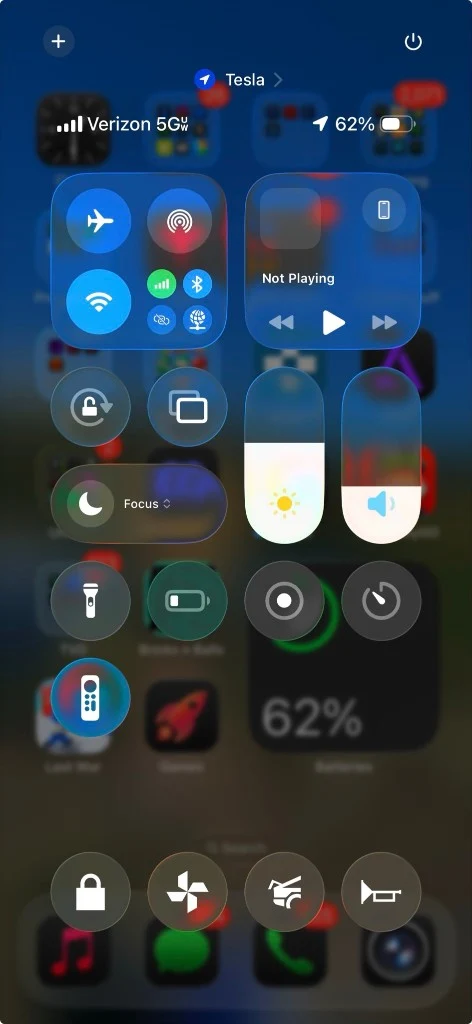
    “Steve Jobs would have fired everyone” was the response of a user on X after witnessing Apple’s innovative “Liquid Glass” software design in use. This post has racked up over 18.5 million views on X, pointing out that the iOS Control Center with the new user interface (UI) design reveals how the transparent quality and gentle blur can negatively impact readability.

    Apple’s Vision for Liquid Glass

    During the WWDC25 keynote, Apple highlighted that the UI components made from Liquid Glass are designed to be “more expressive and delightful,” and they “dynamically transform to help enhance focus on content.” It’s evident that Apple’s goal with this new UI, which spans its ecosystem from macOS 26 to TVOS 26, is to create a modern, visually appealing UI redesign that doesn’t sacrifice functionality.

    Achievements and Challenges

    Overall, Apple has made significant strides. For example, the updated iOS 26 UI is impressively sleek, featuring some of the industry’s finest animation techniques. The individual UI elements seem to come alive with a gentle bounce and responsive interactions. Yet, the visual aspects of the Liquid Glass design appear to be the source of most issues.

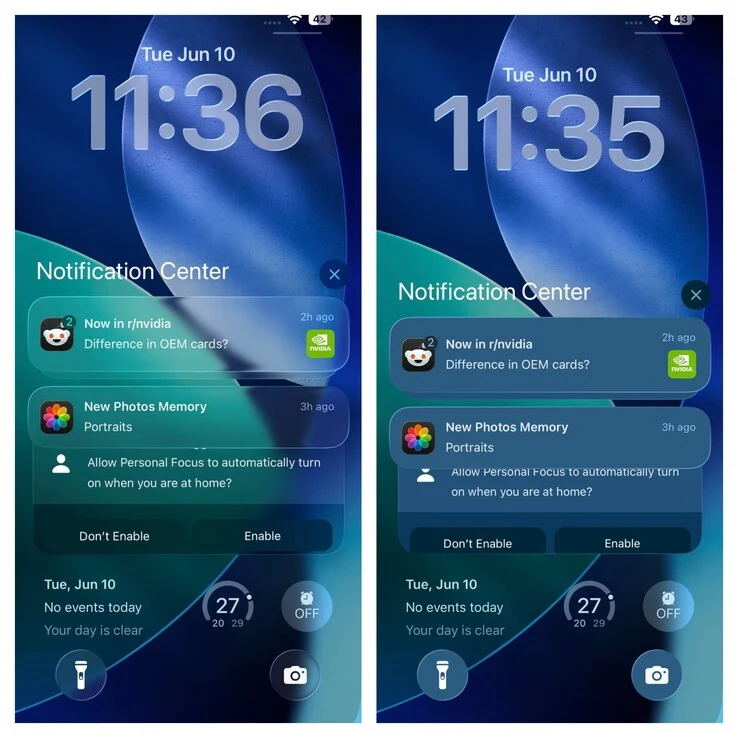
    Consider the iOS Lock Screen, where our own Vaidyanathan S. demonstrates on X that the iOS 26 Lock Screen looks much clearer and simpler to read when transparency is disabled.

    Readability Issues

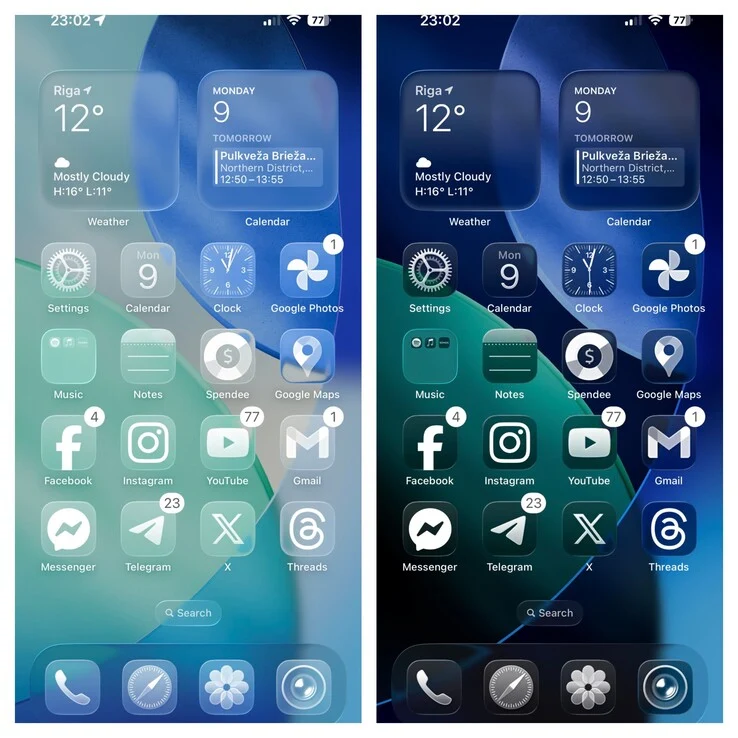
    Readability takes a hit when the UI is set to the new “Clear Light” mode. Thanks to the translucent effects of Liquid Glass, iOS 26 is more visually appealing when displayed in “Clear Dark” mode.

    One straightforward solution would be for Apple to apply a more intense background blur, allowing the foreground UI elements to pop. Right now, the background blur is somewhat too soft, making information-dense elements like the Control Center harder to read.

    Another potential solution could be to add a color tint to the Liquid Glass material, which would help clear UI elements stand out against a bright background.

    Additionally, @XorDev, a graphics programmer, proposes enhancements like Drop Shadows, Tone Mapping, and more as possible improvements.

    Looking Ahead

    Fortunately, iOS 26 remains in Beta and won’t be fully released for several more months. This gives Apple ample time to consider this feedback and make necessary adjustments.

    Source:
    Link


  • Apple’s iPhone Anniversary: iOS 26 Hints at New Design

    Apple’s iPhone Anniversary: iOS 26 Hints at New Design

    Key Takeaways

    1. iOS 26 features a redesigned user interface with a “Liquid Glass” effect, emphasizing transparency and blurred backgrounds.
    2. The new iPhone design is set to be revealed on the 20th anniversary of the original iPhone, marking a shift from the iPhone 16 design.
    3. The upcoming iPhone model, likely the iPhone 19 Pro, will be predominantly made of glass with a glass frame and rounded edges.
    4. The screen will have extremely thin bezels and will eliminate the punch-hole design, placing the selfie camera and Face ID sensors beneath the display.
    5. The anniversary model is internally codenamed “Glasswing,” and may include a cutting-edge battery made entirely from silicon.


    Apple is set to launch iOS 26 at WWDC in just a few hours. This new version will provide the iPhone with a completely redesigned user interface that emphasizes transparency, lighting, and shadows more than ever before. Windows, buttons, and pop-ups will appear as if they are crafted from frosted glass, creating a blurred effect with the objects behind them. This “Liquid Glass” interface aims to divert attention from the fact that the company lacks any major AI innovations.

    A Glimpse of the Future

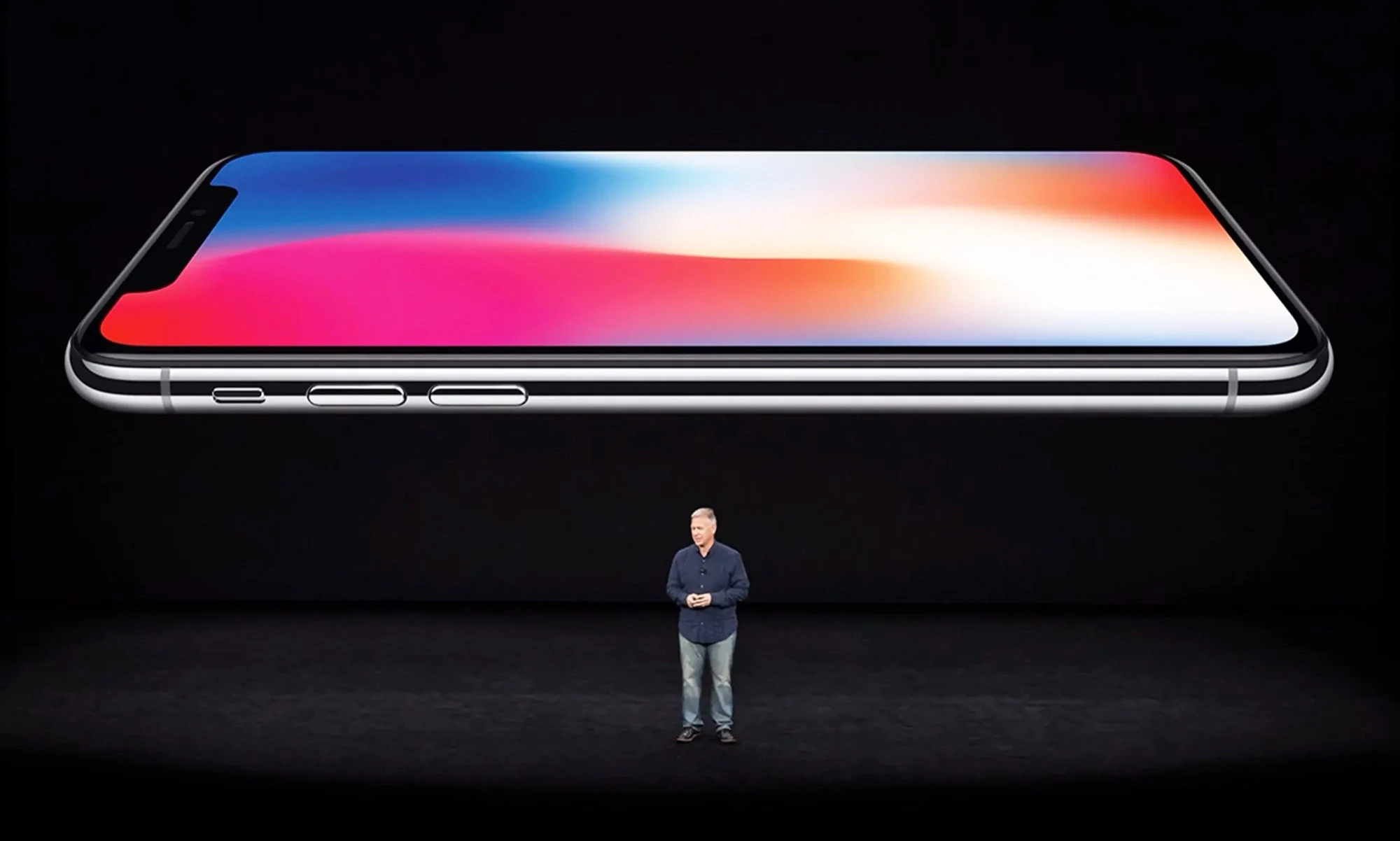
    Bloomberg reports that iOS 26 also serves as a sneak peek at the iPhone’s new glass design, which is expected to be revealed on the 20th anniversary of the original iPhone. This marks Apple’s decisive move away from the iPhone 16 design after over six years. The upcoming model, likely to be the iPhone 19 Pro, is anticipated to hit the market in 2027. According to Bloomberg, this iPhone will be almost entirely constructed from glass, with the frame reportedly transitioning from titanium to glass, and the display will have rounded edges on all four sides.

    Design Innovations

    The bezels of the screen are rumored to be “extraordinarily thin,” and Apple is believed to be eliminating the punch-hole design altogether. For the first time on the iPhone 19 Pro, both the selfie camera and Face ID sensors will be installed discreetly beneath the display. The anniversary model has supposedly been given the internal codename “Glasswing,” named after a butterfly known for its transparent wings. Previous speculations also suggested the inclusion of a cutting-edge battery made entirely from silicon, moving away from the current mix of about 20% silicon and carbon.

    Source:
    Link