Tag: Apple Intelligence

  • WWDC: Apple Siri’s iOS 27 Update Prevents AI Bias

    WWDC: Apple Siri’s iOS 27 Update Prevents AI Bias

    Key Takeaway

    – Apple’s Siri AI overhaul uses AFM models and Google Gemini, rolling out in iOS 27 and macOS 27.
    – Apple grounds Siri with explicit instructions that it has no emotions, identity, or personal history.
    – Siri AI gains new capabilities like on-screen context awareness and data analysis from apps.
    – Data encryption remains under Apple’s Private Cloud Compute, not shared with Google or Nvidia.
    – Apple prioritizes keeping Siri a neutral, reliable tool to avoid bias or persona issues seen in other AI.


    Siri AI Gets a Major Overhaul

    Apple has finnaly introduced a long-awaited yet tightly controlled overhaul of Siri, now called Siri AI. It is powered by Apple’s latest Apple Intelligence foundation models and supported by Google Gemini technology at WWDC 2026.

    Rollout and Foundation Models

    Siri AI will roll out in iOS 27 and macOS 27 Golden Gate, featuring three foundational AFM models. Apple is trying to keep Siri tightly controlled to ensure it doesn’t develop its own biases or identities, similar to controversies surrounding other AI agents.

    Key Instructions Baked Into the System

    The very first, somewhat alarming, instructions baked into Siri’s new AI system tell it in clear terms that it is nothing more than software. This information comes from Creative Strat analyst Max Weinbach, who has been testing the upcoming version of Siri via the iOS 27 beta.

    What the Instructions Say

    In his post, he shared the exact instructions Apple gave to Siri. According to Weinbach’s post on X, “You are software; you do not experience emotions or have a physical body, gender, nationality, or personal history.” This reminder appears early in prompts and is reportedly part of most interactions with Siri AI, giving the company consistent grounding no matter what personal or on-screen context Apple’s updated AI assistant draws on.

    Capabilities and Safeguards

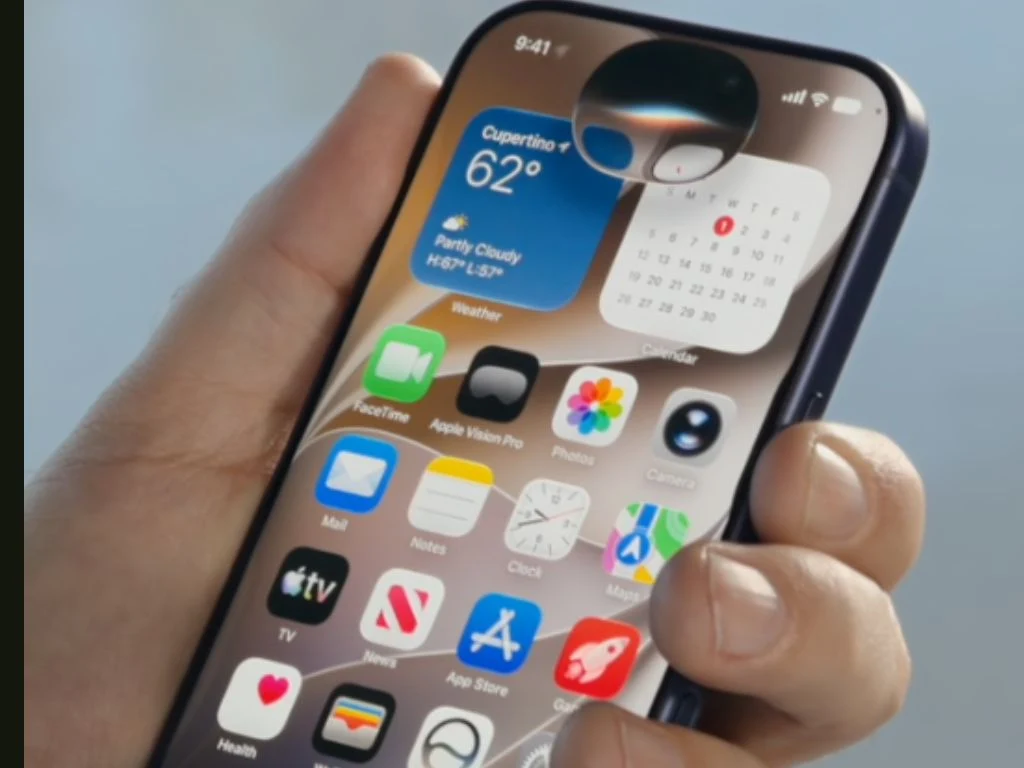
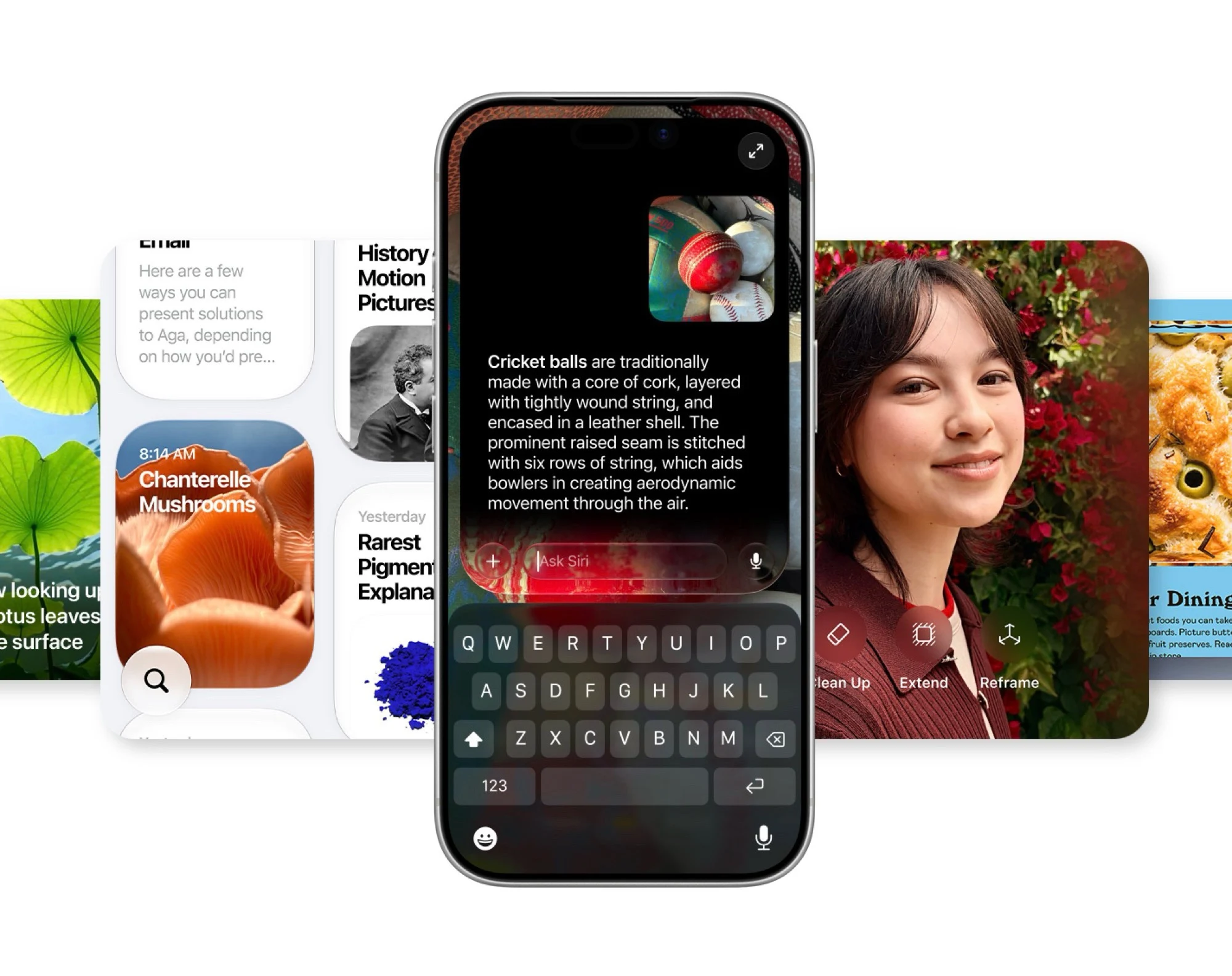
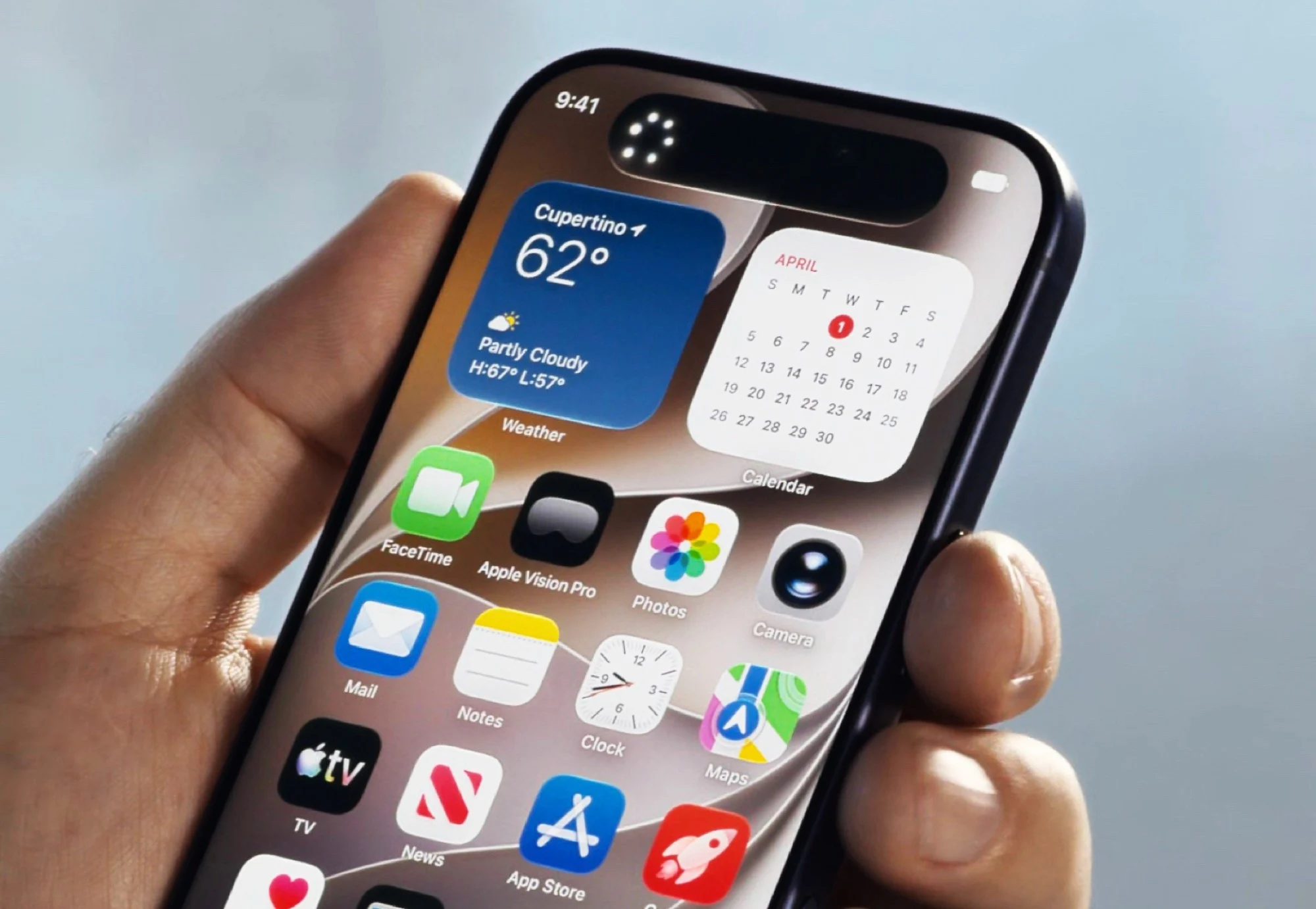
    The added safeguards make sense when you consider what the new Siri AI can do. At WWDC 2026, Apple showed off a much more feature-rich version of Siri, which hides in the Dynamic Island, actively understands the on-screen context, and analyzes and extrapolates data from photos, personal information, Messages, Mail, and more to perform tasks more accurately.

    Apple’s Description and Privacy

    Apple has called the new Siri AI update “a profoundly more capable and personal assistant.” All data encryption is handled by Apple Intelligence features and will not be shared with Google Gemini or Google Cloud, or with Nvidia, which powers the cloud infrastructure via its flagship Blackwell B200 GPUs. To prevent Siri from ever going rogue, Apple emphasizes that Siri has no emotions, identity, or backstory, helping ensure the assistant remains helpful and neutral even with full access to your data, which is protected by Apple’s Private Cloud Compute features.

    Comparison to Other AI Agents

    While other AI agents do at times awkwardly try to adopt a persona, Apple has toned down Siri and kept it tightly controlled to ensure it functions as a reliable tool for getting tasks done. The company first announced Apple Intelligence at WWDC 2024, but failed to impress its investors and audience with the stock dropping nearly 2% after the first day of the conference.
    Sources
  • Apple AI requires 12GB RAM and subscription only

    Apple AI requires 12GB RAM and subscription only

    Key Takeaway

    – Apple Intelligence is region-restricted: unavailable on EU iPhones/iPads, but functional on Macs with English settings.
    – Full AI features require high-end hardware: at least iPhone 17 Pro, iPad with M4, or Mac with M3 and 12GB+ RAM.
    – On-device Foundation model supports core features (e.g., Siri), while cloud-based tasks (e.g., image generation) use Google Gemini.
    – Daily usage limits apply to cloud AI tasks; an iCloud+ subscription is needed to increase limits.
    – EU users face partial exclusion, though some AI features (e.g., photo editing) remain accessible in the region.


    While iOS 27, iPadOS 27 and macOS 27 recieve performance improvments and design optimizations, Apple’s focus is clearly on catching up with Windows and Android in terms of artificial intelligence. However, if you want to use all the features, there are three restrictions – region, hardware and subscription requirements.

    Regional and EU Limitations

    Apple once again leaves the European Union out of the equation, at least to some extent. This is because users from the EU cannot use Apple’s chatbot on the iPhone or iPad for the time being. Interestingly, however, this does not apply to the Mac – if you switch macOS 27 to English, you can also use Siri AI in Europe. Other Apple Intelligence features, such as the ability to edit photos using AI, are also available in the EU.

    Hardware Requirements and RAM Needs

    Apple Intelligence is still available on the iPhone 15 Pro (Max), on the iPhone 16, on Macs and iPads with Apple M1, on the MacBook Neo and on all newer models. However, if you want to use all the features, you need significantly more modern hardware, namely at least an iPhone 17 Pro (Max), an iPhone Air, an iPad with Apple M4 or a Mac with Apple M3 and at least 12 GB RAM.

    Due to the RAM requirements, even the iPhone 17 is missing from this list. Those who meet these requirements can make use of Apple’s new Foundation model, which runs directly on the device instead of on a server. At least for now, this model is only required for a few features, such as Siri’s more natural voice, which can be personalized.

    Cloud Subscription and Usage Limits

    Not all AI features can be executed directly on the end device. Those who generate images, for example, do not use Apple’s Foundation model, but Google Gemini. For this reason, there are daily usage limits for these features. An iCloud+ subscription is required to generate more images. The same applies to AI object recognition for smart home cameras in Apple Home. Apple has not yet confirmed which limits apply to which subscriptions.

    • Apple (1) (2)


  • Apple iOS 27: Faster iPhones, Liquid Glass & Siri Upgrade

    Apple iOS 27: Faster iPhones, Liquid Glass & Siri Upgrade

    Key Takeaway

    – iOS 27 supports all iPhones from iPhone 11 to iPhone 17, with a revised CPU scheduler improving fluidity on older models.
    – Apps launch up to 30% faster due to RAM preloading, AirDrop is 80% faster, and iCloud photo uploads are accelerated.
    – New AI features include “Siri AI” with conversational ability, screen and app access, and a dedicated app for reviewing chats.
    – Enhanced parental controls allow blocking apps/websites/contacts and automatic blocking of violent content in Messages.
    – The camera app adds panoramic depth data for 3D viewing on Apple Vision Pro and a “Siri mode” for AI interactions.


    Together with macOS 27 Golden Gate, Apple also unveiled iOS 27 today. The next major operating system update for Apple’s smartphones will be released for every iPhone that also runs iOS 26, meanin that the operating system is compatible with all models from the iPhone 11 to the iPhone 17. Older smartphones should benefit particularly strongly from the new operating system, as Apple has revised the CPU scheduler, which should make the system feel more fluid.

    Performance and Speed Upgrades

    As important app data is preloaded into the RAM, apps should start up to 30 percent faster – and this also applies to third-party apps. AirDrop file transfers should be completed 80 percent faster, and uploading photos to iCloud should also be faster than ever before. Apple revises the “Liquid Glass” design introduced last year, and not only introduces revised app icons and extra-large home screen widgets, but above all a setting that allows users to choose how transparent Apple’s “glass” actually is.

    Revamped Search and Camera Tools

    The system-wide Spotlight search is designed to index the content of various file types more reliably and find this data more quickly. The camera app has been given the option to record panoramas with depth data so that they can be viewed in 3D with Apple Vision Pro. Another new feature is the ability to adjust the sound of AirPods to your own preferences using an equalizer.

    Parental Controls and Safety

    Improved parental control options make it possible to set which apps, websites and contacts children are allowed to use. If the child wants to use a new app or website, a parent can be asked for permission at the touch of a button. Violent photos or videos should be automatically blocked in Apple Messages.

    Advancements in Apple Intelligence

    As befits tech giants in 2027, Apple has also announced new AI features. Apple Intelligence will offer more features than ever before in iOS 27 and will be able to access both the screen content and the features of the currently open app to simplify interactions. Apple combines an improved Large Language Model that runs locally on the iPhone with Google Gemini, but still wants to protect users’ data.

    Introducing Siri AI

    The highlight of these new AI features is “Siri AI”, a fundamentally revised version of the voice assistant. Siri AI is more reminiscent of ChatGPT than older versions of Siri, as the assistant can hold conversations and has its own app in which previous conversations can be read up on. As Siri can access the screen content and apps, it can, for example, ask questions about a website or an open photo or enter a route in Google Maps. The camera app gets a “Siri mode” to use these features through the iPhone’s camera. Siri also has a much more natural voice on newer iPhones.


    Sources

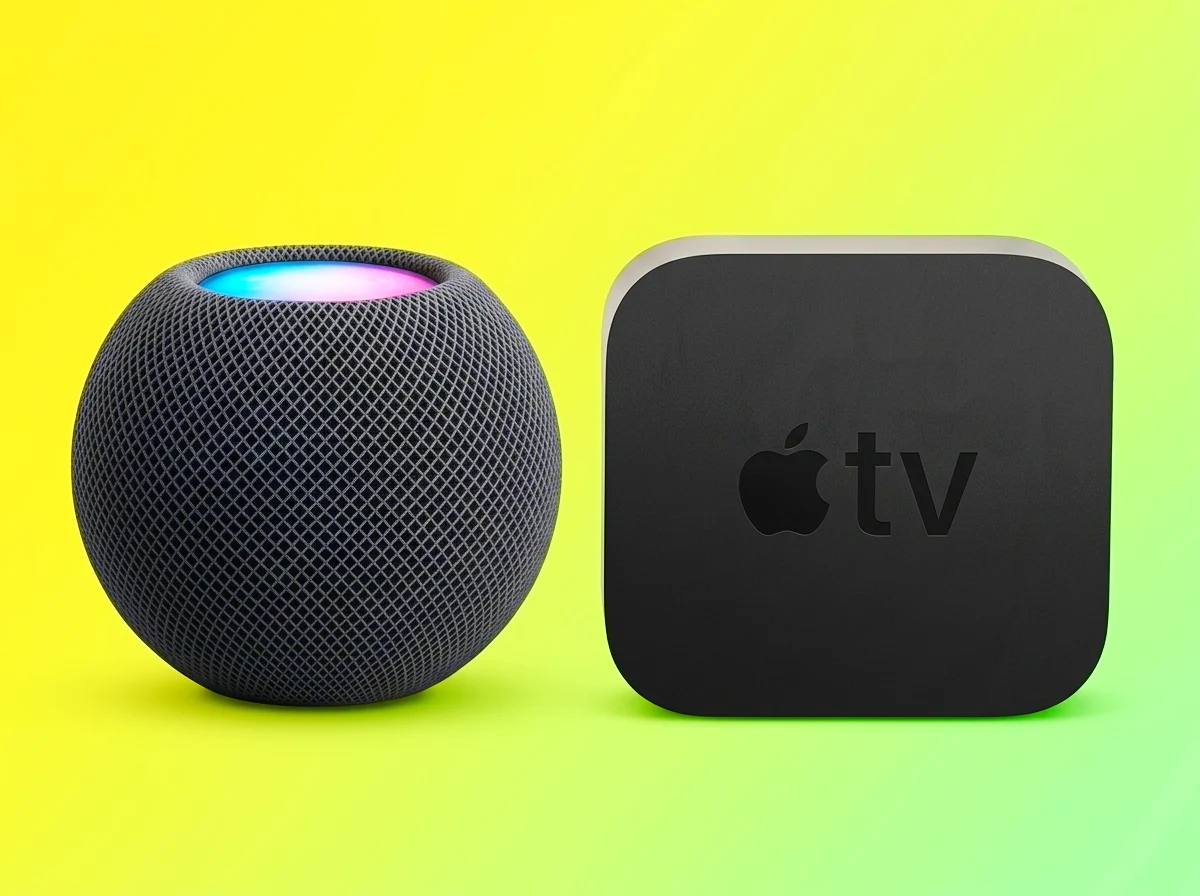
  • Powerful Apple TV with new remote and chip, HomePod mini 2026 launch imminent, reveals leak

    Powerful Apple TV with new remote and chip, HomePod mini 2026 launch imminent, reveals leak

    Key Takeaway

    – Apple TV and HomePod mini hardware refreshes are finished but delayed by postponed AI-powered Siri rollout.
    – The updates are driven by need for compute power to run next-generation “Apple Intelligence.”
    – Launch is strategically timed to coincide with major software overhaul (iOS 27, tvOS, HomePod updates).
    – Apple delayed releases to avoid launching home devices that couldn’t fully utilize the new AI assistant.
    – Hardware is expected to debut in fall 2026, following a preview at WWDC 2026.


    Future Updates for Apple TV and HomePod mini Leaked

    In a lengthy report dominated by future plans for the first Apple smart glasses, the company’s home entertainment lineup is also due for a long-awaited update, says one of the top tipsters. The leaked info assures Apple users that hardware refreshes for both the Apple TV and HomePod mini have been finished and ready for production for months, but were delayed by the postponed rollout of Apple’s revamped AI-powered Siri. This was apparently a big set back for the home lineup, leaving fans waiting for news.

    AI Compute Power is the Core Motivation

    In line with Apple’s broader AI strategy, the primary motivation for these hardware updates is to provide the necessary compute power to run the next generation of “Apple Intelligence.” Once again, according to the leaked info, the reason these devices have not yet hit the shelves is a strategic decision by Apple to ensure they launch in tandem with its major software overhaul. Both products was designed specifically to leverage the advanced AI capabilities debuting in iOS 27 and its corresponding tvOS and HomePod software updates.

    Delayed Launch to Coincide With Software

    Apple has essentially been holding back these hardware releases to avoid launching “smart” home devices that couldn’t fully utilize the company’s new, highly anticipated AI assistant. With the software now scheduled for a release this fall (though we should get a preview at WWDC 2026), these hardware refreshes are expected to finally make their debut, marking a long-overdue update for Apple’s home ecosystem. Bloomberg reported that the devices have been ready for months but where held up by Siri’s rework.

    Sources
  • iOS 27: Generate Genmoji from Photos and Typing Habits

    iOS 27: Generate Genmoji from Photos and Typing Habits

    Key Takeaway

    – Apple allegedly developing an intelligent, proactive Genmoji system that auto-suggests custom emojis from your photo library and typing habits in iOS 27/iPadOS 27.
    – Potentially moves Genmoji from a manual feature to a more everyday-use tool by offering context-aware emoji suggestions.
    – Privacy concerns arise over on-device vs. cloud processing and the handling of personal photos and typing history.
    – Unclear whether the new system will run entirely on-device, continuing Apple’s Apple Intelligence emphasis.

    New Bloomberg Leak Hints at Genmoji Upgrades in iOS 27

    rumors from Bloomberg’s Mark Gurman suggest Apple is tinkering with Genmoji in a fresh update, this time pegged to iOS 27 and iPadOS 27. the report describes an “intelligent recommendation” system that could auto generate emoji suggestions from photos in the user’s gallery and the typing patterns they develop over time. the tone here mixes curiosity with caution as we await official confirmation, since these features tread close to personal data use.

    What Genmoji Has Been and Could Become

    Genmoji showed up in iOS 18.2 as part of Apple Intelligence, letting people craft custom emoji from text prompts. later, iOS 26 broadened the slate by letting users blend two emoji styles into a single Genmoji, expanding creative control. if iOS 27 expands this further, it might move beyond a novelty and into a practical daily tool for chats, provided it stays reliable enough to feel non intrusive as conversations flow.

    Proactive Emoji Suggestions on the Horizon

    the upcoming system reportedly tests a keyboard option that would offer auto generated emojis based on what’s in the photo library and the phrases users often type. such a feature could slip into everyday messaging, offering contextually appropriate emoji without manual prompts, provided it learns well and keeps up with diverse chat topics. privacy and on-device processing remain hot topics in this discussion.


    Sources

  • Cheapest iPad with New Siri and Apple Intelligence Launching Soon

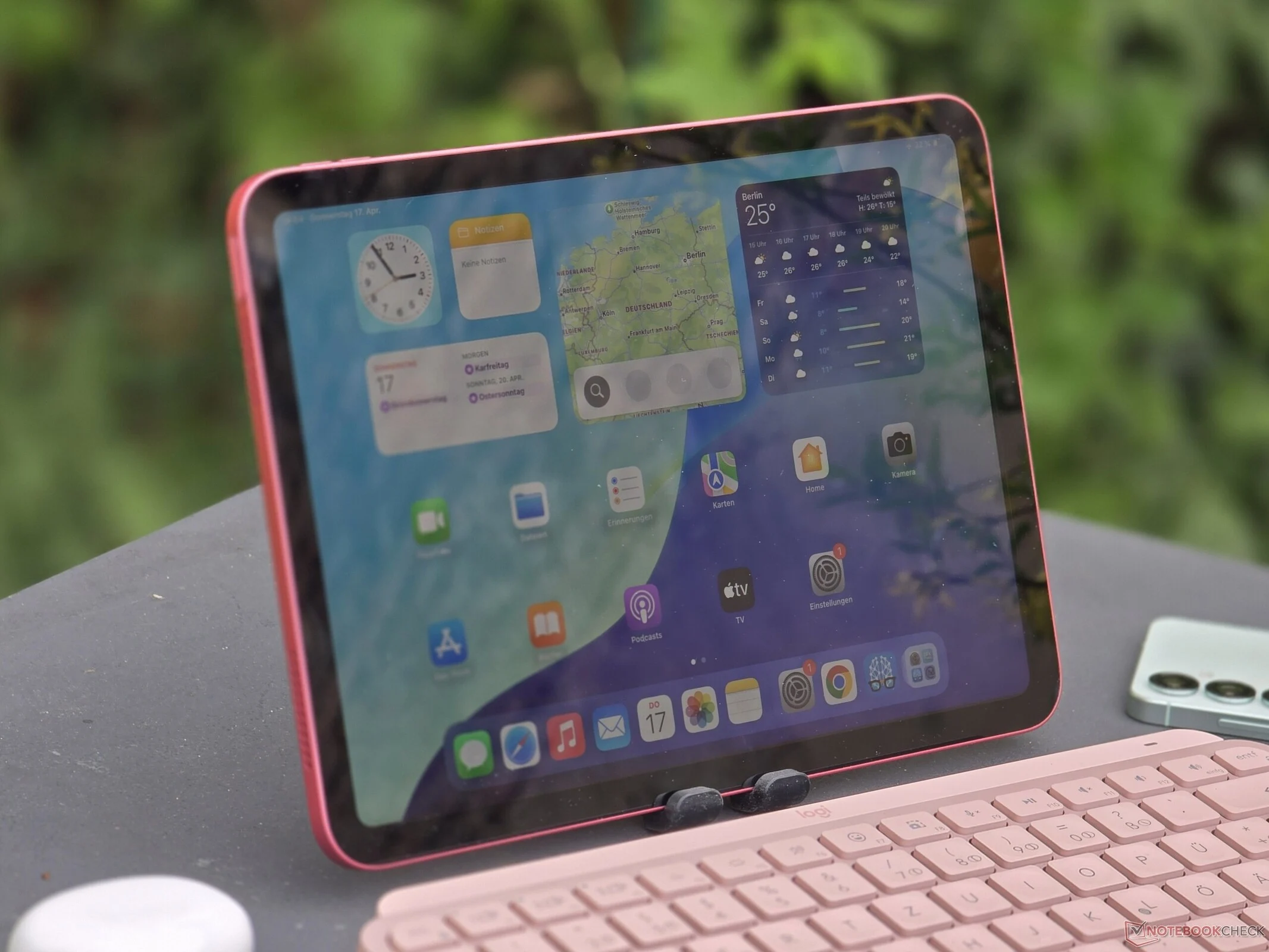
    Cheapest iPad with New Siri and Apple Intelligence Launching Soon

    Key Takeaways

    1. The upcoming iPad 12 is expected to launch before the end of 2026, according to Mark Gurman from Bloomberg.
    2. The new iPad may feature the A18 chip from the iPhone 16, rather than the rumored A19 chip from the iPhone 17.
    3. Apple aims to update all its devices to support upcoming AI-driven functions, enhancing features like Siri and writing tools.
    4. There are no major design changes expected for the iPad 12; the design will likely remain similar to the current model.
    5. The current entry-level iPad 11, released in March 2025, includes a 10.9-inch display, A16 Bionic chip, and a 12MP front camera.


    Apple has recently launched a variety of new products, but the basic iPad still seems to lag behind. According to Mark Gurman from Bloomberg, the upcoming iPad 12 is “set to go” and is expected to launch before the end of 2026.

    Speculations on the Chip

    Early rumors hinted that the new iPad might feature the A19 chip, which is also in the iPhone 17. However, Gurman suggests that it’s more likely that the iPad will use the A18 chip from the iPhone 16. Both chips are equipped with 8GB of RAM, which is sufficient for running Apple Intelligence.

    Focus on Integration

    Apple’s main aim is to update all its devices, including iPhones, iPads, and Macs, in preparation for Apple Intelligence. This hardware upgrade will allow the entry-level iPad to support upcoming AI-driven functions, such as an improved Siri and enhanced writing tools.

    Sadly, besides the chip upgrade, there are no anticipated major design alterations; it seems the design will remain similar to the current model, as previously indicated. Yet, there’s still hope that Apple might surprise us with an increase in base storage to 256GB.

    Current Model Details

    The existing entry-level iPad 11, which came out in March 2025, is the cheapest iPad available directly from Apple. It boasts a 10.9-inch Liquid Retina display, the A16 Bionic chip (with 6GB of RAM), a USB-C port, a landscape 12MP front camera, and works with Apple’s Magic Keyboard Folio.

    Source:
    Link


  • 12th-Gen iPad Launching Soon with Major Upgrades

    12th-Gen iPad Launching Soon with Major Upgrades

    Key Takeaways

    1. The iPad 2026 (12th-gen) will feature a new A19 SoC, similar to the iPhone 17.
    2. RAM will increase from 6 GB to 8 GB, allowing for better Apple Intelligence capabilities.
    3. Storage enhancements are unlikely as the 2025 model received an upgrade recently.
    4. The iPad 2026 will include Apple’s N1 chip, enabling Wi-Fi 7 capabilities.
    5. The release may be delayed due to a memory shortage, and a price increase is expected.


    MacWorld has discovered some intriguing new details regarding the forthcoming iPad 2026/12th-gen. It will feature a new A19 SoC that is also present in the base iPhone 17, along with a necessary increase in memory from 6 GB RAM to 8 GB RAM. This upgrade should theoretically enable it to utilize Apple Intelligence capabilities, which are currently limited to the iPad Air and iPad Pro models.

    Storage Considerations

    A storage enhancement appears to be unlikely since the 2025 model recently received an upgrade. Conversely, the iPad 2026 will come equipped with Apple’s N1 chip, which will enable Wi-Fi 7 capabilities. This makes the base iPad an even more attractive option compared to its previous versions, as it effectively presents features akin to the iPad Air but at a more affordable price.

    Release Timeline and Pricing

    Apple launched the iPad (2025) back in March. Ideally, the 12th-gen iPad should be revealed around the same time this year. However, there is a strong possibility that it might be delayed due to the current memory shortage issue. Considering the various enhancements it promises and the soaring costs of memory, a price hike seems likely.

    MacWorld’

    Source:
    Link


  • iPhone 18 Expected to Get Major Upgrade in Key Specifications

    iPhone 18 Expected to Get Major Upgrade in Key Specifications

    Key Takeaways

    1. The entry-level iPhone 18 may receive a 50% increase in RAM, potentially reaching 12 GB.
    2. Apple is sourcing LPDDR5X RAM from suppliers like Samsung, SK Hynix, and Micron for the iPhone 18.
    3. The current iPhone 17 has 8 GB of RAM, while the iPhone Air, 17 Pro, and 17 Pro Max have 12 GB each.
    4. Increased RAM is necessary to support enhanced AI capabilities in future iPhone models.
    5. The official reveal of the iPhone 18 is expected in Fall 2026.


    The iPhone 18 could be significantly improved in its capability to run Apple Intelligence.

    According to a report from Korean source The Bell, MacRumors has shared that the entry-level iPhone 18 may see a 50% increase in RAM. The Bell indicates that Apple has approached suppliers such as Samsung, SK Hynix, and Micron to order more LPDDR5X RAM for next year’s iPhone models. It’s important to mention that Samsung currently offers LPDDR5X RAM only in 12 GB or 16 GB options.

    Potential RAM Increase

    If this upgrade occurs, the base iPhone 18 would feature 12 GB of RAM, aligning it with the more advanced Pro versions and the possibly forthcoming (though unlikely) iPhone Air 2. For context, the existing iPhone 17 is equipped with just 8 GB of RAM, while the Air, 17 Pro, and 17 Pro Max all have 12 GB of RAM each.

    Speculation and Future Needs

    Naturally, this information remains speculative and should be viewed with caution. Nonetheless, as Apple continues to enhance its Apple Intelligence (its unique AI offering) and on-device AI capabilities, the smartphones will require additional RAM. While 8 GB of RAM is likely adequate for the majority of users and their everyday needs, AI applications are known to be very demanding on memory, so advancing the base iPhone 18 to 12 GB of RAM to support an on-device model seems reasonable.

    We will find out for sure when Apple officially reveals the iPhone 18, which is expected to happen in Fall 2026.

  • AirPods Pro 3: Live Translations Limited to Select iPhone Users

    AirPods Pro 3: Live Translations Limited to Select iPhone Users

    Key Takeaways

    1. Apple introduced the iPhone 17 series, new Apple Watch, and AirPods Pro 3 at the ‘Awe Dropping’ event on September 9.
    2. The AirPods Pro 3 feature live translation, but only users with an iPhone 15 Pro or newer can utilize this function.
    3. Other compatible devices for live translation include the iPad mini (A17 Pro), iPads with M1 or later, Macs with M1 or later, and Apple Vision Pro.
    4. AirPods Pro 2 and AirPods 4 will also support live translation with a firmware update, but the unique ear-to-ear translation feature is exclusive to AirPods Pro 3.
    5. Live translation currently supports English, French, German, Portuguese, and Spanish, with plans to add Italian, Japanese, Korean, and Chinese later this year; AirPods Pro 3 are priced at $249 and launch on September 19.


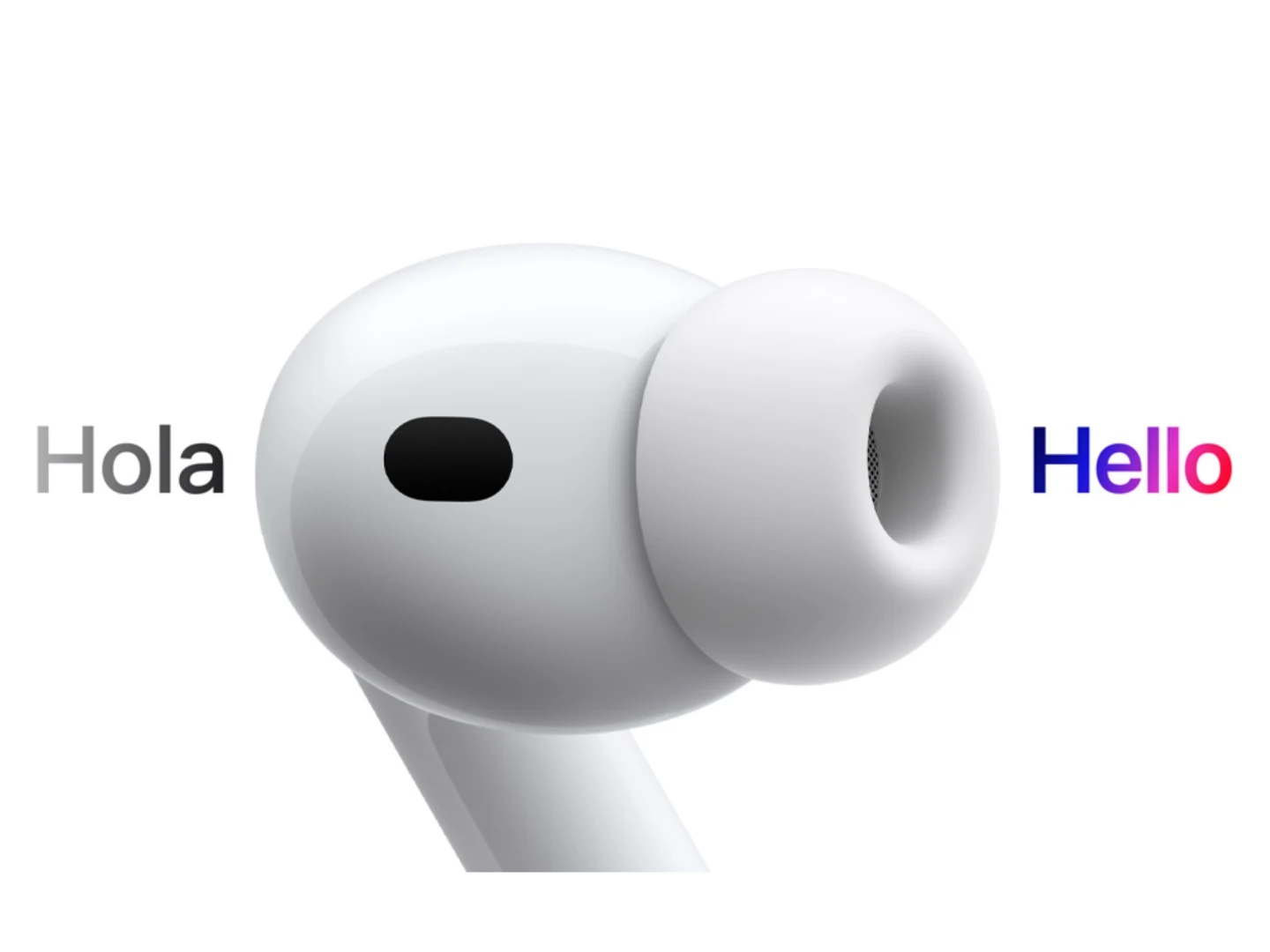
    Apple recently held its ‘Awe Dropping’ event on September 9, where it introduced the new iPhone 17 series, along with the latest Apple Watch and AirPods Pro earbuds. All of these devices come with improved features compared to their predecessors. The AirPods Pro 3, in particular, offer a live translation function that can be very useful for many users. However, it’s important to note that not every iPhone user will be able to utilize this feature, even if they purchase the new earbuds for $249.

    Live Translation Requirements

    Live translation capabilities are powered by Apple Intelligence, and the processing takes place on the connected iPhone. This indicates that the iPhone model must support Apple Intelligence, and Apple has verified that only the iPhone 15 Pro models and newer versions have this support. Hence, if you desire to take advantage of live translation, you’ll need to upgrade to an iPhone 15 Pro or a newer model if you do not already own one.

    Compatibility with Other Devices

    It’s not only iPhones that are compatible; the iPad mini (A17 Pro), iPad models equipped with M1 or later, Macs with M1 or later, and the Apple Vision Pro also support Apple Intelligence features.

    The AirPods Pro 3 aren’t the sole earbuds capable of live translations. With a firmware update, both the AirPods Pro 2 (buy on Amazon) and AirPods 4 (buy on Amazon) will allow users to access this functionality. However, the AirPods Pro 3 provide the unique ability for users to hear translations directly in their ears when both parties are using the Pro 3 earbuds. Even though the translation feature requires an Apple Intelligence-enabled iPhone, which does the processing, it remains uncertain whether AirPods Pro 2 and AirPods 4 users will have the same capability.

    Supported Languages and Pricing

    Currently, live translation supports a limited number of languages, which include English (both UK and US), French (France), German, Portuguese (Brazil), and Spanish (Spain). According to Apple, support for Italian, Japanese, Korean, and Chinese will be added later this year.

    The AirPods Pro 3 are priced at $249 and will officially launch on September 19. Pre-orders are available now on Apple’s website and at various retailers.

    Source:
    Link


  • iOS 26 Official Release Date Announced

    iOS 26 Official Release Date Announced

    Key Takeaways

    1. iOS 26 will be officially released on September 15.
    2. The operating system features a new visual style called “Liquid Glass.”
    3. User reactions to the Liquid Glass design are mixed.
    4. AI features have been enhanced, including automatic call screening and on-device models.
    5. Specific iPhone models will be compatible with iOS 26 on the release date.


    It’s confirmed: iOS 26 is set to be released on September 15.

    Although the spotlight was on the new devices Apple showcased during its event today, the operating system powering these sleek smartphones now has its official launch date. Users will be able to install Apple’s iOS 26 on Monday, September 15.

    New Look for iPhones

    iOS 26 comes with a significant overhaul to the visual style of iPhones, featuring what Apple refers to as “Liquid Glass.” This new look has sparked quite a debate; those who tried the beta version of iOS 26 seem to either really like or strongly dislike Liquid Glass.

    Enhancements in AI Features

    The updated operating system will also enhance Apple Intelligence, which has had mixed reviews. Among the new functionalities are features such as automatic call screening, AI models that work on the device, and additional improvements.

    Compatible iPhones

    The following iPhones will be able to run iOS 26 and will be ready for installation on September 15.

    Source:
    Link