
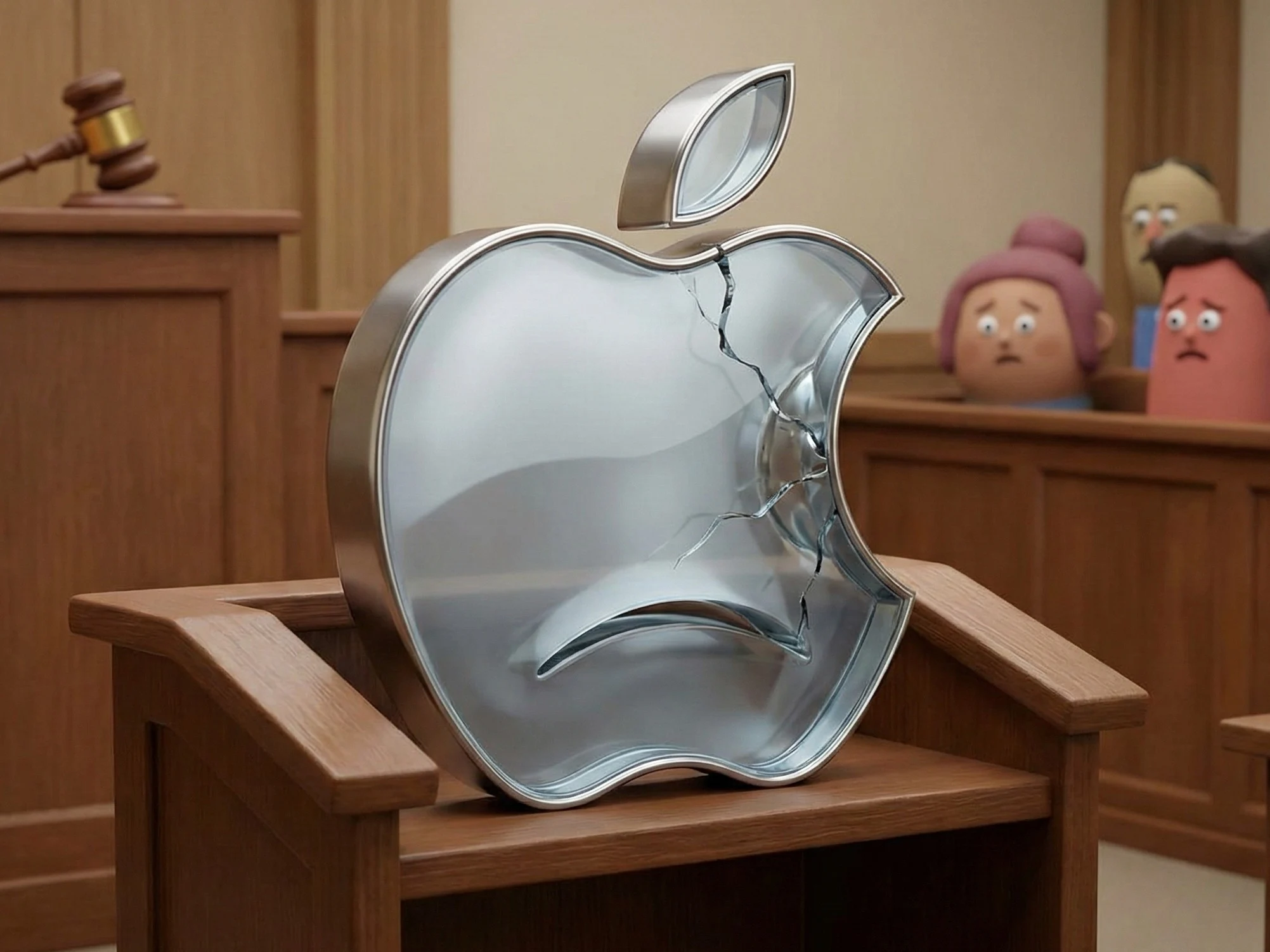
Key Takeaways
1. A UK court found that Apple misused its dominant position in the App Store by imposing a high 30% commission.
2. Apple plans to appeal the ruling, arguing for its current commission system and emphasizing the App Store’s economic contributions.
3. The court suggested lower commission rates of 17.5% on app sales and 10% on in-app purchases.
4. If Apple’s appeal fails, it may lead to more lawsuits against both Apple and Google from developers.
5. Over 2,000 app developers are pursuing a separate legal action against Apple and Google, claiming unfair commission practices.
The ongoing discussion about monopolies in software distribution has gained more attention, especially regarding tech giants like Apple and Google. Recently, a UK court determined that Apple misused its dominant position in the App Store, imposing high prices via its well-known 30% commission, often referred to as the “Apple tax.”
Apple’s Response to the Ruling
In response to this decision, Apple has decided to appeal. The judges were clear in their findings, suggesting that a commission of 17.5% on app sales and 10% on in-app purchases would be more suitable than the standard 30%. Apple disagrees with this assessment, claiming that the judges have a “flawed view” of the app economy. The company emphasizes that the App Store contributed over $55 billion to the UK economy in 2024 and provides a safe platform for developers. Moreover, Apple points out that many developers actually pay a lower commission of 15%.
Implications for Future Lawsuits
If Apple’s appeal does not succeed, it could lead to a wave of similar lawsuits against both Apple and Google. Developers are also joining the fight against these fees. In a separate legal action, more than 2,000 app developers are demanding up to £1 billion in damages, alleging that Apple and Google place unfair burdens on smaller studios with arbitrary commission rates. As a result, the UK courts could pose significant challenges for both Apple and Google by 2026.
The Guardian
Source:
Link
Leave a Reply