Tag: Apple

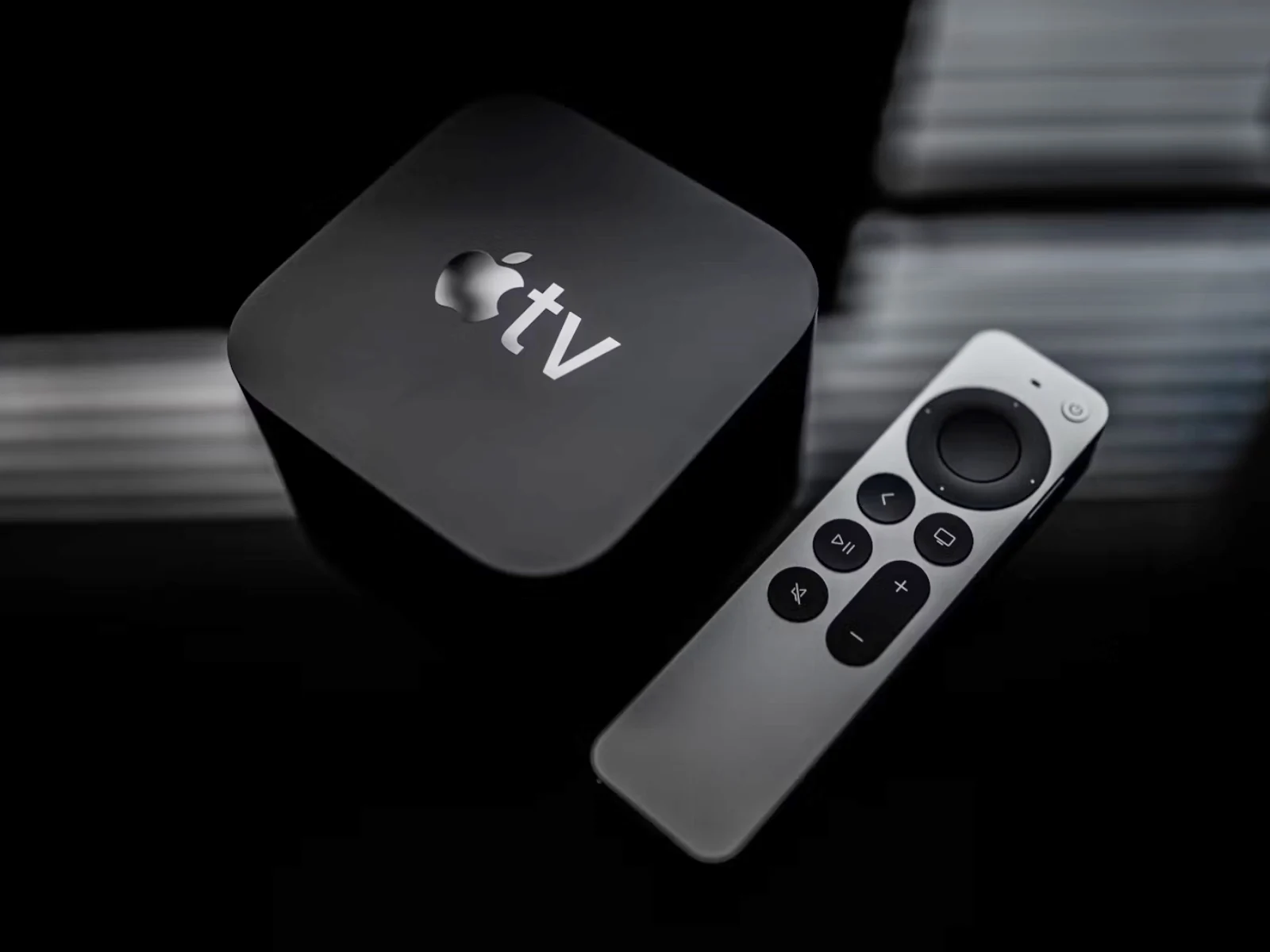
  • Apple Teases Big Announcement on November 12: AirTag 2, HomePod Mini, Apple TV 4K Updates

    Apple Teases Big Announcement on November 12: AirTag 2, HomePod Mini, Apple TV 4K Updates

    Key Takeaways

    1. Apple may launch new products, including a next-gen AirTag, before the end of the year.
    2. The anticipated launch date for these products is around November 12.
    3. Apple is not restocking the Apple TV 4K and HomePod mini, hinting at upcoming updates.
    4. Recent leaks suggest the new Apple TV 4K will feature the A17 Pro chipset and Wi-Fi 7 support.
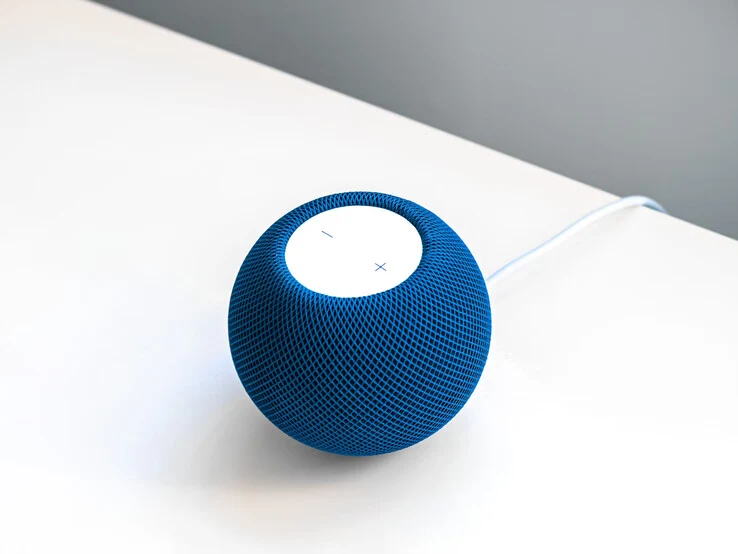
    5. The HomePod mini is also expected to receive Wi-Fi 7 capability, though details on other enhancements are limited.


    Hardly any time has gone since Apple unveiled its revamped iPad Pro tablets, a fresh Vision Pro headset, and a 14-inch MacBook Pro powered by the M5 chip (curr. $1,549 on Amazon). Yet, new reports suggest that Apple is gearing up to launch at least three additional products before the year wraps up, including a next-gen AirTag.

    Anticipated Launch Date

    Echoing earlier speculations, Gurman claims that Apple might be set to showcase a new range of devices as soon as November 12. Currently, the analyst is drawing this conclusion from two main points. Firstly, Apple is not restocking the Apple TV 4K and HomePod mini in markets like the US. Secondly, Gurman notes that Apple has informed retail staff about a possible after-hours update when stores close on November 11.

    Patterns of Store Updates

    Usually, Apple refreshes its store offerings when they are about to announce new gadgets or ahead of the festive season. Since the holidays are still some time away, Gurman leans towards the idea that the update might involve the Apple TV 4K and HomePod mini, but he expresses some uncertainty. According to recent leaks, the upcoming Apple TV 4K is expected to feature the A17 Pro chipset and Wi-Fi 7 support through its N1 modem. The HomePod mini is also rumored to receive Wi-Fi 7 capability; however, not much is known yet regarding other potential enhancements.


    Source:
    Link


  • iPhone 18 Pro Leak: Exciting New Bold Colors Revealed

    iPhone 18 Pro Leak: Exciting New Bold Colors Revealed

    Key Takeaways

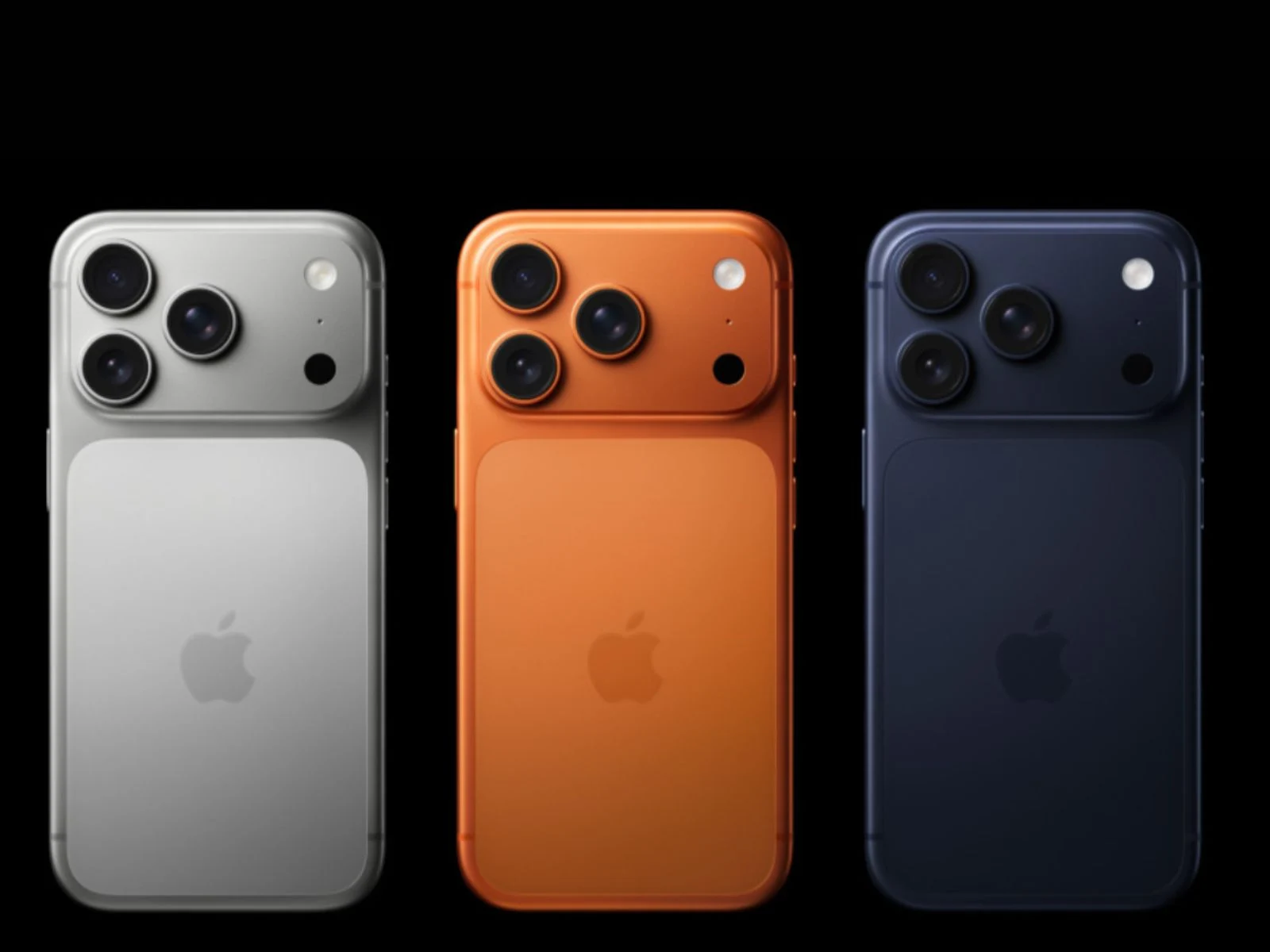
    1. Apple is expected to introduce the iPhone 18 Pro in three new vibrant colors: Coffee, Purple, and Burgundy.
    2. The “Coffee” color is a rich brown, intended as a warmer alternative to previous gold options.
    3. The “Burgundy” shade combines crimson and brown for an elegant look, while “Purple” offers a soft, warm tone.
    4. The iPhone 18 Pro will reportedly not include classic black or Space Gray options, continuing a trend from the iPhone 17 Pro.
    5. Apple seems to prioritize unique, luxurious colors over traditional finishes, but plans may still change as they experiment with options.


    The upcoming iPhones are still more than a year away, but rumors are already swirling about the design of the devices. Recent updates indicate that Apple is sticking with its pattern of moving away from classic, muted colors in favor of vibrant, warm hues for the iPhone 18 Pro.

    New Color Options

    For the first time, Apple might introduce its Pro flagship in three rich, completely new colors. Weibo tech insider Instant Digital claims that the iPhone 18 Pro series will feature Coffee, Purple, and Burgundy (also known as “Wine Red” in Chinese).

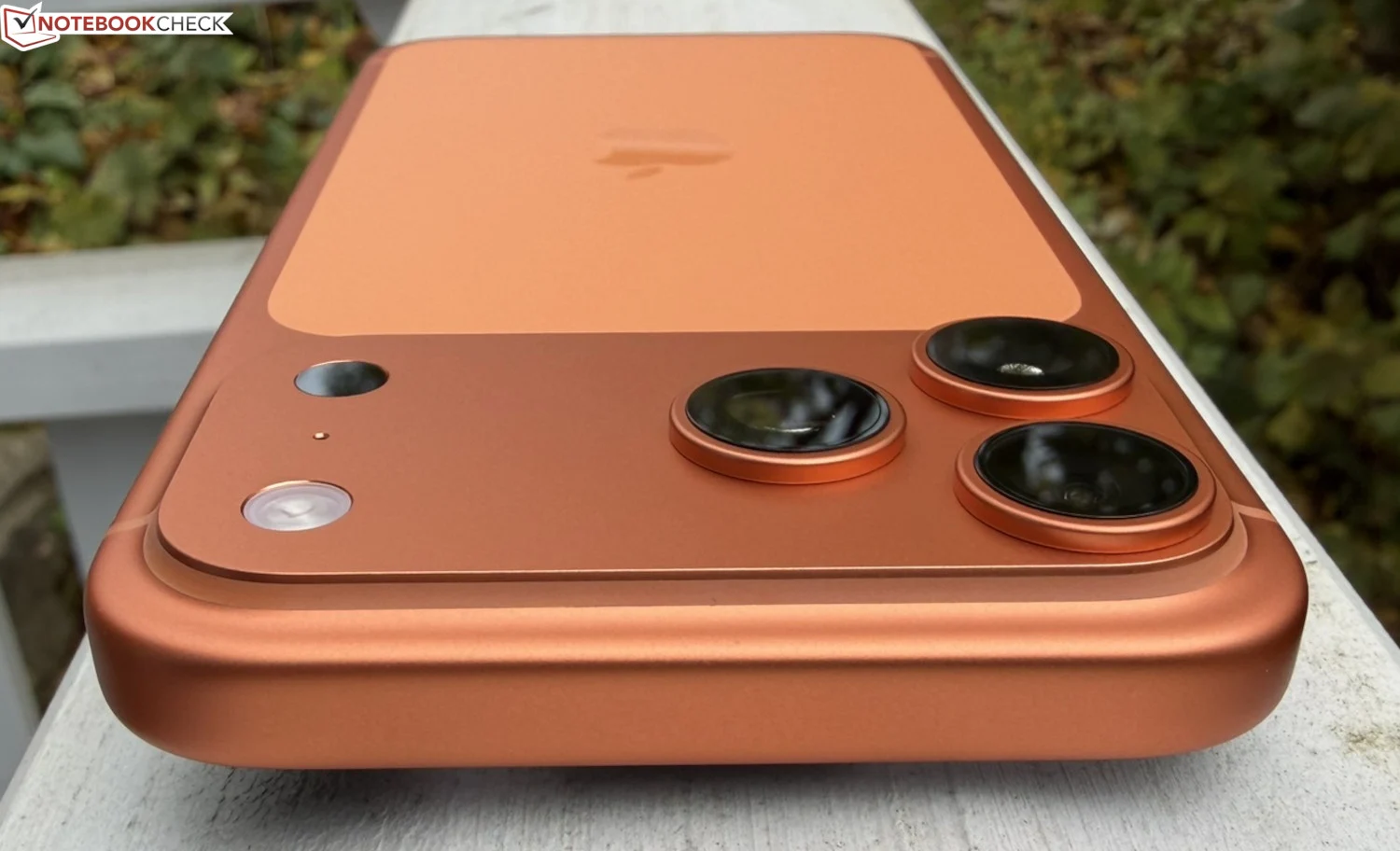
    The “Coffee” color suggests a rich brown tone, possibly serving as a warmer alternative to the discontinued gold or “desert titanium” that were rumored before. The “Burgundy” shade could fall into the red spectrum, merging crimson with hints of brown for an elegant wine-inspired look. Lastly, the “Purple” may present a soft, warm tone, moving away from the brighter lavender shades of past models.

    Bold Choices and Missing Options

    These potential new colors for the iPhone 18 Pro sound truly captivating. However, the leak highlights a significant omission for many loyal users: the iPhone 18 Pro will reportedly still not have a true black or Space Gray option.

    This follows the trend set by the iPhone 17 Pro, which also did not feature the dark gray color. Apple appears committed to making its Pro devices look luxurious and unique by opting for this warmer, more adventurous color palette. Yet, none of the rumored options—brown, purple, or dark red—appeal to those consumers who prefer a classic black finish.

    Final Thoughts

    As usual with preliminary rumors, Apple is likely still experimenting with various colors, and plans may change. However, this early indication strongly suggests that the company plans to focus on distinctive shades that create a strong visual impression.

    Source:
    Link


  • iFixit Teardown Reveals Apple iPad Pro M5 Details

    iFixit Teardown Reveals Apple iPad Pro M5 Details

    Key Takeaways

    1. The latest iPad Pro features the powerful Apple M5 chip and has a one-year warranty with potential repair costs after that period.
    2. Opening the iPad Pro is complicated due to adhesive securing the display, making repairs risky and time-consuming.
    3. The iPad Pro has a modular design, allowing for separate replacement of components like the USB-C port and cameras.
    4. Apple provides a self-service repair shop with guides and tools, and replacement parts are expected to be available soon.
    5. The iPad Pro M5 received a repairability rating of 5 out of 10 from iFixit, primarily due to the difficulty of battery replacement.


    The latest iPad Pro, powered by the Apple M5 chip, has already wowed us with its impressive performance and stunning display in our detailed review. However, it’s worth noting that Apple only provides a one-year warranty at no extra cost, meaning that any repairs needed after that will either require payment or must be handled by the user themselves.

    Teardown Insights

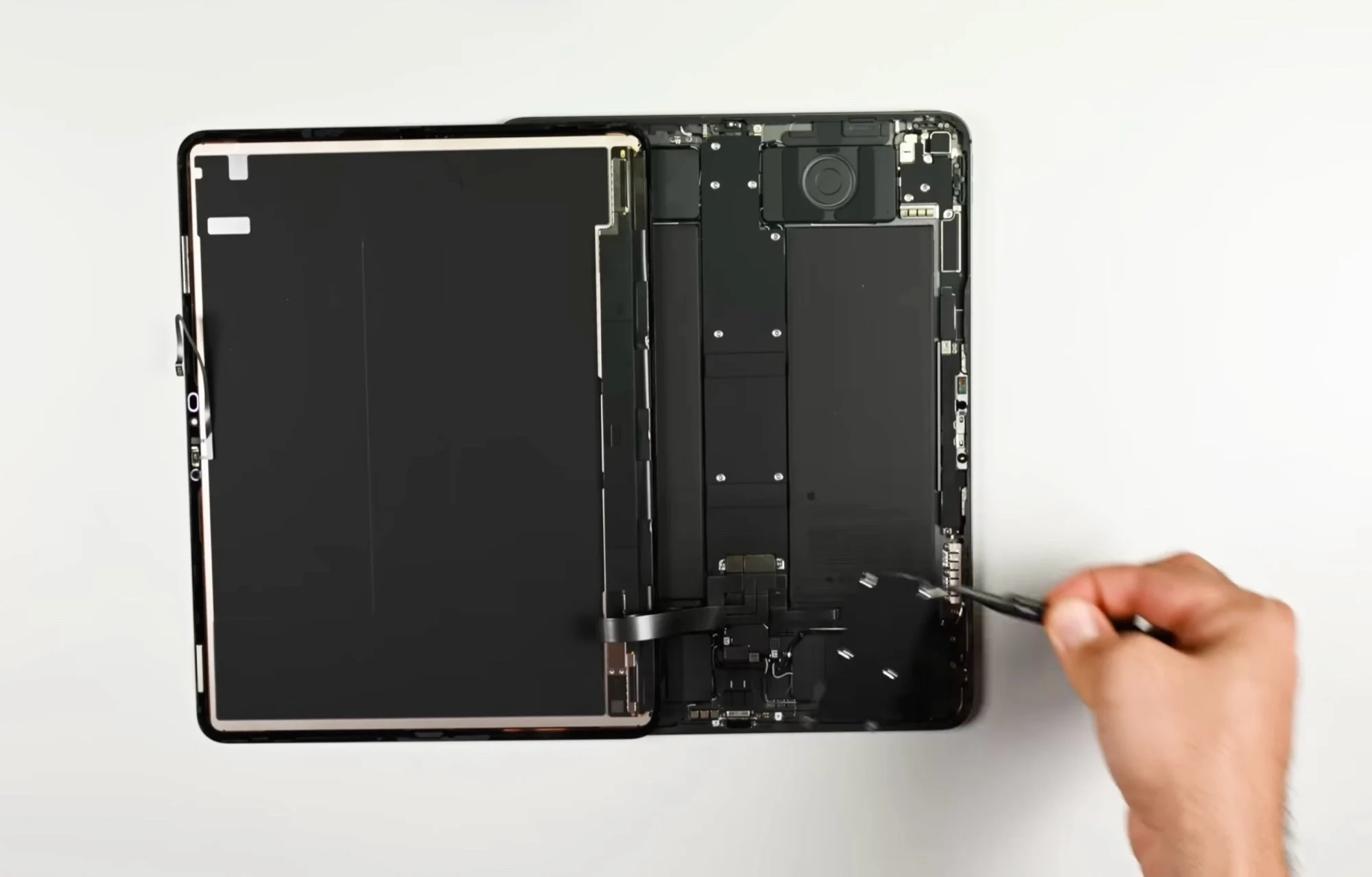
    According to the recent iFixit teardown, opening the tablet is similar to that of its predecessor; you need to detach the display from the frame. The process is complicated because Apple uses adhesive to secure the screen, making it a time-consuming and risky endeavor since the display can break quite easily. Once that’s done, you’ll need to extract ten adhesive strips to access and replace the two battery cells.

    Modular Design

    Inside, the iPad Pro is relatively modular, which means components like the USB-C port, cameras, ambient light sensor, LiDAR scanner, and speakers can be replaced separately. Apple uses two different screw types for assembly, and their self-service repair shop offers repair guides along with the necessary tools. It’s expected that replacement parts will also be made available there soon.

    Repairability Rating

    Due to the challenges involved in opening the tablet, the new iPad Pro M5 only earns a 5 out of 10 on iFixit’s repairability scale. The battery replacement, which is a common repair needed after a few years of usage, is too complicated for many average users to manage effectively.

    Source:
    Link


  • Apple’s iPad Air and iPad Mini to Feature OLED Displays

    Apple’s iPad Air and iPad Mini to Feature OLED Displays

    Key Takeaways

    1. Apple is upgrading the displays of mid-range devices like the MacBook Air, iPad Air, and iPad Mini to high-contrast OLED technology for better visuals.
    2. The iPad Mini is expected to be the first to feature the new OLED display, possibly launching next year.
    3. Apple is exploring a water-resistant design for the new iPad Mini, enhancing durability with a speaker system that reduces water damage risk.
    4. The introduction of OLED screens may raise device prices by up to $100, despite improved visual quality.
    5. This move aims to keep Apple competitive in the market as more Android tablets adopt OLED technology in the mid-range segment.


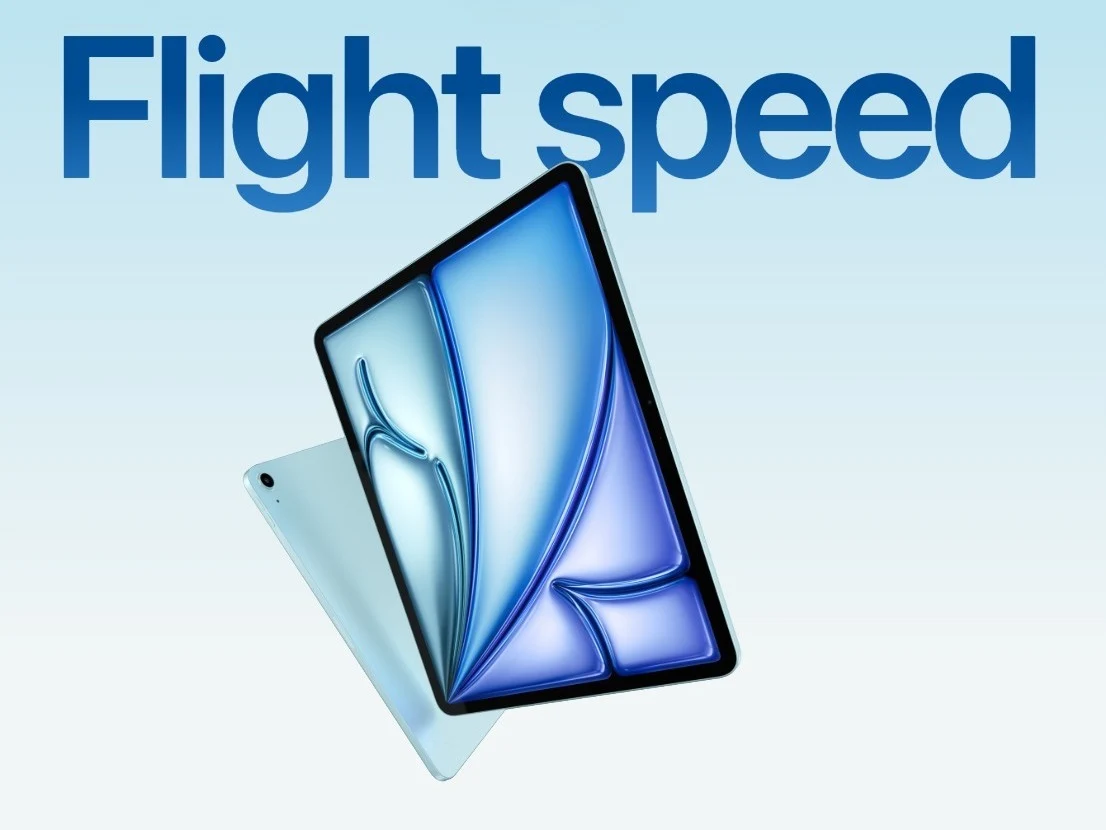
    Apple is said to be working on a significant upgrade for the displays of its mid-range and portable devices, aiming to introduce high-contrast OLED screen technology to the MacBook Air, iPad Air, and iPad Mini series. Moreover, the company might also make the iPad Mini resistant to water.

    OLED Technology Upgrade

    With the OLED enhancement, users can expect richer colors and deeper blacks than what the older LCD screens provide in these gadgets. The iPad Pro has already transitioned to this technology back in 2024. Hence, this move would extend a premium display experience to a broader range of customers.

    iPad Mini’s New Features

    As per Bloomberg’s report, the iPad Mini is likely to be the first device to receive this new display tech. An OLED version of the iPad Mini could be released as soon as next year.

    Design Innovations

    Alongside the display enhancements, Apple is also considering modifications to the design of this new “budget-friendly” tablet, codenamed J510. Reports suggest that Apple is testing a water-resistant shell for the iPad Mini, which would make it more durable, similar to the latest iPhone models. To accomplish this, the engineers are looking into a speaker system that employs vibration technology, allowing for the elimination of speaker holes that are susceptible to water damage.

    Cost Implications

    However, the rollout of OLED displays will not be instant across all devices. Although customers will benefit from improved visuals, this upgrade is likely to come with a steeper price. The more expensive OLED screens might increase the cost of the devices by up to $100, according to the source.

    Market Positioning

    With more Android tablets adopting OLED displays, even within the mid-range category, introducing this technology to the iPad Air, iPad Mini, and MacBook Air appears to be a wise strategy for Apple to maintain its competitive edge in the market.

    Source:
    Link


  • Apple Hits $4 Trillion Market Cap Fueled by Strong iPhone 17 Sales

    Apple Hits $4 Trillion Market Cap Fueled by Strong iPhone 17 Sales

    Key Takeaways

    1. Apple has surpassed a market value of US$4 trillion, achieving this milestone for the third time in history.
    2. Strong demand for the iPhone 17 series is driving Apple’s stock growth, with positive reviews highlighting performance improvements.
    3. Apple is relocating most of its iPhone and iPad manufacturing to India and Vietnam to mitigate the impact of US tech tariffs.
    4. The iPhone 17 Pro launched at $1099, which is $100 more than the previous model, but production shifts have helped control potential price increases.
    5. Analyst Samik Chatterjee notes that Apple’s stock holds significant potential, marking a high point in interest and valuation.


    Apple has reached a market value of over US$4 trillion, marking the third instance in history where a company has achieved such a valuation. According to JPMorgan analyst Samik Chaterjee, as reported by CNBC, Apple’s stock currently holds “a greater halo of potential than at any time in the past year.”

    Factors Behind the Growth

    There are two main reasons contributing to this rise. First off, the demand for the iPhone 17 series seems to be exceeding expectations, as noted by Morgan Stanley and shared via Macrumors. Notebookcheck gave a favorable review of the iPhone 17 Pro at its launch, highlighting enhancements in performance due to the A19 Pro SoC and an even longer battery life compared to the iPhone 16 Pro.

    Strategic Production Shifts

    In addition, Apple has successfully mitigated the effects of significant US tech tariffs that were established during Donald Trump’s presidency. Earlier in 2025, Tim Cook, Apple’s CEO, mentioned that the company is relocating a majority of its iPhone and iPad manufacturing to India and Vietnam, likely as a reaction to the tariffs imposed on electronics made in China.

    Pricing and Sales Impact

    The iPhone 17 Pro debuted at a price of $1099, which is $100 more than the previous year’s model. However, the shift in production away from China has probably helped the company avoid even steeper prices that could have negatively affected sales.

    Source:
    Link


  • IKEA Hints at Upcoming ÄPPLE Announcement Soon

    IKEA Hints at Upcoming ÄPPLE Announcement Soon

    Key Takeaways

    1. IKEA hinted at a potential collaboration with Apple through a social media post featuring their logos and the word ÄPPLE.
    2. The announcement is described as “especially dear” to IKEA and relates to a topic that affects everyone.
    3. Speculation suggests the collaboration may involve IKEA’s smart home products or accessories for Apple devices.
    4. IKEA’s smart home solutions already integrate with Apple Home, indicating a possible expansion of this partnership.
    5. More details will be revealed on October 30th, 2023.


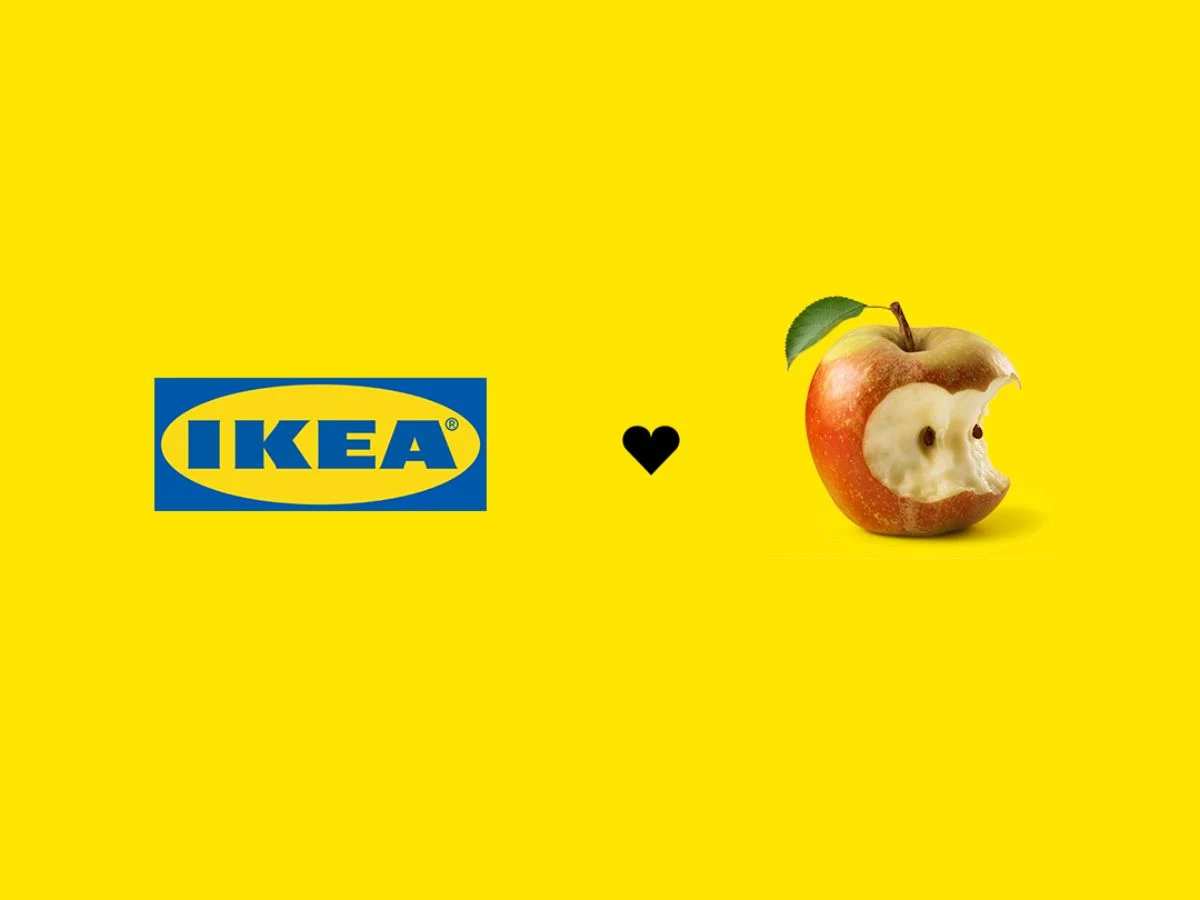
    IKEA might be ready to reveal a collaboration with Apple. Recently, the company hinted at this news on social media by posting an image that features the IKEA logo, a heart, and a bitten apple.

    Exciting Announcement Ahead

    In a social media post, IKEA expressed its eagerness to unveil news that is “especially dear to us at IKEA.” They mentioned it is a “topic that affects us all” and highlights “how much value is in seemingly small things.” The only additional clue provided so far is the word ÄPPLE, which appeared in a press release and is simply the Swedish term for apple.

    Speculation on Collaboration

    The bitten apple image brings to mind the Apple logo, and the use of the word ÄPPLE seems to suggest a partnership with the tech giant. However, IKEA has yet to confirm this rumor. Many fans believe that the announcement could relate to IKEA’s smart home products, especially after the brand shared news in July 2025 about launching over 20 Matter-compatible smart home items in early 2026. It’s worth noting that customers of IKEA’s smart home solutions can already connect the IKEA Home Smart app with Apple Home.

    Possible New Accessories

    On the other hand, it’s possible that IKEA is gearing up to introduce new charging accessories specifically for Apple devices, such as the iPhone. These would complement existing items like the Sjöss 45W charger. We will only need to wait a few more days to find out if this will truly be a partnership between these two brands, or if it’s just another apple-related announcement. IKEA has confirmed that all will be revealed on October 30th.

    Source:
    Link


  • Apple and SpaceX Discuss Deeper Starlink iPhone Integration

    Apple and SpaceX Discuss Deeper Starlink iPhone Integration

    Key Takeaways

    1. Apple and SpaceX have reportedly restarted discussions about integrating Starlink satellite connectivity into iPhones.
    2. Previous satellite initiatives, such as Apple’s Emergency SOS with Globalstar, have paved the way for more ambitious direct-to-device capabilities.
    3. Challenges include technical modifications to devices, firmware updates, and agreements with carriers to prevent interference.
    4. A partnership could significantly change the competitive landscape for satellite services and impact existing providers like Globalstar and AST SpaceMobile.
    5. The situation remains unverified, and while regulatory approvals lend credibility, the complexity of integration and commercial arrangements will determine the partnership’s success.


    Apple and SpaceX might have restarted discussions about a closer partnership, according to a recent report from Fierce Network. The report suggests that talks regarding the integration of Starlink-style satellite connectivity into iPhones have begun again. This would complicate Apple’s previous satellite deals and follows a series of technical and regulatory actions that make such inclusion feasible.

    Background of the Talks

    These discussions are built on past events. WCCFTech highlighted that Apple introduced basic satellite Emergency SOS through Globalstar with the iPhone 14. Since that launch, regulators and service providers have begun allowing more ambitious direct-to-device initiatives. The FCC has approved limited direct-to-cell tests for SpaceX and its carrier partners. Additionally, iOS 18.3 has started to include early tests for Starlink compatibility on iPhones, while EchoStar’s spectrum arrangements have redefined the competitive landscape. These elements contribute to why experts now consider an Apple/SpaceX partnership as a legitimate possibility rather than just speculation.

    Factors Influencing the Partnership

    The renewed interest appears to be connected to EchoStar’s notable spectrum activities and SpaceX’s efforts to broaden Starlink’s direct-to-device presence. If Apple were to incorporate Starlink into its future devices, it would represent a significant strategic victory for SpaceX and a considerable change for Apple users, particularly those in remote or disaster-stricken locations who require dependable backup connectivity.

    Challenges Ahead

    Nevertheless, there are considerable technical and commercial challenges to overcome. For phones to have Starlink connectivity, it would necessitate modifications to antenna and RF design, updates to firmware and iOS, and agreements with carriers to prevent interference with ground-based networks. Apple would also need to determine the commercial conditions and their impacts: would satellite data incur separate charges, be included with AppleCare, or be limited to emergency uses only? These types of details can hinder even the most straightforward engineering collaborations.

    Industry Implications

    The potential industry implications are significant. Shifting away from Globalstar or adding Starlink as an alternative option would alter the beneficiaries of Apple’s satellite strategy. Direct-to-device specialists and competitors like AST SpaceMobile might find their competitive landscape changing, and service providers will be considering how satellite features at the handset level will interact with their existing network strategies. Regulators will also be observing the situation closely, as spectrum utilization, cross-border routing, and national security issues are all critical factors.

    For the moment, the situation remains unverified: The Information and other media outlets have explored the strategic opportunities as well. If Apple and SpaceX manage to finalize an agreement, it could change how devices maintain connectivity in difficult-to-access areas and which satellite providers receive priority access to smartphone ecosystems.

    Until Apple or SpaceX makes a public announcement, it’s wise to treat this as an evolving situation, which is still noteworthy. The recent regulatory approvals and successful proof-of-concept trials lend credibility to the idea of renewed discussions. However, the complexity of integration and commercial arrangements will ultimately decide if this partnership becomes a game-changer or remains just another rumor in the industry.

    Source:
    Link


  • iPhone 20: A New Standard in Smartphone Design

    iPhone 20: A New Standard in Smartphone Design

    Key Takeaways

    1. The iPhone 20, marking the 20th anniversary in 2027, is expected to be named instead of following the iPhone 19 pattern.
    2. The iPhone 20 may feature solid state buttons that use haptic technology instead of physical presses.
    3. Mass production of the iPhone 20 with new button technology is set to begin, including haptic feedback for various controls.
    4. Apple plans to use AI-powered sound compensation algorithms for accurate haptic feedback without mechanical parts, enhancing design and durability.
    5. If successful, the iPhone 20’s innovations could influence other smartphone manufacturers and set a new industry standard for design.


    Apple is set to mark the 20th year of the iPhone in 2027, which is expected to bring significant changes to that year’s model. Although it could have been called the iPhone 19, many believe Apple will follow the same naming pattern it used for the iPhone X and instead name the anniversary model the iPhone 20. Notably, the iPhone 20 is rumored to be entirely devoid of buttons, potentially establishing a new benchmark for smartphones.

    Design Expectations

    Originally, Apple was rumored to introduce solid state buttons with the iPhone 15 Pro, but that plan did not materialize. Now, four years later with the iPhone 20, the company appears ready to finally implement this concept and deliver a major redesign for the 20th anniversary iPhone. Unlike traditional smartphone buttons, solid state buttons won’t have a physical press. Instead, users will receive feedback through haptic technology. This information reportedly comes from the well-known leaker Setsuna Digital (also known as Instant Digital) through Weibo, translated from Chinese.

    Production Plans

    According to the leaker, the verification process for this technology has been finalized, and mass production is set to commence with the iPhone 20 in 2027. This update will incorporate haptic feedback for the volume controls, Side button, Action button, and Camera Control. The leaker also mentioned that the Camera Control will be streamlined with the iPhone 18 by keeping just the pressure sensing layer. Subsequently, with the iPhone 20, this will transition to piezoelectric ceramics to provide localized vibration feedback.

    Technological Innovations

    To achieve accurate haptic feedback on these buttons, Apple is reportedly planning to utilize vibrations emitted from the back or frame of the device, combined with AI-powered sound compensation algorithms. A significant advantage of this approach is the elimination of mechanical wear and tear, given that there won’t be any moving parts. Additionally, it will allow for a seamless design, resulting in a sleeker, glass-like appearance.

    If Apple proceeds with this plan for the iPhone 20, it could influence other manufacturers to follow suit, similar to past trends where Apple has led the way with new technologies. As more brands adopt similar features, it could eventually set a new industry standard, although it may initially be limited to high-end models. This would represent a substantial design evolution for smartphones, especially following the advent of foldable devices.


    Source:
    Link


  • Apple Cuts iPhone Air Orders to End of Production Levels

    Apple Cuts iPhone Air Orders to End of Production Levels

    Key Takeaways

    1. The iPhone Air is underperforming in various markets, leading to significant production cuts shortly after its release.
    2. iPhone Air now accounts for less than 10% of Apple’s smartphone orders, down from 15%.
    3. Total iPhone production remains stable due to strong sales of the iPhone 17 and iPhone 17 Pro models.
    4. The iPhone 17 features a new 120 Hz ProMotion display and has received a positive review rating of 88%.
    5. The iPhone Air’s decline may indicate a shift towards developing a foldable iPhone expected to launch in 2026.


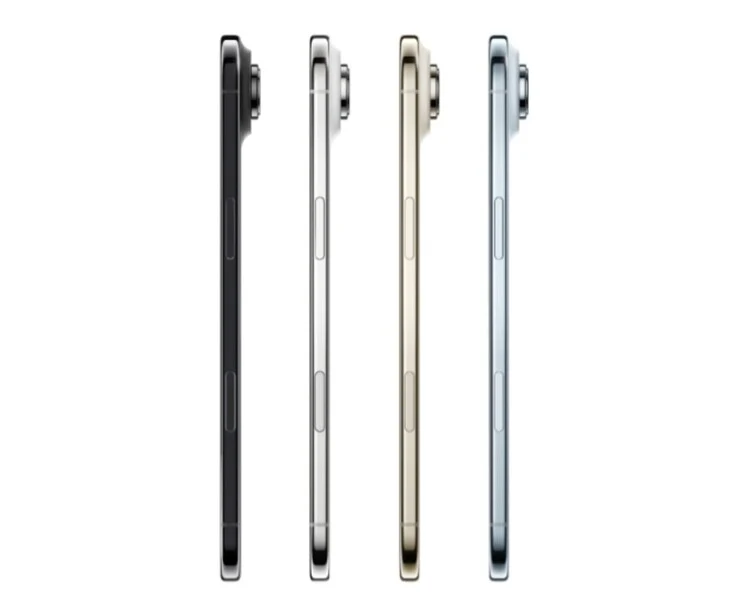
    The slimmest iPhone of this generation might soon disappear.

    Reports indicate that the iPhone Air is not performing well in various markets, leading Apple to significantly cut production orders for this new model just about a month after it was released. Sources close to Apple’s production lines, as reported by Nikkei Asia, suggest that the iPhone Air now represents under 10% of all smartphone orders from Apple, a noticeable drop from its earlier 15% share in iPhone manufacturing.

    Production Levels Decline

    One insider mentioned that this diminished figure suggests the Air is nearing its “end of production” phase.

    In a twist, total iPhone production orders are mostly stable. This is largely due to the overwhelming success of the base iPhone 17 and the iPhone 17 Pro, both of which have surpassed sales predictions. The iPhone 17 features a new 120 Hz ProMotion display, a technology that used to be exclusive to the pricier Pro and Pro Max versions, along with other attractive features like enhanced storage for the base model. For context, the iPhone 17 earned an impressive 88% rating in our review.

    Future Prospects

    While the reduced orders for the iPhone Air might hint at no future models, Nikkei cites three insiders who claim the main aim of the iPhone Air was to “strategically pave the way for the first foldable iPhone,” which is expected to launch in 2026.

    On a brighter note, Nikkei reports that there are no wait times for the iPhone Air, unlike the several weeks consumers are facing for other models.

  • Apple to Skip iPhone 19, Launch iPhone 20 in 2027

    Apple to Skip iPhone 19, Launch iPhone 20 in 2027

    Key Takeaways

    1. Apple plans to skip the iPhone 19 and launch the iPhone 20 in 2027 to celebrate the iPhone’s 20th anniversary.
    2. The iPhone 18e and iPhone 20 will be released in the first half of 2027, followed by various iPhone 20 models and a second-generation iPhone Fold in the latter half.
    3. A significant redesign is expected for the iPhone 20 series, featuring a thinner, curved glass design and under-display Face ID and camera sensors.
    4. The change in Apple’s launch cycle may temporarily reduce iPhone display panel demand by around 20 million units in 2026.
    5. The standard model will return with the iPhone 20 series, helping to restore overall panel demand, while total iPhone panel shipments are expected to exceed 250 million in 2027.


    Apple is said to be planning to skip the iPhone 19 and jump straight to the iPhone 20 for its lineup in 2027, as per Omdia’s Senior Researcher, Heo Moo-Yeol.

    Upcoming iPhone Models

    During a conference in Seoul on October 22, Heo indicated that Apple aims to unveil the iPhone 18e and iPhone 20 in the first half of 2027. This will be followed in the latter half by the iPhone 20 Air, iPhone 20 Pro, iPhone 20 Pro Max, and the second-generation iPhone Fold.

    Apple has usually kept its iPhone naming in order, like with the iPhone 16 and iPhone 17. However, Heo announced that the company is set to leap forward to the iPhone 20. Although he didn’t specify why, analysts believe this might celebrate the iPhone’s 20th anniversary, marking two decades since the first model’s launch in 2007.

    Historical Context

    In 2017, Apple took a similar step by bypassing the iPhone 9 to launch the iPhone X, celebrating the 10th anniversary of the original iPhone.

    There are rumors that Apple is planning a significant redesign for its 2027 models to align with the iPhone’s 20th anniversary. The special edition is speculated to come with a thinner, curved glass design that features under-display Face ID and front camera sensors, resulting in a nearly flawless display. This would be the most considerable visual change since the iPhone X, which introduced the notch and OLED screen back in 2017.

    Market Impact

    Omdia predicts that this change in Apple’s launch cycle will cause a temporary drop in iPhone display panel demand by around 20 million units in 2026, as the iPhone 18 lineup will not include the standard model. Nevertheless, according to Apple’s updated production plans, the base iPhone 18, or whatever name it eventually has, is now likely to be released in early 2027, fitting with the company’s new staggered launch strategy. For next year, Apple is expected to release only the Air, Pro, Pro Max, and Fold versions. While Heo mentioned an “Air” model, recent reports have suggested that Apple is reducing production due to a decline in global smartphone demand, which makes introducing a new sub-variant less probable.

    Heo mentioned that the standard model will be back with the iPhone 20 series in 2027, which should help restore overall panel demand to its usual levels. The first foldable iPhone, expected in 2026, is anticipated to ship over 8 million units in its first year. Even with this temporary decline, Apple’s total iPhone panel shipments—which are around 245 million units this year—are forecasted to stabilize and exceed 250 million once the company’s dual-launch strategy takes hold in 2027.

    Source:
    Link