Tag: Apple

  • Apple Shifts Focus to Foldables as iPhone Air’s Future Uncertain

    Apple Shifts Focus to Foldables as iPhone Air’s Future Uncertain

    Key Takeaways

    1. Apple plans to launch its first folding iPhone in 2026, with a clamshell design expected by 2028.
    2. The initial foldable iPhone might face delays, potentially pushing the release to 2027.
    3. Advanced display technologies will be featured in the foldable iPhones to enhance efficiency and reduce crease visibility.
    4. Apple is shifting its focus from the iPhone Air, cutting production due to declining demand.
    5. The future of the iPhone Air is uncertain, with reports suggesting it may be canceled altogether.


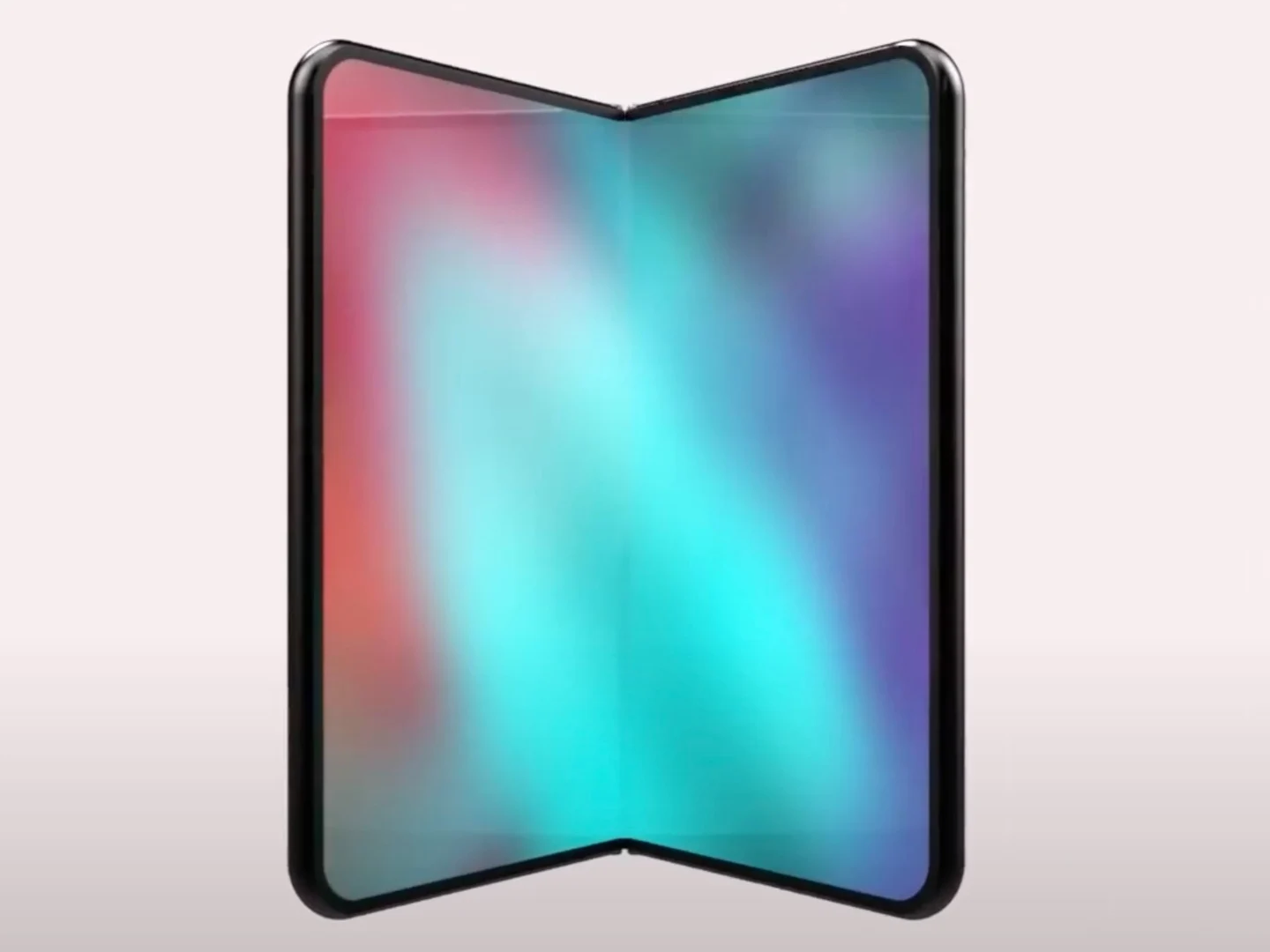
    For a long time, Apple has been focusing on creating foldable gadgets, and it appears that the tech has nearly reached the standards that Apple expects. The company is set to unveil its first folding iPhone, similar to the Galaxy Z Fold, in 2026, but there are plans beyond that. A recent report indicates that an iPhone Fold in a clamshell design is on track for a 2028 launch. Given the struggles faced by the iPhone Air in terms of sales, Apple seems to be channeling more resources into foldable devices.

    Upcoming Foldable Designs

    According to a report from ET News (translated from Korean), Apple is anticipated to introduce a clamshell style foldable in 2028. This move is part of a strategy to expand its product range, starting with the book-style foldable expected in 2026. However, Apple hasn’t released any details on these devices, and no official timelines have been announced. Interestingly, a separate report hinted that Apple’s initial foldable might be delayed until 2027, although ET News maintains the 2026 schedule.

    Advanced Display Technology

    The foldable iPhones from Apple are expected to incorporate new and enhanced display technology (for Apple), including LTPO, color filter-on-encapsulation (COE), cathode patterning material (CPM), and glass-metal-mesh-film (GMF). These innovations are meant to improve display efficiency, boost transmittance, enhance under-display camera capabilities, and reduce the visibility of creases. Apple aims for a crease-free display for its foldable devices, similar to what Samsung has achieved, which will likely be showcased in the upcoming Galaxy Z Fold 8.

    Shift in Focus

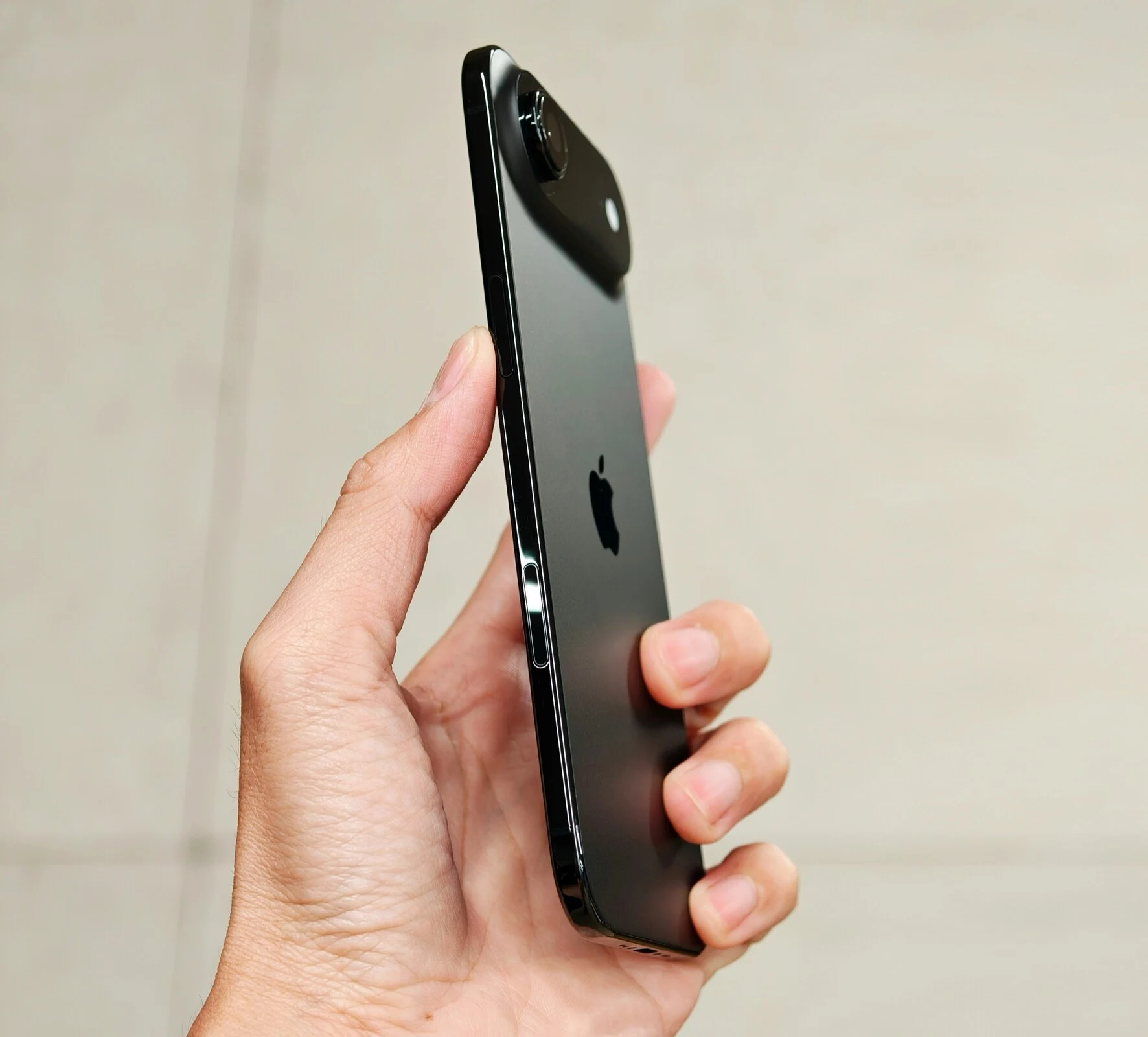
    Apple appears to be more focused on the foldable device format than on the slim and lightweight iPhone Air. Recent reports have suggested that the company has significantly cut down production of the iPhone Air due to falling demand, despite strong initial sales figures. Around the same time, a post on Weibo claimed that the iPhone Air would certainly be cancelled, leaving the future of Apple’s light and thin iPhone uncertain.

    ET News, Weibo

    Source:
    Link


  • iPhone 17 Pro Sales Outperform iPhone 16 as iPhone Air Struggles

    iPhone 17 Pro Sales Outperform iPhone 16 as iPhone Air Struggles

    Key Takeaways

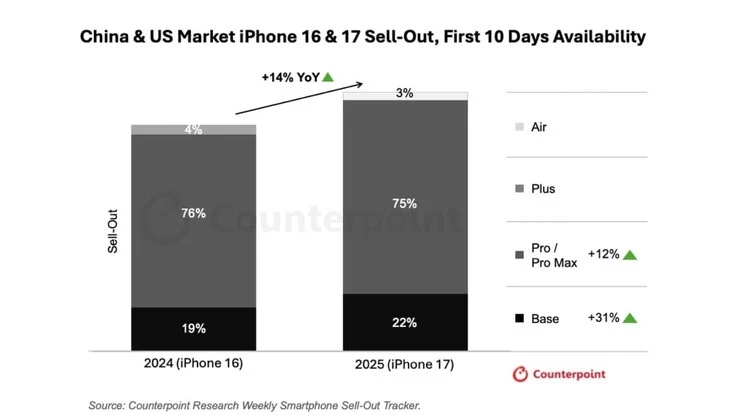
    1. Apple may reduce iPhone Air production due to low sales, contributing only 3% of total sales in the first ten days after the iPhone 17 launch.
    2. The iPhone 16 Plus outperformed the iPhone Air, securing 4% of sales, while the iPhone Air’s sales in China will start in late October.
    3. The iPhone Air’s MSRP of $999 is only $100 less than the iPhone 17 Pro, potentially affecting its sales appeal.
    4. iPhone 17 series sales increased by 14% compared to the iPhone 16 series during the same period last year, with the base model being a standout.
    5. The iPhone 17 Pro and Pro Max continue to dominate, making up 75% of iPhone sales, reflecting typical post-launch consumer behavior.


    Rumors have recently emerged indicating that Apple might significantly reduce the production of the iPhone Air. Sales figures from Counterpoint Research highlight a clear reason for this decision. It appears that the iPhone Air only contributed to 3% of total sales during the first ten days following the launch of the iPhone 17 series in both China and the US.

    Sales Comparison

    In contrast, the iPhone 16 Plus managed to secure 4% of the sales. It’s worth noting that the sales of the iPhone Air in China won’t commence until late October, suggesting that Apple’s slim flagship could potentially surpass the iPhone 16 Plus in popularity. The current low sales figures are somewhat expected, given that the iPhone Air has a manufacturer’s suggested retail price (MSRP) of $999, making it just $100 less expensive than the iPhone 17 Pro. Additionally, the battery capacity is 3,149mAh, which is a significant 26% lower than the 4,252mAh found in the eSIM-only version of the iPhone 17 Pro available in the US.

    Positive Trends

    On a brighter note, the sales of the iPhone 17 series have seen a 14% increase in the first ten days compared to the iPhone 16 series during the same timeframe last year. The standout performer this year is the base model of the iPhone 17, which features a substantial display enhancement. Apple has chosen to include a 120Hz OLED screen with an always-on functionality and has increased the storage capacity of the lowest configuration to 256GB. Despite this, the iPhone 17 Pro and iPhone 17 Pro Max continue to dominate the market, representing 75% of all iPhone sales. This trend is typical post-launch, as many enthusiasts usually place their orders for a new iPhone immediately upon its release.

    Source:
    Link


  • Apple Faces Challenges with AI-Powered Siri Despite New V2 Update

    Apple Faces Challenges with AI-Powered Siri Despite New V2 Update

    Key Takeaways

    1. Apple initially planned to release an AI-enhanced Siri with iOS 18, but the feature was not launched, and iOS 19 included only partial upgrades.

    2. Concerns about Siri’s performance have emerged from internal testing, particularly regarding deeper app integration and context-based in-app actions.

    3. Despite hopes for improvement with a shift from V1 to V2 architecture, Siri continues to face significant challenges.

    4. The recent departure of Ke Yang, head of the AKI team, indicates possible larger internal issues within Apple’s development of Siri.

    5. The final version of iOS 26.1 is expected by the end of October, while iOS 26.4 is anticipated to launch in spring 2026.


    Apple initially introduced an AI-enhanced Siri with more advanced features for iOS 18, but that release did not materialize. Later, iOS 19 included some upgrades, although the redesigned Siri was still not close to being fully developed. Now, the company aims to launch the new iteration with iOS 26.4, but this timeline is now under scrutiny, according to a prominent industry expert.

    Concerns Arise About Siri’s Performance

    Mark Gurman from Bloomberg shared some disappointing updates about the new Siri on X. He mentioned that several people from the internal testing group have raised worries regarding the performance of the improved voice assistant. This may relate to the deeper app integration that Apple is trying to achieve. Earlier in August, reports surfaced indicating that Apple engineers were having difficulties with specific context-based in-app actions that were to be part of iOS 26.4.

    Architecture Changes and Ongoing Struggles

    When Apple’s Senior Vice President of Software Engineering stated that the V1 architecture of Siri was limiting its capabilities, there was hope among fans that the switch to V2 architecture would pave the way for better functionality. However, it appears that the voice assistant continues to face challenges.

    It is yet unclear whether these issues extend beyond architectural limitations. The recent exit of Ke Yang, who led Apple’s Answers, Knowledge and Information (AKI) team, might suggest there are larger internal challenges that Apple needs to address.

    Upcoming iOS Releases

    At present, iOS 26.1 beta 3 has been rolled out, with the final version, iOS 26.1, anticipated to be released in the last week of October. The launch of iOS 26.4 is still several months off, with an expected arrival in spring 2026.

    Source:
    Link


  • Apple iPhone Fold Delay to 2027; iPhone 18e and Foldable MacBook Timeline

    Apple iPhone Fold Delay to 2027; iPhone 18e and Foldable MacBook Timeline

    Key Takeaways

    1. Apple’s foldable iPhone may not launch until 2027 due to ongoing development of the hinge and display design.
    2. Panel production predictions for the foldable iPhone have been reduced from 13 million to 9 million units, with initial shipments expected to be limited to 5–7 million units.
    3. The iPhone Fold will feature a 7.58-inch internal display and a 5.38-inch external screen, with advanced display technologies for better efficiency.
    4. Apple may stagger iPhone releases starting in 2026, with the iPhone 18 lineup expected in September 2026 and base models following in spring 2027.
    5. A foldable MacBook is unlikely to be released until 2028–2029, as Apple wants to gather consumer feedback on the foldable iPhone first.


    Apple’s much-talked-about iPhone Fold might not hit the market until 2027, as reported by Japan’s Mizuho Securities and echoed by the Korean tech site, The Elec. The research suggests that Apple is still working on perfecting the hinge and display design, which makes it tough to kick off mass production by Q3 2026, meaning it likely won’t launch alongside the iPhone 18 series that September.

    Panel Production Adjustments

    Mizuho Securities has also cut its predictions for the foldable iPhone’s panel production, reducing the expected numbers from 13 million to 11 million, and now down to 9 million units. Even if Apple sticks to a 2026 production timeline, the initial shipment could be limited to 5–7 million units, which is below the total panel output. The firm estimates that the planned production volume could range from 10 million to 15 million units, depending on pricing and return rates.

    Samsung Display is expected to supply all display panels for Apple’s foldable iPhone. This is the same manufacturer that produced the Galaxy Z Fold 7, which was released earlier this year in South Korea for KRW 2.38 million ($1,700).

    Display Specs Revealed

    The report states that the Apple iPhone Fold will showcase a 7.58-inch internal display and a 5.38-inch external screen. It will incorporate CoE (Colour filter on Encapsulation) to eliminate the polariser, feature a hole-punch display design, and utilize LTPO (Low-Temperature Polycrystalline Oxide) TFT for better power efficiency.

    Previously, analyst Ming-Chi Kuo mentioned that the average cost of the iPhone Fold hinge might drop to about $70–80 per unit—around 20–35 percent lower than what was originally thought—due to design improvements and efficient manufacturing from Foxconn.

    Future iPhone Release Strategy

    Mizuho also forecasts that Apple may start to stagger iPhone releases into autumn and spring seasons beginning in 2026. The iPhone 18 lineup, set for September 2026, is anticipated to include Pro, Pro Max, Air, and Fold models, with the base iPhone 18 and budget iPhone 18e likely following in spring 2027.

    Apple’s overall iPhone shipments for 2026 are projected to be 229 million units, which is about 7 percent less than the 246 million expected in 2025. However, they are expected to rebound to 252 million units in 2027, potentially surpassing the previous record set in 2015. Mizuho also mentions that Apple is already working on new technologies for the iPhone 19 series, aligning with the 20th anniversary of the iPhone, when foldable prices are anticipated to drop.

    Foldable MacBook Timeline

    Additionally, the report indicates that Apple’s foldable MacBook, featuring an 18.9-inch flexible display, is unlikely to debut until 2028–2029, as Apple wishes to first assess consumer feedback on its foldable iPhone.

    Source:
    Link


  • Timeline for Upcoming M5 Macs: Mac mini, MacBook Pro, and More

    Timeline for Upcoming M5 Macs: Mac mini, MacBook Pro, and More

    Key Takeaways

    1. Mark Gurman from Bloomberg has a strong track record for accurate news about Apple, sharing details on upcoming M5 Macs.
    2. The MacBook Air is expected to get an M5 upgrade in Spring 2024, with no major hardware changes apart from a possible new LCD display by 2027.
    3. The high-end 14-inch and 16-inch MacBook Pros will receive M5 Pro and M5 Max chips, anticipated to launch in early 2024 alongside the MacBook Air.
    4. The standard M5 chip will have a much stronger GPU, suggesting that the Pro and Max versions will also feature significant GPU improvements.
    5. Following the release of the M5 Pro and Max chips, updates for the Mac mini and Mac Studio are likely, with the next Mac Studio possibly featuring an M5 Ultra SoC.


    When it comes to news and speculation about Apple, Bloomberg’s Mark Gurman has shown a strong history of accuracy. In his recent PowerOn newsletter, he has disclosed a significant amount of details regarding the anticipated M5 Macs from the tech company based in Cupertino. This includes systems equipped with the more powerful M5 Pro and M5 Max SoCs.

    MacBook Air Update

    The MacBook Air (curr. $899 on Amazon) received its most recent update in March this year, featuring the M4 SoC and a new color option. No other modifications were introduced, and a similar pattern is expected for the refresh next year. Mark suggests that the M5-equipped MacBook Air will likely launch in Spring 2024, without any additional hardware changes. However, an updated LCD display is projected to debut by 2027.

    Upcoming MacBook Pros

    The high-end 14-inch and 16-inch MacBook Pros did not get the M5 upgrade last week. Mark indicated that the M5 Pro and M5 Max chips are expected to be released in the first quarter of next year, likely coinciding with the launch of the previously mentioned MacBook Air.

    M5 Pro and Max Specs

    The specific information about the M5 Pro and Max chips remains unclear at this time. However, it’s important to highlight that the standard M5 comes with a significantly stronger GPU, making it reasonable to anticipate that the Pro and Max variants will also boast impressive GPU enhancements.

    Once the M5 Pro and Max SoCs make their debut early next year, updates for the Mac mini and Mac Studio should follow, according to Mark. At present, the top-tier Mac Studio can only be outfitted with an M3 Ultra SoC, and Apple has confirmed that not every generation will have an “Ultra” version. The M4 lineup omitted an Ultra SoC, suggesting that the next Mac Studio could feature an M5 Ultra SoC.

    Mark Gurman, through MacRumors’ sources, has provided these insights.

    Source:
    Link


  • Apple’s TechWoven Cases for iPhone 17 Pro: Durability Tested

    Apple’s TechWoven Cases for iPhone 17 Pro: Durability Tested

    Key Takeaways

    1. Apple’s FineWoven cases were discontinued due to quick scratches and stains.
    2. TechWoven cases were introduced for the iPhone 17 Pro as an improved alternative.
    3. The new material offers good resistance to liquids and scratches, with easy cleaning.
    4. The coating has limitations: it doesn’t cover the edges fully and can wear away over time.
    5. While TechWoven cases may last longer than FineWoven cases, they feel slippery and are not as durable as silicone cases.


    Apple’s FineWoven cases faced a lot of backlash right after they were released last year, as the fabric surface showed scratches and stains very quickly. Due to this feedback, Apple took these cases out of its product range and introduced the TechWoven cases for the iPhone 17 Pro instead.

    Testing the New Material

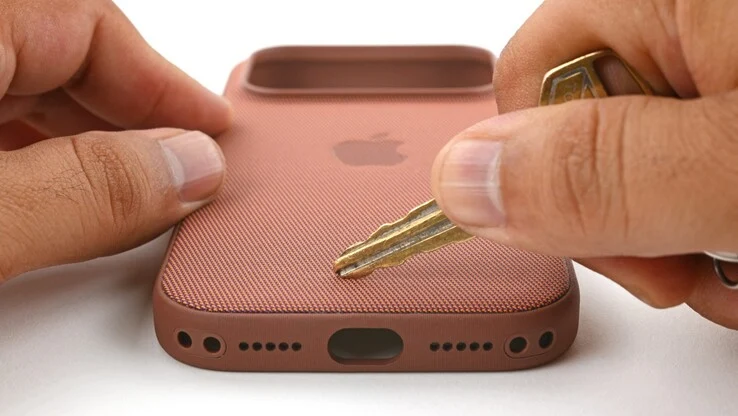
    The experts at iFixit have evaluated how well this new material withstands liquids, dirt, and scratches. The first impressions are mostly good. Whether it’s coffee, olive oil, or hot sauce, alcohol successfully cleans off all residues. The case also passed an initial scratch test using a key without showing any damage.

    Pros and Cons of the Coating

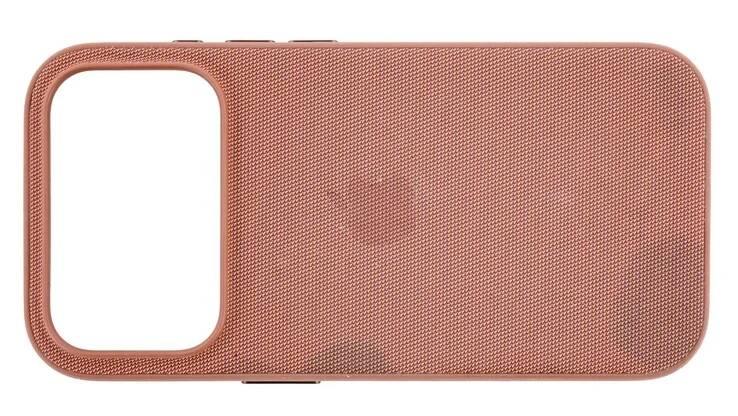
    This better protection against liquids and scratches comes from the smooth and seemingly waterproof coating. However, there are two downsides to this design. Firstly, the coating does not go all the way to the edge of the back, which means that liquid can seep in and cause permanent stains where the fabric meets the plastic frame. Secondly, this coating can wear away over time.

    iFixit intentionally damaged the coating with a knife during their tests, leaving behind permanent coffee stains on the case. Because these stains are mostly under the coating, cleaning the case afterward is not possible. iFixit thinks that TechWoven cases will last longer than Apple’s FineWoven cases, but the pricey $59 accessories also feel quite slippery due to the coating, and they still aren’t as strong as silicone cases.

    Source:
    Link


  • Apple iPad Pro M5 vs M4: Design, Display, and Performance Differences

    Apple iPad Pro M5 vs M4: Design, Display, and Performance Differences

    Key Takeaways

    1. Display Upgrades: The M5 iPad Pro supports external displays with a refresh rate of up to 120 Hz and features a slightly larger 11.1-inch Ultra Retina XDR display.

    2. Chip Configuration: The M5 chip retains a similar CPU layout to the M4 but introduces a redesigned GPU with dedicated Neural Accelerators for better AI and graphics performance.

    3. Performance Enhancements: The M5 offers up to 3.5 times greater AI performance, improved memory bandwidth of 153 GB/s, and more RAM in its base models (12 GB compared to 8 GB in the M4).

    4. Camera and Connectivity: Camera hardware remains unchanged, but the M5 includes new connectivity options like Wi-Fi 7 and Bluetooth 6, along with faster cellular data speeds from the new C1X modem.

    5. Battery Life and Charging: Battery life is unchanged, but the M5 now supports official fast charging and retains the USB-C connector with Thunderbolt / USB 4 support.


    Apple has recently upgraded the chip inside its iPad Pro to the new M5 processor, launching it alongside the tablet. At first sight, you might think the M4 iPad Pro from last year and this year’s M5 version are the same, but there are several significant changes beneath the surface beyond just the chip upgrade. Let’s dive into what’s new with the M5 iPad Pro and what still remains the same in Apple’s latest high-end tablet.

    Display Upgrades

    The M5 iPad Pro now supports external displays with a refresh rate of up to 120 Hz. In contrast, the M4 iPad Pro had a maximum refresh rate of only 60 Hz for external displays. Additionally, the M5 model sports a slightly larger 11.1-inch (28.22 cm) Ultra Retina XDR Tandem OLED display, compared to the 11.0-inch (27.96 cm) display on the M4. However, the displays on the 13-inch M4 and M5 iPad Pro models are exactly the same. Other than this, the display and build specs of both the M4 and M5 iPad Pro models are unchanged.

    Chip Configuration

    Inside the new iPad Pro, the M5 chip keeps a similar CPU layout to the M4, featuring a 9-core setup (three performance and six efficiency cores) on the 256 GB and 512 GB models, while a 10-core configuration (four performance and six efficiency cores) is available for the 1 TB and 2 TB versions. The M5 also introduces a completely redesigned GPU with dedicated Neural Accelerators in each core, which Apple states offers significantly enhanced AI and graphics performance.

    Performance Enhancements

    Apple asserts that this new architecture can provide up to 3.5 times greater AI performance than the M4, with a quicker 16-core Neural Engine and improved memory bandwidth of 153 GB/s compared to 120 GB/s on the M4. The M5 iPad Pro also comes with more memory in its base model, featuring 12 GB of RAM for the 256 GB and 512 GB versions. Meanwhile, the 1 TB and 2 TB models still have 16 GB of RAM. Both chips utilize the same advanced media engine, but the M5 introduces better encoding and decoding efficiency.

    Camera and Connectivity

    The iPad Pro M5 keeps the front and rear camera hardware identical to the M4, but it brings new advancements in connectivity. The new N1 wireless chip allows for Wi-Fi 7, Bluetooth 6, and Thread, which Apple claims enhances hotspot reliability and general wireless performance. Additionally, cellular models now include Apple’s new C1X modem, which promises data speeds that are up to 50% faster and 30% more efficient in power usage.

    Battery Life and Charging

    Battery life remains the same as its predecessor, but the M5 iPad Pro now supports official fast charging, allowing quicker power replenishment with a compatible high-wattage adapter. Both models retain a USB-C connector with Thunderbolt / USB 4 support.

    Audio and Pricing

    Concerning audio, both the M5 and M4 iPad Pro versions possess the same four-speaker audio system along with four high-quality microphones. The number and types of sensors are also unchanged across both models.

    The pricing for the M4 and M5 iPad Pro models is the same. You can find detailed pricing for the M5 iPad Pro. However, it’s worth noting that the M4 iPad Pro lineup began with a model that had 8 GB of memory and 256 GB of storage, whereas the M5 iPad Pro starts with 12 GB of memory and the same 256 GB of storage.

    Source:
    Link


  • Apple HomePod with Display Launching This Spring: Price & Details

    Apple HomePod with Display Launching This Spring: Price & Details

    Key Takeaways

    1. Apple’s new smart home device launch has been delayed to next spring due to upgrades to Siri.
    2. The company will introduce two indoor security cameras in the fall, with an advanced rotating display model expected in 2027.
    3. Production of the smart display will take place in Vietnam to reduce US tariff costs.
    4. Two models of the hub are being developed: one similar to a HomePod Mini and another designed as a wall-mounted tablet.
    5. The device will feature a 7-inch screen, built-in speakers, microphones, and a FaceTime camera, with a target price of $350.


    Apple’s new smart home device, meant to rival the Amazon Echo Show 8, was initially expected to be released last March. However, due to the delays with the upgrade of Apple’s AI Siri, the launch has been pushed back to next year.

    Upcoming Launch Dates

    A recent Bloomberg report confirms that this smart home hub is set to debut next spring. Additionally, Apple plans to introduce two indoor security cameras in the fall. There is also an advanced version in the works, which will have a display that can automatically rotate to face the user, and it’s expected to be launched in 2027. Interestingly, the production of Apple’s smart display will take place in Vietnam, rather than China or India. This move might be a strategy to avoid US tariffs, since products coming from Vietnam to the US face a lower tariff rate of “only” 20%.

    Design and Features

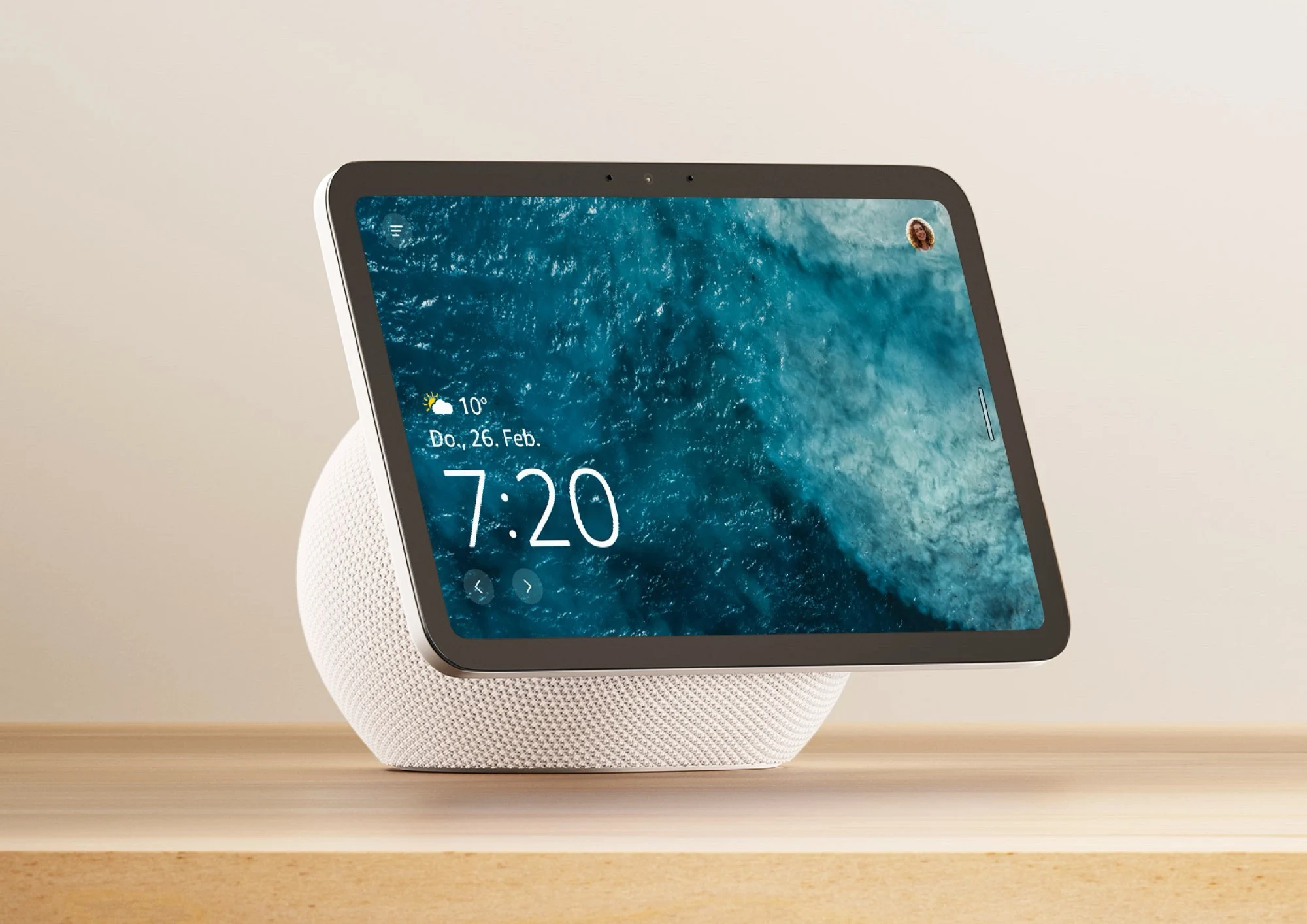
    Apple is reportedly developing two different models of this hub. One will resemble a HomePod Mini, while the other is designed like a wall-mounted tablet. Both models will come equipped with a nearly square 7-inch screen along with built-in speakers, microphones, and a FaceTime camera. This camera will enable the device to identify the user and customize the interface according to their preferences. Bloomberg’s sources indicate that Apple is aiming for a price point of $350 for this device.

    Future Innovations

    In conclusion, Apple’s entry into the smart home market with this device shows its commitment to expanding its product lineup. With the upcoming security cameras and future innovations in display technology, Apple seems to be preparing for a competitive stance against other smart home solutions.

    Source:
    Link


  • Apple iPad Pro M5 Chip Launch: 50% More Memory, $999 Starting Price

    Apple iPad Pro M5 Chip Launch: 50% More Memory, $999 Starting Price

    Key Takeaways

    1. Apple has launched the new iPad Pro (2025) featuring the advanced M5 chip, enhancing AI performance and speed compared to the M4 model.

    2. Two Russian YouTubers leaked unboxing videos of the iPad Pro M5 before the official announcement, showcasing a similar design to the previous model but with notable internal upgrades.

    3. The M5 chip includes significant improvements, such as a third-generation ray-tracing engine, faster Neural Accelerators, and enhanced memory bandwidth, resulting in better graphics and AI capabilities.

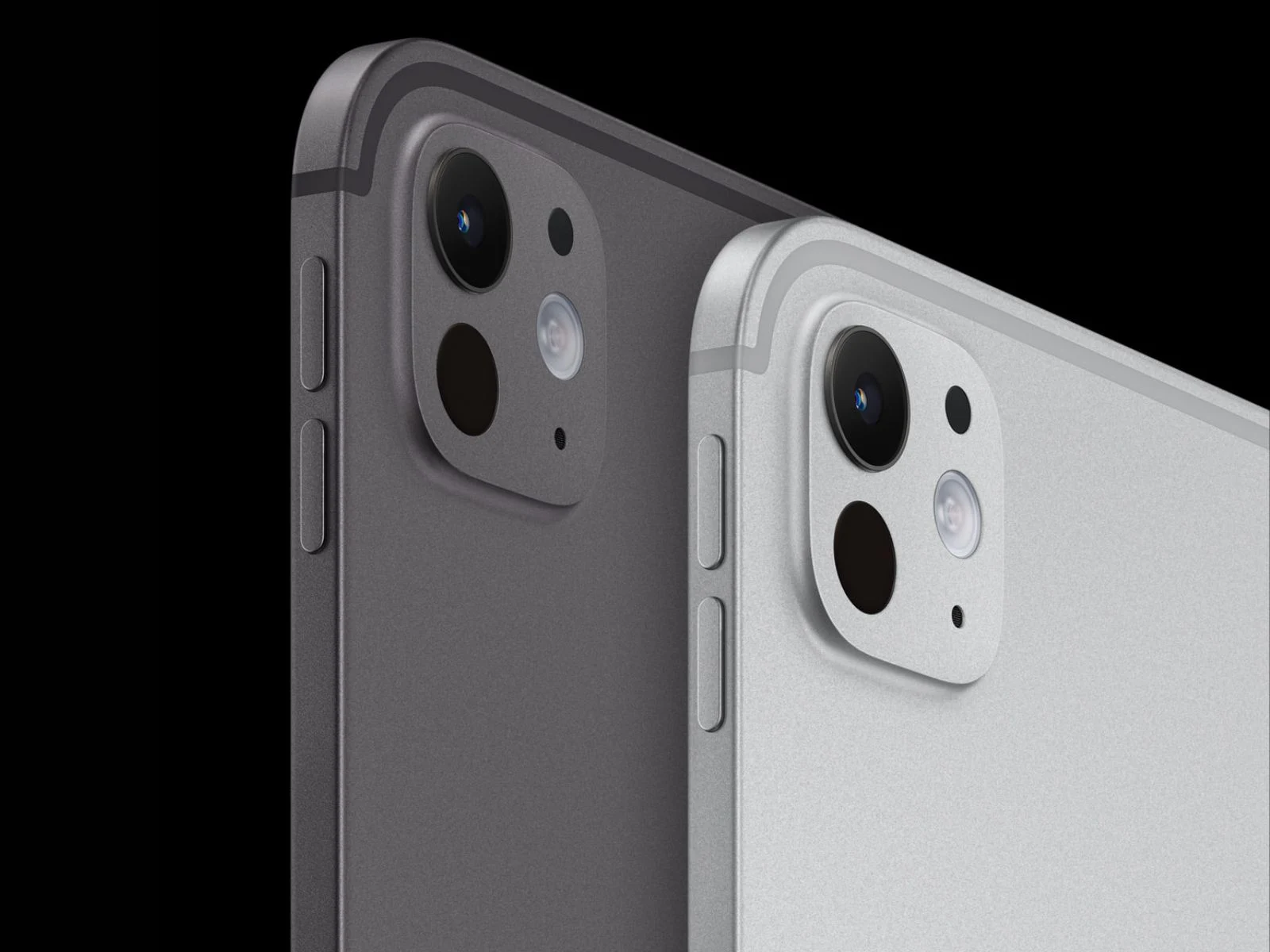
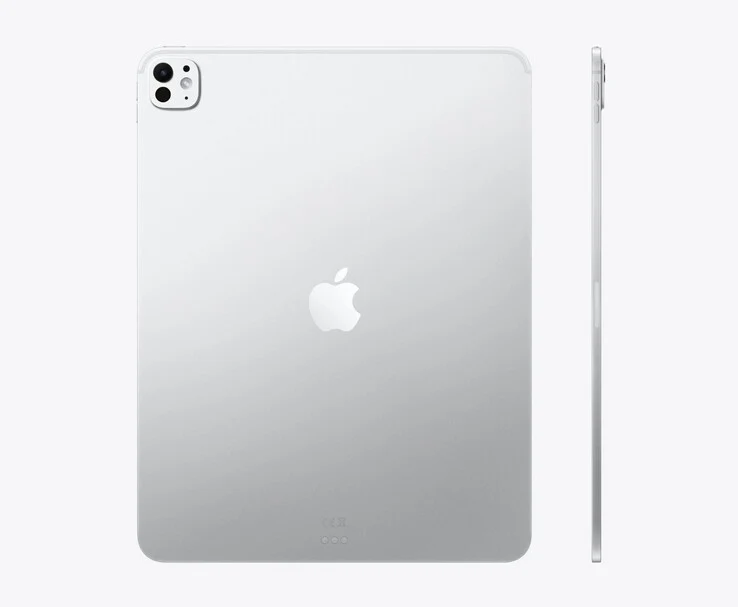
    4. The design of the iPad Pro remains largely unchanged, featuring a slim profile and a single rear camera, with most upgrades focused on internal performance and connectivity enhancements.

    5. Pre-orders for the iPad Pro with the M5 chip began today, with shipping set for October 22, and available in silver and space black with multiple storage options.


    I recently shared details about the M5 leak timeline, highlighting the anticipated launch of the M5 MacBook in October alongside the M5 chip. Now, it’s confirmed that Apple has unveiled the new iPad Pro (2025), which is powered by the cutting-edge M5 chip, representing the company’s most robust and AI-driven iPad to date.

    Exciting Unboxing Videos

    This announcement came after a surge of online excitement when two Russian YouTubers, Wylsacom and Romancev768, uploaded unboxing clips of the iPad Pro M5 just days before the official release. These videos showcased what seemed to be an unreleased model equipped with the M5 chip.

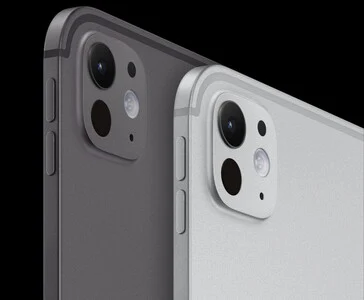
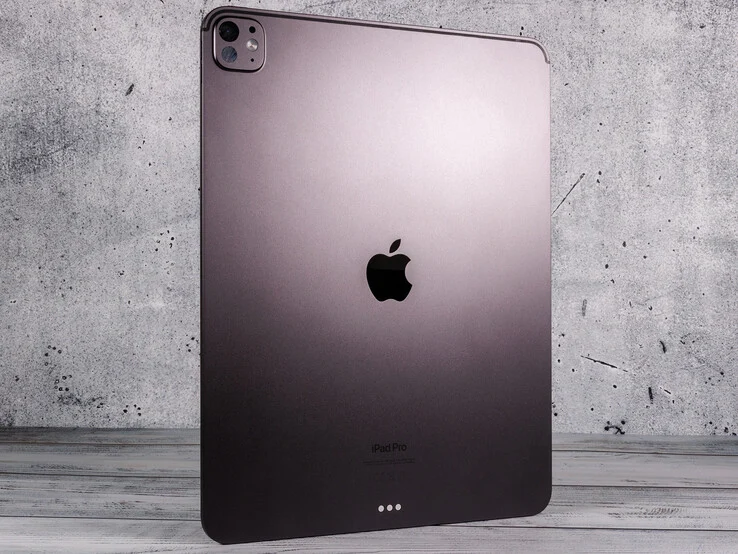
    The leaked footage displayed a design that closely resembles the existing version, featuring a single rear camera and a sleek, minimalistic body. However, the “iPad Pro” branding was conspicuously absent from the back. One device also seemed to have an additional front-facing sensor intended for portrait mode, although its specific function is still uncertain. Meanwhile, Geekbench scores from the leaked model aligned closely with Apple’s assertions of significant CPU and GPU improvements over the M4 model.

    Impressive Specifications

    The newly launched iPad Pro is equipped with the M5 chip. Each GPU core now comes with its own Neural Accelerator, which Apple claims enables AI operations to be up to 3.5 times swifter than the previous M4 model and about 5.6 times quicker than the M1 version.

    The models featuring 256 GB and 512 GB of storage maintain a 9-core CPU (three performance cores and six efficiency cores), a 10-core GPU, hardware-accelerated ray tracing, a 16-core Neural Engine, and an upgraded memory bandwidth of 153 GB/s, compared to 120 GB/s on the M4 variant.

    For the 1 TB and 2 TB models, these come with a 10-core CPU (four performance and six efficiency cores) along with a 10-core GPU.

    Enhanced Performance Features

    The M5 chip also introduces a third-generation ray-tracing engine, which claims to enhance 3D rendering speeds by as much as 6.7 times against the M1 and 1.5 times over the M4.

    Apple has incorporated two additional chips. The N1 wireless chip provides support for Wi-Fi 7, Bluetooth 6, and Thread, while the C1X modem in the cellular variant is said to offer mobile data speeds that are 50% faster and consume 30% less power.

    The M5 iPad Pro ships with iPadOS 26, which brings along a new Liquid Glass interface, smarter multitasking capabilities, and better file management. Apple’s innovative Apple Intelligence system adds features like text summarization, live translation, and smart suggestions within apps.

    A Subtle Upgrade

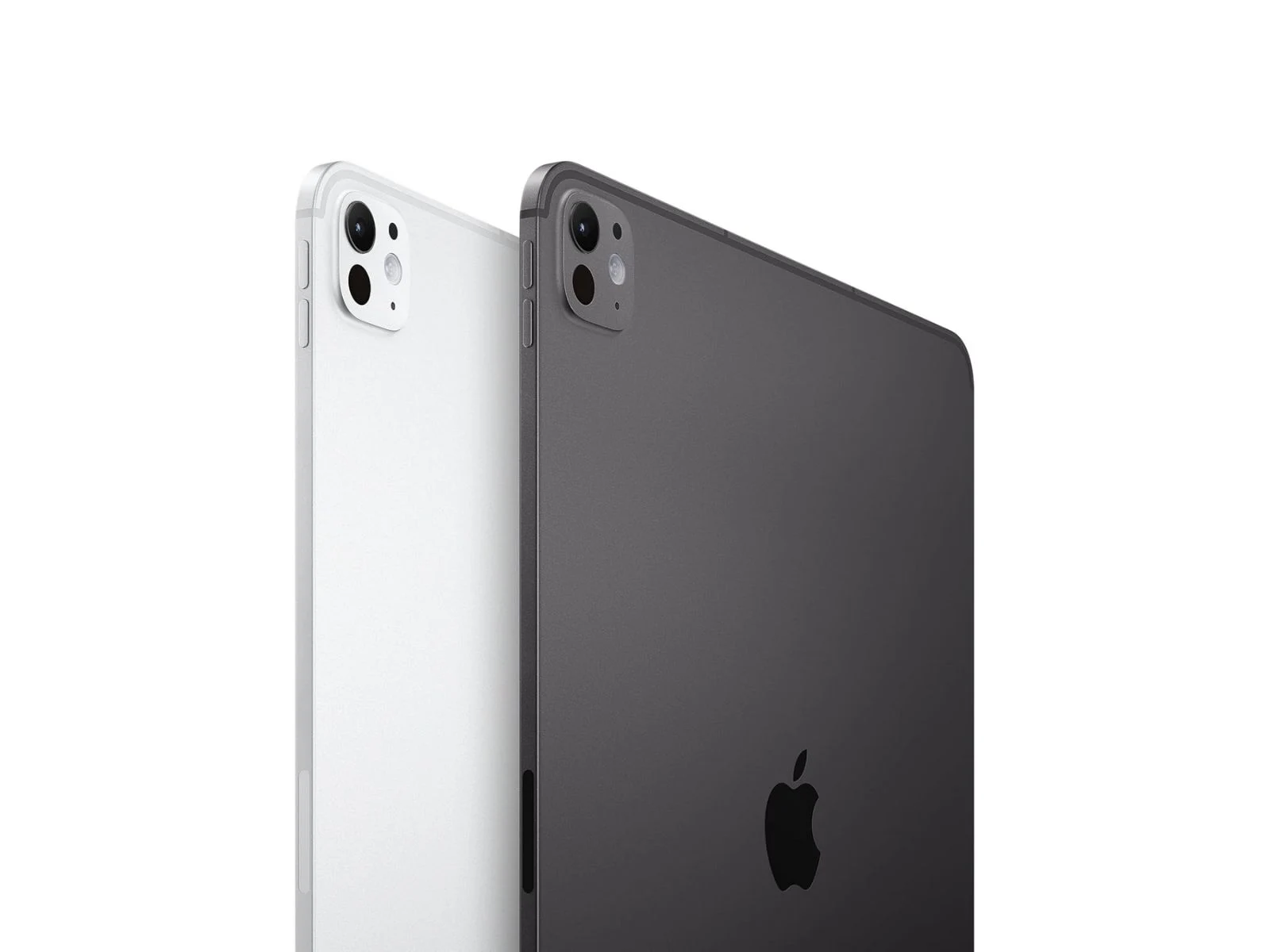
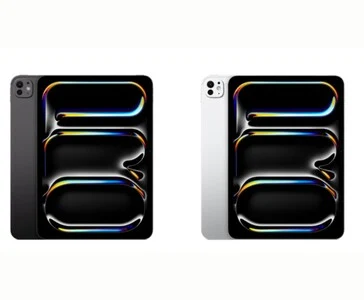
    The M5 version is more of an enhancement compared to last year’s M4 model. The design remains largely the same, maintaining a slim profile — 5.3 mm for the 11-inch and 5.1 mm for the 13-inch version — alongside an Ultra Retina XDR OLED display and two color choices: silver and space black. It still uses a single rear camera, and despite rumors about a second front sensor, Apple has not provided any confirmations.

    The bulk of the improvements lie internally. Apple claims that the M5 offers a noticeable enhancement in AI and graphics performance while introducing the new N1 and C1X chips for better wireless and cellular connectivity. The updated iPad Pro boasts storage read and write speeds that are up to 2× faster, with the 256 GB and 512 GB models starting with 12 GB of unified memory, while the larger 1 TB and 2 TB versions retain 16 GB of memory.

    The new iPad Pro can reach a 50 percent charge in roughly 30 minutes with a high-wattage USB-C power adapter, like Apple’s 70 W model. For those who already have the M4 iPad Pro, this year’s update is more of a minor update rather than a complete overhaul.

    Pre-Order Information

    The iPad Pro with the M5 chip is available for pre-order starting today on Apple’s website and through the Apple Store app in 31 countries, including the U.S. It is set to start shipping and arriving in stores on Wednesday, October 22. The tablet is offered in two colors — silver and space black.

    Both models come in four storage options — 256 GB, 512 GB, 1 TB, and 2 TB.

    Source:
    Link


  • Apple Pro Display XDR 2 Leaks Reveal Center Stage Camera Upgrade

    Apple Pro Display XDR 2 Leaks Reveal Center Stage Camera Upgrade

    Key Takeaways

    1. Apple may introduce a new version of the Pro Display XDR monitor, not an updated Studio Display.
    2. The new Pro Display XDR is expected to feature a built-in camera.
    3. The monitor will likely have a ‘Desk View’ capability to capture both the user and a top-down view simultaneously.
    4. It will support the Center Stage feature, which requires an ultra-wide-angle camera to keep subjects centered.
    5. Upgraded versions of both the Studio Display and Pro Display XDR may be launched in the future.


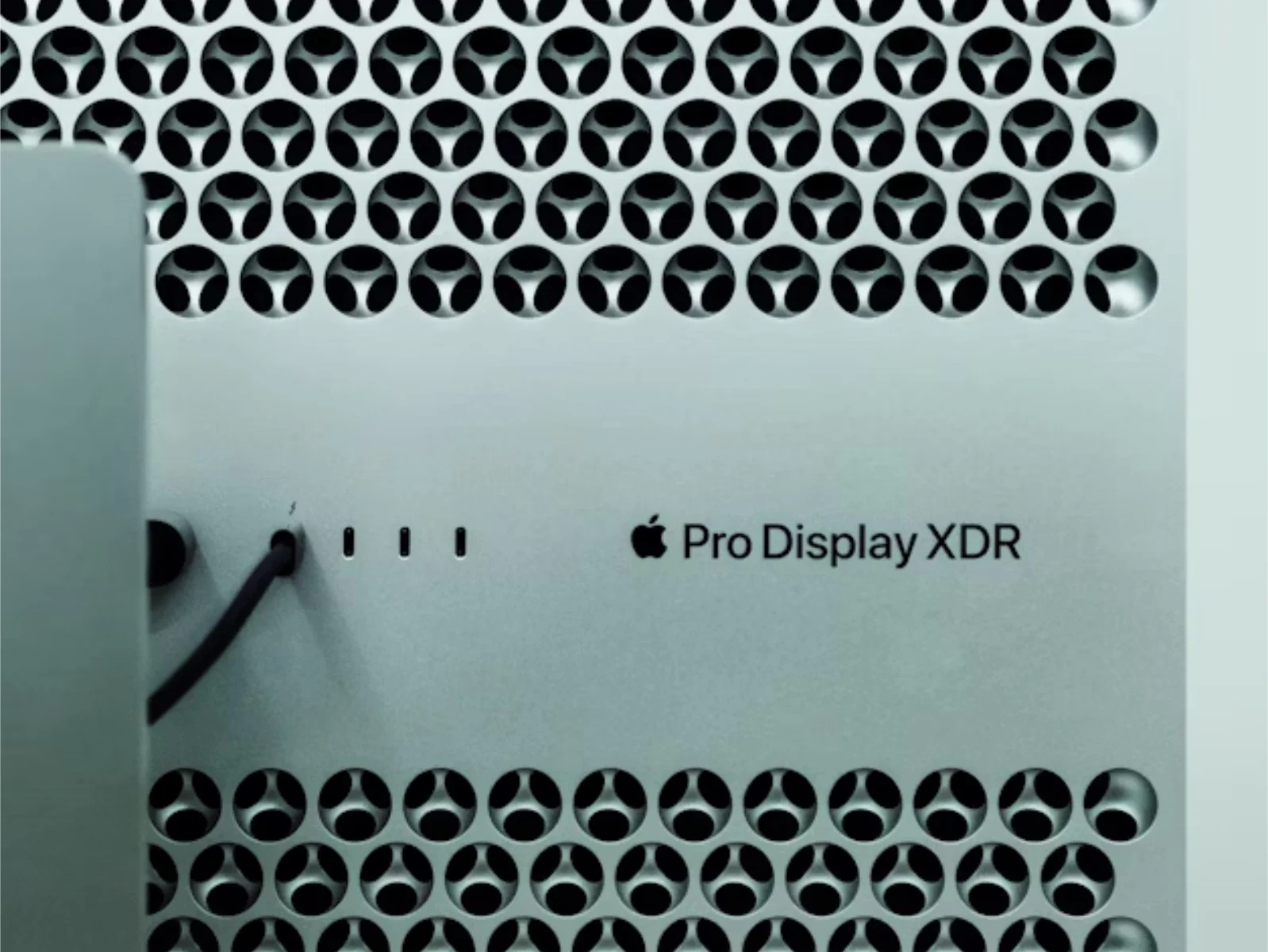
    Rumors have been floating around for some time about Apple possibly introducing new external monitors. Currently, the company provides the Studio Display and Pro Display XDR, which come in 27-inch and 32-inch sizes, respectively (currently priced at $4,999 on Amazon). However, fresh information about a potential new option has surfaced.

    New Features on the Horizon

    In the latest macOS Tahoe 26 beta, two references have been discovered that hint at a new version of the Pro Display XDR instead of an updated Studio Display. Specifically, Public Beta 3 includes mentions of the ‘Pro Display XDR Camera’ and ‘Pro Display XDR Desk View Camera’. This suggests that Apple is working on a second-generation Pro Display XDR monitor that will include a built-in camera.

    Exciting Capabilities

    Moreover, the use of the term ‘Desk View’ implies that the upcoming Pro Display XDR monitor will have the ability to capture both you and a top-down view at the same time. Additionally, this monitor will support Center Stage, a feature designed to keep the subject centered, which requires an ultra-wide-angle camera to function. While we don’t know when this new monitor will be available, Mark Gurman has indicated that Apple might be planning to launch upgraded versions of the Studio Display and Pro Display XDR in the future.

    Source:
    Link