Tag: Apple

  • Apple Clarifies Demo iPhone 17 Marks Are Not Scratches

    Apple Clarifies Demo iPhone 17 Marks Are Not Scratches

    Key Takeaways

    1. Many display units of the iPhone 17 series were found with marks due to handling by customers, raising concerns about durability.
    2. Apple clarified that the marks are not scratches but residue from worn MagSafe stands used in stores, which can be cleaned off.
    3. Other iPhone models, like the iPhone 16 series, also showed similar marks from MagSafe stands, prompting Apple to work with retailers on solutions.
    4. Apple acknowledged that the camera plateau edges on the iPhone 17 Pro are prone to wear, similar to other anodized aluminum products.
    5. Despite reports of scratches on the iPhone 17 Pro and Pro Max, Apple maintains that the devices are designed to withstand wear, although the aluminum paint is still susceptible to damage.


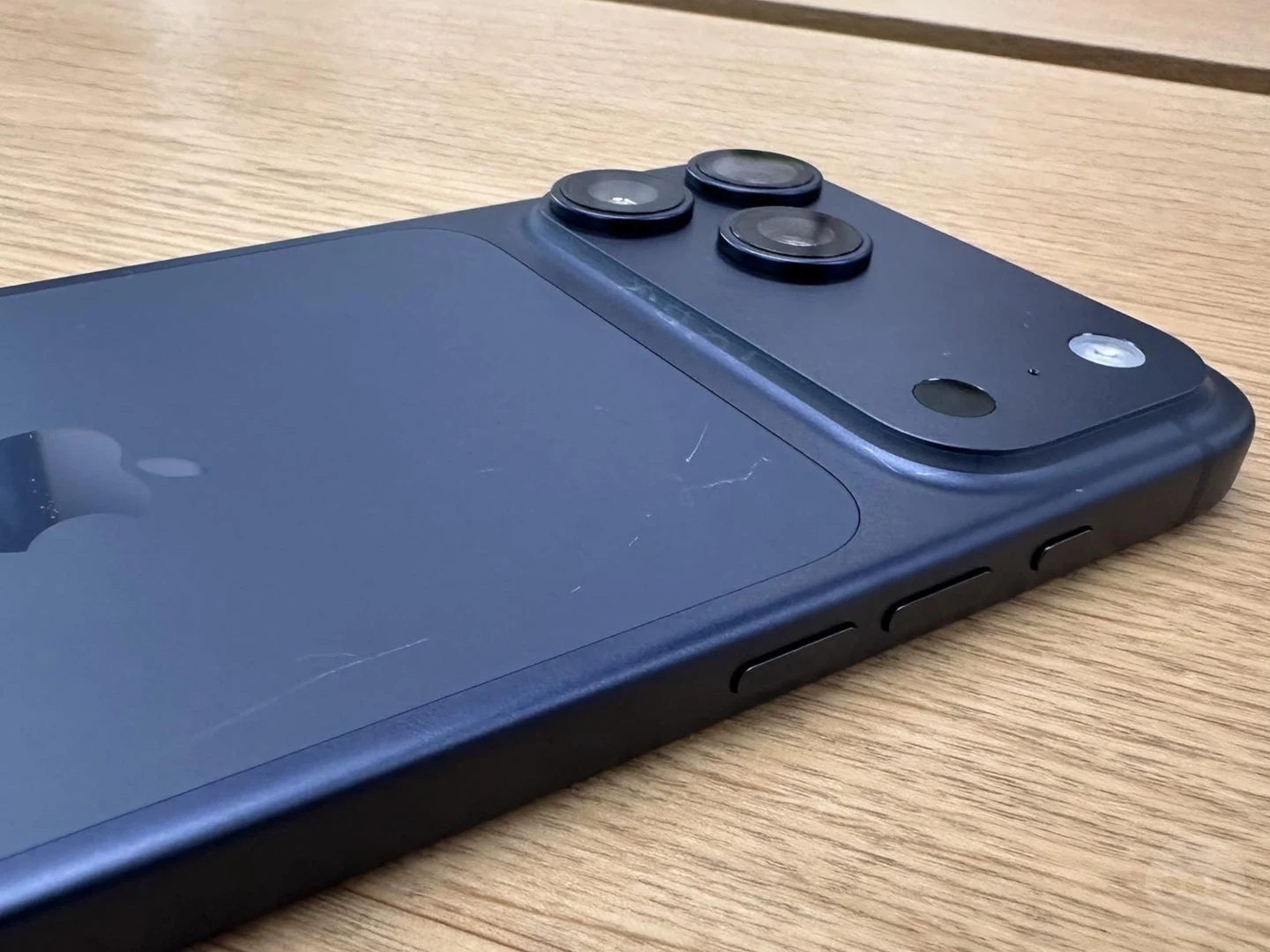
    Shortly after the iPhone 17 series was released, many display units in stores worldwide were found to have scratches and marks on their backs. These units were handled by a variety of customers, some more roughly than others, leading to concerns about the durability of the devices and Apple’s choice to use aluminum for its Pro models. In response to these worries, Apple has stated that the marks seen on these units are not actually scratches.

    Explanation of the Wear

    According to a report from 9to5Mac, after consulting with Apple, it was revealed that the visible imperfections were due to worn MagSafe stands. Some retailers had used these stands to showcase the new iPhones, which apparently caused “material transfer” onto the phones. Apple asserts that these marks were not scratches but rather residue from the stands that can be easily cleaned off.

    Other Models Affected

    The report indicates that other iPhone models, including the iPhone 16 series, were similarly affected by the MagSafe stands. Apple is currently working with retailers to resolve these issues.

    Camera Plateau Concerns

    Regarding the iPhone 17 Pro’s camera plateau edges, which JerryRigEverything pointed out as particularly vulnerable to scratches, Apple claims they are designed like “anodized aluminum cases on other Apple products” and will naturally experience wear over time.

    From the information available, Apple appears to dismiss the idea of “scratchgate,” despite numerous user reports of visible scuffs and scratches on the iPhone 17 Pro and Pro Max models. Although the display is more scratch-resistant and the glass on the back of the Pro models is tougher, the paint on the aluminum body appears to be susceptible to scratching. A recent report highlighted that even when using cases, the iPhone 17 Pro and Pro Max were developing dents and scuffs.

    Source:
    Link


  • iOS 26.1 Beta Update: Exciting News for iPhone and Smartwatches

    iOS 26.1 Beta Update: Exciting News for iPhone and Smartwatches

    Key Takeaways

    1. Apple’s closed system facilitates easy communication between iPhones and Apple devices, but limits interaction with third-party smartwatches.
    2. The iOS 26.1 beta code hints at potential updates for better compatibility with third-party smartwatches, influenced by European Union directives.
    3. A new feature called “Notification Forwarding” may improve how third-party smartwatches manage iPhone notifications.
    4. Notifications can only be sent to one device at a time, meaning users must choose between their Apple Watch or a third-party smartwatch for notifications.
    5. The “AccessoryExtension” feature aims to simplify pairing with third-party wearables, but is still under development.


    Apple’s closed system allows for easy communication and pairing between its own devices, like iPhones and Apple Watches. But, for those with third-party smartwatches, the experience is pretty limited with their iPhones. This may change soon, as clues about a more open pairing and communication update have been found in the iOS 26.1 beta code. This could be a reaction to the European Union’s directives towards Apple.

    Notable Changes in iOS 26.1 Beta

    As reported by Macworld, there are significant updates in the iOS 26.1 beta 1 code, especially regarding compatibility with third-party smartwatches. A feature named “Notification Forwarding” has been identified, which could enhance how third-party smartwatches handle iPhone notifications. Users will also have the option to display notifications on non-Apple devices. Currently, while third-party smartwatches and fitness trackers can receive notifications from iPhones, the interaction with those notifications remains quite limited.

    Limitations on Notification Access

    Moreover, the Macworld report mentions that notifications can only be sent to one device at a time. If users opt to display notifications on a third-party smartwatch, their Apple Watch will either stop showing notifications or will be disconnected entirely.

    Simplifying Pairing Process

    Another feature that was found is “AccessoryExtension,” which aims to simplify the process of pairing third-party wearables. However, this framework is still a work in progress, and it’s uncertain if or when it will be included in a final version.

    In terms of final releases, Apple has allegedly ceased signing iOS 18.6.2. This means that those who have upgraded to iOS 26 cannot revert back to the previous version. The current public version of iOS 26 has some issues, such as increased battery consumption, which Apple claims is typical and should resolve itself in a few days. Users of the iPhone 17 series on iOS 26 have also reported some Wi-Fi disconnection problems.

    According to Macworld, Apple support, and MacRumors, these updates could lead to a better experience for users with third-party smartwatches.

    Source:
    Link


  • Apple Stops Signing iOS 18.6.2, No Downgrade to iOS 26

    Apple Stops Signing iOS 18.6.2, No Downgrade to iOS 26

    Key Takeaways

    1. Apple has stopped signing iOS 18.6.2, preventing downgrades from iOS 26.
    2. iOS 26 was released on September 15 for iPhone models 11 to 17, including iPhone SE.
    3. The only available signed version for compatible iPhones is iOS 26.0.
    4. Users cannot revert to iOS 18 versions after upgrading to iOS 26.
    5. Apple has also ceased signing iPadOS 18.6.2 and tvOS 18.6.


    Apple has ceased signing iOS 18.6.2, meaning that anyone who has upgraded to iOS 26 can’t go back.

    Release Details

    iOS 26 was officially launched on September 15 for iPhone models from 11 to 17, including the iPhone SE. With Apple halting the signing of the prior update, iOS 18.6.2, users are unable to downgrade to it or revert from iOS 26.

    Currently, the only signed version of iOS available for compatible iPhones is iOS 26.0. Although Apple did roll out an update labeled iOS 18.7, this was exclusively an OTA update for devices that can run iOS 26, meaning that no IPSW files are available. As a result, users have no way to go back to any iOS 18 version after upgrading to 26.

    Signing Firmware Updates

    Apple signs firmware updates to verify that they are authentic, unaltered, and authorized for installation on specific devices. Once an iOS or iPadOS update is no longer signed, it cannot be installed. This restriction can limit users from downgrading to older, possibly less secure versions.

    As it stands, iPhone users who are on older iOS 18 versions can only move up to iOS 26, without any option to downgrade afterward. Luckily, users can keep using iOS 18.6.2 as long as they wish, though they might miss crucial security updates or face compatibility issues with certain apps.

    Other Updates

    In addition to iOS 18.6.2, Apple has also stopped signing iPadOS 18.6.2 and tvOS 18.6.

    Source:
    Link


  • Foldable iPhone Design: Two iPhone Airs Stuck Together?

    Foldable iPhone Design: Two iPhone Airs Stuck Together?

    Key Takeaways

    1. The foldable iPhone design is expected to resemble two iPhone Airs connected, focusing on a slim profile with flat edges and a titanium frame for durability.

    2. The device’s thickness will be around 9 to 9.5mm when closed and 4.5mm when opened, placing it between competitors like Samsung and Google in terms of thickness.

    3. The inner display is projected to be 7.8 inches with a nearly square aspect ratio, while the outer screen may be about 5.5 inches; Apple is working on reducing the crease with innovative hinge materials.

    4. Features will include four cameras, with a potential shift from Face ID to Touch ID, and the price is expected to start at around $2,000, reaching up to $2,300.

    5. Pilot production is set to begin in Taiwan, with plans to expand to India, targeting a release around September 2026, though slight delays may occur.


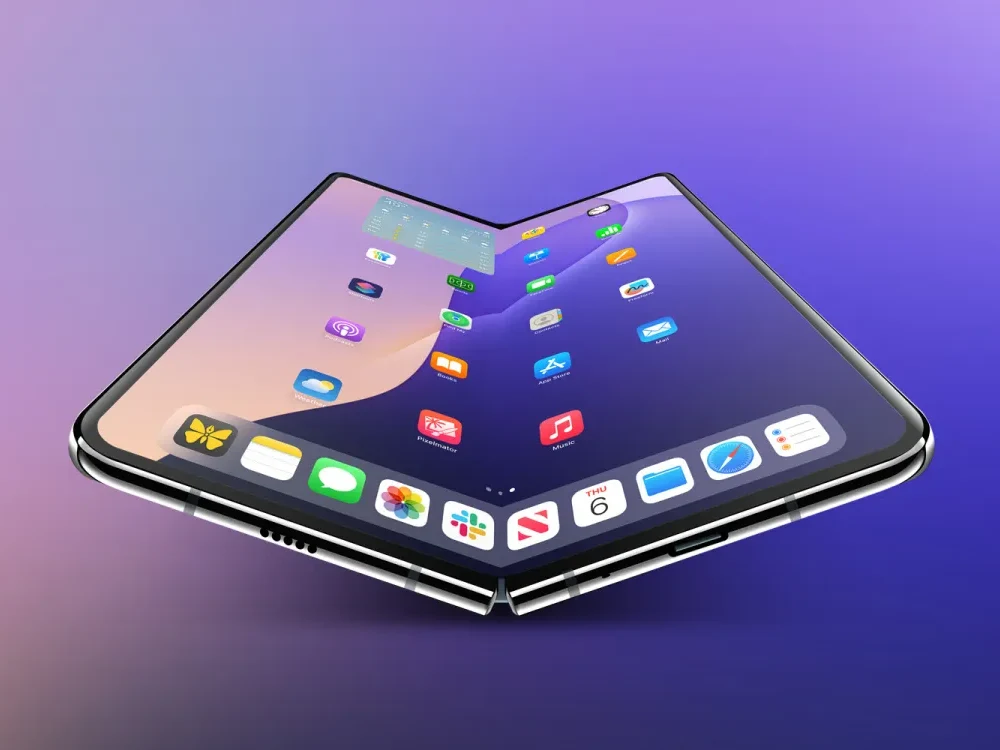
    Apple’s first foldable iPhone has been a topic of much discussion for a few months, and new reports are giving us a better idea of its potential design. According to Bloomberg’s Mark Gurman, the device is expected to look like two iPhone Airs connected together. While this might seem like a simple description, it indicates a design focus on being thin, having flat edges, and utilizing a recognizable titanium frame.

    Durability and Design

    Recently, Apple has made extensive use of titanium in its newer iPhone Air models, and durability tests from iFixit and JerryRigEverything have shown that this material performs well when under pressure. Incorporating this same strength into a foldable phone could help alleviate long-standing worries about the fragility of foldable devices. The thickness being mentioned suggests that Apple aims to create a device that is quite slim by foldable standards. When closed, the phone might be around 9 to 9.5mm thick, while when opened, it could have a thickness of only 4.5mm. For comparison, Samsung’s Galaxy Z Fold7 measures 8.9mm and Google’s Pixel Fold at 10.8mm, positioning Apple somewhere in the middle of these two.

    Screen and Hinge Innovations

    The inner display is rumored to be about 7.8 inches with a nearly square aspect ratio, while the outer screen may come in at around 5.5 inches. Additionally, Apple is reportedly exploring methods to reduce the crease in the center of the screen, possibly by using a metal support plate in the hinge that would help distribute stress evenly. Sources suggest that the hinge may involve a mix of titanium and stainless steel, with liquid metal components potentially included in the design.

    If these claims hold true, it could provide the device with a level of structural strength that sets it apart from its competitors. There’s even talk that Apple might aim to retain some of the iPhone Air’s repairability, which scored a seven out of ten on iFixit. That would be quite rare for a foldable phone, as the Pixel Fold and Galaxy Z Fold7 only received scores of three, so achieving something close to that benchmark would be notable.

    Features and Pricing

    On the features front, Apple appears to be opting for a setup that is both practical and luxurious. Users can expect four cameras: two on the back, one on the outer display, and another on the inside. Face ID might be omitted to simplify the design, potentially replaced by a side button featuring Touch ID. While this would represent a departure from Apple’s recent approach, it would help minimize the space needed within the device’s frame. That said, the price is anticipated to be quite high.

    Current projections estimate the cost at not less than 2,000 US dollars, potentially reaching as much as $2,300. This would place it well above the already high-priced foldables from Samsung and Google, raising the challenge for Apple to justify the premium. Production plans appear to be coming together as supply chain reports indicate that pilot production runs will commence in Taiwan before expanding to India and other locations. The anticipated release timeframe is late 2026, with September being the most frequently mentioned target, though there is a chance of a slight delay into the last quarter of the year.

    Source:
    Link


  • OpenAI, Jony Ive, and Luxshare to Launch AI Hardware by 2027

    OpenAI, Jony Ive, and Luxshare to Launch AI Hardware by 2027

    Key Takeaways

    1. OpenAI is developing its first consumer device, a smart speaker without a screen, in collaboration with Jony Ive and Luxshare, aiming for a late 2026 or early 2027 launch.

    2. Tang Tan, a former Apple design executive, is now the Chief Hardware Officer at OpenAI, following the company’s $6.5 billion acquisition of io Products, co-founded by Tan and Jony Ive.

    3. OpenAI has hired around 24 former Apple employees with expertise in design, hardware, and manufacturing to accelerate its hardware development.

    4. The company is leveraging Apple’s supply chain and collaborating with partners like Luxshare and Goertek to source components, indicating a shift towards consumer electronics.

    5. There are potential conflicts between OpenAI and Apple due to their overlapping interests, as OpenAI develops hardware while Apple uses OpenAI’s models in its products.


    OpenAI is stepping into the hardware arena by teaming up with Jony Ive and choosing Luxshare to create its first consumer device. Suppliers have described this upcoming product as a smart-speaker-style device that does not have a screen. OpenAI is also working on other products like glasses, a wearable pin, and a digital voice recorder, aiming for a launch in late 2026 or early 2027.

    Leadership and Acquisitions

    Tang Tan, who previously worked as a design executive at Apple, is now the Chief Hardware Officer at OpenAI and reports to Sam Altman. In May, OpenAI purchased io Products, a hardware studio that Tan co-founded with Jony Ive, for a whopping $6.5 billion, with funding from SoftBank. Legal documents related to a trademark issue reveal the intention to create a lineup of “AI-native” products under the io brand.

    Hiring Strategies

    To speed up its hardware plans, OpenAI has brought on board about two dozen former Apple workers who specialize in design, hardware, UI, audio, wearables, and manufacturing. Key additions include manufacturing design specialist Matt Theobald and Siri interface designer Cyrus Daniel Irani, both now part of Tan’s team.

    Supply Chain Connections

    OpenAI is taking advantage of Apple’s supply chain while looking for new talent. Besides collaborating with Luxshare, they have contacted Goertek, which provides components for AirPods, HomePods, and Apple Watches, to supply speaker modules. OpenAI is also engaging with other Chinese partners used by Apple for tooling and audio. These actions suggest that OpenAI is aiming to expand like a consumer electronics company, instead of merely functioning as a research lab.

    Future Device Ideas

    There are reports that OpenAI is looking into more device concepts, with timelines that coincide with the smart-speaker-style product. The goal is to merge AI-driven features with the high-quality design that Jony Ive’s teams are known for. To bring in experienced professionals, OpenAI is providing attractive salaries, fresh job opportunities, and various incentives.

    Potential Conflicts

    A possible conflict has arisen as Apple has incorporated OpenAI’s models into Siri and iOS since 2024, while OpenAI is developing hardware alongside former Apple executives and suppliers. This overlap may lead to tension if OpenAI’s hardware plans clash with Apple’s interests, which could have repercussions for their ongoing partnership as new products are created.

    Source:
    Link


  • Apple iPhone Air: Indestructible Challenge Surpasses JerryRigEverything

    Apple iPhone Air: Indestructible Challenge Surpasses JerryRigEverything

    Key Takeaways

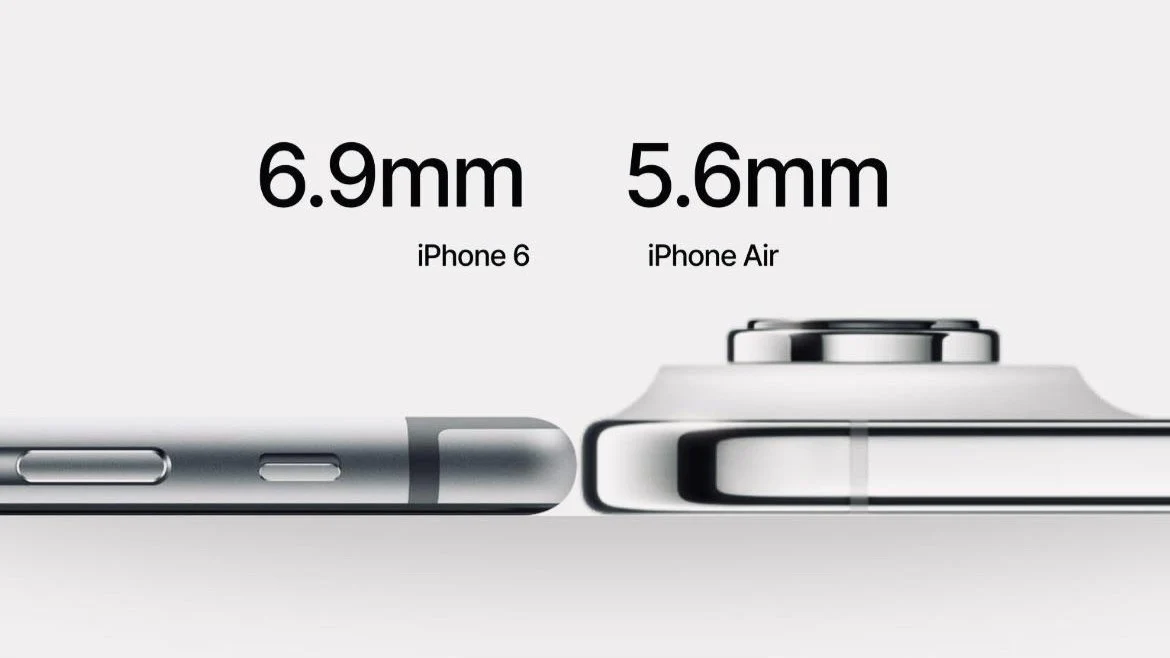
    1. The iPhone 17, also known as the iPhone Air, is the slimmest iPhone ever at 5.6 mm, sparking comparisons with the thicker iPhone 6.
    2. The iPhone 6 faced issues with bending, leading to the “Bendgate” scandal for Apple.
    3. Durability tests for the iPhone Air are being conducted, with positive early results shared by HowToHacks on YouTube.
    4. A TikTok video shows a tester bending the iPhone Air and striking it with a hammer, with no damage reported so far.
    5. The iPhone Air is reinforced with titanium, but a crack is heard in the TikTok video, indicating potential vulnerabilities.


    Starting today, September 19, 2025, Apple’s latest iPhone, the 17th generation, is now officially for sale. Apple boasts that this is the slimmest iPhone ever created. In fact, the iPhone Air, measuring just 5.6 mm, looks almost clumsy next to the notorious iPhone 6 from 2014. This comparison has sparked a lot of interest on social media platforms like Reddit, particularly in the MathJokes subreddit. The iPhone 6, which is notably thicker at 6.9 mm, unfortunately, proved to be too bendable, leading to the embarrassing Bendgate scandal for Apple.

    Durability Tests on the Horizon

    There are signs that Zack Nelson will soon release his durability evaluation of the iPhone Air. Meanwhile, several other durability tests are already available online. A YouTube channel called HowToHacks has shared a brief video where they perform a bend test, and thankfully, the outcome appears to favor Apple.

    Tension Builds with TikTok

    For fans of the iPhone Air, there’s a shorter video on TikTok that might raise the tension. Lasting only 18 seconds, the tester not only attempts to bend the ultra-slim phone over a table edge but also strikes it with a hammer. It seems the online community is eager to put the iPhone Air to the test. So far, they have not succeeded in damaging it. Clearly, Apple anticipated these challenges and has reinforced the device with titanium. However, a crack can be heard at the end of the video. Perhaps a follow-up test is on the way?

    Source:
    Link


  • iPhone 18 Pro Leak: Design Stays the Same, Standard Model Delayed

    iPhone 18 Pro Leak: Design Stays the Same, Standard Model Delayed

    Key Takeaways

    1. Apple recently announced four new iPhone models: iPhone Air, iPhone 17, iPhone 17 Pro, and iPhone 17 Pro Max.
    2. A leak suggests that the iPhone 18 Pro will have a rectangular camera setup similar to the iPhone 17 Pro, with a slightly transparent rear glass panel.
    3. The iPhone 18 Pro is expected to feature a stainless steel vapor chamber and retain display sizes of 6.3 inches for the Pro and 6.9 inches for the Pro Max.
    4. The iPhone 18e may be in production, but the standard iPhone 18 could face delays, with potential launches in September 2026 for the Pro series and early 2027 for the standard and budget models.
    5. Apple has not officially confirmed any details about the iPhone 18 lineup, so the information from the leak should be treated with caution.


    Earlier this month, Apple unveiled four new iPhone models: the iPhone Air, iPhone 17, iPhone 17 Pro, and iPhone 17 Pro Max. Recently, however, a new leak has come to light about the upcoming iPhone 18 lineup.

    Details of the Leak

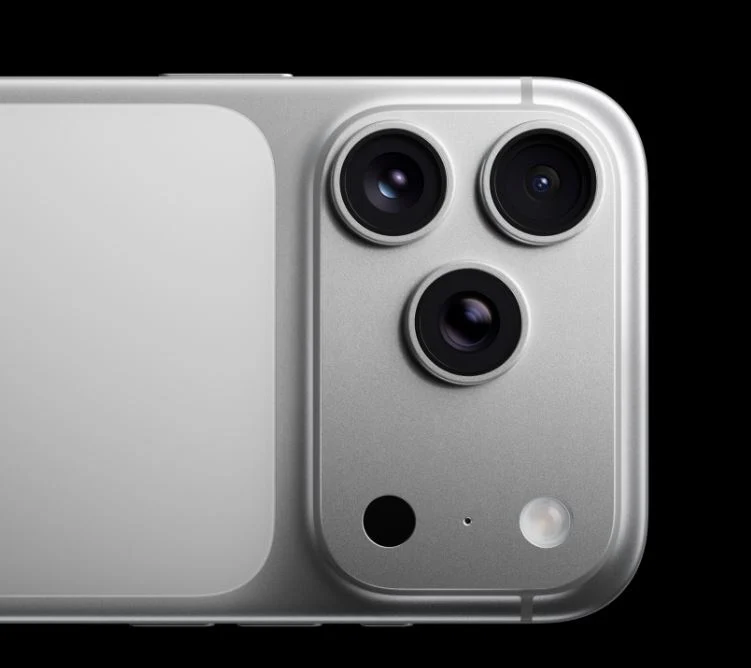
    According to a well-known leaker, Digital Chat Station, who shared info on Weibo, the engineering prototype for the iPhone 18 Pro is said to have a rectangular camera setup. The arrangement of the camera is expected to be the same as the 17 Pro models. Yet, the leak also suggests that the rear glass panel has a slight transparent finish. It’s important to remember that the final design may vary since this info is based on an early prototype.

    Specifications and Features

    Reports indicate that the iPhone 18 Pro could include a stainless steel vapor chamber. The display sizes for the iPhone 18 Pro series are predicted to stay the same. Consequently, the iPhone 18 Pro is likely to feature a 6.3-inch display, while the 18 Pro Max could come with a larger 6.9-inch display.

    Future Plans and Launch Dates

    Additionally, the leak indicates that the iPhone 18e might be in the current production schedule, but the regular iPhone 18 could face delays. This isn’t the first time news has circulated about the iPhone 18’s possible postponement. Back in April, it was reported that Apple might launch the iPhone 18 Pro series in September 2026, while the standard iPhone 18 and the more budget-friendly iPhone 18e could debut in early 2027.

    As of now, Apple hasn’t officially confirmed any details about its next smartphones. Therefore, the details mentioned should be viewed skeptically.

    Source:
    Link


  • iPhone 18 and 18 Pro: Smaller Dynamic Island, No Under-Display Face ID

    iPhone 18 and 18 Pro: Smaller Dynamic Island, No Under-Display Face ID

    Key Takeaways

    1. The iPhone 18 may introduce a new pressure-sensitive button for camera control and could replace the standard model with an iPhone Air.
    2. Rumors suggest the iPhone 18 and iPhone 18 Pro will not have under-display Face ID or front camera, but will maintain a smaller Dynamic Island for Face ID sensors.
    3. The front camera might be repositioned as a punch hole, differing from earlier expectations.
    4. The pill-shaped cutout design may continue with the iPhone 19 series and the 20th-anniversary model could feature no visible holes.
    5. Setsuna Digital has a mixed track record for leaks but has previously provided accurate information about Apple products.


    The iPhone 17 series has just been released, yet people are already looking ahead to what Apple has planned for 2026.

    In recent months, there has been a flow of rumors regarding the iPhone 18. Some sources suggest that Apple might add a new pressure-sensitive button for camera control and may even alter the existing lineup. This could mean replacing the standard model with an iPhone Air, which would join the Pro, Pro Max, and a potential foldable iPhone.

    Latest Rumors from a Trusted Source

    A new rumor has emerged from Setsuna Digital, a well-known leaker on the Chinese platform Weibo. According to MacRumors, this leaker claims that the iPhone 18 and iPhone 18 Pro will not feature an under-display Face ID or an under-display front camera, as previously thought. Instead, it seems Apple is focusing on a smaller Dynamic Island that will contain the Face ID sensors. The front camera might have a separate placement, possibly as a punch hole, as earlier suggested. How Apple will manage to fit both components remains unclear.

    Future Design Speculations

    If these rumors are accurate, the pill-shaped cutout will continue for at least one more generation, likely appearing with the iPhone 19 series and the expected 20th-anniversary model, which is rumored to feature a design with no visible holes.

    Setsuna Digital has a history of leaking accurate information, such as details about the vapor chamber heat spreader in the iPhone 17, which was revealed around the same time last year. However, it’s worth noting that this account has also made several errors in the past. Regardless, there’s a strong possibility that Apple will revamp the front display over the next two iPhone generations.

    Setsuna Digital on Weibo via MacRumors, Photo by Omar Al-Ghosson on Unsplash

    Source:
    Link


  • Apple A19 and A19 Pro CPU Benchmarks Show Minor Performance Gain

    Apple A19 and A19 Pro CPU Benchmarks Show Minor Performance Gain

    Key Takeaways

    1. Apple introduced the iPhone 17 series with A19 and A19 Pro chipsets, but no major performance enhancements are expected.
    2. The A19 Pro chipset in the iPhone 17 Pro Max shows a 10% increase in CPU performance compared to the A18 Pro.
    3. The standard iPhone 17 uses the A19 chipset, which is about 7% stronger than the previous iPhone 16.
    4. Benchmark scores for the new devices are preliminary and may change with further testing.
    5. Apple appears to have focused on improvements beyond just CPU performance for the iPhone 17 series.


    Apple introduced the iPhone 17 series yesterday, along with the A19 and A19 Pro chipsets that power them. As mentioned before, it is not anticipated that the new chipsets will bring major enhancements in performance, and initial CPU benchmarks seem to support this view.

    Benchmark Scores

    According to reports from Geekbench, the Apple A19 Pro found in the iPhone 17 Pro Max achieves a single-core score of 3,781 and a multi-core score of 9,679. In comparison, the previous A18 Pro in last year’s iPhone 16 Pro Max scored 3,479 and 8,568 on the same tests. This suggests an approximate 10% increase in CPU performance for the new chipset.

    Standard Model Performance

    The regular iPhone 17 is powered by the A19 chipset, unlike its more advanced counterparts which utilize the A19 Pro. Last year, the A18 was only marginally slower than the A18 Pro in terms of CPU performance, and this trend seems to continue. The basic iPhone 17 achieves a score of 3,608 in the single-core test and 8,810 in the multi-core test. When compared to the iPhone 16, which recorded 3,377 and 8,362 in our assessments, the A19 and iPhone 17 appear to be roughly 7% stronger.

    Future Benchmarking

    It’s worth mentioning that these benchmarks are still preliminary and not fully verified for Apple’s latest devices. More reliable scores are likely to emerge in the days ahead, and we intend to put all four models of the iPhone 17 series through our extensive in-house testing. Until then, it seems that Apple has included significant improvements in areas other than just raw CPU performance.

    Source:
    Link


  • Apple Powerbeats Fit Leak: Euro Prices and Upgrades Revealed

    Apple Powerbeats Fit Leak: Euro Prices and Upgrades Revealed

    Key Takeaways

    1. Release and Pricing: The Apple Powerbeats Fit will launch on September 30, 2025, priced at €249.95, similar to the Beats Fit Pro.

    2. Design and Durability: The earbuds have a smaller charging case (17% smaller than Beats Fit Pro) and an IPX4 rating for sweat and water resistance, with battery life of 7 hours (up to 30 hours with the case).

    3. Sound Features: They are expected to include active noise cancellation (ANC), transparency mode, spatial audio with head tracking, and improved call clarity with two beamforming microphones.

    4. Connectivity: The Powerbeats Fit will feature the Apple H1 Bluetooth chip, enabling “Hey Siri” voice commands and tracking via the “Find My?” app.

    5. Special Features: The earbuds will have an “Adaptive Equalizer” to adjust audio based on fit, and will come with a USB-C charging cable and eartips in four sizes.


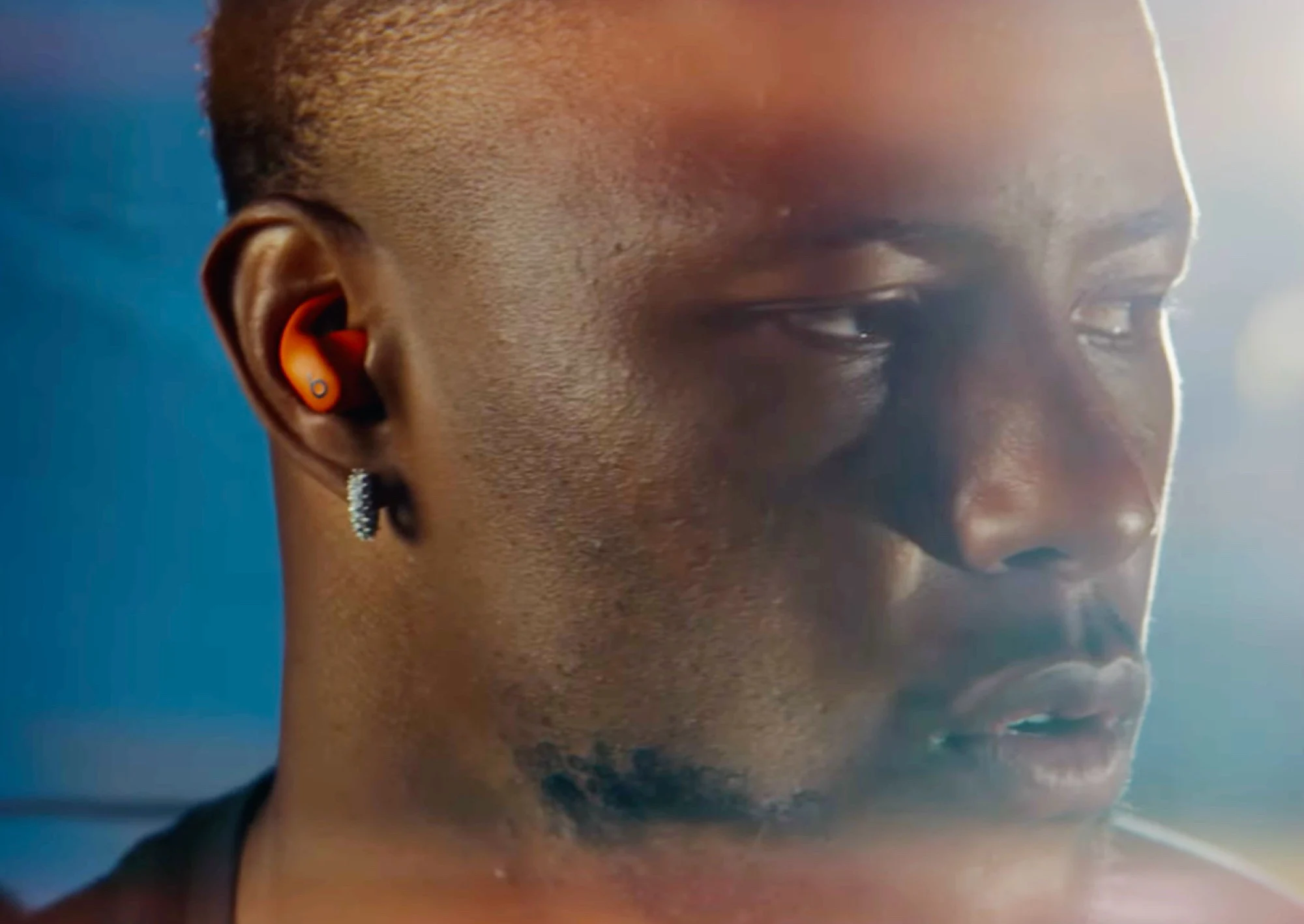
    The Apple Powerbeats Fit made their debut in a teaser video at the end of August, and recently, Dealabs has uncovered key details regarding their features and release. The earbuds are expected to launch on September 30, 2025, and will be priced at €249.95, matching the retail price of the Beats Fit Pro.

    Design and Durability

    In contrast to the Powerbeats Pro 2, the Powerbeats Fit seemingly lacks a heart rate sensor. However, the charging case is reportedly 17% smaller than that of the Beats Fit Pro. Both the earbuds and the case hold an IPX4 rating, making them resistant to sweat and water damage. Moreover, battery performance has improved, offering seven hours of use, or up to 30 hours with the charging case.

    Sound Features

    The Powerbeats Fit are rumored to feature active noise cancellation (ANC) along with a transparency mode. A new chip and two beamforming microphones are expected to enhance noise cancellation and call clarity. They also support spatial audio, which includes head tracking capabilities.

    Connectivity and Special Features

    Equipped with the Apple H1 Bluetooth chip, the earbuds allow users to utilize “Hey Siri” voice commands when connected to an iPhone, and they can be tracked through Apple’s “Find My?” app. A unique aspect of the Powerbeats Fit is the “Adaptive Equalizer,” which adjusts the audio output based on how well the earbuds fit in the ear. Furthermore, Apple is anticipated to include a USB-C charging cable along with eartips in four different sizes.

    Source:
    Link