Tag: Apple

  • Apple’s iPhone Pocket: Unique Designer Accessory with High Price

    Apple’s iPhone Pocket: Unique Designer Accessory with High Price

    Key Takeaways

    1. Stylish Utility: The iPhone Pocket is designed for carrying an iPhone and other pocketable items, catering to modern fashion trends of baggy, pocketless clothing.

    2. Limited Availability: It is a limited-edition item available in select stores and online in several countries, enhancing its exclusivity and desirability.

    3. Innovative Design: Made from a unique 3D-knitted stretchable material, it allows for secure storage of the iPhone while keeping the display and camera accessible.

    4. Versatile Wear Options: The accessory can be worn in multiple ways, such as on the shoulder or across the body, appealing to style-conscious consumers.

    5. Color Customization: Users can choose from various colors to match their iPhone and personal style, promoting individuality and personal interpretation.


    The collaboration between Apple Design Studio and the renowned Japanese fashion label Issey Miyake has led to the creation of an innovative accessory called the iPhone Pocket.

    Stylish Utility

    True to its name, this accessory is designed for carrying an iPhone stylishly, but it also aims to hold “all other pocketable items” that don’t fit into the current trend of baggy, pocketless clothing. The iPhone Pocket will be available in both short-strap and longer formats, starting at $149.95 upon its release in the US on Friday, November 14. The long-strap version, which can be worn across the body, will be priced at $229.95. While Apple already offers a $59 iPhone Crossbody Strap that attaches to several of its cases, it certainly lacks the flair of the Miyake-designed piece.

    Limited Availability

    To justify its price, Apple describes the iPhone Pocket as a “limited-edition release,” restricting its availability to select stores and online in the US, UK, France, China, Italy, Japan, Singapore, and South Korea. This exclusivity adds to its allure, making it a sought-after item for fans of the brand.

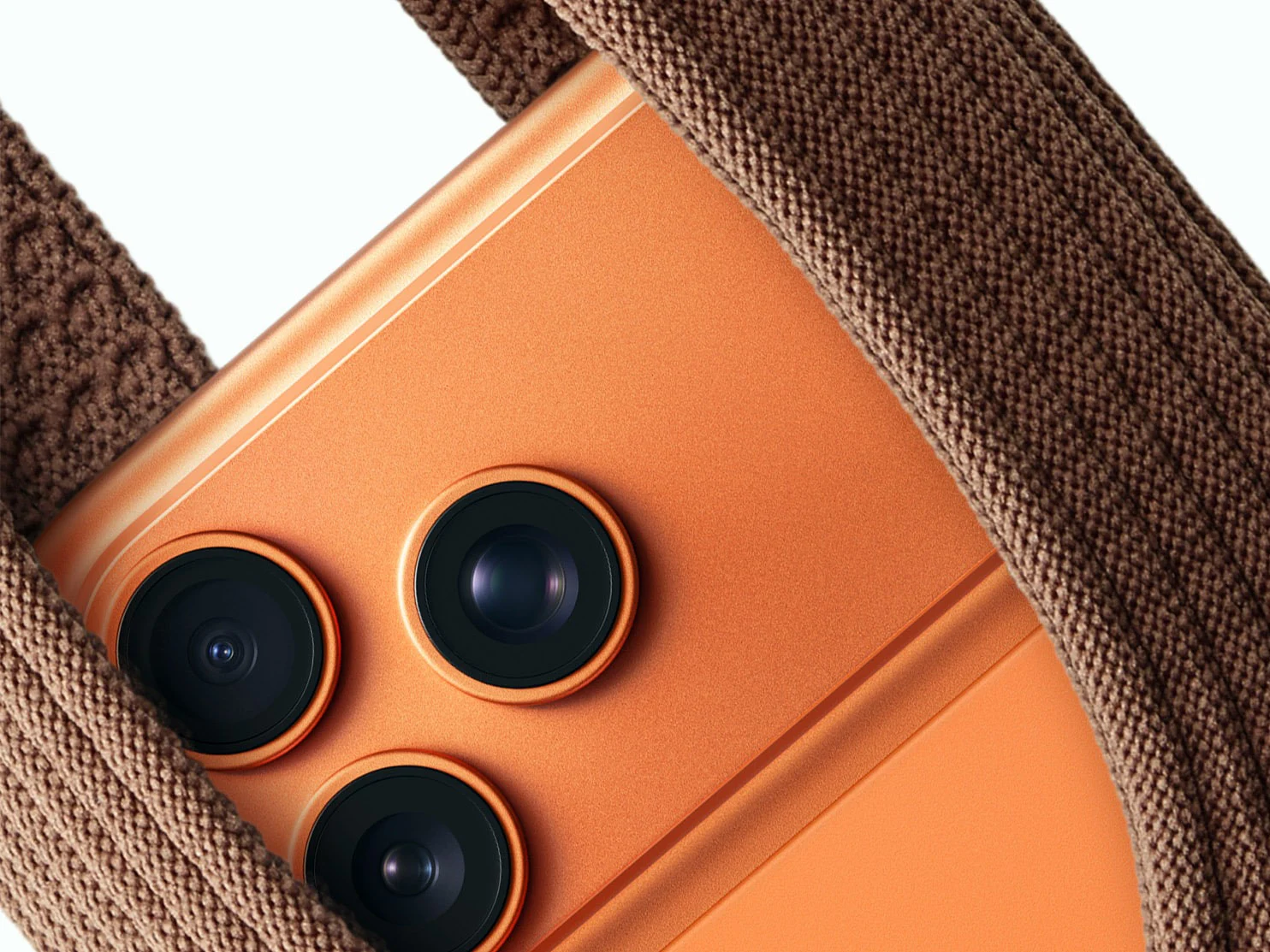
    The iPhone Pocket draws inspiration from the versatile Japanese “piece of cloth” design that can transform into various clothing items. It features a strap with an opening that expands to accommodate the iPhone while also holding other personal items for easy access.

    Innovative Design

    The iPhone Pocket is crafted from a “3D-knitted” stretchable material, developed by the Issey Miyake fashion studio. This unique fabric secures the iPhone while providing a clear view of its display, ensuring that the camera lens remains unobstructed.

    Manufactured in Japan, known for its rich heritage in high-quality textiles, the iPhone Pocket embodies “the joy of wearing iPhone in your own way,” according to the design director of Issey Miyake. Users can select colors that complement their phone and personal style.

    This accessory can be worn in various ways—on the shoulder, arm, across the body, attached to a handbag, or a backpack—making it a potential viral sensation among style-savvy iPhone users. Miyake emphasizes “the idea of leaving things less defined to encourage possibilities and personal interpretation,” showcasing the accessory’s versatility.

    Source:
    Link



  • iPhone Air Production Halt Raises Concerns for iPhone Air 2 Release

    iPhone Air Production Halt Raises Concerns for iPhone Air 2 Release

    Key Takeaways

    1. The Apple iPhone Air has strong performance, display quality, and design but suffers from a small battery, single back camera, and USB 2.0 connectivity issues.
    2. Sales of the iPhone Air have been disappointing, leading to a reduction in production shortly after its release.
    3. Apple is considering developing one or two successors to the iPhone Air, but the next model will not launch with the iPhone 18 series in September 2026.
    4. Production of the current iPhone Air is set to pause at Foxconn by the end of November, following a previous halt at Luxshare.
    5. The future timeline for the iPhone Air 2’s launch remains uncertain due to low sales and production concerns.


    The Apple iPhone Air had a decent performance in our thorough review, showcasing robust capabilities, a remarkable display, and a slim, high-quality design. However, at this price range, the small battery, single back camera, and USB 2.0 connectivity are significant drawbacks. These issues have reportedly led to disappointing sales, prompting a notable reduction in production shortly after its initial release.

    Reports of Future Generations

    Despite the challenges, Apple may be looking at developing at least one successor, or possibly even two upcoming versions. A recent report from The Information states that Apple has told its engineers and suppliers that the next iPhone Air model has been taken off the current timetable. This implies that it won’t be launched alongside the iPhone 18 series in September 2026. At this moment, only the planned release date has been scrapped, not the iPhone Air 2 itself, as some engineers continue to work on the sleek smartphone.

    Production Halt and Uncertain Future

    This choice by Apple is said to arise from the alarmingly low sales figures. The manufacturing of the current iPhone Air at Foxconn, Apple’s production partner, is anticipated to be paused temporarily by the end of November, following a stoppage at Luxshare in late October. It remains uncertain if production will restart after the current inventory is sold out, and the timeline for the iPhone Air 2’s launch is also uncertain.

    Source:
    Link


  • 2027 iPhone Could Feature Apple’s First Under-Display Front Camera

    2027 iPhone Could Feature Apple’s First Under-Display Front Camera

    Key Takeaways

    1. Apple is developing a front camera system hidden beneath the display for its 20th anniversary iPhone, aiming for a completely uninterrupted screen.
    2. LG Innotek is creating an advanced optical system to improve image quality and reduce distortion for under-display cameras.
    3. The anticipated iPhone design for 2027 may feature a bezel-less screen that wraps around all sides and a 24-megapixel under-screen camera.
    4. Apple is cautious in adopting under-display technology due to concerns about image quality, focusing on a long-term solution instead.
    5. Analysts suggest that under-display Face ID could debut as early as 2026, with full camera integration expected in 2027.


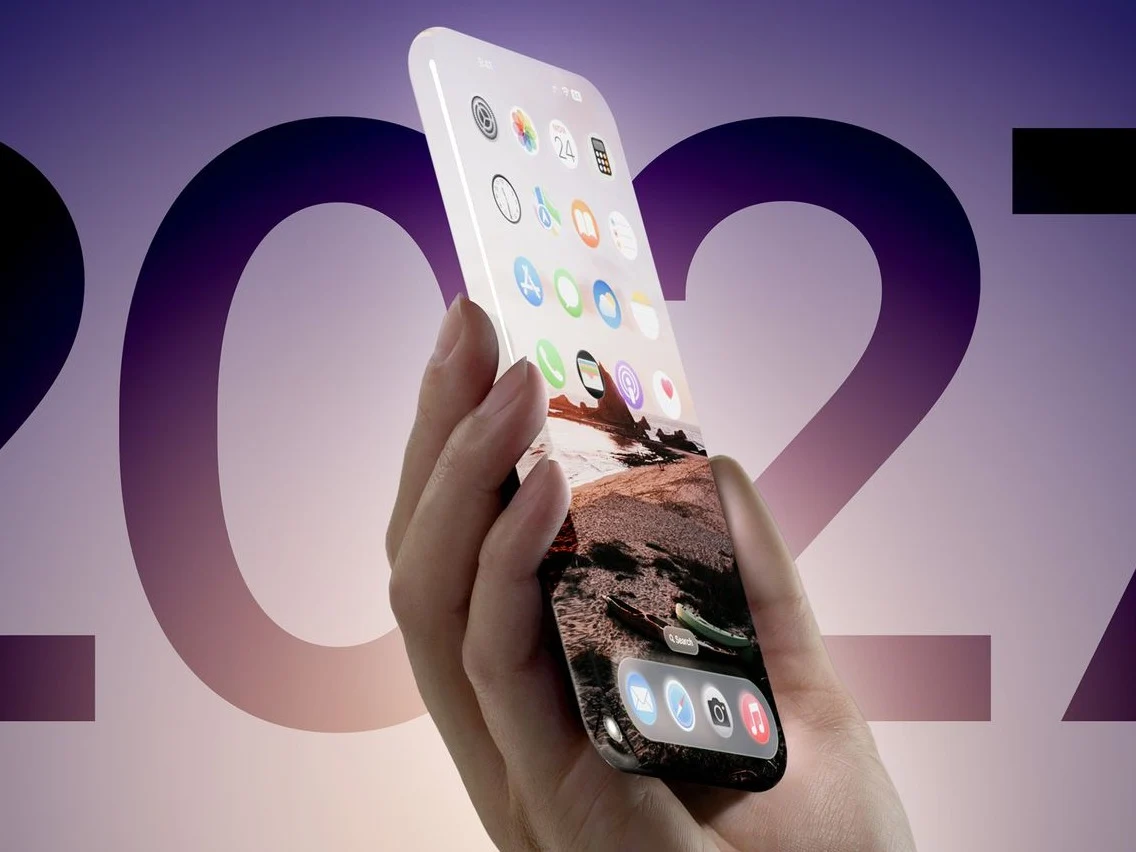
    Apple is said to be working on a significant design change for its 20th anniversary iPhone, aiming to remove all visible display interruptions by placing the front camera underneath the screen. Leaks from the trusted source Digital Chat Station on Weibo, along with insights from JP Morgan, indicate that Apple is focusing on creating a front camera system hidden beneath the display, which would allow for a completely uninterrupted screen. This innovation is expected to debut in 2027, aligning with the company’s notable iPhone launch.

    Apple’s Long-standing Interest

    This isn’t Apple’s first foray into under-display technology. Many Android brands have tried this approach in recent years; however, most of these attempts suffer from lackluster image quality due to light needing to penetrate through various display layers before reaching the camera. Apple has been cautious about adopting this feature, opting instead to invest in a long-term solution that can maintain the clarity and brightness that users expect from their front cameras.

    Developments from Key Suppliers

    According to reports, LG Innotek, a primary supplier for Apple, is working on a freeform optical system that uses a combination of lens elements to minimize distortion and address light loss. This advancement would let the screen appear seamless when the camera is off while enhancing image quality when the camera is active. If successful, this could solve one of the major issues found in current under-display camera systems and provide a solid foundation for Apple’s future designs.

    It is still uncertain if LG Innotek’s technology will make it into Apple’s first foldable iPhone. However, JP Morgan has highlighted that Apple is currently testing a 24-megapixel under-screen camera for the internal display of this model, which is notably higher than the usual 4 or 8MP found in existing devices. Additionally, the 2027 iPhone is anticipated to showcase a dramatic redesign with a bezel-less screen that wraps around all four sides. In keeping with Apple’s tradition, the company might skip the “iPhone 19” name entirely, reminiscent of the iPhone X launch for the tenth anniversary in 2017.

    A New Era for iPhone

    Integrating this design with an under-display camera and Face ID would signify a major visual upgrade for the iPhone, resulting in a smooth panel free of any visible sensors or cutouts. As with many forthcoming Apple innovations, the timeline may evolve based on development progress. Analysts speculate that under-display Face ID might arrive as soon as 2026 with the iPhone 18 Pro models, followed by full camera integration the following year. Given Apple’s typical preference for reliability and maturity over early adoption, it’s likely the company will wait until image quality and display consistency align with its high production standards.

    Weibo, MacRumors’

    Source:
    Link


  • Sony, Samsung, Apple LOFIC Sensors to Bring Cinema-Level Quality by 2028

    Sony, Samsung, Apple LOFIC Sensors to Bring Cinema-Level Quality by 2028

    Key Takeaways

    1. Major tech companies like Sony, Samsung, and Apple are developing next-gen image sensors using LOFIC technology, with expected adoption between late 2026 and 2028.

    2. Sony plans to release a 1/1.3-inch LOFIC sensor for OPPO and Vivo, with prototypes ready by late 2026, marking a shift towards external OEM partnerships.

    3. Samsung is working on a 200 MP, 1/1.1-inch LOFIC module, anticipated for release between late 2026 and early 2027.

    4. Apple’s in-house CIS project with LOFIC technology is now expected to launch in 2028, potentially delaying the introduction originally planned for the 2027 iPhone 20 series.

    5. LOFIC technology enhances dynamic range and low-light performance in image sensors, shifting the focus of mobile photography from resolution to overall image quality.


    A recent post on Weibo by the trusted insider Digital Chat Station suggests that major tech companies like Sony, Samsung, and Apple are working on the next-gen image sensors that will use LOFIC (Lateral Overflow Integration Capacitor) technology. The timeline indicates that we can expect this technology to be adopted between late 2026 and 2028, hinting at a coordinated effort across the industry rather than just individual trials.

    Sony’s New Developments

    The leak reveals that Sony is getting ready to launch a 1/1.3-inch LOFIC sensor for brands like OPPO and Vivo, with prototype versions expected to be ready by late 2026. This is the first time it’s been reported that Sony is creating a LOFIC sensor specifically intended for external OEM partners, instead of for its own Xperia series. Furthermore, Samsung is believed to be working on a 200 MP, 1/1.1-inch module, known internally as HPA, which is anticipated to be released sometime between late 2026 and early 2027.

    Apple’s Progress with LOFIC

    On the other hand, Apple is reportedly making strides in its own in-house CIS (CMOS Image Sensor) project that incorporates LOFIC technology, with a release now expected in 2028. The leak from Digital Chat Station specifically states that Apple’s self-developed CIS with LOFIC support is “currently planned for the year 2028.”

    In the past, there have been indications that Apple’s first LOFIC sensor would be introduced with the 2027 “anniversary iPhone,” recognized now as the iPhone 20 series. The iPhone 20 holds special significance as it marks Apple’s 20th anniversary, and it would have been a great opportunity to unveil the company’s first in-house image sensor. However, the latest information suggests that this significant camera upgrade might be pushed back a year, delaying the LOFIC introduction to the 2028 iPhone models.

    Understanding LOFIC Technology

    For those who may not know, LOFIC allows a sensor to capture excess charge from bright areas using lateral capacitors, which helps avoid highlight clipping and enhances tonal range. This design results in better performance in low-light conditions and improves dynamic range, yielding more realistic details in both highlights and shadows.

    If this information is correct, it appears that Sony and Samsung could bring LOFIC sensors to market before the end of 2027, while Apple will adopt the technology later through its own CIS. This trend also highlights a shift from merely competing on resolution towards focusing on dynamic range and architectural innovations in mobile photography.

    Currently, there has been no official confirmation from any of the three companies regarding these details.

    Source:
    Link


  • iPhone 18 Pro Camera Details Leaked: Transparent Back & Features

    iPhone 18 Pro Camera Details Leaked: Transparent Back & Features

    Key Takeaways

    1. New Camera Design: The iPhone 18 Pro may adopt a Hole-In-Active-Area (HIAA) design for the front camera, potentially replacing the current Dynamic Island notch.

    2. Variable Aperture Feature: Apple is testing a new main camera with a variable aperture for improved light control, a feature previously introduced by Samsung.

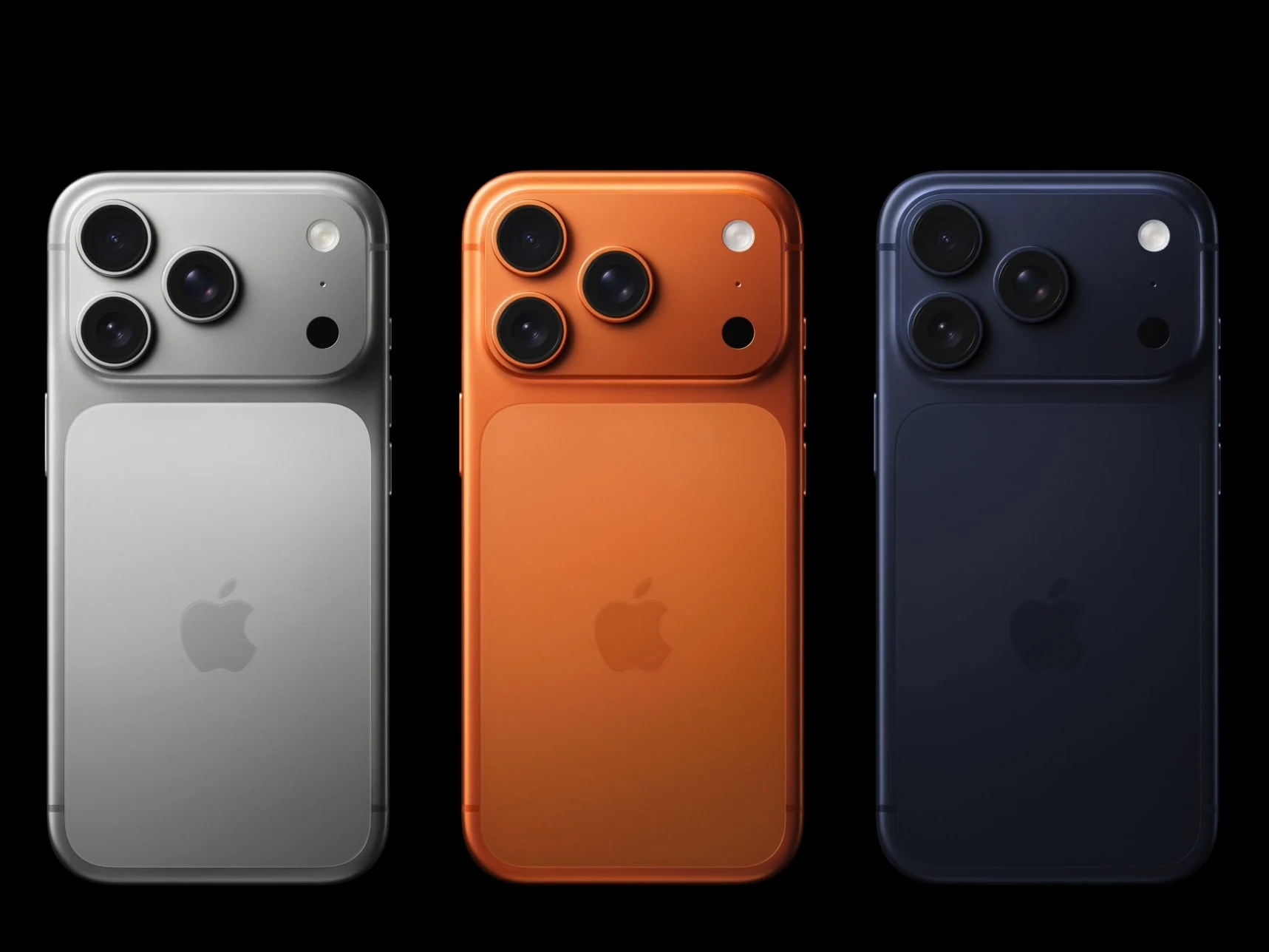
    3. Design Changes: The iPhone 18 Pro is expected to retain the large horizontal camera island and may also feature a transparent back design.

    4. Transparent Innovation: If Apple implements a transparent back, it could influence other smartphone manufacturers to explore similar designs.

    5. Battery Updates: The iPhone 18 Pro Max is rumored to include a steel-cased battery, possibly similar to the vapor chamber design used in previous models.


    Less than two months after the launch of the Apple iPhone 17, talks about the upcoming iPhone 18 series are already buzzing around. Recently, Digital Chat Station has shared some intriguing news regarding the front and back cameras, along with the battery for the iPhone 18 Pro and 18 Pro Max.

    New Camera Design

    Digital Chat Station mentions that Apple is considering a Hole-In-Active-Area (HIAA) design for the front camera on the iPhone 18 Pro. If this concept is included in the final product, the current Dynamic Island could be replaced with a smaller punch-hole design. It’s uncertain what modifications Apple might make to enhance Face ID technology to fit this system into a compact punch-hole, as the existing version needs the larger Dynamic Island notch.

    Exciting Aperture Features

    Moreover, Apple is said to be testing a new main camera for the iPhone 18 Pro that comes with a variable aperture. Unlike most smartphones, which typically have a fixed aperture, a variable aperture provides more control over how much light gets to the camera sensor. This feature can significantly improve exposure and depth of field.

    Samsung was the pioneer in this technology, introducing variable aperture with the Galaxy S9 in 2018. Nowadays, Chinese brands like Xiaomi, Huawei, and Nubia are among the few that have smartphones featuring this capability.

    Possible Design Changes

    Interestingly, a similar rumor about the Galaxy S26 Ultra surfaced back in March 2025. However, the latest leaks regarding the Galaxy S26 Ultra’s camera do not mention a variable aperture at all.

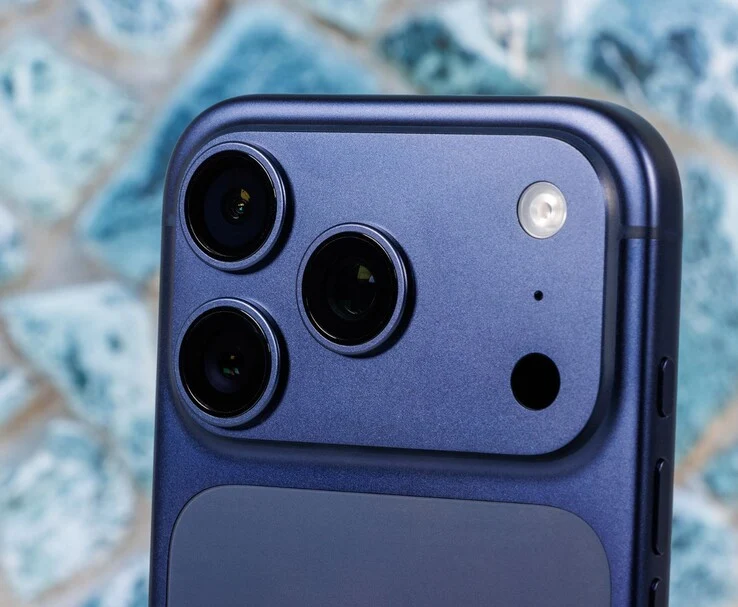
    Furthermore, DCS asserts that Apple will keep the large horizontal camera island on the back of the iPhone 18 Pro. This suggests that the camera housing redesign seen in the iPhone 17 Pro and iPhone 17 Pro Max might be revisited next year. Even more fascinating is the report that Cupertino is contemplating a transparent back design for the iPhone 18 Pro.

    Transparent Innovation

    Aside from Nothing, no other smartphone manufacturers are focusing on transparent designs. Given that Android companies often follow Apple’s lead, we might see more transparent elements in upcoming devices if the iPhone 18 Pro indeed features a see-through back panel.

    Battery Updates

    Lastly, DCS reveals that the iPhone 18 Pro Max will include a steel-cased battery for the first time. AppleInsider notes that DCS may be referring to a vapor chamber similar to the one found in the iPhone 17 Pro and 17 Pro Max.

    Even though these speculated features for the iPhone 18 Pro sound thrilling, it’s still too early to know for sure what Apple has planned for the 2026 iPhones. Therefore, it’s wise to take this information with a big grain of salt.

    Source:
    Link


  • TSMC Increases 2nm Chip Prices: Impact on Future Apple Devices

    TSMC Increases 2nm Chip Prices: Impact on Future Apple Devices

    Key Takeaways

    1. TSMC is raising chip prices by up to 10% for 5 nm chips starting in 2026, affecting Apple devices.
    2. TSMC manufactures key processors for Apple, including the A15, A17, A18, A19, A20, and upcoming M3, M4, and M5 chips.
    3. The cost to produce new 2 nm chips may reach $280 per unit, significantly higher than the $45 per unit for current 3 nm chips.
    4. Rising chip prices are causing industry-wide concerns as manufacturers shift focus to high-bandwidth memory (HBM), leading to shortages and increased costs for smartphone components.
    5. Smartphone manufacturers are now spending 16% of their bill of materials on memory, up from 10% the previous year, impacting device pricing strategies.


    Apple enthusiasts might soon find themselves shelling out more cash for their devices, as one of its major manufacturing partners is said to be raising chip prices. As per insider Yeux112, TSMC has informed its clients, including Apple, that producing chips under 5 nm will see a price increase of up to 10 percent starting in 2026.

    Key Components Affected

    This Taiwanese firm is responsible for many of the processors found in Apple’s current and future iPhones, iPads, and Macs, such as the A15, A17, A18, A19, and A20. TSMC is also set to deliver the M3, M4, and M5 chips.

    Cost of New Technology

    A report by China Times suggests that the forthcoming 2 nm node could be the most costly to produce. The publication projected a per-unit price of as much as $280. In contrast, the current-generation 3 nm A-series is estimated to cost around $45 per chip.

    Concerns Over Rising Prices

    The increasing chip prices have raised alarms throughout the industry. Chip manufacturers are capitalizing on the AI boom and are redirecting their attention and resources toward high-bandwidth memory (HBM). This shift is leading to a shortage of mobile-grade LPDDR5x RAM, which in turn is escalating costs for smartphone components.

    Impact on Smartphone Manufacturers

    Goldman Sachs recently projected that smartphone makers are now allocating 16 percent of their bill of materials (BOM) towards memory, up from 10 percent the previous year.

    If the recent claims about TSMC hold true, Apple might be left with no option but to raise the prices of its forthcoming devices. Alternatively, the company based in Cupertino may decide to take a hit on profit margins by absorbing some of the increased sourcing expenses.

    Source:
    Link


  • Apple to Pay Google $1 Billion for Siri AI Model Upgrade

    Apple to Pay Google $1 Billion for Siri AI Model Upgrade

    Key Takeaways

    1. Apple is reportedly negotiating a $1 billion annual deal with Google for access to an AI engine to enhance Siri.
    2. The discussions involve implementing Google’s Gemini AI model in future versions of Apple’s operating systems.
    3. Apple’s own AI efforts, “Apple Intelligence,” have not met expectations, prompting the search for external solutions.
    4. The new AI model is expected to operate mainly on Apple’s “Private Cloud Compute servers,” focusing on user privacy.
    5. Neither Apple nor Google has confirmed the deal, and the future of Siri’s enhancements remains speculative.


    Apple is said to be discussing a deal with Google to pay $1 billion each year for access to an AI engine. As reported by Bloomberg’s Mark Gurman, sources familiar with the situation indicate that Apple and Google are close to reaching an agreement that would enable Apple to utilize one of Google’s AI models to revamp Siri.

    AI Integration for Siri

    Earlier this year, it was alleged that Apple and Google were in negotiations to implement Gemini as the AI engine driving Siri in upcoming versions of Apple’s operating systems. Apple’s own AI efforts, known as “Apple Intelligence,” have not performed well, which makes it understandable for the company to seek alternative ways to enhance the AI that powers its virtual assistant.

    A Significant Investment

    According to Gurman, Apple is expected to invest around $1 billion annually for the utilization of a 1.2 trillion parameter AI model. This new model is anticipated to support a refreshed Siri, which is rumored to launch in the Spring alongside iOS 26.4.

    Gurman also mentions that while the new Siri will still incorporate some internal engines for certain capabilities, Google’s model will manage the majority of information processing and task execution. The AI model is likely to operate on Apple’s “Private Cloud Compute servers,” aligning with the company’s strong emphasis on user privacy.

    Speculation and Future Developments

    Neither Apple nor Google has provided comments on this potential agreement, and Gurman suggests they may not be inclined to do so. As this remains speculation, it’s wise to take such information cautiously. Apple has been promising an enhanced Siri for several years now, but it appears that Google might be the one to finally deliver on those expectations.

    Bloomberg’s insights highlight the ongoing evolution in the AI landscape and the strategic moves being made by tech giants.

    Source:
    Link


  • iPhone Air 2: New Details on Extra Rear Camera Features

    iPhone Air 2: New Details on Extra Rear Camera Features

    Key Takeaways

    1. Apple is developing an updated version of the iPhone Air, potentially called iPhone Air 2 or iPhone 18 Air.
    2. The new iPhone Air is expected to keep the same display and camera design as the original model while focusing on a lightweight build.
    3. A significant upgrade may include the addition of a second 48 MP rear camera for improved photography capabilities.
    4. Apple needs to demonstrate clear advancements in the next Air model to maintain competitiveness in the market.
    5. The iPhone Air has been the least popular model in Apple’s lineup, raising concerns about its future if sales trends do not improve.


    While the future of Samsung’s Galaxy S25 Edge successor is still uncertain, Apple appears poised to launch an updated version of the iPhone Air next year, with new information now making its way online.

    Details Emerge About the iPhone Air 2

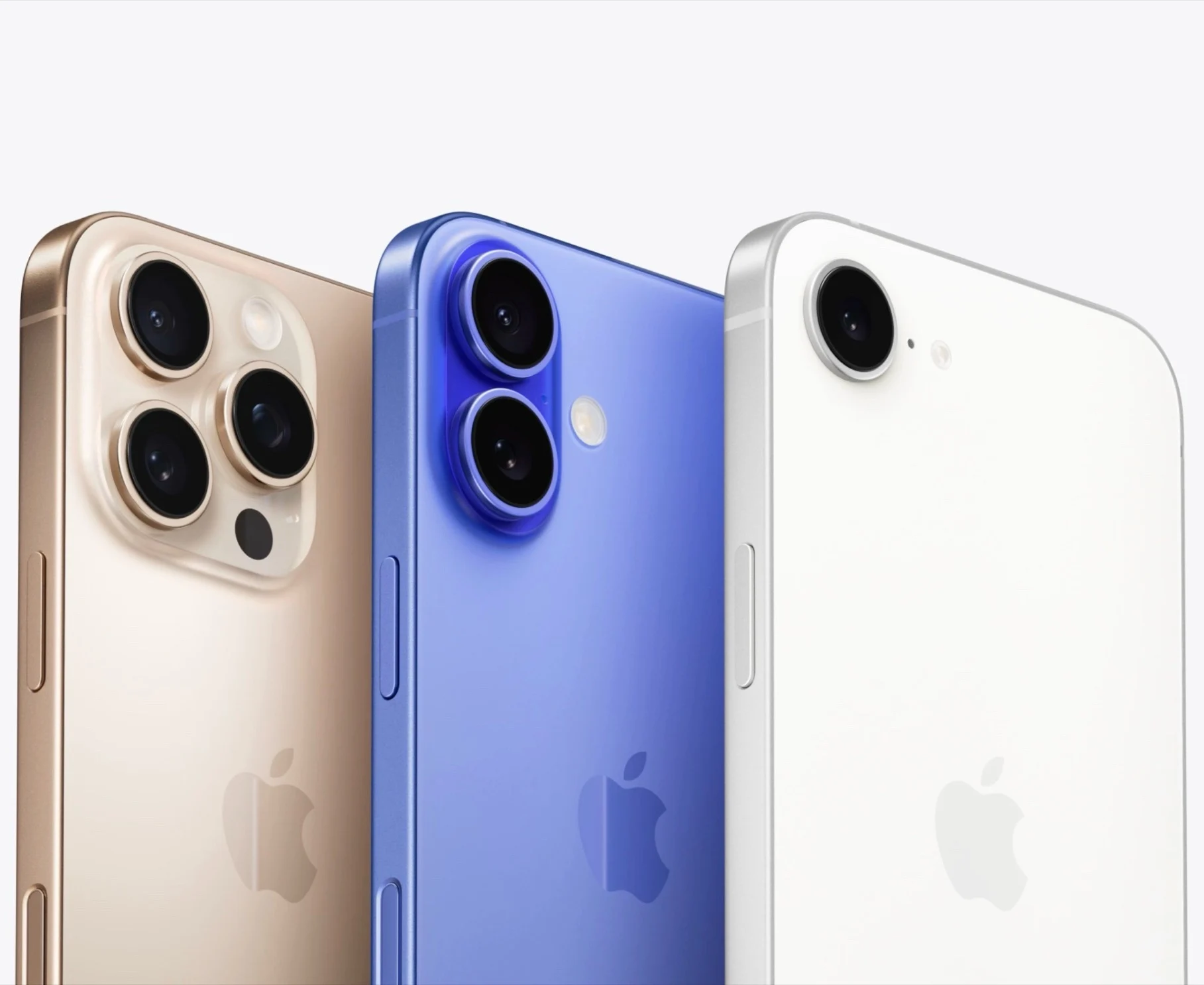
    According to leaker Digital Chat Station, a new iteration of the iPhone Air is currently under development. This upcoming device may be called either the iPhone Air 2 or the iPhone 18 Air, and it is expected to keep the same display as the original iPhone Air while also retaining its camera design and focus on a lightweight build.

    Possible Camera Improvements

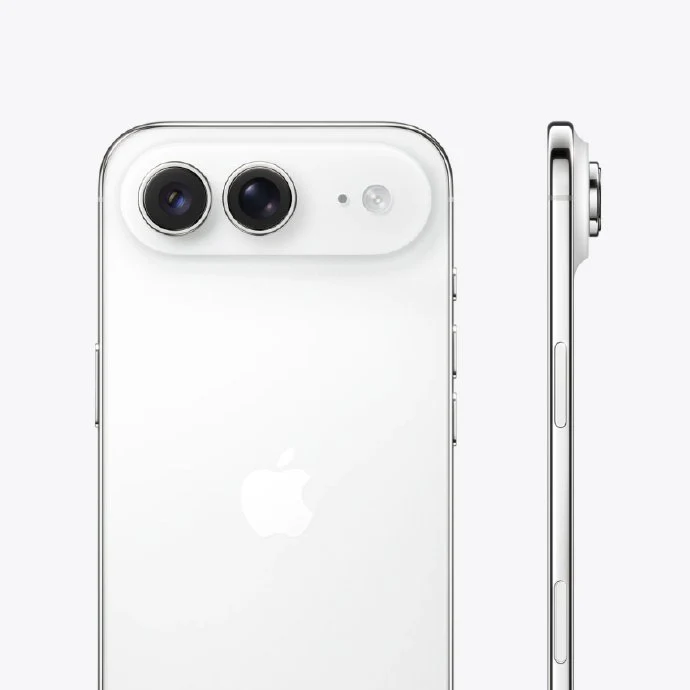
    One notable change for the next iPhone Air could be the addition of a second rear camera. Currently, the iPhone Air is equipped with a single 48 MP rear camera, but sources suggest that Apple might add another 48 MP camera, possibly situated under an ultra-wide angle lens. This upgrade would help ensure that the Air matches the camera capabilities of the standard iPhone model.

    Regardless, Apple will need to show a clear advancement with the next Air model to keep it competitive. Similar to the Galaxy S25 Edge, early sales data indicates that the Air is the least popular model in the lineup, and if this trend continues next year, it could jeopardize the future of the slim design.

    Source:
    Link


  • Apple’s Affordable MacBook: iPhone SoC with M1 Performance for $600

    Apple’s Affordable MacBook: iPhone SoC with M1 Performance for $600

    Key Takeaways

    1. Apple is developing a less expensive MacBook Air with an iPhone processor, aimed at affordability and basic tasks.
    2. Testing and production are already underway, with a potential launch in the first half of 2026.
    3. The new MacBook is expected to be priced below $1,000, likely similar to the cost of an iPad with a Magic Keyboard.
    4. The device will feature a smaller LCD display compared to the current MacBook Air’s 13.6-inch screen.
    5. It may offer better battery life and flexibility than an iPad, with performance potentially on par with the older MacBook Air M1.


    Rumors have been going around for several months that Apple is working on a less expensive version of the MacBook Air. This more affordable MacBook is said to come with an iPhone processor, which would likely make it much less powerful compared to the MacBook Air (currently priced at $799 on Amazon), which uses Apple’s speedy M-series ARM chipsets.

    Testing and Production Underway

    Recent details from Bloomberg indicate that this new MacBook is already in testing, and component production has begun. As a result, it seems likely that the launch will happen in the first half of 2026. The laptop is known internally as “J700” and is reportedly designed for iPad users who prefer a traditional clamshell style, as well as for those looking for an affordable device for everyday tasks like office work and web browsing.

    Expected Pricing and Display

    This new MacBook is anticipated to be priced significantly below $1,000, as it is expected to combine an iPhone processor with a budget-friendly LCD panel. The display is said to be a bit smaller than the 13.6-inch screen found on the current MacBook Air 13. Bloomberg notes that Apple is aiming for a price point similar to the iPad bundled with the Magic Keyboard, which is currently listed at a minimum of $598 on Apple’s official website.

    Performance Insights

    In comparison to an iPad, this low-cost MacBook should provide improved battery life and greater flexibility due to its use of macOS instead of iPadOS. Internal tests indicate that the new MacBook might outperform the older MacBook Air M1. This seems feasible, considering our multi-core benchmarks for the Apple A18 Pro suggest that its performance could be on par with the M1.

    Source:
    Link


  • Apple Sells Replacement Parts for iPhone 17 and iPhone Air

    Apple Sells Replacement Parts for iPhone 17 and iPhone Air

    Key Takeaways

    1. Apple now offers replacement components for all iPhone 17 models and the iPhone Air through its Self Service Repair Store.
    2. The price of a replacement display for the basic iPhone 17 model has increased from $279 to $329 due to the upgraded 120Hz LTPO AMOLED screen.
    3. The cost for the back cover remains unchanged at $159, while the 48MP main camera for the iPhone Air and the dual-camera setup for the iPhone 17 are both priced at $169.
    4. The ultra-wide camera for the iPhone 17 is not available for individual purchase.
    5. DIY repairs may not be cost-effective, as many parts (like batteries) have prices similar to those at Apple Stores.


    Apple has begun offering replacement components for every iPhone 17 model and the iPhone Air through its Apple Self Service Repair Store. Most of the parts are priced similarly to those for the previous iPhone 16 series, but there’s one significant difference.

    Price Changes for Displays

    The cost of a replacement display for the basic model has risen from $279 to $329. This increase is likely because of the iPhone 17’s 120Hz LTPO AMOLED screen, unlike the iPhone 16’s 60Hz display. The price for the back cover remains unchanged at $159. Interestingly, Apple asks for $169 for the 48MP main camera of the iPhone Air, which is also the same price as the dual-camera setup for the iPhone 17. However, the ultra-wide camera is not available for individual purchase.

    DIY Repairs Not Worth It

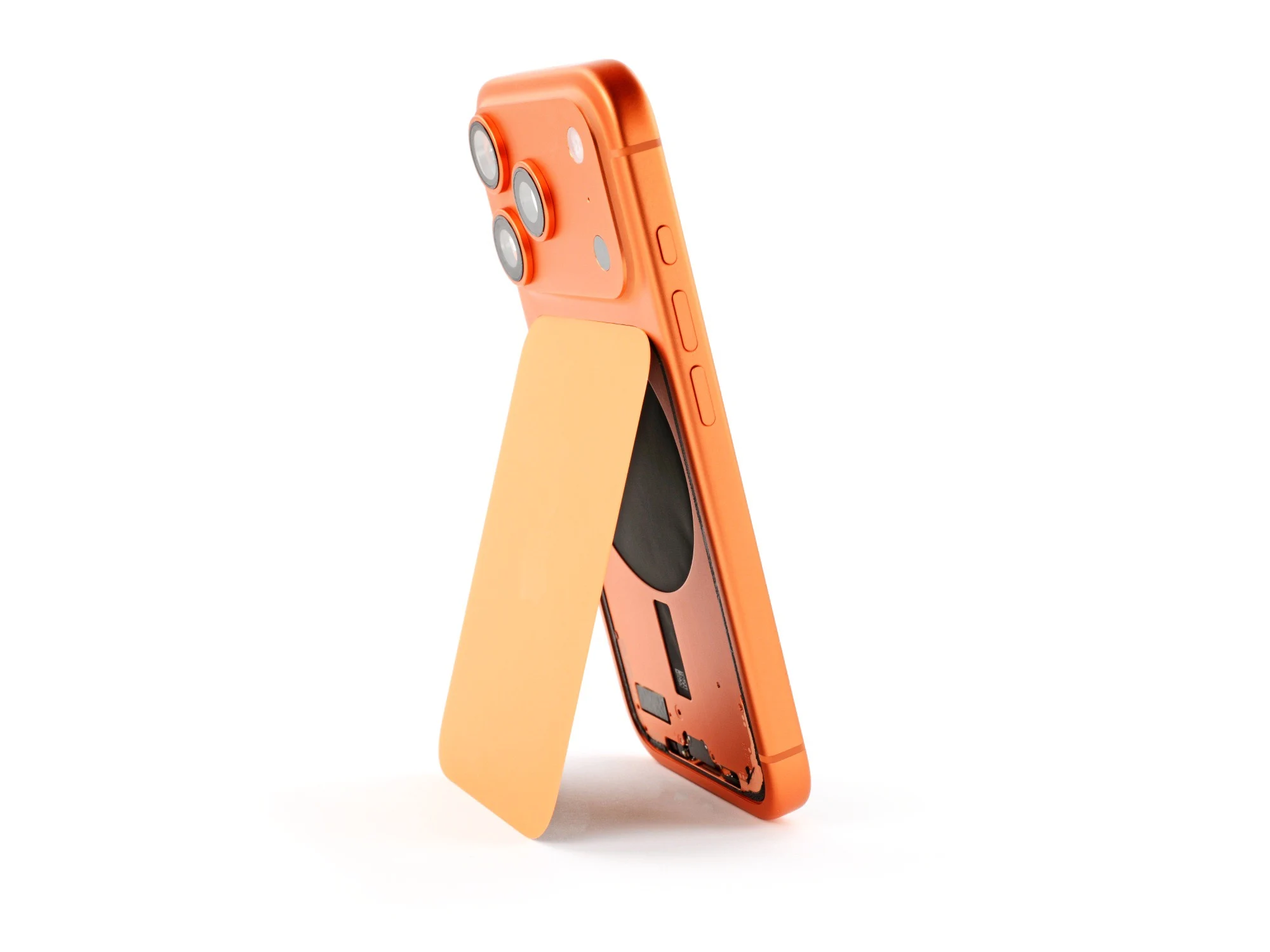
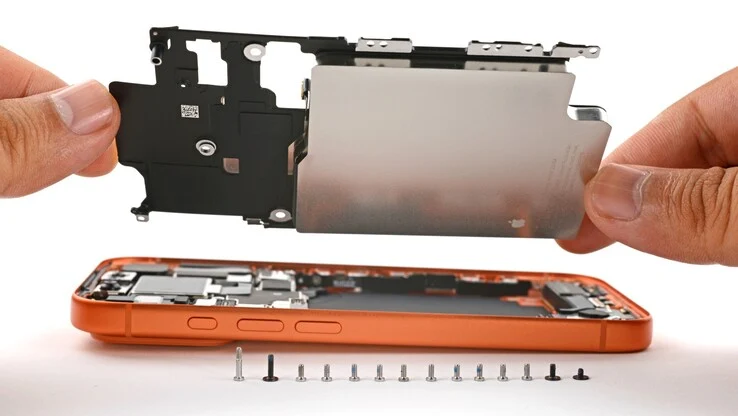
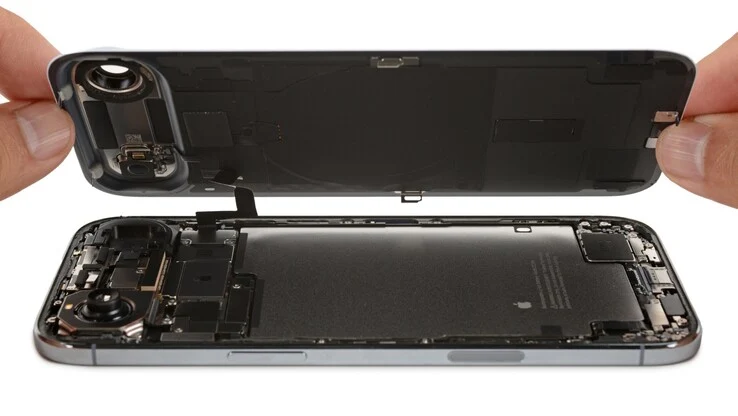
    In many instances, though, doing the repairs by yourself may not be the best choice. For instance, a new battery is priced at $99 for the basic model and $119 for the higher-end models, which is the same cost if you go to an Apple Store for battery replacement. This also applies to the back glass, display, and camera repairs. Because of this, DIY repairs can be financially unappealing, which is unfortunate, since iFixit’s teardown shows that even the slim iPhone Air is fairly simple to repair.

    Source:
    Link