Category: Computers

  • Team Group Unveils Compact USB4 External SSD Up to 4TB Capacity

    Team Group Unveils Compact USB4 External SSD Up to 4TB Capacity

    Key Takeaways

    1. The PD40 Mini External SSD features USB4 connectivity and achieves read speeds of up to 4,000 MB/s with Type-C ports.
    2. It is compact, measuring 15.2 mm thick and weighing only 22 grams, making it highly portable.
    3. The SSD has an IP54 rating, ensuring durability in everyday environments.
    4. Available in three storage capacities: 1 TB, 2 TB, and 4 TB, all with the same read/write speeds of up to 3,500 MB/s.
    5. The drive supports various operating systems, but pricing and availability details have not yet been announced.


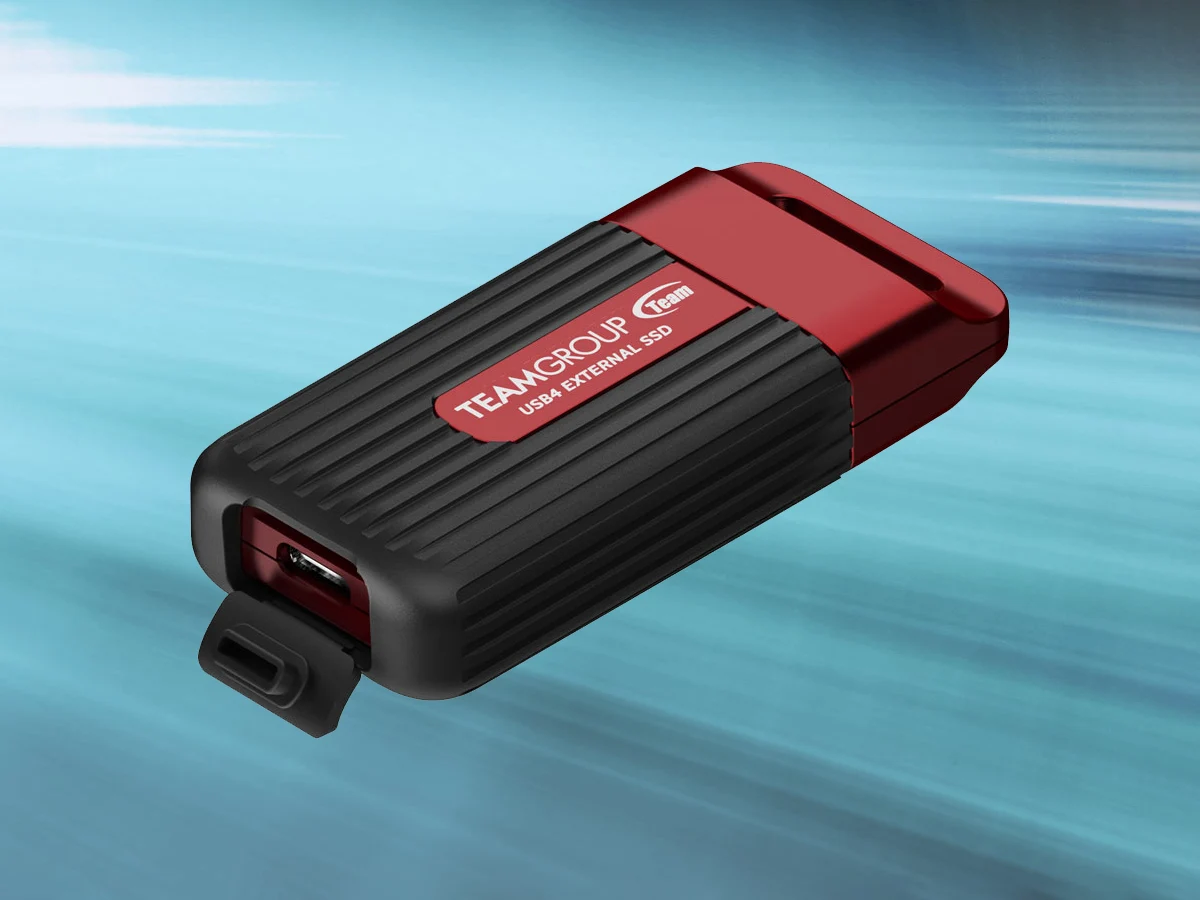
    Team Group has launched a new portable storage device called the PD40 Mini External SSD. This drive features USB4 connectivity but also works with USB 3.2 and USB 2.0 devices. The company asserts that, when using the faster Type-C port, it can achieve impressive read speeds of up to 4,000 MB/s.

    Size and Weight

    The dimensions of this external SSD align perfectly with its name. Team Group states that the portable drive measures just 15.2 mm in thickness and weighs a mere 22 grams, making it quite convenient to carry in your pockets. Additionally, the SSD boasts an IP54 rating, meaning it can withstand typical everyday environments.

    Storage Capacity

    The PD40 Mini External SSD offers three storage options: 1 TB, 2 TB, and 4 TB. All capacities provide the same rated read and write speeds, with the sequential write speed reaching up to 3,500 MB/s.

    Design and Compatibility

    Other notable features include support for various operating systems and a modern design. However, Team Group has not yet released pricing or availability information for the PD40 Mini External SSD. Those interested may want to look at the Corsair EX400U, which is similar and currently available for purchase on Amazon.

    Source:
    Link


  • Lenovo ThinkPad Workstation: Hidden Secrets You Should Know

    Lenovo ThinkPad Workstation: Hidden Secrets You Should Know

    Key Takeaways

    1. Many ThinkPad laptop parts that were once easily repairable are now sealed, limiting customization and repair options.
    2. Lenovo still offers user-replaceable keyboards on most ThinkPad models, with straightforward replacement for some and more complex processes for others.
    3. The ThinkPad P14s Gen 6 Intel has a bottom loaded keyboard secured by plastic rivets, complicating replacement and repair.
    4. If the keyboard on the P14s Gen 6 Intel fails, the entire palmrest assembly must be replaced, leading to waste and higher costs.
    5. Newer ThinkPad designs pose challenges for repairability and sustainability, despite maintaining some modular features.


    IBM and Lenovo ThinkPad laptops were once famous for their ability to be customized and repaired. Times have changed, however, and many parts that could once be easily fixed are now sealed in, such as soldered Wi-Fi cards and charging ports on ThinkPads.

    User-Friendly Keyboards

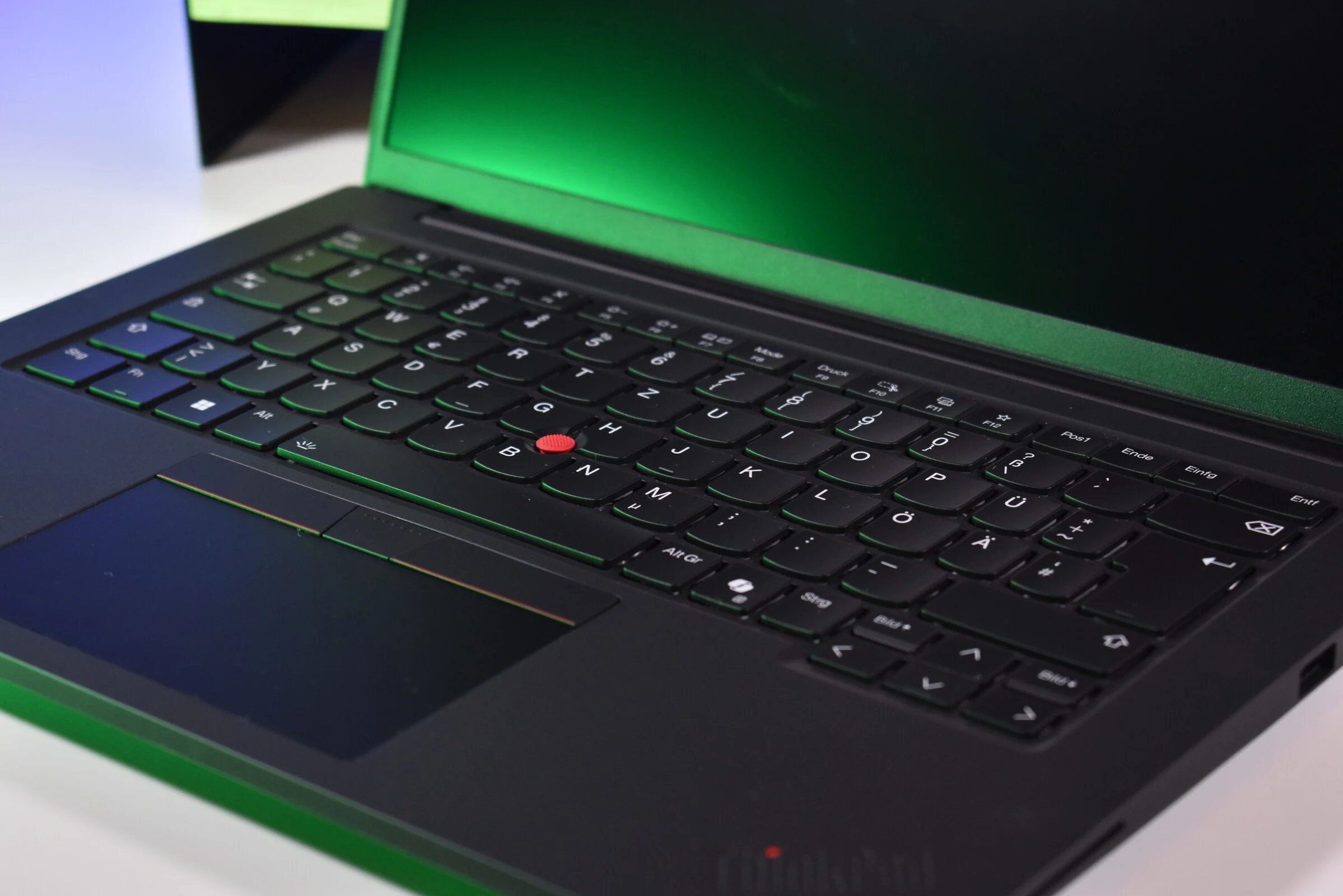
    Despite these changes, Lenovo has maintained the user-replaceable keyboard feature on most ThinkPad laptops. For instance, swapping out the keyboard on a Lenovo ThinkPad T14 or ThinkPad L14 is straightforward, requiring only the loosening of two screws and sliding the keyboard out – this design is known as a top loaded keyboard. Unfortunately, this option has been removed on some models like the slimmer Lenovo ThinkPad T14s and the Lenovo ThinkPad P1, but buyers can still choose between models with modular keyboards and those without. Even in models that come with a “bottom loaded” keyboard, replacement is possible, although the process is more intricate, involving disassembling the entire laptop and encountering a lot more screws.

    A Closer Look at the ThinkPad P14s Gen 6 Intel

    From the outside, the Lenovo ThinkPad P14s Gen 6 Intel appears similar to other models featuring the bottom loaded keyboard, where changing it necessitates disassembling the entire device. However, upon closer inspection, you will find a notable difference: the keyboard is not secured by screws. Instead, Lenovo opts for small plastic rivets that are nearly impossible to remove without causing damage to the laptop.

    This design choice implies that if the keyboard malfunctions, the entire palmrest assembly must be discarded, leading to unnecessary waste of both money and resources, which is not very eco-friendly.

    Final Thoughts

    In summary, while Lenovo has kept some aspects of modularity in their laptops, such as the replaceable keyboard in certain models, newer designs have introduced challenges that make repairs more complicated. The reliance on plastic rivets in models like the ThinkPad P14s Gen 6 Intel raises concerns about sustainability and repairability in today’s tech landscape.

  • OpenAI Employees Buying Up All DDR5 RAM Kits Available

    OpenAI Employees Buying Up All DDR5 RAM Kits Available

    Key Takeaways

    1. The memory market is struggling, with prices for laptops dropping below those of memory kits, indicating a severe shortage.
    2. OpenAI is accused of hoarding global memory supplies, including consumer DDR5 kits, affecting availability for gamers and other consumers.
    3. Reports suggest OpenAI employees are actively buying up memory from retail stores, limiting access for competitors and impacting various tech sectors.
    4. Despite claims of hoarding, OpenAI is not profitable and reportedly needs $400 billion in funding to meet its obligations.
    5. Concerns are rising about the sustainability of OpenAI’s actions and the potential for an AI bubble, as highlighted by investor Michael Burry.


    The memory market is really struggling right now. To illustrate just how dire the situation is, you can find a refurbished Acer Predator Helios Neo 14 gaming laptop with an RTX 4070 and a two-year warranty for less than the cost of a Corsair DDR5 64 GB memory kit. Things are looking bleak, and the well-known leaker Moore’s Law Is Dead is pointing blame at OpenAI.

    OpenAI’s Alleged Actions

    Moore’s Law Is Dead claims that OpenAI is not just hoarding a significant portion of the global memory supply, but is also said to be buying up consumer DDR5 kits. Reports suggest that OpenAI employees are visiting retail stores to scoop up as many DDR5 kits as they can find. This information has been relayed to MLID by multiple sources, including retailers and RAM manufacturers.

    Impact on Gamers and Consumers

    It’s noteworthy that these supposed OpenAI workers are purchasing not just ECC memory but also DDR5 modules aimed at gamers. This strategy by OpenAI appears to prioritize limiting competitors’ access to fast memory, which is negatively impacting not only rival companies but also gamers and regular consumers. Almost every tech sector that relies on RAM, from GPUs and SSDs to laptops, is experiencing difficulties due to the memory shortage. We’re already preparing for potential price hikes in laptops and GPUs.

    OpenAI’s Financial Situation

    The idea that OpenAI is hoarding the global DRAM supply implies that the company has significant cash reserves. However, the truth is quite different. OpenAI has never been profitable and isn’t expected to be until 2023. In fact, it’s believed that the company requires an astonishing $400 billion in funding over the next year to meet its existing obligations.

    It’s perplexing that a company in such urgent need of liquidity, to the tune of hundreds of billions, would be aggressively trying to purchase as much memory as possible. While we can’t definitively say if this is just a huge AI bubble ready to pop, Michael Burry thinks it could be, and OpenAI is certainly giving us plenty of reasons to side with the investor from The Big Short.

    Source:
    Link


  • Intel Foundry’s 14A Technology Praised by Customers as Game-Changer

    Intel Foundry’s 14A Technology Praised by Customers as Game-Changer

    Key Takeaways

    1. Intel’s 14A node is gaining positive feedback from clients, indicating strong competitiveness in datacenter, PC, and mobile sectors.
    2. Despite the promise of 14A, major smartphone SoC manufacturers like Qualcomm and MediaTek continue to prefer TSMC/Samsung for chip production.
    3. Intel Foundry is expected to produce Apple’s M7 chip using the 14A node, with potential future collaboration for iPhone chips.
    4. The 14A node will utilize ASML’s high-NA EUV machines, which may lead to higher production costs.
    5. Intel’s advanced packaging technologies, EMIB and Foveros, are attracting interest from key industry players, including Nvidia and possibly AMD.


    Veteran analyst Patrick Moorhead has revealed new insights into Intel’s forthcoming 14A node. Clients who have experienced it are claiming that “14A is the real deal,” indicating its strong competitiveness in important sectors like datacenter, PC, and mobile. The specific reference to mobile chips raises eyebrows since Intel Foundry hasn’t yet landed a deal with smartphone SoC manufacturers, such as Qualcomm, which continues to prefer TSMC/Samsung Foundry for now. Similarly, MediaTek, its main rival, appears to not be making a switch either.

    Future Prospects for Apple

    This leads us to the potential for future Apple A-series chips. Ming-Chi Kuo has previously mentioned that Intel Foundry will produce the Apple M7 using Intel’s 14A node, so it isn’t far-fetched to think that this partnership could also include iPhone chips. Intel’s 14A node is anticipated to start mass production around 2027, and Patrick states, “I am already hearing very positive things” about it.

    Technology and Competition

    Intel 14A is set to be among the initial nodes to utilize ASML’s high-NA EUV machines, which is expected to lead to higher prices. Besides Apple, Nvidia might also employ 14A for some of its products. If an earlier report holds true, Intel’s competitor AMD could also be a potential customer. In addition to 14A, Intel’s advanced packaging technologies, including EMIB and Foveros, are catching the attention of major industry players.

    Source:
    Link


  • Raspberry Pi 5 Price Increase: New 1GB Base Model Explained

    Raspberry Pi 5 Price Increase: New 1GB Base Model Explained

    Key Takeaways

    1. Price increases for all Raspberry Pi 4 and 5 models due to rising DRAM costs, effective immediately.
    2. New pricing: Raspberry Pi 5 (2 GB RAM) is now $55, and the 16 GB version is $145; a new base model with 1 GB RAM is available for $45.
    3. RAM is soldered onto the board, making future upgrades impossible; users should consider their RAM needs carefully.
    4. Raspberry Pi 5 features a Broadcom BCM2712 ARM processor, supports dual 4K monitors, Bluetooth 5.0, and Wi-Fi 5.
    5. The Raspberry Pi Foundation plans to lower prices when LPDDR4 RAM becomes cheaper, aiming to keep technology affordable.


    The Raspberry Pi Foundation has made an announcement that all models of the Raspberry Pi 4 and 5 will see price hikes starting today due to the increasing costs of DRAM. Nevertheless, the organization has promised to reduce the prices of these single-board computers when LPDDR4 RAM becomes more affordable again. The revised prices are as follows:

    New Pricing Details

    The basic Raspberry Pi 5 with 2 GB of RAM is now priced at US$55, an increase from the earlier US$50. Additionally, the premium 16 GB version has gone up from US$120 to US$145. To provide a more budget-friendly option, the Raspberry Pi Foundation has also launched a new base model that costs US$45, which comes with only 1 GB of RAM.

    Memory Considerations

    Since the memory is soldered onto the board, it isn’t possible to upgrade it later. It’s important for users to think carefully about how much RAM they will actually need for their specific uses. The Raspberry Pi 5 is powered by a Broadcom BCM2712 ARM processor that features four Cortex-A76 performance cores. It is capable of supporting two 4K monitors, along with Bluetooth 5.0 and Wi-Fi 5 connectivity.

    Future Price Adjustments

    The Raspberry Pi Foundation is dedicated to adjusting the prices downward when the cost of LPDDR4 RAM declines, ensuring that customers have access to affordable technology. As the demand for these devices continues to grow, understanding the specifications and pricing structure is crucial for potential buyers.

    Source:
    Link


  • Scientists Discover Possible Exomoon 133 Light-Years Away

    Scientists Discover Possible Exomoon 133 Light-Years Away

    Key Takeaways

    1. Exomoons are moons that orbit exoplanets, planets outside our solar system, and none have been confirmed yet.
    2. A new candidate exomoon has been identified around the exoplanet HD 206893 b, which is located 133 light-years away and is significantly larger than Jupiter.
    3. Researchers used astrometry and the VLTI/GRAVITY to detect a potential exomoon around HD 206893 b, estimated to be about 0.4 times the mass of Jupiter.
    4. The study of exomoons is important for understanding the potential for life beyond Earth, as many moons in our solar system may harbor conditions suitable for life.
    5. Current known exomoon candidates include Kepler-1625 b and Kepler-1708 b, highlighting the ongoing search and significance of exomoons in astronomy.


    Many secrets still linger in the cosmos, and one fascinating topic is the existence of exomoons. Just to clarify, exomoons are moons that orbit exoplanets, which are planets found beyond our solar system. While no exomoon has been officially confirmed yet, this situation might soon change.

    New Candidate Discovered

    Recently, researchers released a study that points to a promising new candidate. The focus is on HD 206893 b, a gas giant located roughly 133 light-years away from our planet. This exoplanet was discovered in 2021 and orbits an F-type star every 25.6 years, at a distance of 9.6 AU. Its size is quite remarkable, with a mass that is 28 times greater than that of Jupiter.

    Method of Detection

    To find a celestial body that orbits this exoplanet, scientists utilized astrometry. This technique helps them identify variations in the orbits of different stars and planets. Using the VLTI/GRAVITY, they detected an object that appears to be orbiting HD 206893 b, potentially having a mass about 0.4 times that of Jupiter. This indicates that the possible exomoon is relatively small, which is likely why researchers have struggled to observe it and confirm its existence.

    Importance of Exomoons

    At present, no exomoon has been officially recognized, with only a few candidates like Kepler-1625 b and Kepler-1708 b. However, this topic is crucial, especially in the context of searching for signs of life in other parts of the universe. Our solar system boasts over 200 moons, some of which may even support life, such as Enceladus. The discovery of an exomoon could pave the way for new research and enhance our understanding of the universe we live in.

    Source:
    Link


  • NucBox K15: GMKtec Unveils Intel Mini-PC with OCuLink Features

    NucBox K15: GMKtec Unveils Intel Mini-PC with OCuLink Features

    Key Takeaways

    1. GMKtec is set to launch a new mini-PC similar to the EVO-T1, shortly after showcasing the EVO-T2 in China.
    2. The EVO-T1 features Intel’s Arrow Lake architecture, Core Ultra 9 285H, and up to 64 GB of DDR5 RAM, priced at $949.
    3. The EVO-T2 utilizes Intel’s Panther Lake series with up to 128 GB of LPDDR5X RAM and an Arc B390 GPU.
    4. The NucBox K15 uses the older Meteor Lake architecture, featuring the Core Ultra 5 125U and up to 32 GB of DDR5 RAM, with strong benchmark performance.
    5. The NucBox K15 includes three M.2 slots, dual 2.5 Gigabit Ethernet ports, Wi-Fi 6E, and a rear OCuLink port for eGPU expansion, but the release date is still unknown.


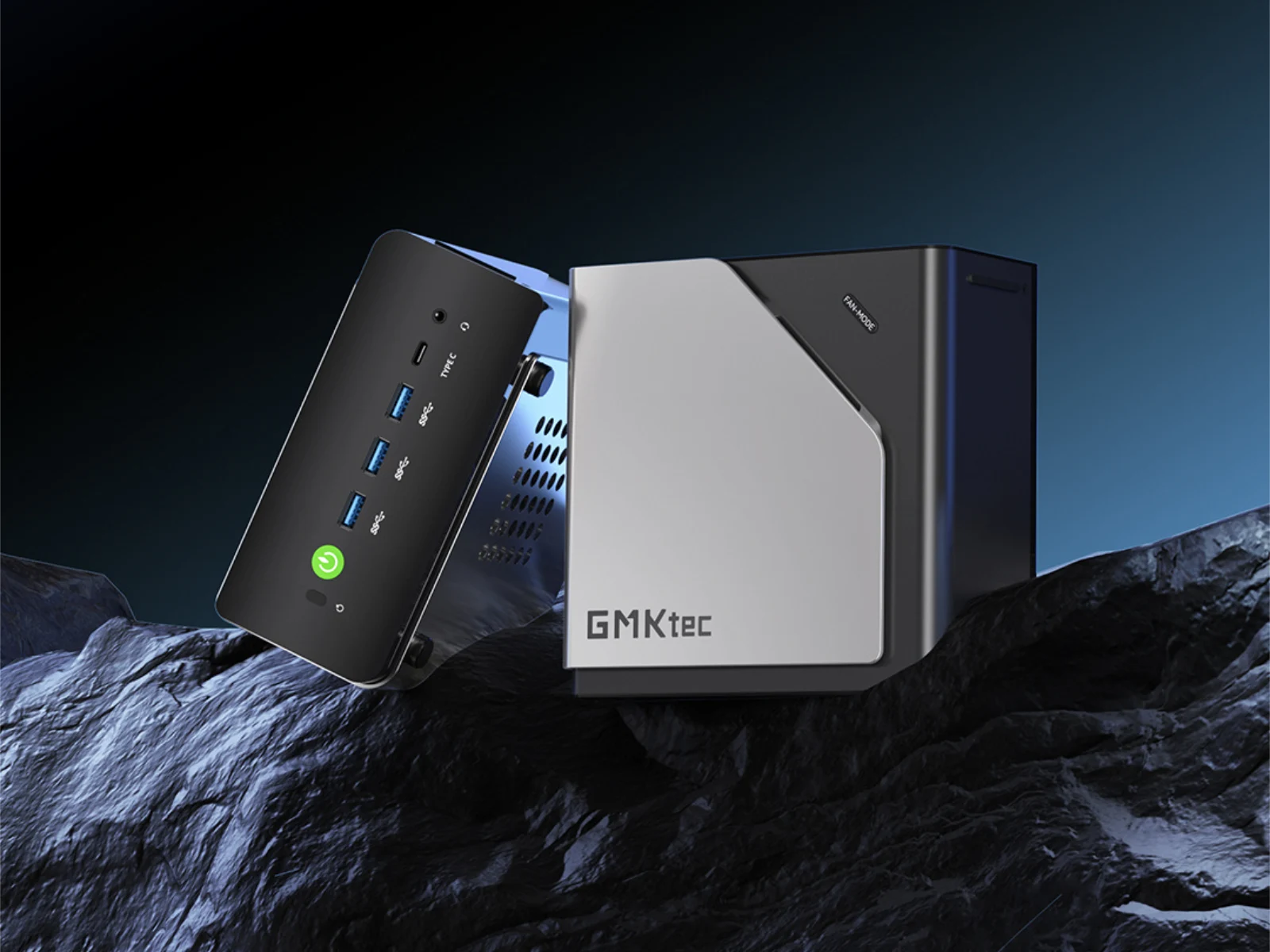
    GMKtec has hinted at the upcoming launch of a new EVO-T1 lookalike, just under two weeks after showcasing the EVO-T2 in China. As a quick reminder, the EVO-T1 is built on Intel’s Arrow Lake architecture. This model is equipped with the Core Ultra 9 285H and comes with a generous offering of up to 64 GB of DDR5 RAM right from the start (currently priced at $949 on Amazon).

    Specifications of the EVO-T2

    On the other hand, the EVO-T2 utilizes Intel’s latest Panther Lake series, featuring up to 128 GB of LPDDR5X RAM along with an Arc B390 integrated GPU. In contrast, GMKtec has chosen to revert to the older Meteor Lake architecture for the NucBox K15, which it recently showcased on Chinese social media platforms. In a comprehensive post on Weibo, the company revealed that this new mini-PC can boost the Core Ultra 5 125U to a maximum of 35 W.

    Performance Insights

    Nevertheless, initial Geekbench results indicate that the NucBox K15’s performance is comparable to other machines powered by the Core Ultra 5 125U that we have already assessed, both in single-core and multi-core CPU tasks. That being said, the OpenCL and Vulkan benchmark results are among the highest we have seen from Intel’s relatively modest Arc 4-core integrated GPU.

    The benchmark data further confirms that the NucBox K15 will offer configurations with up to 32 GB of DDR5 RAM. GMKtec also includes three M.2 2280 PCIe 4.0 x4 slots, dual 2.5 Gigabit Ethernet ports, and a Wi-Fi 6E capable modem in the mix. While the exact release date is still unknown, GMKtec has assured that the NucBox K15 will also come with a rear OCuLink port for 64 Gbps eGPU expansion, compatible with docks like the Minisforum DEG1 and the newer Aoostar EG02.

    Source:
    Link


  • Beelink GTI15 Ultra PC Launches at Nearly Double GTI13 Price

    Beelink GTI15 Ultra PC Launches at Nearly Double GTI13 Price

    Key Takeaways

    1. The Beelink GTI15 Ultra mini PC features a fast Intel processor from the Arrow Lake-H series.
    2. The device includes built-in stereo speakers and a power supply unit (PSU), simplifying setup compared to other mini PCs.
    3. The GTI15 Ultra is priced at approximately $1220, significantly higher than the GTI13 Ultra, which was priced between $600 to $700.
    4. The increase in price is attributed to rising costs of RAM and SSD storage, along with high demand.
    5. Beelink currently does not offer barebones options, limiting cost-saving opportunities for consumers who already have RAM and SSD.


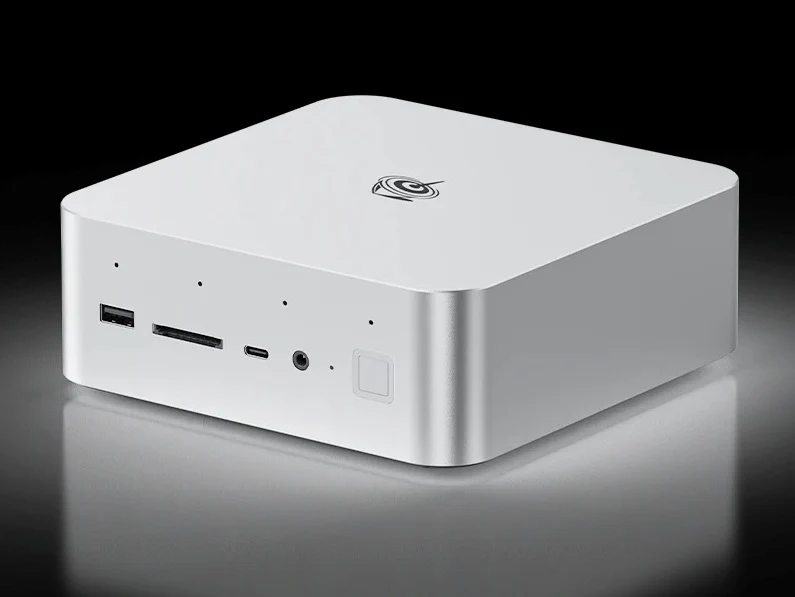
    Amazon has started to deliver the Beelink GTI15 Ultra mini PC, which features one of the fastest Intel processors from the mobile Arrow Lake-H series. According to our review of the device, the GTI15 Ultra includes both stereo speakers and a power supply unit (PSU), making the setup process simpler and neater. In contrast, most other mini PCs typically need an unattractive AC adapter and separate speakers for audio output. However, the latest Beelink model comes with a hefty price tag.

    Pricing Details

    Currently, users can expect to shell out roughly $1220 for the GTI15 Ultra, which is equipped with 64 GB of RAM and a 1 TB SSD. For a comparison, the GTI13 Ultra was released less than a year ago at a price range of only $600 to $700, featuring 32 GB of RAM and a 1 TB SSD. The almost double increase in price does provide a more powerful processor, but the shocking price difference is difficult to overlook, especially since the GTI15 Ultra looks almost exactly the same as the GTI13 Ultra and shares many of its components.

    Price Rise Factors

    This price gap can be explained by the overall increase in product prices, particularly the growing demand for RAM and SSD storage. To make matters worse, Beelink is not currently providing any barebones options, which could have significantly reduced the cost for those consumers who might already possess RAM and SSD modules. Despite this, the GTI15 Ultra is an impressive piece of hardware for its size, but be ready to spend quite a bit for one during this holiday season.

    Source:
    Link


  • AMD Ryzen 7 9850X3D Unveiled: New Zen5X3D CPU on Official Site

    AMD Ryzen 7 9850X3D Unveiled: New Zen5X3D CPU on Official Site

    Key Takeaways

    1. AMD has a history of releasing multiple SKUs for a single CPU base, like the Ryzen 7 5800X3D and its variants.
    2. The Ryzen 7 9850X3D is expected to be the next Zen5X3D processor, with a dedicated page on AMD’s French website.
    3. The Ryzen 7 9850X3D is anticipated to have eight cores and potentially higher clock speeds than its predecessor.
    4. Online discussions suggest a possible increase in boost clock speed of around 400 MHz, which could improve gaming performance.
    5. No official release date or pricing is available yet, but the Ryzen 7 9850X3D is expected to be priced higher than the Ryzen 7 9800X3D, currently listed at $449.


    AMD has a history of releasing various SKUs for a single CPU base. One example is the Ryzen 7 5800X3D, which was the first in its lineup to feature 3D V-Cache technology. After the debut of the Ryzen 7 5700X3D in April 2022, AMD later introduced the Ryzen 5 5600X3D in July 2023. This latter model has two fewer cores, acting as a more basic version of the Ryzen 7 5800X3D. We also saw the release of the Ryzen 9 9900X3D and Ryzen 9 9950X3D.

    New CPU on the Horizon

    It looks like AMD is gearing up to introduce yet another Zen5X3D processor, having quietly acknowledged the Ryzen 7 9850X3D. The CPU has a dedicated “Drivers and Downloads” page on AMD’s French website. Unfortunately, the page is blank right now, so there are no technical specifications available for the Ryzen 7 9850X3D at this moment.

    Performance Insights

    From the name alone, we can deduce a few key details. As the Ryzen 7 9850X3D is categorized under the “Ryzen 7” series, it’s expected to have eight cores, similar to the Ryzen 7 9800X3D. The “xx50X3D” label suggests that it will have higher clock speeds. While the exact boost clock speed remains uncertain, online discussions hint at an increase of around 400 MHz. This could lead to noticeable improvements in gaming performance.

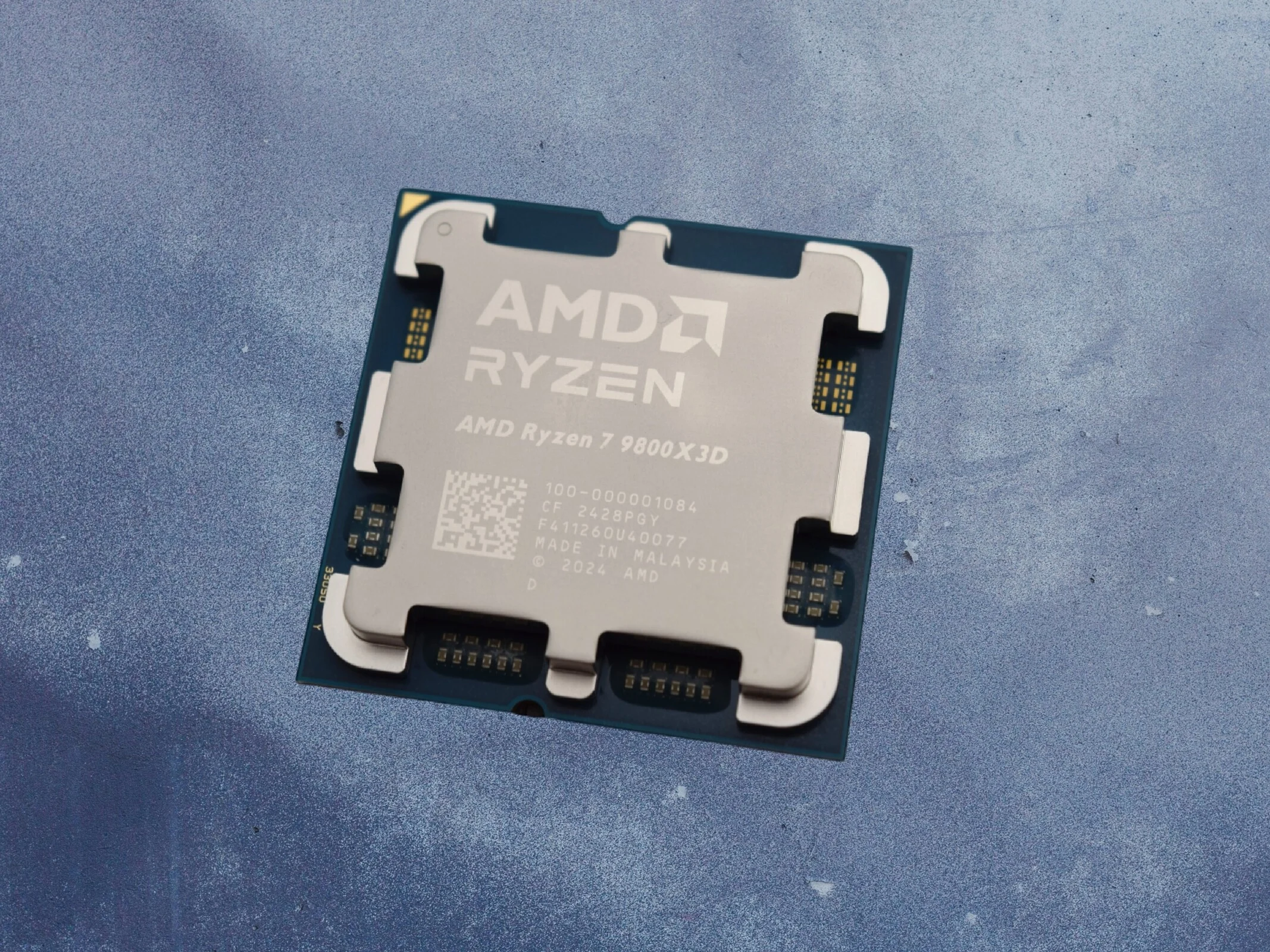
    Currently, there’s no official information regarding the pricing or when it will be released. However, the presence of a dedicated webpage for the CPU could mean that the launch is imminent. As for pricing, the Ryzen 7 9850X3D is anticipated to be priced higher than the Ryzen 7 9800X3D, which has a suggested retail price of $479. At present, the Ryzen 7 9800X3D is listed for $449 on Amazon.

    Source:
    Link


  • New ASRock Mini PC with AMD Ryzen CPU and dGPU Support

    New ASRock Mini PC with AMD Ryzen CPU and dGPU Support

    Key Takeaways

    1. The ASRock DeskSlim X600 mini PC will support AMD’s AM5 desktop processors, including the Ryzen 7000 to 9000 series, but has a maximum TDP of 65W.
    2. It allows for a low-profile, dual-slot discrete GPU, making it suitable for compact gaming setups.
    3. The pre-configured systems have a maximum PSU of 330W, important for users planning to add a discrete GPU.
    4. The mini PC features four DDR5 slots, supporting up to 256 GB of RAM.
    5. It includes two M.2 2280 slots for PCIe Gen 5×4 and Gen 4×4 SSDs, along with two SATA ports for enhanced storage options.


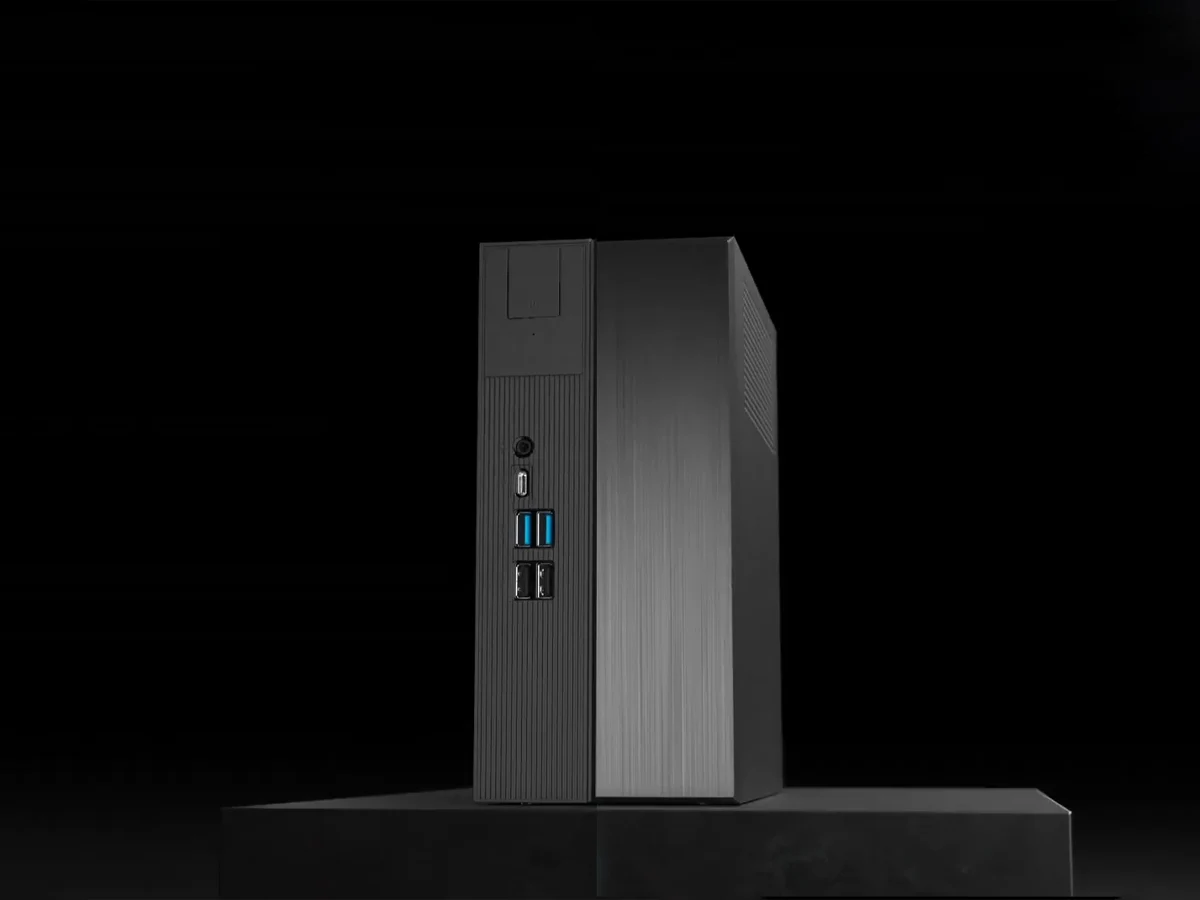
    ASRock is preparing to introduce a new line of mini PCs, which includes the AMD-powered DeskSlim X600. A leaked specification sheet reveals that this compact computer will support AM5 desktop processors, ranging from the Ryzen 7000 series up to the 9000 series.

    CPU Compatibility

    According to the spec sheet, the mini PC can accommodate CPUs with a maximum TDP of 65W, which means high-end models like the Ryzen 7 9800X3D won’t be compatible. It also supports a low-profile, dual-slot discrete GPU, making the DeskSlim X600 an attractive option for those looking to create a compact gaming PC similar to a Steam Machine.

    PSU and RAM Support

    It’s important to note that ASRock specifies a maximum of 330W for the PSU in pre-configured systems, which is something to consider before adding a discrete GPU (like the ASUS RTX 5060 LP BRK currently priced at $345.15 on Amazon). Additionally, the spec sheet lists four DDR5 slots, allowing for a total of up to 256 GB of RAM.

    Storage and Connectivity

    For storage, the mini PC includes two M.2 2280 slots—one supporting PCIe Gen 5×4 and the other compatible with Gen 4×4 SSDs. There are also two SATA ports running at 6 Gb/s. The DeskSlim X600 will offer a well-rounded array of ports, enhancing its functionality.

    Based on these specifications, it appears the DeskSlim X600 will be a slightly modified version of the DeskMini X600 that was released in July 2025. However, the actual size of the mini PC remains uncertain, and that detail will be revealed upon its official launch.

    Source:
    Link