
Tag: modularity

  • Dell Pro Laptops Skip Concept Luna: Soldered Memory Persists

    Dell Pro Laptops Skip Concept Luna: Soldered Memory Persists

    Key Takeaways

    1. Dell’s “Concept Luna” aimed to create modular, easily repairable laptops, but full implementation is lacking after five years.
    2. The Dell Pro 14 Plus uses recycled materials and plastic-free packaging, aligning with sustainability goals but lacks modularity.
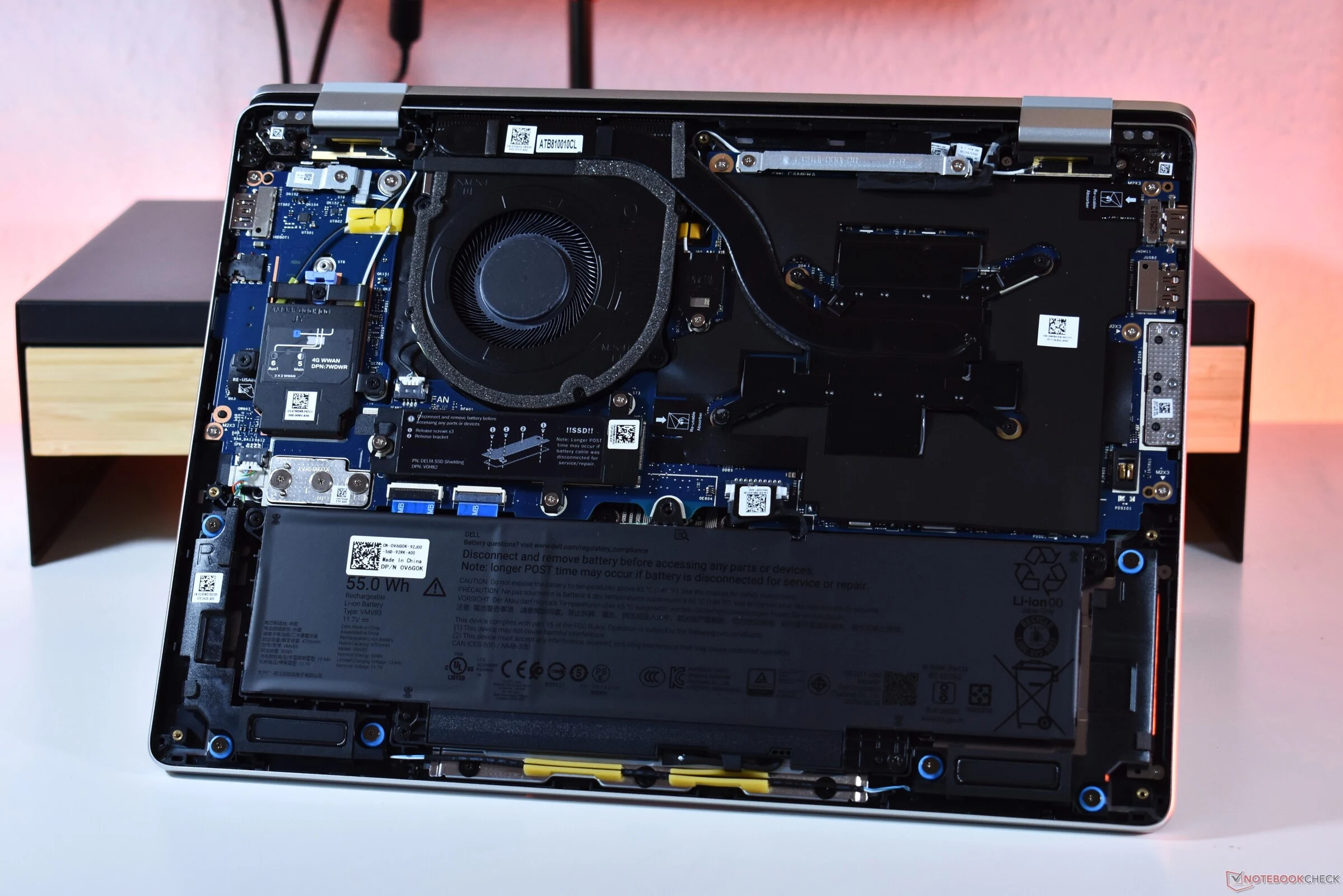
    3. Key components like the Wi-Fi card and RAM are soldered to the motherboard, limiting repair options.
    4. The keyboard design is bottom-loaded and fused into the palm rest, making replacement difficult, unlike competitors like Lenovo.
    5. Dell still has significant work to do to realize the full potential of Concept Luna in their laptop designs.


    Back in 2021, Dell introduced a new concept called “Concept Luna.” This idea represented a completely different way of creating laptops compared to their existing models, such as the Dell XPS. The aim was to make laptops easier to repair through a modular design.

    Lack of Full Implementation

    Fast forward five years, and it appears that Dell hasn’t fully adopted the principles of this concept. The recently reviewed Dell Pro 14 Plus is a prime example of this issue. Although this Dell laptop with AMD Ryzen processors does use recycled materials and comes in plastic-free packaging, which aligns with the sustainability goals of Concept Luna, it falls short on modularity.

    Repairability Concerns

    One major issue we found was that the Wi-Fi card is soldered onto the motherboard. This is a common practice today, but manufacturers could easily avoid this by offering M.2 solutions as an option. Other brands, like Lenovo, face the same problem with their systems.

    Another point to consider is the keyboard design. It’s bottom-loaded and fused into the palm rest, which gives a cleaner look but makes it difficult to replace. For business laptops expected to last five years or more, having a keyboard that users can easily swap out would be very useful, as keyboards tend to wear out. Competing models from Lenovo, such as the ThinkPad T14 or L14, provide this feature.

    Modular Design Missed

    Finally, the RAM in the Dell Pro 14 Plus (which you can find on Amazon) is also soldered. In contrast, competitors like Lenovo and HP offer socketed RAM with SO-DIMM slots. This makes the Dell Pro 14 Plus the least modular option among major business laptop brands.

    Concept Luna was and still is an inspiring vision, but Dell has a long way to go before fully realizing it, even after five years.
  • Lenovo ThinkPad Workstation: Hidden Secrets You Should Know

    Lenovo ThinkPad Workstation: Hidden Secrets You Should Know

    Key Takeaways

    1. Many ThinkPad laptop parts that were once easily repairable are now sealed, limiting customization and repair options.
    2. Lenovo still offers user-replaceable keyboards on most ThinkPad models, with straightforward replacement for some and more complex processes for others.
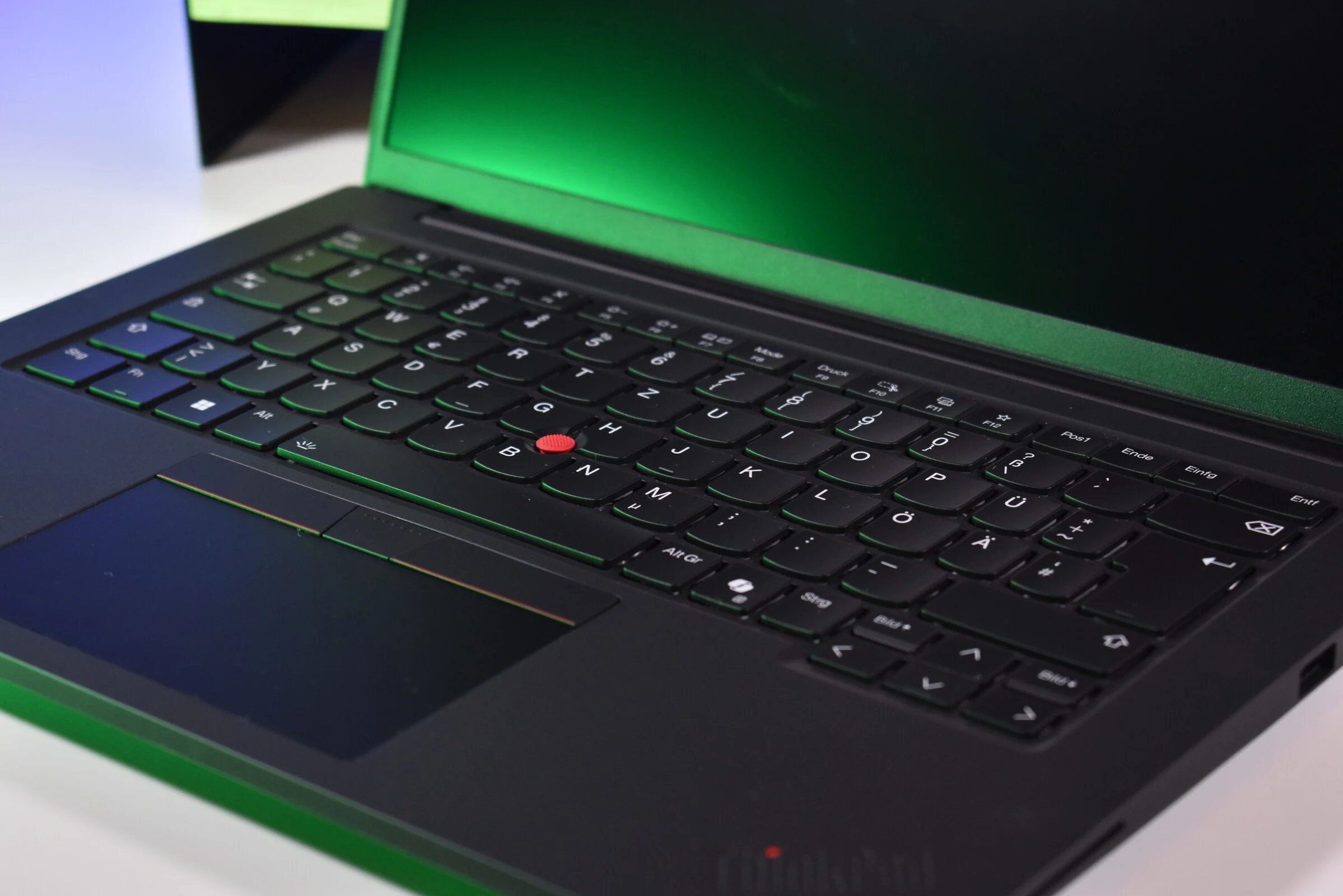
    3. The ThinkPad P14s Gen 6 Intel has a bottom loaded keyboard secured by plastic rivets, complicating replacement and repair.
    4. If the keyboard on the P14s Gen 6 Intel fails, the entire palmrest assembly must be replaced, leading to waste and higher costs.
    5. Newer ThinkPad designs pose challenges for repairability and sustainability, despite maintaining some modular features.


    IBM and Lenovo ThinkPad laptops were once famous for their ability to be customized and repaired. Times have changed, however, and many parts that could once be easily fixed are now sealed in, such as soldered Wi-Fi cards and charging ports on ThinkPads.

    User-Friendly Keyboards

    Despite these changes, Lenovo has maintained the user-replaceable keyboard feature on most ThinkPad laptops. For instance, swapping out the keyboard on a Lenovo ThinkPad T14 or ThinkPad L14 is straightforward, requiring only the loosening of two screws and sliding the keyboard out – this design is known as a top loaded keyboard. Unfortunately, this option has been removed on some models like the slimmer Lenovo ThinkPad T14s and the Lenovo ThinkPad P1, but buyers can still choose between models with modular keyboards and those without. Even in models that come with a “bottom loaded” keyboard, replacement is possible, although the process is more intricate, involving disassembling the entire laptop and encountering a lot more screws.

    A Closer Look at the ThinkPad P14s Gen 6 Intel

    From the outside, the Lenovo ThinkPad P14s Gen 6 Intel appears similar to other models featuring the bottom loaded keyboard, where changing it necessitates disassembling the entire device. However, upon closer inspection, you will find a notable difference: the keyboard is not secured by screws. Instead, Lenovo opts for small plastic rivets that are nearly impossible to remove without causing damage to the laptop.

    This design choice implies that if the keyboard malfunctions, the entire palmrest assembly must be discarded, leading to unnecessary waste of both money and resources, which is not very eco-friendly.

    Final Thoughts

    In summary, while Lenovo has kept some aspects of modularity in their laptops, such as the replaceable keyboard in certain models, newer designs have introduced challenges that make repairs more complicated. The reliance on plastic rivets in models like the ThinkPad P14s Gen 6 Intel raises concerns about sustainability and repairability in today’s tech landscape.