
Tag: Lenovo ThinkPad

  • Intel Panther Lake Now in ThinkPads and EliteBooks: Full Rollout

    Intel Panther Lake Now in ThinkPads and EliteBooks: Full Rollout

    Key Takeaways

    1. Intel’s Panther Lake (Core Ultra 300) has had a limited debut, mainly in the consumer market since CES 2026.
    2. vPro versions of Intel Core Ultra 300 CPUs have been launched, offering management and security features for corporate clients.
    3. The introduction of vPro variants is expected to increase availability of Intel Panther Lake in laptops, including models like Lenovo ThinkPad X1 Carbon Gen 14 and Dell Pro 5.
    4. Intel’s upcoming CPU series, Nova Lake, is set to launch in 2027, with a focus on penetrating the budget-friendly market.
    5. More information about Wildcat Lake processors is anticipated, especially in light of Apple’s success in the budget segment with the MacBook Neo.


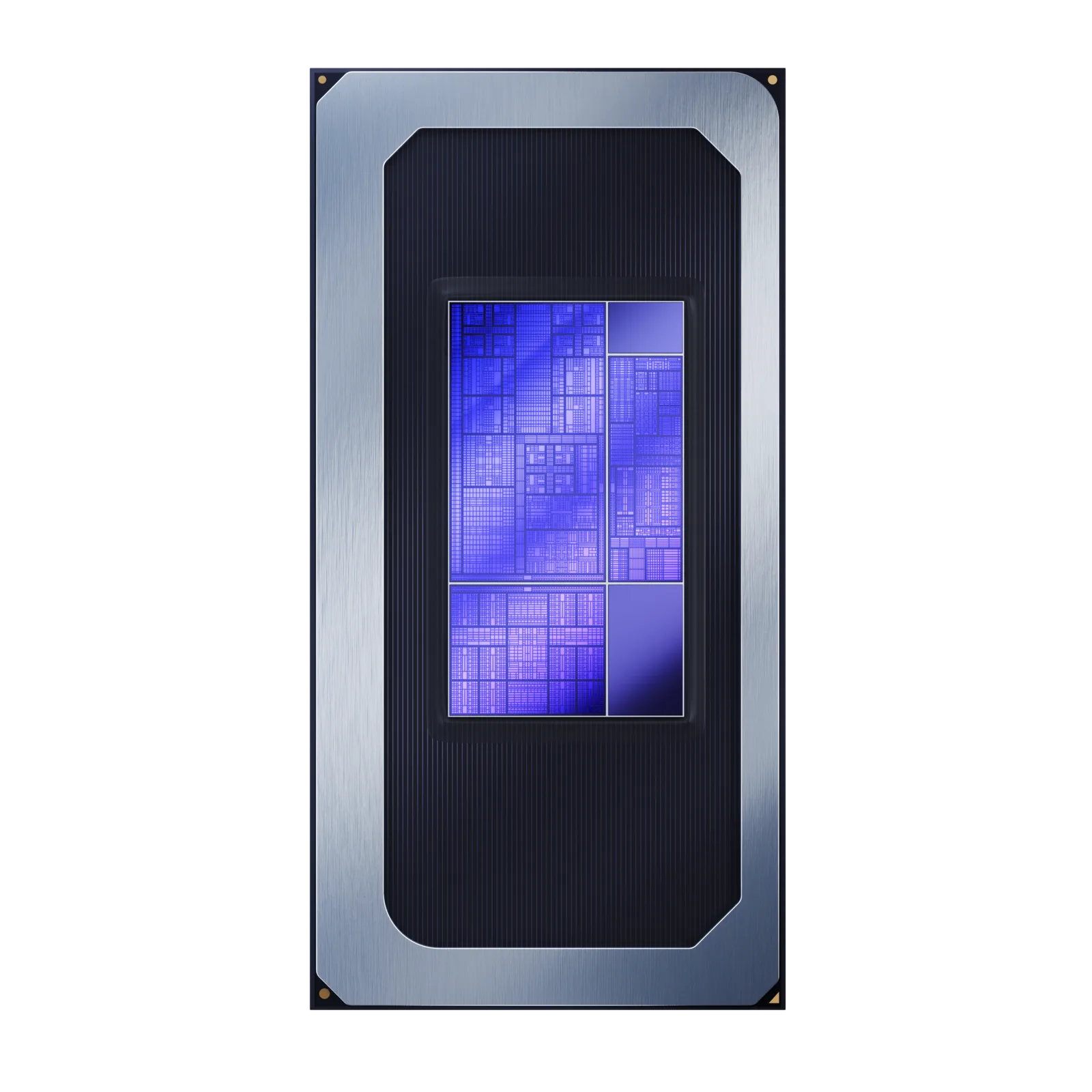
    So far, Intel’s Panther Lake, also known as Core Ultra 300, has had a limited debut. It has only been accessible in the consumer space since Intel introduced Panther Lake during CES 2026. This has meant that the commercial sector, which includes well-known brands like Lenovo ThinkPad, Dell Pro, and HP EliteBook, has not yet adopted the latest CPUs, resulting in the Intel Core Ultra 300 being available only in a narrow segment of the market.

    New vPro Variants Released

    Now, that situation has changed: Intel has officially launched the “vPro” versions of the Intel Core Ultra 300 CPUs, which signifies a major step into the market for these processors. The vPro technology provides a range of management and security features tailored for large corporate clients, and it’s available on certain CPU models, such as the Intel Core Ultra 7 365. In contrast, the nearly similar Intel Core Ultra 7 355 lacks vPro, categorizing it as a “consumer chip.”

    Market Saturation on the Horizon

    With the introduction of vPro variants, we can expect a rapid increase in the availability of Intel Panther Lake as more laptops equipped with these CPUs become accessible. This includes popular models like the Lenovo ThinkPad X1 Carbon Gen 14, which is the successor to the X1 Carbon G13, alongside the recently revealed Dell Pro 5 laptops.

    What’s Next for Intel?

    Moreover, this development shifts attention toward Intel’s upcoming CPU series, Nova Lake, expected to launch in the laptop market in 2027. The only market segment that Intel has yet to penetrate is the budget-friendly category, with more information about the Wildcat Lake processors anticipated in the upcoming months. These CPUs could arrive at a timely moment, considering Apple’s recent success in the budget market with the affordable MacBook Neo.
     

  • Lenovo ThinkPad Workstation: Hidden Secrets You Should Know

    Lenovo ThinkPad Workstation: Hidden Secrets You Should Know

    Key Takeaways

    1. Many ThinkPad laptop parts that were once easily repairable are now sealed, limiting customization and repair options.
    2. Lenovo still offers user-replaceable keyboards on most ThinkPad models, with straightforward replacement for some and more complex processes for others.
    3. The ThinkPad P14s Gen 6 Intel has a bottom loaded keyboard secured by plastic rivets, complicating replacement and repair.
    4. If the keyboard on the P14s Gen 6 Intel fails, the entire palmrest assembly must be replaced, leading to waste and higher costs.
    5. Newer ThinkPad designs pose challenges for repairability and sustainability, despite maintaining some modular features.


    IBM and Lenovo ThinkPad laptops were once famous for their ability to be customized and repaired. Times have changed, however, and many parts that could once be easily fixed are now sealed in, such as soldered Wi-Fi cards and charging ports on ThinkPads.

    User-Friendly Keyboards

    Despite these changes, Lenovo has maintained the user-replaceable keyboard feature on most ThinkPad laptops. For instance, swapping out the keyboard on a Lenovo ThinkPad T14 or ThinkPad L14 is straightforward, requiring only the loosening of two screws and sliding the keyboard out – this design is known as a top loaded keyboard. Unfortunately, this option has been removed on some models like the slimmer Lenovo ThinkPad T14s and the Lenovo ThinkPad P1, but buyers can still choose between models with modular keyboards and those without. Even in models that come with a “bottom loaded” keyboard, replacement is possible, although the process is more intricate, involving disassembling the entire laptop and encountering a lot more screws.

    A Closer Look at the ThinkPad P14s Gen 6 Intel

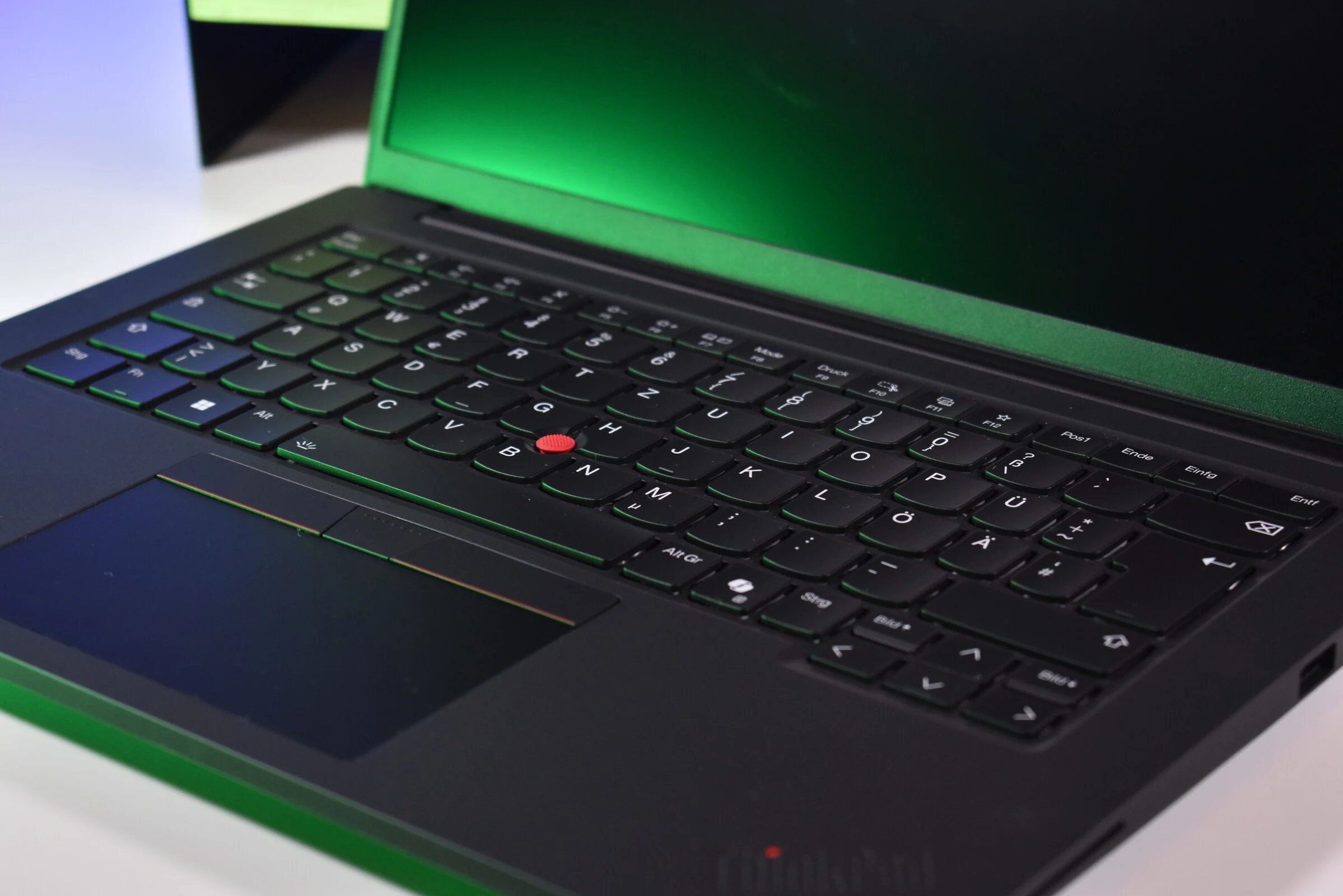
    From the outside, the Lenovo ThinkPad P14s Gen 6 Intel appears similar to other models featuring the bottom loaded keyboard, where changing it necessitates disassembling the entire device. However, upon closer inspection, you will find a notable difference: the keyboard is not secured by screws. Instead, Lenovo opts for small plastic rivets that are nearly impossible to remove without causing damage to the laptop.

    This design choice implies that if the keyboard malfunctions, the entire palmrest assembly must be discarded, leading to unnecessary waste of both money and resources, which is not very eco-friendly.

    Final Thoughts

    In summary, while Lenovo has kept some aspects of modularity in their laptops, such as the replaceable keyboard in certain models, newer designs have introduced challenges that make repairs more complicated. The reliance on plastic rivets in models like the ThinkPad P14s Gen 6 Intel raises concerns about sustainability and repairability in today’s tech landscape.