
Tag: Dell Pro 14 Plus

  • Dell’s €1,500 Laptops Need Better Screens, Not Cheap Options

    Dell’s €1,500 Laptops Need Better Screens, Not Cheap Options

    Key Takeaways

    1. The Dell Pro 14 Plus offers impressive display options, including WQXGA and Low Power WUXGA displays with good brightness and color coverage.
    2. The review model tested had a basic WUXGA IPS screen with poor brightness (below 300 cd/m²) and only 56% sRGB color coverage.
    3. This limited display quality makes the laptop unsuitable for color-sensitive tasks, ranking it poorly among 14-inch business laptops.
    4. Better display options are not easily available and require customization directly from Dell, which can be expensive.
    5. Manufacturers should ensure better display options are accessible, especially for laptops priced around €1,500.


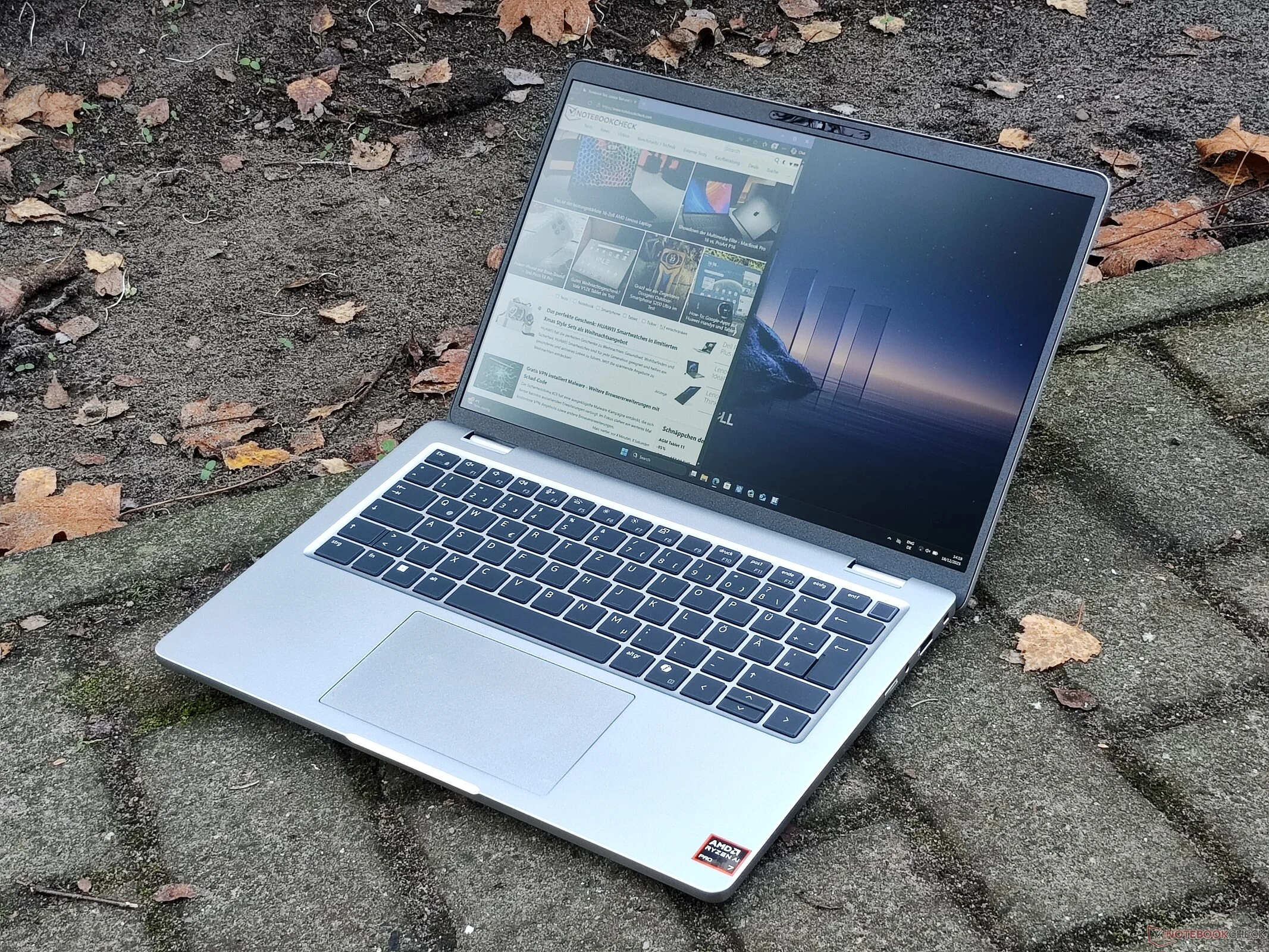
    The Dell Pro 14 Plus offers some impressive display options. Among them is a WQXGA (2,560 x 1,600) IPS display with a refresh rate of 90 Hz, alongside a Low Power WUXGA (1,920 x 1,200) display. Both of these screens have a brightness of 400 cd/m² and cover the small sRGB color space, making them suitable for simple photo editing tasks.

    Disappointing Display in Review Model

    However, there is a significant issue: the Dell Pro 14 Plus PB14255 that we recently assessed does not come with either of those preferred screens. Instead, our review unit was equipped with the most basic display available, a WUXGA IPS screen that only reaches 300 cd/m² in brightness.

    In our evaluation, the screen failed to hit the 300 cd/m² threshold, and even more concerning was the limited color coverage. With only 56 percent of the sRGB gamut, the colors appeared dull and inaccurate, rendering the display unsuitable for any color-sensitive work. Among all the 14-inch business laptops we compared, the Dell Pro 14 Plus stood out for having the poorest display quality.

    Limited Options for Better Screens

    One might wonder why we opted to test this particular model instead of one with a superior screen. The reason is that such models are not readily available. In Germany, the only way to obtain the Dell Pro 14 Plus with a better display is to customize it directly from Dell, which can be quite costly. If you’re purchasing from a typical retailer, like we do, even the highest-spec version of the Dell Pro 14 Plus PB14255 (available on dell.com) priced at around €1,500 still features the most basic screen.

    Manufacturers should ensure that better display options are accessible. Offering a basic, lower-cost screen is acceptable, but it should not be the standard for a laptop priced at €1,500.
  • Dell Pro Laptops Skip Concept Luna: Soldered Memory Persists

    Dell Pro Laptops Skip Concept Luna: Soldered Memory Persists

    Key Takeaways

    1. Dell’s “Concept Luna” aimed to create modular, easily repairable laptops, but full implementation is lacking after five years.
    2. The Dell Pro 14 Plus uses recycled materials and plastic-free packaging, aligning with sustainability goals but lacks modularity.
    3. Key components like the Wi-Fi card and RAM are soldered to the motherboard, limiting repair options.
    4. The keyboard design is bottom-loaded and fused into the palm rest, making replacement difficult, unlike competitors like Lenovo.
    5. Dell still has significant work to do to realize the full potential of Concept Luna in their laptop designs.


    Back in 2021, Dell introduced a new concept called “Concept Luna.” This idea represented a completely different way of creating laptops compared to their existing models, such as the Dell XPS. The aim was to make laptops easier to repair through a modular design.

    Lack of Full Implementation

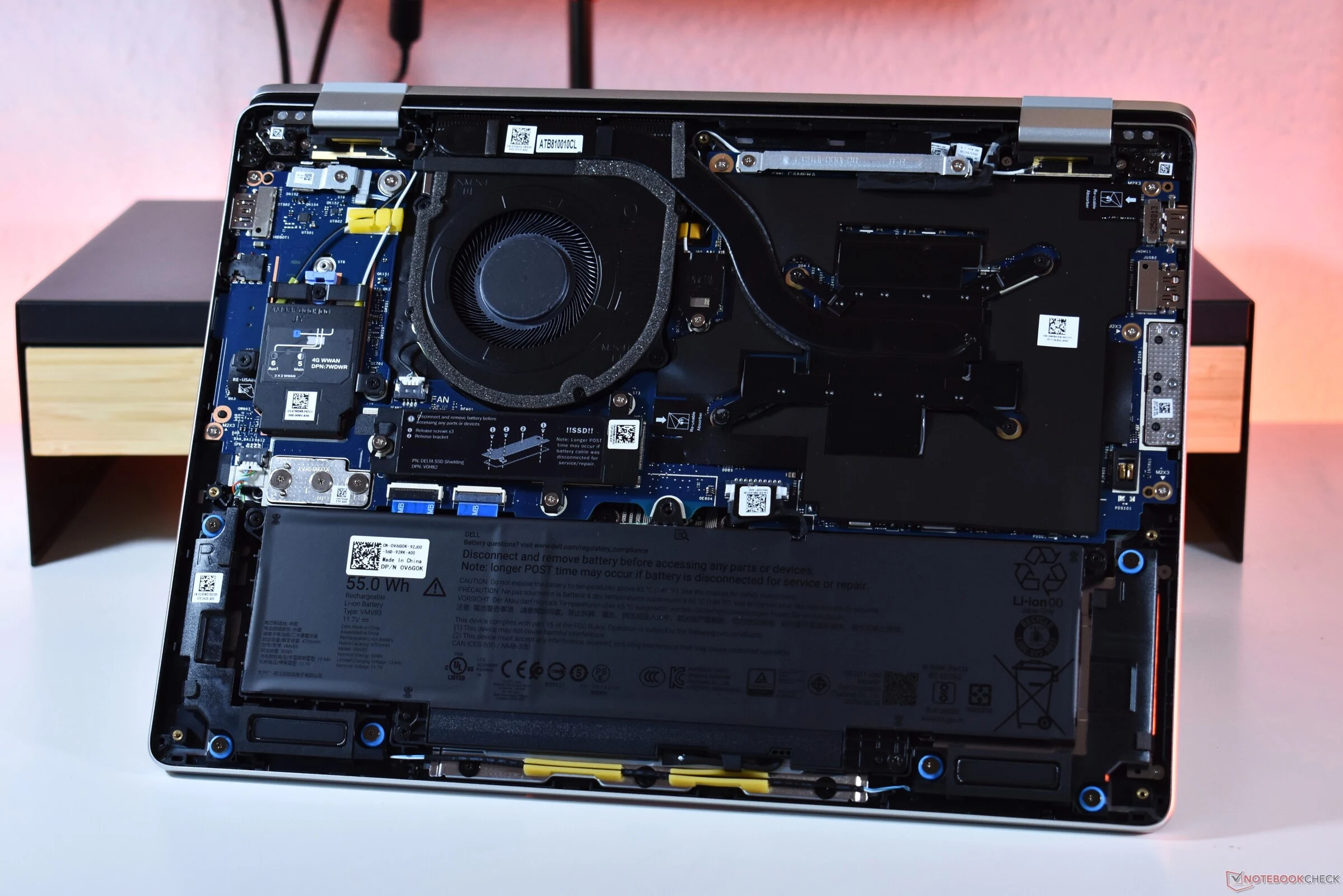
    Fast forward five years, and it appears that Dell hasn’t fully adopted the principles of this concept. The recently reviewed Dell Pro 14 Plus is a prime example of this issue. Although this Dell laptop with AMD Ryzen processors does use recycled materials and comes in plastic-free packaging, which aligns with the sustainability goals of Concept Luna, it falls short on modularity.

    Repairability Concerns

    One major issue we found was that the Wi-Fi card is soldered onto the motherboard. This is a common practice today, but manufacturers could easily avoid this by offering M.2 solutions as an option. Other brands, like Lenovo, face the same problem with their systems.

    Another point to consider is the keyboard design. It’s bottom-loaded and fused into the palm rest, which gives a cleaner look but makes it difficult to replace. For business laptops expected to last five years or more, having a keyboard that users can easily swap out would be very useful, as keyboards tend to wear out. Competing models from Lenovo, such as the ThinkPad T14 or L14, provide this feature.

    Modular Design Missed

    Finally, the RAM in the Dell Pro 14 Plus (which you can find on Amazon) is also soldered. In contrast, competitors like Lenovo and HP offer socketed RAM with SO-DIMM slots. This makes the Dell Pro 14 Plus the least modular option among major business laptop brands.

    Concept Luna was and still is an inspiring vision, but Dell has a long way to go before fully realizing it, even after five years.