
Tag: Apple M7

  • Intel Foundry’s 14A Technology Praised by Customers as Game-Changer

    Intel Foundry’s 14A Technology Praised by Customers as Game-Changer

    Key Takeaways

    1. Intel’s 14A node is gaining positive feedback from clients, indicating strong competitiveness in datacenter, PC, and mobile sectors.
    2. Despite the promise of 14A, major smartphone SoC manufacturers like Qualcomm and MediaTek continue to prefer TSMC/Samsung for chip production.
    3. Intel Foundry is expected to produce Apple’s M7 chip using the 14A node, with potential future collaboration for iPhone chips.
    4. The 14A node will utilize ASML’s high-NA EUV machines, which may lead to higher production costs.
    5. Intel’s advanced packaging technologies, EMIB and Foveros, are attracting interest from key industry players, including Nvidia and possibly AMD.


    Veteran analyst Patrick Moorhead has revealed new insights into Intel’s forthcoming 14A node. Clients who have experienced it are claiming that “14A is the real deal,” indicating its strong competitiveness in important sectors like datacenter, PC, and mobile. The specific reference to mobile chips raises eyebrows since Intel Foundry hasn’t yet landed a deal with smartphone SoC manufacturers, such as Qualcomm, which continues to prefer TSMC/Samsung Foundry for now. Similarly, MediaTek, its main rival, appears to not be making a switch either.

    Future Prospects for Apple

    This leads us to the potential for future Apple A-series chips. Ming-Chi Kuo has previously mentioned that Intel Foundry will produce the Apple M7 using Intel’s 14A node, so it isn’t far-fetched to think that this partnership could also include iPhone chips. Intel’s 14A node is anticipated to start mass production around 2027, and Patrick states, “I am already hearing very positive things” about it.

    Technology and Competition

    Intel 14A is set to be among the initial nodes to utilize ASML’s high-NA EUV machines, which is expected to lead to higher prices. Besides Apple, Nvidia might also employ 14A for some of its products. If an earlier report holds true, Intel’s competitor AMD could also be a potential customer. In addition to 14A, Intel’s advanced packaging technologies, including EMIB and Foveros, are catching the attention of major industry players.

    Source:
    Link
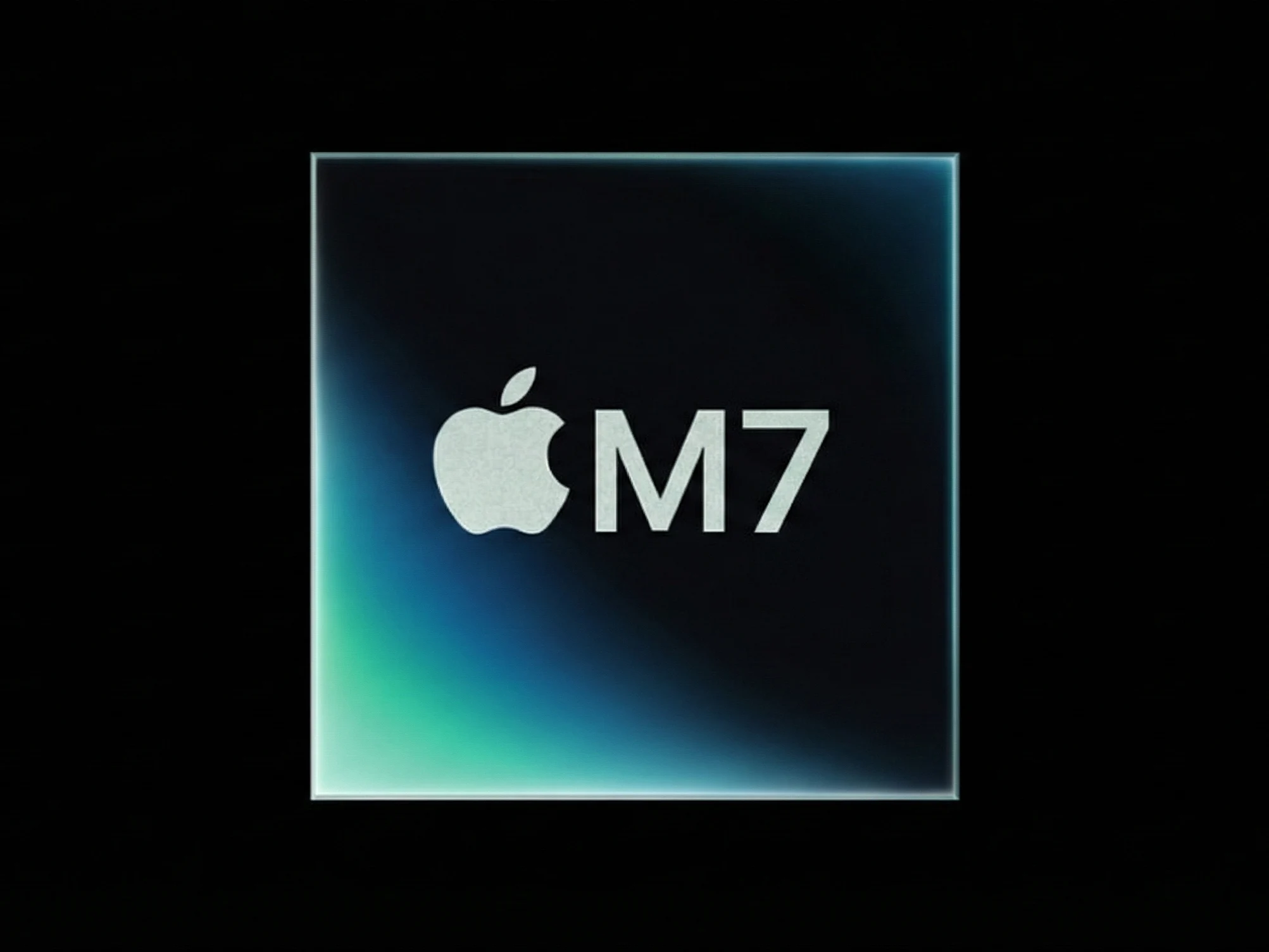
     

  • Apple M7 Chip to be Manufactured by Intel Foundry

    Apple M7 Chip to be Manufactured by Intel Foundry

    Key Takeaways

    1. The entry-level Apple M series chip will be produced by Intel Foundry, possibly using the Intel 18AP manufacturing process around 2027.
    2. Apple will continue to rely on TSMC for its advanced chips, with the M7 likely being the only chip made by Intel Foundry.
    3. The M7 is expected to power future iPads, MacBook Air devices, and possibly new Vision Pro versions.
    4. The Apple M7 would be the first chip to fully bypass TSMC in its manufacturing process, marking a significant shift.
    5. Intel Foundry’s partnership with Apple could attract other major companies, like Qualcomm, to consider their production services.


    Industry expert Ming-Chi Kuo has shared some intriguing insights regarding the upcoming Apple M series chips. Interestingly, the “entry-level” processor is set to be produced by Intel Foundry. While the specific manufacturing node remains unclear, Kuo suggests it might be Intel 18AP, anticipated to be operational around 2027. This announcement seems to affirm previous speculation that both Apple and Nvidia were considering Intel Foundry for their future chip developments.

    Apple’s Continued Partnership with TSMC

    Kuo’s remarks indicate that Apple will continue to depend on TSMC for its more advanced chips. It seems logical to conclude that the Apple M7 will be the only chip produced using Intel 18AP, whereas the M7 Pro and M7 Max are expected to utilize either TSMC N2P or A18 processes. The standard M7 is likely to be the driving force behind the next generations of iPads and MacBook Air devices, and potentially future versions of Vision Pro.

    Implications for the Chip Market

    If this information holds true, the Apple M7 would be the first chip to completely bypass TSMC in its manufacturing process. It’s still too soon to make accurate predictions about its performance, but we should gain more clarity once consumer-grade products based on Intel 18A, like Panther Lake, become available in stores next year. Overall, this development is a considerable triumph for Intel Foundry, as having a significant player like Apple on board could entice other major companies, including Qualcomm, to consider them for their production needs.

    Ming-Chi Kuo shared this update on X.

    Source:
    Link