Category: Computers

  • Acer Mini PC Launches with Radeon 8060S iGPU and 128GB RAM

    Acer Mini PC Launches with Radeon 8060S iGPU and 128GB RAM

    Key Takeaways

    1. The Acer Veriton RA100 features the high-performance Ryzen AI Max+ 395 APU with 16 Zen 5 cores and a neural processing unit (NPU) capable of 50 TOPS in AI performance.
    2. It includes the Radeon 8060S integrated GPU, performing similarly to the RTX 4070 Laptop GPU, making it suitable for gaming at 1080p and 1440p resolutions.
    3. The mini PC supports up to 128 GB of LPDDR5X RAM and up to 4 TB of storage, with multiple impressive port options.
    4. It offers WiFi 7 and Bluetooth 5.4 for reliable wireless connections and features a cooling design with three TDP modes for different workloads.
    5. The device will launch in Q1 2026, with additional features like a stylish chassis and integrated Copilot+ functionality, though pricing has not been disclosed.


    Acer has rolled out several new devices at CES 2026, and one of the standout products is the Veriton RA100. This mini PC features the Ryzen AI Max+ 395, which is among the highest-performance APUs from the Strix Halo series. It boasts 16 Zen 5 cores and a neural processing unit (NPU) that can reach an impressive 50 TOPS in AI performance.

    Impressive Graphics Capabilities

    Included in the APU is the Radeon 8060S, AMD’s leading integrated GPU. Our tests show that this integrated graphics unit performs on par with the RTX 4070 Laptop GPU, making the Acer mini PC a solid choice for gaming at both 1080p and 1440p resolutions.

    Power and Storage Options

    The APU is capable of being paired with up to 128 GB of LPDDR5X RAM running in quad-channel configuration, enabling it to manage AI models containing as many as 120 billion parameters. Furthermore, it supports storage options of up to 4 TB, and the variety of ports is quite impressive, featuring the following:

    For dependable wireless connections, the Acer Veriton RA100 is equipped with WiFi 7 and Bluetooth 5.4. The company also emphasizes the mini PC’s cooling design, noting that it has three different TDP modes to accommodate various workloads.

    Additional Features

    Other highlights from the CES 2026 event include a stylish chassis, integrated Copilot+ functionality, and a Kensington lock slot suitable for communal environments. Although Acer has not disclosed the pricing for this AMD Strix Halo mini PC, they did mention that it would launch in Q1 2026. For those interested, there’s also the GMKtec EVO-X2 available, which has a similar configuration (with 96 GB RAM and 2 TB storage priced at $1,839.99 on Amazon).

    Source:
    Link


  • Satechi Launches Ultra-Slim Keyboards and Affordable Aluminum Mouse

    Satechi Launches Ultra-Slim Keyboards and Affordable Aluminum Mouse

    Key Takeaways

    1. Satechi introduced the Thunderbolt 5 CubeDock and new accessories, including a wireless mouse and two keyboards, at CES 2026.
    2. The Satechi EX Wireless Mouse connects to three devices simultaneously and features a convenient device-switching button, a USB-C charging port, and a replaceable battery.
    3. The EX1 and EX3 keyboards have similar designs, with the EX3 featuring a numeric keypad and full-sized arrow keys, and both allow pairing with up to four devices.
    4. The keyboards have easy battery replacement with minimal tools required and a toggle for switching between Windows and macOS layouts.
    5. Pricing for the new products includes $29.99 for the mouse, $49.99 for the EX1 keyboard, and $69.99 for the EX3 keyboard, initially available in the US.


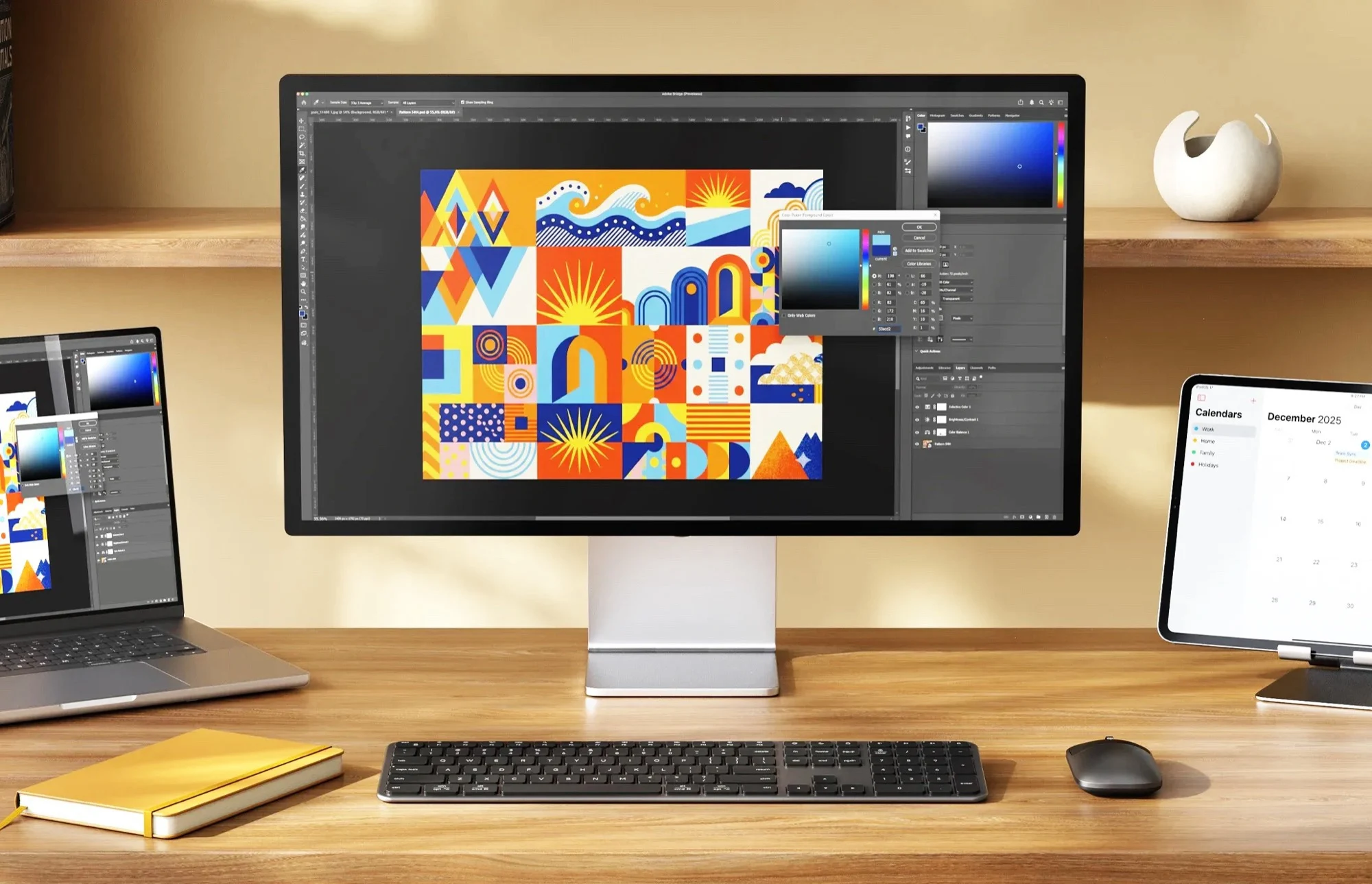
    Alongside the Thunderbolt 5 CubeDock, which resembles an Apple Mac mini, Satechi has introduced a range of new accessories during CES 2026. These include a wireless mouse and two different keyboards. The Satechi EX Wireless Mouse is designed to be a sleek office companion, capable of connecting to three devices simultaneously—two via Bluetooth and one through the included USB-C dongle.

    Easy Device Switching

    A convenient button located on the bottom of the mouse allows for easy switching between the connected devices anytime. Even though it comes at a budget-friendly price, Satechi has utilized aluminum for the top casing. The mouse features quiet switches, and the USB-C charging port is situated at the front. A standout aspect is that the battery is replaceable without needing any tools, which is handy if its capacity diminishes after years of use.

    Keyboard Options

    The new EX1 and EX3 keyboards share similar designs, with the primary distinction being that the EX3 includes a numeric keypad and full-sized arrow keys. The battery is housed under a cover that is fastened to the chassis with just one screw, making replacements quick and easy. Satechi claims the battery can last for “several weeks,” though the keyboard lacks backlighting. This ultra-thin membrane keyboard targets users who prefer the feel of laptop keyboards, allowing for pairing with up to four devices via Bluetooth or a USB-C dongle. Additionally, a slider on the back enables users to toggle between Windows and macOS layouts.

    Availability and Pricing

    Initially, Satechi’s new products will be available in the US, but the company often expands to other markets within a few weeks. The pricing for the Satechi EX Wireless Mouse is set at $29.99, while the compact Satechi Slim EX1 Wireless Keyboard retails for $49.99. The EX3, which includes a numeric keypad, is priced at $69.99.

    Source:
    Link


  • Volkswagen Group Unveils Snapdragon Infotainment for 2027 SDVs

    Volkswagen Group Unveils Snapdragon Infotainment for 2027 SDVs

    Key Takeaways

    1. Volkswagen Group and Qualcomm Technologies plan a long-term partnership for infotainment and connectivity hardware in future software-defined vehicles (SDVs) starting post-2027.

    2. Qualcomm will provide high-performance infotainment system-on-chips, utilizing its Snapdragon Digital Chassis solutions for advanced functionalities in Volkswagen’s electric vehicles.

    3. The collaboration extends to the Automated Driving Alliance (ADA) to accelerate the development of AI-driven automated driving systems using Qualcomm’s Snapdragon Ride Elite platform.

    4. The agreement aims to streamline procurement processes and enhance in-house skills for semiconductor integration and AI vehicle systems.

    5. Future integration will include Snapdragon 5G Modem-RF and V2X technologies for improved connectivity and real-time vehicle-to-infrastructure communication, with a focus on AI-powered automotive technologies.


    Volkswagen Group and Qualcomm Technologies have announced their intent to establish a long-term agreement for supplying infotainment and connectivity hardware for Volkswagen’s upcoming software-defined vehicles (SDVs). Under this envisioned partnership, Qualcomm is anticipated to serve as Volkswagen Group’s main technology collaborator for high-performance infotainment system-on-chips, starting with vehicles set to launch after 2027.

    Collaboration for the Future

    This partnership is linked to Volkswagen Group’s zonal SDV framework, which has been developed for the Western hemisphere through their joint venture with Rivian Automotive, termed Rivian and Volkswagen Group Technologies (RV Tech). Qualcomm’s Snapdragon Digital Chassis solutions will lay the groundwork for advanced infotainment functionalities in future electric vehicles based on Volkswagen’s Scalable Systems Platform (SSP), which includes the ID.EVERY1 and more models to come.

    Expanding Automated Driving

    Volkswagen and Qualcomm are already collaborating within the Automated Driving Alliance (ADA), which was initiated by Volkswagen’s software division CARIAD and Bosch. This initiative aims to hasten the development of highly automated driving systems. The alliance’s goal is to utilize Qualcomm’s Snapdragon Ride Elite platform to support AI-driven automated driving capabilities that can be adapted across various brands and vehicle categories.

    Volkswagen has stated that this forthcoming agreement aligns with their wider strategy to streamline the procurement process for critical components while enhancing in-house skills related to semiconductor integration and AI vehicle systems. The SDV architecture is designed around modular, high-performance central computers that can manage vehicle operations and receive over-the-air updates to improve features over time.

    Future Integration and Goals

    In addition to infotainment and automated driving, both companies also aim to incorporate Snapdragon 5G Modem-RF and V2X technologies into the next generation of SDV-based vehicles. This integration is projected to facilitate quicker connectivity and enable real-time communication between vehicles and infrastructure. Volkswagen and Qualcomm also mentioned that they will look into more collaboration possibilities in AI-powered automotive technologies that pertain to safety, personalization, and connected mobility.

    The proposed supply agreement is currently being pushed forward by Audi and Volkswagen Passenger Cars, with aspirations to widen its influence across Volkswagen Group brands on a global scale.

    Source:
    Link


  • Ayaneo Launches AM03 Mini-PC with Intel Processor After Teasers

    Ayaneo Launches AM03 Mini-PC with Intel Processor After Teasers

    Key Takeaways

    1. Ayaneo has launched the AM03 mini-PC as its fourth entry into the mini-PC market, following previous models AM01, AM02, and AM01S.
    2. The AM03 features a modern design that combines aesthetics with performance, moving away from the retro style of earlier models.
    3. It is powered by an Intel Core i9-12900H processor, which has a mix of performance and efficiency cores, but lacks eGPU expansion options.
    4. The AM03 may struggle with recent AAA titles, likely only running them at 720p with low graphical settings due to its basic integrated GPU.
    5. Pricing for the AM03 starts at $399 for a basic version without RAM or storage, with options available for $499 including 16 GB of RAM and 512 GB of storage.


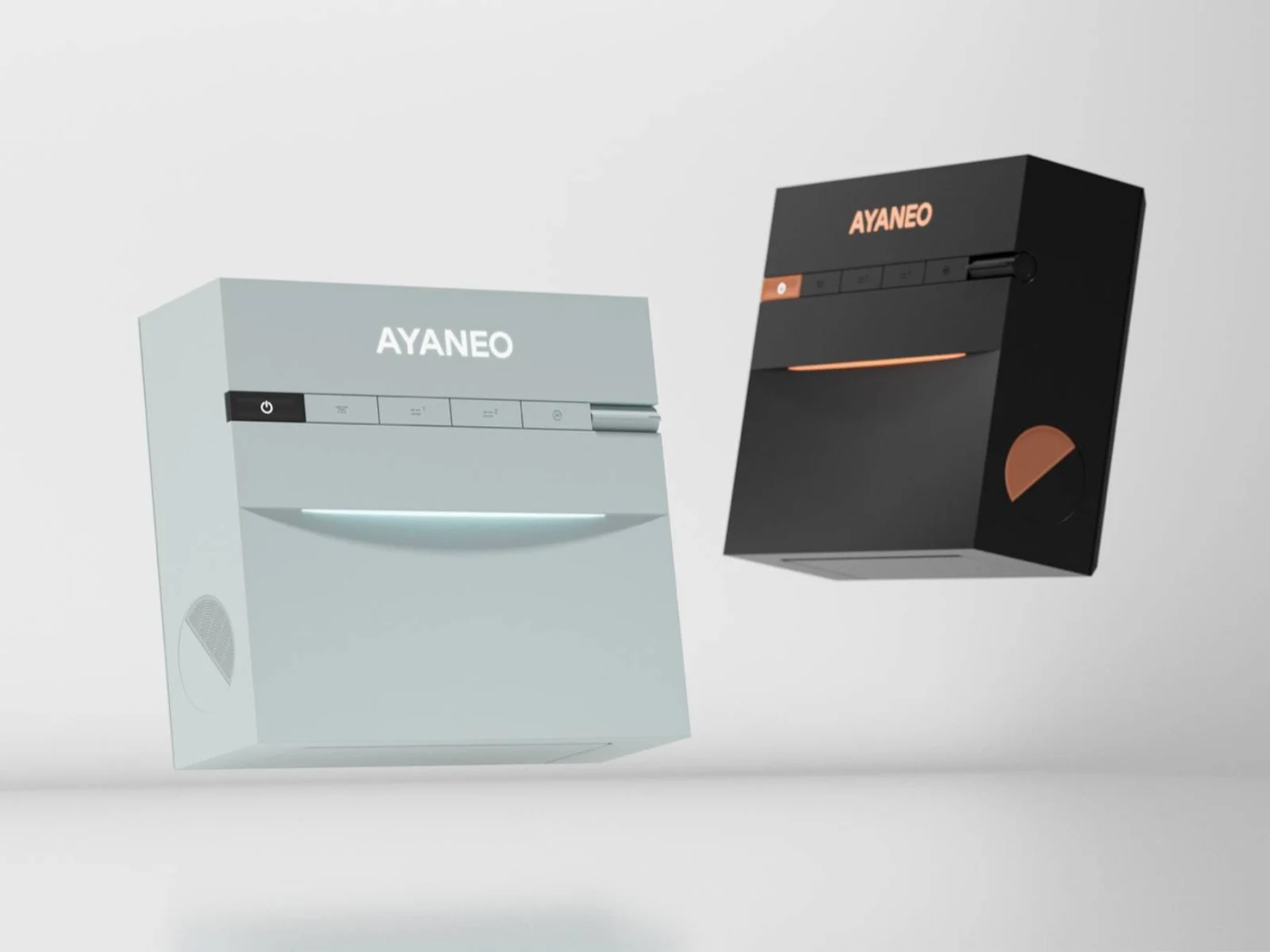
    Ayaneo is well-regarded for its handheld devices aimed at PC gaming. In the last few years, the brand has expanded into additional sectors, such as Android gaming handhelds and even the Pocket Play sliding smartphone. Besides, Ayaneo has introduced a budding line of mini-PCs, recently unveiling the AM03.

    Launch and Design

    Initially hinted at in July 2025, the AM03 marks Ayaneo’s fourth entry into the mini-PC market, following the AM01 (currently priced at $449 on Amazon), AM02, and the AM01S, which debuted in August. While the earlier models had a strong retro vibe, the AM03 opts for a modern approach, which Ayaneo describes as:

    a creation that flawlessly merges artful design and robust performance.

    Technical Specifications

    In practical terms, the AM03 is powered by an Intel Core i9-12900H processor from the Alder Lake-H lineup. Though it’s been out for over four years, the Core i9-12900H features a mix of 6 P-cores and 8 E-cores, alongside a fairly basic Xe Graphics G7 (96 EUs) integrated GPU. Without any option for eGPU expansion, the AM03 is likely to have difficulty running recent AAA titles beyond 720p with low graphical settings enabled.

    Connectivity and Pricing

    As illustrated in the image below, Ayaneo has incorporated a variety of ports, including DisplayPort 1.4, HDMI 2.1, and dual 2.5 Gigabit Ethernet. The Ayaneo AM03 starts at $399 for a basic version that comes without RAM or storage. Alternatively, Ayaneo provides options with 16 GB of RAM and 512 GB of storage for $499. For more information, please check the company’s official website.

    Source:
    Link


  • Lenovo Yoga Pro 9i Aura Edition 2026: Ultra Quiet Mode Features

    Lenovo Yoga Pro 9i Aura Edition 2026: Ultra Quiet Mode Features

    Key Takeaways

    1. The Lenovo Yoga Pro 9i Aura Edition (2026) features powerful specs, including Intel Core Ultra 9 386H CPU and RTX 5070 GPU, enhancing multimedia experiences.
    2. The laptop operates quietly, producing only 20 dB in “Quiet” mode under load, a significant improvement over previous models.
    3. In “Performance” mode, it remains silent during gaming (32 dB) and video editing (37 dB), showcasing effective cooling technology.
    4. Intel Panther Lake APUs are highlighted for their performance and energy efficiency, promising better overall functionality in laptops.
    5. The performance figures are based on a pre-release unit, so users should consider them cautiously until final software is available.


    The Intel Panther Lake APUs are set to drive most Windows laptops in 2026, which includes many from Lenovo. At CES 2026, Lenovo showcased a variety of new multimedia and gaming laptops all built on the latest Core Ultra 300 series. One standout was the Lenovo Yoga Pro 9i Aura Edition (2026), which offers a significant improvement over its 2025 predecessor.

    Powerful Specs

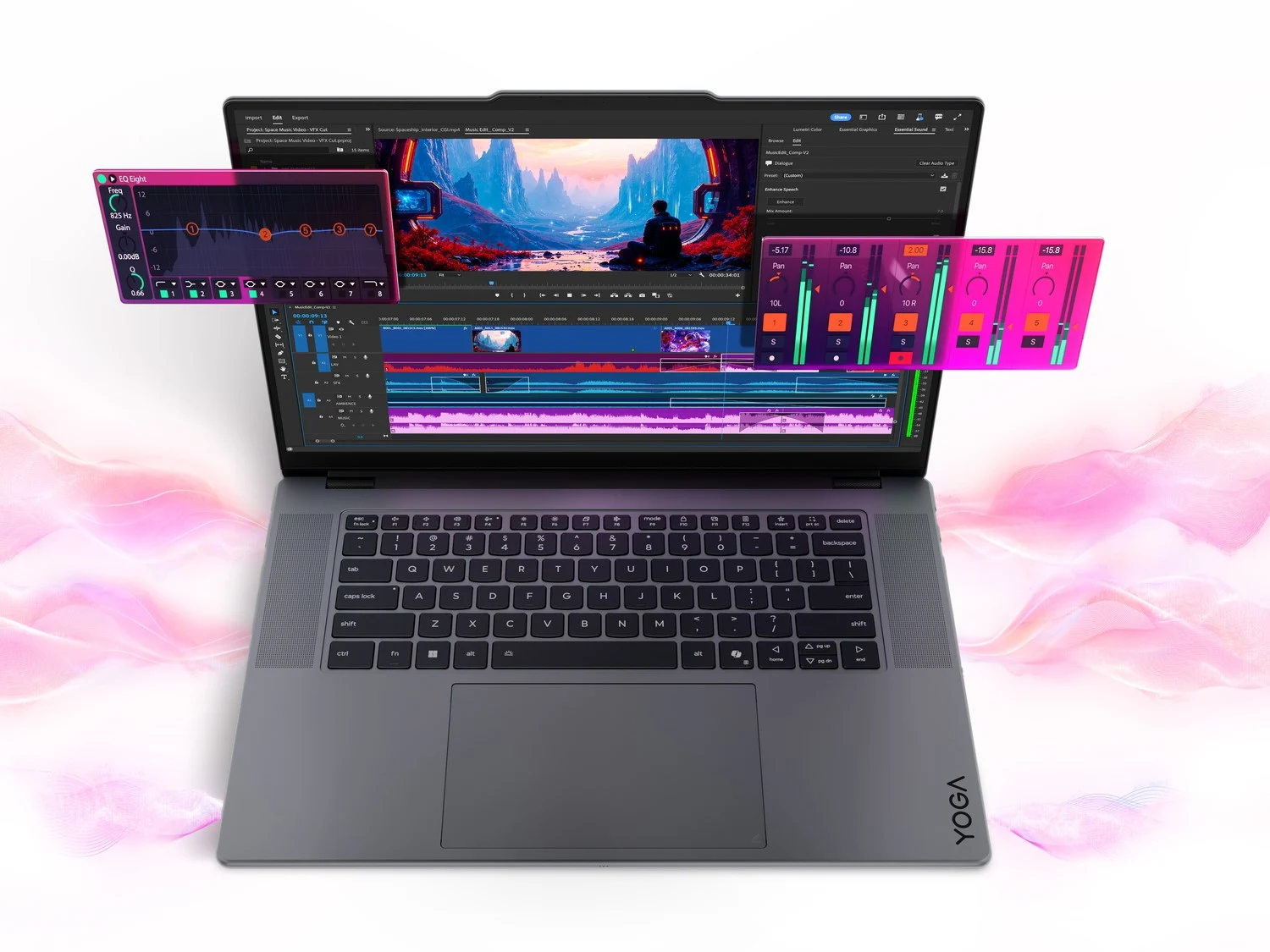
    With options for up to an Intel Core Ultra 9 386H CPU and the RTX 5070 GPU, the Yoga Pro 9i Aura Edition (2026) aims to provide a robust multimedia experience. According to Dave2D, this laptop performs admirably, even without a dedicated graphics card, and it operates remarkably quietly. In “Quiet” mode under load, it produces just 20 dB of noise. In contrast, the 2024 and 2023 Yoga Pro 9i models are much louder, emitting 24 dB and 28 dB, respectively.

    Impressive Performance

    Furthermore, the 2026 Lenovo Yoga Pro 9i Aura Edition remains quite silent in “Performance” mode during gaming (32 dB) and video editing (37 dB). The previous year’s Yoga Pro 9i, on the other hand, generates 35 dB while gaming and 39 dB during video rendering.

    This means that Lenovo’s new cooling system, along with the Intel Panther Lake chip, is effectively minimizing noise levels. This is a good sign for the thermal efficiency of the Yoga Pro 9i Aura Edition (2026); if it generated excessive heat, fan noise would likely be higher.

    Take Note

    However, it’s important to remember that Dave2D’s figures come from a pre-release unit running software that isn’t final yet. So, it’s wise to consider these outcomes cautiously.

    Intel has emphasized the performance and energy efficiency of the iGPU in the Core Ultra 300 Panther Lake APUs, and it seems they might have been right. We are eager to try out the new Windows laptops featuring Intel Panther Lake CPUs, including the Yoga Pro 9i Aura Edition, Swift Go 14/16 AI, and Swift Edge 14/16 AI.

    In the meantime, don’t miss our video coverage of Lenovo’s 2026 Yoga series that was unveiled at CES 2026.

    Source:
    Link


  • Dell Shifts Focus Away from AI Marketing at CES 2026

    Dell Shifts Focus Away from AI Marketing at CES 2026

    Key Takeaways

    1. Dell has announced new devices like the XPS 14, XPS 16, and Alienware 16 but has chosen not to emphasize AI in their promotions.
    2. AI is mentioned only once in Dell’s materials, suggesting a shift in focus compared to previous years.
    3. Dell’s Head of Product, Kevin Terwilliger, indicated that consumers aren’t prioritizing AI features in their purchasing decisions.
    4. Many AI features in laptops are rebranded standard functionalities, leading to confusion about their true capabilities.
    5. The value of AI tools, such as Microsoft Copilot, is questionable for users who need offline access, raising concerns about their practical usefulness.


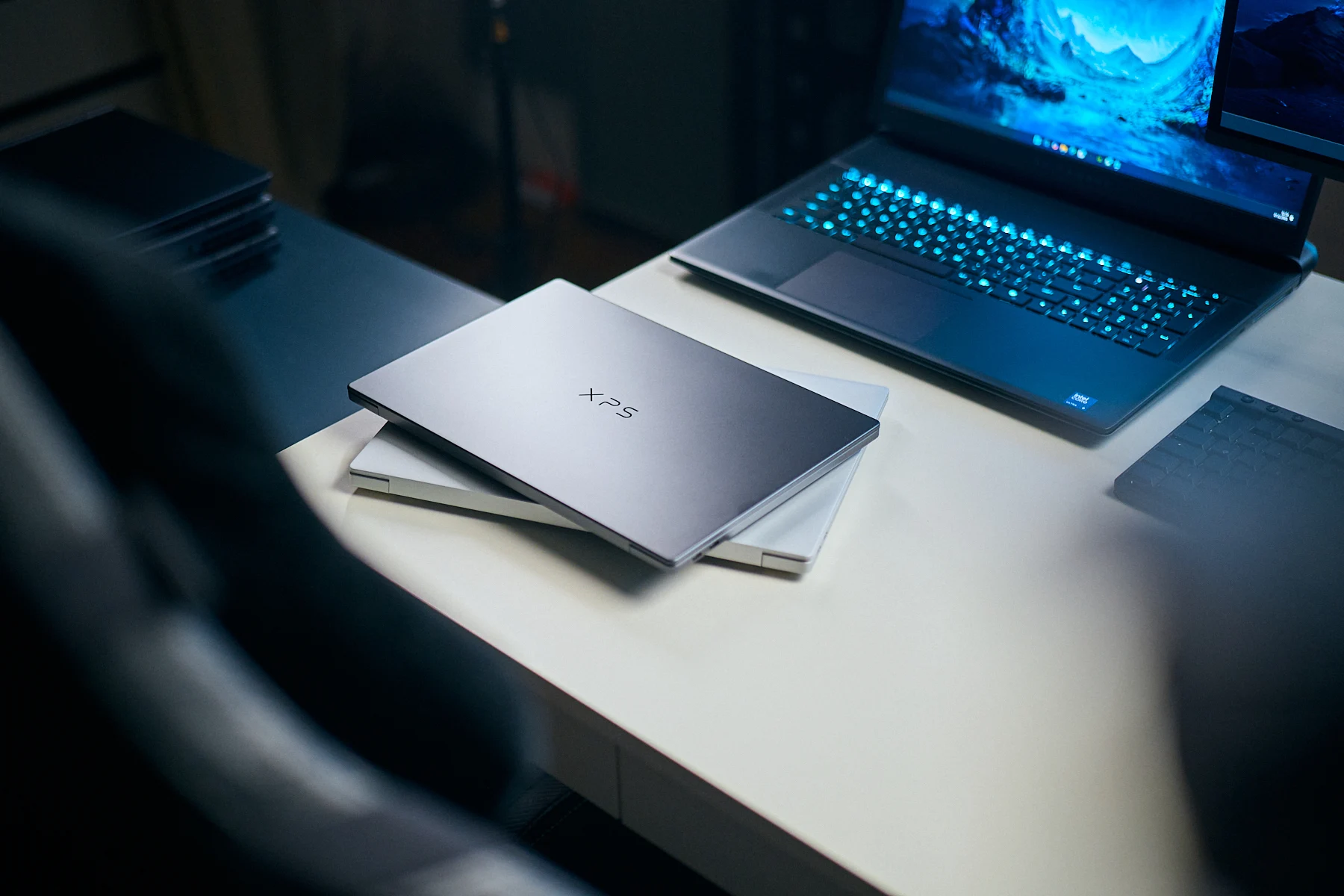
    Like other big companies, Dell has released specification sheets and press updates before CES to announce its upcoming devices. The new Dell XPS 14 and XPS 16, along with the Alienware 16 Area-51 laptop and desktop, share a commonality that may not be immediately clear.

    Dell’s Silence on AI

    Although these three devices are equipped with chipsets that other brands heavily advertise for their AI features, Dell chooses not to highlight AI in its promotional content. In fact, AI is mentioned only once in their materials, and that’s in a single sentence that acts as the conclusion in the “About Dell” section found in every press release. There’s no further discussion on AI. Has Dell neglected AI and simply forgot to refresh the footer?

    Insights from Dell’s Head of Product

    PCGamer sought clarification and reached out to Dell. Kevin Terwilliger, who leads product at Dell, provided a clear response:

    “We’re really focused on maximizing the AI potential of our devices—in fact, all of our new releases include an NPU—but what we’ve seen this year, especially from a consumer standpoint, is that they aren’t making purchases based on AI. I think AI may confuse them more than it clarifies a specific result.”

    With this statement, Dell seems to be taking a step back at CES this year by reintroducing the XPS line while downplaying AI. Last year, AI was a prominent focus in Dell’s press communications.

    A Practical Approach to AI

    Dell’s reasoning makes sense. For most consumers, accessing local AI tools for tasks like text, image, or video creation remains quite challenging. Additionally, AI features preinstalled by brands and Microsoft often lack real usefulness. For instance, the 2023 LG Gram 17 came with presence detection as a standard feature. However, starting with the 2025 model, the same feature is now being promoted as an AI capability. Similar occurrences can be seen with Dell, Acer, Asus, and other laptop manufacturers, who have recently rebranded standard software as AI functionalities. To be fair, these programs now leverage the NPU in the new Intel and AMD processors for improved efficiency.

    Concluding Thoughts on AI Features

    Finally, there’s Copilot+. Given that Microsoft Copilot doesn’t function offline, much like Gemini, ChatGPT, and Grok, the added value of this feature remains unclear unless users conduct more thorough research.

    Source:
    Link


  • Nvidia RTX 60 Series GPUs Expected to Launch in H2 2027

    Nvidia RTX 60 Series GPUs Expected to Launch in H2 2027

    Key Takeaways

    1. Nvidia announced there would be no new GPU launches at CES 2026, possibly due to ongoing memory shortages.
    2. Details about the upcoming RTX 60 series suggest they will use the Rubin architecture and GR20x dies.
    3. Rubin architecture was previously used in Nvidia’s CPX AI GPU introduced last September.
    4. The anticipated launch for the RTX 60 series is in the latter half of 2027, following Nvidia’s usual release pattern.
    5. Persistent memory shortages could lead to potential delays in the RTX 60 series launch.


    We are currently at the midpoint of CES 2026, and many PC fans were looking forward to big GPU announcements from Nvidia. There were high hopes for the reveal of the RTX 50 Super series, but Nvidia had already announced beforehand that there would be no new GPUs at the event. The company didn’t provide a clear reason for this, but it might be linked to the continuing memory shortages.

    New Insights on Future GPUs

    Even though CES didn’t showcase any new GPU launches, fresh details about Nvidia’s next-gen graphics cards have come to light. Renowned hardware leaker Kopite7kimi has reported that Nvidia’s upcoming RTX 60 series GPUs are likely to be constructed on the Rubin architecture. Internally, these GPUs are purported to utilize GR20x dies. This architecture isn’t brand new, as Rubin was previously featured in Nvidia’s CPX AI GPU, which was introduced last September.

    Release Timeline Considerations

    Additionally, Kopite7kimi suggests that Nvidia is aiming to launch the RTX 60 series graphics cards in the latter half of 2027. This schedule aligns with Nvidia’s typical GPU release pattern, which sees significant new architectures coming out every few years instead of on a yearly basis. Nevertheless, it’s crucial to remember that the persistent memory shortage driven by the AI surge remains a significant challenge for the hardware sector. If conditions do not improve, it could force Nvidia to postpone the series launch.

    Kopite7kimi via X

    Source:
    Link


  • InfinityBook Max 16: Up to 128GB RAM, Core Ultra 9 HX, RTX 5070

    InfinityBook Max 16: Up to 128GB RAM, Core Ultra 9 HX, RTX 5070

    Key Takeaways

    1. The InfinityBook Max 16 Gen 10 is available for preorder starting at €1,899, with expected delivery in early February.
    2. It features a 16-inch display, customizable to an OLED option, and is designed for Linux systems like Tuxedo OS and Ubuntu 24.0.
    3. The entry-level model includes 16GB of RAM, an Intel Core Ultra 9 275HX processor, and an Nvidia GeForce RTX 5060 GPU, with options for upgrades.
    4. It has a 1TB SSD as standard, with the option to add a second SSD, and supports high-speed connectivity options including WiFi 7 and Thunderbolt 4.
    5. The laptop is lightweight at 4.63 lbs and has a robust aluminum chassis, making it suitable for users on the go.


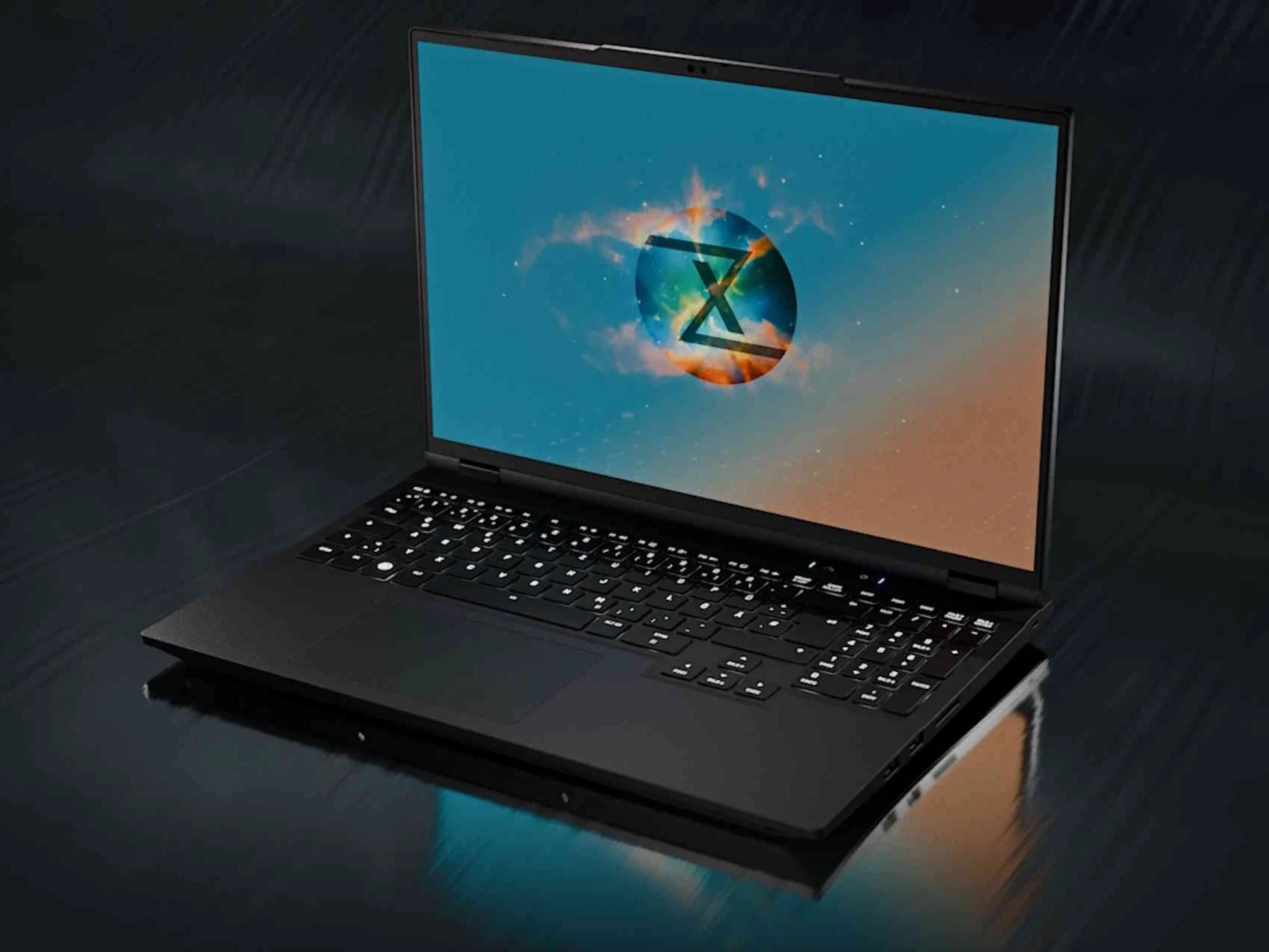
    The InfinityBook Max 16 Gen 10 is now available for preorder from its makers, starting at €1,899. This fresh 16-inch laptop measures 0.9 inches thick, making it ideal for users on the go. It is tailored for Linux systems like Tuxedo OS or Ubuntu 24.0, featuring a lightweight yet sturdy aluminum chassis. The laptop is expected to be available by the end of January, with initial buyers likely receiving theirs in early February.

    Specifications and Display Options

    The entry-level model comes with 16GB of RAM, an Intel Core Ultra 9 275HX processor, and an Nvidia GeForce RTX 5060 GPU. For an added fee of €120, customers can upgrade to a 16-inch OLED screen, which has a refresh rate of 120Hz instead of 300Hz and offers a resolution of 2880 x 1800 pixels, compared to the standard 2560 x 1600. This OLED display has a peak brightness of 400 nits, slightly lower than the 500 nits of the regular display, but it provides a much better contrast ratio. With this OLED option, the laptop’s weight is just 4.63 lbs.

    Storage and Graphics Options

    The standard SSD provides 1TB of storage, but users can add a second SSD through the configurator or manually later. The second M.2 2280 slot uses four PCIe 4.0 lanes, unlike the primary drive which utilizes PCIe 5.0. For those needing more graphical power, an Nvidia GeForce RTX 5070 is available for an extra cost. Both graphics cards have a total graphics power (TGP) of 100 watts, plus an additional 15 watts of boost. Additionally, the 99Wh battery is secured with screws, making it relatively easy to replace. The laptop includes built-in speakers and supports WiFi 7 and Ethernet connections with speeds of up to 2.5Gbps. Connectivity options are rounded out with Thunderbolt 4, USB Type-C 3.2 Gen 2 with Power Delivery, HDMI, Mini DisplayPort 2.1, and a card reader, making the Tuxedo InfinityBook Max 16 Gen 10 a well-equipped machine for various tasks.

    Final Thoughts

    With its sleek design and powerful specifications, the InfinityBook Max 16 Gen 10 caters to users looking for a high-performance laptop that runs on Linux. It offers a range of customizable options, ensuring that buyers can tailor the device to their needs, whether it be for work, gaming, or creative tasks. The expected release in early February makes it an exciting option for tech enthusiasts.

    Source:
    Link


  • Minisforum MS-02 Ultra: New Refresh with Intel Processor Teased

    Minisforum MS-02 Ultra: New Refresh with Intel Processor Teased

    Key Takeaways

    1. Minisforum has introduced a new processor option for the MS-02 Ultra, upgrading to the Core Ultra 9 295HX.
    2. The new processor has not been officially confirmed by Intel and details on its differences from the Core Ultra 9 285HX are unclear.
    3. The Core Ultra 9 295HX is anticipated to be part of Intel’s upcoming Arrow Lake HX Refresh series.
    4. The new model is expected to have a higher clock speed than the previous Core Ultra 9 285HX.
    5. The MS-02 Ultra’s new version retains most original features, but the 25 Gbps Ethernet port from the previous model is missing.


    Minisforum has made some changes to the MS-02 Ultra by introducing a new processor option, just about six weeks after launching the mini workstation worldwide. Initially, the MS-02 Ultra was available with Intel’s Arrow Lake-HX series processors: Core Ultra 5 235HX, Core Ultra 7 255HX, and Core Ultra 9 285HX, priced at $1,499.90 on Amazon.

    New Processor Addition

    For CES 2026, the MS-02 Ultra has been upgraded to feature the yet-to-be-released Core Ultra 9 295HX. As of now, Intel has not confirmed that this processor exists. Minisforum is also being quite secretive about how the Core Ultra 9 295HX differs from the current Core Ultra 9 285HX.

    Expectations from the New Model

    Historically, it seems that the Core Ultra 9 295HX is likely part of the upcoming Arrow Lake HX Refresh series from Intel. However, this series was absent from CES 2026, making it a bit of a mystery for the time being. It is expected that the Core Ultra 9 295HX will at least have a higher clock speed compared to the Core Ultra 9 285HX.

    Minisforum hasn’t yet put the new MS-02 Ultra up for sale on their website. Most features from the original version are still included, such as dual USB4 V2 ports and a PCIe 5.0 x16 slot for GPU upgrades. Interestingly, the 25 Gbps Ethernet port that was present in the Core Ultra 9 285HX version seems to be missing from the MS-02 Ultra’s new Core Ultra 9 295HX update.

    Source:
    Link


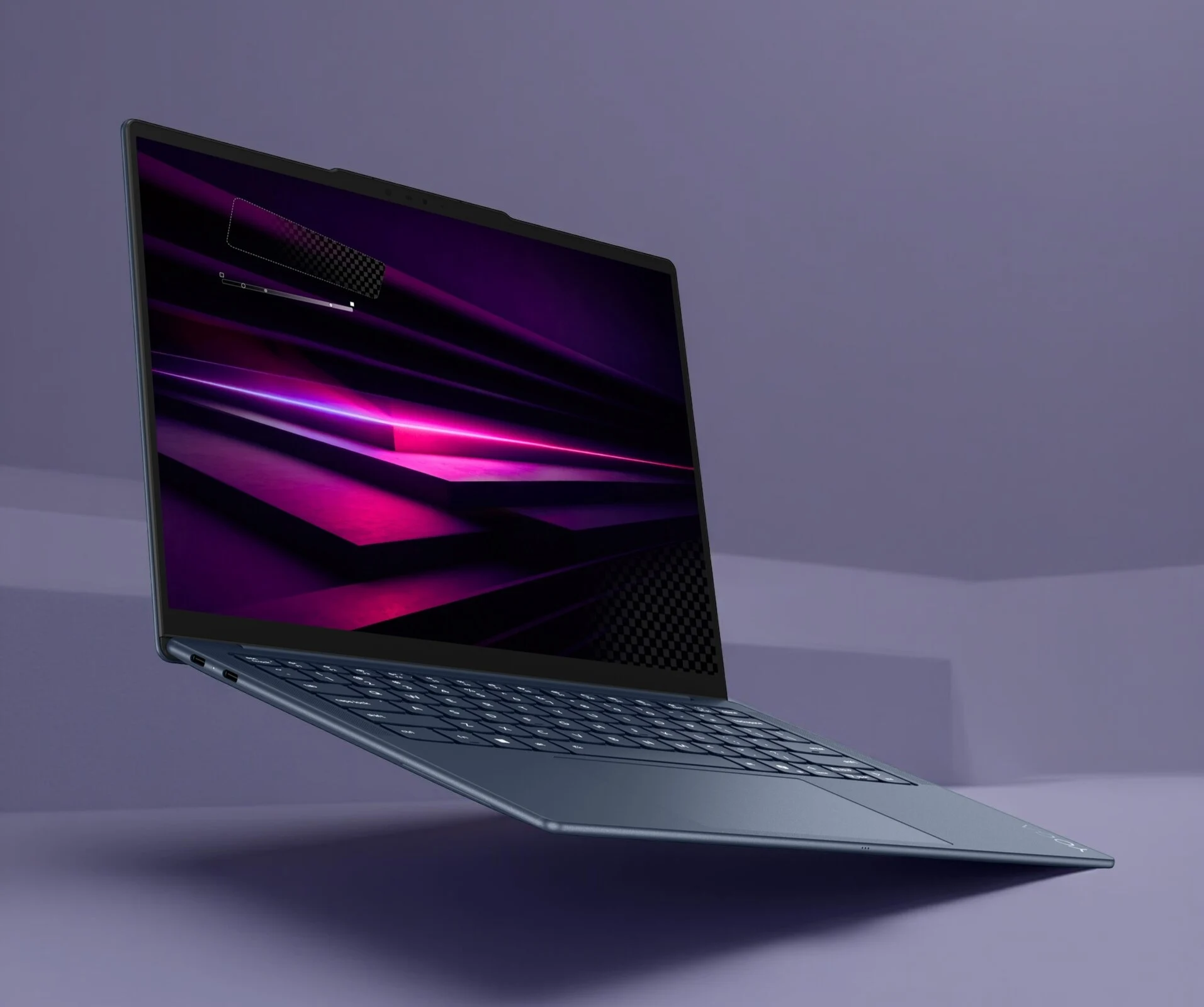
  • Lenovo Yoga Slim 7x: Snapdragon X2 Elite, 18-Core CPU, 2.8K OLED

    Lenovo Yoga Slim 7x: Snapdragon X2 Elite, 18-Core CPU, 2.8K OLED

    Key Takeaways

    1. The Yoga Slim 7x features Qualcomm Snapdragon X2 Elite ARM processors with significant performance upgrades, including up to 18 cores.
    2. Software compatibility is crucial for optimal performance, especially for users relying on ARM-supported workflows.
    3. The laptop has a 14-inch OLED display with a resolution of 2880 x 1800, 120 Hz refresh rate, and peak brightness of 1,100 nits, making it highly color accurate.
    4. The Yoga Slim 7x offers an impressive battery life of up to 29 hours and supports up to 32 GB of RAM and 2 TB of storage.
    5. Weighing under 2.6 pounds and measuring 1.39 cm thick, the laptop is lightweight and portable, priced starting at $949.99.


    Lenovo has unveiled a wide range of updates to nearly its entire product lineup, staying true to tradition. Among the refreshed laptops is the Yoga Slim 7x (11th gen), which is equipped with ARM processors.

    Enhanced Performance with ARM Processors

    Continuing from its predecessor, the new Yoga Slim 7x is powered by the Qualcomm Snapdragon X2 Elite series of high-performance ARM SoCs. The X2 Elite brings significant performance upgrades over the X1 Elite. For example, the top model, the X2E-96-100, will feature a remarkable 18 cores, an increase from the previous 12 cores. With the generational improvements in instructions per cycle (IPC), users can expect a notable boost in overall performance.

    Software Compatibility Matters

    It’s essential to consider that software compatibility will play a vital role in how well the platform performs. However, users with workflows that are directly supported on ARM with Windows should have a fantastic experience on this machine, similar to what was offered by the earlier version.

    Stunning Display and Battery Life

    The Yoga Slim 7x comes with a stunning 14-inch OLED display that boasts a resolution of 2880 x 1800 and a refresh rate of 120 Hz. Lenovo claims the display can achieve a peak brightness of 1,100 nits, ensuring 100% coverage of the DCI-P3 color space and a Delta E of under 1, which makes it incredibly color accurate for creative tasks.

    With a 70 Wh battery and the efficiency of the X2 Elite, the Yoga Slim 7x can deliver an impressive 29 hours of usage without needing to be plugged in. The laptop can be equipped with up to 32 GB of soldered LPDDR5X-9600 RAM and can house up to 2 TB of flash storage (with the 2 TB T705 currently priced at $240 on Amazon).

    Lightweight and Portable

    Measuring just 1.39 cm at its thinnest point, the 14-inch Yoga Slim 7x weighs under 2.6 pounds (1.13 kgs), making it easy to carry around. The connectivity options include three USB4 ports, while WiFi 7 and Bluetooth 5.4 manage the wireless connections. Additionally, the laptop comes with a 9 MP front camera, a four-speaker system, and a trackpad of 108 cm².

    The starting price for the Lenovo Yoga Slim 7x is set at $949.99, with availability anticipated in the upcoming quarter.