Tag: AI

  • Ex-Google CEO Booed at University of Arizona Over AI Remarks

    Ex-Google CEO Booed at University of Arizona Over AI Remarks

    Key Takeaway

    – AI will shape the future, and it’s up to this generation to influence how it’s developed and used.
    – The audience expressed fear about job displacement and societal impacts, highlighting concerns over the pace of change and algorithmic influence.
    – Leaders should acknowledge these concerns, address the ethical and employment implications, and focus on proactive, responsible AI adoption.

    The former Google CEO, Eric Schmidt, who ran the company from 2001 to 2011, was recently booed by a stadium full of students at the University of Arizona’s 162nd commencement ceremony last Friday. The crowd grew even more hostile when he started discussing AI on stage. Thousands of University of Arizona graduates were packed into the Casino Del Sol stadium, and the booing began right before he jumped into his main topic.

    AI sparks mixed reactions at the desert gathering

    Whenever Schmidt uttered the words “AI” or “artificial intelligence,” the booing resumed and grew louder each time. He opened his discussion by looking back on how past technological breakthroughs built what he calls a “cathedral of knowledge.” There is a sense that the crowd wanted celebration, but the topic of AI unsettled many. The scene mixed awe with anxiety, making the atmosphere tense and charged as the talk unfolded.

    Schmidt frames AI as a turning point

    It was an inspiring analogy for some, but things grew tense when he brought up AI. He stated, “Last December, Time magazine selected its Person of the Year for 2025, and this time it was the architects of artificial intelligence.” The remark landed with mixed reaction, as some graduates pictured opportunities, while others saw risk. The response underscored a broader debate about employment shifts and technological pace.

    An uneasy reception accelerates the moment

    Of course, this upset the crowd, many of whom are expected to find themselves exposed to a rapidly changing job market, and they responded by jeering. Things got so intense that Schmidt had to pause before directly addressing the University of Arizona graduates:

    “I know what many of you are feeling about that. I can hear you. There is a fear in your generation that the future has already been written, that the machines are coming, that jobs are evaporating, that the climate is breaking, that politics is fractured, and that you are inheriting a mess that you did not create. And I understand that fear.”

    He calls concerns rational and points to algorithms

    He described all these concerns as “rational” and blamed social media algorithms for worsening them. Schmidt then tried to shift the narrative, saying, “The question is not whether AI will shape the world. It will. The question is whether you will help shape artificial intelligence.”

    Closing notes and a call to action

    Later in his speech, Schmidt also said, “If you don’t care about science, that’s okay… because AI is going to touch everything else as well. Whatever path you choose, AI will become a part of how work is done.”

    At this point, the boos reached their peak, but Schmidt continued, saying, “The future is not yet finished. It is now your turn to shape it.”

    A concern that lingers beyond the stage

    However, the audience’s reaction made it clear that many young graduates are deeply concerned that AI could eliminate entry-level positions across multiple industries.


    Sources
  • Kingdom Come: Deliverance Warhorse Studios on AI vs Human Work in Reddit AMA

    Kingdom Come: Deliverance Warhorse Studios on AI vs Human Work in Reddit AMA

    Key Takeaway

    1. Warhorse Studios denies using AI for final translations and emphasizes reliance on human translators, while expanding their translation team.
    2. The studio clarifies that AI is only used in early production stages and not in the final game content.
    3. Warhorse remains committed to human labor, aiming to preserve existing team members amid industry AI debates.
    4. The studio is working on a new, immersive RPG, but details about the project remain undisclosed.

    Developers Under Fire for AI Controversy

    Warhorse Studios, the talented team behind Kingdom Come: Deliverance, found themselves in the middle of a heated debate among gamers, especially those who are wary of AI’s role in game development. Last year, the studio faced major criticism when they unexpectedly fired a Czech-to-English translator, leading to angry reactions from the gaming crowd. Shortly after, during a Reddit AMA, questions about AI usage sparked lively discussions and some heated arguments.

    AI and Human Work – The Studio’s Position

    During the Reddit AMA, Warhorse repeatedly told fans that they does not see AI as replacement for Human work. They explained that AI tools are sometimes used during the early stages of development but emphasized that no AI-generated content is used in their final products. They also said they are planning to expand their team with more human translators, aiming to keep the authentic touch that only people can provide, especially for their next projects.

    Concerns About Job Security

    One of the most talked about questions was if team members can be replaced by AI. The studio responded with confidence, saying “Hopefully none of us, and never. And that applies to the whole team.” This shows their commitment to maintaining a human touch, in spite of the rumors and concerns swirling around AI’s role in gaming development.

    The Future of Warhorse Studios

    Aside from the translation issue, Warhorse also shared that they are working on a “huge immersive RPG”. But they remained quiet about whether it’s the third installment of Kingdom Come or a new Lord of the Rings game. Despite the ongoing AI controversy, the developers seem focused on creating engaging experiences while reassuring fans that human skills are still at the heart of their work.

    Sources
  • Meta Developing AI-Powered Mark Zuckerberg for Employee Training

    Meta Developing AI-Powered Mark Zuckerberg for Employee Training

    Key Takeaway

    1. Meta is developing an AI-based digital twin of Mark Zuckerberg for internal use to enhance communication and management.
    2. The AI character is being trained on Zuckerberg’s mannerisms and strategic thinking to serve as an internal executive avatar.
    3. Meta is leveraging AI to improve productivity internally and is expanding its consumer AI models across its platforms and products.

    Meta’s New Internal AI Project

    Meta is currently working on some new stuff that really stand out, like an AI version of Mark Zuckerberg, but not for public use, instead this one is mostly for inside the company. As reported, the idea behind this project is to create a digital twin of Zuckerberg which can interact with employees, and help in internal communications and management tasks. They’ve been training this AI character to mimic his mannerisms, how he talks, and his usual way of thinking about the company’s strategy.

    Details and Purpose of the AI Doppelgänger

    This AI isn’t just a simple chatbot, it’s a photorealistic 3D figure designed to engage with staff as if it were Zuckerberg himself. Unlike typical AI tools that focus on coding or productivity boosts, this one is more about embodying an executive figure for internal uses. The system learns from Zuckerberg’s public statements and personal communication style, which makes this project quite unique and ambitious in the AI world. If successful, this could significantly change how managers or executives are represented and interact within the company.

    Meta’s Broader AI Strategy

    Meta has been making big moves to integrate AI into both their work processes and consumer platforms. Earlier this year, Zuckerberg emphasized that 2026 would be a game-changing year for AI, suggesting that AI will profoundly influence how work gets done. They also have been cutting down the size of teams and introducing AI-driven tools to boost productivity. Reports mention that Meta’s CFO, Susan Li, credited AI coding assistants for increasing engineering productivity by 30% since early 2025, showing AI’s growing importance.

    Consumer AI Innovations

    The company is also busy developing AI for its social platforms and products. Recently, they launched Muse Spark, the first model made by Meta’s Superintelligence Labs, which is an important step towards creating a personal superintelligence. This model is already integrated into the Meta AI app and website, with plans to extend its reach to mainstream apps like WhatsApp, Instagram, Facebook, Messenger, and even their AI glasses. These initiatives display Meta’s aim to leverage AI not just internally but also to enhance user experience across their ecosystem.

    Implications for Meta’s Future

    If Meta begins using this AI Zuckerberg on a wider scale inside the company, it could be a very clear sign that they want to explore how AI can fundamentally change management and internal operations. This creates a powerful symbol for their future plans about blending AI with leadership and how it might transform decision-making processes. The ongoing development reflects Meta’s ambition to rewrite how AI influences both how they ship products and how they run their business.

  • Meta Tests AI Shopping Tool in the US for Enhanced User Experience

    Meta Tests AI Shopping Tool in the US for Enhanced User Experience

    Key Takeaways

    1. Meta is testing a new “Shopping research” feature within its AI web experience for select U.S. users.
    2. The feature provides product recommendations with images, prices, and links to external merchants but does not allow direct purchases.
    3. This testing phase has not been officially announced by Meta, and details about supported retailers are currently unavailable.
    4. Meta is enhancing AI-driven shopping support across its platforms, directing users to partner sites for purchases.
    5. The company is also exploring AI to improve advertising and messaging products, including AI assistants for advertisers.


    Meta is said to be testing a new shopping feature within the Meta AI web experience, available to select users in the United States. This feature is identified as a “Shopping research” option that shows up in the prompt box when using desktop browsers.

    How It Works

    When users request product recommendations, the tool reportedly provides a carousel of items featuring images, prices, and links to merchants or brands for further information. However, the current version does not allow users to complete purchases directly within Meta AI. Instead, users are directed to external websites for checkout, indicating that this tool is more about product discovery than a complete buying process.

    Testing Phase

    This feature is being labeled as a test rather than an official rollout, with at least one report noting that a Meta representative confirmed the company is evaluating the shopping tool. As of now, Meta has not released a specific press statement or product page for the “Shopping research” feature, which means information regarding supported retailers, ranking factors, and the extent of the rollout is not available in any official documents.

    Ongoing Developments

    Meta continues to enhance its AI-driven shopping support throughout its platforms, including Marketplace features that propose questions for sellers and provide AI-generated insights for certain listings. In many instances, buyers are still directed to partner sites for making purchases.

    In addition to these shopping advancements, Meta is also leveraging AI to boost business outcomes in its advertising and messaging products. This includes testing AI assistants for advertisers and enhancing business AI capabilities.


    Source:
    Link


  • Xbox Creator Predicts Slow Decline as Microsoft Focuses on AI

    Xbox Creator Predicts Slow Decline as Microsoft Focuses on AI

    Key Takeaways

    1. Seamus Blackley believes Asha Sharma’s leadership will harm the Xbox brand, shifting it towards an AI-centered model.
    2. Blackley views Microsoft’s focus on AI as a sign that Xbox may be phased out, despite not being directly stated.
    3. Asha Sharma’s background in AI raises concerns about her understanding of the gaming industry’s blend of technology and creativity.
    4. There are fears that game studios might replace human developers and artists with generative AI tools, which Blackley doubts can replicate human artistry.
    5. While Sharma expresses commitment to Xbox hardware and games, many gamers are skeptical about the future direction and exclusivity of upcoming Xbox consoles.


    The co-founder of the Xbox console has shared his thoughts on the recent turmoil at his old company. In a talk with GamesBeat, Seamus Blackley does not see the new Microsoft Gaming CEO as a good thing. He believes that Asha Sharma will slowly break down the Xbox brand, with plans to shift it towards an AI-centered business model.

    Microsoft’s AI Investment

    Blackley points out that Microsoft and its CEO, Satya Nadella, have invested heavily in AI. His outlook on Xbox’s future is quite grim:

    “Xbox, like many other businesses that aren’t part of the core AI strategy, is being phased out. They may not say it, but that’s clearly the case. I think the new CEO, Asha Sharma, will act like a palliative care doctor, easing Xbox into its end.”

    Concerns Over AI’s Role

    When Asha Sharma was announced as Phil Spencer’s successor, she assured everyone that the company wouldn’t “overwhelm our ecosystem with soulless AI products.” However, Microsoft is preparing for AI to influence every sector. Blackley cites Nadella’s statements, asserting that “AI will take over gaming just as it will everything else.”

    The original Xbox creator emphasizes that Sharma’s background is in AI rather than gaming. He mentions that many newcomers fail to understand the complexities of the gaming industry, which fuses tech with creativity.

    The Future of Game Development

    People are worried that game studios will replace their developers and artists with generative AI tools. Blackley is skeptical that machine learning can truly replicate the artistry of humans. He also questions why Microsoft would turn away from a stable business model for something that is still untested. Nonetheless, the company has had a tough time competing with Nintendo and PlayStation with traditional methods.

    Even with Blackley’s negative outlook, Sharma seems to value first-party hardware and games. In her initial comments, she talked about a “renewed commitment to Xbox, starting with the console.” However, many gamers doubt this new direction. The speculated upcoming Xbox console might look like a Windows gaming PC and may not have exclusive games that fans desire.

    GamesBeat, NextGenPlayer X account.

  • Dell Shifts Focus Away from AI Marketing at CES 2026

    Dell Shifts Focus Away from AI Marketing at CES 2026

    Key Takeaways

    1. Dell has announced new devices like the XPS 14, XPS 16, and Alienware 16 but has chosen not to emphasize AI in their promotions.
    2. AI is mentioned only once in Dell’s materials, suggesting a shift in focus compared to previous years.
    3. Dell’s Head of Product, Kevin Terwilliger, indicated that consumers aren’t prioritizing AI features in their purchasing decisions.
    4. Many AI features in laptops are rebranded standard functionalities, leading to confusion about their true capabilities.
    5. The value of AI tools, such as Microsoft Copilot, is questionable for users who need offline access, raising concerns about their practical usefulness.


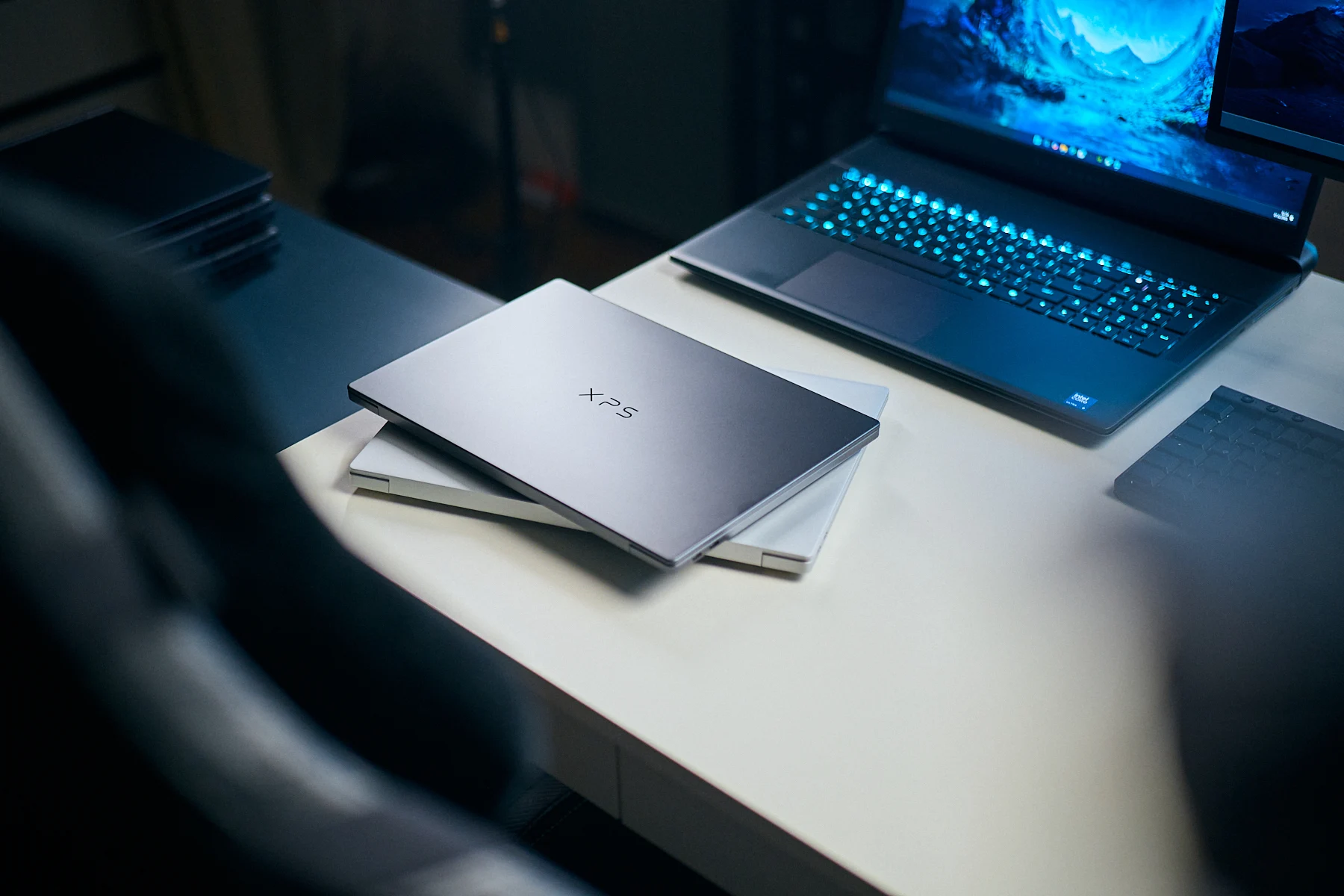
    Like other big companies, Dell has released specification sheets and press updates before CES to announce its upcoming devices. The new Dell XPS 14 and XPS 16, along with the Alienware 16 Area-51 laptop and desktop, share a commonality that may not be immediately clear.

    Dell’s Silence on AI

    Although these three devices are equipped with chipsets that other brands heavily advertise for their AI features, Dell chooses not to highlight AI in its promotional content. In fact, AI is mentioned only once in their materials, and that’s in a single sentence that acts as the conclusion in the “About Dell” section found in every press release. There’s no further discussion on AI. Has Dell neglected AI and simply forgot to refresh the footer?

    Insights from Dell’s Head of Product

    PCGamer sought clarification and reached out to Dell. Kevin Terwilliger, who leads product at Dell, provided a clear response:

    “We’re really focused on maximizing the AI potential of our devices—in fact, all of our new releases include an NPU—but what we’ve seen this year, especially from a consumer standpoint, is that they aren’t making purchases based on AI. I think AI may confuse them more than it clarifies a specific result.”

    With this statement, Dell seems to be taking a step back at CES this year by reintroducing the XPS line while downplaying AI. Last year, AI was a prominent focus in Dell’s press communications.

    A Practical Approach to AI

    Dell’s reasoning makes sense. For most consumers, accessing local AI tools for tasks like text, image, or video creation remains quite challenging. Additionally, AI features preinstalled by brands and Microsoft often lack real usefulness. For instance, the 2023 LG Gram 17 came with presence detection as a standard feature. However, starting with the 2025 model, the same feature is now being promoted as an AI capability. Similar occurrences can be seen with Dell, Acer, Asus, and other laptop manufacturers, who have recently rebranded standard software as AI functionalities. To be fair, these programs now leverage the NPU in the new Intel and AMD processors for improved efficiency.

    Concluding Thoughts on AI Features

    Finally, there’s Copilot+. Given that Microsoft Copilot doesn’t function offline, much like Gemini, ChatGPT, and Grok, the added value of this feature remains unclear unless users conduct more thorough research.

    Source:
    Link


  • Cloud AI Consumes Memory Chips: Impact on PCs and Phones

    Cloud AI Consumes Memory Chips: Impact on PCs and Phones

    Key Takeaways

    1. Memory Shortage Crisis: There is a significant shortage of memory chips, with prices increasing by 100% since early 2025, and supply is not expected to stabilize until 2027 or 2028.

    2. Shifting Production Focus: Major memory manufacturers are prioritizing production of high-performance memory for AI data centers, reducing output of older components essential for PCs and smartphones.

    3. Impact on Consumer Technology: Increased memory prices are leading to higher costs for PCs and smartphones, with potential declines in global smartphone shipments expected in 2026.

    4. Long-Term Outlook: The memory shortage is seen as a long-term barrier to AI growth, as the availability of RAM and high-bandwidth memory will limit the expansion of AI capabilities.

    5. Market Disparity: Tech giants with financial resources are securing long-term memory contracts, putting smaller manufacturers and budget smartphone brands at risk of being priced out of the market.


    The surge in AI technology is not just about the lack of GPUs anymore. An influx of new AI data centers is now consuming the world’s available memory chips, leading tech companies and device manufacturers to vie for the limited supplies of DRAM, NAND flash, and high-bandwidth memory (HBM).

    Memory Shortage Crisis

    According to a Reuters report that includes insights from almost 40 industry executives and insiders, there is a significant shortage of memory that has already caused some memory prices to increase by 100% compared to early 2025. Inventory levels are at historic lows, and experts predict that supply won’t stabilize until 2027 or 2028.

    Shifting Production Focus

    To meet the rising demand for AI, major memory manufacturers like Samsung, SK hynix, and Micron have redirected their wafer production toward HBM and high-performance DRAM for data center GPUs. This shift has led to a reduction in the output of older, yet essential components such as DDR4 and LPDDR4, which are used in PCs, laptops, and budget smartphones.

    At the same time, tech giants like Microsoft, Google, and ByteDance are securing long-term contracts for memory supplies and sometimes placing indefinite orders. This strategy puts them ahead of smaller buyers, thereby reducing market flexibility. Analysts mentioned in the report caution that the growth of AI is facing a supply chain that cannot fulfill its immediate needs.

    Impact on Consumer Technology

    The ramifications of this crisis are already affecting consumer technology. Samsung has increased prices on certain memory products by up to 60% since September. Meanwhile, PC manufacturers and custom PC builders are warning of widespread price increases on systems that require a lot of RAM.

    Smartphone producers are also encountering challenges. According to Counterpoint Research, global smartphone shipments are likely to decline in 2026 as the rising cost of memory drives up the production costs of entry-level phones by 20–30%, with models priced under $200 being the most affected. Brands like Xiaomi and Realme have already indicated that they may need to raise retail prices if memory costs do not decrease.

    Long-Term Outlook

    With new memory fabrication facilities and process technologies taking years to develop, most analysts now view the memory shortage as a long-term limitation on AI expansion. As new GPU clusters become operational, many operators may discover that the availability of RAM and HBM—rather than the accelerators themselves—will dictate the pace at which AI capacity grows.

    Currently, tech giants with substantial financial resources and long-term agreements are in the strongest position to weather this crisis. In contrast, smaller OEMs, white-box manufacturers, and budget smartphone brands may find themselves priced out of the market or forced to produce lower-spec devices until the supply situation improves.


    Source:
    Link


  • Meta Launches AI Video Feed Vibes, Users Call It Infinite Slop

    Meta Launches AI Video Feed Vibes, Users Call It Infinite Slop

    Key Takeaways

    1. Meta introduced Vibes, a new short-form AI video feed available via the Meta AI app and website, allowing users to create clips from text prompts or remix existing videos.

    2. User reactions on Reddit were largely critical, with concerns about the quality of content and the potential for the feature to be addictive.

    3. Meta has partnered with Black Forest Labs, committing over $140 million to enhance its generative AI technology for Vibes.

    4. The launch reflects Meta’s shifting strategy in AI, including the consolidation of research groups and hiring key personnel to drive innovation.

    5. Privacy and moderation issues remain a significant concern, raising questions about how synthetic videos will be regulated and the authenticity of content.


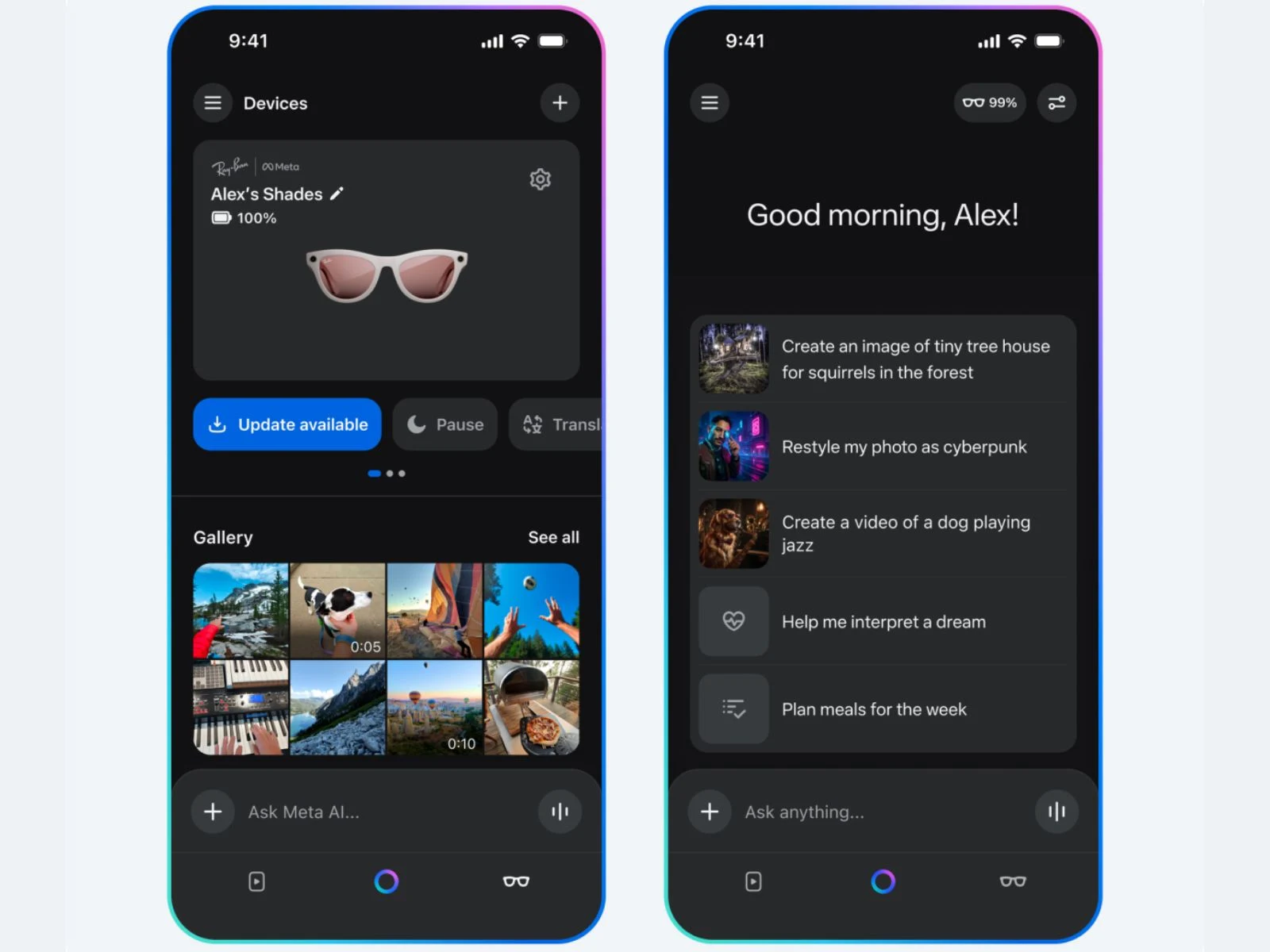
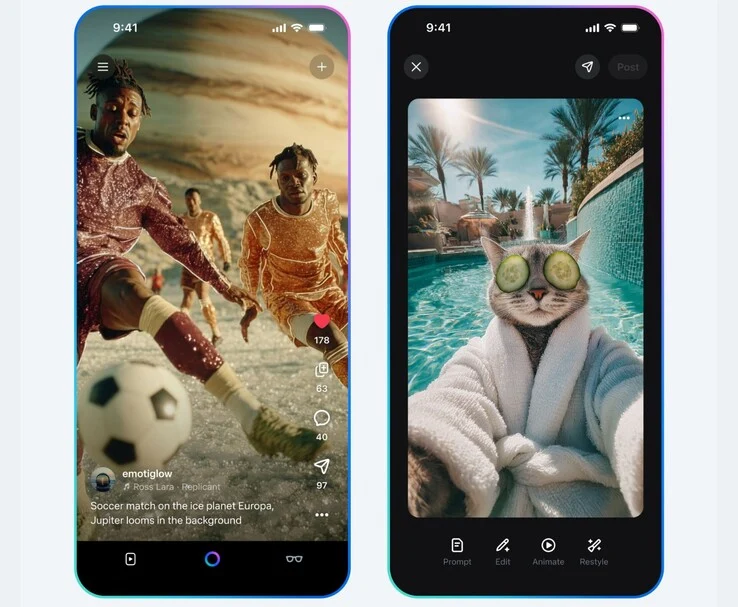
    Meta introduced Vibes on Thursday, September 25, 2025, a new short-form AI video feed. This feature is available through the Meta AI app and website, allowing users to make clips from text prompts or remix existing videos. CEO Mark Zuckerberg showcased the launch on Instagram by sharing several AI-generated clips.

    User Reactions

    However, the response from users on Reddit was mostly critical. One user, u/NowaVision, remarked, “I love how this would have been such a breakthrough a few years ago and now it just gets called out for the slop it is.” Another user, u/garden_speech, mentioned, “for every person calling it out as slop, I’m guessing there’s gonna be five of them addicted to scrolling through it within a few years.”

    Concerns and Optimism

    User u/Main-Company-5946 expressed doubts, stating, “They are going to design this thing to be as addictive as possible and it will destroy people’s minds.” On the other hand, some users saw a glimmer of potential in the feature, with u/VismoSofie commenting, “Someone is bound to use it in a cool way I suppose.”

    Meta has teamed up with the German startup Black Forest Labs to support Vibes. As reported by Bloomberg, financial documents indicate that Meta has signed a contract exceeding $140 million, which includes $35 million this year and $105 million for the following year. Sifted also covered this deal, which underscores how Meta is depending on outside providers for certain parts of its generative AI technology.

    Shifting Strategy

    The launch timing highlights Meta’s changing strategy in AI. In June, the company merged its research groups into Meta Superintelligence Labs after several senior staff left. Later in July, Reuters mentioned that Meta hired a co-creator of ChatGPT as chief scientist to guide long-term research in this area. With nearly $165 billion in revenue last year, Meta is focusing on products like Vibes, image-to-video ad tools, and smart glasses to drive new growth.

    Privacy and moderation issues are still a major concern. TechCrunch and others have previously highlighted how Meta’s AI-driven Discover feed has exposed private interactions, sparking questions about how synthetic videos will be regulated. Critics argue that with blurred lines of ownership and authenticity, it may become even more difficult to filter misleading or harmful content.

    By launching Vibes as both a creative venture and part of its larger AI initiative, Meta is betting on synthetic content becoming a key element of its ecosystem. Whether users will accept it or persist in dismissing it as “infinite slop” could impact how fast the company can integrate Vibes into its strategic plan.

    Source:
    Link


  • Nvidia Claims H20 Export Ban Didn’t Slow China’s AI Advancement

    Nvidia Claims H20 Export Ban Didn’t Slow China’s AI Advancement

    Key Takeaways

    1. U.S. export controls on H20 data-center GPUs have not effectively slowed China’s AI development and may have reduced U.S. influence in the tech sector.
    2. Significant advancements in China’s AI have continued despite U.S. restrictions, with gray-market channels successfully importing high-end Nvidia GPUs.
    3. Nvidia’s value lies in its integrated platform, encompassing its software stack and not just individual chips, making reverse engineering less effective.
    4. Reports of $1 billion in smuggled Nvidia accelerators suggest that demand has shifted to non-traditional trade routes, questioning the effectiveness of broad export restrictions.
    5. The criticized “diffusion rule” weakened U.S. soft power by improperly categorizing certain countries, emphasizing the need for a global presence to maintain U.S. technology leadership.


    Nvidia has recently shared an op-ed written by Aaron Ginn, who is a co-founder of Hydra Host. In it, Ginn argues that the U.S. export controls on H20 data-center GPUs have not been effective in slowing down China’s AI development. Instead, he claims these controls have diminished U.S. influence in the tech field. Nvidia supported Ginn’s argument in a post on X, stating that Washington’s stance has “stifled U.S. economic and technology leadership.” They also provided a link to his article in the Wall Street Journal.

    Chinese Advancements Unhindered

    Ginn points out that the pause on H20 from April to July 2025 did not stop significant advancements in China. He mentions the strong demand for these GPUs and suggests that gray-market channels have been successful in bringing high-end Nvidia GPUs into China, despite the restrictions. Furthermore, he highlights that advancements made by companies like Z.AI and the launch schedule of DeepSeek show that China’s AI development continued using hardware beyond H20-class components, regardless of U.S. regulations.

    The Value of Nvidia’s Platform

    According to Ginn, Nvidia’s strength isn’t just in any one chip, but rather in its entire integrated platform. He explains that the true value lies in its software stack, including CUDA and other related tools, which are closely linked to its hardware development. Without this software stack, an Nvidia accelerator would simply be an expensive piece of silicon with limited functionality. Focusing on a single GPU as something that can be easily reverse-engineered overlooks the years of work in architecture, firmware, drivers, and ongoing developer support that contribute to its value.

    Market Dynamics and Policy Implications

    Ginn also refers to reports indicating that Chinese purchasers allegedly smuggled around $1 billion worth of Nvidia accelerators over a three-month period. This suggests that demand has merely shifted to non-traditional trade routes. If this is accurate, it implies that broad restrictions are not very effective and that U.S. export limitations might actually be encouraging parallel markets.

    He continues by criticizing the now-repealed “diffusion rule,” which he believes mistakenly categorized countries like Portugal and Switzerland along with conflict zones such as Yemen and Ukraine when it came to GPU access. In his perspective, this rule weakened U.S. soft power and its economic influence. Nvidia’s public statements also seem to support the idea that maintaining a global presence for its “full-stack” platform is crucial for sustaining U.S. leadership in technology.

    Source:
    Link


  • Reddit Aims to Be Your New Favorite Search Engine

    Reddit Aims to Be Your New Favorite Search Engine

    Key Takeaways

    1. Reddit aims to become a primary search destination by leveraging its collection of genuine human discussions, responding to user trends of searching for real opinions online.

    2. CEO Steve Huffman emphasizes enhancing the main product, positioning Reddit as a search engine, and expanding internationally as key focus areas for the company’s growth.

    3. A significant number of users prefer human responses over AI-generated content, highlighting the importance of real conversations on the platform.

    4. Reddit is experimenting with “Reddit Answers,” an AI-driven feature that summarizes threads, which has quickly gained popularity among users.

    5. Reddit’s core search product attracts over 70 million weekly users, and the company’s stock has risen significantly due to strong revenue growth, indicating positive investor sentiment.


    If you’re anything like me, you might have started to include “Reddit” in your Google searches. This is a popular technique for discovering genuine opinions and experiences from real individuals. The company seems to have noticed this trend, and it now aims to encourage users to visit its platform directly for answers. They’re making a concerted effort to become a key search destination by using their extensive collection of human discussions.

    Leadership’s Vision

    The leadership at Reddit is vocal about this new strategy. CEO Steve Huffman mentioned, “We’re putting our focus on areas that will yield results for our urgent needs: enhancing the main product, positioning Reddit as a prime search engine, and growing internationally,” in his recent letter to shareholders.

    Meeting User Needs

    This initiative is a direct reaction to how users already engage with the platform. Millions of people visit Reddit daily, seeking advice and information that isn’t available elsewhere. What sets Reddit’s search apart is the human touch; in a digital world full of AI-generated material, the platform provides real conversations and personal stories.

    A recent poll indicated that around 80% of users in the US, UK, Australia, and Canada feel that certain questions can only be answered by humans, not AI summaries. Huffman pointed this out by saying, “In a time when algorithms and automation are taking over, the demand for human voices is more important than ever.” While emphasizing the importance of human interaction, Reddit is not completely turning away from AI. They are experimenting with a feature called “Reddit Answers,” which is an AI-driven tool that gathers summaries from threads. This feature has already increased from one million to six million weekly users in just one quarter. The goal is to merge traditional search with these AI-generated answers to form a unified, robust search experience.

    Growth Potential

    The core search product of the platform already draws in more than 70 million weekly users, revealing the promise of this initiative. Investors are also quite pleased, with Reddit’s stock climbing over 20 percent to $194 per share after the company’s second-quarter earnings exceeded expectations, reaching $500 million in revenue.

    Reddit is stepping into a competitive arena where it will face off against Google, OpenAI, and Meta, all of which are crafting their own search solutions. The relationship with Google is particularly intricate; Google pays Reddit $60 million each year to use its content for AI training, even as Reddit positions itself as a direct rival. Huffman has characterized this relationship as “symbiotic,” but he seems determined to boost Reddit’s autonomy and competitive edge.

    If you’re eager to dive straight into genuine human experiences instead of wading through SEO-optimized content, Reddit’s new search focus could be a refreshing change. The company is prioritizing the search bar within the app, making it simpler to access the platform’s extensive knowledge network.

    Source:
    Link