Tag: Qualcomm Snapdragon

  • Exynos 2700 Boosts Galaxy S27 Performance, New Leaks Reveal

    Exynos 2700 Boosts Galaxy S27 Performance, New Leaks Reveal

    Key Takeaways

    1. Exynos 2600 Limited Release: The Galaxy S26 Ultra will feature the Exynos 2600 SoC, but only in South Korea, while international models will use Qualcomm’s Snapdragon 8 Elite Gen 5.

    2. Insights for Exynos 2700: Leaks suggest that the upcoming Exynos 2700, codenamed Ulysses, will provide significant performance and efficiency improvements over the Exynos 2600.

    3. New Manufacturing Process: The Exynos 2700 is expected to be built on the newer SF2P node, offering a 12% performance boost and a 25% reduction in power consumption compared to the Exynos 2600.

    4. Performance Gains: The Exynos 2700 may achieve up to 40% higher single-core and 30% higher multi-core performance than its predecessor, along with upgrades to the Xclipse GPU for faster data transfers.

    5. Uncertain Future for Exynos Adoption: Despite the advancements with the Exynos 2600, its limited rollout raises questions about the future of Exynos chips in international markets, including the potential for the Exynos 2700.


    The Galaxy S26 Ultra is rumored to come with the Exynos 2600 SoC, but only in South Korea. However, whispers about its successor, the Exynos 2700, are already making the rounds. This new chip is believed to offer better performance and efficiency, as suggested by a recent leak.

    Competition with Qualcomm

    Samsung has been working hard to create its own mobile SoC to rival Qualcomm’s flagship Snapdragon processors. Early reports and benchmark tests indicate that the Exynos 2600 might be strong enough to compete directly with the leading Snapdragon 8 Elite Gen 5. Now, a new leak suggests that Samsung has gleaned valuable insights from the Exynos 2600, which could lead to impressive performance improvements in the upcoming Exynos 2700.

    Leaked Details from Kaulenda

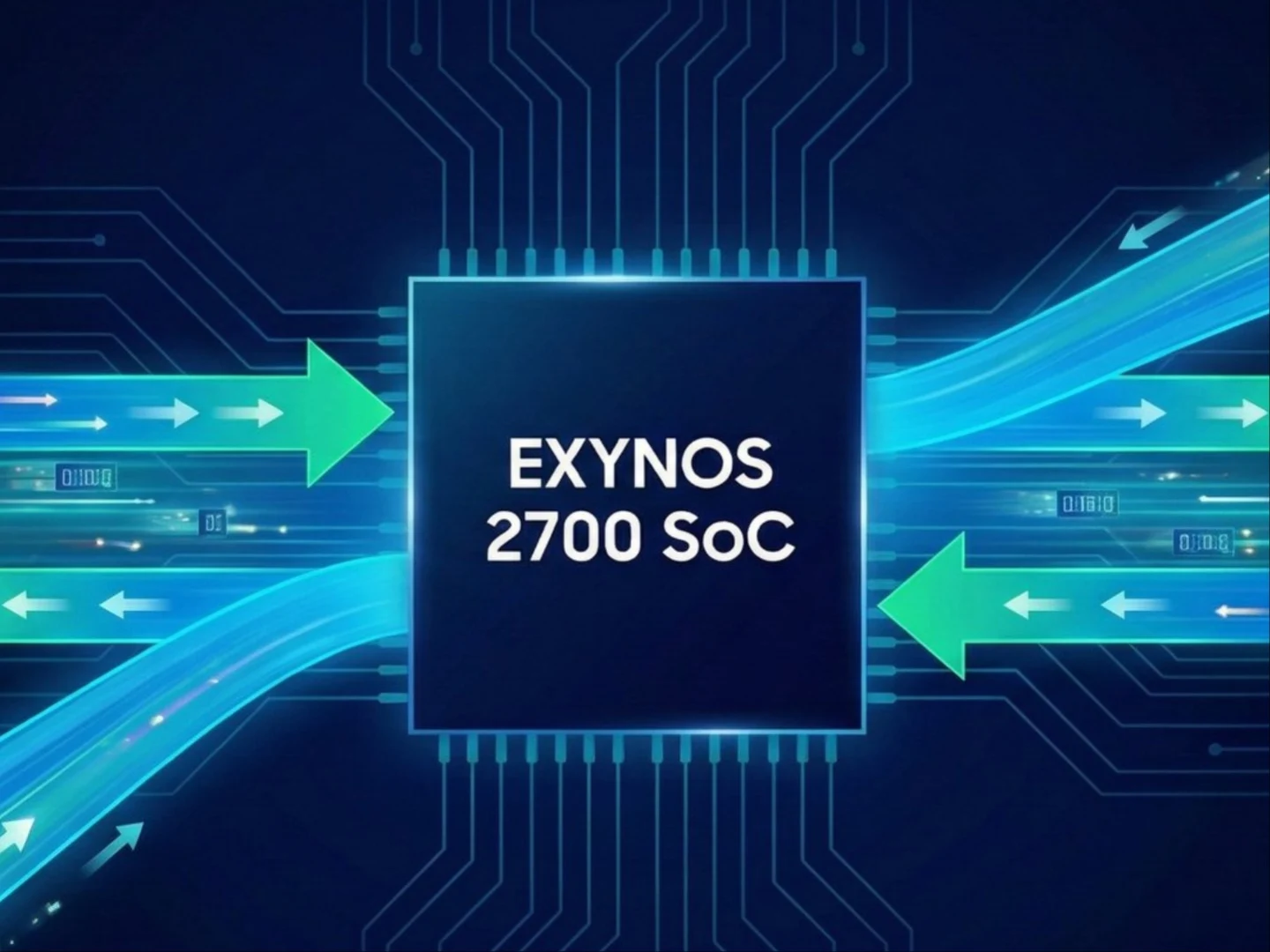
    The details come from a user named ‘Kaulenda’ on X, who doesn’t have a long track record of leaks like some other well-known sources. However, this leaker claims to have important specifics about the Exynos 2700, codenamed Ulysses. The post includes alleged information about the SoC, along with AI-generated images that resemble marketing materials. The Exynos 2700 is expected to be built on the newer and more efficient SF2P node, unlike the SF2 node of the Exynos 2600. This next-gen manufacturing process could provide a claimed 12% boost in performance and a 25% reduction in power consumption. Additionally, it may achieve a higher clock speed of 4.2 GHz for some cores, compared to the 3.8 GHz maximum of the Exynos 2600.

    Performance Improvements

    According to the leaked information, the Exynos 2700 could achieve 40% higher scores in single-core performance and 30% higher in multi-core performance when compared to the Exynos 2600. It will also incorporate a unified copper Heat Path Block (HPB) in a FOWLP-SbS (Side-by-Side) packaging design, improving upon the first generation used for the Exynos 2600. This design places the DRAM close to the die, with the heat sink (HPB) covering both parts. Along with CPU enhancements, the next-gen Xclipse GPU is also set for an upgrade, boasting 80% to 100% faster data transfers from LPDDR6 RAM and UFS 5.0 storage, which could lead to performance gains of up to 40%.

    Uncertain Future for Exynos

    From the leaks, it appears that the Exynos 2600 has laid a strong groundwork for Samsung, but various reports indicate that wider adoption of the SoC may not be in the cards. Currently, it looks like only the Galaxy S26 Ultra models in South Korea will use the in-house chip, while international markets will continue with the Snapdragon 8 Elite Gen 5. What Samsung plans for the Galaxy S27 lineup remains uncertain, and it’s unclear if other regions will get a taste of the Exynos 2700. The limited rollout of Exynos 2600-powered devices could be a test for the company’s manufacturing process.

    Source:
    Link


  • Volkswagen Group Unveils Snapdragon Infotainment for 2027 SDVs

    Volkswagen Group Unveils Snapdragon Infotainment for 2027 SDVs

    Key Takeaways

    1. Volkswagen Group and Qualcomm Technologies plan a long-term partnership for infotainment and connectivity hardware in future software-defined vehicles (SDVs) starting post-2027.

    2. Qualcomm will provide high-performance infotainment system-on-chips, utilizing its Snapdragon Digital Chassis solutions for advanced functionalities in Volkswagen’s electric vehicles.

    3. The collaboration extends to the Automated Driving Alliance (ADA) to accelerate the development of AI-driven automated driving systems using Qualcomm’s Snapdragon Ride Elite platform.

    4. The agreement aims to streamline procurement processes and enhance in-house skills for semiconductor integration and AI vehicle systems.

    5. Future integration will include Snapdragon 5G Modem-RF and V2X technologies for improved connectivity and real-time vehicle-to-infrastructure communication, with a focus on AI-powered automotive technologies.


    Volkswagen Group and Qualcomm Technologies have announced their intent to establish a long-term agreement for supplying infotainment and connectivity hardware for Volkswagen’s upcoming software-defined vehicles (SDVs). Under this envisioned partnership, Qualcomm is anticipated to serve as Volkswagen Group’s main technology collaborator for high-performance infotainment system-on-chips, starting with vehicles set to launch after 2027.

    Collaboration for the Future

    This partnership is linked to Volkswagen Group’s zonal SDV framework, which has been developed for the Western hemisphere through their joint venture with Rivian Automotive, termed Rivian and Volkswagen Group Technologies (RV Tech). Qualcomm’s Snapdragon Digital Chassis solutions will lay the groundwork for advanced infotainment functionalities in future electric vehicles based on Volkswagen’s Scalable Systems Platform (SSP), which includes the ID.EVERY1 and more models to come.

    Expanding Automated Driving

    Volkswagen and Qualcomm are already collaborating within the Automated Driving Alliance (ADA), which was initiated by Volkswagen’s software division CARIAD and Bosch. This initiative aims to hasten the development of highly automated driving systems. The alliance’s goal is to utilize Qualcomm’s Snapdragon Ride Elite platform to support AI-driven automated driving capabilities that can be adapted across various brands and vehicle categories.

    Volkswagen has stated that this forthcoming agreement aligns with their wider strategy to streamline the procurement process for critical components while enhancing in-house skills related to semiconductor integration and AI vehicle systems. The SDV architecture is designed around modular, high-performance central computers that can manage vehicle operations and receive over-the-air updates to improve features over time.

    Future Integration and Goals

    In addition to infotainment and automated driving, both companies also aim to incorporate Snapdragon 5G Modem-RF and V2X technologies into the next generation of SDV-based vehicles. This integration is projected to facilitate quicker connectivity and enable real-time communication between vehicles and infrastructure. Volkswagen and Qualcomm also mentioned that they will look into more collaboration possibilities in AI-powered automotive technologies that pertain to safety, personalization, and connected mobility.

    The proposed supply agreement is currently being pushed forward by Audi and Volkswagen Passenger Cars, with aspirations to widen its influence across Volkswagen Group brands on a global scale.

    Source:
    Link


  • Ayaneo Pocket DS Launch: A Strong Competitor to Retroid Pocket Flip 2

    Ayaneo Pocket DS Launch: A Strong Competitor to Retroid Pocket Flip 2

    Key Takeaways

    1. Ayaneo has launched the Pocket DS, an ARM-powered handheld gaming device, along with a new sub-brand for affordable gaming options.
    2. The Pocket DS features a CNC-made casing and a larger secondary display compared to last year’s Flip DS.
    3. It has a unique controller arrangement, distinguishing it from competitors like the Retroid Pocket Flip 2.
    4. The device includes a Qualcomm Snapdragon chipset, allowing it to run cooler and quieter than x86-based devices.
    5. The Pocket DS is in mass production and will be showcased at ChinaJoy 2025 in Shanghai from August 1 to August 4.


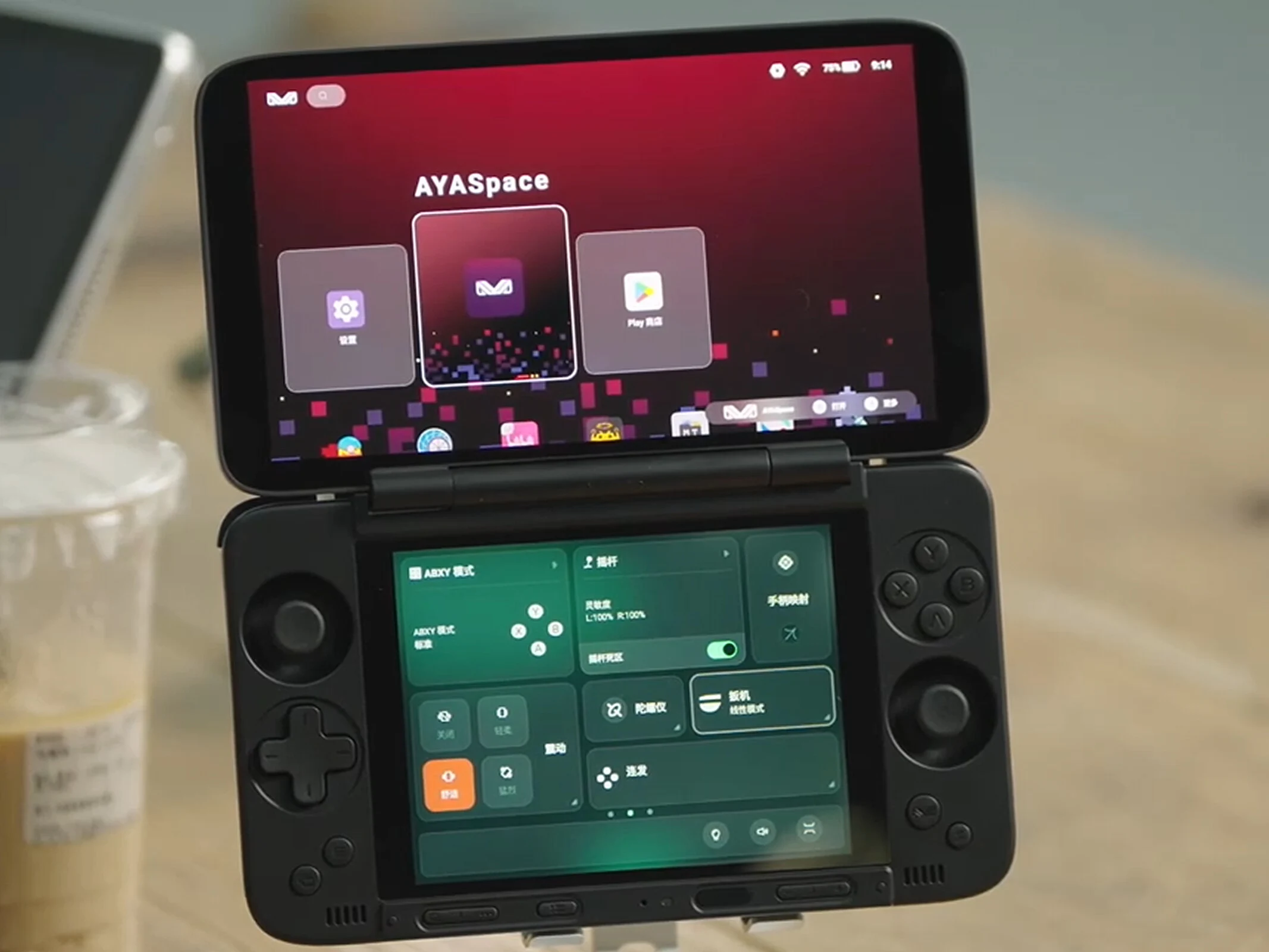
    Ayaneo has just unveiled the Pocket DS, which seems to be the product they hinted at last week. Interestingly, the company also introduced several other devices today, including a new sub-brand focused on providing more affordable gaming handhelds. First mentioned in the spring, the Pocket DS is essentially an ARM-powered version of the Flip 1S DS that Ayaneo launched worldwide earlier this month.

    Design and Features

    In terms of design, the Pocket DS features a CNC-made casing and boasts a significantly larger secondary display compared to last year’s Flip DS. However, it does have a unique controller arrangement that sets it apart from competitors like the Retroid Pocket Flip 2 (currently priced at $269 on Amazon). The addition of a Qualcomm Snapdragon chipset is expected to enable the Pocket DS to operate cooler and quieter than its x86-based competitors.

    Availability and Future Plans

    As of now, Ayaneo has confirmed that the Pocket DS is already in mass production, which means it should hit the market sooner rather than later. The CEO of Ayaneo mentioned that more information regarding the Pocket DS will be shared tomorrow. Additionally, the device is set to be showcased next month at ChinaJoy 2025 in Shanghai, taking place from August 1 to August 4. For further insights, check out the video below.

    Source:
    Link

  • New Microsoft Surface Pro or Laptop Rumored for Spring Release

    New Microsoft Surface Pro or Laptop Rumored for Spring Release

    Key Takeaways

    1. Microsoft recently launched updated versions of Surface Laptop and Surface Pro, targeting business users but available to all.
    2. There are indications that Microsoft may continue using Qualcomm Snapdragon chipsets for future consumer Surface devices.
    3. A leak suggests affordable and smaller options may be introduced alongside the current Surface models priced at $949.99.
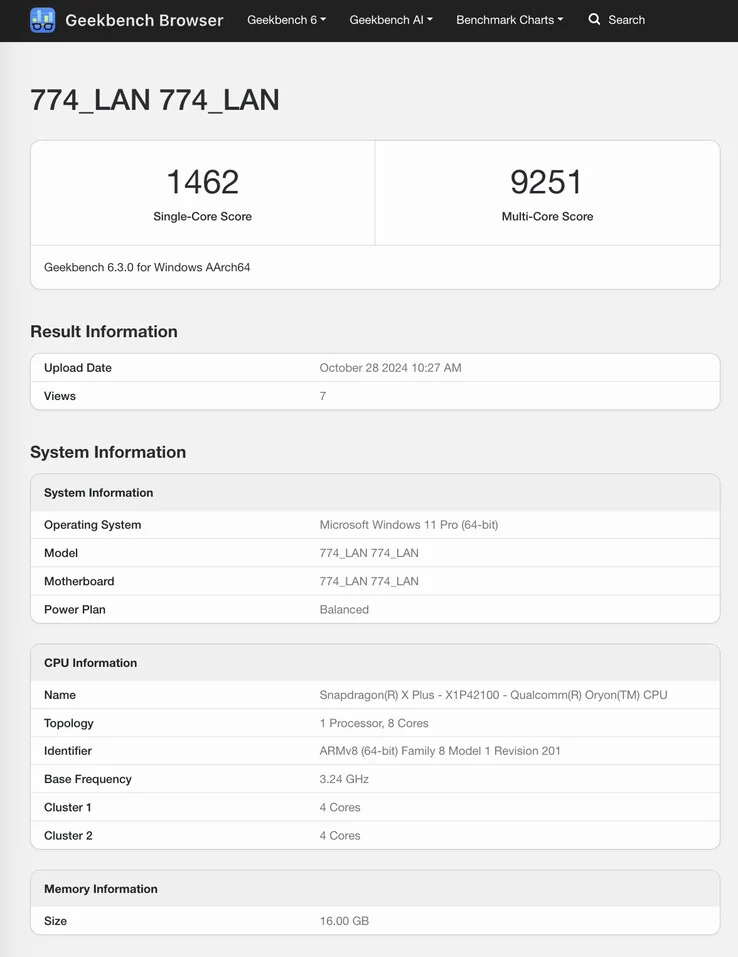
    4. A device named ‘774_LAN’ was discovered on Geekbench, featuring a Qualcomm Snapdragon X1P-42-100 chipset and 16 GB of RAM.
    5. The future of the ‘774_LAN’ device is unclear, but it may be less powerful than existing models, with expected releases in spring and display sizes between 11 to 12 inches.


    Hardly any time has gone by since Microsoft launched updated versions of its Surface Laptop and Surface Pro lines. Primarily, these models are aimed at businesses, but in reality, anyone can buy these variants powered by Intel’s Lunar Lake.

    Focus on Qualcomm Snapdragon

    A recent leak indicates that Microsoft might be planning to stick with Qualcomm Snapdragon chipsets for its consumer Surface devices. There had been hints that the tech giant could soon introduce more affordable and smaller options to complement the current Surface Laptop and Surface Pro, which is priced at $949.99 on Amazon.

    Discovery on Geekbench

    Roland Quandt seems to have found proof of this upcoming refresh on Geekbench. The screenshot below indicates that someone benchmarked a device named ‘774_LAN’ months earlier, featuring a Qualcomm Snapdragon X1P-42-100 chipset along with 16 GB of RAM and running Windows 11 Pro. Sadly, Geekbench does not provide additional information about the device; however, the single-core and multi-core scores align with what’s expected for the Snapdragon X Plus X1P-42-100.

    Uncertain Future

    It remains uncertain if 774_LAN is linked to a new Surface Laptop or Surface Pro. Regardless, it appears that 774_LAN will have less power compared to Microsoft’s current Qualcomm-powered models. Windows Central reports that both new devices are anticipated to be released this spring, with display sizes likely ranging from 11 to 12 inches diagonally.

    Source:
    Link


  • Retroid Gaming Handheld Launches with Snapdragon G2 Gen 2 Chipset

    Retroid Gaming Handheld Launches with Snapdragon G2 Gen 2 Chipset

    Key Takeaways

    1. Qualcomm launched three new chipsets: Snapdragon G3 Gen 3 for flagship devices, Snapdragon G2 Gen 2 for mid-range, and Snapdragon G1 Gen 2 for budget devices.
    2. Four devices using these chipsets have been announced, with the Ayaneo Gaming Pad, Ayaneo Pocket S2, and OneXSugar Sugar 1 featuring the Snapdragon G3 Gen 3.
    3. The Retroid Pocket Classic is the first device to use the Snapdragon G1 Gen 2, with shipping set for next month.
    4. No devices currently feature the Snapdragon G2 Gen 2, but Retroid is expected to incorporate it into their products in the future.
    5. Retroid recently launched the Pocket Flip 2 with the older Snapdragon 865 chipset, hinting at potential updates in their flagship line with the new Snapdragon G2 Gen 2.


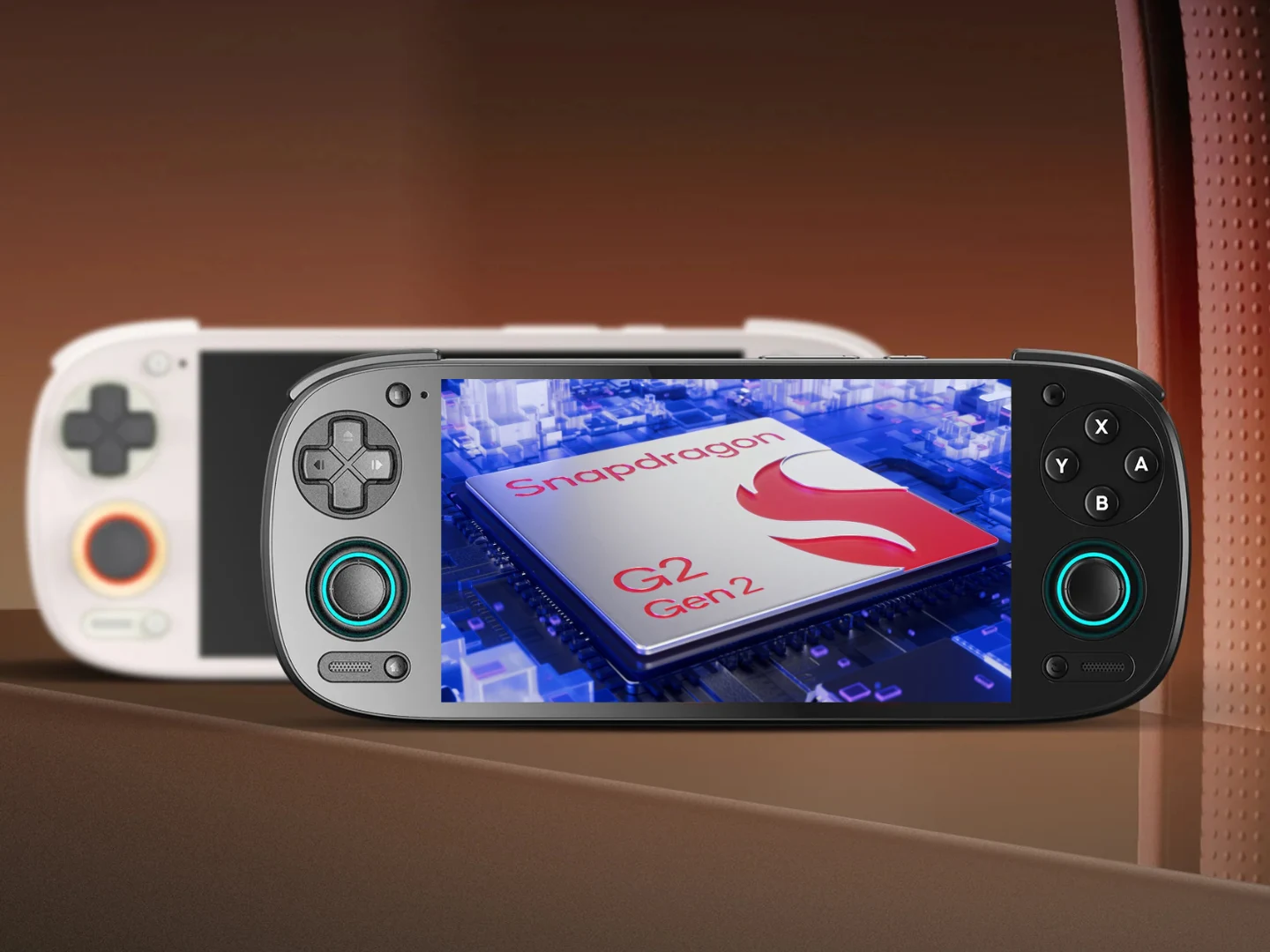
    Qualcomm revealed three new chipsets yesterday, designed to support the next wave of Android-based gaming handhelds. The Snapdragon G3 Gen 3, Snapdragon G2 Gen 2, and Snapdragon G1 Gen 2 were introduced, targeting flagship, mid-range, and budget devices, respectively.

    Devices Showcasing New Chipsets

    Currently, four devices have been introduced that feature Qualcomm’s latest silicon technology. Most of them, except one, are equipped with the Snapdragon G3 Gen 3. These devices include the Ayaneo Gaming Pad, Ayaneo Pocket S2, and the OneXSugar Sugar 1 from One-Netbook. The Retroid Pocket Classic stands out as the first device to adopt the Snapdragon G1 Gen 2, with shipping scheduled for next month.

    Future of Snapdragon G2 Gen 2

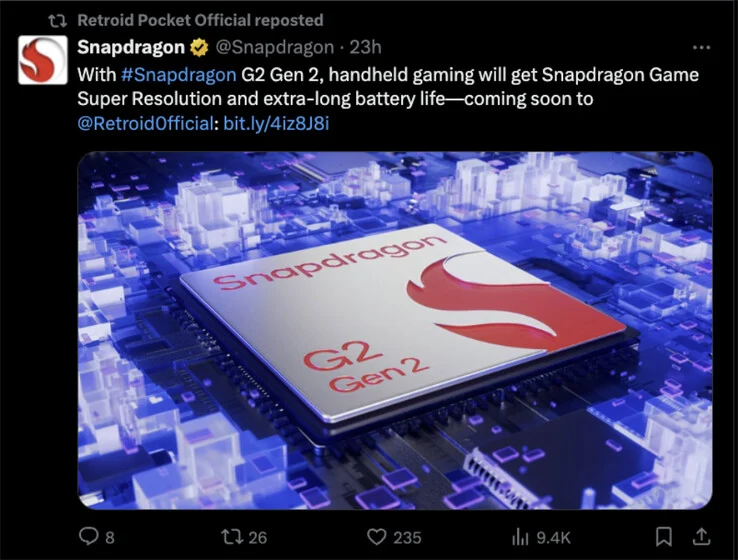
    At this time, there are no publicly available devices powered by the Snapdragon G2 Gen 2. Nevertheless, Qualcomm has disclosed its partner for rolling out this mid-range chipset. According to the screenshot shared, Retroid is the selected partner, and they have also recently launched the Pocket Flip 2, which runs on the older Snapdragon 865 chipset.

    Retroid hasn’t provided more details about their plans. They have only shared Qualcomm’s announcement. However, it’s logical to anticipate that the company might integrate the Snapdragon G2 Gen 2 into its flagship product line, potentially succeeding the Pocket 5. It’s uncertain if there will be a Pocket 6 Pro alongside the Pocket 6, similar to the relationship between the Pocket 4 and Pocket 4 Pro (currently priced at $199 on Amazon).

    Source:
    Link


  • Apple’s Success Drives Innovation at Qualcomm and MediaTek in 2025

    Apple’s Success Drives Innovation at Qualcomm and MediaTek in 2025

    The tech sector has long been a hotbed for new ideas, especially in the semiconductor field. Apple’s unyielding drive for advanced technology has established new standards for performance, efficiency, and integration, pushing rivals like Qualcomm and MediaTek to elevate their efforts.

    Apple’s Influence by 2025

    By 2025, Apple’s achievements with its unique silicon, especially the M-series chips, have transformed consumer expectations and compelled its competitors to innovate more rapidly than ever. This piece delves into how Apple’s leadership is making Qualcomm and MediaTek reassess their strategies and hasten their technological progress.

    The Shift to M-Series Chips

    Apple’s move from Intel processors to its uniquely crafted M-series chips was a game-changer in the semiconductor sector. The M1, M2, and later versions have set fresh benchmarks for performance per watt, merging CPU, GPU, and neural engines into a single system-on-a-chip (SoC).

    These chips have provided desktop-level performance in ultra-slim laptops and tablets, challenging the long-standing x86 architecture led by Intel and AMD. Apple’s integration of hardware and software optimization has granted it a significant advantage, leaving competitors scrambling to keep pace.

    The M-series chips have also illustrated the strength of ARM-based designs in high-performance computing, showing they can rival and even exceed traditional x86 processors. This has prompted Qualcomm and MediaTek, which primarily focus on ARM designs, to rethink their methods regarding performance, efficiency, and scalability.

    Qualcomm’s Strategic Moves

    Qualcomm, a frontrunner in mobile processors, acknowledged the necessity to innovate beyond its Snapdragon range to keep up with Apple’s silicon. In 2021, Qualcomm took a significant step by acquiring Nuvia, a startup founded by ex-Apple engineers with experience on the A-series chips. This acquisition was a tactical decision to enhance Qualcomm’s skills in creating high-performance, energy-efficient CPUs.

    By 2024, Qualcomm’s Snapdragon X Elite and Snapdragon X Plus chips showcased the benefits of this acquisition. These processors, utilizing Nuvia’s tailored Oryon CPU cores, are engineered to compete with Apple’s M-series chips in terms of both performance and efficiency.

    The Snapdragon X series is aimed not only at laptops but also desktops and servers, indicating Qualcomm’s ambition to broaden its horizons beyond mobile devices. The company has also directed its attention towards enhancing AI capabilities and GPU performance, areas where Apple has excelled.

    Qualcomm’s collaboration with Microsoft to fine-tune Windows for ARM processors has further solidified its standing. By 2025, Qualcomm-powered Windows laptops deliver battery life and performance that can compete with Apple’s MacBooks, thanks to the Snapdragon X series.

    Yet, Qualcomm’s innovations extend beyond PCs. In 2024, the Snapdragon 8 Elite chipset debuted, revolutionizing the smartphone landscape. Built using Nuvia’s Oryon architecture, the Snapdragon 8 Elite boasts unmatched performance and efficiency, narrowing the gap with Apple’s A-series chips and even excelling in certain tests.

    The custom Oryon cores within the Snapdragon 8 Elite provide a 40% enhancement in single-threaded performance compared to its predecessor, making it the most rapid mobile CPU available. This empowers Android flagship devices to match Apple’s iPhones in terms of sheer power.

    The Snapdragon 8 Elite also incorporates an advanced AI engine capable of 75 TOPS (trillions of operations per second), enabling sophisticated on-device AI functions like real-time language translation, improved photography, and tailored user experiences.

    Its Adreno GPU has set new benchmarks for mobile gaming, facilitating ray tracing and 8K gaming at 60 FPS, appealing to gamers and content creators alike. Despite its exceptional performance, the Snapdragon 8 Elite remains impressively power-efficient, thanks to its 3nm manufacturing process, ensuring smartphones can provide all-day battery life, even under strenuous conditions.

    The Snapdragon 8 Elite not only enhances Android flagship devices but now also compels Apple to hasten its own innovation cycle.

    MediaTek’s New Direction

    MediaTek, usually recognized for its mid-range and budget chips, has also been compelled to innovate due to Apple’s achievements. The company has redirected its focus towards high-performance processors, striving to compete in the premium market led by Apple and Qualcomm. MediaTek’s Dimensity series, originally aimed at smartphones, has expanded to include chips for Chromebooks, tablets, and even automotive uses.

    Since 2024, MediaTek has been capitalizing on its AI and 5G expertise to stand out. The company’s latest Dimensity chips come equipped with advanced neural processing units (NPUs) that rival Apple’s Neural Engine, allowing for faster and more effective AI tasks. Additionally, MediaTek has heavily invested in heterogeneous computing, merging CPU, GPU, and NPU resources to create a smooth user experience.

    Although their current flagship chip, the Dimensity 9400, performs at par with the Snapdragon 8 Elite, the upcoming Dimensity 9500 exemplifies MediaTek’s ambition to disrupt the high-performance chip arena. Rumored to feature a ‘2 + 6’ CPU cluster with ARM’s next-gen Cortex-X930 and Cortex-A730 cores, the chip may lack custom cores like Qualcomm’s Oryon but compensates with other advancements.

    Constructed on TSMC’s advanced 3nm N3P process, the Dimensity 9500 promises enhanced thermal efficiency and up to 20% gains in multi-core performance. These developments position MediaTek as a serious player in the premium market, with an official launch anticipated in late 2025.

    Moreover, MediaTek is also targeting other sectors, like smart home devices and IoT, to lessen its dependence on the fiercely competitive smartphone market. By diversifying its product lineup, MediaTek aims to forge new revenue streams while continuing to innovate in the processor domain.

    The Industry’s Evolving Landscape

    Apple’s triumph in pushing ARM-based innovation with its M-series chips has not only challenged the supremacy of x86 processors but also ignited a transformation throughout the semiconductor industry. The company’s lead in single-core performance has established a high standard, forcing competitors like Qualcomm and MediaTek to enhance their offerings.

    The anticipated Snapdragon 8 Elite Gen 2 and Dimensity 9500, both utilizing TSMC’s cutting-edge 3nm ‘N3P’ process, exemplify this competitive drive. These chipsets are projected to achieve Geekbench 6 single-core scores of 4,000, potentially matching or exceeding Apple’s forthcoming M4 chip.

    Beyond mere performance, the industry is also adopting ARM’s Scalable Matrix Extension to improve efficiency in managing complex tasks, a feature both Qualcomm and MediaTek plan to incorporate into their latest SoCs.

    While the ultimate performance of these chips in consumer devices remains uncertain, this competitive environment illustrates the growing shift towards custom silicon designs. As more players enter the ARM-based market, the effects of Apple’s pioneering efforts are likely to inspire further innovation across the industry.


  • Exynos 2500 vs Snapdragon 8 Gen 4: Galaxy Series Performance Edge

    Exynos 2500 vs Snapdragon 8 Gen 4: Galaxy Series Performance Edge

    Samsung's Exynos processors have often been criticized for falling short in terms of power efficiency and performance compared to Qualcomm's Snapdragon lineup. However, a recent rumor by PandaFlashPro on X hints at a substantial improvement with the upcoming Exynos 2500.

    Potential Leap in Performance

    The leak suggests that the Exynos 2500 might outshine Qualcomm's Snapdragon 8 Gen 4 in both power efficiency and raw performance. This improvement is attributed to Samsung's purported use of a more advanced second-generation 3nm fabrication process for the Exynos 2500, while Qualcomm is expected to continue with a 4nm process for the Snapdragon 8 Gen 4.

    Technological Advancements

    A smaller manufacturing process typically results in enhanced power efficiency and performance due to increased transistor density. This advancement indicates that while the Exynos 2400 was on par with the Snapdragon 8 Gen 3, the Exynos 2500 could potentially surpass its competitor.

    Dual Variant Possibility

    Notably, there are rumors circulating about the existence of two Exynos 2500 variants: the Exynos 2500-A, speculated to be an octa-core processor for smartphones like the upcoming Galaxy S25 series, and the Exynos 2500-B, rumored to feature a 10-core CPU catering to devices with greater demands such as tablets and laptops in the Galaxy Tab and Galaxy Book series.

    Potential Integration with Google's TPU

    There's also speculation about Samsung potentially incorporating Google's Tensor Processing Unit (TPU) instead of its own Neural Processing Unit (NPU) in the Exynos 2500. However, these claims are currently premature and should be taken with caution.

    The Exynos 2500 seems poised to become a leading contender among mobile processors in 2025, promising superior performance and power efficiency compared to its Qualcomm counterpart. As with all leaks, it's crucial to approach these details with skepticism until official information is released closer to the Exynos 2500's launch.

  • Leaked Lenovo Yoga Slim 7 14 2024 Snapdragon Laptop Images Surface

    Leaked Lenovo Yoga Slim 7 14 2024 Snapdragon Laptop Images Surface

    Tech news leaker @h0x0d has provided us with an early glimpse at Lenovo’s forthcoming Yoga Slim 7 14 2024 Snapdragon edition laptop, giving a sneak peak into its possible design direction. The leaked image showcases its 14.5-inch display featuring sleek lines without visible heat dissipation vents on either side, suggesting passive cooling – something increasingly seen with Qualcomm Snapdragon-based processors such as its Snapdragon lineup. Furthermore, three Type-C ports seem to feature as part of this system design.

    Lenovo Is Pioneer of Innovation In Design

    This leak coincides with Qualcomm’s unveiling of two processors called Snapdragon X Elite and Snapdragon X Plus, the latter of which boasted impressive multicore results: 15,610 points on GeekBench 6.2 — outperforming Apple’s M3 chip by 28.4%!

    Lenovo’s Yoga Slim 7 Pro Series Has Evolved Over Time

    Lenovo’s Yoga Slim 7 Pro series was previously offered with Intel (Yoga Slim 7i Pro) and AMD processor options, providing users with multiple display choices including premium 14-inch OLED screens with 120Hz refresh rates as well as more budget-conscious 90Hz OLED displays and 60Hz LCD panels, with prices beginning from EUR999 euros (approximately USD $1,165 USD).

    It will be intriguing to observe how the Yoga Slim 7 14 2024 Snapdragon version compares in terms of specifications, features and pricing. Given its alignment with Qualcomm’s latest processor lineup and lack of visible cooling vents in design suggests potential move towards robust yet efficient ARM architecture.

  • MediaTek Oppo Find X7 dominates AnTuTu rankings in Feb 2024

    MediaTek Oppo Find X7 dominates AnTuTu rankings in Feb 2024

    Qualcomm's Snapdragon processors have traditionally held a dominant position in the realm of Android smartphone performance. However, MediaTek has made significant strides, particularly with its Dimensity 9000 series, which has helped level the playing field. The latest premium chipsets from both companies, Snapdragon 8 Gen 3 and Dimensity 9300, are now neck and neck in terms of performance.

    Dimensity 9300 Powers Top Smartphone

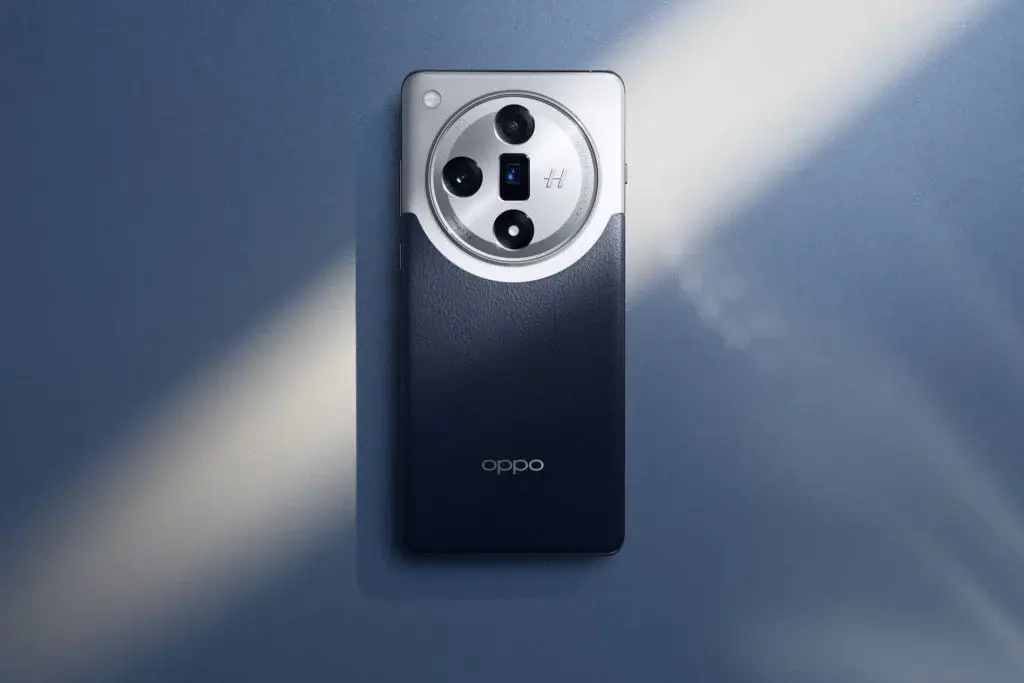
    For the second month in a row, the Oppo Find X7, powered by the Dimensity 9300 chip, has claimed the top spot in smartphone performance according to AnTuTu benchmarks. With an impressive score of 2,195,036, it surpasses its competitors. The Dimensity 9300 stands out due to its utilization of ARM's potent cores, specifically 4 x Cortex-X4 and 4 x Cortex-A720 cores.

    AnTuTu Top 10 Performance Rankings

    • OPPO Find X7
      • Score: 2,195,036
      • Configuration: 16GB RAM + 1TB Storage
    • ROG 8 Pro
      • Score: 2,157,660
      • Configuration: 16GB RAM + 512GB Storage
    • iQOO 12
      • Score: 2,120,878
      • Configuration: 16GB RAM + 512GB Storage
    • RedMagic 9 Pro+
      • Score: 2,105,949
      • Configuration: 16GB RAM + 512GB Storage
    • vivo X100 Pro
      • Score: 2,098,634
      • Configuration: 16GB RAM + 1TB Storage
    • vivo X100
      • Score: 2,090,900
      • Configuration: 16GB RAM + 1TB Storage
    • iQOO Neo9 Pro
      • Score: 2,082,581
      • Configuration: 16GB RAM + 1TB Storage
    • iQOO 12 Pro
      • Score: 2,081,272
      • Configuration: 16GB RAM + 1TB Storage
    • Nubia Z60 Ultra
      • Score: 2,069,734
      • Configuration: 16GB RAM + 512GB Storage
    • OPPO Find X7 Ultra
      • Score: 2,061,537
      • Configuration: 16GB RAM + 512GB Storage

    The Asus ROG Phone 8 Pro, featuring the Snapdragon 8 Gen 3 chipset, comes in a close second. The performance gap between the top two smartphones is merely 37,000 points, which is a slim margin within the flagship category. Asus typically introduces 'D' variants of its ROG Phones with MediaTek chips a few months after the initial launch. The potential combination of gaming-centric hardware in the ROG Phone and the Dimensity 9300 in the upcoming release could introduce interesting dynamics to the leaderboard.