Category: Computers

  • Samsung to Release Three Galaxy Books with Android Instead of Windows

    Samsung to Release Three Galaxy Books with Android Instead of Windows

    Key Takeaway

    1. Samsung is developing Galaxy Books with Android 17 and a new ChromeOS-based Aluminum OS, featuring heavily customized user interfaces similar to DeX.
    2. The upcoming lineup may include at least three models, ranging from an affordable option to a high-end flagship.
    3. The Galaxy Book6 Edge is expected to switch from Intel to Qualcomm Snapdragon processors, indicating a possible shift towards Android-based hardware in future models.
    4. The release of these Android-based Galaxy Books is anticipated around the second half of 2026 or early 2027.

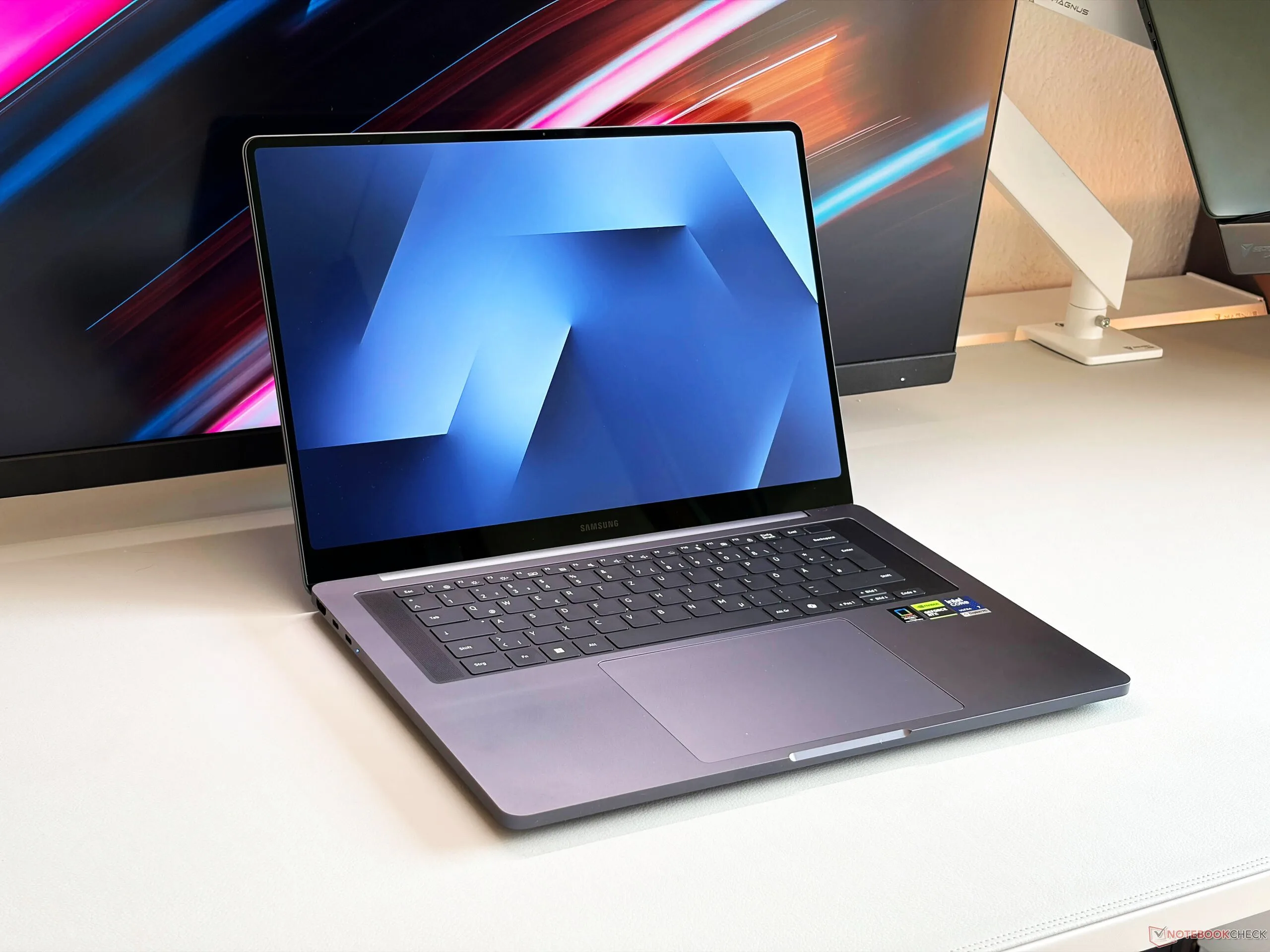
    Recently, there has been quite a buzz about Samsung’s upcoming Galaxy Book6 Edge. Some rumors suggest it is going to feature a Qualcomm Snapdragon X2 Elite, which is a significant shift from the usual Intel processors used in previous models. This change marks a notable move towards using Snapdragon chips for their laptops, aiming to offer better power efficiency and connectivity options. The pricing for the Galaxy Book6 currently on the market is around $1,149, mainly for models using Intel processors.

    New Operating System and Interface Features

    Reports also indicate that Samsung is developing a new Galaxy Book variant that runs on an Android-based OS called Aluminum OS. The device will be based on Android 17 and will be equipped with One UI 9, offering a familiar user experience. The company’s plan is to heavily customize the interface so it closely resembles Samsung’s DeX mode, which turns their phones and tablets into desktop-like environments. This integration will likely give it an intuitive desktop experience, blending mobile and desktop functions seamlessly. Additionally, Samsung plans to incorporate AI features in the software, similar to those already present on their smartphones, enhancing productivity and user interaction.

    Models, Release Date, and Expectations

    Sources have revealed that Samsung has at least three models under development, ranging from a budget-friendly option similar to the MacBook Neo to an advanced flagship device. Unfortunately, details about what features these models will include or their official release dates remain a mystery. Experts believe that since these new Galaxy Books are expected to ship with Android 17, their launch could be expected sometime in the second half of 2026 or early 2027. It remains uncertain if the Galaxy Book6 Edge with Snapdragon X2 Elite will come with Android out of the box or if consumers will have to wait for the Galaxy Book7 series.

    Summary of Rumors and Expectations

    Overall, the shift towards Snapdragon processors and Android-based OS in Samsung’s Galaxy Book lineup could redefine what users expect from Windows alternatives on laptops. The potential for enhanced AI, better connectivity, and a more flexible OS makes these new models very exciting for the future. This new direction signifies Samsung’s ambition to create versatile devices that blur the lines between smartphones, tablets, and traditional laptops. Keep an eye out for official announcements, as these innovative features could arrive sooner than expected.
    Sources
  • Lenovo Launches 16-Inch Laptop with 64GB RAM and 120Hz Tandem OLED Screen

    Lenovo Launches 16-Inch Laptop with 64GB RAM and 120Hz Tandem OLED Screen

    Key Takeaway

    1. Lenovo has released the Yoga Pro 9i Aura Edition Gen 11, which replaces the previous Gen 10 and is available with various configuration options, including a GeForce RTX 5050 or 5060 GPU.
    2. The Yoga Pro 9i and Pro 9i are essentially the same device, with the Yoga version offering more configuration flexibility and a lower-end processor option.
    3. The laptops feature a high-capacity 92 Wh battery, high-resolution OLED displays (2.8K or 3.2K), and support up to 64 GB of RAM.
    4. North American models are priced starting at $2,799 USD for the more powerful configuration, with regional variations in pricing elsewhere.
    5. The RTX 5070 GPU is listed on Lenovo’s site but not currently available in most markets, with existing models featuring RTX 5050 or 5060 GPUs.


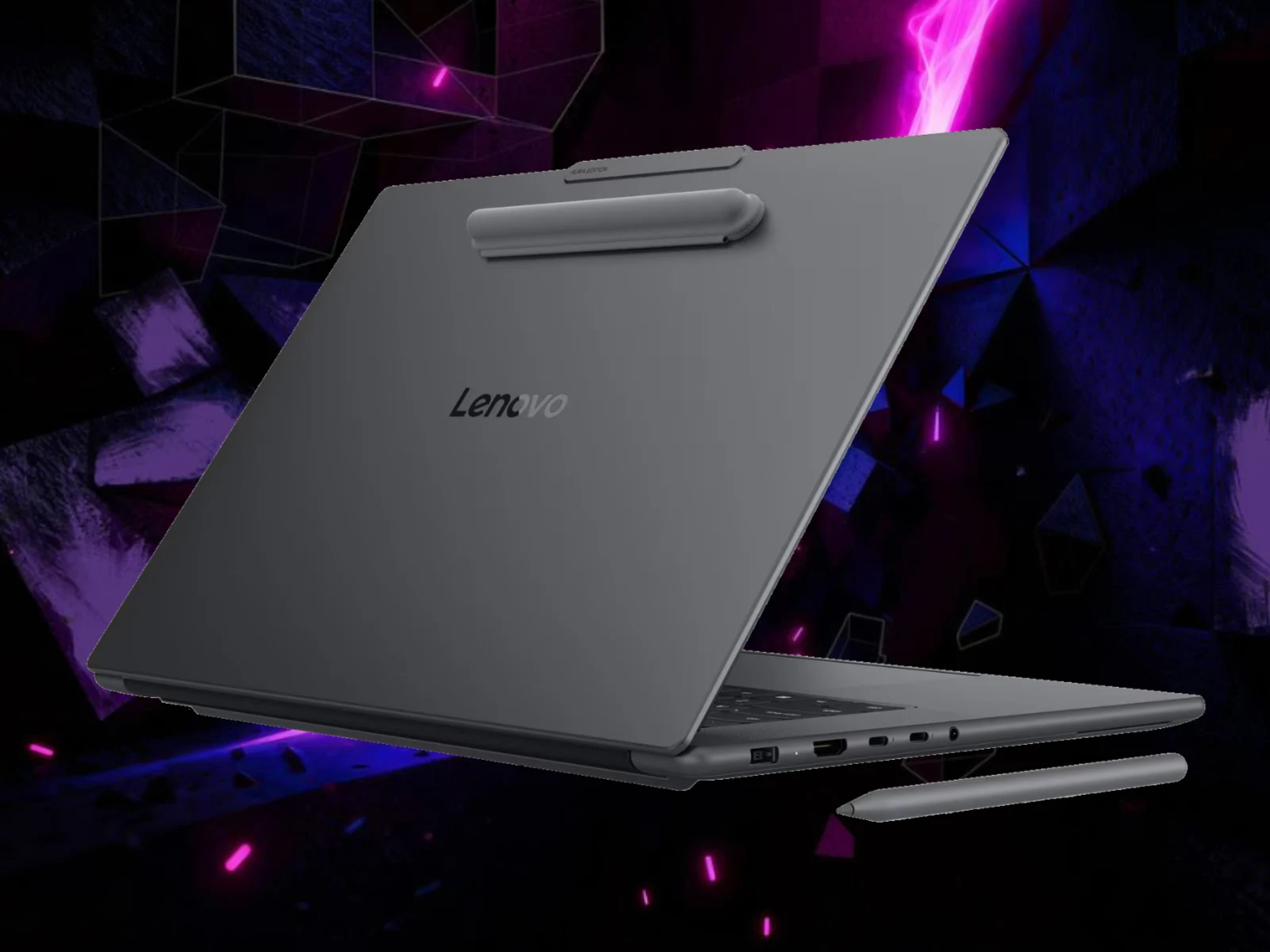
    Lenovo Yoga Pro 9i Aura Edition Gen 11

    Latest Lenovo Laptops with Intel’s Panther Lake Platform

    This year, lenovo has launched a bunch of laptops built on Intel’s Panther Lake, showing their commitment to keeping up with the latest in tech innovation. They started off with models like the ThinkPad T14 Gen 7 and the ThinkPad T16 Gen 5, which were released last week. Furthermore, they are expanding the reach of machines like the ThinkPad X1 2-in-1 Gen 11 and the ThinkPad X1 Carbon Gen 14 into the US market.

    Introduction of the Yoga Pro 9i Aura Edition

    The whole attention now is on the Yoga Pro 9i Aura Edition Gen 11. They market it in North America simply as the Pro 9i Aura Edition Gen 11 to fill the spot left by last year’s Gen 10 version. The thing to know is that the Yoga Pro 9i and the Pro 9i are pretty much the same. But, the Yoga version gets more configurations options, including a cheaper Panther Lake processor.

    Graphics Options & Availability

    In the future, only the Yoga Pro 9i will be offered with a GeForce RTX 5070 laptop GPU. Lenovo’s PSREF site lists this GPU, but it is not seen on other international websites like Australia, France, Germany, Ireland, or the UK. So, at this moment, the latest models of Pro 9i and Yoga Pro 9i are equipped with either the GeForce RTX 5050 or GeForce RTX 5060, both with a 100 W TGP.

    Pricing & Configurations

    The starting price of the Yoga Pro 9i Aura Edition in Australia is AUD 4,029, in the UK it is £2,310, and in the Eurozone, it ranges from €2,300 to €3,099. The base specs include a Core Ultra 7 356H processor, 32 GB RAM, 1 TB storage, and a GeForce RTX 5050 GPU. In North America, the more upgraded version features a Core Ultra 9 386H processor, same GPU and memory, costing $2,799 in the US and CAD 3,889 in Canada. Notably, the US price is up by $900 compared to early announcements during CES 2026.

    Battery Life and Display Options

    Both the Pro 9i and Yoga Pro 9i come with a sizeable 92 Wh battery and a vibrant 2.8K/120 Hz OLED display as standard. If you prefer, Lenovo provides an upgrade to a 3.2K, 120 Hz Tandem OLED display that peaks at 1,000 nits in HDR mode. These laptops can be customized with as much as 64 GB of LPDDR5X-7467 RAM, offering plenty of power for demanding tasks. For an in-depth look at the specs and performance, see the full review of Lenovo’s latest 16-inch model.

    Global Availability and Variants

    Users in Australia, Canada, France, Germany, Ireland, the UK, and the US can expect to access these new configurations, with regional differences in options and pricing. The expansion of these models demonstrates Lenovo’s focus on meeting a broad range of needs for everyday and professional users alike.


  • New Microsoft Surface Laptop with Intel Panther Lake & Arc B390 Graphics

    New Microsoft Surface Laptop with Intel Panther Lake & Arc B390 Graphics

    Key Takeaway

    1. The upcoming Surface Laptop 8 will feature Intel Core Ultra processors, including the new Core Ultra X7 368H with a 12-core GPU.
    2. Benchmarks suggest the Surface Laptop 8 will see a significant GPU performance increase, especially with the new Arc B390 GPU.
    3. Microsoft will continue branding the device as a ‘for Business’ model with a 13.8-inch display, possibly offering OLED options.

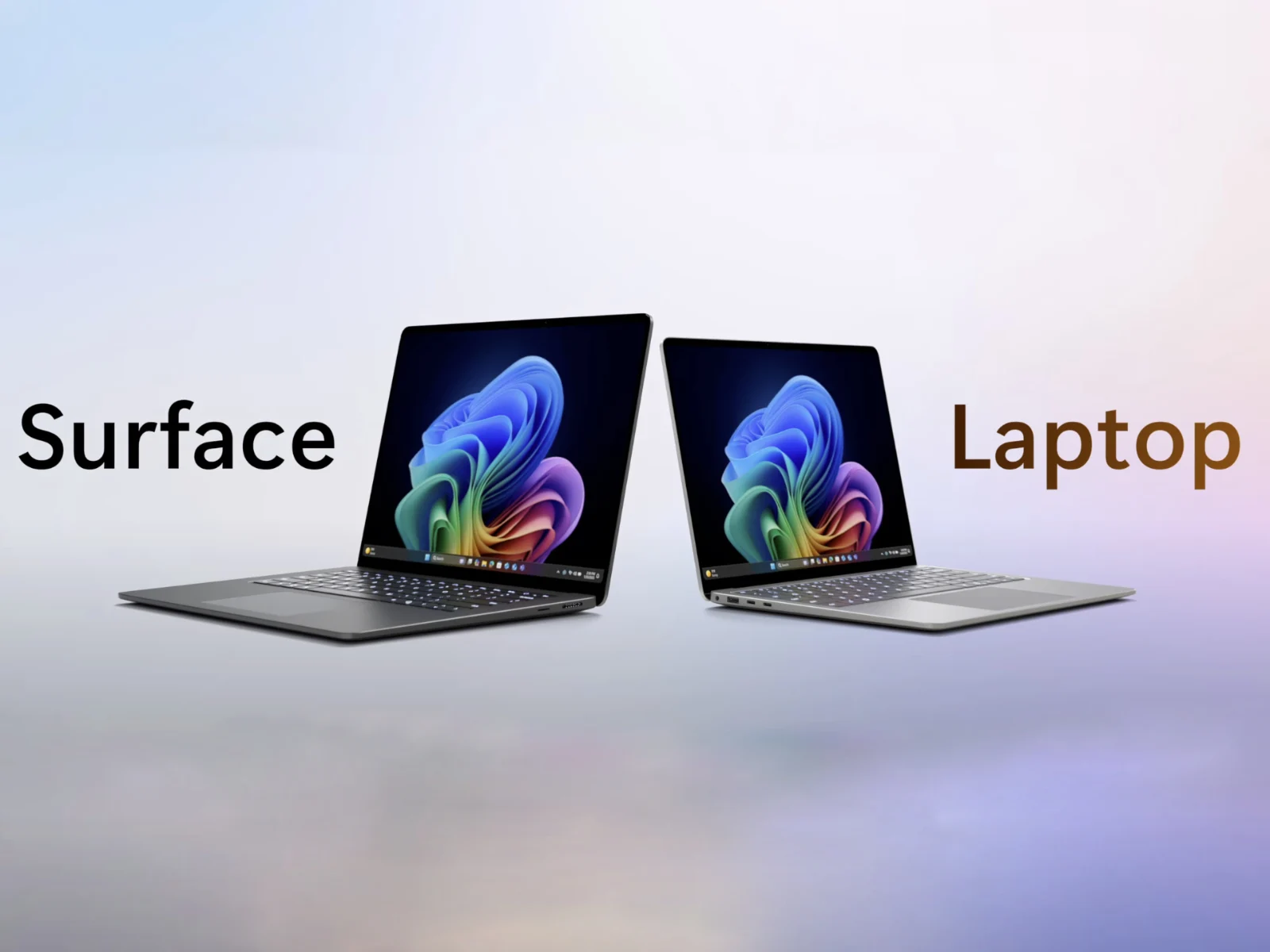
    Microsoft’s New Surface Laptop 8 Details Leaked

    It look like Microsoft is about to launch some fresh new Surface PCs soon. There had be some hints that their release might be pushed back about a month, but now, the first look at the Surface Laptop 8 has appear online on Geekbench. Fans and tech geeks are quite excited about what might be coming next from this popular line.

    Speculations and Rumors

    Most rumors were suggesting that the new Surface Laptop would only feature Intel’s ‘Core Ultra’ chips from the Panther Lake series. The highest spec rumored was the Core Ultra 7 366H, offering 16 CPU cores along with a modest 4-core integrated GPU, which is only slightly better than what’s found in the current Surface Laptop 7 (which is priced at around $909). The expectation was that these Ultra chips would bring some performance improvements, but nothing too drastic.

    Recent Geekbench Listings & New Tech

    • Latest Geekbench listings show that Microsoft will also offer Intel versions with up to the Core Ultra X7 368H, which is another 16-core processor.
    • The new chip replaces the standard 4-core integrated GPU with a 12-core GPU, referred to as the Arc B390, promising much better graphics performance.
    • This upgrade means significant GPU power boosts over previous Surface models that rely on Intel or Snapdragon chips.

    Expected Features and Display Options

    From the benchmark info, it’s clear that Microsoft is keeping its ‘for Business’ branding for the Surface Laptop 8, indicating these will still be aimed at professionals and enterprise users. The new laptop is supposed to sport a 13.8-inch display, possibly with optional OLED screens, providing users with options for richer visual experiences. The leap in GPU power, combined with potential OLED displays, suggests a device designed not just for work, but also for more media-rich content consumption.


  • MSI RTX 5090 Lightning Z Repair: $5,100 GPU Saved After DIY Soldering Mistake

    MSI RTX 5090 Lightning Z Repair: $5,100 GPU Saved After DIY Soldering Mistake

    Key Takeaway

    1. A rare MSI RTX 5090 Lightning Z GPU was damaged due to an amateur soldering attempt, highlighting risks of DIY modifications on high-end hardware.
    2. Expert repair specialists successfully restored the GPU without schematics or donor parts, demonstrating advanced microsoldering skills.
    3. The incident underscores the importance of leaving complex hardware modifications and overclocking to professionals, especially with limited-edition, high-value components.


    Rare MSI RTX 5090 Lightning Z GPU Damaged and Repaired

    Unfortunate Incident Highlights Risks of DIY Overclocking

    Recently, a fortunate yet unlucky event involved a owner of a ultra-rare MSI GeForce RTX 5090 Lightning Z GPU. He decided to test his skills in resistor-modding by tinkering directly on his very expensive graphics card. Sadly, his attempt resulted in damaging a card that’s worth $5,100, with production limited to just 1,300 units worldwide. Despite his good intentions, the damage was too severe, with torn-up thermal pads, missing parts, and traces ripped right from the PCB. This incident demonstrates how trying to do complex repairs at home can sometimes go wrong, especially with such a limited and costly piece of hardware.

    Specialist Intervention Saves a Precious GPU

    Fortunately, a skilled electronics repair shop called NorthridgeFix was called in to help. Their expert technicians took on the complex task of restoring the damaged GPU, and their efforts paid off. Using high-powered microscopes and detailed techniques, the team carefully realigned corrupted traces and replaced missing resistors. The repair was monumental, considering the scarcity of schematics and donor boards for this exclusive model. The whole process needed three separate videos to show everything from initial diagnosis to the final results, highlighting how challenging these repairs are. Eventually, they managed to get the card to POST, showing that even the most damaged cards can sometimes be saved.

    The Owner’s Soldering Skills and Lessons Learned

    The owner’s note revealed he tried to practice soldering tiny 0402 resistors by himself, hoping to modify his GPU. His attempt to add a resistor to unlock MSI’s restricted overclocking BIOS ended up ripping a pad and destroying the GPU’s functionality. The message read, “I wanted to learn how to solder tiny 0402 resistors and was practicing on my GPU. I ended up ripping one of the pads, and now the GPU will not POST. I’d like to repair the pad/trace and realign the resistors.” This situation shows how risky DIY modifications can be, especially on premium hardware, and stresses the importance of leaving complex jobs to experienced technicians.

    Restoration and Future Prospects

    Thanks to the effort of NorthridgeFix, the GPU was able to be revived, passing all basic checks after the repair process. But the card still needs its original cooling shroud for final assembly and stress testing. The restoration illustrates the skill and precision required to recover such a rare piece of hardware, emphasizing that sometimes even the most damaged GPUs just need expert hands. Though the owner still faces the challenge of reassembling fully, his experience underscores that attempting to repair high-end hardware without proper skills can be costly, both in money and valuable components.


    Sources
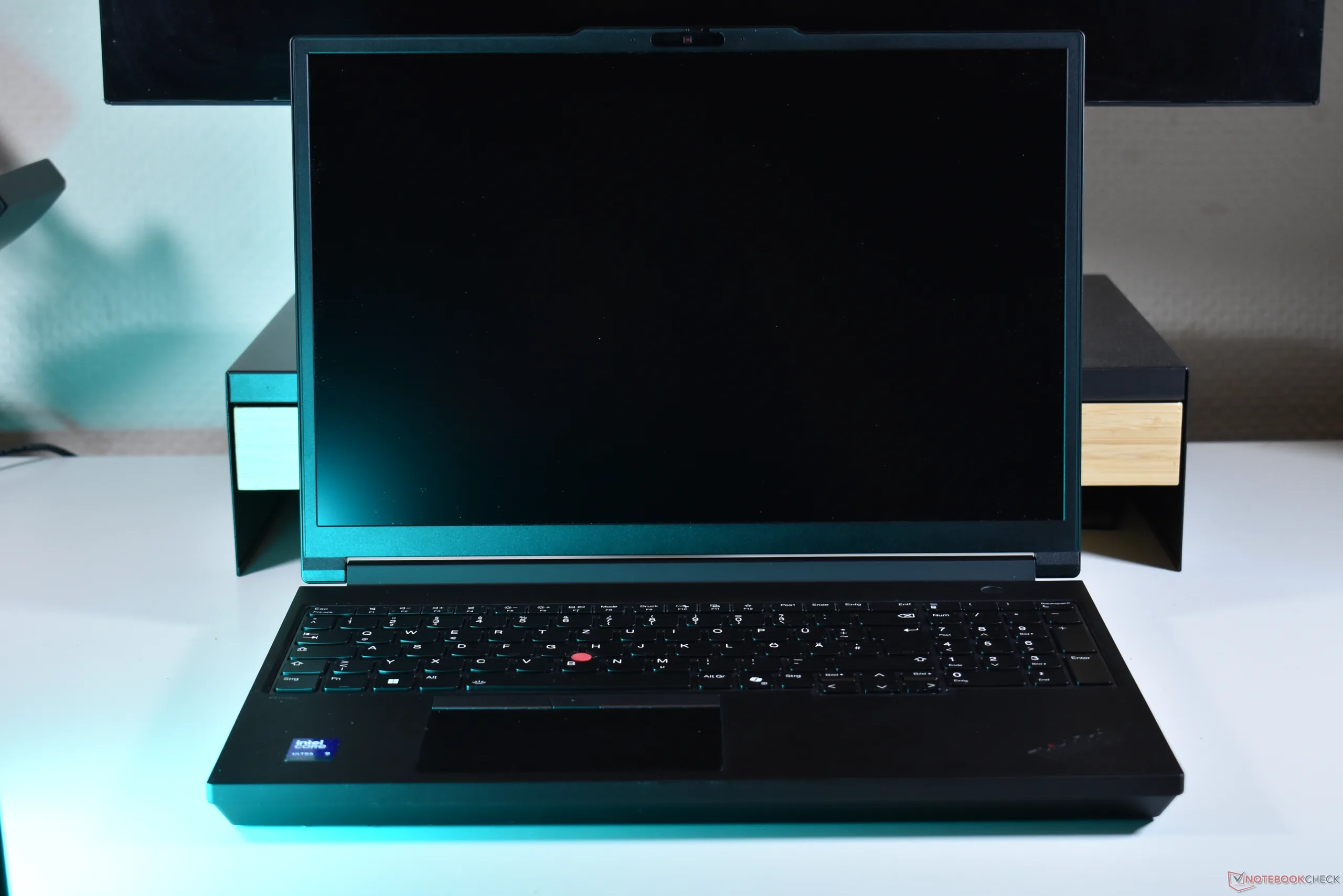
  • Significance of Lenovo ThinkPad P16 Gen 3 Construction and Its Impact

    Significance of Lenovo ThinkPad P16 Gen 3 Construction and Its Impact

    Key Takeaway

    1. The ThinkPad T60 introduced the “roll cage” magnesium frame, enhancing durability and becoming a design staple for future T series models.
    2. Evolution in design shifted from a dedicated magnesium “roll cage” to integrated magnesium structures, leading to slimmer and lighter laptops.
    3. The longstanding tradition of magnesium framing persisted in the P series until the latest P16 Gen 3, which moved to an integrated frame, marking the end of an era.

    History and Evolution of ThinkPad

    When you talk about the legendary brand of Lenovo ThinkPad, it’s impossible not to reflect on how many models have marked milestones in its long history. One such historic model is the IBM ThinkPad 600, which laid down the foundation for what would become the T series. This model was a game-changer in design, setting a standard that many others would follow. Additionally, the original Lenovo ThinkPad X1 Carbon, which is still in production today, helped solidify the premium line within the series, gaining a reputation for sleekness and performance.

    Significance of the ThinkPad T60

    The Lenovo ThinkPad T60, however, holds a special place in the timeline, as it was the first T series model launched under Lenovo after IBM handed over the torch. Interestingly, it was also the last to feature a 15-inch 4:3 aspect ratio screen, marking the end of an era before widescreen models became standard.

    One major innovative feature introduced with the T60 was the “roll cage,” a dedicated magnesium structure frame that significantly enhanced durability. This design encapsulated the motherboard and vital components between the chassis and the magnesium frame, greatly improving the laptop’s resistance to impacts and stresses.

    Design Evolution and Modern Changes

    This magnesium-based “roll cage” design became a defining element of the T series, continuing until 2016 when Lenovo shifted towards a more ultrabook-oriented lineup. The move to thinner laptops led to the discontinuation of the separate magnesium frame, instead integrating magnesium into the outer shell for lighter weight and sleeker profiles.

    Legacy with ThinkPad P Series

    Lenovo persisted in crafting heavy-duty, professional-grade ThinkPads under the P series, such as the ThinkPad P50, P15, and P16. These models retained the magnesium frame, reflecting the traditional build quality and robustness established decades ago. This consistent use of sturdy materials underlines the P series’ focus on durability and performance for demanding tasks.

    The End of an Era with the P16 Gen 3

    But recently, with the launch of the ThinkPad P16 Gen 3, this tradition was broken. The latest model features magnesium casing, yet it abandons the dedicated magnesium frame, adopting instead an integrated frame design similar to the slimmer T series models. This change aligns with the trend towards more lightweight, portable workstations but signifies the conclusion of the rare, classic magnesium frame design. As a result, the traditional construction method that once characterized the P series is no longer used.

    Conclusion

    This evolution reflects the ongoing balancing act between durability, weight, and design in the ThinkPad lineup. Although the P16 Gen 3 marks the end of the magnesium frame era, it also represents a shift towards more modern, streamlined laptops. Despite these changes, Lenovo’s commitment to quality and performance continues, adapting to the needs of today’s professionals and tech enthusiasts.


    Sources

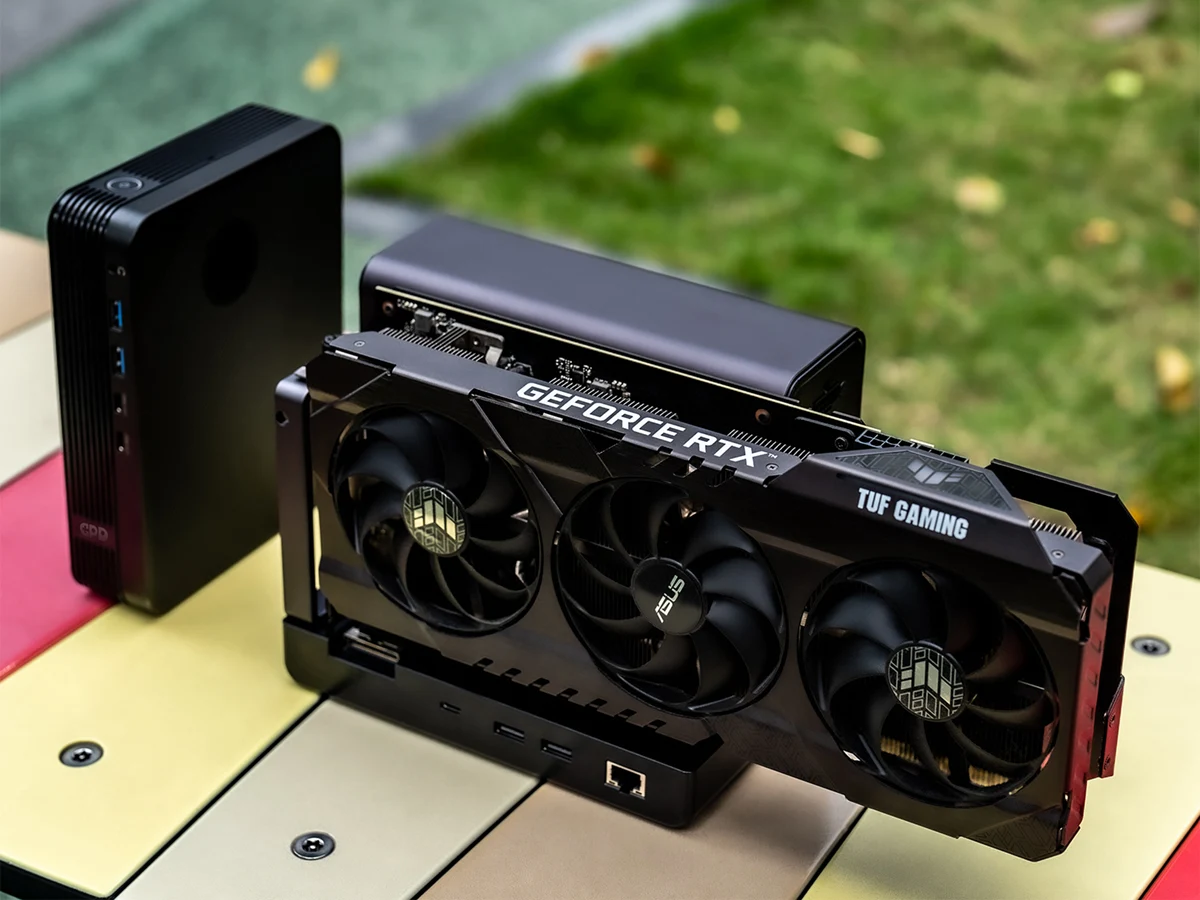
  • MCIO G2 eGPU Dock with MCIO Support Detailed Ahead of Launch

    MCIO G2 eGPU Dock with MCIO Support Detailed Ahead of Launch

    Key Takeaway

    1. The GPD G2 dock supports PCIe 5.0 x8 hardware via the GPD Box mini PC, offering higher bandwidth than most current mini PC ports, but actual speeds may be limited by USB4 v2 and Thunderbolt 5 interference.
    2. It features a PCIe Gen 5 x16 GPU slot with 126GBps bandwidth, an 80Gbps USB4 v2 port with 100W Power Delivery, and an 800W PSU suitable for high-end GPUs.
    3. Additional ports include two USB 3.2 Gen 2 Type-A, a gigabit Ethernet port, and an M.2 NVMe slot, expanding storage options.
    4. The G2 dock is set to launch soon but lacks confirmed pricing and availability details.

    Introduction to GPD G2 Dock

    GPD has released details about their new G2 dock, designed specially to work with the GPD Box mini PC which is equipped with the MCIO 8i port. This dock is an upgrade over the traditional OCuLink PCIe 4.0 x4 standard because it utilizes 8 lanes instead of just four, promising better performance and more bandwidth for users.

    Technical Compatibility and Support

    The specifications sheet of the GPD G2 dock states its support for PCIe 4.0 x8, but the company has confirmed that the GPD Box’s port supports PCIe 5.0 x8. We contacted GPD for clarifications, and a company spokesman said that the dock physically supports PCIe 5.0. Nonetheless, due to potential interference between MCIO and USB4 v2 or Thunderbolt 5, the actual speed might not hit the full PCIe 5.0 x8 bandwidth. Still, operating at PCIe 4.0 with 8 lanes, the dock should surpass most modern mini PC and handheld gaming device ports in throughput.

    Additional Features and Connectivity

    • The PCIe slot meant for a GPU is a Gen 5 x16 slot, offering a data bandwidth of roughly 126GBps, capable of supporting high-performance graphics cards like the Nvidia RTX 5090.
    • It includes a USB4 v2 port rated at 80Gbps for versatile connectivity across a range of devices.
    • This dock supports Power Delivery 3.0 with up to 100W, enabling charging of connected devices through a typical 5-feet Silkland USB4 v2 cable, priced at around $24.95.
    • The built-in power supply unit (PSU) outputs 800W, suitable for running large GPUs and demanding desktop setups.
    • Expandable storage is possible through an NVMe M.2 slot with PCIe 3.0 x2 interface, which can be used to increase the storage capacity of the connected host device.
    • Other ports include two USB 3.2 Gen 2 Type-A ports, besides a standard gigabit Ethernet port for network connections.

    Availability and Final Notes

    GPD has not announced the official price or release date for the G2 dock yet, but it is expected to be available soon. This expansion dock appears to be a powerful addition for users needing high-speed data transfer, graphics processing, and flexible connectivity options in a compact form factor.


    Sources

  • GPD Launches Mini PC with Panther Lake Chip and Fast MCIO eGPU Port

    GPD Launches Mini PC with Panther Lake Chip and Fast MCIO eGPU Port

    Key Takeaway

    1. The GPD Box is among the first mini PCs to feature a high-speed MCIO eGPU port with PCIe 5.0 x8 interface.
    2. It offers two configuration options powered by Intel Panther Lake CPUs, with only the lower-tier iGPU version supporting the MCIO port for eGPU setup.
    3. The device includes up to 64GB RAM, dual M.2 slots for up to 4TB storage, a compact 0.93-liter chassis, built-in 160W GaN PSU, dual USB4 v2 ports, WiFi 6E, and Bluetooth 5.3.

    Introduction to GPD’s New Mini PC with MCIO eGPU Port

    GPD recently announced a new mini PC named the GPD Box, which features the innovative MCIO eGPU port. This device is among a handful of systems now available that boast this high-speed interface. Its PCIe 5.0 x8 connection has been shown to outperform the more common PCIe 4.0 x4 OCuLink ports, making it a notable contender for power users requiring fast external GPU connections.

    Specifications and Processor Options

    The GPD Box will be powered by Intel’s Panther Lake processors, offering two main options. The first comes with the Intel Core Ultra X7 358H, equipped with an Intel Arc B390 iGPU. We’ve seen that this iGPU can match performance levels similar to the Nvidia RTX 4050 Laptop GPU. The second option features the Core Ultra 7 356H, which includes a 4-core Xe3 iGPU that compares to AMD’s Radeon 780M.

    Design and Connectivity Features

    Designers at GPD have emphasized that the mini PC will have a compact 0.93-liter chassis, with a built-in 160W GaN power supply to keep things efficient. The device also incorporates dual fans for cooling, along with multiple ports like two USB4 v2 ports, compatible with newer docks and peripherals. For wireless, it supports WiFi 6E and Bluetooth 5.3, ensuring fast, reliable connections.

    Memory, Storage, and Expansion

    In terms of upgradability, the GPD Box supports up to 64GB of LPDDR5x RAM. It includes two M.2 slots for SSDs, and GPD plans to let users install up to 4TB of storage, making it flexible for various storage needs.

    Pricing and Release Details

    There’s no official word yet on how much the mini PC will cost or its exact release date. However, since all specifications are now available, it’s expected to launch soon. Alongside the Box, GPD is also releasing the GPD G2 dock, which features the MCIIO port, allowing easy connection to external GPUs and other high-speed peripherals.


    Sources

  • Intel Wildcat Lake: Surprisingly Costly but Slower Than MacBook Neo

    Intel Wildcat Lake: Surprisingly Costly but Slower Than MacBook Neo

    Key Takeaway

    1. Wildcat Lake chips are priced at $340 (Core 5 320) and $426 (Core 7 360) for 1,000 units, making them relatively expensive for performance-oriented laptop processors.
    2. The chips feature dual performance cores, four low-power cores, and a Xe3 iGPU with two cores, with a power dissipation range up to 22 watts with a fan.
    3. Benchmark results show Wildcat Lake’s Core 5 320 performs significantly better than some AMD rivals but is slightly slower than certain Apple MacBook processors.

    Intel Wildcat Lake was recently announced in mid-April and is quickly making its way into affordable laptop markets. Yet, till now, no laptops using Wildcat Lake are available to purchase, and manufacturers haven’t confirmed any prices for these chips. Intel Ark has recently shed some light on the pricing details for these new processors.

    Pricing Details Revealed

    According to the info, the Intel Core 5 320 is priced at $340 for 1,000 units, and the Intel Core 7 360 goes for $426, also based on a wholesale order of a thousand chips. It should be noted discounts might very well be offered when buying in larger amounts. The prices are quite high considering that just a few years ago, Intel’s gaming-focused laptop processors were sold at comparable prices. Interestingly, Intel hasn’t announced prices for the upcoming “Panther Lake” models, which are expected to be more powerful.

    Specifications & Performance

    Both the Core 5 320 and Core 7 360 feature two high-performance cores, four efficiency cores, and a Xe3 integrated GPU with two cores. As we’ve seen from tests on a reference machine, Wildcat Lake chips can operate on a power dissipation of up to 11 watts without a fan, but with a fan, they can go up to 22 watts TDP. This flexibility indicates their potential for various form factors and thermal designs.

    Benchmarks & Real-world Results

    Results from early benchmark tests on some laptop models with the Core 5 320 suggest it scores around 2,564 points in single-thread and 8,122 points in multi-core performance on Geekbench. These scores make it nearly twice as quick as AMD’s Ryzen 5 7520U, yet it trails behind Apple’s MacBook Neo, which scores roughly 11.1% higher at a price of about $589. The newer Intel Core Ultra 5 325, on the other hand, promises a significant 36% boost in performance.


  • Framework Accuses Dell of Using Influencers to Undermine Marketing with Dell XPS Laptops

    Framework Accuses Dell of Using Influencers to Undermine Marketing with Dell XPS Laptops

    Key Takeaway

    1. Framework aims to provide highly customizable, upgradeable, and repairable laptops, gaining attention as a potential MacBook Pro alternative running Linux.
    2. Established OEMs like Dell are taking Framework seriously, possibly attempting to discourage consumer engagement with the brand due to competitive concerns.
    3. The laptop market is intensely competitive, especially with new entrants like the Apple MacBook Neo threatening market shares of companies like Lenovo, HP, and Dell.
    4. Framework’s success depends on its continued execution and refinement of its product offerings, exemplified by the positive reception of the Laptop 13 Pro.

    The Rise of Framework in the Laptop Industry

    Since its debut with the 13-inch Framework Laptop 13 back in 2021, the company has become a breath of fresh air in a usually predictable market. Uniquely, they focus on creating products that you *can* customize, upgrade, and fix – a rarity these days. Their latest model, the Framework Laptop 13 Pro, aims to match the power of a MacBook Pro but running Linux, which can really appeal to tech enthusiasts who want more control over their device.

    Industry Reactions and Competitor Moves

    Big brands are clearly paying attention as well. Framework claims that “every time we engage with an influencer on X dot com, Dell sends them an XPS.” This statement got quite a bit of attention, with over 320,000 views so far, making many users joke about trying to get an XPS by interacting with Framework. It’s like a little rivalry in the making, as Dell and other OEMs watch the growing popularity of Framework’s approach.

    Challenges in Mainstream Adoption

    To become a major player, Framework will need to keep pushing and improving. They are still building their reputation and competing with giants like Dell and HP on a much larger scale. Dell, for one, is likely trying to discourage consumers from switching over to Framework, especially if the company’s claims about influence and engagement are true. The competitive landscape in laptops is fierce, especially since the release of Apple’s MacBook Neo, which is reshaping market dynamics quite a bit.

    Market Impact and Future Outlook

    It’s becoming quite evident that the MacBook Neo might be taken significant market share from Lenovo, HP, and Dell, which are currently the top brands. For Framework, success hinges on whether they can keep executing their innovative vision and refining their products with each new release. The Framework Laptop 13 Pro appears to be a step in the right direction, but only time will tell if they can keep this momentum going and truly challenge the established giants.


    Sources

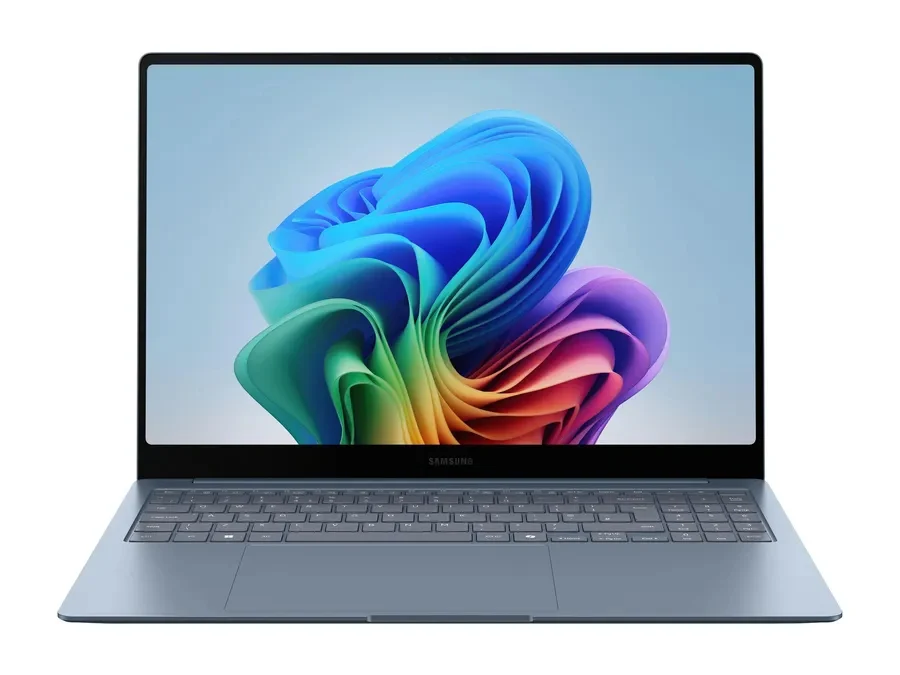
  • Samsung Galaxy Book 6 Edge with Snapdragon X2 Surfaces Ahead of Launch

    Samsung Galaxy Book 6 Edge with Snapdragon X2 Surfaces Ahead of Launch

    Key Takeaway

    1. The Galaxy Book 6 Edge features a 16-inch AMOLED display with a 2880 × 1800 resolution, 120Hz refresh rate, and matte finish, but lacks touch support.
    2. It is powered by Qualcomm’s Snapdragon X2 Elite processor with options of 16GB or 32GB RAM and 512GB or 1TB SSD storage.
    3. The laptop includes comprehensive connectivity options like Wi-Fi 7, Bluetooth 5.4, multiple USB ports, HDMI 2.1, and microSD reader, and offers up to 22 hours of battery life.
    4. Priced at €2,199 for the base model, with the higher-end model expected to cost upwards of €2,800, and available in Light Blue.

    Introduction to Samsung’s Newest Laptops

    Earlier this year during CES 2026, Samsung more than just wowed audiences with their innovative tech, they also announced a new range of Galaxy Book laptops. The latest calls for attention were the Galaxy Book 6, Galaxy Book 6 Pro, and the Galaxy Book 6 Ultra. But, sadly, they still haven’t teased a new Galaxy Book Edge. Luckily, a sneak peek of what seems to be the upcoming Galaxy Book 6 Edge has pops up online, giving us an idea about its specs and pricing.

    Display and Design Specifications

    The Galaxy Book 6 Edge is said to come with a impressive 16-inch AMOLED screen, with a 16:9 aspect ratio. The resolution will be 2880 × 1800 pixels, complemented by a smooth 120Hz refresh rate. According to Winfuture, this model was listed on Cyberport’s website, a retailer from Germany. Interesting enough, the screen is bigger than the original 15.6-inch display of the last model, but it doesn’t support touch and sports a matte finish. Brightness is noted to reach a peak of 500 nits. If you’ve been hoping for a 14-inch version like in Galaxy Book 4 Edge, it seems that model might be discontinued, as reported.

    Performance and Hardware Details

    This next-gen Galaxy Book is not adding Intel to the mix, instead, it will be powered by Qualcomm’s Snapdragon X2 Elite processor. This ARM-based chip will be teamed with either 16GB or 32GB of LPDDR5X RAM. Storage options are also generous, offering 512GB and 1TB SSD variants. The overall performance looks promising, especially for those who prefer ARM over traditional Intel chips.

    Connectivity and Other Features

    • Supports Wi-Fi 7 for faster wireless connectivity
    • Bluetooth 5.4 for improved wireless device pairing
    • Two USB 4.0 Type-C connectors for versatile connections
    • One USB-A port for legacy devices
    • Full-sized HDMI 2.1 port for external displays
    • MicroSD card slot for expanded storage options
    • Combo audio jack
    • Fingerprint scanner for added security

    The device weighs around 1.55kg, is 12.3mm thick, and includes a 61.8Wh battery that claims up to 22 hours of use. Additional features include a sleek Light Blue color finish and a price expectation of around €2,199 for the base model. The version with 32GB RAM and 1TB storage is estimated to cost over €2,800, mainly due to ongoing RAM shortages. And with all these features, the Galaxy Book 6 Edge seems prepared to make a splash once it officially launches.

    Sources