
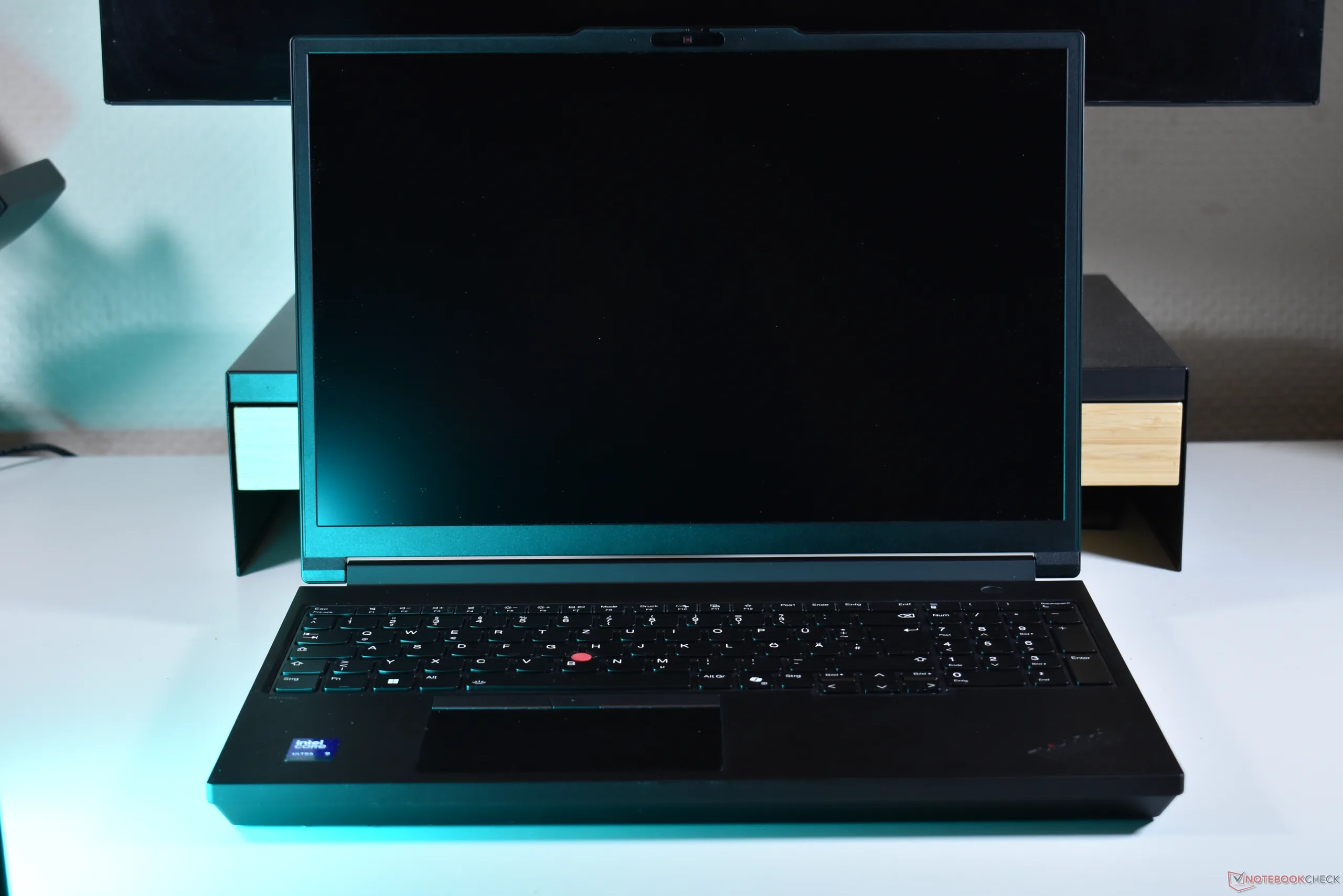
1. The ThinkPad T60 introduced the “roll cage” magnesium frame, enhancing durability and becoming a design staple for future T series models.
2. Evolution in design shifted from a dedicated magnesium “roll cage” to integrated magnesium structures, leading to slimmer and lighter laptops.
3. The longstanding tradition of magnesium framing persisted in the P series until the latest P16 Gen 3, which moved to an integrated frame, marking the end of an era.
History and Evolution of ThinkPad
When you talk about the legendary brand of Lenovo ThinkPad, it’s impossible not to reflect on how many models have marked milestones in its long history. One such historic model is the IBM ThinkPad 600, which laid down the foundation for what would become the T series. This model was a game-changer in design, setting a standard that many others would follow. Additionally, the original Lenovo ThinkPad X1 Carbon, which is still in production today, helped solidify the premium line within the series, gaining a reputation for sleekness and performance.
Significance of the ThinkPad T60
The Lenovo ThinkPad T60, however, holds a special place in the timeline, as it was the first T series model launched under Lenovo after IBM handed over the torch. Interestingly, it was also the last to feature a 15-inch 4:3 aspect ratio screen, marking the end of an era before widescreen models became standard.
One major innovative feature introduced with the T60 was the “roll cage,” a dedicated magnesium structure frame that significantly enhanced durability. This design encapsulated the motherboard and vital components between the chassis and the magnesium frame, greatly improving the laptop’s resistance to impacts and stresses.
Design Evolution and Modern Changes
This magnesium-based “roll cage” design became a defining element of the T series, continuing until 2016 when Lenovo shifted towards a more ultrabook-oriented lineup. The move to thinner laptops led to the discontinuation of the separate magnesium frame, instead integrating magnesium into the outer shell for lighter weight and sleeker profiles.
Legacy with ThinkPad P Series
Lenovo persisted in crafting heavy-duty, professional-grade ThinkPads under the P series, such as the ThinkPad P50, P15, and P16. These models retained the magnesium frame, reflecting the traditional build quality and robustness established decades ago. This consistent use of sturdy materials underlines the P series’ focus on durability and performance for demanding tasks.
The End of an Era with the P16 Gen 3
But recently, with the launch of the ThinkPad P16 Gen 3, this tradition was broken. The latest model features magnesium casing, yet it abandons the dedicated magnesium frame, adopting instead an integrated frame design similar to the slimmer T series models. This change aligns with the trend towards more lightweight, portable workstations but signifies the conclusion of the rare, classic magnesium frame design. As a result, the traditional construction method that once characterized the P series is no longer used.
Conclusion
This evolution reflects the ongoing balancing act between durability, weight, and design in the ThinkPad lineup. Although the P16 Gen 3 marks the end of the magnesium frame era, it also represents a shift towards more modern, streamlined laptops. Despite these changes, Lenovo’s commitment to quality and performance continues, adapting to the needs of today’s professionals and tech enthusiasts.