Category: Computers

  • Asus Launches 14-Inch 2-in-1 Laptop with OLED Display and 75Wh Battery

    Asus Launches 14-Inch 2-in-1 Laptop with OLED Display and 75Wh Battery

    Key Takeaway

    1. Asus has opened pre-orders for the ProArt PZ14 2-in-1 across multiple European countries, with pricing consistent despite some variation.
    2. The device features a Snapdragon X2 Elite chipset, 32GB RAM, 1TB SSD, and a 14-inch 2.8K OLED display with high brightness.
    3. Benchmarks suggest the ProArt PZ14 outperforms its predecessor by approximately 70% in CPU tasks and excels in gaming.
    4. The ProArt PZ14 includes a 75 Wh battery, weighs 790g, and measures 319 x 206 x 90 mm, with availability expanding to the UK and Netherlands, but without confirmed North American release dates.

    Asus ProArt PZ14 Launched and Available for Pre-Order

    This month, Asus just launched their latest professional-grade device, the ProArt PZ14, in China. At the same time, it seemed like they were getting ready to release the device in parts of Europe, though they didn’t specify exactly when it would go on sale or the confirmed launch dates. What’s interesting is how suddenly they have opened pre-orders in several countries without prior notice, which got many potential buyers pretty excited.

    Pricing and Availability in Europe

    • Denmark: [Price details]
    • Finland: [Price details]
    • France: [Price details]
    • Italy: [Price details]
    • Spain: [Price details]
    • Sweden: [Price details]
    • Switzerland: [Price details]

    Despite the different prices listed, all these regions share the same version of the device, which comes with 32 GB of LPDDR5X RAM, 1TB PCIe 4.0 storage, and Qualcomm’s Snapdragon X2 Elite X2E-88-100 chipset. Benchmark tests indicate that this chipset likely makes the ProArt PZ14 perform about 70% better in CPU heavy tasks compared to the previous PZ13 model. Plus, expect gaming performance to be substantially higher.

    Display and Battery Specifications

    This 2-in-1 has a stunning 14-inch OLED display with a 2.880 x 1.800 resolution, a 2.8K screen that outputs at 500 nits SDR and peaks at 1,100 nits for HDR content. The device weights roughly 790 grams and measures 319 x 206 x 90 mm, which is quite portable given its specs. The battery is rated at 75 Wh, providing ample power for extended use. However, the precise release date for North America and some other countries remains unclear for now.

    Additional Info and Pending Launch Details

    • Pre-orders are now open in the Netherlands and the UK, although official sale dates are not announced yet.
    • It’s uncertain when the device will become available across North America or other regions outside Europe.
  • Intel Partners with Qualcomm and MediaTek for Googlebook Laptop Power

    Intel Partners with Qualcomm and MediaTek for Googlebook Laptop Power

    Key Takeaway

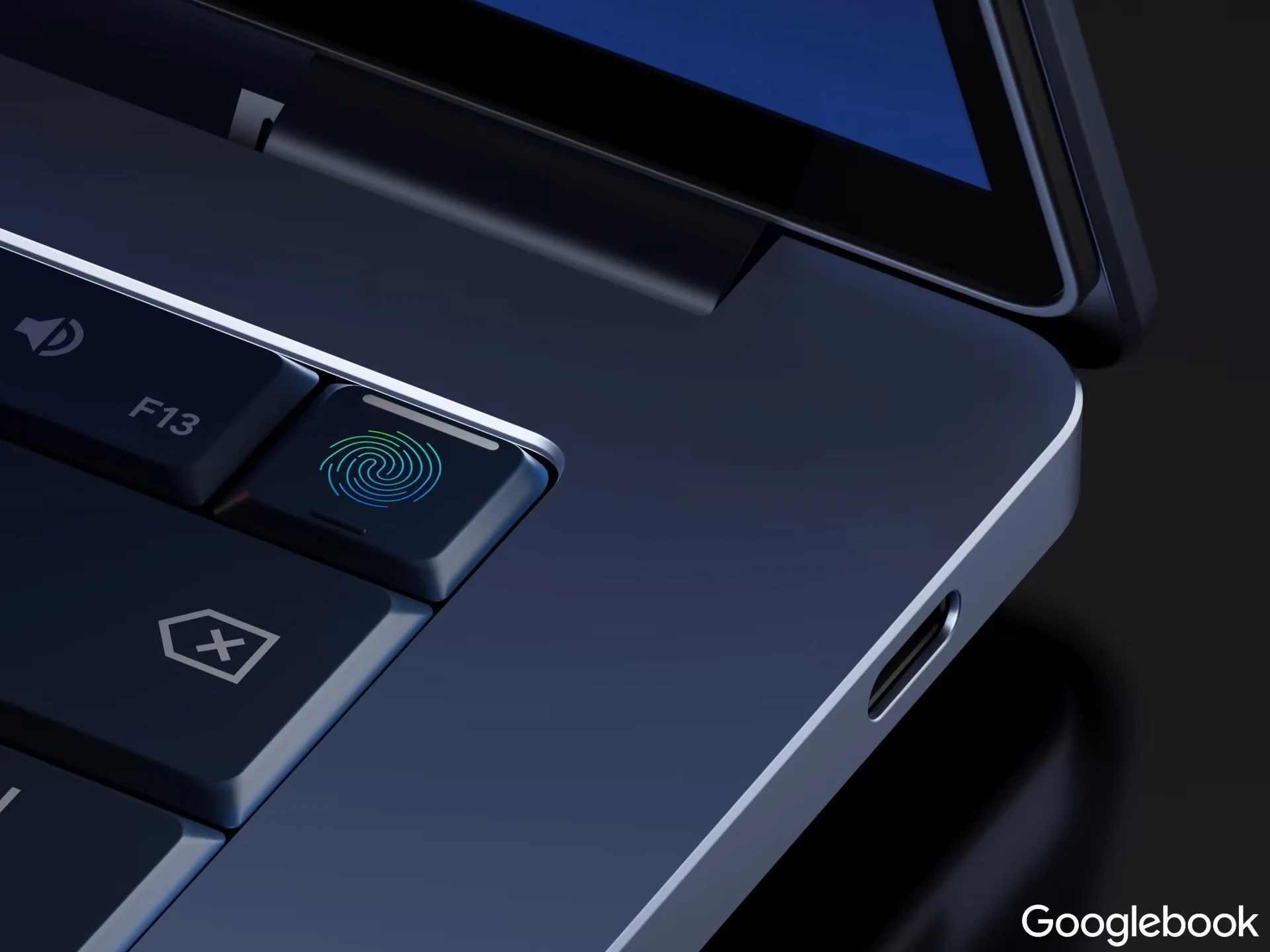
    1. Google is launching the Googlebook line, a potential direct competitor to the MacBook Neo, with a variety of hardware options from OEM partners like HP, Dell, Acer, Asus, and Lenovo.
    2. The new laptops are expected to run on Aluminum OS (ALOS), anticipated to launch in Fall 2026, and may be based on ARM architecture, possibly utilizing Intel processors designed for ARM.
    3. Google is collaborating with Qualcomm, MediaTek, and Intel on this project, with Intel possibly bringing ARM-based processors to the lineup, marking one of the first commercial deployments of Intel’s ARM-compatible SoC.

    Google’s New Portable Laptops: The Googlebook Lineup

    Recently, Google has announced its plan to possibly launching a new series of laptops called the Googlebook line, which is seen as a competitor to the MacBook Neo. The company has shared at an event that they are collaborating with several OEM partners—like HP, Dell, Acer, Asus, and Lenovo—which gives us insight on the variety of designs and hardware options that might come out.

    Limited Hardware Details But Potential Collaborations

    When it comes to the internal components, Google didn’t reveal much about the processors. But in a chat with Chrome Unboxed, John Maletis, Google’s VP, confirmed that they are working with Qualcomm, MediaTek, and Intel. This diverse collaboration indicates a potential for a range of hardware configurations.

    Partnerships and Operating System Hints

    Intel even went ahead to make a formal post on X, stating that they work together with Google specifically on the Googlebook project. The exact operating system isn’t officially confirmed yet, but most expectation is that it will be Aluminum OS (ALOS), planned for launch around Fall 2026, aligning with the expected release of the laptops.

    Leak Insights and ARM Compatibility

    Some leaks by Mystic Leaks suggest that the OS is designed for ARM-based devices, which clarifies Qualcomm and MediaTek’s roles. However, Intel’s involvement in this project suggests the possibility of Intel ARM processors, perhaps the upcoming reference SoC codenamed Deer Creek Falls, based on the 18A node process. This would mark an interesting step as it’s possibly one of the first commercial uses of this new ARM technology.

    Future Expectations and Market Competition

    This move by Google could greatly influence the competition with Apple’s M-series MacBooks, especially if they bring affordable or versatile options. The expected launch around Fall 2026 makes it an exciting upcoming rival to the likes of the 13-inch M5 MacBook Air, currently priced at around $999. So, keep an eye on how Google’s new line could reshape the portable laptop market.

    Sources
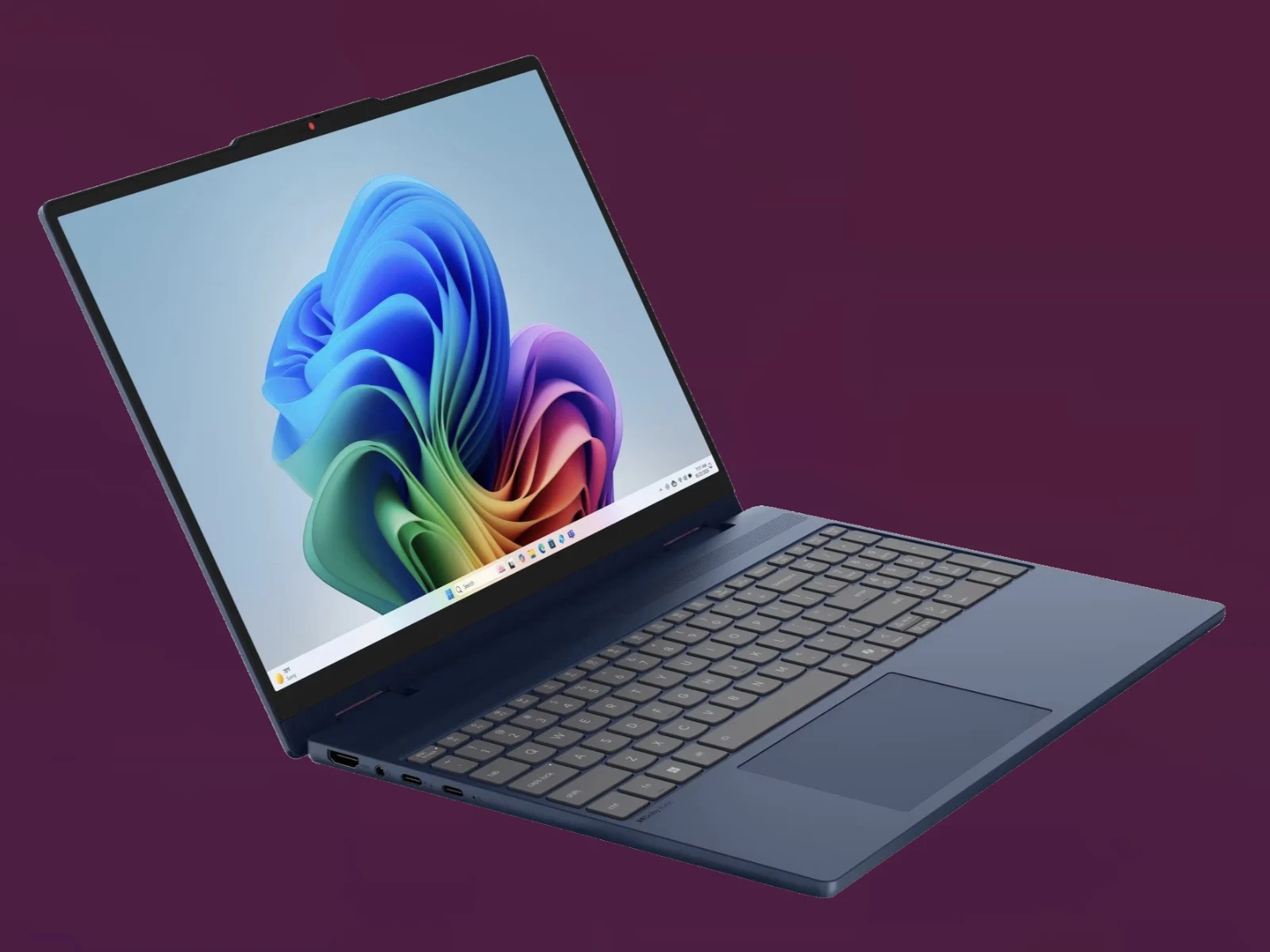
  • Lenovo 15-inch Convertible Laptop with 165Hz OLED Display and 84Wh Battery

    Lenovo 15-inch Convertible Laptop with 165Hz OLED Display and 84Wh Battery

    Key Takeaway

    1. The Lenovo IdeaPad 5i 2-in-1 15IPH11 offers flexible configuration options with up to 32 GB of DDR5 RAM and dual M.2 SSD slots, allowing for user upgrades.
    2. It features a choice between a 1200p, 60 Hz IPS display and a 1600p, 165 Hz OLED display, with the latter offering higher color accuracy.
    3. The laptop is powered by Intel’s Core Ultra 5 325 or potentially a Core Ultra 5 322 in some regions, with performance close to the higher-end Core Ultra 7 355.
    4. Battery options include 60 Wh or 84 Wh, catering to different portability and usage needs.
    5. Pricing varies from approximately €1,219 to €1,599, with higher-end configurations including premium features like OLED displays and Wi-Fi 7.

    New Larger Model from Lenovo

    About six weeks ago, Lenovo launched the IdeaPad 5i 2-in-1 14IPH11 across Europe. Now, they refreshed the lineup with a bigger version, the IdeaPad 5i 2-in-1 15IPH11, to take place the older Arrow Lake-based IdeaPad 5i 2-in-1, which was reviewed back in late 2025. The new model is now available in Europe, and already in markets like Australia and North America since late March, giving users more options to choose from.

    Processor Options and Performance

    The 15-inch version kicks off with the Core Ultra 5 325 processor in Europe, but there’s talk that Lenovo might release a lower-cost Core Ultra 5 322 variant in the future, especially in North America. Our tests indicate that the Core Ultra 5 325 performs very similarly to the Core Ultra 7 355, both featuring comparable integrated graphics with 4 Xe3 cores. While the processor choice is vital, the performance is quite competitive for its price range, making it a versatile machine for light productivity and multimedia tasks.

    Configurable RAM and Storage

    The ideaPad 15IPHI11 can be customized with either 16 GB or 32 GB of DDR5-5600 RAM, working in dual-channel configuration. This RAM isn’t just powerful but also upgradeable by the user, which makes future-proofing easier. Storage-wise, it includes an M.2 2242 slot, and surprisingly, there’s an additional M.2 2242 slot available, way better than many other 15-inch laptops that usually have limited expansion options. The SSD itself is also user-replaceable, giving more flexibility for upgrades.

    Display and Battery Choices

    Regarding the display, consumers can choose between a 1200p, 60Hz, 400-nit IPS panel or a more vibrant 1600p, 165Hz, 500-nit OLED screen. The OLED option, in particular, offers high color accuracy with 100% DCI-P3 coverage versus only 45% NTSC for the lower resolution display. Batteries come in two sizes, 60Wh or 84Wh, catering to different usage needs and ensuring longer battery life for portable work or entertainment. The variety allows users to balance performance, display quality, and battery life based on their budget and requirements.

    Pricing and Market Availability

    As for price points, the starting price in the UK is around £1,190, but with higher-end configurations like a Core Ultra 7 355, 32 GB RAM, 1 TB SSD, OLED display, and Wi-Fi 7, costs can reach up to £1,860. In Europe, prices begin at €1,219 and can go up to €1,599 before adding extra hardware. For those interested in more detailed specifications and options, it’s worth checking Lenovo’s official website or local Lenovo stores, especially in countries like France, Germany, Ireland, and the UK, where the device is currently marketed.


  • Lenovo Launches New 16-Inch Laptop with LPCAMM2 RAM and Intel Panther Lake in North America

    Lenovo Launches New 16-Inch Laptop with LPCAMM2 RAM and Intel Panther Lake in North America

    Key Takeaway

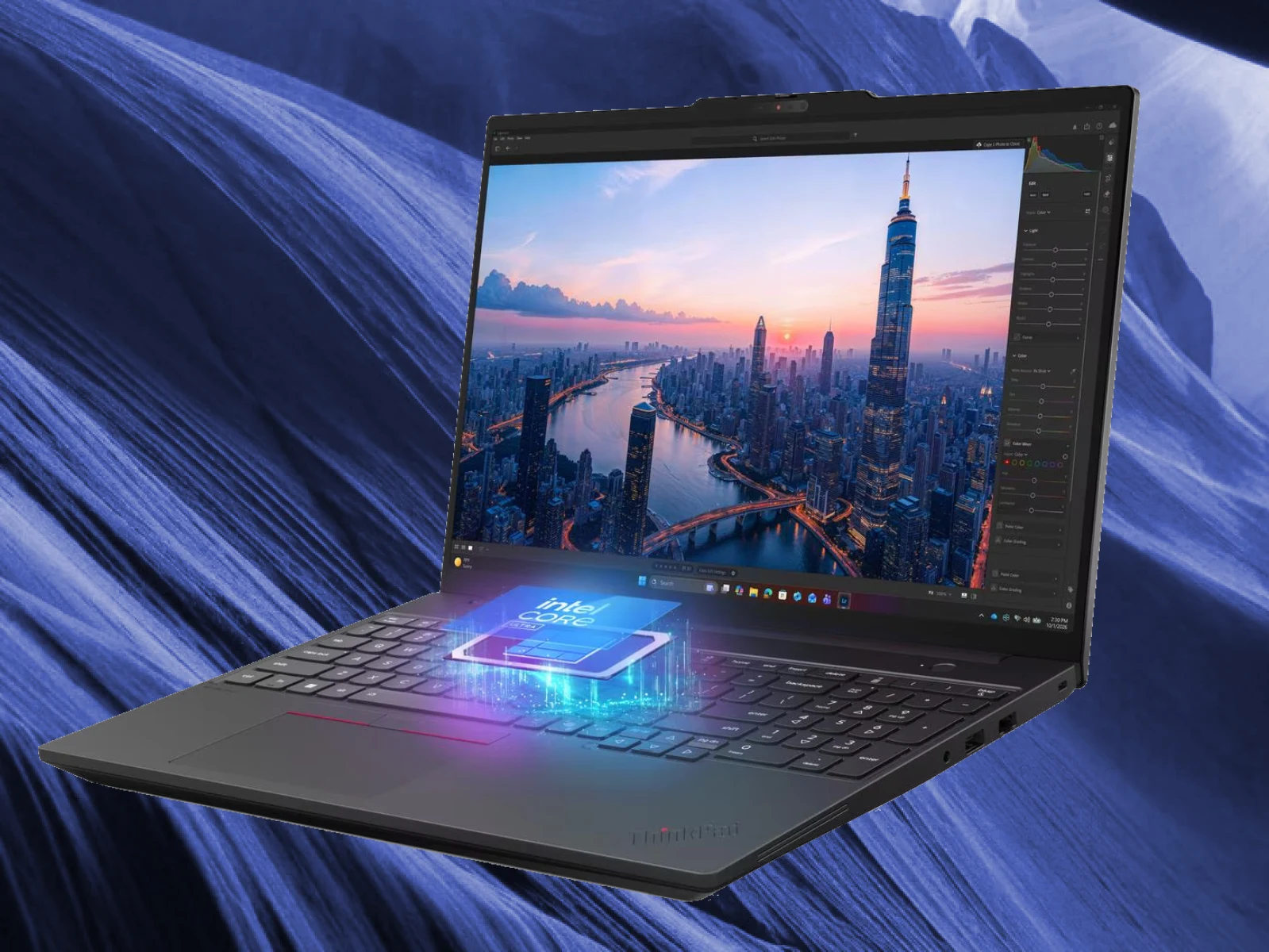
    1. The ThinkPad T16 Gen 5 is launched globally with AMD and Intel options in Europe, but only Intel models are available in North America and Australia.
    2. North American models feature Intel’s Panther Lake processors, with options for up to 64 GB of RAM and a 2.8K OLED display.
    3. The device offers optional 5G connectivity, multiple battery sizes, and starts at $1,628 USD in the US.

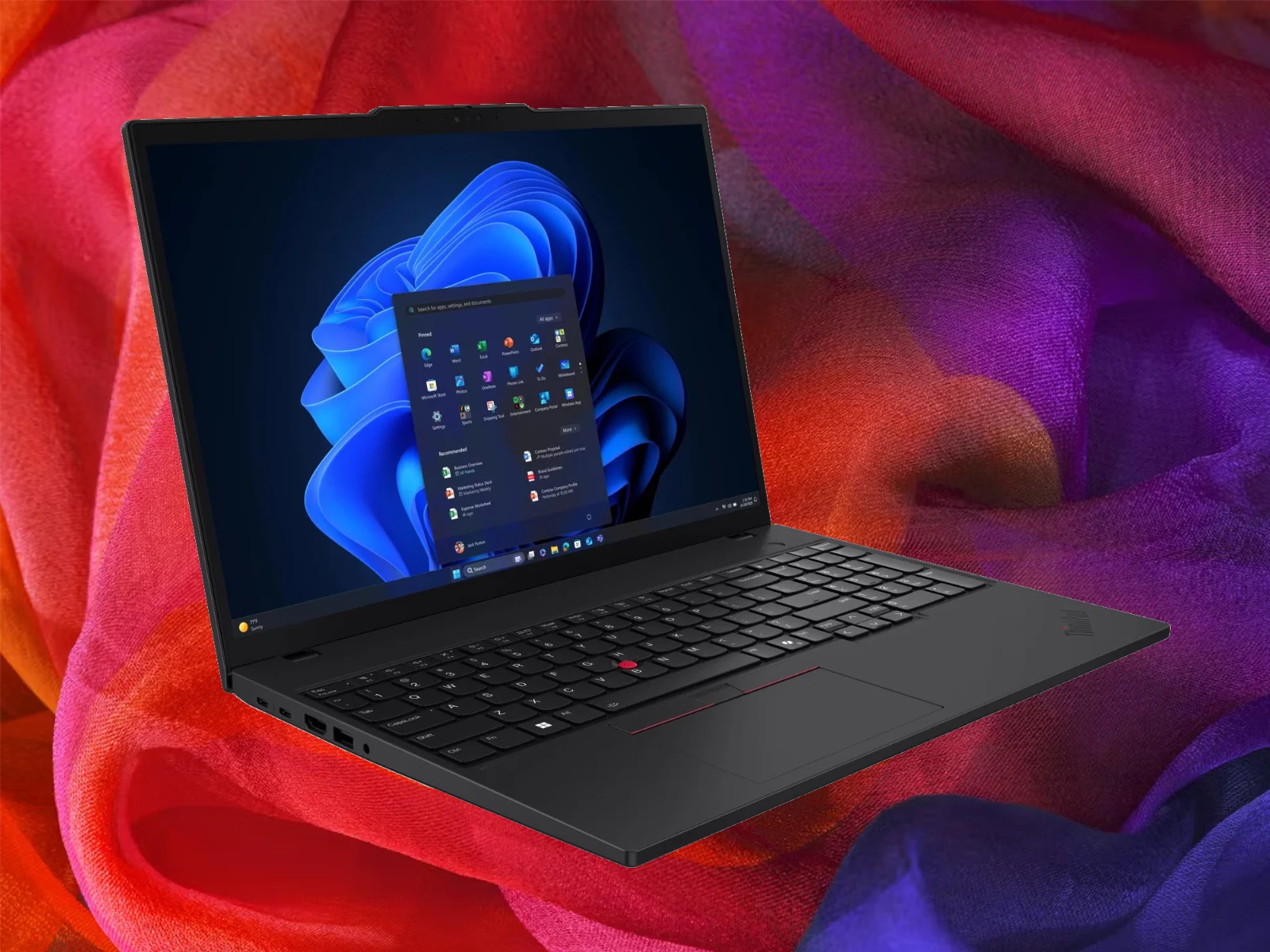
    Just last week, Lenovo launched the ThinkPad T16 Gen 4 around the world, mainly with Intel Lunar Lake CPUs, as an alternative to the models with Arrow Lake chips, which are currently priced at around $1,199. But now, they are back at it with the ThinkPad T16 series, releasing the new T16 Gen 5 in North America and Australia. The release notices came quite close to each other, signaling that Lenovo moving quickly on this newer model.

    Global Announcement and Regional Restrictions

    In early March, the company announced the ThinkPad T16 Gen 5 during MWC 2026, but wasn’t quick to make it available everywhere. It wasn’t until late April that Europe got the chance to buy one. Interestingly, the rollout process differed across regions, as Lenovo initially pushed AMD and Intel versions simultaneously on a global scale, but North America doesn’t follow this same pattern at all.

    North America Gets Focused on Intel

    In North America, the release was limited to four Intel Panther Lake chips only. The lineup includes from the Core Ultra 5 325 to the Core Ultra 7 365 vPro, with options for 16 GB, 32 GB, or 64 GB of LPDDR5 RAM that runs at 8,533 MT/s. This means customers have a variety of configurations, but no AMD options are available in this region currently.

    Display, Battery, and Pricing

    As for screens, the laptop can be equipped with up to a 2.8K OLED model that offers anti-glare coating and peaks at 600 nits brightness when HDR is on. The display supports a variable refresh rate between 30 to 120 Hz, making it quite adaptable for different uses. Battery options include 60 Wh and 75 Wh capacities, giving users flexibility based on their power needs. Price-wise, it starts at $1,628 in the US, CAD 2,344 in Canada, and AUD 2,520 in Australia.


  • FCC Grants Update Waiver for TP-Link, DJI, and Other Foreign Devices

    FCC Grants Update Waiver for TP-Link, DJI, and Other Foreign Devices

    Key Takeaway

    1. The FCC has extended the deadline for firmware and software updates for certain foreign-made routers and drones in the U.S. until January 1, 2029, citing public safety reasons.
    2. The extension applies mainly to devices from companies like TP-Link, Huawei, and DJI, amidst ongoing concerns over national security risks associated with foreign-made technology.
    3. The U.S. government has added foreign-made consumer routers and drones to a “Covered List” due to perceived security threats, limiting the import of newer DJI drones and similar devices.
    4. Companies like TP-Link are actively contesting these restrictions, emphasizing investments in U.S. manufacturing, while DJI is challenging the rules in court and advocating for its products’ importance.

    Recent Updates on Device Support Extentions

    If you are a user or fan of TP-Link’s Archer series, Asus’s latest Wi-Fi gear, Huawei’s 5G CPE units, or drones made by DJI, especially those made abroad or in China, then good news just came your way. The FCC has decided to relax its previously strict ban and now extend the support deadlines for millions of existing devices. And this includes some of the current Wi-Fi 7 routers in the USA.

    Extended Software Support Timeline

    Instead of ending support in early 2027, the FCC’s Office of Engineering and Technology (OET) announced last Friday that all those “foreign-made” devices, including routers and drones, will continue to get vital updates until January 1, 2029. This means they will still get security patches to fix vulnerabilities, bug fixes, and updates to keep the network running smoothly. The decision was influenced by the Consumer Technology Association, which manages CES, asking the FCC to extend support period citing public safety concerns.

    Rationale Behind the Decision

    The official statement from the OET said that “special circumstances warrant a deviation from the general rules” and that extending this support helps serve the public interest better. They also pointed out that keeping the support period limited but extended allows them to review and possibly change these rules in future. The waiver was even allowed to include some bigger changes, as long as they protect consumers and safety.

    Why These Restrictions Exist

    The main reason for the restrictions is national security. Both the White House and the FCC have added foreign-made consumer routers and drones to the “Covered List” because these devices are believed to represent risks to U.S. networks and infrastructure. Since then, newer DJI drones and drones from similar companies have been banned from import into the US. Under certain conditions, some companies can get short-term permissions called conditional approvals, usually for special reasons, from security agencies like the Department of Defense or Homeland Security.

    How Major Brands Are Affected

    At the moment, only a handful of devices from companies such as Netgear and Amazon have been approved to operate. However, giant firms like TP-Link and DJI haven’t yet met the high standards needed for approval. TP-Link is actively trying to stay in the U.S. market, claiming to have invested hundreds of millions of dollars in manufacturing and R&D of its routers here, aligning with FCC’s policies.

    Legal Challenges and Industry Response

    Meanwhile, DJI is fighting the rules in court. The company encourages loyal customers across America to file comments supporting its products and emphasizing their importance, from daily use to emergency services. This ongoing legal battle and regulatory environment highlight the tension between security concerns and the interests of tech companies and consumers alike.

    Sources
  • MSI Prestige 16 2026 Updates You Didn’t Know About

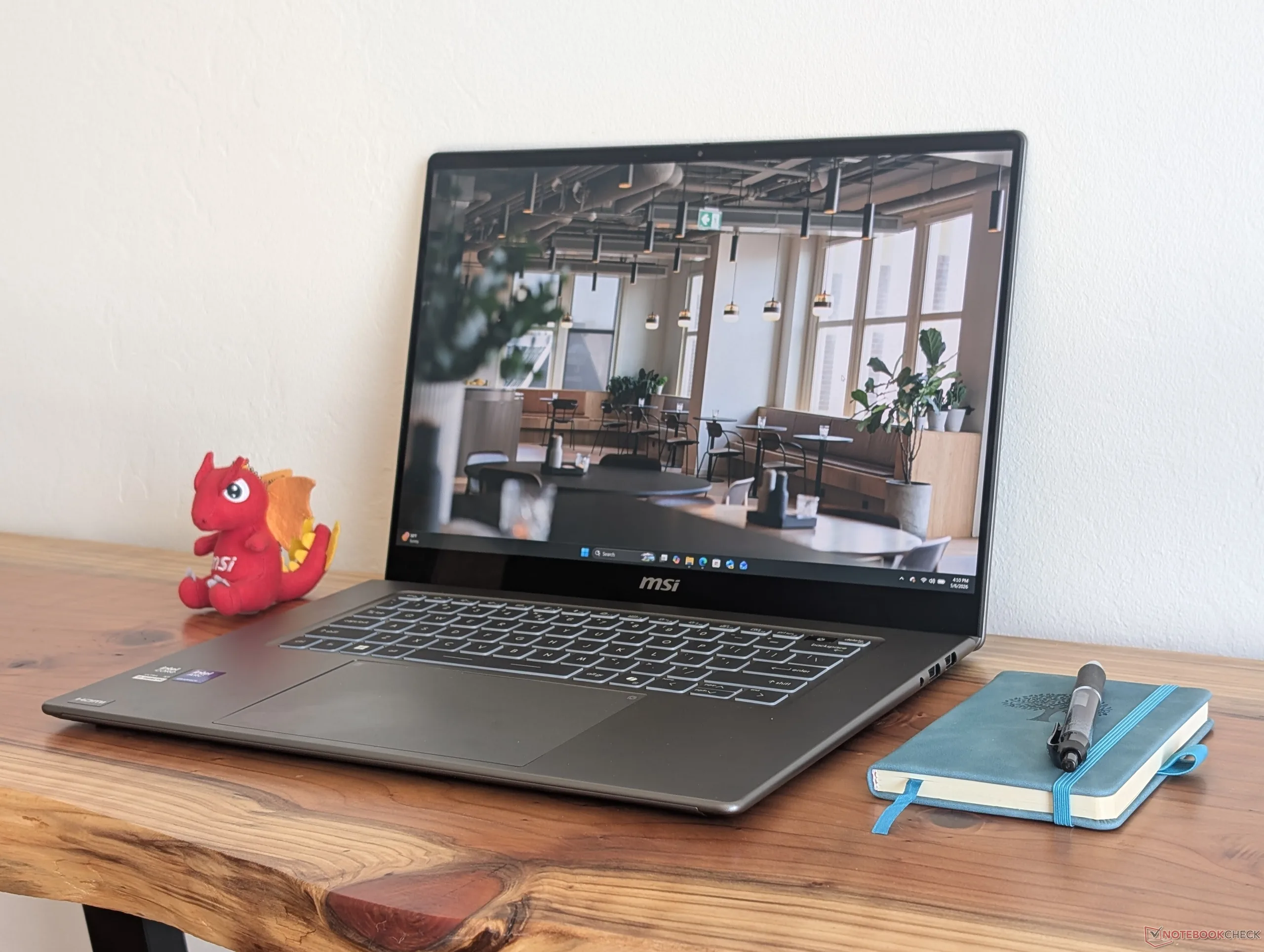
    MSI Prestige 16 2026 Updates You Didn’t Know About

    Key Takeaway

    1. The Prestige 16 (2025) has been redesigned with a sleeker, thinner chassis and improved performance due to the Panther Lake CPU.
    2. The newer model upgrades to an OLED display, enhancing image quality and resolution, despite a potential reduction in battery life.
    3. Key features like a wider range of ports, support for more storage drives, an integrated numpad, and larger battery are present in the older model, which may be preferable for certain users.

    Recent Prestige 16 Model: What’s New and What’s Gone

    The newest Prestige 16 has switch some things up from the 2025 version, making it look and feel quite different. Many users will find the new design and features quite appealing, but unfortunately, several old features have been sacrificed during the upgrade. To give a clear picture, here’s a quick comparison showing the main differences, with some highlighted for emphasis.

    Older Model: A Closer Look

    Last year’s Prestige 16 was known for its wide range of ports, allowing users to connect multiple devices easily. It also supported a larger variety of storage drives, giving more flexibility for upgrades and expansion. Plus, it had an integrated numpad, which many users find handy, and its bigger battery meant longer usage times without needing a recharge. These features made the older model quite a favorite among many.

    New Design: Sleek and Performance Drive

    On the flip side, the newest version sports a design that is thinner and more elegant. The chassis has been revamped to look much more modern and sleek, which is a big plus for those who are keen on aesthetics. Under the hood, the new Panther Lake CPU delivers on performance, especially when it comes to power efficiency, which is a big step up from older CPUs. Moving from an IPS display to OLED tech, while risking some battery life reduction, greatly enhances the user experience with brighter colors and sharper images. This makes the visuals far more appealing, especially for media consumption.

    Performance Data and Final Thoughts

    More detailed benchmarks and comparison graphs can be found in discussions about the Prestige 16 AI+ C3MTG, showcasing how these models perform side by side. Overall, the new model offers a promising balance of style and power, although some might miss the older ports, storage support, and extra features. Nonetheless, it’s safe to say the upgrades are generally for the better for most users.

    Sources
    • Lenovo Launches 16-Inch ThinkPad with Intel Lunar Lake & 32GB RAM

      Lenovo Launches 16-Inch ThinkPad with Intel Lunar Lake & 32GB RAM

      Key Takeaway

      1. Lenovo has launched the ThinkPad T16 Gen 5 in Australia and Europe, but it remains unavailable in North America, where the company continues to offer the Gen 4 models.
      2. The ThinkPad T16 Gen 4 offers various configurations with Intel’s Lunar Lake processors, but starts with an lower-performing Core Ultra 5 228V, despite having better GPU capabilities.
      3. The Gen 4 model can be configured with up to 32 GB RAM, multiple storage options, and four different 1200p IPS displays with 60 Hz refresh rates.
      4. Pricing for the base version in the US is $1,739 with a Core Ultra 5 228V and 32 GB RAM, with regional pricing varying across countries.
      5. The new ThinkPad T16 models are not yet available for order in Canada.

      Less than a month ago, Lenovo has launched the ThinkPad T16 Gen 5 in Australia and Europe. alas, these new models based on AMD Gorgon Point and Intel Panther Lake haven’t shown up in North America. meanwhile, Lenovo’s gone back to its Gen 4 line-up, releasing 16-inch models powered by the Intel Lunar Lake series that was announced earlier this year in February.

      Details on the New Lunar Lake Variants

      For understandings, these Lunar Lake variants are part of the new 16-inch options that exist alongside the previous Arrow Lake models, which are currently priced at around $1,199 on Amazon. the latest ThinkPad T16 Gen 4 begins with a Core Ultra 5 228V, featuring 8 cores. this processor performs a bit less than the earlier Core Ultra 5 225U in our CPU tests, but it shines in GPU tasks due to its Arc 130V integrated GPU.

      Possible Configurations and Specs

      • Processors: Core Ultra 5 236V, Core Ultra 5 238V, Core Ultra 7 258V, or Core Ultra 7 268V
      • Memory: Can be configured with LPDDR5X-8533 RAM
      • Storage Options: 256 GB, 512 GB, or 1 TB SSDs
      • Battery Choices: 52.5 Wh or 86 Wh
      • Display: 16-inch IPS panels at 1200p resolution with 60 Hz refresh rate, available in four different options

      Pricing and Availability

      The updated ThinkPad T16 Gen 4 carries a price tag of around $1,739 in the US and about £1,409 in the UK. It comes equipped with a Core Ultra 5 228V processor and 32 GB of RAM. In Australia, this same configuration starts at roughly AUD 2,259, whereas in Eurozone countries, it ranges from €1,578 to €1,781. oddly, current shortages mean it isn’t available for order in Canada. you might want to check recent reviews for impressions on Lenovo’s AMD-based version of the same model.

      Lenovo’s Global Market Presence

      Although mainly available in select regions so far, Lenovo’s expanding its reach with these new models, aiming to cater to a variety of users. The company’s focus seems to be on balancing performance and portability, appealing to professionals and students alike.


    • DJI Urges Americans to Challenge FCC Drone Ban Before May 11

      DJI Urges Americans to Challenge FCC Drone Ban Before May 11

      Key Takeaway

      1. DJI urges U.S. customers to publicly oppose the upcoming FCC drone ban by submitting comments before the decision is made.
      2. The ban could classify DJI as a security threat, preventing the company from selling new drones in the U.S. and affecting various professional and hobbyist users.
      3. Supporters argue that DJI drones are vital for industries like photography, law enforcement, and agriculture, and that the ban may hinder innovation and safety operations.
      4. DJI and public advocates propose that security concerns can be addressed through cooperation rather than outright bans.

      DJI Urgently Calls for Public Support Before FCC Decision

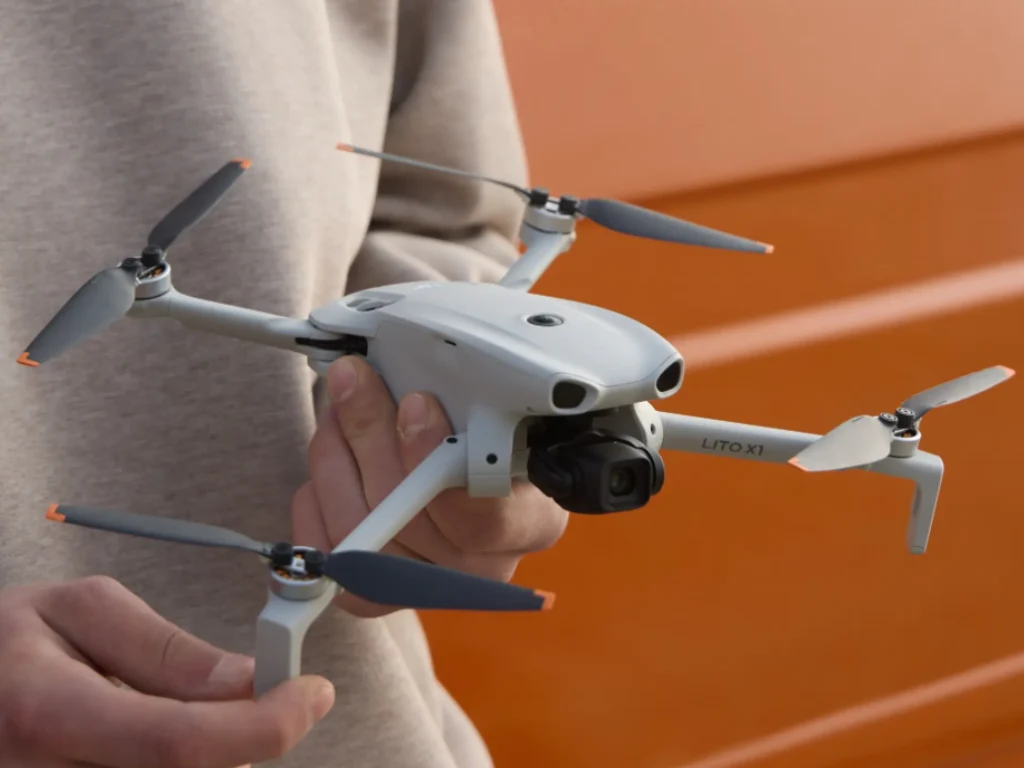
      With just days remaining before the FCC’s decision on the drone rid, DJI is making a big call to its customer base in America, asking them to voice their opinions. They want people to tell the FCC to think again about the recent ban on new drone models in the country.

      The FCC’s Reviewing Process

      The FCC is kind of giving DJI some room by welcoming petitions and public comments on whether they should change their December 2025 ban rule. If not, DJI might get added to the “Covered List,” which means they can’t sell or get approval for new drones in the US due to fears of possible spying activities by the Chinese government.

      DJI’s Response and Concerns

      Despite being a private company, DJI insists they aren’t controlled by China and argues that these restrictions are unfair, lack solid evidence, and stop everyday and professional users from getting affordable, trusted drone technology. They took to Facebook on May 6 to tell their users what’s really at stake and urged them to speak up.

      Calling for Action from American Drone Users

      DJI’s message on Facebook was clear, saying:

      • “American operators are being left behind. Now is the time to speak up. The FCC is now seeking public input on whether to grant that appeal.”

      They also reached out through other channels, encouraging various U.S. drone users—from safety agencies, small companies, to hobbyists—to share how DJI drones help their work, community, and daily lives.

      Public Support Growing for DJI

      It’s noteworthy that lots of people and organizations are now sharing their support or concerns in the FCC’s public comment system, emphasizing DJI drones’ crucial roles in lots of professional activities.

      Industry Experts Weigh In

      Ralph Bendjebar, a retired airline pilot with a FAA Part 107 license, added his voice, saying:

      “DJI drones are far and away the most advanced for aerial photography and videography. Banning future products will seriously set back the commercial drone industry. If the concern is security, there are better ways to handle it, like working cooperatively with the company, which has shown willingness to address security concerns.”

      He also highlighted how DJI drones are crucial for fields like law enforcement, firefighting, surveying, inspecting infrastructure, and agriculture, which require quick and reliable tools. He said, “The ban not only stops aerial photography but endangers professionals and communities that rely on these drones.”

      How to Voice Your Opinion

      If you want to oppose the drone ban and support DJI, you can easily submit your comments to the FCC directly on their website. Just visit the page, look for Proceeding Number: 26-22, and pick “In the Matter of SZ DJI Technology Co., Ltd.” Then, share your thoughts on why you are against the ban, write your message, and send your opinion.

    • StarFighter Drone with 120Hz 4K Display, 64GB RAM & Open Source Firmware

      StarFighter Drone with 120Hz 4K Display, 64GB RAM & Open Source Firmware

      Key Takeaway

      1. The StarFighter is now available for rapid delivery within 1-2 days, after previous delays since its launch in 2022.
      2. It features customizable options including various keyboard layouts and open-source Coreboot firmware for system control.
      3. The laptop offers high-end specs and display quality, but remains expensive, with prices ranging from nearly $1,900 to over $3,500.

      Star Labs StarFighter Launch and Availability

      The Star Labs StarFighter was initially introduced in 2022 but saw very limited deliveries right after its launch. The company’s schedule was set to start mass production in October 2025, but customers faced long waiting times from placing orders to receiving their laptops. Thankfully, this wait is now over as the situation has changed.

      Quick Delivery and Customization Options

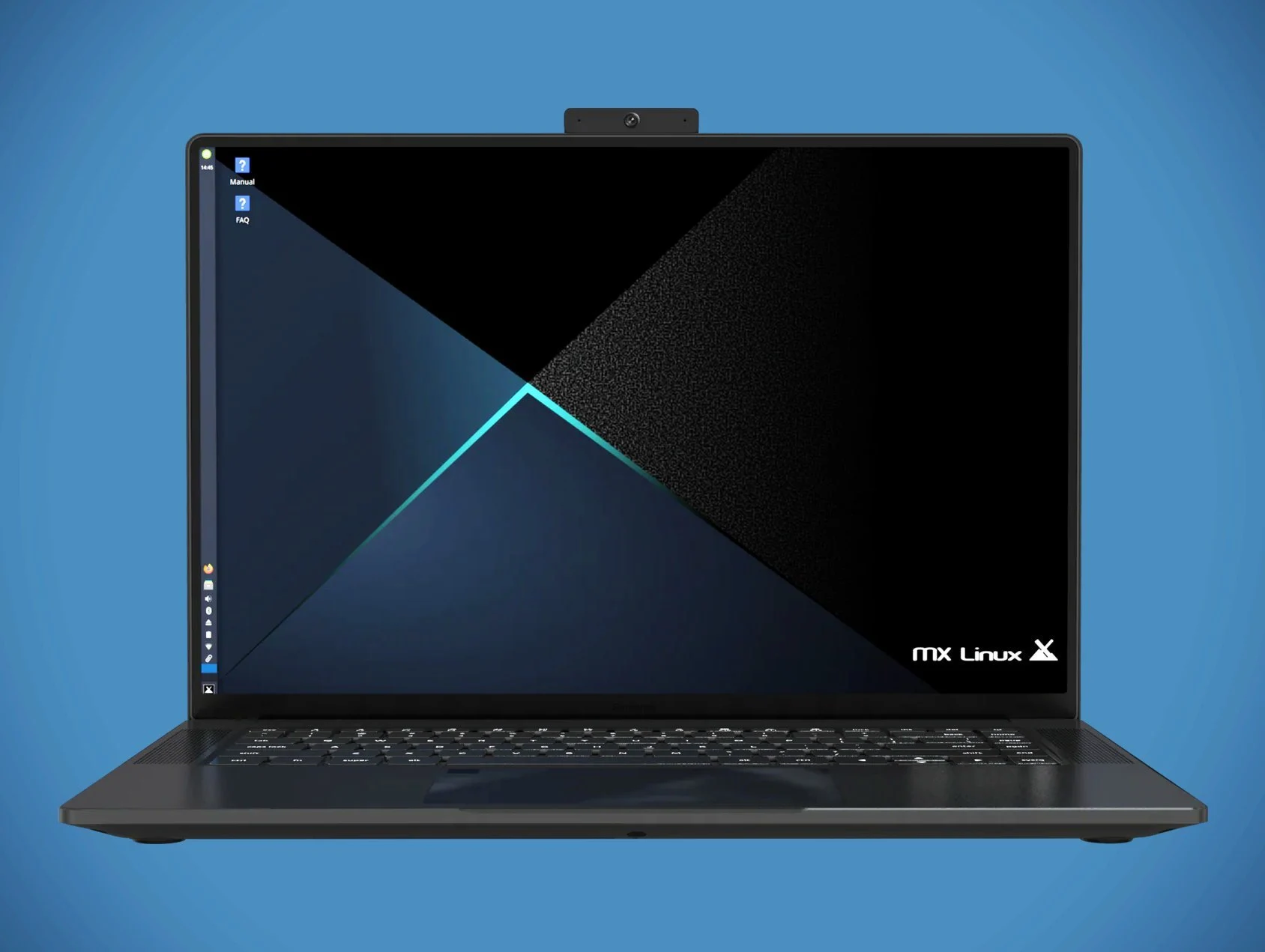
      Now, anyone placing an order through Star Labs’ online store can expect their device to be shipped within just one or two working days. The StarFighter offers a range of keyboard layouts to cater to different preferences. A notable feature is the inclusion of Coreboot, an open-source firmware, which lets users customize system behaviors like fan control and battery charging limits. Despite the updates since the initial announcement, the StarFighter remains at a premium price point.

      Pricing and Variants

      • Basic Configuration: Intel Core Ultra 5 125H, 32 GB RAM, 1 TB SSD, 16-inch IPS display, 2,560 x 1,600 pixels, 165 Hz – $1,878
      • Enhanced Model: Intel Core Ultra 9 285H, 64 GB RAM, 120 Hz 4K display – $2,843
      • AMD Version: Ryzen 7 8845HS, same specifications as above – $3,573

      Whatever version you go for, brightness always hits a solid 625 nits, ensuring good visibility even in bright environments.

      Features and Battery Life

      The StarFighter includes space for two M.2 SSDs, with a 1 TB SSD costing around $184. It features a backlit keyboard, a haptic trackpad, and a privacy-friendly removable 1080p webcam. The 80 Wh battery promises up to 18 hours of usage, making it suitable for on-the-go productivity and entertainment.


      Sources

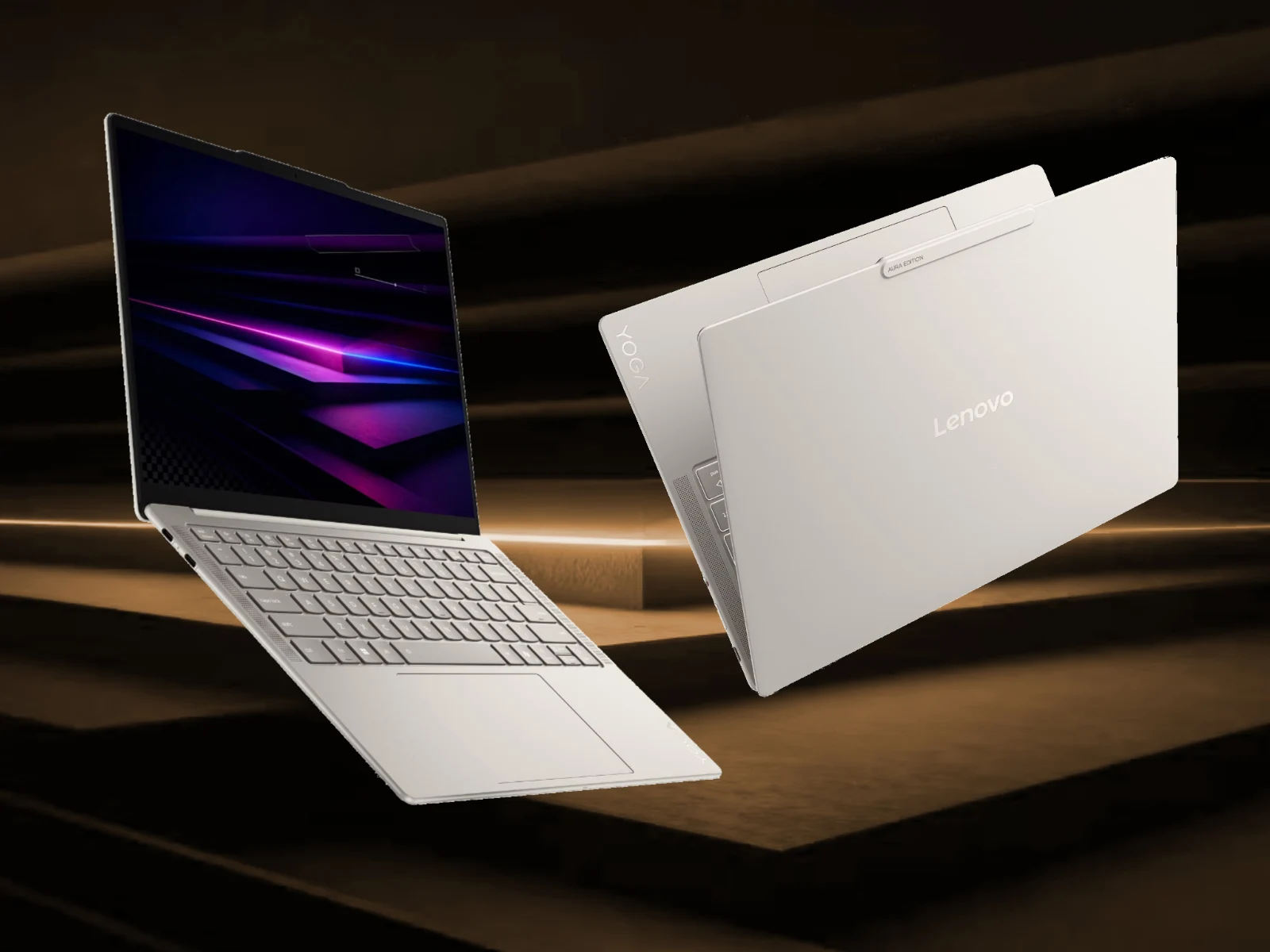
    • Lenovo New 14-Inch Laptop with Intel Lunar Lake Processor and 70Wh Battery

      Lenovo New 14-Inch Laptop with Intel Lunar Lake Processor and 70Wh Battery

      Key Takeaway

      1. Lenovo has expanded the Yoga Slim 7i Aura Edition lineup with new Gen 11 models, including options with Intel Lunar Lake processors, mainly available in Europe.
      2. The new models are limited to 16 GB RAM initially, with 32 GB variants expected, and feature configurations with either 512 GB or 1 TB storage.
      3. The 14ILL11 model offers a 1200p OLED display at 60 Hz, is more affordable in Europe, and provides better GPU performance compared to similar models.

      Lenovo Expands Yoga Slim 7i Aura Edition Range

      Lenovo’s new release of the Yoga Slim 7i Aura Edition models comes with more Gen 11 configurations, adding to the lineup launched earlier this year. The company’s shift from Gen 10 models in March, highlighted during MWC 2026, was mainly marked by the introduction of Intel’s Panther Lake processors which were touted as a major enhancement. Since then, consumers have been eager to see what new features these models bring onto the table, and Lenovo has not disappointed.

      New Intel Options and Regional Availability

      Interestingly, Lenovo has decided to include some of the newer Intel Lunar Lake options in the Aura editions, even though these were also present in the Gen 10 models (which retail for about $1,199 in the US). Currently, these newer models are available only in Europe, but Lenovo’s PSREF website hints that the Yoga Slim 7i Aura Edition (14ILL11) might become accessible in other markets soon. This move adds some complexity to the lineup, possibly giving consumers more choices, but also making the decision process less straightforward for buyers.

      Specifications and Configurations

      The 14ILL11 version is currently restricted to 16GB RAM with options like Core Ultra 5 226V or Core Ultra 7 256V processors. Although there are reports indicating that 32GB RAM variants might be introduced later, for now, this is the limit. Storage options include either 512GB or 1TB, paired with a 1200p OLED display that boasts 400 nits brightness and a 60Hz refresh rate. On the other hand, the 14IPH11 model offers higher-resolution options such as 2.8K OLED screens with 120Hz refresh rates.

      Battery Life and Price

      Despite the added power, Lenovo maintains the same substantial 70Wh battery across models. The overall design dimensions are around 312 x 221 x 13.9 mm, and it weighs about 20 grams more than the Panther Lake versions. Price-wise, the 14ILL11 is quite more affordable, costing only £828 in the UK and between €962 to €1,149 in the Eurozone. This cheaper option boasts better GPU performance compared to the 14IPH11, which makes it a compelling choice especially for those needing graphical power and want to save money, even if CPU performance remains competitive in both devices.