Category: Computers

  • Anker 26,250mAh Power Bank: 300W Fast Charging for Travel

    Anker 26,250mAh Power Bank: 300W Fast Charging for Travel

    Key Takeaways

    1. High Capacity and Output: The Anker Prime power bank has a capacity of 26,250 mAh and can output up to 300W, allowing simultaneous charging of two laptops and a smartphone.

    2. Rapid Recharging: It features dual 250W input for rapid recharging, reaching 40% in 10 minutes and 80% in 35 minutes, suitable for users on the go.

    3. Airline Approval: The power bank is airline-approved at 99.75Wh, making it compliant with regulations for air travel.

    4. Smart Features: It includes a smart display for charging information and an app for monitoring performance and updating software remotely.

    5. Compact Design: The device is compact and lightweight, measuring 159.9 x 38 x 62.7 mm, and will be available for purchase starting September 25.


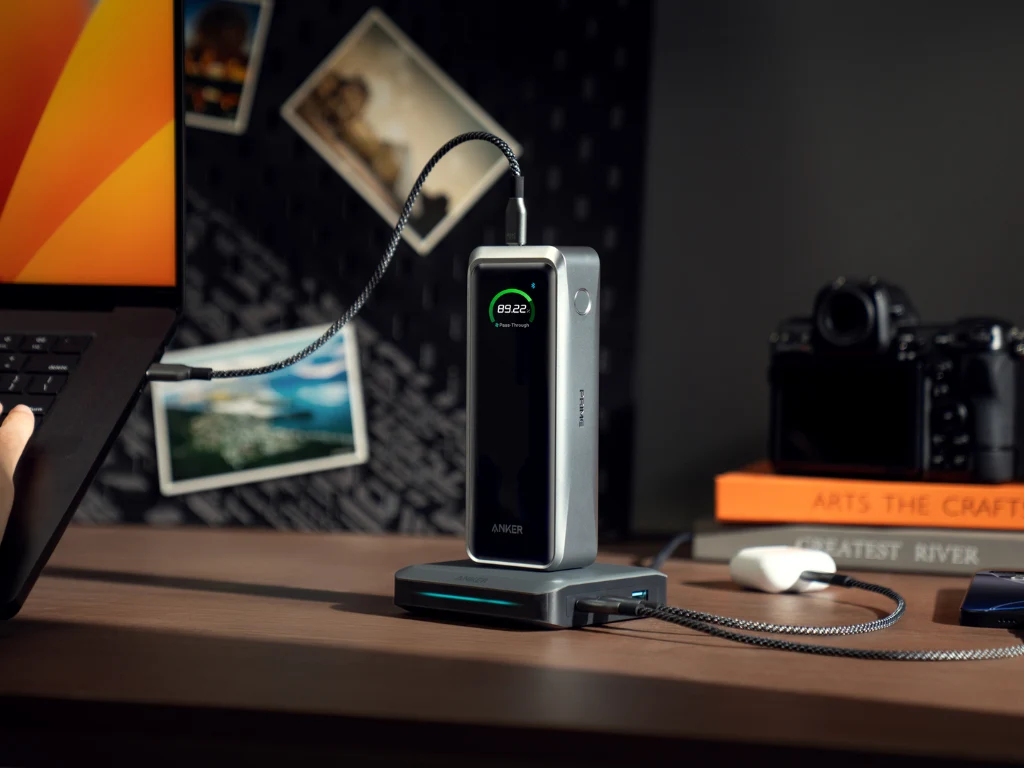
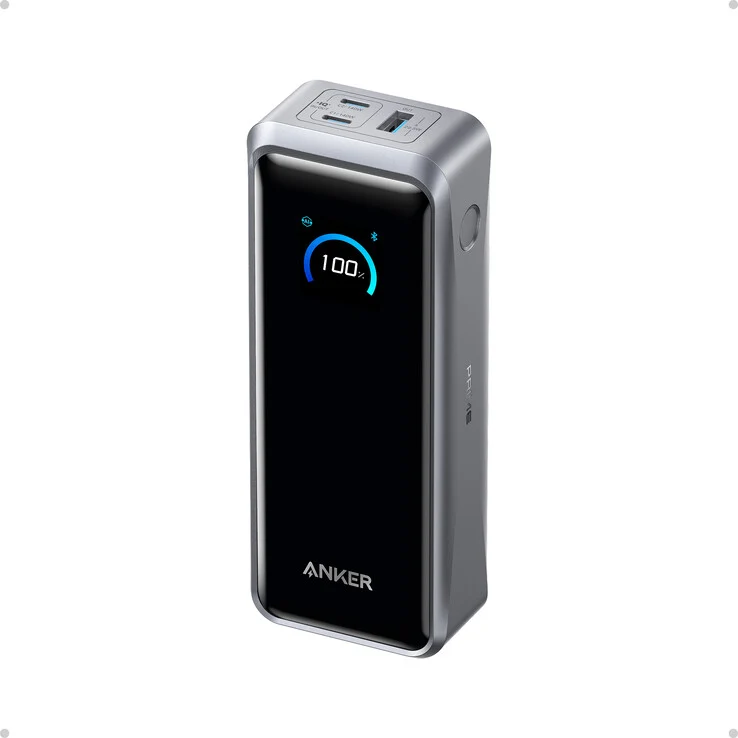
    Anker, a company famous for its popular power banks (like the Powercore 737, curr. $94.99 on Amazon), has just introduced its most potent portable battery to date. The new Prime power bank (26K, 300W) comes with an impressive 26,250 mAh capacity, allowing for the simultaneous charging of two laptops and a smartphone at full speed. It features two USB-C ports, each providing up to 140W output, and an extra USB-A port that offers 22.5W. Altogether, the total power output can reach an impressive 300W.

    Rapid Recharging Capability

    First seen in June 2025, this power bank boasts rapid recharging features. With a dual 250W input, it can recharge to 40 percent in just ten minutes or reach 80 percent in 35 minutes. This quick charging speed is well-suited for users who require backup power while traveling or during busy workdays. When using a single-port, the charging can deliver up to 140W, which is excellent for high-demand devices like gaming laptops.

    Airline Approval and Smart Features

    Even though it has a large capacity, the battery is airline-approved at 99.75Wh, just below the 100Wh regulation. Additionally, it has a built-in smart display that shows charging information and device status. Users can also connect via an app to adjust power output, keep an eye on performance, and conduct software updates remotely through OTA upgrades.

    Compact Design and Availability

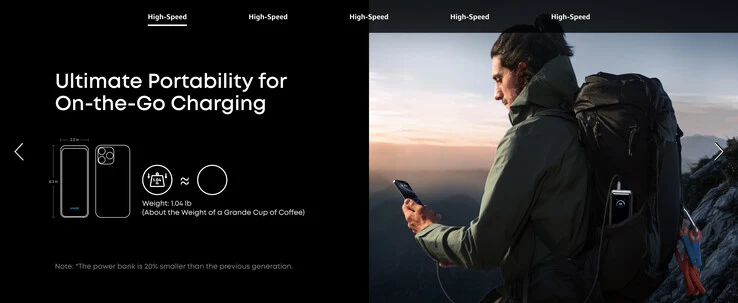
    The power bank measures 159.9 x 38 x 62.7 mm, making it both compact and lightweight compared to other similar models. It is set to be available for purchase on September 25 through Anker’s website, Amazon, and various retail partners. Pricing details will be disclosed closer to the launch date.
     

  • Nvidia GPU Shipments Rise 27% in Q2 2025 Ahead of Tariffs

    Nvidia GPU Shipments Rise 27% in Q2 2025 Ahead of Tariffs

    Key Takeaways

    1. Surge in Shipments: Graphics card shipments rose by 27% and desktop CPUs by 21.6% in Q2 2025, defying typical seasonal declines.

    2. Attach Rate: The attach rate of 1.54 GPUs per CPU indicates many systems are being built or upgraded simultaneously.

    3. Pricing and Supply Issues: Price changes and supply limitations drove increased shipments, with midrange prices stabilizing after initial decreases.

    4. Market Share Changes: Nvidia’s AIB market share increased to 94%, while AMD’s dropped to 6%, with Intel’s share remaining minimal.

    5. Future Projections: The AIB market is expected to decline by 5.4% annually from 2024 to 2028, with a temporary spike in Q2 attributed to tariff concerns.


    Desktop graphics shipments during Q2 2025 diverged from the usual seasonal trends. AIB volumes reached 11.6 million units, with desktop CPUs sitting at 21.7 million units. This quarter exceeded the normal slow period seen in Q2. According to Jon Peddie Research, the attach rate stood at 1.54 GPUs for each CPU, suggesting that many systems are being built and upgraded at the same time.

    Surge in Shipments

    Shipments of graphics cards surged by 27 percent compared to the previous quarter, while desktop CPUs saw an increase of 21.6 percent. However, CPU volumes were still 4.4 percent lower compared to the previous year. Generally, Q2 experiences a decline, but this period outperformed the 10-year average gain of 5.7 percent.

    Pricing and Supply Issues

    The increase in shipments can be attributed to pricing changes and supply limitations. Prices for midrange and entry-level AIBs decreased, while high-end models saw price hikes. Retailers experienced quick sellouts, which is not commonly seen in Q2. JPR noted that consumers sped up their purchases due to concerns about possible tariffs. These shortages have been observed extending into early Q3 2025, with midrange prices just now beginning to stabilize. Such patterns indicate a shift in demand and distribution.

    Nvidia has increased its AIB market share to around 94 percent, a rise of 2.1 points. In contrast, AMD’s share has fallen to roughly 6 percent, and Intel remains close to zero. In the midrange area, AMD introduced the Radeon RX 9070 XT and RX 9070 using RDNA 4 technology, while Nvidia brought out the GeForce RTX 5070. On the high-end side, Nvidia released the RTX 5080 and also announced the RTX 500 workstation card. There are rumors of two new Intel boards, including one with dual-GPU support, but these remain unverified.

    Future Market Projections

    Jon Peddie Research predicts that the AIB market will decline by about 5.4 percent annually from 2024 to 2028. The total number of installed units is expected to reach 163 million by 2028, with desktops making up nearly 87 percent of that number. The spike in Q2 appears to be a temporary reaction to tariffs rather than an indication of a long-term trend.

    Source:
    Link


  • MeLE Cyber X1 Mini PC: Fanless Intel Twin Lake in Pocket Size

    MeLE Cyber X1 Mini PC: Fanless Intel Twin Lake in Pocket Size

    Key Takeaways

    1. MeLE has launched the Cyber X1, a fanless mini PC with a compact design, similar to the Quieter 4C.
    2. The Cyber X1 features an Intel N150 processor, 16 GB of LPDDR5 RAM, and 512 GB of storage.
    3. The mini PC allows for storage upgrades, but the RAM is soldered and cannot be upgraded.
    4. It includes various ports for connectivity and supports Bluetooth 5.1 and WiFi 5, with a unique heatsink design for efficient thermal management.
    5. The Cyber X1 is priced at €299.99 in the EU (approximately $349), with no information on international pricing or availability.


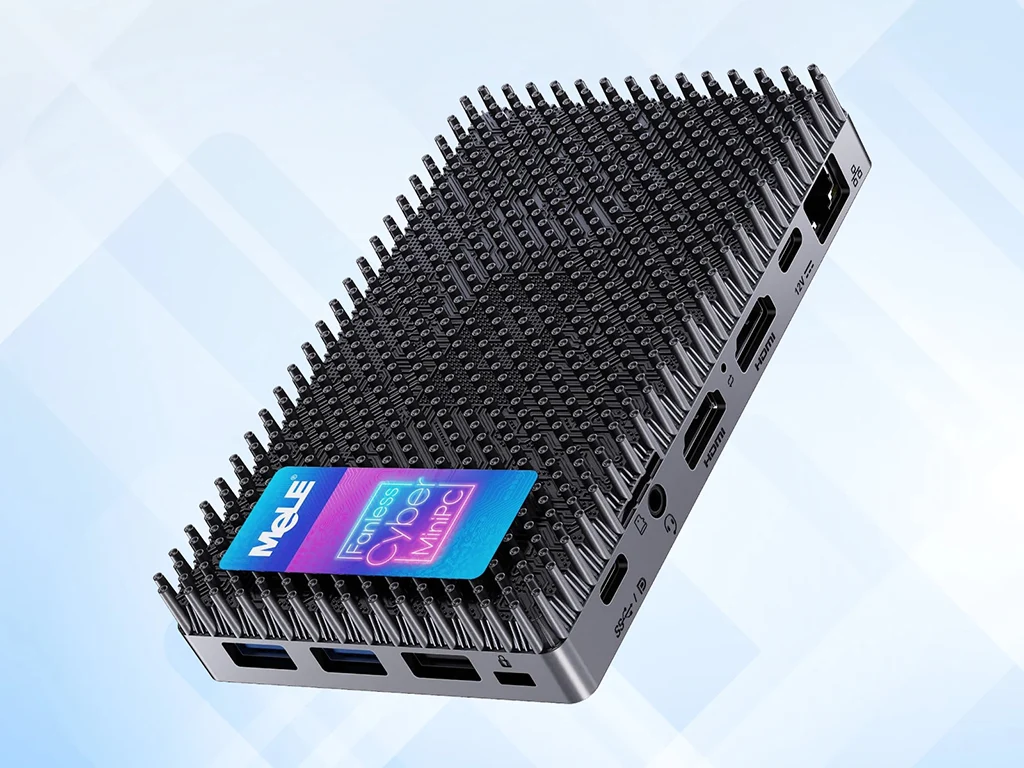
    MeLE has launched a new fanless mini PC named the Cyber X1. The design seems to be quite similar to the Quieter 4C that the company unveiled at the start of 2025. It features a compact chassis, making it easily portable, yet it handles everyday tasks without any hassle.

    Specifications and Performance

    This mini PC is equipped with an Intel N150 processor, which belongs to the Twin Lake series. The N150 offers slightly better performance compared to the N100. Additionally, MeLE has included 16 GB of LPDDR5 RAM that operates at 4,800 MHz. According to the initial listing on Amazon, the device also boasts 512 GB of storage.

    Upgrade Options and Connectivity

    While the storage can be upgraded, the RAM in the Cyber X1 is soldered onto the board. Despite its small size, the mini PC is fitted with a variety of ports to suit different needs. In terms of wireless features, it supports Bluetooth 5.1 and WiFi 5. MeLE has emphasized the “high thermal conductivity” plastic top, which features a porcupine-inspired heatsink design that enables the Intel N150 to operate at 10 W. For reference, the Twin Lake CPU in the Quieter 4C runs at 8 W and also has a fanless setup.

    Pricing and Availability

    Currently, MeLE has not disclosed the international pricing for the Cyber X1, but it is listed at €299.99 in the EU, which is approximately $349. Furthermore, the company has not indicated when the mini PC will be available on a global scale.

    Source:
    Link


  • Amkor Moves $2B Chip Plant to Peoria for U.S. Semiconductor Security

    Amkor Moves $2B Chip Plant to Peoria for U.S. Semiconductor Security

    Key Takeaways

    1. Amkor is establishing a new advanced packaging and testing facility on a 104-acre site in Peoria, Arizona, with construction starting soon and production expected by early 2028.
    2. The investment for the facility is projected to be $2 billion, creating approximately 2,000 jobs and enhancing the U.S. semiconductor supply chain.
    3. The new site aims to alleviate semiconductor supply chain issues by focusing on high-performance packaging and reducing reliance on Taiwan and South Korea.
    4. The project is backed by $407 million from the CHIPS Act, but a national shortage of semiconductor talent may pose challenges for staffing.
    5. Despite the new facility, immediate solutions for AI server shortages will not be realized until after it becomes operational in 2028, with ongoing reliance on Asian facilities for packaging capacity in the interim.


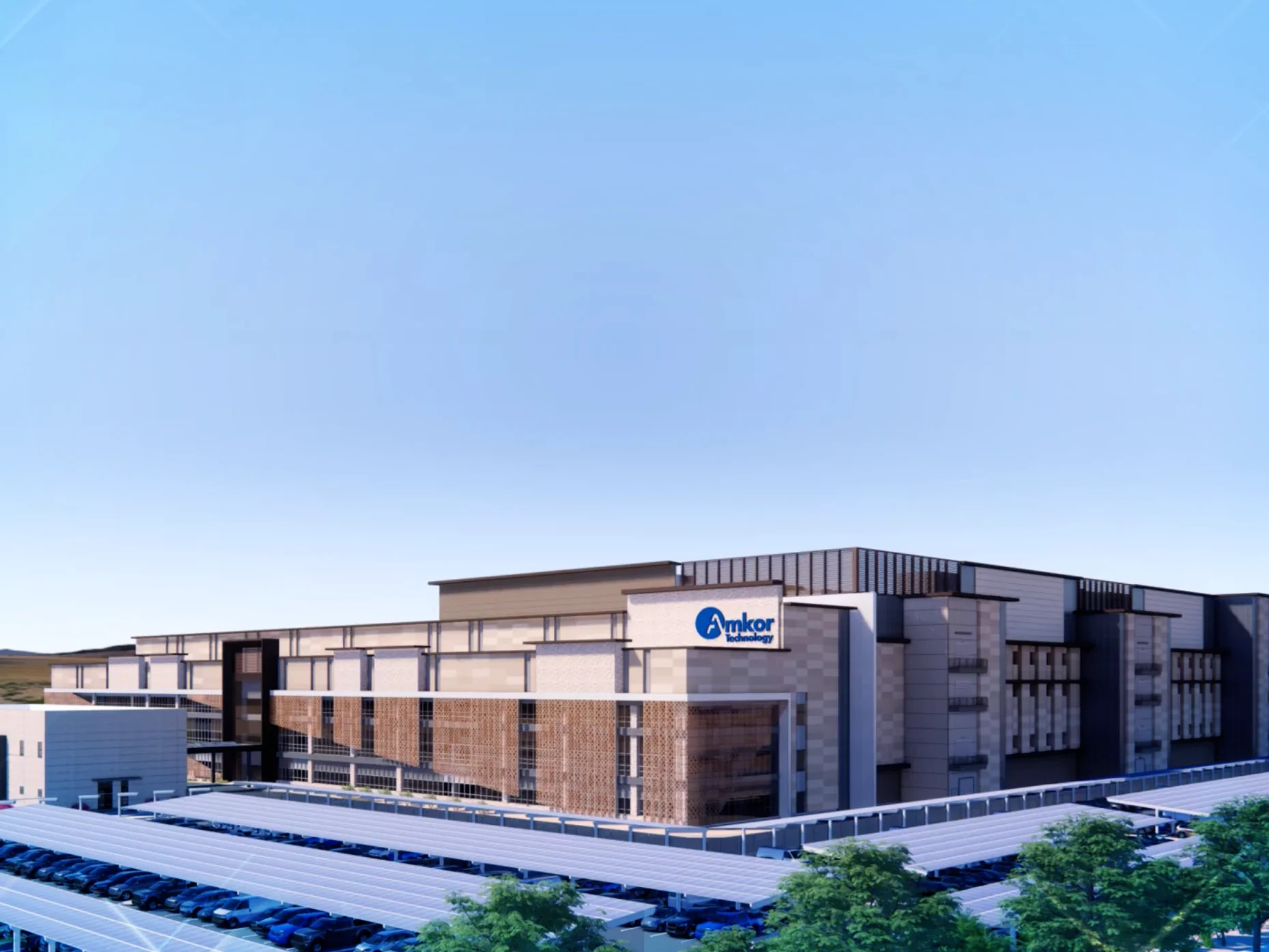
    Amkor has updated the location for its new advanced packaging and testing facility to a 104-acre site in the Peoria Innovation Core, located in northern Peoria, Arizona. Recently, on August 29, the Peoria City Council approved the land exchange, which replaces the earlier planned 56-acre Vistancia site. Construction is expected to commence shortly, with production scheduled to kick off in early 2028. The company estimates that the investment will reach $2 billion and will generate around 2,000 jobs.

    A Significant Step Forward

    City officials describe this move as a “historic milestone” that will enhance the U.S. semiconductor supply chain. Amkor mentions that the larger space provides greater flexibility to meet the rising demand from customers. Having been active in the Greater Phoenix area since 1984, the company intends to cater to clients in the computing, automotive, and communications sectors from this new facility.

    Addressing Supply Chain Challenges

    The new facility is designed to tackle existing problems within the semiconductor supply chain. Currently, assembly, testing, and packaging are heavily concentrated in Taiwan and South Korea, leading to bottlenecks that have hindered the production of AI chips, like the Nvidia H100. The Peoria site will focus on high-performance packaging platforms, including TSMC’s CoWoS and InFO, which are utilized in data-center GPUs, and possibly Apple silicon, although this remains unconfirmed. TSMC has signed an agreement to send packaging from its Phoenix fabs to Amkor, which will help reduce turnaround times.

    Funding and Labor Challenges

    This project is supported by $407 million from the CHIPS Act along with federal tax incentives, making it one of the most ambitious outsourced packaging projects on American soil, aimed at keeping the U.S. competitive in multi-die systems. Nevertheless, the national shortage of semiconductor talent, estimated at around 70,000 to 90,000 workers, could create challenges for the new plant since automation alone won’t bridge the gap entirely. Amkor plans to collaborate with TSMC and other local Arizona entities to develop a supportive ecosystem.

    Looking Ahead

    However, don’t expect immediate solutions for AI server shortages. For the next few years, packaging capacity will still depend on Asian facilities, with the impact of the U.S. facility only beginning once Peoria starts operations in early 2028. Important milestones to keep an eye on include groundbreaking ceremonies, initial construction developments, installation of tools, hiring and training processes, localizing suppliers, and meeting initial capacity goals.

    Source:
    Link


  • Radxa Unveils CM4 SBC: 8-Core CPU & 16GB Memory Specs

    Radxa Unveils CM4 SBC: 8-Core CPU & 16GB Memory Specs

    Key Takeaways

    1. The Radxa CM4 SBC is positioned between the CM3 and CM5, offering a balance of performance and cost.
    2. It features the Rockchip RK3576 SoC with an octa-core CPU and up to 16 GB of LPDDR4X RAM.
    3. The board supports up to 256 GB of eMMC storage and has connectivity options including WiFi 6 and Bluetooth 5.4.
    4. The CM4 is compatible with various third-party boards, enhancing its versatility.
    5. Pricing for the CM4 is not yet available, but it is expected to be lower than the Radxa CM5.


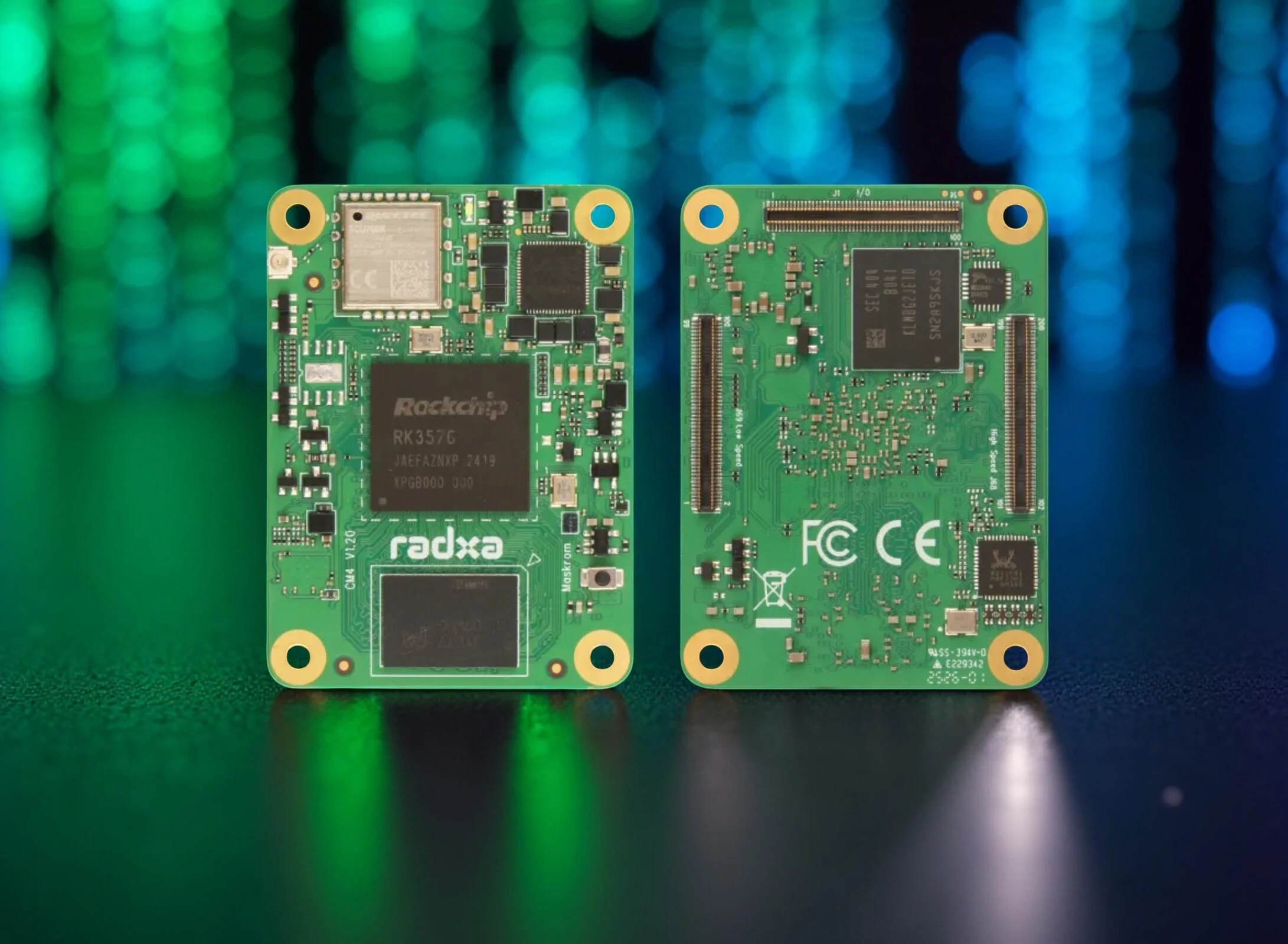
    Radxa is a popular brand that provides a solid range of SBCs (Single-Board Computers). They have recently shared information on the upcoming CM4 SBC, which is aimed to fit neatly between the CM3 and the more expensive CM5. While details about pricing and availability are not available at the moment, we anticipate that more information will be revealed shortly.

    Specifications of the CM4 SBC

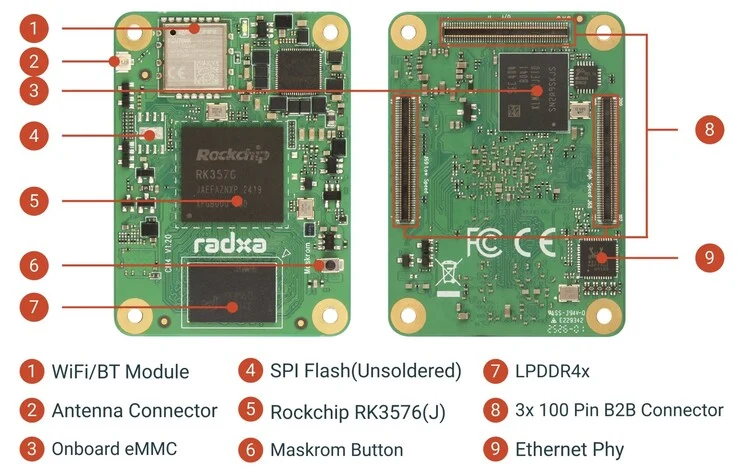
    In contrast to the more robust and likely more expensive CM5 SBC, the CM4 is equipped with the somewhat less powerful Rockchip RK3576 SoC, which can be paired with as much as 16 GB of LPDDR4X RAM. The RK3576 features an octa-core CPU, consisting of four Cortex-A72 cores and four Cortex-A53 cores. For graphics processing, it uses the Mali G52 MC3 iGPU, which supports a variety of frameworks that will be mentioned later. Additionally, the board includes an NPU for inferencing, capable of delivering up to 6 TOPS of INT8 performance.

    Storage and Connectivity Options

    For storage, the CM4 SBC can accommodate up to 256 GB of eMMC storage. It also supports SD/MMC and UFS 2.0. True to expectations, the CM4 SBC works well with numerous third-party boards, such as the Raspberry Pi CM4 I/O, WaveShare CM4-Nano-B, and several others. Onboard connectivity includes WiFi 6 and Bluetooth 5.4 to fulfill all wireless networking needs. Users can expand connectivity through USB, Ethernet, and other interfaces by attaching a compatible I/O board. Notable additional details include the following:

    As previously mentioned, pricing information is still unclear at this point. The Radxa CM5 SBC, powered by the RK3588 with 4 GB of memory and 32 GB of storage, is currently listed for $106.99 on Amazon, suggesting that the CM4 will likely be priced slightly lower.

    Conclusion

    Overall, the Radxa CM4 SBC is shaping up to be a promising option for those in need of a capable single-board computer that sits between the CM3 and CM5 models. With its solid specifications and compatibility with various third-party boards, it looks to be a valuable addition to the Radxa lineup.

    Source:
    Link


  • Logitech Signature Slim Solar Plus: Price and 10-Year Battery Life

    Logitech Signature Slim Solar Plus: Price and 10-Year Battery Life

    Key Takeaways

    1. Lenovo’s Self-Charging Bluetooth Keyboard, powered by solar energy, was announced for a May 2025 release at $69.99, but is still in teaser stages.
    2. Logitech is reportedly introducing the Signature Slim Solar Plus, a new version of the Wireless Solar Keyboard K750, with a potential battery life of up to 10 years.
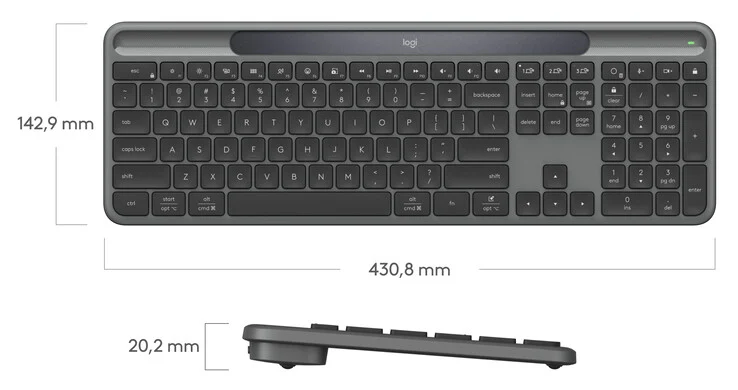
    3. The Signature Slim Solar Plus features a small solar panel, measures 430.8 x 142.9 mm, and has a thickness of 20.2 mm.
    4. This keyboard includes a numberpad, dedicated media controls, full-sized arrow keys, and Easy Switch buttons for connecting to three devices.
    5. The Signature Slim Solar Plus is expected to be compatible with multiple operating systems and may retail for around €129, but its release date is still unknown.


    Over six months have gone by since Lenovo presented its Self-Charging Bluetooth Keyboard, which is designed to run on solar energy. While the company had announced that this solar-powered keyboard would hit the market in May 2025 at a price of $69.99, Lenovo is just now starting to post teaser videos on YouTube. This indicates that the Self-Charging Bluetooth Keyboard from Lenovo may not be ready for launch quite yet.

    Logitech’s New Offering

    Meanwhile, there are whispers from Roland Quandt that Logitech is set to introduce a new version of the Wireless Solar Keyboard K750, which has been around for a while. According to this source, Logitech has developed the Signature Slim Solar Plus, a fresh wireless keyboard that purportedly boasts a battery life of up to 10 years.

    Design and Features

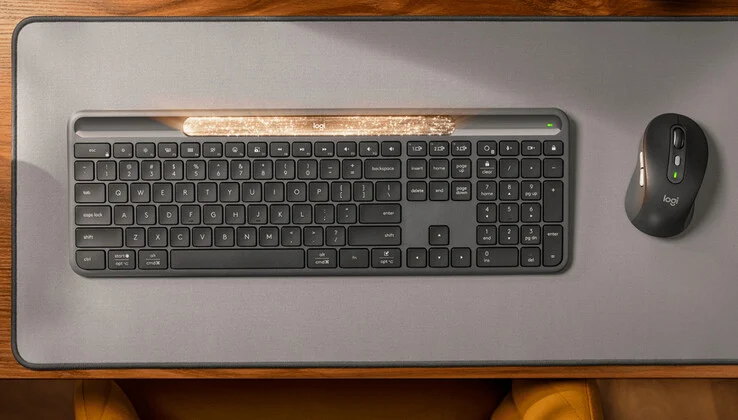
    The Signature Slim Solar Plus appears to be similar to the MX Keys S (currently priced at $119.99 on Amazon), but it features a small solar panel on its top edge. As depicted in the image above, this keyboard measures 430.8 x 142.9 mm and has a thickness of 20.2 mm at the back. It also includes a numberpad, dedicated media controls, and full-sized arrow keys arranged in three groups.

    Just like other Logitech keyboards, the Signature Slim Solar Plus is equipped with Easy Switch buttons, allowing users to toggle between three connected devices as needed. It should be compatible with Android, ChromeOS, Linux, macOS, and Windows right out of the box. Although Quandt mentions that the Signature Slim Solar Plus is expected to retail for around €129 in a sleek Graphite color option, the exact release date remains uncertain for now.

    Source:
    Link


  • Anker Launches New Compact 70W 3-Port Charger for Faster Charging

    Anker Launches New Compact 70W 3-Port Charger for Faster Charging

    Key Takeaways

    1. The Anker Nano Charger (70W, 3 Ports) provides up to 70W output through its USB-C ports, capable of charging a 2024 MacBook Pro 14 to 50% in 35 minutes.
    2. It features ActiveShield 4.0 technology for temperature monitoring and has a compact design, measuring 2.1 x 1.7 x 1.2 inches and weighing 4.2 oz.
    3. The charger has three ports: two USB-C (one delivering 60W and the other 5W when both are used) and one USB-A (up to 33W).
    4. It is available for purchase in the U.S. for $49.99, including a 4.9 ft USB-C to USB-C cable, but only in black at this time.
    5. The Nano Charger is 41% smaller than its Apple counterpart, featuring foldable pins and an optimized center of gravity for stability.


    Anker has introduced the Nano Charger (70W, 3 Ports) in the United States. This device, known by the model number A121A, was previously launched in China earlier this year and is called the Nano SafeCharge Ultra Charger there.

    Charging Capabilities

    The Nano Charger (70W, 3 Ports) is capable of providing up to 70W output via its USB-C ports. Anker claims that it can charge a 2024 MacBook Pro 14 to 50% in just 35 minutes. Additionally, there is a USB-A port that can output up to 33W. When both USB-C ports are used at the same time, one port delivers 60W while the other only gives 5W. If you use one USB-C and one USB-A port together, the USB-C port supplies 45W and the USB-A port provides 22.5W. Using all three ports, one USB-C will give 45W while the other two ports are limited to 7.5W each.

    Design Features

    The Nano Charger includes ActiveShield 4.0 technology which keeps track of the charger’s temperature. It comes with a shiny outer casing and a robust metal frame. Anker describes it as being “mini size,” measuring 2.1 x 1.7 x 1.2 inches (~53 x 43 x 30 mm) and weighing 4.2 oz (~120 g). The company claims this design makes it 41% smaller than its Apple counterpart. Additionally, it features foldable pins and has an “optimized center of gravity” to enhance stability when plugged in.

    Availability and Pricing

    You can purchase the Anker Nano Charger (70W, 3 Ports) along with a 4.9 ft USB-C to USB-C cable on Amazon in the U.S. for $49.99. Currently, it is only sold in black, although images on the product page show variants in white, pink, and green. It is uncertain if or when a version for the EU or UK markets will be available.

    Source:
    Link


  • Acer Swift Air 16 Review: The Lightest 16-Inch Laptop Available

    Acer Swift Air 16 Review: The Lightest 16-Inch Laptop Available

    Key Takeaways

    1. The Acer Swift Air 16 is the lightest 16-inch laptop available, weighing less than 2.2 pounds.
    2. There is a noticeable weight difference of 0.4 lbs compared to the Acer Swift Edge 16, making it feel very light.
    3. Weight reduction comes with compromises, such as a less sturdy chassis and slight wobbling in pre-production units.
    4. The keyboard design may require adjustment, and users should test it before purchasing.
    5. Performance of the Ryzen AI 300 chipsets in the Swift Air 16 is still uncertain and will be reviewed later.


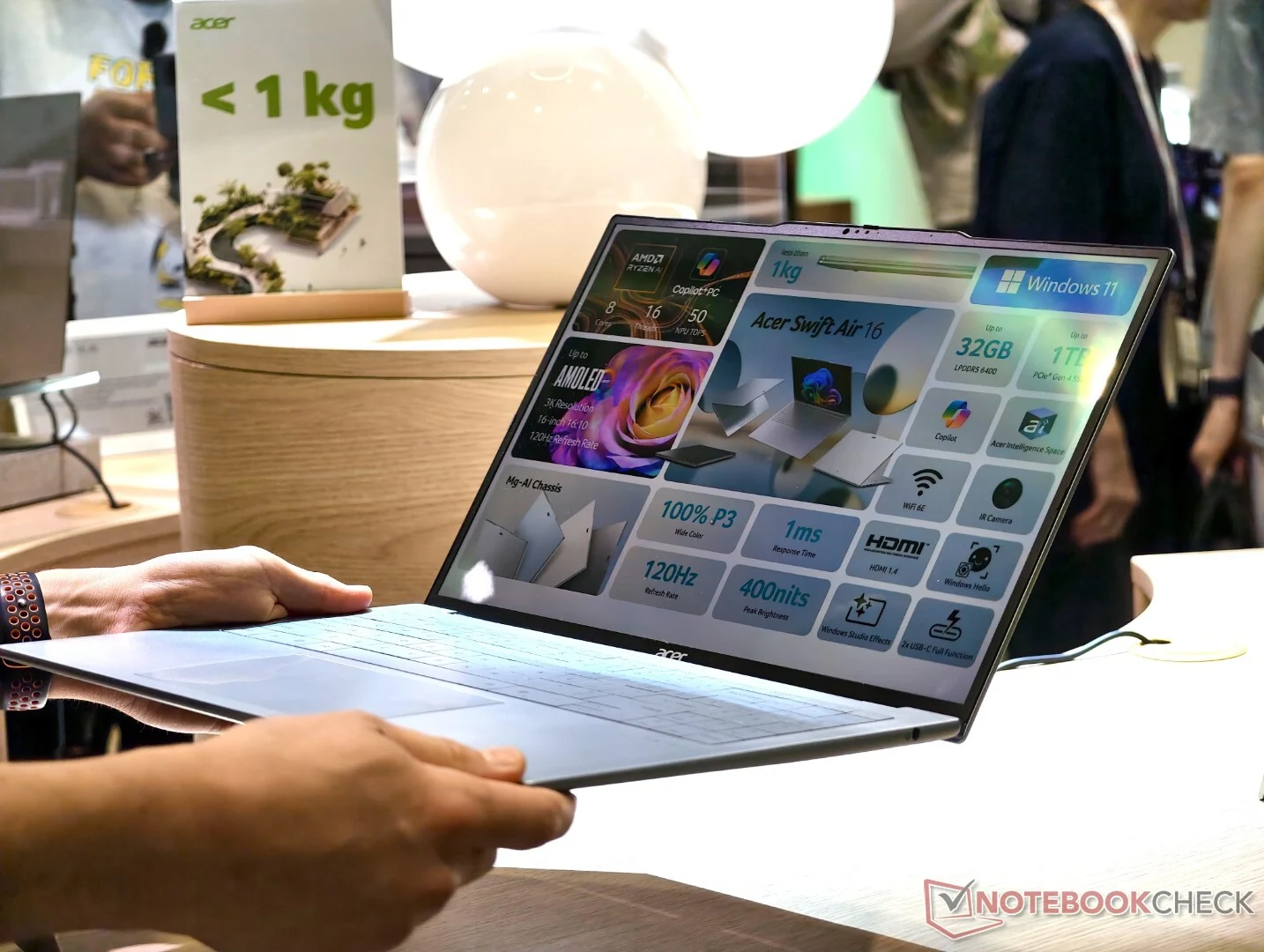
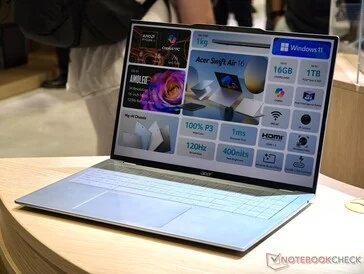
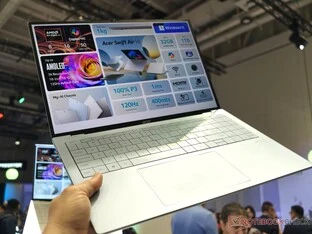
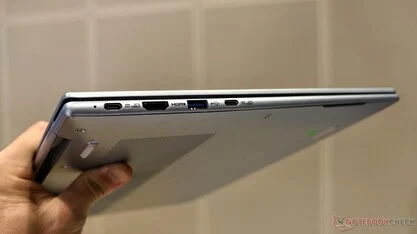
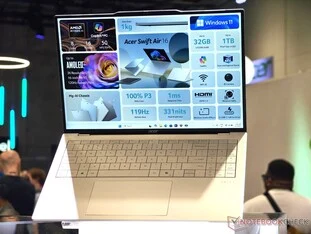
    Acer has recently revealed the Acer Swift Air 16 just ahead of IFA 2025 in Berlin. As far as we know, there isn’t a 16-inch laptop available that weighs less than 2.2 pounds. While some laptops do tip the scales at a few ounces more, buyers in this category had previously settled for smaller 13- or 14-inch screens, since added screen space always meant added weight.

    Noticeable Difference in Weight

    You can truly feel the difference between the 2024 Acer Swift Edge 16 and the new Acer Swift Air. The Swift Edge is already lightweight at 2.7 lbs, but the 0.4 lbs difference is quite significant. It feels like you’re just holding an empty frame, not a complete Ryzen AI 300 laptop with a 16-inch display. The version shown in our images features a 60Hz display, while the more colorful OLED option adds an extra 0.2 lbs. There are also plans for other premium models with a 3K OLED screen.

    Compromises with Weight Reduction

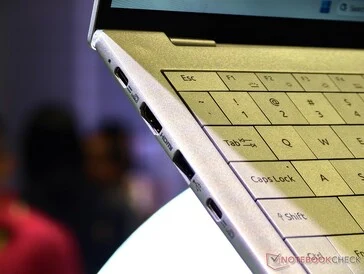
    Sadly, the reduction in weight for the Acer Swift Air 16 comes with some trade-offs. Compared to the Swift Edge 16, the chassis feels a bit more like plastic, and one test unit’s lid in the Acer showroom had a slight wobble. Thankfully, the hinge was quickly repaired, and Acer mentioned that it was just a pre-production unit.

    Keyboard and Performance Insights

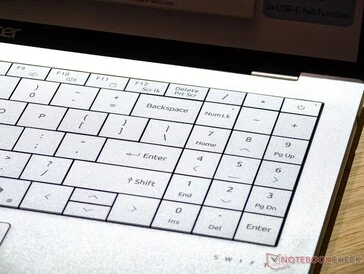
    The keyboard design seems to be in its final form, but it didn’t leave a great impression during our initial hands-on experience. You might adjust to it over time, but the seamless keyboard is definitely something anyone considering this ultra-light laptop should test before making a purchase. It’s also still uncertain how the Ryzen AI 300 chipsets will perform in this lightweight 2.2-lb body, and our forthcoming review will provide clarity on that.

    Source:
    Link


  • YMTC and CXMT Collaborate on HBM to Enhance China’s AI Memory

    YMTC and CXMT Collaborate on HBM to Enhance China’s AI Memory

    Key Takeaways

    1. YMTC aims to enter the DRAM sector through a partnership with CXMT, focusing on high-bandwidth memory (HBM) for AI accelerators.
    2. U.S. policies pose challenges for China’s chip production efforts, complicating access to tools and imposing new restrictions on HBM.
    3. CXMT is advancing towards HBM3 production, with estimates for commencement between 2026 and 2027, but it still trails behind South Korean competitors.
    4. YMTC’s expertise in hybrid bonding and advanced packaging is pivotal for HBM manufacturing, contributing to a growing local ecosystem.
    5. YMTC plans to invest in DRAM R&D equipment and collaborate with CXMT to develop next-gen DRAM, targeting domestic markets initially due to export restrictions.


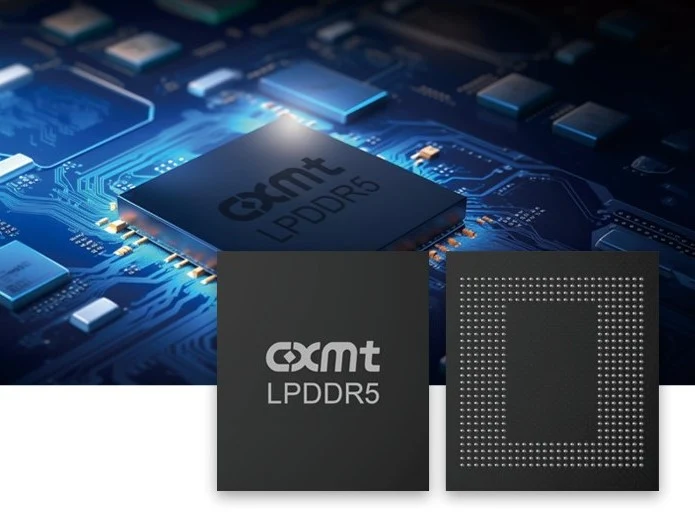
    Yangtze Memory Technologies Corp. (YMTC), which is the top NAND flash manufacturer in China, is said to be looking to break into the DRAM sector. They are seeking a partnership with ChangXin Memory Technologies (CXMT) to concentrate on high-bandwidth memory (HBM) specifically designed for AI accelerators. Should this collaboration take place, it would merge the leading NAND and DRAM companies in China, indicating the increasing importance of HBM in the tech landscape.

    U.S. Policies Complicate Progress

    Shifts in U.S. policies add layers of difficulty to this venture. The Bureau of Industry and Security introduced new rules in December 2024 that impose specific restrictions on HBM and have made it harder for China to access tools for chip production. This situation complicates China’s efforts to enhance its advanced memory capabilities. Licensing for Chinese fabs is also becoming more detailed; for instance, reports indicate that TSMC’s facility in Nanjing has lost its fast-track status. Consequently, export regulations now play a crucial role in determining how and when local HBM projects can be developed.

    Speeding Up Production

    Despite these challenges, there are still capability gaps that need addressing. CXMT is said to have produced HBM2 and is rapidly progressing towards HBM3, with Chinese sources hinting that production might commence between 2026 and 2027. Analysts, however, believe that CXMT is still a few years behind its South Korean rivals, even though they are making strides. The difference is considerable, but if local packaging and integration can keep up with this momentum, China might establish a formidable domestic supply chain.

    Expertise in Hybrid Bonding

    YMTC is bringing its expertise in hybrid bonding to the table, though it lacks experience in DRAM production. The company’s Xtacking architecture, which employs wafer-to-wafer bonding, has garnered favorable reviews from third parties. This method is well-suited for HBM as the stack heights rise and thermal management becomes crucial. A local ecosystem for packaging is forming, with CXMT and Wuhan Xinxin working on HBM packaging while Tongfu Microelectronics has initiated assembly processes. Advanced packaging, which links memory to processors, is now a central component of HBM manufacturing.

    Plans for Equipment Acquisition

    In addition, reports suggest that YMTC is planning to invest in equipment for DRAM research and development. The company is likely to collaborate with CXMT to create next-gen DRAM for HBM and to boost production in the near term. Experts see this potential partnership as a long-term strategy to challenge South Korean competitors. However, limited access to necessary tools and customer qualification standards will probably steer initial Chinese HBM offerings toward domestic markets.

    Source:
    Link


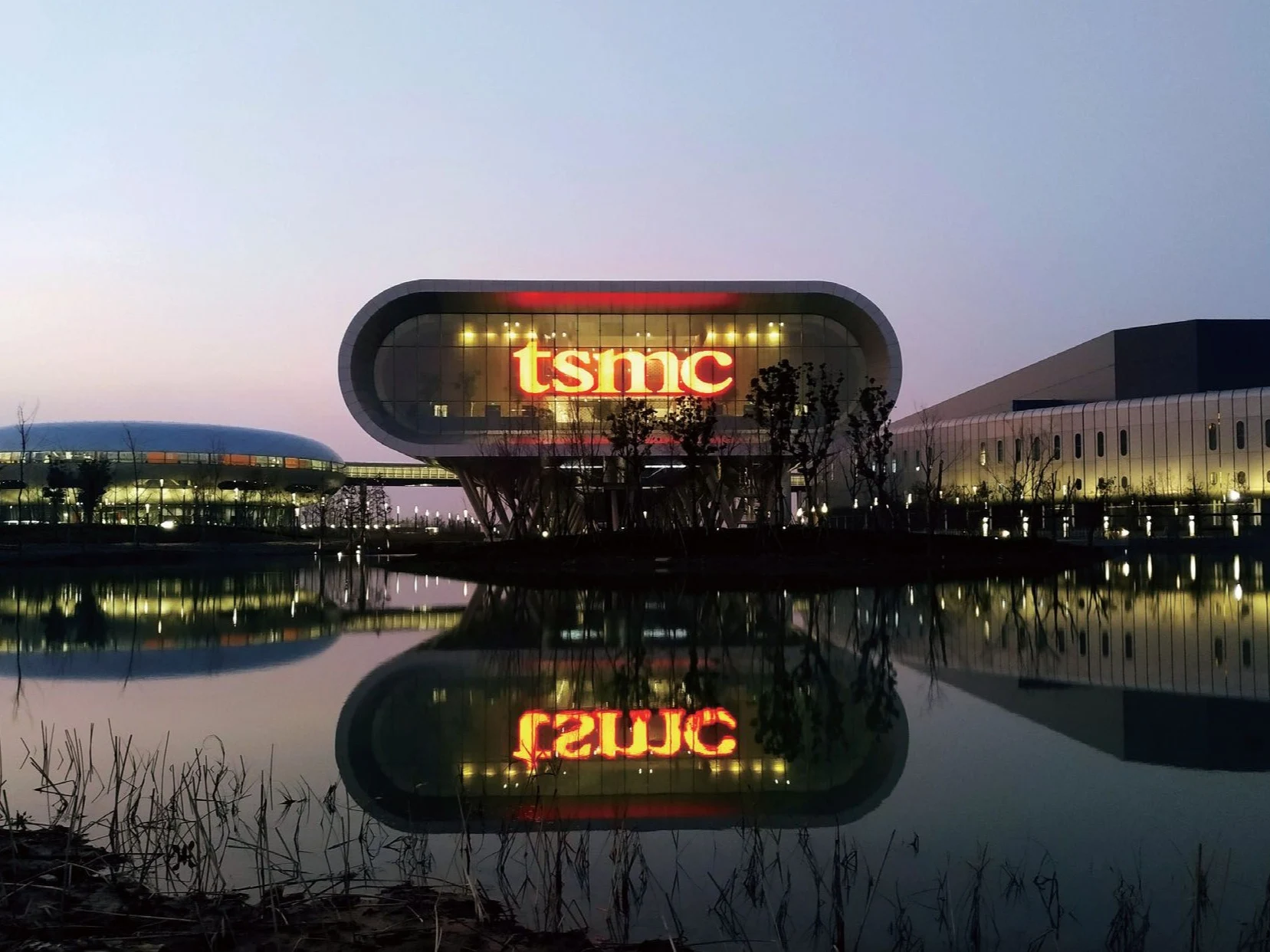
  • TSMC Nanjing Fab to Lose U.S. Export License Waiver by 2025

    TSMC Nanjing Fab to Lose U.S. Export License Waiver by 2025

    Key Takeaways

    1. The U.S. will revoke TSMC’s Validated End User (VEU) status for its Nanjing factory starting December 31, 2025, requiring individual licensing for shipments.
    2. This change may lead to delays in production, as suppliers must apply for U.S. licenses for tools and materials, with a “presumption of denial” increasing the risk of further delays.
    3. TSMC’s Nanjing facility contributes about 3% of its overall capacity and primarily produces older-generation chips, which could be disrupted by the loss of VEU status.
    4. The U.S. is tightening export controls by revoking VEU status for companies like Samsung and SK Hynix, reflecting a broader strategy to close export control loopholes.
    5. TSMC may face challenges in replacing advanced equipment and requalifying processes at the Nanjing fab, potentially impacting production yields and speed.


    Washington has decided to take away TSMC’s Validated End User (VEU) status for its factory in Nanjing, starting December 31, 2025. This change means that U.S.-controlled shipments to the Chinese facility will no longer have blanket approvals. TSMC has announced that they are “evaluating the situation” and are currently discussing matters with the U.S. government. The goal for TSMC is to keep operations at the Nanjing fab running smoothly without any interruptions. It’s worth mentioning that this represents a change in policy that tightens regulations, not an immediate closure.

    Impact on Supply Chain

    Without the VEU status, suppliers will now need to apply for individual U.S. licenses for tools, spare parts, and specific chemicals that are headed to Nanjing. This could lead to possible delays in production. The decision-making process might come with a “presumption of denial,” which raises the risk of further delays if approvals are not received on time. Previous revocations for companies like Samsung and SK Hynix have resulted in about 1,000 license requests each year. Although TSMC’s situation was not listed in the Federal Register, the outcome remains the same: there will be an increased need for licensing.

    Nanjing Fab Details

    According to Taiwan’s MOEA, TSMC’s Nanjing facility accounts for roughly three percent of the company’s overall capacity. Production at this site began in 2018 and contributed a minor portion of revenue in the past year. The nodes affected include 16-nanometer/12-nanometer FinFET and 28-nanometer-class logic, with the latter being older but still relevant when shipped from U.S.-controlled suppliers. While the Nanjing fab still produces older-generation chips, it depends on advanced equipment for etching, deposition, metrology, and lithography, and losing VEU status could disrupt its operations.

    Similar Moves by the U.S.

    This action is similar to the U.S. revoking VEU status for Samsung and SK Hynix’s facilities in China, which is part of Washington’s strategy to close “export control loopholes.” Although TSMC has a smaller presence in China compared to Samsung or SK Hynix, the impact on the company is likely to be less severe. However, the timing of license approvals still creates uncertainty.

    It seems improbable that TSMC would be able to swap its tools for equipment manufactured in China, especially for lithography needs. Even if they manage to find replacements, the Nanjing fab would have to requalify its processes, which could influence production yields and speed. Should production slow down, Chinese foundries like SMIC and Hua Hong might be able to take over some orders, assuming they have enough capacity to do so.

    Source:
    Link