
Key Takeaways
1. The U.S. will revoke TSMC’s Validated End User (VEU) status for its Nanjing factory starting December 31, 2025, requiring individual licensing for shipments.
2. This change may lead to delays in production, as suppliers must apply for U.S. licenses for tools and materials, with a “presumption of denial” increasing the risk of further delays.
3. TSMC’s Nanjing facility contributes about 3% of its overall capacity and primarily produces older-generation chips, which could be disrupted by the loss of VEU status.
4. The U.S. is tightening export controls by revoking VEU status for companies like Samsung and SK Hynix, reflecting a broader strategy to close export control loopholes.
5. TSMC may face challenges in replacing advanced equipment and requalifying processes at the Nanjing fab, potentially impacting production yields and speed.
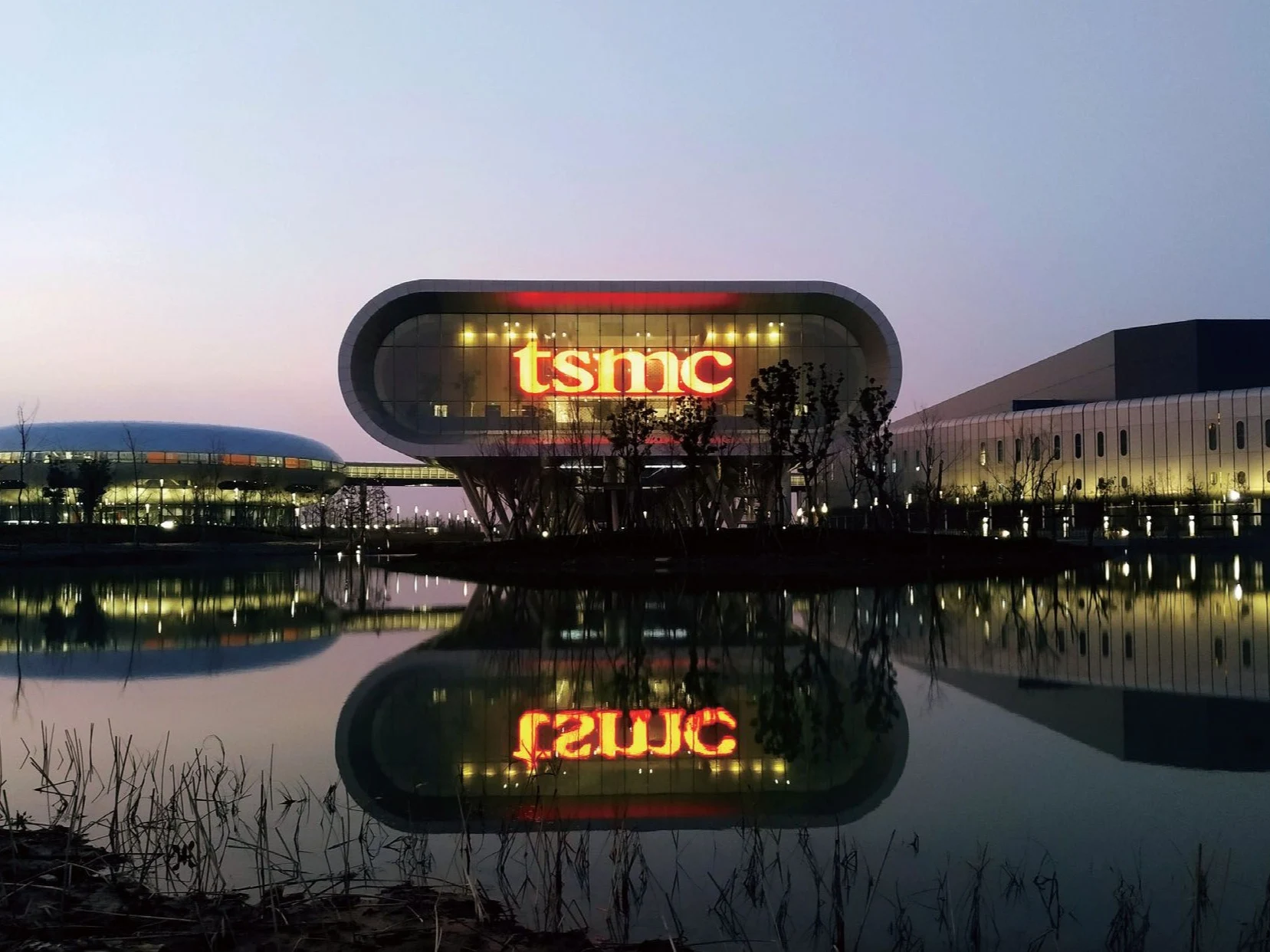
Washington has decided to take away TSMC’s Validated End User (VEU) status for its factory in Nanjing, starting December 31, 2025. This change means that U.S.-controlled shipments to the Chinese facility will no longer have blanket approvals. TSMC has announced that they are “evaluating the situation” and are currently discussing matters with the U.S. government. The goal for TSMC is to keep operations at the Nanjing fab running smoothly without any interruptions. It’s worth mentioning that this represents a change in policy that tightens regulations, not an immediate closure.
Impact on Supply Chain
Without the VEU status, suppliers will now need to apply for individual U.S. licenses for tools, spare parts, and specific chemicals that are headed to Nanjing. This could lead to possible delays in production. The decision-making process might come with a “presumption of denial,” which raises the risk of further delays if approvals are not received on time. Previous revocations for companies like Samsung and SK Hynix have resulted in about 1,000 license requests each year. Although TSMC’s situation was not listed in the Federal Register, the outcome remains the same: there will be an increased need for licensing.
Nanjing Fab Details
According to Taiwan’s MOEA, TSMC’s Nanjing facility accounts for roughly three percent of the company’s overall capacity. Production at this site began in 2018 and contributed a minor portion of revenue in the past year. The nodes affected include 16-nanometer/12-nanometer FinFET and 28-nanometer-class logic, with the latter being older but still relevant when shipped from U.S.-controlled suppliers. While the Nanjing fab still produces older-generation chips, it depends on advanced equipment for etching, deposition, metrology, and lithography, and losing VEU status could disrupt its operations.
Similar Moves by the U.S.
This action is similar to the U.S. revoking VEU status for Samsung and SK Hynix’s facilities in China, which is part of Washington’s strategy to close “export control loopholes.” Although TSMC has a smaller presence in China compared to Samsung or SK Hynix, the impact on the company is likely to be less severe. However, the timing of license approvals still creates uncertainty.
It seems improbable that TSMC would be able to swap its tools for equipment manufactured in China, especially for lithography needs. Even if they manage to find replacements, the Nanjing fab would have to requalify its processes, which could influence production yields and speed. Should production slow down, Chinese foundries like SMIC and Hua Hong might be able to take over some orders, assuming they have enough capacity to do so.
Source:
Link


Leave a Reply