Category: Computers

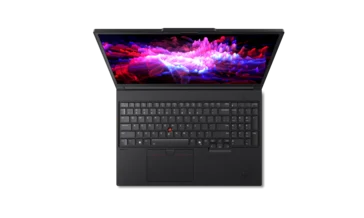
  • Lenovo ThinkPad P16 Gen 3: Powerful AI CAD Laptop with USB-C Charging

    Lenovo ThinkPad P16 Gen 3: Powerful AI CAD Laptop with USB-C Charging

    Key Takeaways

    1. The Lenovo ThinkPad P16 Gen 3 is launching in October 2025, starting at €2,900 in the EU (excluding VAT).
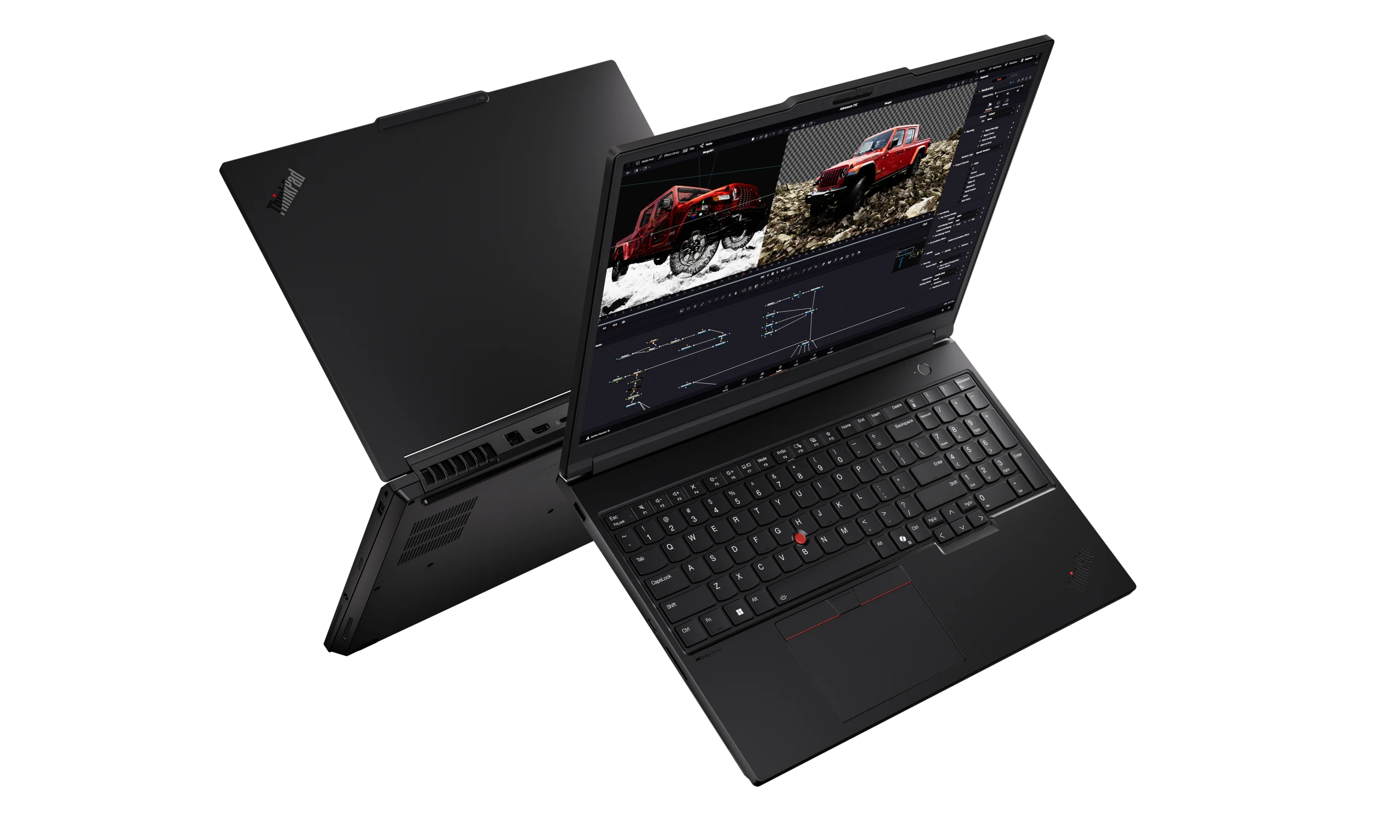
    2. It features a complete redesign, returning to the classic all-black style and includes a fast 2.5 GBit RJ45-Ethernet port.
    3. The specifications include a top-tier Intel Core Ultra 9 285HX processor, Nvidia RTX Pro 5000 GPU, up to 192 GB RAM, and 3x M.2 2280 SSD storage.
    4. The system is transitioning to USB-C charging, with a maximum of 180 W, which is lower than the previous model’s 230 W.
    5. Connectivity upgrades include 5G LTE and Thunderbolt 5, along with a new 3.2K OLED display and an alternative 4K IPS panel.


    After a lengthy anticipation, the moment is here: Lenovo is refreshing its workstation collection, the ThinkPad P series. At IFA Berlin, the standout model is the much-anticipated ThinkPad P16 Gen 3, which arrives two years after the ThinkPad P16 Gen 2, the last significant update in this series. The new ThinkPad P16 Gen 3 starts at €2,900 in the EU (excluding VAT) and is set to launch in October 2025.

    Power and Performance

    Since its debut, the Lenovo ThinkPad P16 has held the title of the most powerful commercial laptop in Lenovo’s range, taking over from the P15 and P17 models. The new P16 Gen 3 maintains this reputation, even though Lenovo has made certain trade-offs regarding performance this time.

    Design Changes

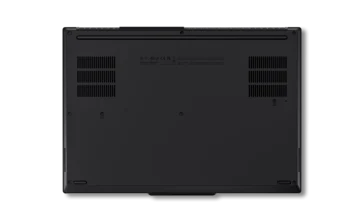
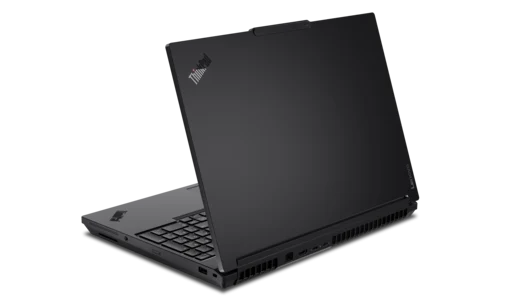
    The Lenovo ThinkPad P16 Gen 3 features a complete redesign, with a fresh look that sets it apart. The dark-grey style of its predecessor has been replaced with the classic all-black design that ThinkPads are known for. A notable return is the RJ45-Ethernet, which was missing from the previous P16 Gen 2. This model includes 2.5 GBit Ethernet, marking it as the fastest within any ThinkPad laptop.

    Specifications and Features

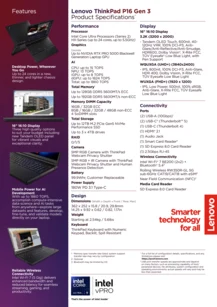
    When it comes to specifications, the P16 Gen 3 does not cut corners. It boasts a top-tier processor (up to Intel Core Ultra 9 285HX) and GPU options (up to Nvidia RTX Pro 5000), along with RAM capacity reaching 192 GB (4x SO-DIMM) and storage options of up to 3x M.2 2280 SSD. The battery capacity is impressive as well, with a 99.99 Wh battery making it the pinnacle of ThinkPad laptops.

    However, the overall TDP of the system might be less than that of the P16 Gen 2, as Lenovo transitions from proprietary Slim tip chargers to USB-C charging. The USB PD 3.1 charger can provide up to 180 W, which is lower compared to the 230 W that the P16 Gen 2 (available on Amazon) could handle from its charger. It is anticipated that the GPU will have a TGP around 100 W at most.

    Connectivity and Display

    While some might view this as a setback, the P16 Gen 3 definitely offers improvements in other areas, including the addition of 5G LTE and Thunderbolt 5, making it compatible with Lenovo’s latest Thunderbolt 5 docks. Additionally, it comes with a new 3.2K (3,200 x 2,000) Tandem OLED display that provides 600 cd/m² brightness and a 120 Hz VRR refresh rate. For those seeking alternatives, Lenovo also offers a 4K-WQUXGA (3,840 x 2,400) IPS panel with a brightness of 800 cd/m².
     

  • Alogic Crux Wireless Mouse: 9 Programmable Buttons & Display

    Alogic Crux Wireless Mouse: 9 Programmable Buttons & Display

    Key Takeaways

    1. Customizable Features: The USB-C rechargeable wireless mouse includes nine programmable buttons, including five thumb buttons, customizable via the Alogic Control App.

    2. Ergonomic Design: The Crux Mouse is designed for comfort with an ergonomic shape, a defined thumb rest, and quiet main click buttons to reduce distractions.

    3. Informative Display: It features a small screen that shows battery level and wireless connection status, along with an optical sensor and a power switch.

    4. Flexible Connectivity: The mouse supports both Bluetooth and 2.4GHz wireless connectivity, allowing easy switching between devices.

    5. Availability and Pricing: The Crux Mouse will be available in November 2025, priced at approximately £89.99/€99.99/$99.99.


    Alogic has launched their latest USB-C rechargeable wireless mouse aimed at users who require a customizable device for both Mac and Windows systems. This mouse comes equipped with nine programmable buttons, which includes five thumb buttons that can be tailored using the Alogic Control App. It already has shortcuts for frequently used tasks such as taking screenshots, using Copilot, switching between applications, and executing voice commands.

    Ergonomic Design for Comfort

    The Crux Mouse boasts an ergonomic shape with distinct curves that are designed to fit comfortably in the hand. There is a defined thumb rest that allows easy access to the side buttons, which feature textured grooves and a colored button for quick recognition. Alogic states that the main click buttons operate quietly, which helps minimize distractions, and it also includes a metallic textured scroll wheel for enhanced usability.

    Useful Display and Features

    A small screen on the left side of the mouse displays the battery level and the status of the wireless connection. Underneath, there is an optical sensor positioned alongside the power switch and pairing button, complemented by rubber feet that ensure smooth movement. The USB-A wireless receiver can be stored conveniently in the bottom of the mouse. The Crux Mouse will be offered in black and white/silver variants.

    Flexible Connectivity

    Users can enjoy both Bluetooth and 2.4GHz wireless connectivity, allowing them to easily switch between multiple devices in today’s modern office environments. Set to be available in November 2025, the Crux Mouse is priced around £89.99/€99.99/$99.99.


  • Lenovo Unveils Three New Docks with Enhanced Connectivity Features

    Lenovo Unveils Three New Docks with Enhanced Connectivity Features

    Key Takeaways

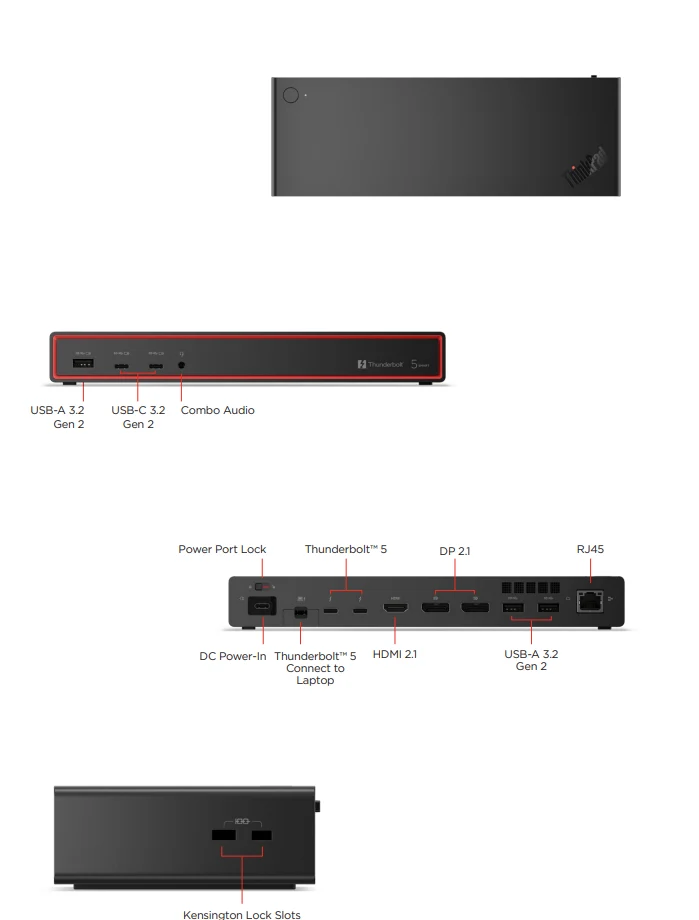
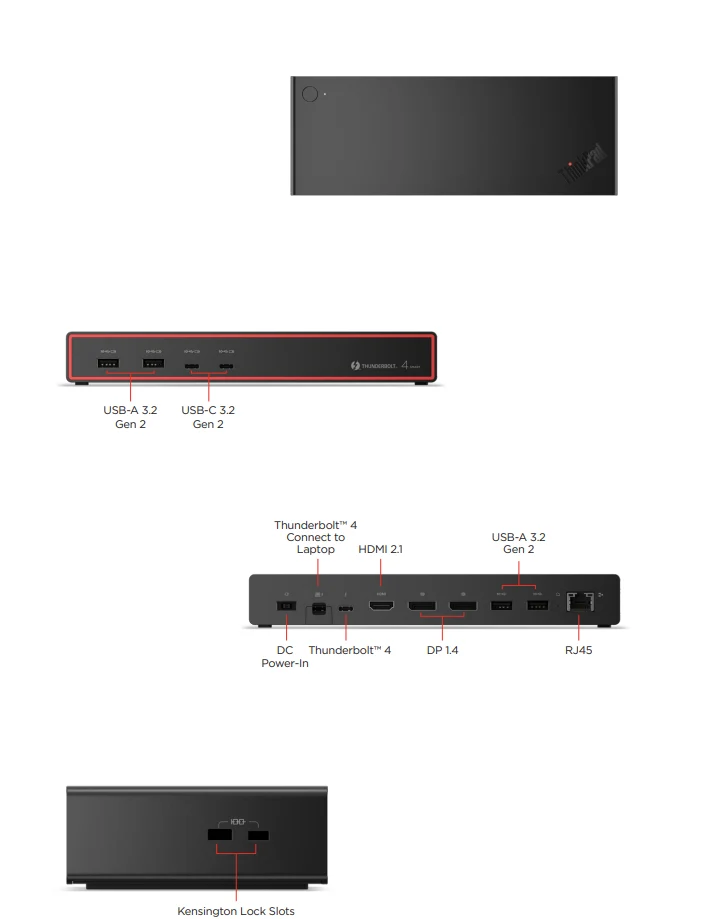
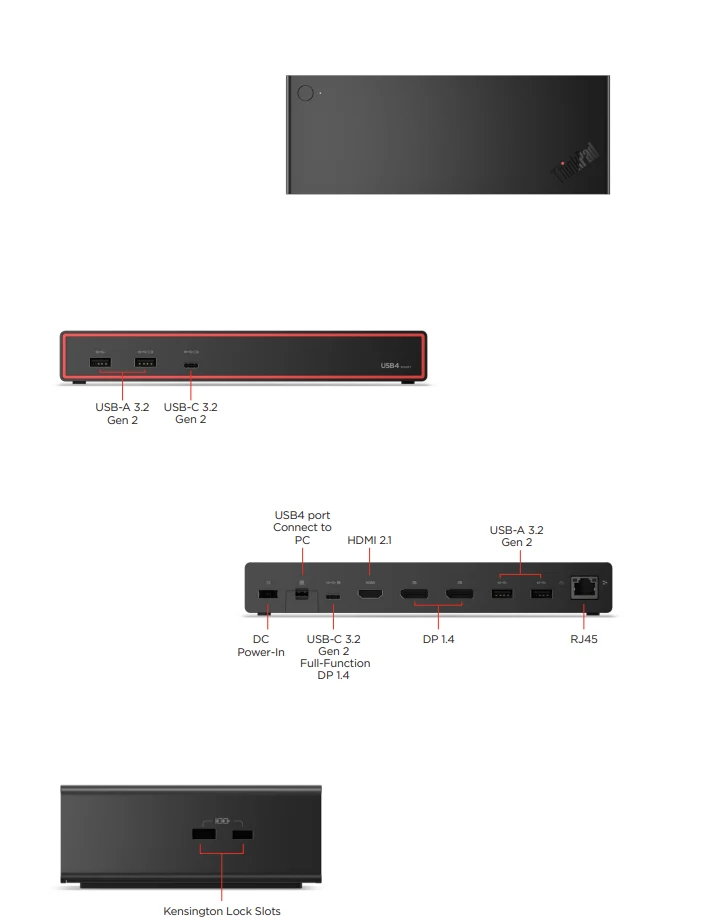
    1. Lenovo launched three new docks: ThinkPad Thunderbolt 5 Smart Dock 7500, Thunderbolt 4 Smart Dock 5500, and USB4 Smart Dock 5500 at CES 2025, catering to different budgets.
    2. The ThinkPad Thunderbolt 5 Smart Dock 7500 features advanced connectivity with two Thunderbolt 5 ports and supports multiple high-resolution displays.
    3. The ThinkPad Thunderbolt 4 Smart Dock 5500 offers a more affordable option with one Thunderbolt 4 port and enhanced USB 3.2 Type-A ports.
    4. The ThinkPad USB4 Smart Dock 5500 replaces Thunderbolt 4 with a USB 4 port but maintains essential features like HDMI 2.1 and DisplayPort 1.4.
    5. All docks will be available in October 2025, with varying power delivery capacities: 180 Watts for the Thunderbolt 5 dock and 100 Watts for the USB4 dock.


    Lenovo recently introduced a trio of docks to enhance its diverse range of products presented at CES 2025. The ThinkPad Thunderbolt 5 Smart Dock 7500, ThinkPad Thunderbolt 4 Smart Dock 5500, and ThinkPad USB4 Smart Dock 5500 provide various connectivity solutions to fit different budgets.

    ThinkPad Thunderbolt 5 Smart Dock 7500

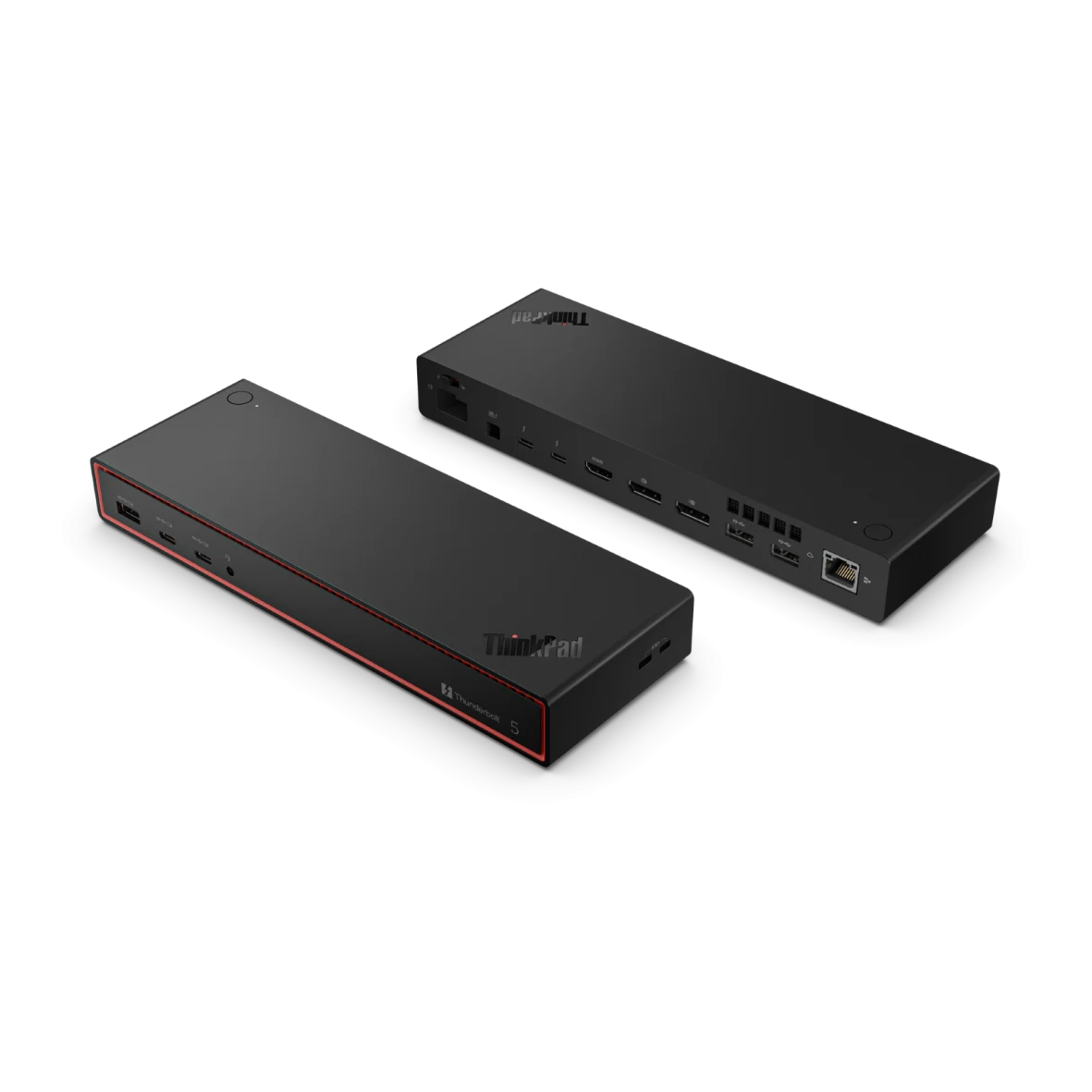
    Beginning with the ThinkPad Thunderbolt 5 Smart Dock 7500, this model features two Thunderbolt 5.0 ports, two DisplayPort 2.1 ports, one HDMI 2.1 port, three USB 3.2 Type-A ports, one 2.5 Gbps Ethernet connection, and two USB 3.2 Type-C ports. Its dimensions are 235 mm x 80 mm x 30 mm and it weighs 586 grams. The dock supports the output of three 8K 60 Hz streams and one 4K 60 Hz stream, or alternatively four 4K 120 Hz streams at the same time. The USB-C ports can deliver up to 180 Watts of power through USB PD.

    ThinkPad Thunderbolt 4 Smart Dock 5500

    Next, the ThinkPad Thunderbolt 4 Smart Dock 5500 reduces some features to save costs. It has one Thunderbolt port instead of two and connects to devices using a single Thunderbolt 4.0 port. The two DisplayPort connections have been lowered to DP 1.4, but it retains the HDMI 2.1 port and the 2.5 Gbps RJ45 Ethernet connection, along with two USB 3.2 Type-C ports. Additionally, it includes four USB 3.2 Type-A ports, which is one more than before.

    ThinkPad USB4 Smart Dock 5500

    Finally, the ThinkPad USB4 Smart Dock 5500 substitutes the Thunderbolt 4.0 input with a USB 4 port, which is the only USB 4.0 option on this dock. There’s one USB 3.2 Type-C port in the front and another in the back. Two USB 3.2 Type-A ports are also positioned similarly. The RJ45 Ethernet jack has been reduced to 1 Gbps, though the DP 1.4 and HDMI 2.1 ports remain the same. The USB-PD wattage is maintained at 100 Watts.


  • Teamgroup P34F: Compact SSD with Global Tracking Feature

    Teamgroup P34F: Compact SSD with Global Tracking Feature

    Key Takeaways

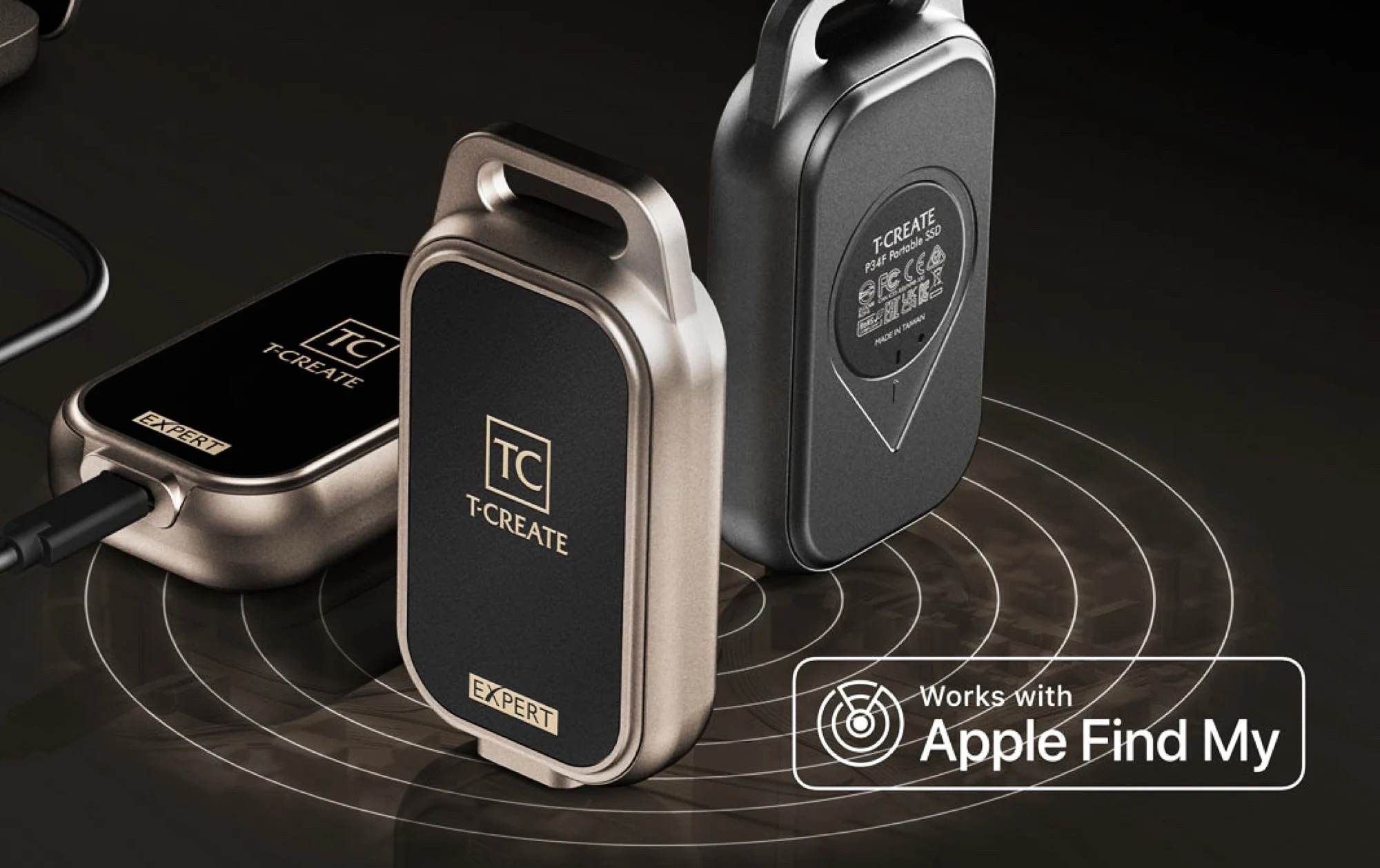
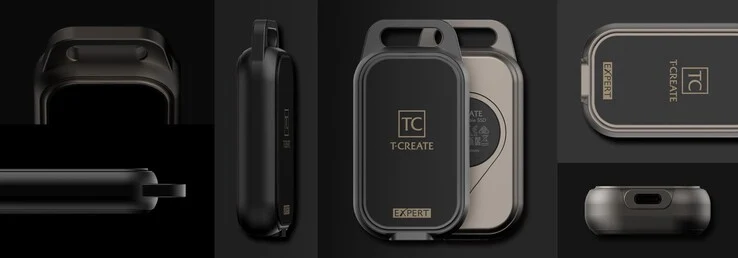
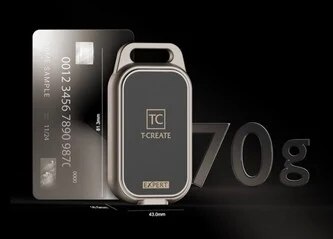
    1. Compact Design: The T-Create Expert P34F SSD measures 81 x 43 mm and is 16.5 mm thick, making it smaller than a credit card and lightweight at 70 grams.

    2. Tracking Feature: It can be tracked using Apple’s “Find My?” app, allowing users to locate it via Bluetooth proximity and sound alerts.

    3. Battery Life: The SSD is powered by a CR2032 battery, which is estimated to last about a year.

    4. Performance: It connects via USB-C 3.2 Gen 2, offering read speeds of 1,000 MB/s and write speeds of 900 MB/s.

    5. Storage Options and Warranty: The SSD will be available in sizes ranging from 512 GB to 2 TB and comes with a three-year warranty.


    The TeamGroup T-Create Expert P34F is a compact SSD that measures 81 x 43 millimeters, making it smaller than a credit card but slightly thicker, with a height of 16.5 millimeters. This drive is constructed from 73% metal and has a lightweight of only 70 grams. It features a built-in loop, allowing users to attach it easily to a keychain.

    Unique Location Feature

    One standout aspect of the T-Create Expert P34F is its ability to be tracked using Apple’s “Find My?” app, similar to the functionality of an Apple AirTag. When an iPhone comes within Bluetooth proximity, the SSD’s location is sent to its owner. Although it doesn’t come with an ultra-wideband chip, it includes a speaker that can emit sounds when the SSD is close by, making it simpler to find.

    Battery and Performance

    Like the Apple AirTag, the TeamGroup SSD uses a CR2032 battery to power its Bluetooth capabilities, which is estimated to last about a year. It connects to computers through USB-C 3.2 Gen 2 and boasts impressive read speeds of 1,000 MB/s and write speeds of 900 MB/s.

    Availability and Warranty

    The TeamGroup T-Create Expert P34F will soon hit the market with storage options ranging from 512 GB to 2 TB. While the company has yet to disclose the official retail price, the launch is expected imminently. Additionally, TeamGroup provides a three-year warranty for this SSD.

    Source:
    Link


  • JetBlue Chooses Amazon Project Kuiper for Free In-Flight Wi-Fi

    JetBlue Chooses Amazon Project Kuiper for Free In-Flight Wi-Fi

    Key Takeaways

    1. Amazon’s Project Kuiper will provide complimentary in-flight Wi-Fi for JetBlue passengers, enhancing connectivity.
    2. The system employs low-Earth orbit (LEO) satellite technology for high-speed internet access globally, with speeds up to 1 Gbps.
    3. JetBlue’s transition from Viasat to Project Kuiper is expected to improve reliability and speed of internet service on flights.
    4. Amazon has launched over 100 satellites and plans to deploy a total of 3,200 satellites for the Project Kuiper network.
    5. The partnership with JetBlue is separate from Amazon’s collaboration with Airbus to integrate Kuiper’s technology into aircraft manufacturing.


    Amazon’s satellite internet service, known as Project Kuiper, is set to take to the skies as it has inked a deal to offer complimentary in-flight Wi-Fi for JetBlue passengers.

    Enhanced Connectivity

    This competitor to Starlink employs low-Earth orbit (LEO) satellite tech to deliver high-speed internet access globally. The system is crafted to function smoothly not just for homes, schools, hospitals, and businesses but also for various modes of transport, including vehicles, ships, and airplanes, especially in areas without traditional network coverage.

    JetBlue has been relying on Viasat for free internet service since 2013. However, the introduction of Project Kuiper is anticipated to improve both reliability and speed. With Kuiper, JetBlue travelers can expect download speeds reaching up to 1 gigabit per second. The first planes will receive the necessary equipment in 2027, with a complete rollout scheduled for 2028.

    Strategic Partnerships

    The agreement that Amazon has made with JetBlue is distinct from the one with Airbus, which aims to incorporate Kuiper’s connectivity solutions directly into aircraft manufacturing.

    Amazon has already launched more than 100 satellites for Project Kuiper and is progressively expanding its network ahead of the commercial launch. This technology features satellites orbiting the Earth at altitudes ranging from 340 to 1,200 miles, which enables quicker speeds and reduced latency.

    Future Plans

    The company intends to deploy over 3,200 satellites in total. Nevertheless, its network is still behind SpaceX’s Starlink, which currently operates over 8,000 satellites in space.

    Source:
    Link


  • Aokzoe AI Mini PC Global Launch with AMD Ryzen AI Max+ 395

    Aokzoe AI Mini PC Global Launch with AMD Ryzen AI Max+ 395

    Key Takeaways

    1. Aokzoe has introduced the Aokzoe A1X this year, while its parent company, One-Netbook, continues to launch devices under the OneXPlayer brand.
    2. Aokzoe is close to unveiling its highly anticipated mini-PC, first mentioned in May.
    3. The mini-PC is rumored to be called the “Aokzoe AI Mini PC” and is set for a worldwide launch.
    4. The mini-PC will feature up to 128 GB of RAM and allow for 96 GB of VRAM for the Radeon 8060S integrated GPU.
    5. Details on the launch date and pricing for the Aokzoe AI Mini PC are currently unavailable.


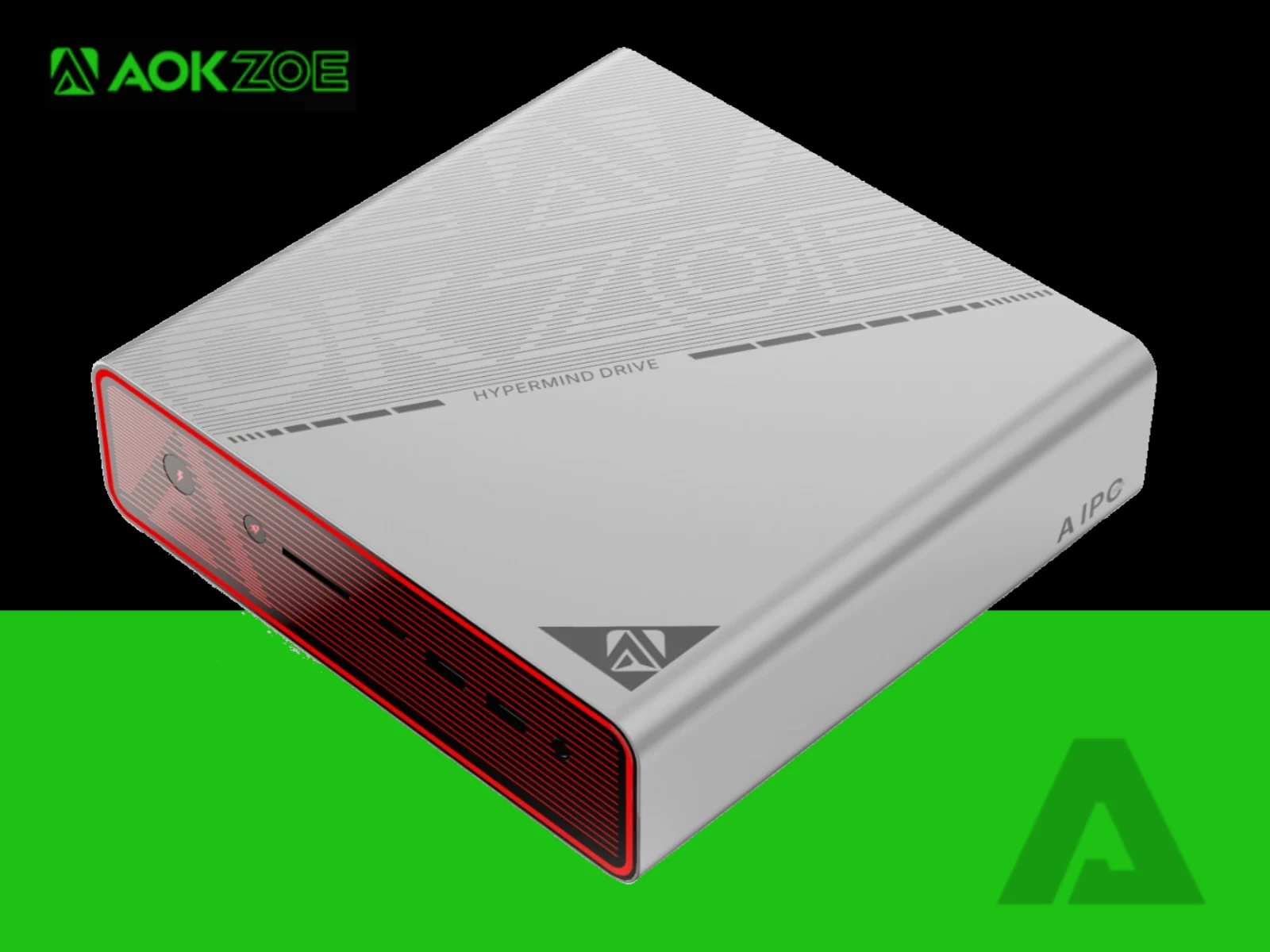
    Aokzoe has introduced the Aokzoe A1X this year. In contrast, its parent company, One-Netbook, has launched many devices under the OneXPlayer brand, including the upcoming OneXPlayer X1 Air and OneXPlayer Super X. Nevertheless, it seems that Aokzoe is getting close to unveiling its much-anticipated mini-PC.

    Anticipation for the Mini-PC

    The brand’s first mini-PC was first mentioned back in May. Recently, Aokzoe has teased and confirmed that its mini-PC is set for a worldwide launch. Now, the company has provided additional information about what it calls the ‘next generation of Aokzoe.’ It seems that Aokzoe may have chosen the title ‘Aokzoe AI Mini PC’ as well.

    Specifications and Features

    Aokzoe’s debut mini-PC will come with up to 128 GB of RAM, putting it on par with other AMD Strix Halo devices like the GMKtec EVO-X2, which is currently priced at $1,499 on Amazon. Furthermore, Aokzoe specifies that up to 96 GB can be used as VRAM for a Radeon 8060S integrated GPU. However, it is still unclear if Aokzoe will offer its AI Mini PC with options beyond the Ryzen AI Max+ 395 mentioned in its recent communication. Details about when it will be launched and how much it will cost are still not available.

    Source:
    Link


  • Sharge Launches All-in-One USB-C Portable SSD Pocket Gadget

    Sharge Launches All-in-One USB-C Portable SSD Pocket Gadget

    Key Takeaways

    1. Sharge is teasing the Disk Pro, a successor to the Disk Plus, with more features than the previous portable SSD.
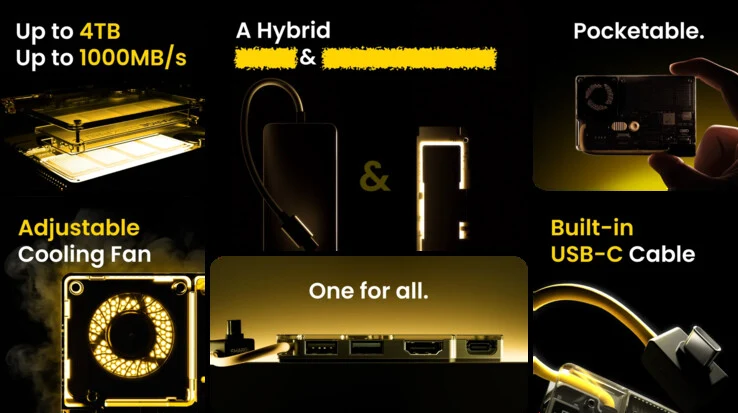
    2. The Disk Pro will offer new connectivity options, including USB type-A and HDMI ports, allowing connections to external monitors and older USB devices.
    3. It is expected to support SSD installations of up to 4TB and achieve read/write speeds of up to 1,000 MB/s, featuring an adjustable cooling system with a real spinning fan.
    4. The design will shift to a transparent housing and include a built-in USB-C cable, moving away from the sleek metallic look of the Plus.
    5. Sharge is seeking participants for a Discord-based Pre-Release Testing program and plans to offer a “30% Off Super Early-Bird” promotion for early buyers.


    Sharge is starting to tease a new product that will be the successor to the Disk Plus. This upcoming device may offer more features than its predecessor, which mainly served as a portable SSD.

    New Connectivity Options

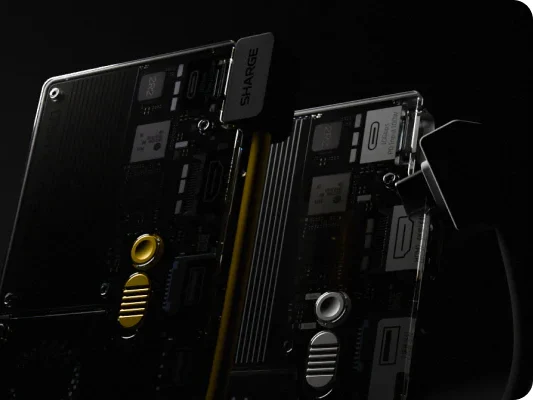
    Early previews of the Disk Pro suggest that it will be the first in its series to provide connectivity options beyond USB-C. The images released so far clearly indicate that it will include ports for USB type-A and HDMI.

    This means that the Disk Pro could allow users to connect external monitors and older USB devices to various gadgets, including the Lenovo Legion Go, MacBook Air, and possibly even newer iPhones.

    Impressive Specifications

    The Pro model is expected to support SSD installations of up to 4TB, with read/write speeds reaching up to 1,000 megabytes per second (MB/s).

    In a significant change, it will replace the thermal pad used in the Plus with a real spinning fan. Unlike Sharge’s IceMag power banks, this new cooling system is said to be “adjustable.”

    Stylish Design Changes

    The Disk Pro will also change its design from the sleek metallic appearance of the Plus to a transparent housing. This new version will also come equipped with a built-in USB-C cable.

    Sharge has not yet announced when the Disk Pro will be available for purchase. However, they are currently seeking participants for a Discord-based Pre-Release Testing program for this innovative hybrid accessory. Additionally, they’re preparing to offer a “30% Off Super Early-Bird” promotion for early buyers.

    Source:
    Link


  • OneXPlayer X1 Air Launches Globally as Intel Lunar Lake Handheld

    OneXPlayer X1 Air Launches Globally as Intel Lunar Lake Handheld

    Key Takeaways

    1. The OneXPlayer X1 Air is now available for global orders, following its announcement at ChinaJoy 2025, with shipping starting on September 25.
    2. It features a 10.95-inch, 120 Hz IPS display, similar to the OneXPlayer X1 Pro, but retains a portrait orientation.
    3. The device can be equipped with Intel’s Core Ultra 5 228V or Core Ultra 7 258V processors, offering better energy efficiency and a larger 72 Wh battery.
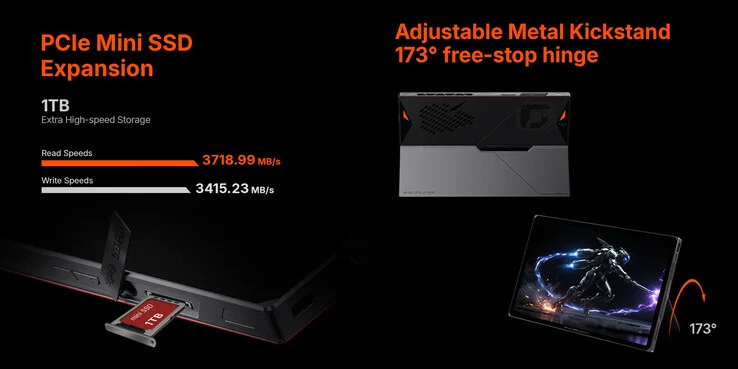
    4. A built-in kickstand is introduced, and storage upgrades are made easier with a proprietary Mini SSD slot, replacing the previous OCuLink.
    5. Pricing starts at $1,099 for the Core Ultra 5 model, with options for different configurations and storage capacities up to $1,399.


    One-Netbook has followed through on its commitment to launch the OneXPlayer X1 Air, which was first revealed last month at ChinaJoy 2025 in Shanghai. The company had earlier announced that the OneXPlayer X1 Air would be available starting September 8. However, customers can now place orders for this latest addition to the OneXPlayer X1 series globally.

    Design and Display

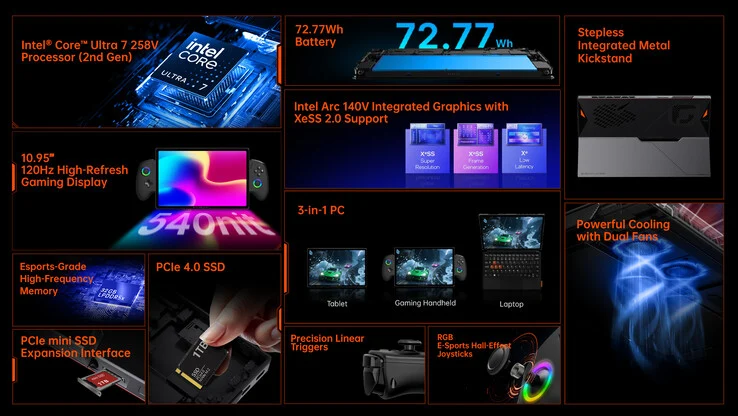
    At first glance, the OneXPlayer X1 Air closely resembles the recently released OneXPlayer X1 Pro (currently priced at $1,499 on Amazon). The new model continues to feature the 10.95-inch, 120 Hz IPS display found in earlier versions. Sadly, it seems that One-Netbook still opts for a portrait-oriented display instead of a landscape one. Still, the screen is bright and showed minimal backlight bleeding during our evaluation.

    Key Features

    As previously mentioned, there are four significant changes that distinguish the OneXPlayer X1 Air from other models in the OneXPlayer X1 series. Firstly, it can be equipped with either the Core Ultra 5 228V or Core Ultra 7 258V processors from Intel’s Lunar Lake family, featuring Arc 130V and Arc 140V integrated GPUs, respectively. These processors should prove to be more energy-efficient compared to the Ryzen AI 9 HX 370 found in the OneXPlayer X1 Pro, and they come with a 10% larger battery that offers a peak capacity of 72 Wh.

    Storage and Pricing

    In addition, One-Netbook has finally added a built-in kickstand, moving away from the afterthought solution seen in other OneXPlayer X1 models. On the downside, the company has replaced the OCuLink with a proprietary Mini SSD slot developed by Biwin, which is also utilized in the GPD Win 5. However, this new Mini SSD slot makes the process of upgrading storage easier.

    The OneXPlayer X1 Air is priced starting at $1,099, featuring a Core Ultra 5 228V, 32 GB of RAM, a 512 GB SSD, and a magnetic keyboard. Alternatively, customers can choose the Core Ultra 7 258V version with 32 GB of RAM for $1,299, or opt for the 1 TB or 2 TB storage options for $1,399. Furthermore, One-Netbook prices a 512 GB Mini SSD at $59 and a 1 TB version at $89. All orders for the OneXPlayer X1 Air are expected to begin shipping on September 25.

    Source:
    Link


  • Mechanical Keyboard with Mini-PC Hits Funding Goal in 7 Hours

    Mechanical Keyboard with Mini-PC Hits Funding Goal in 7 Hours

    Key Takeaways

    1. The “All-in-One Keyboard PC” combines a powerful Intel N150 processor with a mechanical keyboard design, aiming to save desk space and reduce cable clutter.

    2. It features red switches and RGB backlighting with nine different lighting effects, enhancing the user experience.

    3. Backers can choose from multiple storage options (512 GB, 1 TB, or 2 TB) and the device comes with 16 GB of RAM, running on Windows 11 Pro.

    4. The starting price for backers is approximately $399 as part of the “Super Early Bird” special, plus shipping costs.

    5. Potential backers should be cautious, as Rakeydo has no prior Kickstarter projects and lacks established products, presenting higher risks compared to well-known brands.


    The developers refer to their latest creation as an “All-in-One Keyboard PC” on Kickstarter. They claim it to be a groundbreaking device, similar to products like the Raspberry Pi 400 or the Orange Pi 800. For those who remember the past, it might even evoke memories of the iconic Commodore 64.

    Unique Concept

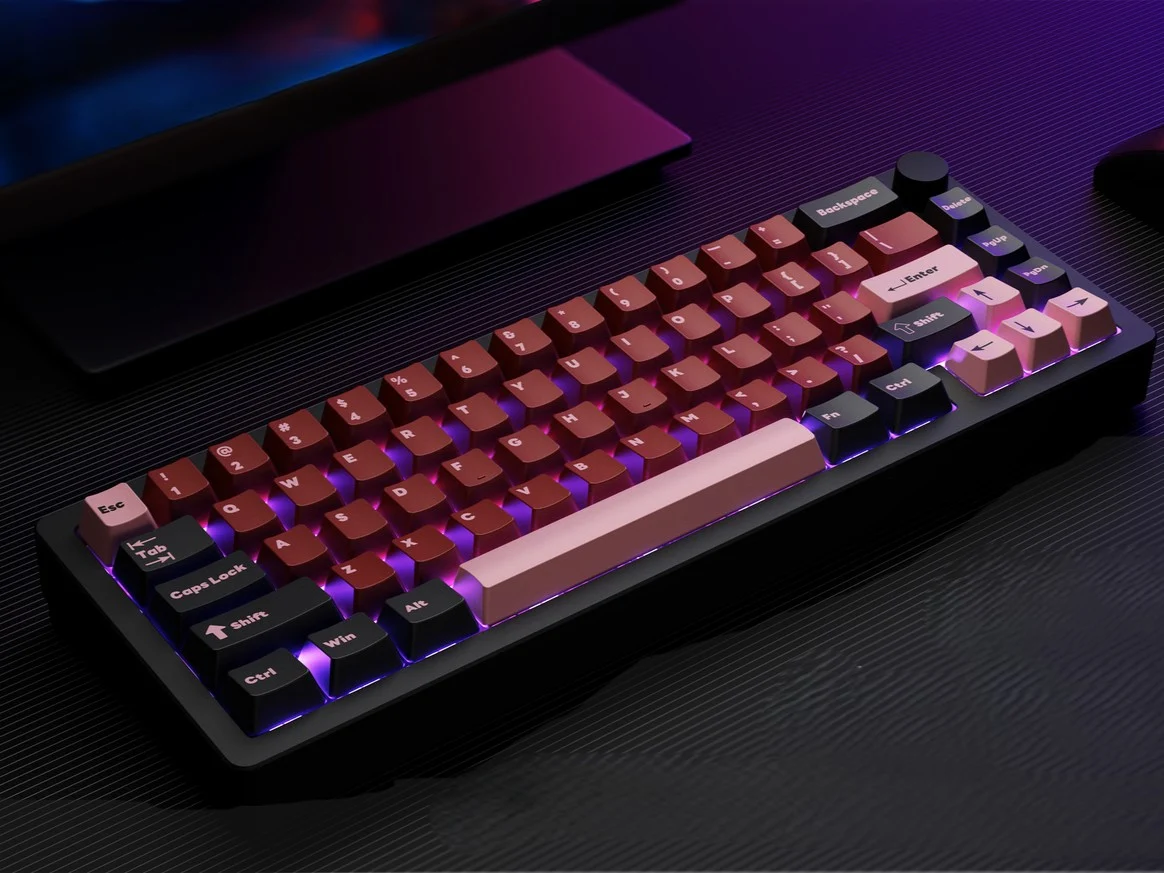
    It’s worth mentioning that there are very few options when it comes to keyboards that come with built-in powerful PCs. The keyboard, with its funding campaign launched on August 27, 2025, incorporates an Intel N150 processor within the design of a mechanical keyboard. This aims to help users save space on their desks and minimize the mess of cables.

    Features and Options

    Rakeydo has equipped its mechanical keyboard with red switches, and it also includes RGB backlighting offering up to nine different lighting effects. Backers of the campaign can select from multiple storage options, including 512 GB, 1 TB, or 2 TB. Each setup is paired with 16 GB of RAM and various ports for monitors, micro SD cards, audio connections, and other devices, all running on Windows 11 Pro. The starting price is about $399 as part of the “Super Early Bird” special, plus shipping.

    Buyer Beware

    However, it’s important to point out that Rakeydo hasn’t financed any other projects through Kickstarter thus far and lacks additional products available online. Potential backers may want to think carefully before contributing to this project, as newer companies inherently carry greater risks compared to well-established brands.

    Source:
    Link


  • SK Hynix Launches First High-NA EUV Lithography Tool at M16 Fab

    SK Hynix Launches First High-NA EUV Lithography Tool at M16 Fab

    Key Takeaways

    1. SK Hynix has successfully installed the first High-NA EUV lithography system for mass production at its M16 facility in South Korea.
    2. The ASML TWINSCAN EXE:5200B system offers 40% greater numerical aperture, enabling smaller features and denser transistor arrangements.
    3. SK Hynix plans to quickly prototype new DRAM structures and streamline EUV processes to enhance competitiveness and reduce costs.
    4. The adoption of High-NA EUV technology positions SK Hynix ahead of competitors like Micron and Samsung in the DRAM market.
    5. This milestone marks a significant step towards next-generation DRAM production and reduces risks associated with future technology transitions.


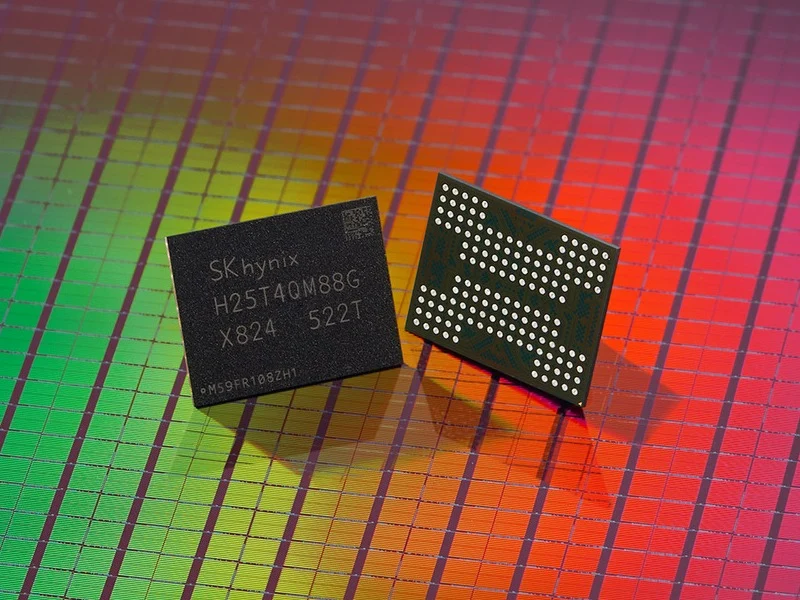
    SK Hynix has revealed that it has successfully put together the first High-NA EUV lithography system intended for mass production at its M16 facility located in Icheon, South Korea. This achievement was celebrated by executives from both SK Hynix’s research and development and manufacturing divisions, along with ASML’s customer lead for SK Hynix, during a special event on-site. The primary aim of this system is to boost the creation and supply of next-generation DRAM while reinforcing domestic leadership in AI-memory and improving supply-chain reliability through close cooperation with partners. This achievement sets SK Hynix apart from competitors who still depend on Low-NA EUV technology.

    Enhanced Capabilities

    The ASML TWINSCAN EXE:5200B system provides around 40% greater numerical aperture (NA) than its Low-NA alternative, allowing for features that are 1.7 times smaller and approximately 2.9 times denser in terms of transistors in a single exposure. This machine can reach an impressive resolution of 8nm, which is a notable enhancement compared to the existing 13nm resolution found in Low-NA systems. ASML describes this advancement as “opening up a new chapter.”

    Accelerating Development

    In the initial phase, SK Hynix intends to quickly prototype various new DRAM structures, such as capacitor trenches, bitlines, and wordlines, to speed up the development of nodes. The company also aims to streamline its current EUV process flows, which should help in making costs more competitive as the development progresses.

    Future iterations of DRAM are likely to shift to High-NA EUV around the 2030s; thus, this tool mitigates risks associated with that transition early on. Since 2021, SK Hynix has broadened its EUV presence in DRAM, and this milestone signifies the next phase in its journey toward next-gen DRAM production.

    Competitive Edge

    Being among the first to set up High-NA EUV systems at a mass-production site gives SK Hynix an edge over competitors like Micron and Samsung, enhancing its position in the marketplace. Although ASML had previously constructed pre-production High-NA systems (the NXE:5000 series) at Intel’s D1X fab, SK Hynix’s installation represents the inaugural assembly of the new EXE:5200B system at a client fab specifically configured for large-scale production.

    Source:
    Link