Category: Computers

  • AMD Ryzen 5 9500F CPU Launches Officially in China

    AMD Ryzen 5 9500F CPU Launches Officially in China

    Key Takeaways

    1. The Ryzen 5 9500F features 6 cores and 12 threads with a base clock of 3.8 GHz and a boost up to 5.0 GHz, built on AMD’s Zen 5 architecture.
    2. This processor lacks integrated graphics, requiring a dedicated graphics card, allowing AMD to offer a competitive price.
    3. Early benchmarks show the 9500F delivering 7% to 24% more gaming performance compared to the Ryzen 5 7500F.
    4. In Geekbench 6 tests, it scored approximately 3,122 points in single-core and 14,369 points in multi-core performance, close to the Ryzen 5 9600.
    5. Speculated pricing for the Ryzen 5 9500F is around sub-$200, but recent listings show prices closer to $217-218.


    The Ryzen 5 9500F has been officially released in China, boasting remarkable specifications that position it as a strong budget-friendly choice. As stated on AMD’s official product page for China, this processor is composed of 6 cores and 12 threads, utilizing AMD’s new Zen 5 architecture. It operates at a base clock speed of 3.8 GHz, and can boost up to a maximum of 5.0 GHz. The processor also includes a 32MB L3 cache, similar to that of the higher-end Ryzen 5 9000 series, and works with a TDP of 65W.

    Launch Strategy in China

    The introduction of this chip follows AMD’s trend of trialing new SKUs in targeted regions. For example, the Ryzen 5 7500F was first launched solely in China before being released more broadly. It seems likely that AMD might use a similar approach with their recent release.

    No Integrated Graphics

    As is typical for the “F” series, this processor lacks integrated graphics. Users will need to use it alongside a dedicated graphics card. This design decision enables AMD to offer this chip at a more attractive price while still providing all the performance benefits of the Zen 5 architecture.

    Performance Gains

    When it comes to performance, early benchmarks show significant improvements over the Ryzen 5 7500F, with the 9500F providing 7% to 24% more gaming performance. In Geekbench 6 tests, the processor scored roughly 3,122 points for single-core performance and 14,369 points for multi-core performance. These results place it in close proximity to the higher-priced Ryzen 5 9600, which generally achieves about 3,166 points in single-core tests and 14,257 points in multi-core tests.

    While AMD’s official product page for China does not specify exact pricing, there is online speculation that the Ryzen 5 9500F aims for the sub-$200 price range. Nevertheless, some recent listings from retailers indicate a price around $217-218, bringing it nearer to the Ryzen 5 9600X, which is currently priced at about $190-200.

    Source:
    Link


  • Eurocom Blitz Ultra 2: Features Missing in Most 14-Inch Laptops

    Eurocom Blitz Ultra 2: Features Missing in Most 14-Inch Laptops

    Key Takeaways

    1. The Eurocom Blitz Ultra 2 14 allows for upgradeable RAM and supports two full-size M.2 SSDs, unlike typical 14-inch subnotebooks.
    2. Users can customize the device with up to 128 GB of RAM and 16 TB of storage, making it suitable for RAM-intensive applications.
    3. Competing models, like the HP EliteBook X G1i 14, have limitations on RAM and SSD expansion options.
    4. The Eurocom device is bulkier and heavier compared to standard 14-inch subnotebooks, affecting portability.
    5. Potential buyers should consider the trade-offs between upgradeable features and the increased size and weight of the device.


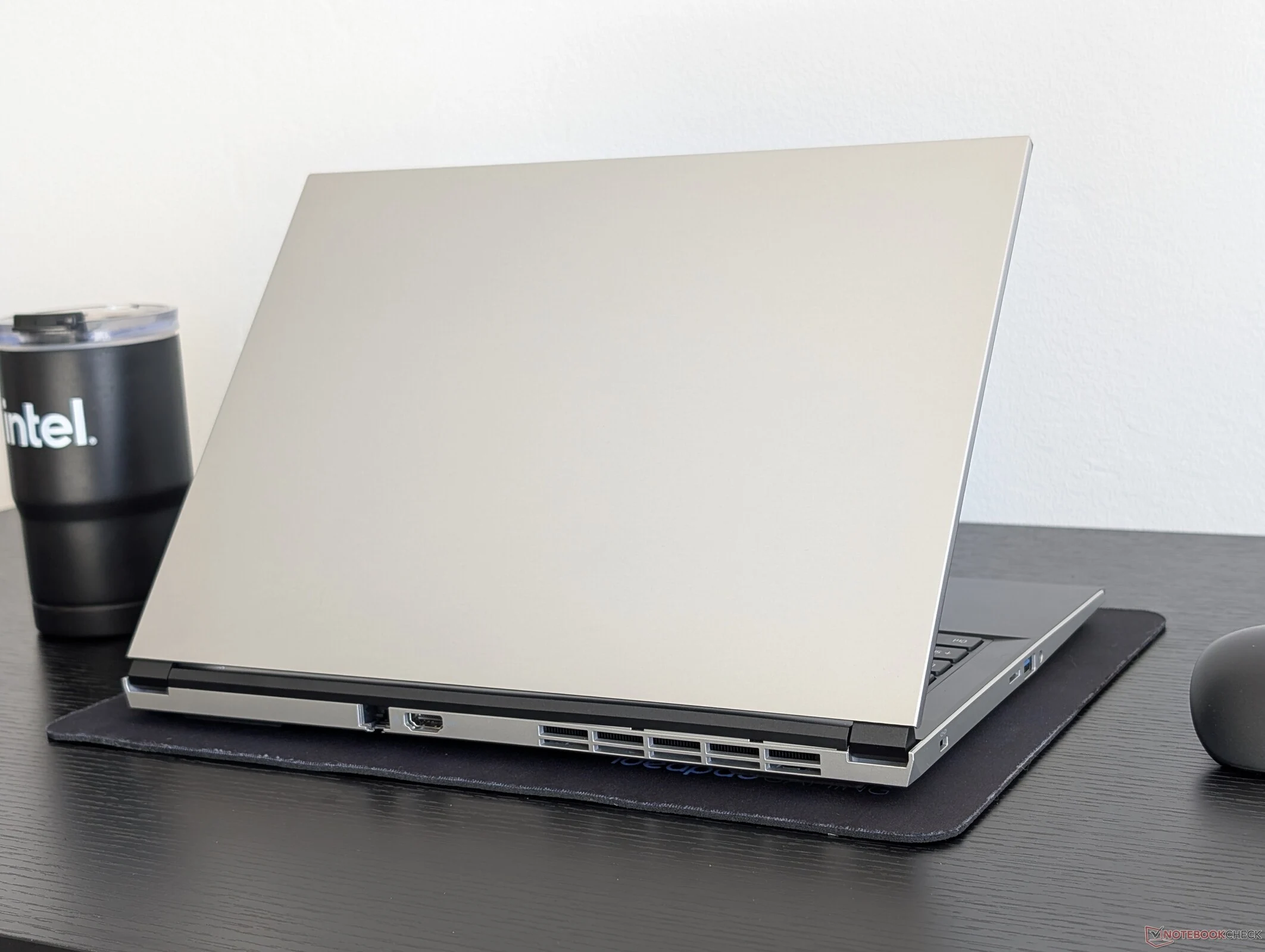
    There are certain aspects that many 14-inch subnotebooks tend to give up due to their compact designs. Typically, these devices come with soldered LPDDR5 memory instead of removable or upgradeable RAM, and they often only accommodate one M.2 SSD rather than two separate drives. However, the Eurocom Blitz Ultra 2 14 stands out as one of the rare 14-inch subnotebooks that allows for both upgradeable RAM and the capability to install up to two full-size M.2 SSDs.

    Upgrade Options and Performance

    As highlighted in our review of the device, the Blitz Ultra 2 14 can be customized by users to include up to two 64 GB DDR5-5600 SODIMM modules, leading to a total of 128 GB of RAM, or even two 8 TB M.2 2280 NVMe SSDs configured in RAID 0/1, providing a massive storage capacity of up to 16 TB. In comparison, well-known 14-inch business laptops like the HP EliteBook X G1i 14 are limited to a maximum of 32 GB or 64 GB of non-upgradable RAM with no options for SSD expansion. Therefore, users who need to run multiple servers or RAM-intensive applications may find the lesser-known Eurocom model to be a more appealing choice.

    Considerations and Trade-offs

    Despite its advantages, there are some trade-offs to be aware of. One major downside is that the Eurocom device is slightly bulkier and heavier than the typical 14-inch subnotebook, including the previously mentioned HP model. This enhanced repairability does come with its own set of drawbacks when it comes to portability.

    Conclusion

    In conclusion, while the Eurocom Blitz Ultra 2 14 offers unique features that cater to power users, potential buyers should weigh these benefits against its size and weight. It’s a solid option for those seeking upgradeable hardware and extensive storage, but it might not be the best fit for everyone.

    Source:
    Link


  • NASA Discovers Stardust Older Than Solar System in Asteroid Bennu

    NASA Discovers Stardust Older Than Solar System in Asteroid Bennu

    Key Takeaways

    1. OSIRIS-REx, launched in 2016, aimed to collect samples from the asteroid Bennu to understand Earth’s origins.
    2. Researchers discovered materials from Bennu that are older than the solar system, including stardust and organic matter from interstellar space.
    3. Bennu’s materials changed over time due to interactions with water, indicating its ancestors gathered ice and dust.
    4. The presence of impact melts on Bennu’s surface shows it has experienced multiple strikes from micrometeorites, with rapid weathering occurring.
    5. OSIRIS-REx is now heading to asteroid Apophis as OSIRIS-APEX, continuing to study asteroids as time capsules of the solar system’s formation.


    OSIRIS-REx, or the Origins, Spectral Interpretation, Resource Identification, and Security-Regolith Explorer, is a mission from NASA that was launched in 2016. This mission was aimed at gathering samples from the asteroid called Bennu.

    Asteroids and Earth’s Origins

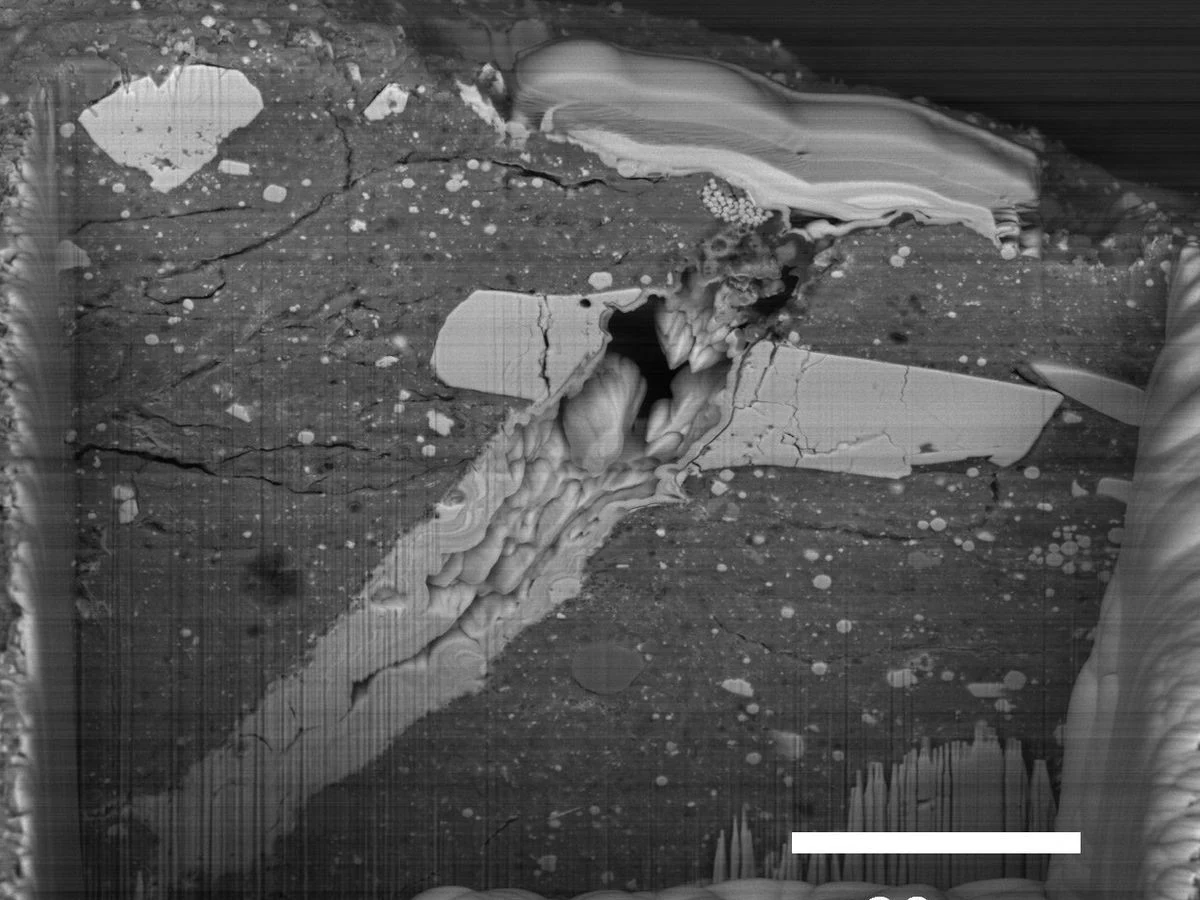
    Researchers think that asteroids frequently crashed into young planets during their early stages. This means that these asteroids might have brought water and other essential elements for life to Earth when they struck it. The goal of OSIRIS-REx was to collect samples from the surface of Bennu on October 20, 2020. Now, three distinct research teams have uncovered some fascinating information regarding those samples.

    Uncovering Ancient Origins

    Since Bennu originated from a larger asteroid, one research team concentrated on finding out more about Bennu’s ancestor. They unearthed materials that are older than the solar system itself. Ann Nguyen, a co-leader of the research, stated, “We discovered stardust grains with compositions that are even older than the solar system, organic matter likely formed in interstellar space, and high-temperature minerals that were created closer to the Sun.”

    Changes Over Time

    Another team found that the materials of Bennu changed over time due to their interaction with water. Their findings indicate that Bennu’s ancestors gathered ice and dust. The ice melted, and this liquid mixed with the dust to create the components of Bennu that we see today.

    Evidence of Impacts

    The third group identified impact melts on the Bennu samples’ surface. This indicates that the asteroid experienced multiple strikes from micrometeorites. Because asteroids don’t have an atmosphere, the surface weathering caused by micrometeorites and intense solar wind is anticipated. However, on Bennu, this process is occurring at an extraordinarily rapid pace.

    OSIRIS-REx is now heading toward asteroid Apophis, under a new title—OSIRIS-APEX. It is expected to study Apophis along with the Ramses mission. Asteroids serve as time capsules, allowing scientists to gain a clearer understanding of how the solar system came into existence around 4.5 billion years ago.

    Source:
    Link


  • Minisforum MS-S1 Max: AMD Strix Halo APU, 80 Gbps USB4, dGPU Support

    Minisforum MS-S1 Max: AMD Strix Halo APU, 80 Gbps USB4, dGPU Support

    Key Takeaways

    1. The MS-S1 Max mini PC features an AMD Strix Halo APU and was showcased at IFA 2025.
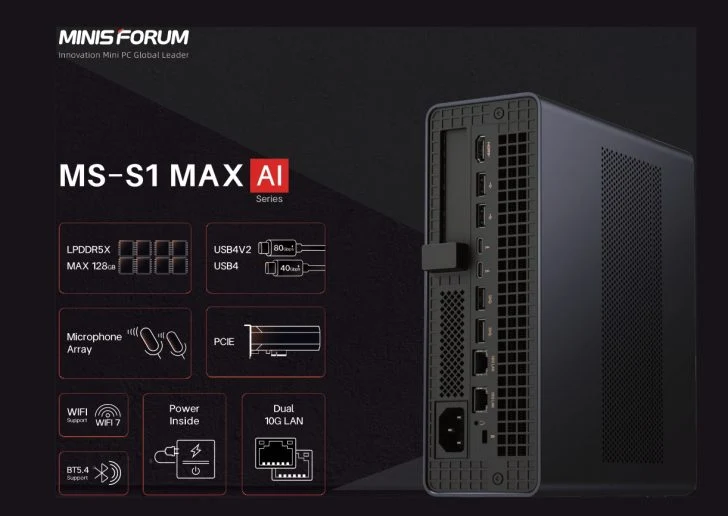
    2. It includes two USB4 V2 ports with transfer speeds of 80 Gbps, doubling the previous version’s speed.
    3. The system supports a discrete GPU through an internal PCIe x16 slot, limited to small form factor GPUs.
    4. The mini PC is powered by a Ryzen AI Max+ 395 APU and Radeon 8060S, with a maximum memory capacity of 128 GB RAM.
    5. Connectivity options include two 10 GbE LAN ports, WiFi 7, and Bluetooth 5.4, alongside a built-in 320 W power supply.


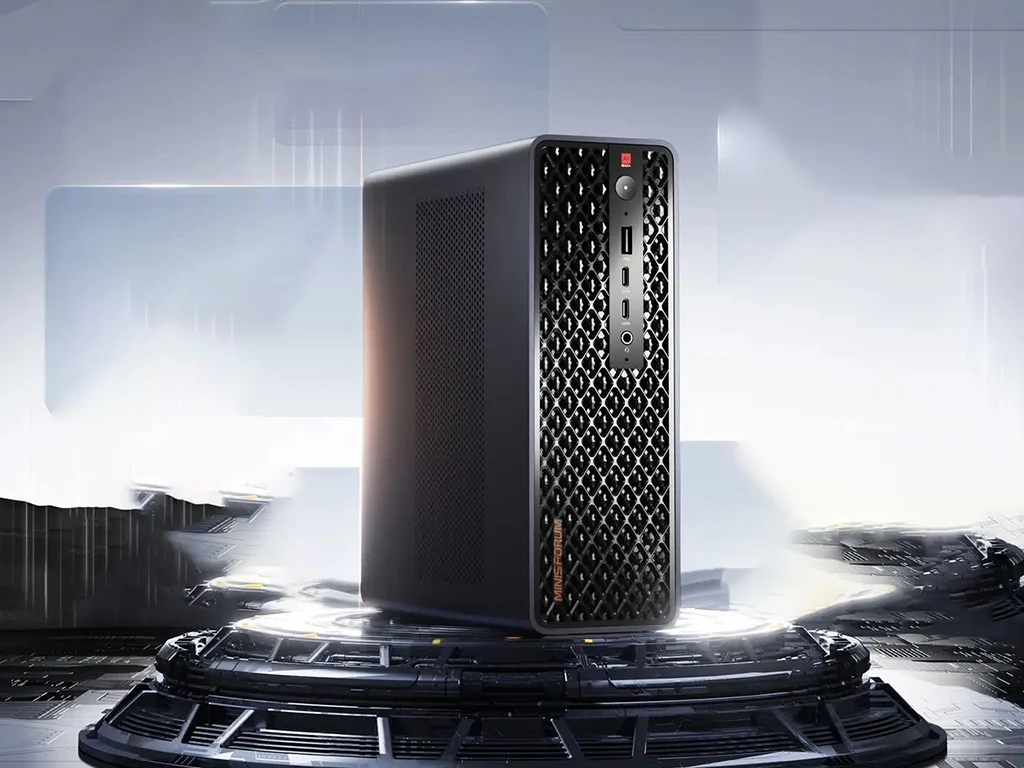
    Minisforum has recently given a sneak peek of the MS-S1 Max, a premium mini PC powered by an AMD Strix Halo APU. This system was presented at IFA 2025, where the company confirmed it’s among the first models to include two USB4 V2 ports, boasting an impressive transfer speed of 80 Gbps. This represents a twofold increase from the previous version, aligning with the capabilities of Thunderbolt 5.

    Connectivity and GPU Support

    In addition, the MS-S1 Max is equipped with two 40 Gbps USB4 ports and has the capability to support a discrete GPU through an internal PCIe x16 slot. However, it’s important to remember that any desktop GPU used must be of a small form factor (SFF) due to the limited space within the chassis (Asus SFF-ready RTX 5070 currently priced at $523.79 on Amazon).

    APU and Memory Specifications

    On the APU side, the mini PC is outfitted with the Ryzen AI Max+ 395 and the Radeon 8060S, allowing for a memory capacity of up to 128 GB of RAM. Minisforum also emphasizes the inclusion of two 10 GbE LAN ports for wired connections, along with WiFi 7 and Bluetooth 5.4 for wireless networking.

    Moreover, the system comes with a built-in 320 W power supply unit, a microphone array, and a stylish chassis. This chassis is optimized for rack use, featuring exhaust vents at the back. Minisforum has not yet disclosed the release date for the MS-S1 Max, nor the starting price, but it might be somewhere in the same price bracket as the GMKtec EVO-X2.

    Source:
    Link


  • Minisforum G1 Pro Mini PC Launches with Ryzen 9 8945HX and RTX 50

    Minisforum G1 Pro Mini PC Launches with Ryzen 9 8945HX and RTX 50

    Key Takeaways

    1. The Minisforum G1 Pro mini PC features an AMD Ryzen 9 8945HX processor and is expected to include an Nvidia RTX 5070 GPU.
    2. The G1 Pro supports up to 96 GB of DDR5-5600 RAM and has two M.2 slots for PCIe 4.0 SSDs.
    3. The mini PC includes a variety of ports and offers WiFi 6E and Bluetooth 5.3 connectivity.
    4. The design includes a modern look with a blue LED and a sleek vertical chassis.
    5. Release and pricing information for the G1 Pro is not yet available, but more details are expected soon.


    Alongside the MS-S1 Max, Minisforum has introduced the G1 Pro at IFA 2025. This small form factor (SFF) mini PC is equipped with a cutting-edge APU from the Dragon Range Refresh series. Specifically, it features the AMD Ryzen 9 8945HX processor, which is combined with an Nvidia RTX 50 series Laptop GPU.

    GPU Model Speculation

    Minisforum hasn’t disclosed the exact model of the GPU included in the G1 Pro, but it’s anticipated to be the RTX 5070. However, the company has confirmed that the AMD CPU can support up to 96 GB of DDR5-5600 RAM. Additionally, the system is designed with two M.2 slots that can accommodate PCIe 4.0 SSDs, such as the 2 TB Samsung 990 Evo Plus, available for $119.99 on Amazon.

    Connectivity and Design Features

    Even though the Minisforum G1 Pro is compact, it seems to offer a good variety of ports. The company has stated that the port selection consists of the following:

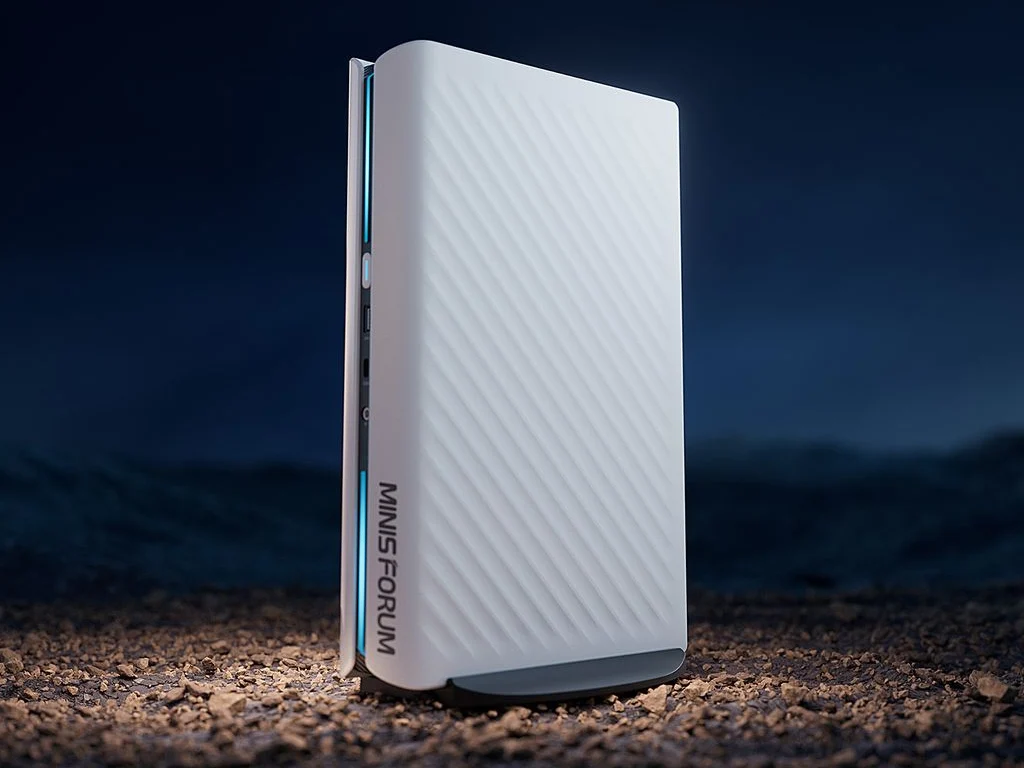
    In terms of wireless options, the mini PC will feature WiFi 6E and Bluetooth 5.3. Other notable aspects include a modern design highlighted by a blue LED at the center and a sleek vertical chassis. The release and pricing information for the Minisforum G1 Pro has not yet been disclosed, but more details are anticipated to be announced shortly.

    Source:
    Link


  • ZimaBoard 2 Launches with New Features in ZimaOS v1.4.4

    ZimaBoard 2 Launches with New Features in ZimaOS v1.4.4

    Key Takeaways

    1. IceWhale announced the start of shipments for the ZimaBoard 2 on September 2, with the first batch of 1,000 units being sent to pre-order customers.

    2. Significant software improvements have been made to ZimaOS, the lightweight home server operating system, enhancing stability, reliability, and user experience.

    3. The latest version of ZimaOS (v1.4.4) introduces features like One-Tap Reset and RAID1 Repair, improving data security and system management.

    4. Recent updates added a 3-2-1 backup system, support for various storage configurations (JBOD and RAID6), and performance enhancements that reduce resource use and increase app download speeds.

    5. IceWhale is committed to ongoing software updates for ZimaOS, driven by community feedback, with a growing user base and significant downloads.


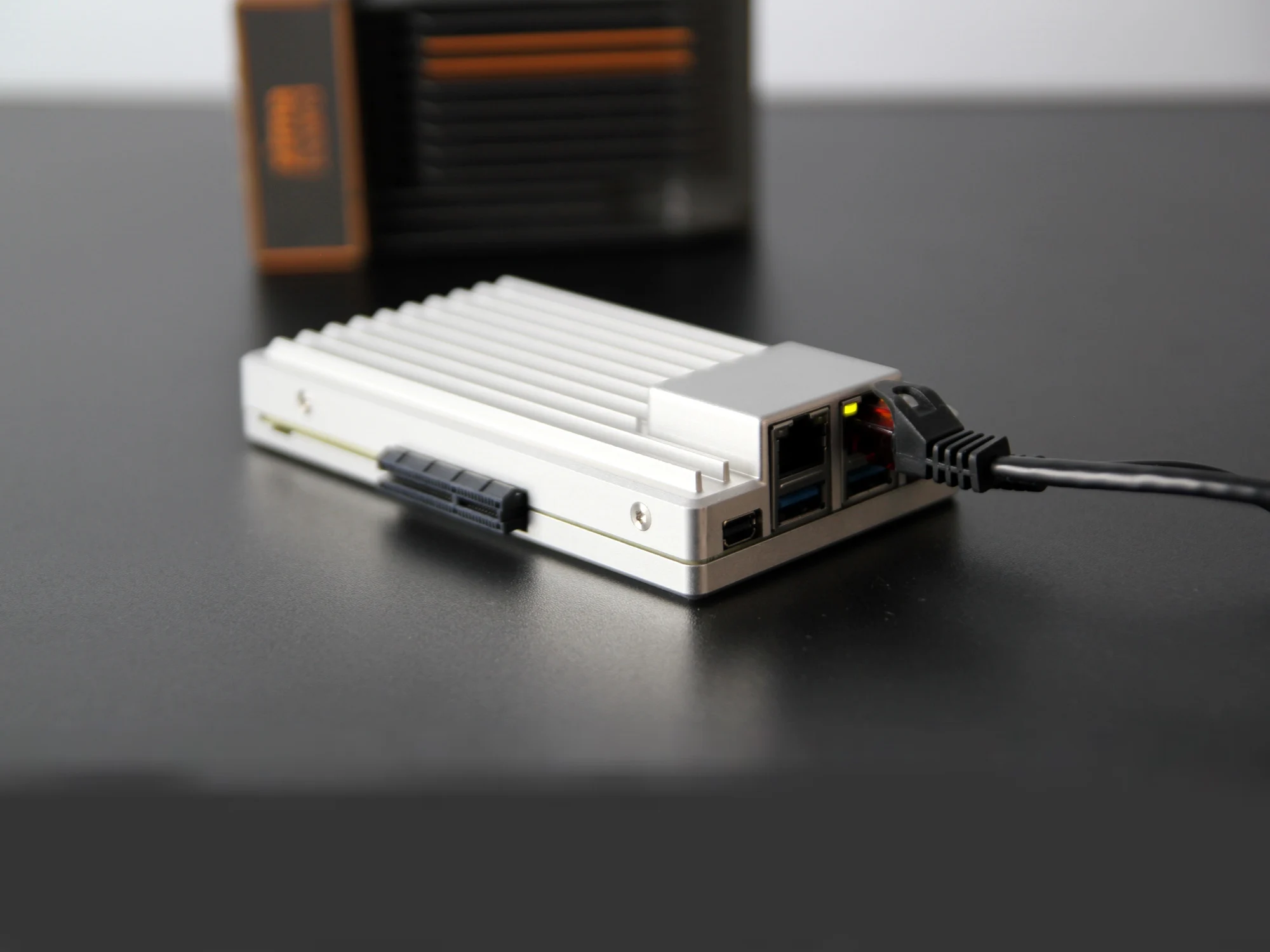
    We were fortunate to be among the select few who got to test the ZimaBoard 2 prior to its official release. Previously, we had also examined the original ZimaBoard, along with the ZimaBlade and the much larger ZimaCube.

    Shipping Announcement

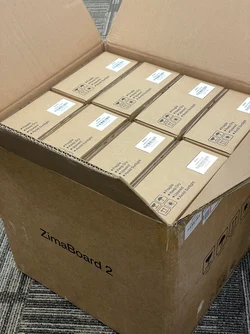
    On September 2, IceWhale, the company behind ZimaBoard, joyfully announced the start of shipments for the ZimaBoard 2 to customers. They expressed gratitude to the community for their support throughout the project and revealed that the initial batch of 1,000 units of the ZimaBoard 2 1664 is on its way.

    For those who pre-ordered the compact x86 SBC home server and are part of the first 1,000 customers, it’s a good idea to check your email. IceWhale has sent tracking numbers to these buyers. All subsequent orders are expected to be shipped by early October.

    Software Improvements

    While the hardware has been fine-tuned for this launch, significant improvements have also been made to the software. The team is consistently enhancing their lightweight home server OS, ZimaOS, which is based on CasaOS. The new version offers much greater functionality than the original CasaOS while keeping the lightweight nature intact.

    Just recently, ZimaOS v1.4.4 was launched, focusing on aspects like stability, reliability, and ease of use. This update fixes several bugs, boosts performance, and introduces handy features like One-Tap Reset (which resets the system and apps while keeping data safe) and RAID1 Repair (a new method to fix corrupted RAID1 arrays, enhancing data security), thus making the NAS experience more solid and user-friendly.

    Recent Updates and Features

    The earlier update in early August brought a wealth of new features, including the 3-2-1 backup system, which allows backups to LAN storage, cloud drives, USB devices, and Zima products. Since then, incremental backups, version control, and support for parallel tasks have been added. Additional features include support for JBOD and RAID6, a fresh interface for storage creation, visible device information in settings, SSL certificates for secure access, and apps that now launch with helpful tips and password prompts.

    The last update included numerous performance enhancements: app management was refined to lower resource use by 20%, app downloads are now up to 58% quicker, and app startup after a restart is much faster.

    IceWhale is putting a lot of effort into ZimaOS: users can look forward to ongoing updates, many of which are driven by community feedback. The operating system has seen over 900,000 downloads, and their Discord community has grown to more than 29,000 members. If you’re interested, you can order the ZimaBoard 2 here.

    Source:
    Link


  • Severance Retro Mechanical Keyboard Replica Launches on Kickstarter

    Severance Retro Mechanical Keyboard Replica Launches on Kickstarter

    Key Takeaways

    1. Atomic Keyboard has created a high-quality, retro-style keyboard replica from the show Severance, complete with an integrated trackball.
    2. The keyboard features a solid aluminum base, weighs 7 kg, and offers three layout options: ‘Innie,’ ‘Outie,’ and ‘Dasher.’
    3. The design includes a magnetically attached steel top panel that allows for easy swapping between layouts.
    4. Pricing starts at $699 for early backers and goes up to $899 for the complete set, with a barebones kit available for $449.
    5. Expected delivery for the keyboard is set for January 2026, with a web-based layout configurator available for customization.


    Fans of the psychological thriller series Severance now have the chance to own a real-life version of the eye-catching retro-style keyboard that the Macrodata Refinement (MDR) team uses on the severed floor. This isn’t just a themed redesign of an existing item. The folks at Atomic Keyboard have created an exact replica from scratch, featuring an integrated trackball and crafted with high-quality materials and attention to detail.

    Specifications and Design

    The base measures a solid 22 x 9 inches and is made from CNC-machined aluminum with a steel top panel. This gives it a weight of 7 kg or 15.4 lb (that’s right!) but somehow it fits well into the retro-futuristic world of Severance. The keycaps are made from dye-sub PBT, and the switches will be MX-compatible, with the specific type being selectable after the campaign wraps up.

    Layout Options

    The steel top panel uses magnets for easy attachment and can be swapped out to support three different key layouts. The most faithful to the show is the ‘Innie’ layout, featuring a 50 mm trackball and a minimalist 60% key layout that notably omits the Escape, Option, and Control keys (a clever nod to the characters’ situation). The ‘Outie’ layout is more complete and practical, also including the trackball. Lastly, the Dasher layout is based on the Data General Dasher from the 1970s, which inspired the show’s designers.

    The PCB is cleverly designed so you only need to add the necessary switches and keycaps when changing the top panel. A web-based layout configurator is also available, offering additional features. You can view all the detailed specifications on the Kickstarter page.

    Pricing and Availability

    All this comes at a price that is just as astonishing as the keyboard itself: $899 for the complete set, which includes all three layouts, panels, switches, and keycaps. However, early backers can snag it for a still-significant $699 until September 18. There’s also a barebones kit available for $449, which includes just the case and two panels.

    The expected delivery date for this device is January 2026. If you’re looking for a dose of desktop nostalgia without spending too much, consider checking out the 8BitDo Retro 108 Mechanical Keyboard or the Kensington Expert Trackball. Alternatively, if you want to engage in some mysterious and significant work, you can try the Macrodata Refinement online game created by the Atomic team.

    Source:
    Link


  • New Windows Hello Vulnerability Allows Face Login by Hackers

    New Windows Hello Vulnerability Allows Face Login by Hackers

    Key Takeaways

    1. ERNW introduced a new exploit called “Faceplant” that compromises Windows Hello for Business, revealed at Black Hat USA 2025.
    2. The attack allows an attacker with admin rights to bypass another user’s facial recognition login by injecting a stolen biometric template.
    3. The attacker can create a biometric template by registering their face on any computer, then decrypt and pull the victim’s template.
    4. This method differs from the previous “Face Swap” exploit, which required exchanging identifiers between registered user accounts.
    5. The findings emphasize the need for improved security measures in biometric systems to prevent such vulnerabilities.


    ERNW has revealed a new method to compromise Microsoft’s Windows Hello for Business. This revelation took place at the Black Hat USA 2025 conference. The exploit builds off a related vulnerability that was disclosed by the company in July.

    Details of the Attack

    This latest exploit, known as “Faceplant,” enables an attacker with admin rights to completely circumvent another user’s facial recognition login. The researchers clarified that the attacker can first register his/her face on any computer, which creates a biometric template. In simple terms, a biometric template is a digital version of your face that the computer makes and stores when you register your face or fingerprint. This template is what the computer uses to recognize your face or fingerprint when you try to log in.

    To execute the attack, the intruder decrypts and pulls the template. In the final phase, the attacker injects this template into the victim’s biometric database on the target machine. This grants the attacker access as if they were the victim, using their own facial features. This attack marks a notable shift from the Face Swap exploit that ERNW discussed in July.

    Comparison to Previous Exploit

    The earlier attack required the attacker to exchange identifiers, which are tags that point to templates, between two user accounts that were already registered on the same device. In contrast, this new method targets the templates directly, rather than the identifiers, allowing the perpetrator to create the harmful template on any computer.

    ERNW has made a significant advancement in demonstrating these risks within biometric security systems, highlighting the need for enhanced protections.

    Source:
    Link


  • Lenovo Unveils Project Pivo: Rotatable ThinkBook PC at IFA 2025

    Lenovo Unveils Project Pivo: Rotatable ThinkBook PC at IFA 2025

    Key Takeaways

    1. Project Pivo features a ThinkBook that allows users to easily switch between landscape and portrait screen modes, with automatic interface adjustments.
    2. The design includes a sturdy hinge and chassis, ensuring reliable rotation without fragility.
    3. The device is not just an experiment; it’s part of Lenovo’s broader vision to integrate PCs with smartphones and enhance user experience.
    4. Currently a proof of concept, the project aims to test hinge durability and seamless user interface rotation.
    5. Positive feedback could lead to the development of a full-fledged ThinkBook with the expected professional quality and design.


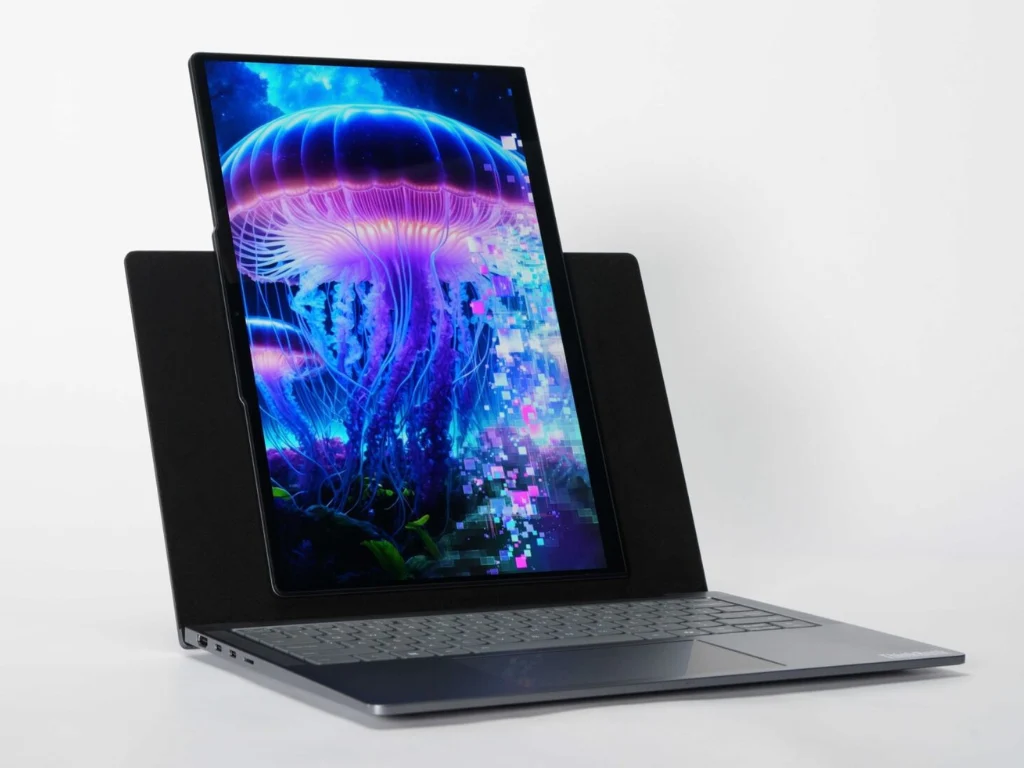
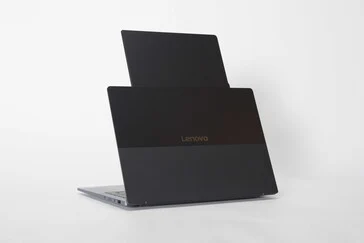
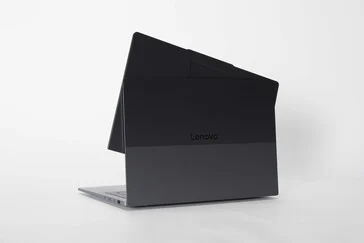
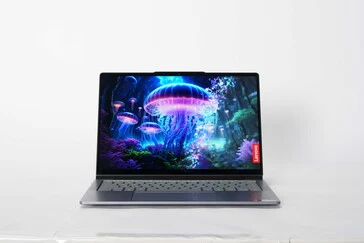
    Project Pivo is the latest innovative concept from Lenovo, showcasing a ThinkBook that has a unique feature aimed at easing a common issue for many users: the ability to rotate the screen between landscape and portrait modes, with the interface adjusting accordingly. You can switch to portrait mode for lengthy documents, coding, social media feeds, or vertical videos; then easily revert back for timelines and spreadsheets. The design of the hinge and chassis ensures that this rotation feels sturdy instead of fragile, and the software is smart enough to rearrange the layouts as the screen turns, allowing windows to adjust automatically without needing manual adjustments.

    Not Just an Experiment

    This device isn’t merely a trial of dual screens or a display of flexible OLED technology. It features one solid panel that emphasizes portrait mode within a laptop setup. Lenovo’s larger vision plays a role here too: Smart Connect integrates PCs with smartphones, and the company has been experimenting with motion-assisted stands and unique displays for some time. Pivo fits comfortably within that category.

    Future Prospects

    Since this is a proof of concept, there aren’t any established timelines or specific configurations available at this moment. The main goal for now is to test whether the hinge is durable, if the user interface rotation is seamless, and if individuals who often strain their necks while viewing vertical content will finally have a laptop that rotates in response. Should the feedback be favorable, it’s likely that Lenovo will move forward in turning this concept into a full-fledged ThinkBook with the standard professional quality and design expected in the future.


  • Amazon Project Kuiper Shows 1 Gbps Satellite Internet Speeds

    Amazon Project Kuiper Shows 1 Gbps Satellite Internet Speeds

    Key Takeaways

    1. Amazon’s Project Kuiper achieved a live demonstration speed of 1.2 Gbps using its customer terminal, highlighting its performance goals for a fleet of 3,200 satellites.
    2. The network will offer three terminal types with varying speeds: a small version (up to 100 Mbps), a standard unit (up to 400 Mbps), and an enterprise model (up to 1 Gbps).
    3. Amazon is ramping up satellite manufacturing and aims to have around 1,600 satellites in orbit by mid-2026 to meet FCC regulations.
    4. Partnerships are forming, with JetBlue and NBN Co planning to use Kuiper for in-flight Wi-Fi and rural broadband services, respectively.
    5. Despite competition from SpaceX’s Starlink, Kuiper’s gigabit performance shows promise for becoming a significant player in the satellite broadband market.


    The crew working on Amazon’s Project Kuiper has released a video showcasing the satellite internet service achieving 1.2 Gbps during a live demonstration using its high-grade customer terminal. The connection reached 1,289 Mbps on Ookla’s Speedtest.net. Rajeev Badyal, who leads Project Kuiper, called it “the first commercial phased array antenna to deliver 1+ Gbps from low Earth orbit.” This demonstration underlines the performance goals Amazon is targeting while developing a planned fleet of about 3,200 satellites, with over 100 already launched into orbit.

    Terminal Types and Performance

    The network will utilize three different terminal types. A small seven-inch version will provide speeds reaching up to 100 Mbps, while a standard unit, which is less than 28 centimeters square, is designed for speeds of up to 400 Mbps. The enterprise model can achieve 1 Gbps. Although these results are notable, they were obtained under testing conditions with only a few users sharing the bandwidth. The actual performance will rely on how well the system performs when thousands of customers are connected simultaneously.

    Launch and Manufacturing Plans

    Amazon is moving forward with its launches to achieve service readiness. They deployed their first production satellites in April 2025, and by August, the total had surpassed 100. To comply with Federal Communications Commission regulations, approximately 1,600 satellites need to be in orbit by mid-2026. The company is ramping up manufacturing at its Kirkland, Washington facility, which is anticipated to produce several satellites daily at maximum output. They have also made launch agreements with ULA, Arianespace, Blue Origin, and even SpaceX.

    Partnerships and Future Expansion

    Partnerships are starting to form, with JetBlue planning to introduce Kuiper-powered in-flight Wi-Fi across its fleet beginning in 2027. In Australia, NBN Co intends to use Kuiper to enhance rural satellite broadband services starting in 2026, providing homes with speeds up to 400 Mbps and enterprise customers with speeds of up to 1 Gbps. The project is also backed by federal funding in the United States to improve broadband access in underserved areas, including Wyoming, where the service will offer at least 150 Mbps.

    Despite this advancement, Amazon must confront the task of catching up to Starlink. SpaceX currently operates thousands of satellites and serves millions of clients globally, giving it a strong lead. Nevertheless, Kuiper’s gigabit demonstration shows that the technology is competitive. With enough satellites in orbit and ongoing investments in partnerships, Amazon has a viable route to becoming a significant contender in satellite broadband. The next stage will transition from controlled testing to actual deployments, where reliability and capacity under load will determine Kuiper’s success in the market.

    Source:
    Link