Tag: Nvidia RTX 5070

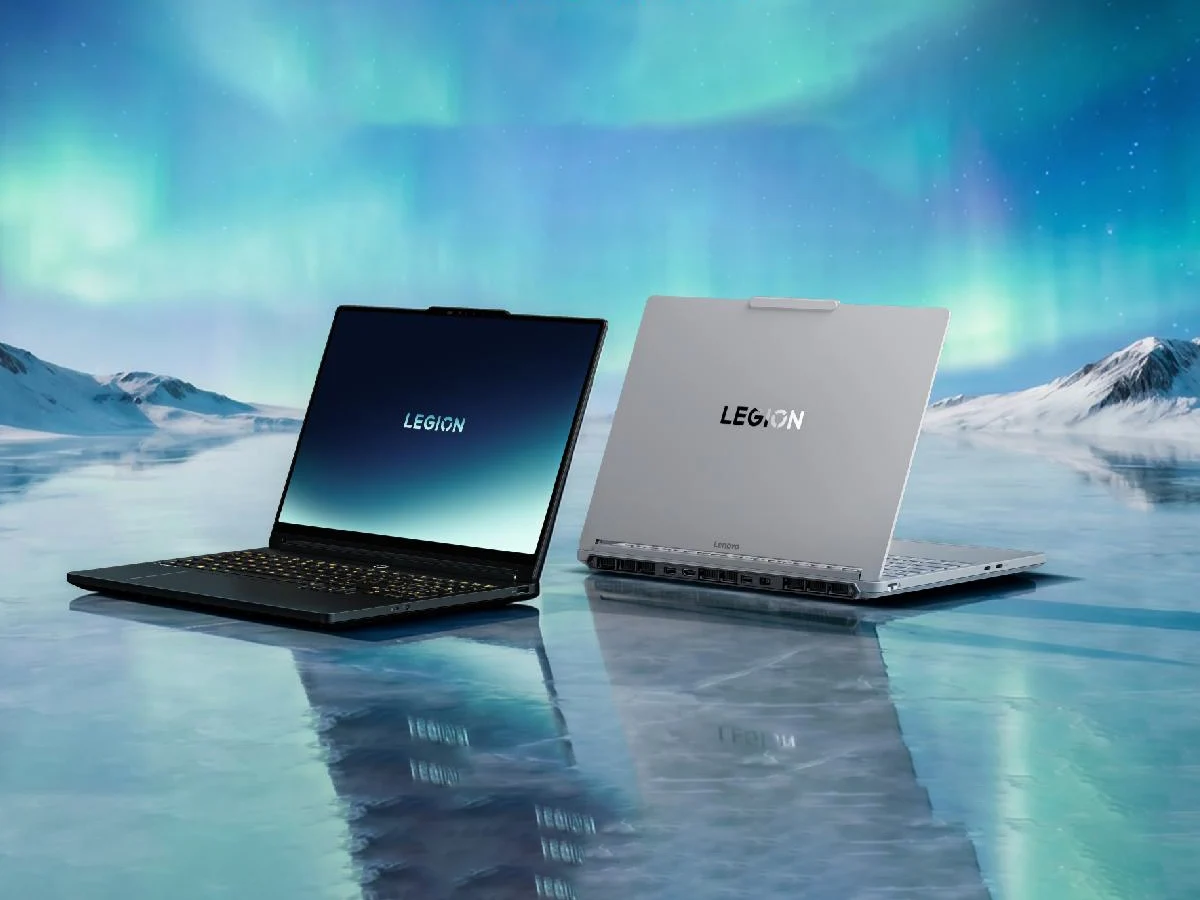
  • Lenovo Legion Laptops with RTX 5070 12GB GPU Released

    Lenovo Legion Laptops with RTX 5070 12GB GPU Released

    Key Takeaway

    – Lenovo’s 2026 Legion lineup in China introduces RTX 5070 12GB laptop GPUs across the Y7000X, Y7000P, Y9000X, and Y9000P, with configurable CPU/RAM options and high-refresh OLED/IPS displays.
    – Y7000X is the lightest/slimmest at ~1.95 kg and 18.9 mm, featuring a 15.3″ 165 Hz OLED display (2560×1600) and up to Intel Core Ultra 7 251HX Plus; starts at CNY 14,699 (~$2,160).
    – Y7000P offers a larger 16″ 240 Hz IPS screen (2560×1600, 500 nits) with superior cooling, priced from CNY 13,499 (~$1,984) in China.
    – Both Y7000 models include 16 GB RAM with potential to upgrade to 32 GB (e.g., Corsair Vengeance DDR5-5600), and share the RTX 5070 12GB GPU option.
    – The new Y9000X/Y9000P pair extends to a 2.5K 16″ OLED 240 Hz panel, Intel Core Ultra 9 290HX Plus, with cooling setups of 170W dual fans (Y9000X) and 225W triple fans (Y9000P); pricing in China starts at approximately CNY 17,499–18,999 (~$2,572–$2,792).


    Lenovo expands gaming lineup with new RTX 5070 laptops in China

    Lenovo has launched a couple of new gaming laptops in China that have the Nvidia RTX 5070 12GB laptop GPU. This is a refreshed variant, which was officially released in April 2026, and these Legion-branded laptops are among the first ones to feature it. The information is presented here with the pricing and specification details preserved, though note that some figures may vary by region.

    2026 Legion Y7000X and Y7000P details

    Among the notable ones are the 2026 Legion Y7000X and Y7000P. These two are powered by up to the Intel Core Ultra 7 251HX CPU, and among the two, the former has a lightweight and slim design. Lenovo notes that it weighs around 1.95kg and is 18.9mm thin. It also comes with a 15.3-inch OLED display with a 165Hz refresh rate, 2560×1600 pixels, and a peak brightness rating of 1,100 nits.

    Display and cooling tradeoffs

    The Legion Y7000P, on the other hand, has a 16-inch IPS screen with the same resolution but a 240Hz refresh rate and a peak brightness rating of 500 nits. The screen might be seen as a downgrade, but it comes with a better cooling setup. Both the gaming laptops feature 16GB of RAM, but the memory seems to be upgradeable (Corsair Vengeance 32GB DDR5-5600 kit curr. $365 on Amazon).

    Pricing and configurations

    There are multiple configurations available, but the Y7000X with the 12GB Nvidia RTX 5070 Laptop GPU starts at CNY 14,699, around $2,160. The recently released Legion 5i 15IAX11 for the global market has some matching specs, but its display maxes out with a 165Hz refresh rate.

    Y7000P and further models

    As for the Y7000P, its specs don’t appear to match any of the currently available Legion gaming laptops in the global market. Nonetheless, in China, the configuration with the RTX 5070 12GB Laptop GPU costs CNY 13,499, about $1,984.

    2026 Legion Y9000X and Y9000P

    Lenovo has also released the 2026 Legion Y9000X and Y9000P with up to 12GB Nvidia RTX 5070 Laptop GPU. Both feature a 2.5K 16-inch OLED display with a 240Hz refresh rate, and they pack the Intel Core Ultra 9 290HX Plus. Among the two, the Y9000X has a lighter build, but it has a 170W dual-fan cooler. The Y9000P, on the other hand, sports a 225W triple-fan cooling setup. The former with the 12GB RTX 5070 and 32GB of RAM costs CNY 18,999, around $2,792, while the latter with 16GB of RAM goes for CNY 17,499, about $2,572. Global launch details about these laptops are yet to emerge.

    Sources
  • MSI Unveils Over 12 New Gaming Laptops Featuring Nvidia GeForce RTX 5090

    MSI Unveils Over 12 New Gaming Laptops Featuring Nvidia GeForce RTX 5090

    Key Takeaway

    1. MSI has introduced eight new laptops featuring Intel’s Arrow Lake-HX Plus processors, including the Core Ultra 9 290HX Plus.
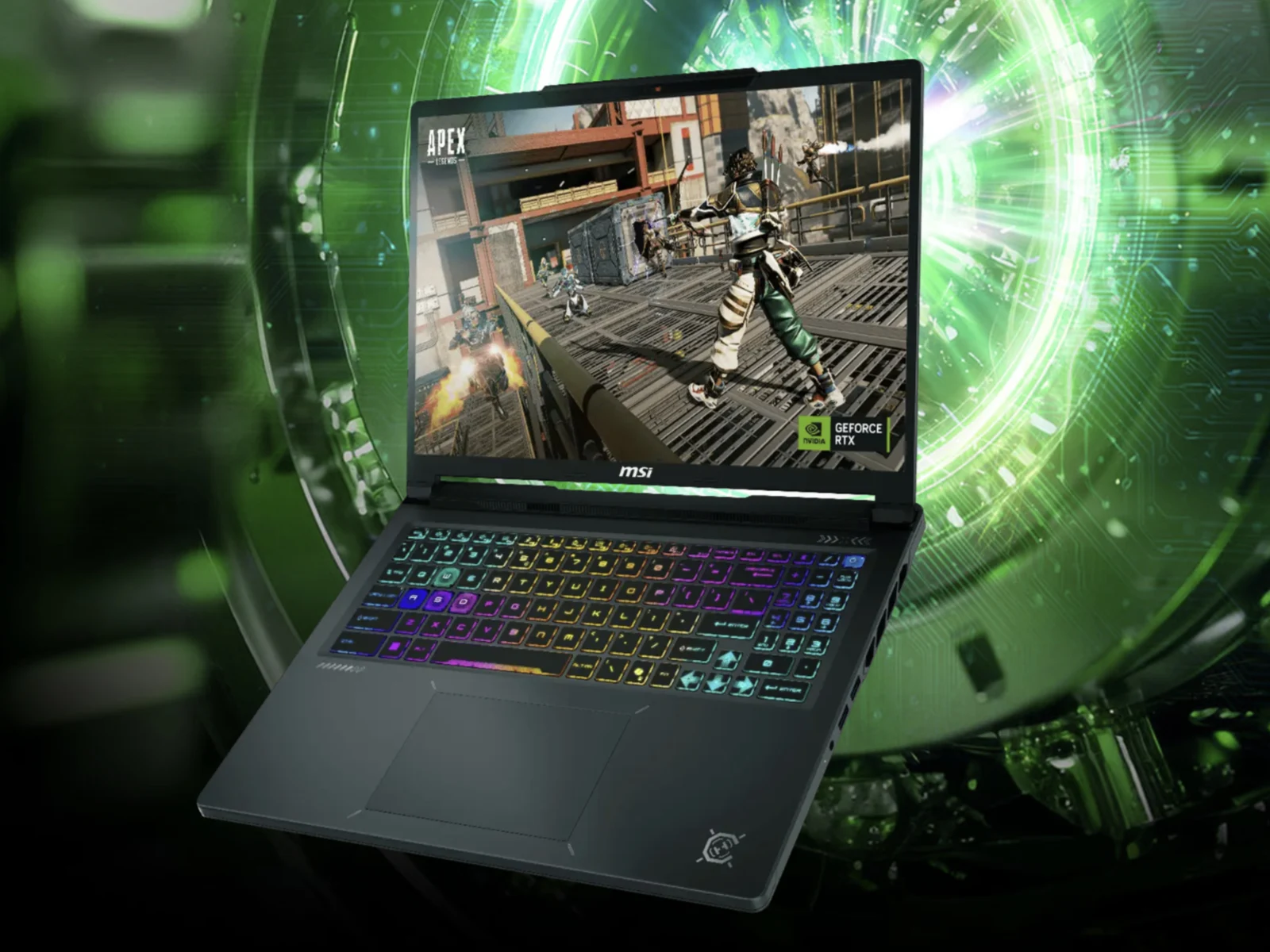
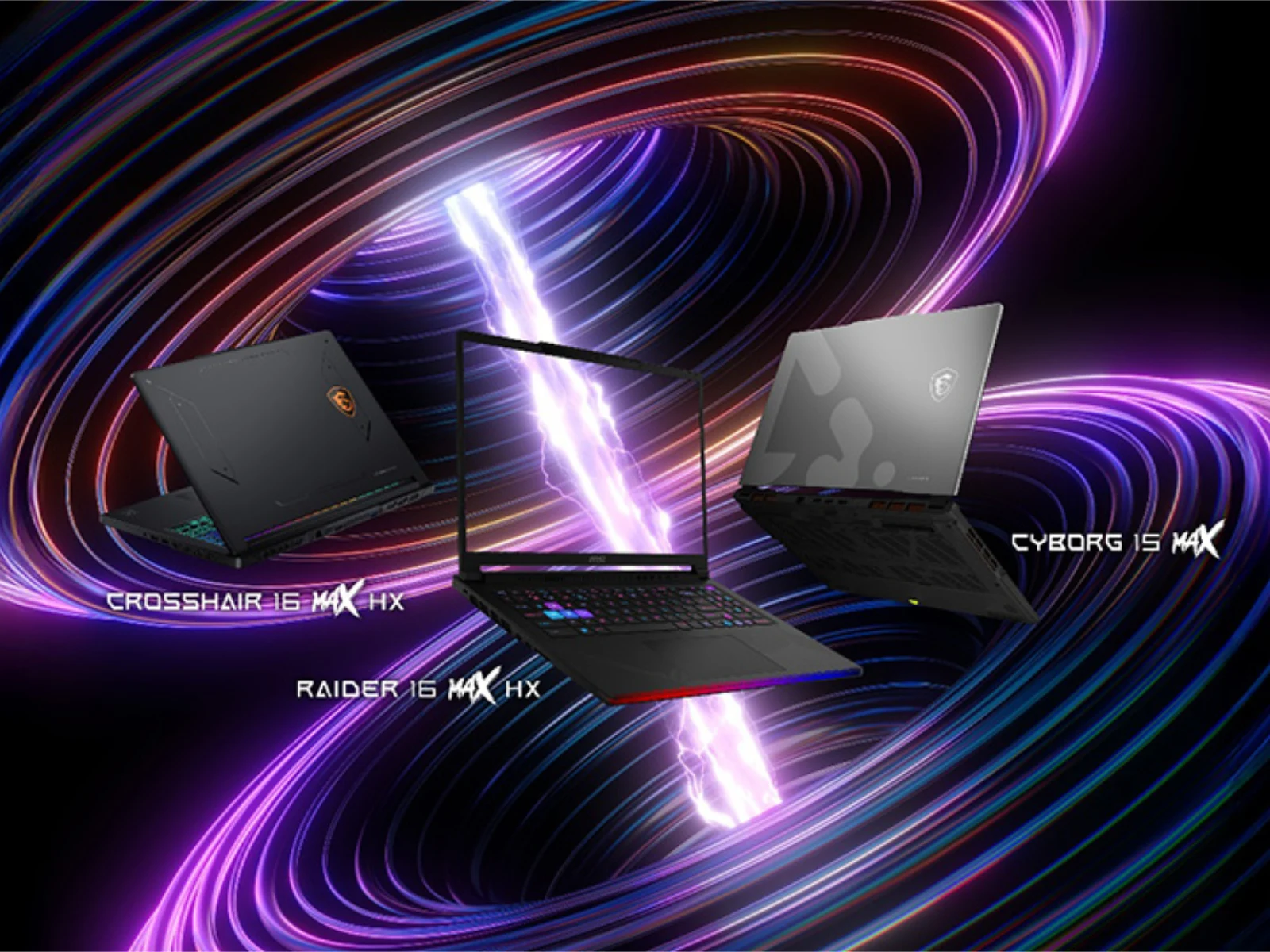
    2. The lineup includes the Crosshair 16 Max HX E2WGXK, the first to feature Nvidia’s upcoming 12 GB RTX 5070 GPU.
    3. Several models are updated with Core i7 or i9 HX processors and various GeForce RTX 5050 to 5070 graphics; MSI also announced new 15-inch Cyborg models.

    MSI Unveils New High-Performance Laptops with Cutting-Edge Processors and GPUs

    About a month ago, Intel launched their latest Arrow Lake-HX Plus processors like the Core Ultra 9 290HX Plus, shaking up the gaming and professional laptop scene. MSI has jumped into this trend with a bold lineup of eight fresh models that belongs to their Raider and Stealth Titan series. These new machines are packed with powerful hardware, especially the Core Ultra 9 290HX Plus CPUs, promising to deliver impressive performance across genres.

    New Models and GPU Innovations

    The highlights include a series of gaming laptops, such as the Crosshair 16 Max HX E2WGXK, which is particularly notable for being the first to feature Nvidia’s upcoming 12 GB RTX 5070 laptop GPU. The rest of the lineup is equipped with high-end Nvidia graphics cards, including the GeForce RTX 5070 Ti, RTX 5080, and RTX 5090. Such specifications hint towards outstanding graphics capabilities for gaming and heavy-duty tasks alike.

    Updated Variants and Affordability

    Meanwhile, MSI has enhanced its existing models by updating the Crosshair 16 HX series with newer configurations of the E14WGK, E14WFK, and E14WEK. These variants now leverage the latest processors, like the Core i7 14650HX or Core i9-14900HX, paired with 8 GB versions of the RTX 5050, 5060, or 5070 GPUs. Additionally, MSI has introduced three new 15-inch Cyborg models—Max, C2WG, and C2WE—styled similarly to their previous year’s offerings, with a current price tag around $1,299.

    Market and Release Information

    Although MSI hasn’t yet shared specifics regarding prices or release dates for these new models, the company’s press release promises cutting-edge performance and diverse options for gamers and professionals. With this announcement, MSI reinforces its position in the high-performance laptop market, aiming to provide users with powerful options fueled by the latest technology innovations.


    Sources

    • MSI Launches 2026 Gaming Laptops with Nvidia GeForce RTX 5070 12GB

      MSI Launches 2026 Gaming Laptops with Nvidia GeForce RTX 5070 12GB

      Key Takeaway

      1. MSI introduced new gaming laptops featuring Nvidia RTX 50 series GPUs and Intel Arrow Lake and Raptor Lake processors.
      2. The Crosshair 16 Max HX E2WGXK is set to be available exclusively with an unannounced Nvidia GeForce RTX 5070 Laptop GPU 12GB GDDR7.
      3. MSI’s new models will include updated processors such as Core Ultra 7 251HX, Core Ultra 9 290HX Plus, and Core Ultra 9 275HX.

      New Gaming Laptops Unveiled by MSI

      Today, MSI revealed a bunch of new gaming laptops that are gona hit worldwide markets. These models, including the Cyborg, Crosshair, Raider, and Titan series, are powered with Nvidia RTX 50 series GPU’s and are paired with Intel’s latest Arrow Lake and Raptor Lake CPUs. It’s quite an exciting range for gamers and tech enthusiasts who looks for power and performance in their machines.

      Hidden Details About Nvidia’s Unannounced GPU

      In an interesting twist, MSI’s announcement, kinda slips in a hint about a Nvidia GPU that hasn’t been officially announced yet, the RTX 5070 12GB GDDR7. Specifically, MSI states that the Crosshair 16 Max HX E2WGXK will be exclusive to this new, high-end GPU. The specs and exact details remain secret for now, leaving lots of speculations absent which keeps this reveal pretty much a mystery for the moment.

      What We Know So Far

      Looking back, MSI’s earlier Max HX models, specifically the E2WFK and E2WGK versions, came with 8GB versions of either the RTX 5060 or RTX 5070 GPU. The current models are priced around $1,749, although that’s on Amazon and might vary. As for this new potential RTX 5070, MSI didn’t share so much, only confirming that it’ll have 12GB GDDR7 memory, a promising spec for gamers craving high performance.

      Upcoming Hardware Specs and Expectations

      MSI also announced that alongside this mysterious GPU, new processors — Core Ultra 7 251HX and Core Ultra 9 290HX Plus — are also coming, together with the existing Core Ultra 9 275HX processors. Maybe Nvidia’s just about ready to announce their new GPU, and MSI is prepping for the launch with these new laptops. No word yet on when you’ll actually be able to buy the Crosshair 16 Max HX E2WGXK, so fans just gotta wait a little longer.


      Sources

      • Minisforum G1 Pro Mini PC Launches with Ryzen 9 8945HX and RTX 50

        Minisforum G1 Pro Mini PC Launches with Ryzen 9 8945HX and RTX 50

        Key Takeaways

        1. The Minisforum G1 Pro mini PC features an AMD Ryzen 9 8945HX processor and is expected to include an Nvidia RTX 5070 GPU.
        2. The G1 Pro supports up to 96 GB of DDR5-5600 RAM and has two M.2 slots for PCIe 4.0 SSDs.
        3. The mini PC includes a variety of ports and offers WiFi 6E and Bluetooth 5.3 connectivity.
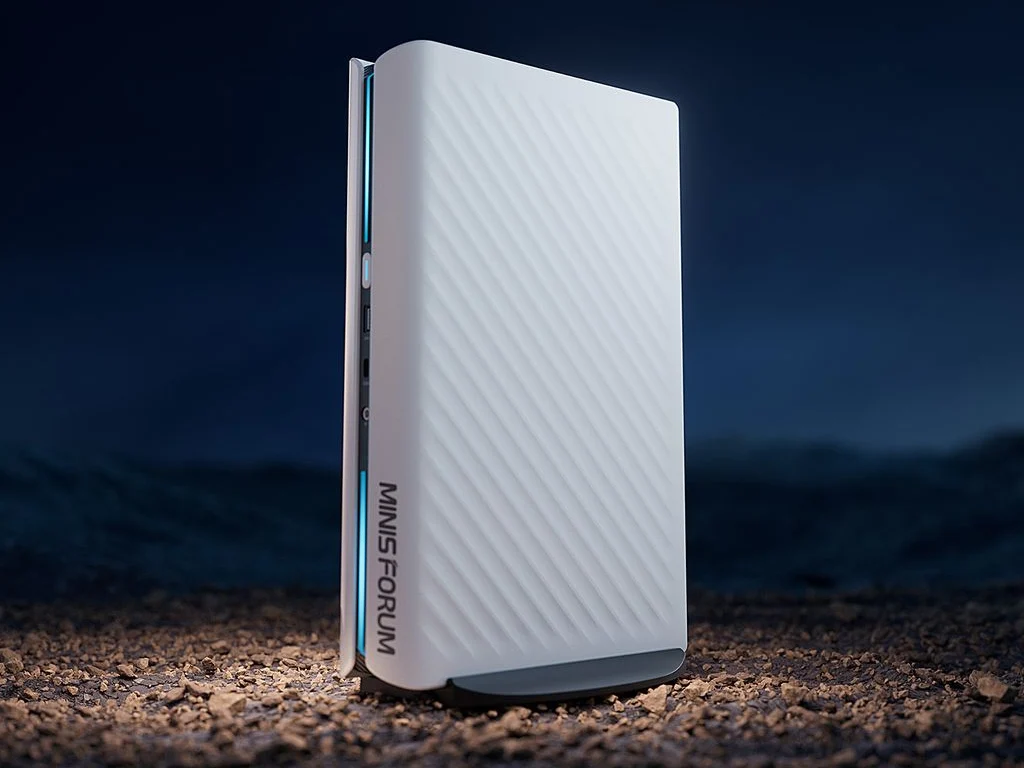
        4. The design includes a modern look with a blue LED and a sleek vertical chassis.
        5. Release and pricing information for the G1 Pro is not yet available, but more details are expected soon.


        Alongside the MS-S1 Max, Minisforum has introduced the G1 Pro at IFA 2025. This small form factor (SFF) mini PC is equipped with a cutting-edge APU from the Dragon Range Refresh series. Specifically, it features the AMD Ryzen 9 8945HX processor, which is combined with an Nvidia RTX 50 series Laptop GPU.

        GPU Model Speculation

        Minisforum hasn’t disclosed the exact model of the GPU included in the G1 Pro, but it’s anticipated to be the RTX 5070. However, the company has confirmed that the AMD CPU can support up to 96 GB of DDR5-5600 RAM. Additionally, the system is designed with two M.2 slots that can accommodate PCIe 4.0 SSDs, such as the 2 TB Samsung 990 Evo Plus, available for $119.99 on Amazon.

        Connectivity and Design Features

        Even though the Minisforum G1 Pro is compact, it seems to offer a good variety of ports. The company has stated that the port selection consists of the following:

        In terms of wireless options, the mini PC will feature WiFi 6E and Bluetooth 5.3. Other notable aspects include a modern design highlighted by a blue LED at the center and a sleek vertical chassis. The release and pricing information for the Minisforum G1 Pro has not yet been disclosed, but more details are anticipated to be announced shortly.

        Source:
        Link


      • Acer Nitro V 16 and 16S Return at IFA 2025 with Core i9 and RTX 5070

        Acer Nitro V 16 and 16S Return at IFA 2025 with Core i9 and RTX 5070

        Key Takeaways

        1. Acer has updated the Nitro V 16 with Intel Raptor Lake-H and Nvidia Blackwell RTX 50 chips, following its original release with Ryzen 8040 series.
        2. The Nitro V 16 comes in two models: the bulkier Nitro V 16 (ANV16-72) and the slimmer Nitro V 16S (ANV16S-71), differing in weight and thickness.
        3. Both models feature a similar keyboard design, with the Nitro V 16S offering RGB backlighting, while the standard version has an orange backlight.
        4. The laptop provides three display options, all 16-inch with high refresh rates, and a consistent port configuration across both models.
        5. Pricing starts at $999.99 for the Nitro V 16 and $1,099.99 for the Nitro V 16S, with availability in North America and EMEA starting in October and November, respectively.


        Acer has unveiled the Nitro V 16 in 2023 as the first gaming laptop featuring the Ryzen 8040 series. At IFA 2025, Acer now refreshes the Nitro V 16, equipping it with Intel Raptor Lake-H and Nvidia Blackwell RTX 50 Laptop chips.

        Variants and Design

        The Nitro V 16 comes in two models: the Nitro V 16 (ANV16-72) and the Nitro V 16S (ANV16S-71). Both versions are quite similar, except the Nitro V 16S is more slender at 13.9 mm (0.55 inches) and weighs 2.1 kg. On the other hand, the standard Nitro V 16 is a bit bulkier at 16.1 mm (0.63 inches) and weighs 2.4 kg.

        Keyboard and Performance

        Another noticeable difference lies in the keyboard backlighting. The latest Nitro V 16 features the same orange backlight seen in the original version, while the Nitro V 16S boasts an RGB backlit keyboard. Both models are powered by the Intel Core 9 270H, which is a Raptor Lake-H processor with 6 P-cores and 8 E-cores, along with the Nvidia GeForce RTX 5070 Laptop GPU. Acer has not clarified any TGP variations for the RTX 5070 Laptop between the two models.

        Display Options and Connectivity

        The Nitro V 16 provides three 16-inch 16:10 display choices, which include 2,560×1,600 at 180 Hz and 1,920×1,200 at 180 Hz. Both options cover 100% of the sRGB color space and have a 3 ms gray-to-gray response time. Additionally, customers can choose a more basic 1,920×1,200 at 180 Hz 45% NTSC panel, which is not available with the Nitro V 16S. The port configuration is the same for both models, featuring 3x USB Type-A, 1x Thunderbolt 4, HDMI 2.1-out, a microSD card reader, Gigabit RJ-45 Ethernet, a 3.5 mm combo audio jack, and a 720p webcam. For networking, Killer DoubleShot Pro Wi-Fi 6 with Bluetooth 5.2 and Killer Ethernet E2600 are included.

        Interestingly, Acer has not disclosed any information regarding the battery life or capacity for these devices.

        Pricing and Availability

        The Acer Nitro V 16 (ANV16-72) is set to launch in North America in October and in EMEA starting from November, with prices beginning at $999.99 and €1,299 respectively. The Nitro V 16S (ANV16S-71) will be available in North America and EMEA from November at prices starting at $1,099.99 and €1,399 respectively. Moreover, it will also be released in Australia from September, with a starting price of AU$2,599.


      • AMD CPUs Surpass 40% in Steam Survey, Intel Falls Below 60%

        AMD CPUs Surpass 40% in Steam Survey, Intel Falls Below 60%

        Key Takeaways

        1. AMD CPUs now account for over 40% of PCs on Steam, marking a significant rise as Intel’s share drops below 60%.
        2. Nvidia’s RTX 5070 leads the new 50-series graphics cards with a market share of 1.32%, while AMD’s Radeon 9000 series has not yet appeared in the report.
        3. 16 GB of system RAM remains the most common configuration, but the share of PCs with 32 GB has risen to 35.15%.
        4. Windows 11 (64-bit) powers 59.9% of surveyed systems, while Windows 10’s share declines to 35.19% ahead of its support ending in October 2025.
        5. Linux usage has increased to 2.89%, reaching its highest level in years.


        The July 2025 report from Steam’s hardware and software survey marks a significant change for processors on the platform. For the first time, AMD CPUs are found in just over 40 percent of all participating PCs, while Intel’s share has dropped below 60 percent. This is a stark difference from the approximately 77 percent market share Intel had five years ago. The rise of AMD can mainly be linked to the success of its 3D V-Cache processors like the Ryzen 7 9800X3D, which offers strong gaming performance at competitive prices, thus taking away from Intel’s dominance.

        Graphics Card Trends

        The trends in graphics card adoption are also quite dynamic. Nvidia’s mid-range Blackwell series is gaining traction quickly, with the RTX 5070 now leading the new 50-series, capturing a 1.32 percent market share, which is an increase of 0.33 percentage points in just one month. The RTX 5060 follows with a share of 0.60 percent. Overall, Nvidia still holds a strong position, with 73.94 percent of all discrete GPUs in the survey branded by them. On the other hand, AMD’s latest Radeon 9000 series based on RDNA 4 is not yet visible in Valve’s report; neither the RX 9070 nor the RX 9060 has reached the reporting threshold, possibly due to supply issues or slow adoption rates.

        Memory Configurations

        Memory setups are changing too. While 16 GB of system RAM remains the most common choice at around 42 percent of PCs, the percentage of machines with 32 GB has climbed to 35.15 percent, thanks to a monthly increase of 0.78 percent. On the graphics front, 8 GB of VRAM remains the standard (33.66 percent), but cards offering 12 GB have surged to 19.22 percent of the total, making it the fastest-growing category last month.

        Operating System Shifts

        Operating system data continues to favor Microsoft’s latest version. Windows 11 (64-bit) is now powering 59.9 percent of the surveyed systems, which is a slight rise of 0.06 percent in July. Meanwhile, Windows 10 has seen a decline to 35.19 percent as its support will end in October 2025. Linux usage has also seen an uptick, reaching 2.89 percent, its highest level in years.

        In summary, the July data illustrates that Steam’s user base is steadily moving toward newer hardware and software, although the pace may not be overly fast or dramatic.

        Source:
        Link


      • Acer Swift X 14 AI: Nvidia RTX 5070 & AMD Strix Point CPU

        Acer Swift X 14 AI: Nvidia RTX 5070 & AMD Strix Point CPU

        Key Takeaways

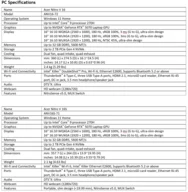
        1. Powerful Hardware: The Swift X 14 AI features the Nvidia RTX 5070 Laptop GPU and offers options for AMD Ryzen AI 365 or Ryzen 7/5 processors.

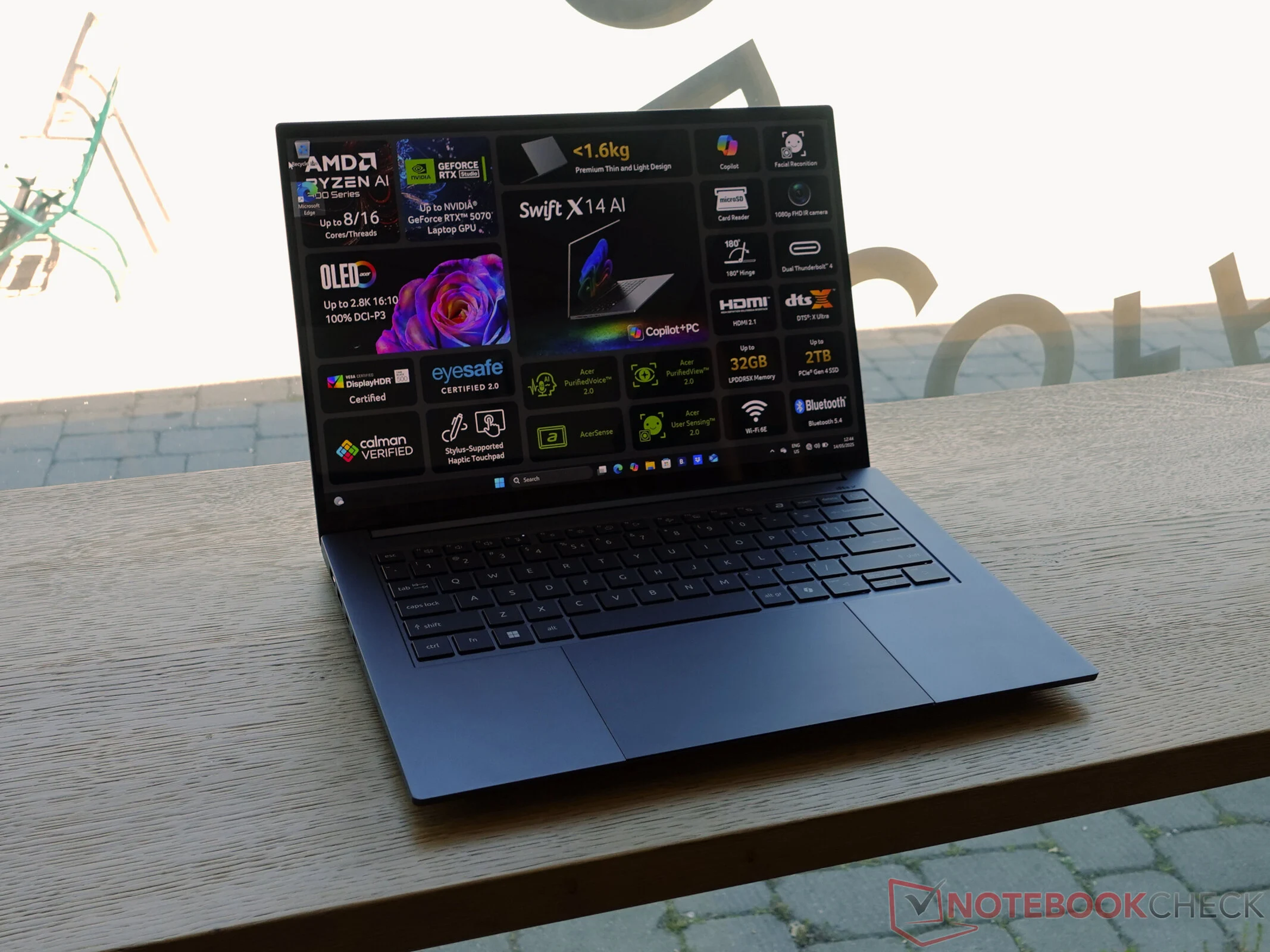
        2. High-Quality Display: It has a 14.5-inch OLED display with a resolution of 2880×1800 pixels and covers 100% of the DCI-P3 color gamut.

        3. Enhanced Connectivity: The laptop includes WiFi 6E, Bluetooth 5.4, and a variety of ports for expanded connectivity.

        4. Impressive Battery and Memory: It comes with a 76 Wh battery and supports up to 32 GB of LPDDR5X RAM.

        5. Availability and Pricing: The Swift X 14 AI will be available from July 2025, starting at €1,999.


        Acer has unveiled a variety of new products at Computex 2025, including the Swift X 14 AI. This laptop is tailored for creators and boasts powerful hardware, featuring the RTX 5070 Laptop. It also comes with Nvidia Studio drivers already installed, which Acer claims are specifically optimized for the GPU of the laptop.

        Performance Specifications

        When it comes to the CPU, users can choose to pair the Nvidia RTX 5070 Laptop with the AMD Ryzen AI 365. This Strix Point processor is equipped with four Zen 5 cores and six Zen 5c cores, along with the Radeon 880M integrated GPU. Alternatively, customers can select Ryzen 7 350 or Ryzen 5 340 processors, both part of the Krackan Point series.

        Display Features

        The display of the Swift X 14 AI is another standout feature. It has a 14.5-inch OLED screen with Calman verification, delivering a resolution of 2880×1800 pixels and covering 100% of the DCI-P3 color gamut. Acer emphasizes the 16:10 aspect ratio and the panel’s brightness of 340 nits.

        Connectivity and Additional Features

        In terms of connectivity, the laptop offers a good range of ports. For wireless options, it includes WiFi 6E and Bluetooth 5.4. Other notable features of the Swift X 14 AI are its 76 Wh battery, the ability to support up to 32 GB of LPDDR5X RAM, a PCIe Gen 4 SSD slot (with a 1 TB Samsung 990 Pro currently priced at $99.99 on Amazon), a dual-speaker system with DTS:X Ultra, and compatibility with the MPP 2.5 stylus. Acer has announced that this laptop will be available starting from July 2025, with a starting price of €1,999.


      • CES 2025 Review: A Quarter In, It’s Not Aging Well

        CES 2025 Review: A Quarter In, It’s Not Aging Well

        Key Takeaways

        1. Nvidia made misleading claims about the RTX 5070’s performance compared to the RTX 5090, which were quickly disproven.
        2. Nvidia’s AI announcements, including an AI assistant for gaming graphics, failed to resonate and were overshadowed by AMD’s Strix Halo APU.
        3. AMD’s passive approach included a lack of initiative, exemplified by the RX 9070 XT’s unannounced appearance at CES and reliance on media for pricing.
        4. Intel continues to struggle with limited product offerings, and their future chip releases, including Nova Lake and Panther Lake, face significant delays.
        5. Overall, CES 2023 has not delivered the expected excitement, as many announcements and products have aged poorly or failed to materialize.


        It’s been a little over three months since Nvidia, AMD, and Intel had us glued to livestreams packed with dense investor jargon, trying to find the few bits of info that actually matter to chip buyers. Now, looking back, it seems like most of those bits turned out to be nothing but shiny distractions, their luster worn away by marketing mistakes and avoidable blunders. While these stories may not be brand new, they illustrate how this year’s CES has aged badly compared to others.

        Misleading Claims from Nvidia

        A major example of poorly aged statements is Nvidia’s claim that the RTX 5070 would perform similarly to the RTX 5090. It’s almost unbelievable they made such a statement in the first place. Jensen might have wanted to replicate the significant jumps seen in past generations, such as the RTX 3070 matching the RTX 2080 Ti, but it should have been clear from the start that this claim wouldn’t hold up. And indeed, it didn’t — it was quickly disproved once the review media got their hands on it, just like the recent attempt to mask the poor performance of the RTX 5060 Ti 8GB by only sending out samples of the 16 GB model to reviewers.

        AI Announcements Fall Flat

        Although their other big announcements were AI-related rather than for gamers, these didn’t fare any better. The idea of adding an AI assistant to gaming graphics card software seemed like a solution in search of a problem, and it appeared increasingly disconnected as Nvidia’s drivers began to face issues. Perhaps more importantly, Nvidia’s Project DIGITS mini-PC, which was meant for local AI, was outdone by AMD’s Strix Halo APU. This APU seemed perfectly set up to take advantage of the market, but it only appeared in a few products. Based on how the Framework Desktop version isn’t even arriving until Q3 this year, it clearly isn’t being produced in sufficient quantities to capitalize on the chance that fell into AMD’s lap.

        AMD’s Passive Approach

        Rather than executing poorly, the first few months of the year for AMD have been characterized by a noticeable lack of initiative. The infamous appearance of the RX 9070 XT at CES without an actual announcement is the prime example. They even had to rely on tech media for pricing, but ended up so unsure that the final announcement had to be overdubbed, making Radeon appear comically passive. The next major release, the RX 9060 XT, was approached with greater confidence. However, the silence surrounding it has led gamers to eagerly await any information, with leaks and rumors being the only updates before its expected release on May 18. AMD Gaming’s YouTube channel teased a mystery livestream that turned out to be a rather dull showcase of FSR 4 in The Elder Scrolls IV: Oblivion Remastered.

        Intel’s Ongoing Struggles

        As for Intel, they weren’t doing well even when CES was happening, and they really had nothing to showcase. Everything they had at that time, both products and plans, has aged poorly. News about Battlemage graphics cards being limited by older CPUs came out right after CES, and later that month, it was confirmed that their next-gen Nova Lake desktop chips wouldn’t be available until 2026. Additionally, their Panther Lake mobile CPUs were supposed to launch later this year, but leaks indicate that even that timeline has slipped. For Intel, all it can rely on is what’s currently available, and with those products already feeling outdated, it’s going to be a long wait for the next three quarters.

      • Radeon RX 9060 XT Leaked with Two Memory Configurations

        Radeon RX 9060 XT Leaked with Two Memory Configurations

        Key Takeaways

        1. The AMD Radeon RX 9070 XT and RX 9070 are set to release soon, with attention shifting to the RX 9060 XT and RX 9060 models.
        2. The RX 9060 XT is expected to be available in 8 GB and 16 GB versions, while the RX 9060 may only have 8 GB of VRAM.
        3. The RX 9060 XT will likely use a near-complete Navi 44 chip with GDDR6 memory on a 128-bit bus.
        4. Nvidia’s Blackwell series will be on the market before the RX 9060 XT launches, limiting choices for budget-conscious gamers.
        5. Delays in production at TSMC might affect the availability of Nvidia’s RTX 5060 Ti and RTX 5060 models.


        With the AMD Radeon RX 9070 XT and RX 9070 nearing their release, attention is now turning to the rest of the RDNA 4 series. There are hints of at least two new models expected, named the Radeon RX 9060 XT and Radeon RX 9060. Although we still have a few weeks before their official launch, a recent EEC listing has revealed information about one of these models.

        New Model Insights

        Leaker @harukaze5719 discovered the RX 9060 XT on the EEC’s site. Similar to its Blackwell equivalent, it is anticipated to come in both 8 GB and 16 GB versions. If we follow this pattern for the Radeon RX 9060, it is likely to be limited to 8 GB of VRAM. Previous leaks suggested the RX 9060 XT would feature a significantly reduced Navi 48 GPU with 48 compute units; however, it seems more probable that it will utilize an almost complete Navi 44 chip paired with GDDR6 memory on a 128-bit bus.

        Market Considerations

        Whenever the RX 9060 XT finally releases, Nvidia’s complete Blackwell series will already be in circulation for some time. With no competition from Intel, budget-conscious gamers might find their options quite limited, especially since the RTX 5070 won’t be available at launch. This scenario may also affect the availability of the RTX 5060 Ti and RTX 5060 due to delays in production at TSMC.

        Source:
        Link

      • Nvidia GeForce RTX 5070 20% Slower Than RTX 5070 Ti, Tests Show

        Nvidia GeForce RTX 5070 20% Slower Than RTX 5070 Ti, Tests Show

        Key Takeaways

        1. The Nvidia RTX 5070 will release on March 5, with a price of $549, making it the most affordable option in the RTX 50 series.
        2. Benchmark leaks indicate the RTX 5070 is around 20% slower than the RTX 5070 Ti, with OpenCL and Vulkan scores of approximately 187,414 and 188,712, respectively.
        3. The RTX 5070 features 6144 CUDA cores and 12GB of VRAM, while the RTX 5070 Ti has 8960 CUDA cores and 16GB of VRAM.
        4. Despite being slower in benchmarks, real-world gaming performance differences between the RTX 5070 and RTX 5070 Ti may not be as significant.
        5. The AMD Radeon RX 9070 XT appears to be slightly slower than the RTX 5070 in benchmark tests but may offer better gaming performance; direct comparisons are still pending.


        The Nvidia RTX 5070 is set to release on March 5, which means it’s the perfect moment for benchmark results to emerge. A recent leak from Geekbench indicates that this GPU might perform around 20% slower than the RTX 5070 Ti. As the most affordable of the four announced desktop GPUs in the RTX 50 series, the RTX 5070 comes with a price tag of $549. Even though it’s the slowest option, Nvidia is still comparing it to the top model from the previous generation, the RTX 4090.

        Benchmark Findings

        Alleged Geekbench results for the RTX 5070 display OpenCL and Vulkan scores on a system equipped with the Asus ROG CROSSHAIR X870E HERO motherboard, an AMD Ryzen 7 9800X3D CPU, and 32GB of DDR5 RAM. The specific variant of the GPU used in these tests is not confirmed, but the OpenCL score registered at 187,414, while the Vulkan score was 188,712. In contrast, the RTX 5070 Ti achieved scores around 236,000 for Vulkan and approximately 240,000 for OpenCL.

        Performance Insights

        This indicates a performance gap of over 20% between the two GPUs in benchmark tests. However, it should be noted that these results may not accurately reflect real-world gaming scenarios. While the RTX 5070 Ti is undoubtedly faster than the RTX 5070, the performance difference in actual gameplay might not be as noticeable as the benchmarks suggest. The RTX 5070 is equipped with 6144 CUDA cores and 988 AI TOPS Tensor cores, while the Ti version has 8960 CUDA cores and 1406 AI TOPS Tensor cores. Additionally, the 5070 includes 12GB of VRAM, whereas the 5070 Ti comes with 16GB.

        Comparison with Competitors

        Moreover, the AMD Radeon RX 9070 XT has shown to be slightly slower than the RTX 5070 in comparable Geekbench tests. However, performance data from Videocardz hints that it might excel in gaming performance compared to the RTX 5070, even though a direct head-to-head comparison between the two has not yet been conducted.

        Source:
        Link