Category: Computers

  • Apple Vision Pro Refresh Coming Soon with Major Upgrades Expected

    Apple Vision Pro Refresh Coming Soon with Major Upgrades Expected

    Key Takeaways

    1. Apple is facing significant leaks this week, primarily from the FCC, revealing details about new products.
    2. Initial documents for new iPad Pros, a MacBook Pro, and a Vision Pro device have been released by the FCC.
    3. Mark Gurman reported that Apple has stopped development on a “cheaper and lighter” version of their VR headset, called the ‘Vision Air.’
    4. The anticipated ‘Vision Air’ headset is expected to be priced around $1,500, significantly higher than Meta’s Quest 3S at $499.
    5. Gurman suggests that Apple is close to launching a new Vision Pro headset, potentially featuring the Apple M5 chipset.


    Apple has been in the spotlight this week due to numerous significant leaks, many stemming from the Federal Communications Commission (FCC). Just a couple of days ago, a YouTuber gave an inside look at the Apple M5 chipset and the upcoming iPad Pro 13.

    Leaks and New Releases

    Yesterday, the FCC released initial documents not just for the new iPad Pros, but also for a fresh MacBook Pro and a new Vision Pro device. Shortly after this, Mark Gurman stated that Apple had halted development on what he believed was a “cheaper and lighter” version of their current virtual reality (VR) headset.

    Clarification on the Vision Models

    Gurman later clarified that he was speaking about a different model than the unreleased VR headset mentioned by the FCC. His earlier comments were regarding the ‘Vision Air’, which was anticipated to be priced around $1,500, making it about five times the cost of Meta’s lighter alternative, the Quest 3S, which currently goes for $499 on Amazon.

    Future of the Vision Pro

    As pointed out in the tweet below, Gurman maintains that Apple is on the brink of launching a “new Vision Pro” soon. However, he does not provide a specific timeline, only suggesting that the headset is “close” to hitting the market. For now, he claims that Apple plans to differentiate the next Vision Pro, potentially called Vision Pro 2, by incorporating the Apple M5 chipset in it.

    Source:
    Link


  • Logitech MX Mechanical and Mini Keyboards Leaked Before Launch

    Logitech MX Mechanical and Mini Keyboards Leaked Before Launch

    Key Takeaways

    1. Logitech has launched the MX Master 4 wireless mouse, priced at $119, with a clear version currently not for sale.
    2. The MX Master 3S Bluetooth Edition has been made available to more regions.
    3. Logitech is planning updates for the MX Mechanical keyboards, first released over three years ago.
    4. Recent FCC approvals suggest minor hardware updates for the MX Mechanical and MX Mechanical Mini keyboards, with no major changes expected.
    5. Potential visual updates may include new keycaps, color options, and quieter switches, but the release timing is still uncertain.


    Logitech has recently updated its MX series with the launch of the MX Master 4, which is currently priced at $119 on Amazon. Interestingly, the brand has also showcased a clear version of this new wireless mouse, although it’s not available for sale at this time. Additionally, the company has rolled out the MX Master 3S Bluetooth Edition to more regions.

    Ongoing MX Updates

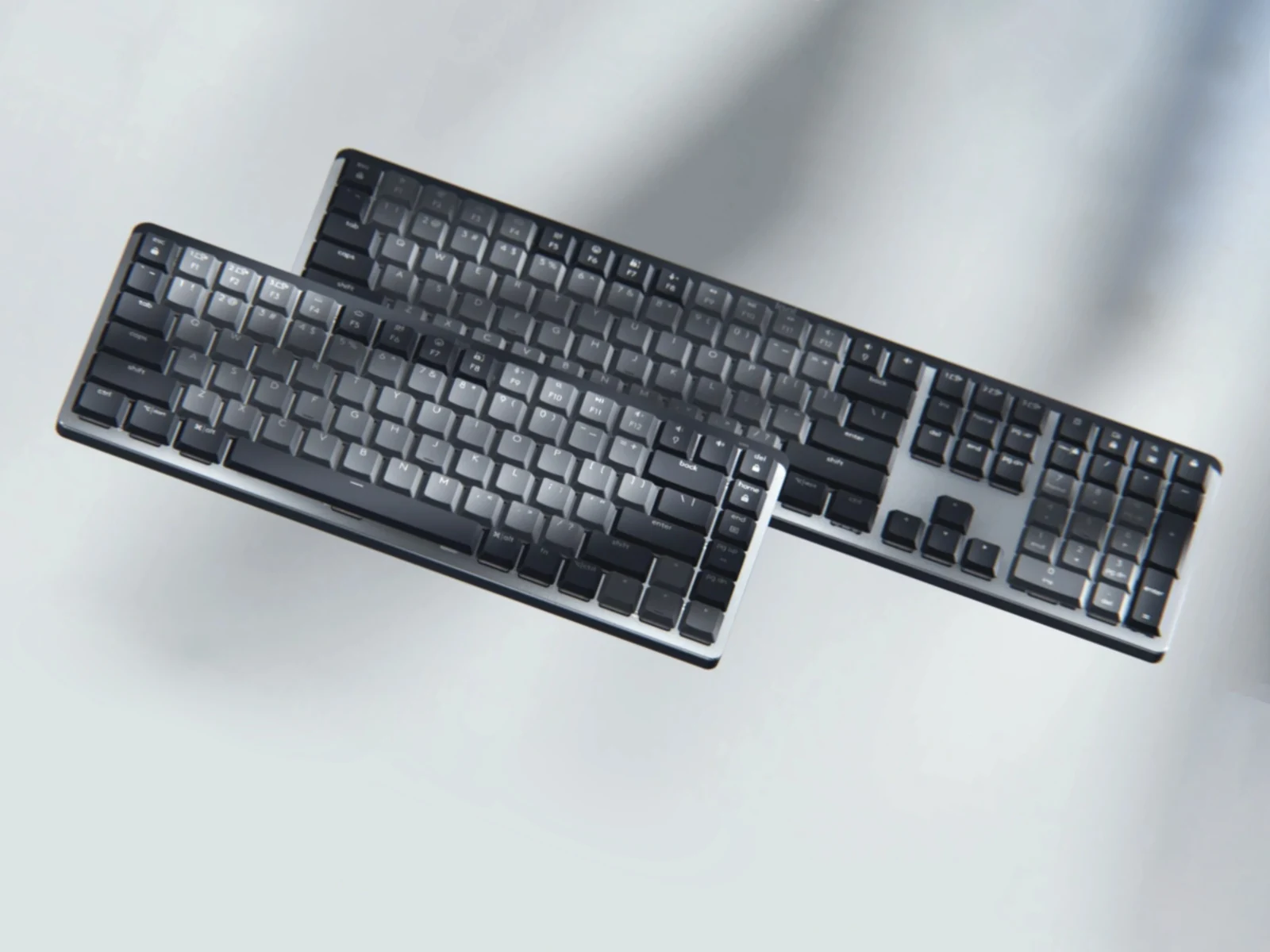
    It seems Logitech isn’t finished with refreshing the MX line. Enthusiastic Reddit users have found that Logitech is gearing up to update its MX Mechanical keyboards. To give some background, the MX Mechanical and MX Mechanical Mini were released over three years ago and are still available worldwide. These keyboards were launched alongside the first MX Master 3S.

    What to Expect

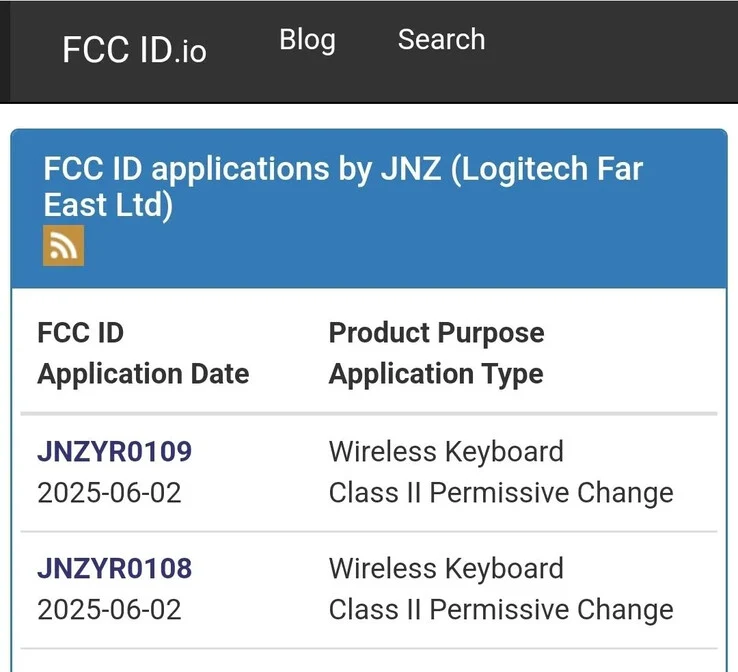
    Although significant changes are not anticipated this time around, Logitech has received approval for two new wireless keyboards from the Federal Communications Commission (FCC) in the United States. According to Reddit user u/ComprehensiveMap8972, this type of certification suggests that Logitech is only implementing small hardware updates to the existing MX Mechanical keyboards.

    Thus, don’t count on drastic alterations for the MX Mechanical and MX Mechanical Mini models. However, a Class II Permissive Change could allow Logitech to make visual changes to these keyboards, such as updating keycaps, introducing new color choices, and possibly offering quieter switches too. Unfortunately, the timing of these FCC approvals does not indicate when Logitech might release the refreshed MX Mechanical keyboards.

    Source:
    Link


  • MSI Cubi NUC AI+ 2MG Review: Simple Design, Low Performance Value

    MSI Cubi NUC AI+ 2MG Review: Simple Design, Low Performance Value

    Key Takeaways

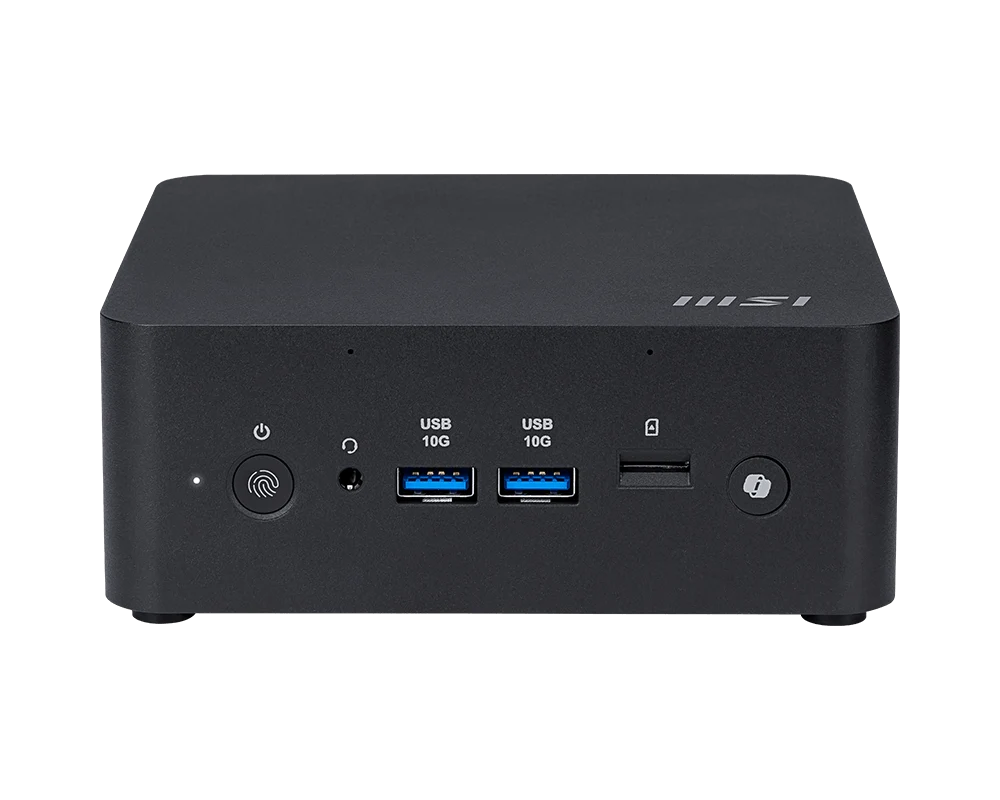
    1. The MSI Cubi 2MG mini PC is priced around $900 and is aimed at business users with a focus on reliability and low energy usage.
    2. It underperforms compared to more affordable mini PCs like the Beelink SER9 and GMK NucBox models, which use AMD Zen technology.
    3. The Cubi 2MG has limited upgrade options, supporting only one M.2 SSD and lacking removable RAM, while competitors offer more flexibility.
    4. The Cubi 2MG features improvements over its predecessor and includes a three-year warranty, enhancing value slightly.
    5. Overall, the value for the price of the Cubi 2MG may be considered less than ideal compared to other options on the market.


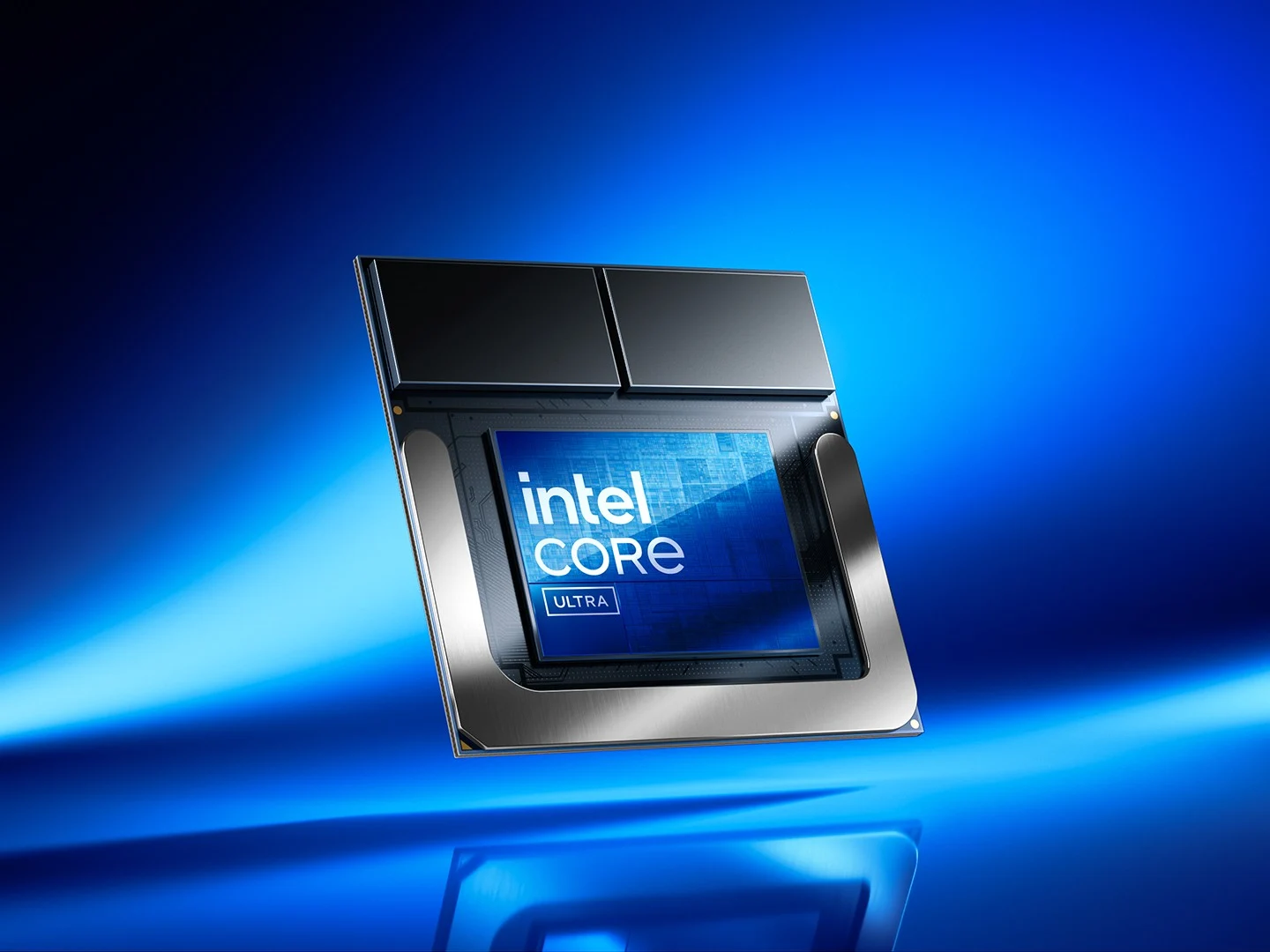
    The MSI Cubi 2MG mini PC is currently available for a price of nearly $900. Targeted at business users, the Cubi emphasizes dependability with a straightforward design and low energy usage, thanks to features like a wired power button and an Intel Lunar Lake-V CPU. However, some aspects of this model seem to fall short, particularly when considering its cost.

    Performance Comparison

    In contrast to other more affordable mini PCs such as the Beelink SER9 or GMK NucBox K11 and K12, the Cubi 2MG struggles to match their performance levels. The mini PCs previously mentioned utilize AMD Zen technology, which, although it may require more resources in specific scenarios, outpaces the Core Ultra V options present in the MSI, all while maintaining a similar or slightly larger footprint.

    Upgradeability Limitations

    When it comes to upgrade options, the MSI has its drawbacks as well, supporting only a single M.2 SSD and lacking removable RAM. On the other hand, models like the Beelink and GMK can accommodate two or even three SSDs, and the latter features both SODIMM memory and OcuLink, enabling greater memory capacity and more sophisticated capabilities.

    Improvements and Warranty

    Despite these limitations, the Cubi 2MG shows enhancements over the previous year’s Cubi 1M and notably comes with a three-year warranty instead of the usual one year. Still, its value for the price could be seen as less than ideal.

    For further insights on performance, users are encouraged to check out our review of the MSI Cubi 2MG.

  • Raspberry Pi Updates Pricing Amid High Demand for Single-Board PCs

    Raspberry Pi Updates Pricing Amid High Demand for Single-Board PCs

    Key Takeaways

    1. Raspberry Pi has launched a new version of the Raspberry Pi OS.
    2. Prices for most single-board computers (SBCs) have changed, with some increasing by $5 to $10.
    3. The Raspberry Pi 4 and Raspberry Pi 5 prices remain unchanged.
    4. The price increase is mainly due to a 120% rise in DDR4 RAM costs linked to high demand for AI applications.
    5. The Compute Module 1 has seen a price decrease of $5 due to changes in underlying cost structures.


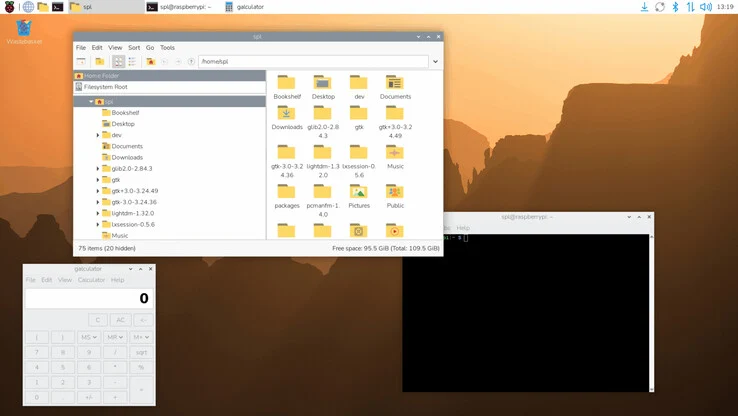
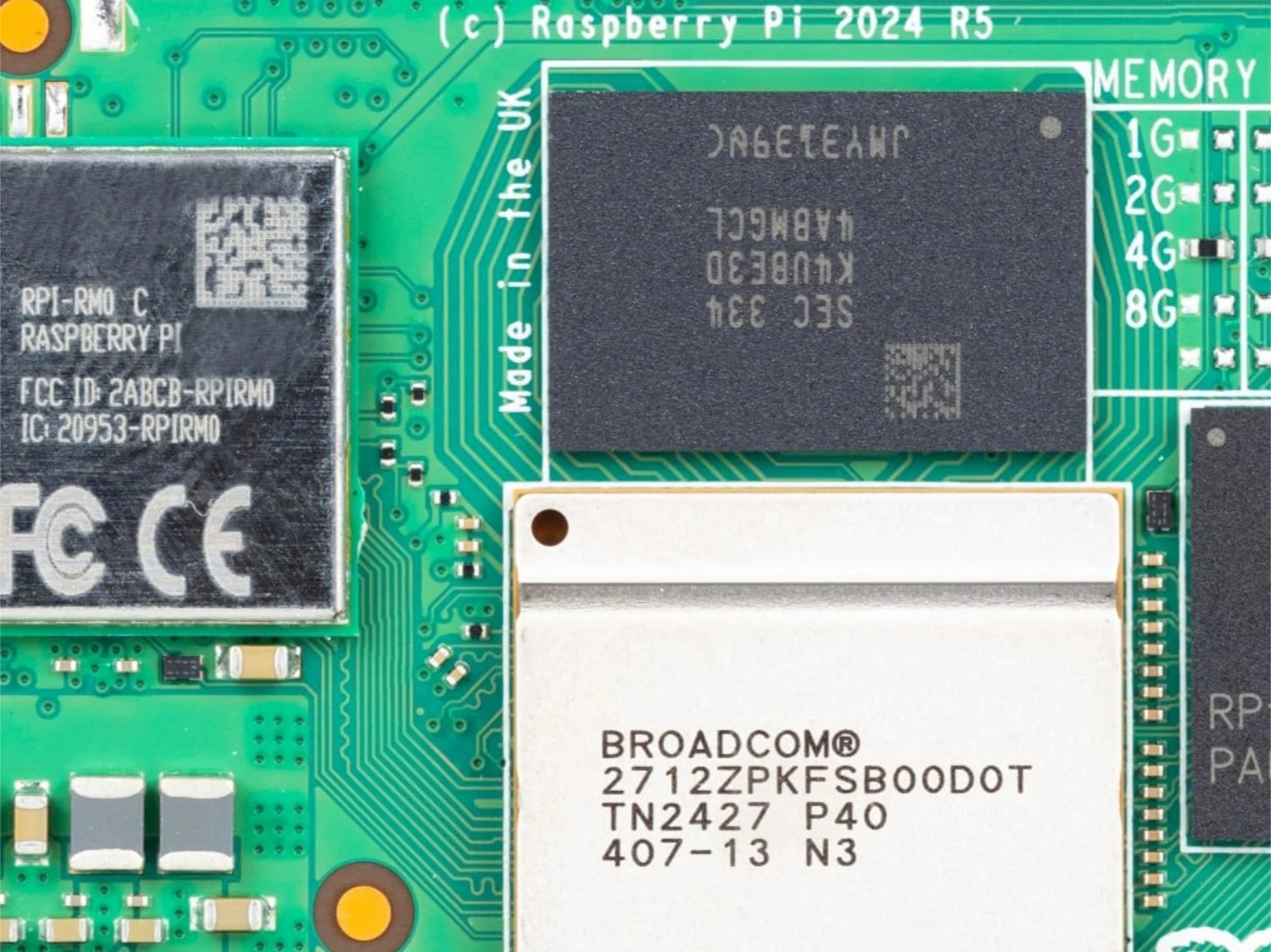
    Raspberry Pi has shared two big news today. First, they have launched a new version of the Raspberry Pi OS, which we’ve discussed in detail in another article. Second, they have made the decision to alter the prices of nearly all their single-board computers (SBCs).

    Price Changes for Popular Models

    For example, the prices of the Raspberry Pi 4 and Raspberry Pi 5 (currently $90 on Amazon) will remain the same. However, the prices for Raspberry Pi 3B+, Compute Module 4, Compute Module 5, and Raspberry Pi 500 have increased by $5 to $10. It’s worth mentioning that the initial price of the Raspberry Pi 500 Plus already showed Raspberry Pi’s new pricing approach. On the flip side, the Compute Module 1 has seen a price decrease of $5, bringing it down to $25.

    Reasons Behind Price Adjustments

    The company has explained that the reduction in price for the Compute Module 1 is due to changes in “underlying cost structures.” In contrast, Raspberry Pi mentions that the increase in prices for Raspberry Pi 3B+, Compute Module 4, Compute Module 5, and Raspberry Pi 500 is a result of DDR4 price hikes of about 120% since the previous year.

    Impact of AI Demand

    This surge is linked to the “insatiable demand” for “AI applications” that has emerged over the past year. Raspberry Pi is optimistic that they can reverse these price hikes once the DDR4 RAM market returns to normal. For more information, be sure to visit the company’s website.

    Source:
    Link


  • Mysterious Movement Detected in the Heart of Our Galaxy

    Mysterious Movement Detected in the Heart of Our Galaxy

    Key Takeaways

    1. The Milky Way galaxy rotates like a top, causing its arms to change shape.
    2. The Gaia space telescope discovered a massive wave moving through the galaxy, affecting star positions and movements.
    3. The wave is visually represented with red and blue colors, indicating stars above and below the galactic disk.
    4. Arrows in images show differing star movements based on their location relative to the wave.
    5. The origin of the wave is still unknown, with theories suggesting a possible collision with a dwarf galaxy billions of years ago.


    Our galaxy, known as the Milky Way, isn’t just sitting still in space; it rotates like a top, causing its arms to change shape. Recently, the Gaia space telescope has made some intriguing discoveries about a strange occurrence within our galaxy, and its source is still a mystery.

    Discovery of the Wave

    This strange occurrence was discussed in a paper published in the journal Astronomy and Astrophysics. It looks like there is a massive wave moving through the entire galaxy, impacting how the stars are positioned and moving in that space.

    To grasp this phenomenon better, we can look at a few images. The first image shows our galaxy from a bird’s eye view, while the second gives a side perspective. The wave is indicated by red and blue colors; the stars in the red regions are above the galactic disk, and those in the blue areas are found below it.

    Understanding the Impact

    Another image helps us visualize the effects of this wave more clearly. In this picture, arrows represent the stars’ movements, which differ based on the regions they are in.

    Despite these fascinating discoveries, no solid proof has emerged about where this giant wave comes from. It’s important to note that this finding is recent, and a lot of research and observations are still needed to figure out this enigma. Some theories have already been suggested, including a possible collision with a dwarf galaxy billions of years ago, which might shed light on this occurrence.

    Source:
    Link


  • Ninkear A15 Air: Ryzen APU Laptop with Numpad & Fingerprint Sensor

    Ninkear A15 Air: Ryzen APU Laptop with Numpad & Fingerprint Sensor

    Key Takeaways

    1. Ninkear’s A15 Air is priced at €349 ($398) and ships from Europe, but not to the US.
    2. The laptop features an AMD Ryzen 5 3500U processor, 16 GB of DDR4 RAM, and a 512 GB SSD, suitable for basic tasks like web browsing and video watching.
    3. It has a 15.6-inch 1080p display with a 60 Hz refresh rate and covers 45% of the NTSC gamut.
    4. Connectivity options include two USB-C ports, an HDMI port, an Ethernet jack, and a memory card reader, along with Wi-Fi 5 support and a fingerprint sensor.
    5. The A15 Air is a good choice for everyday use despite its limitations in shipping and warranty support for US customers.


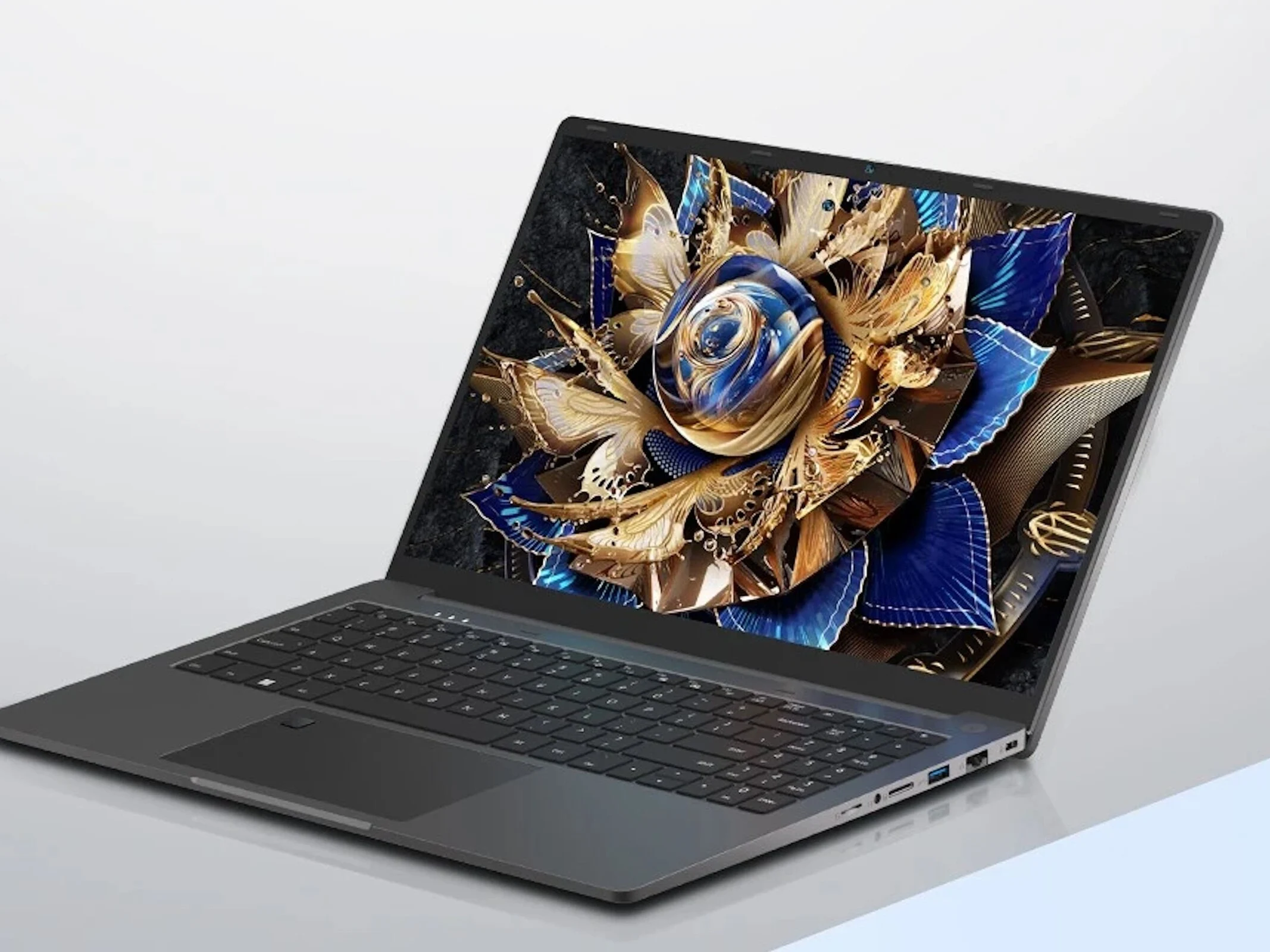
    Whilst Ninkear ain’t exactly a big name in the laptop world, we’ve had the chance to check out some of their gadgets before, like the A16 Pro. Now, they’ve just dropped the A15 Air, which you can grab for €349 ($398) with shipping included, and it ships from Europe. But, heads up, it doesn’t currently ship to the US, and some folks might run into warranty support issues.

    Performance Details

    Given its price, it’s no shocker that the A15 Air doesn’t come with a dedicated GPU and likely won’t break any speed records. It’s running on an AMD Ryzen 5 3500U, which is an older processor we’ve seen in some laptops from the past. Still, it should be just fine for watching YouTube videos or surfing the web. Plus, it packs 16 GB of DDR4 RAM and a 512 GB SSD, which gives you a nice balance of memory and storage.

    Design and Features

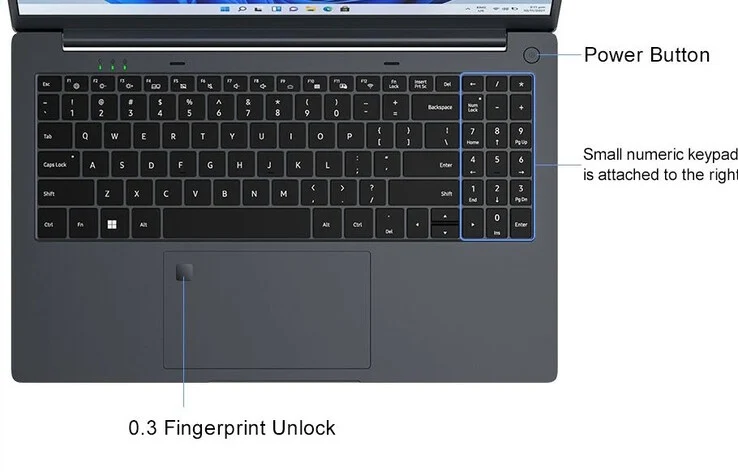
    The Ninkear A15 Air weighs in at 1.75 kg (3.86 lb) and has a thickness of 1.9 cm (0.75 in). It sports a 15.6-inch screen that offers 1080p resolution, a 60 Hz refresh rate, and covers 45% of the NTSC gamut. You’ll find two USB-C ports (both can do video output), an HDMI port, an Ethernet jack, and a memory card reader. Additional highlights include support for Wi-Fi 5, a fingerprint sensor, and a built-in webcam.

    Final Thoughts

    In conclusion, while Ninkear may not be the most popular brand out there, the A15 Air offers decent specs for its price. It’s a solid option for everyday tasks, just keep in mind the limitations regarding shipping and support if you’re in the US.

    Geekbuying

    Source:
    Link


  • Flipper Zero Masterclass: Fast Intel Gathering by Air Force Veteran

    Flipper Zero Masterclass: Fast Intel Gathering by Air Force Veteran

    Key Takeaways

    1. Grey Fox, a former U.S. Air Force member, shared his expertise in digital network intelligence and cyberspace warfare at DEFCON 33.
    2. The Flipper Zero is an open-source device that can connect to various wireless protocols, making it suitable for both beginners and experienced hackers.
    3. Grey Fox led a practical training exercise showcasing the Flipper Zero’s capabilities in a scenario involving intelligence gathering.
    4. He introduced social engineering techniques but emphasized that the knowledge should only be used for educational purposes, not for interfering with others’ property.
    5. The presentation included methods for duplicating hotel keycards and car fobs, again underscoring the educational intent behind sharing such information.


    Grey Fox, a former U.S. Air Force member, delivered an engaging talk to a group of enthusiastic Flipper Zero fans at DEFCON 33, a well-known hacking conference. With two decades of expertise in digital network intelligence, cyberspace warfare, and defense strategies, Grey Fox led participants through a practical training exercise demonstrating the Flipper Zero’s abilities. He also introduced some effective social engineering techniques. However, he stressed that this knowledge is intended solely for educational purposes, and using the Flipper Zero to interfere with others’ property is largely forbidden.

    What is Flipper Zero?

    For those who haven’t heard of the Flipper Zero, it is a user-friendly, open-source device that can be extensively customized. It comes with multiple sensors that allow it to work with various wireless protocols. The Flipper Zero can connect to WiFi, Bluetooth, RF, and NFC to varying degrees. Because of its features, it has developed a reputation as a great starting point for newcomers to wireless hacking while also being useful for seasoned professionals like Grey Fox.

    The Training Scenario

    In his session, Grey Fox presented a scenario where an intelligence officer had just arrived in a city after receiving intelligence about two dangerous individuals staying at a hotel close to a diplomatic office. Due to a mix-up with their luggage, the officer only has a Flipper Zero and some development boards to collect as much information about the suspects as possible to approve military actions before any attack could take place. Although not perfect, having the Flipper Zero is certainly better than having nothing. Its simplified functions allow the process to be organized into the following steps:

    Even though this guidance helps in establishing more confidence in identifying a target, Grey Fox elaborates on how to duplicate hotel keycards and car fobs. Again, it’s important to emphasize that this information is shared strictly for educational reasons. For those interested in learning more, the complete presentation is available below.

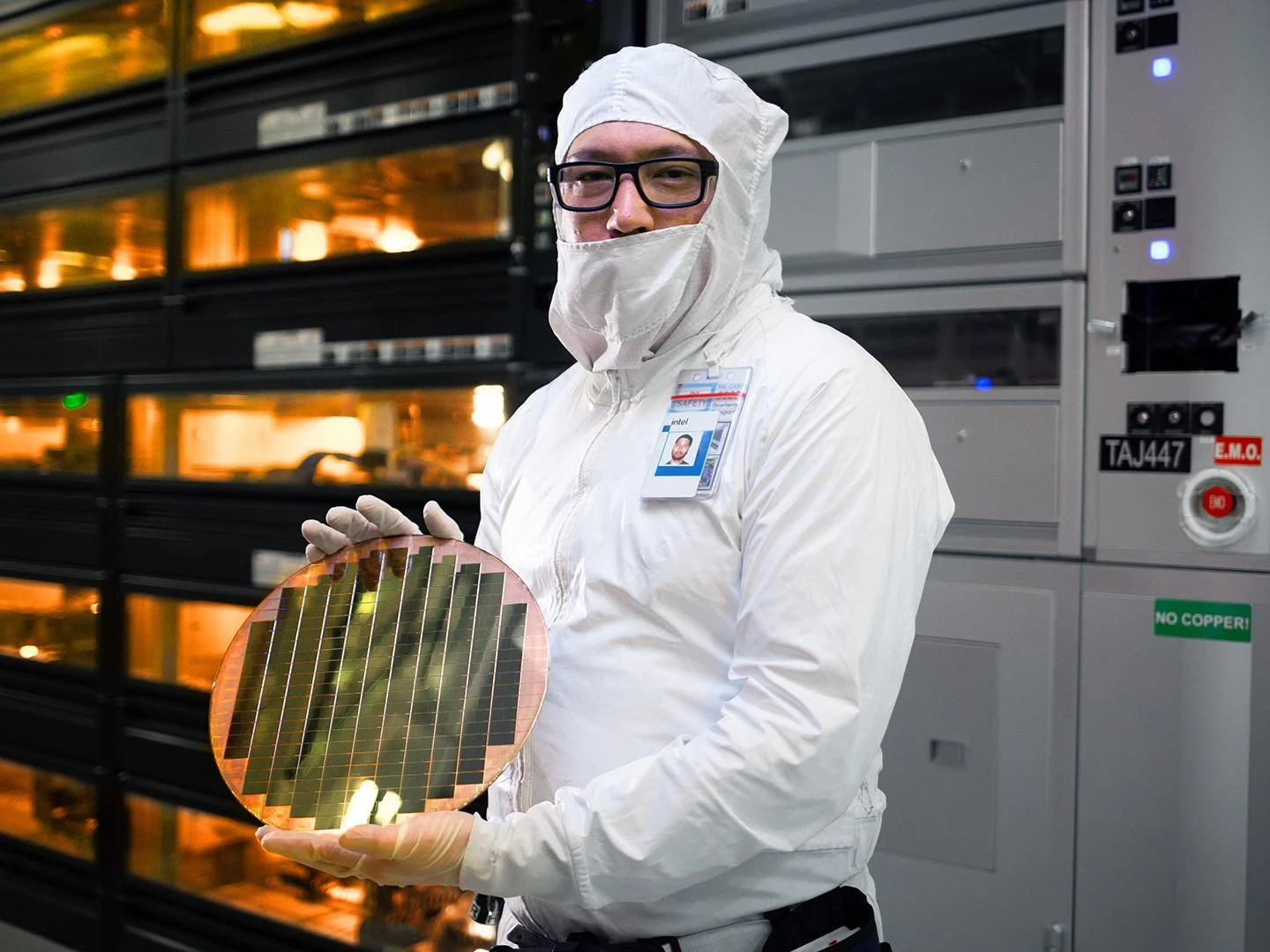
  • Intel Foundry to Manufacture Future AMD Chips for Enhanced Performance

    Intel Foundry to Manufacture Future AMD Chips for Enhanced Performance

    Key Takeaways

    1. Intel’s upcoming 14A process is expected to signal a resurgence for the company despite challenges with its 18A technology.
    2. Qualcomm is stepping back from Intel Foundry, while Apple and Nvidia show interest in the 14A development.
    3. AMD is monitoring Intel’s progress, which may help maintain a favorable relationship with the current administration and avoid potential tariffs.
    4. Any partnership between Intel and AMD is unlikely to impact AMD’s reliance on TSMC for its advanced products.
    5. Intel’s 14A technology may offer new opportunities, but its competitiveness against TSMC’s offerings remains uncertain.


    Despite facing challenges with its 18A technology, Intel Foundry’s upcoming 14A process is expected to signal a resurgence for the emerging chip manufacturer. Although Qualcomm has chosen to step back, both Apple and Nvidia reportedly show interest in this development. Additionally, if a report from Semafor is to be believed, Intel’s major competitor, AMD, has also taken notice. This move could potentially help AMD maintain a favorable relationship with the current administration and possibly avoid some upcoming tariffs from President Trump.

    Collaboration Possibilities

    Even if a partnership between Intel and AMD comes to fruition, it is improbable that Team Red will rely on Intel Foundry for its most advanced products. AMD’s Epyc Venice CPUs have already been designed using TSMC’s N2 process, with Zen 6 projected to follow next year. Furthermore, Intel’s 14A technology is not expected to begin risk production until 2027, and if Intel continues to experience difficulties, it is likely that this timeline will be delayed. As a result, AMD will probably keep sourcing its main components, like CPU and GPU tiles, from TSMC, while possibly using Intel Foundry for ancillary parts such as Infinity Fabric and I/O dies.

    Future Implications

    In conclusion, while AMD’s interest in Intel Foundry might indicate a strategic move, the practical use of this collaboration appears limited. The ongoing reliance on TSMC for primary hardware components ensures that AMD’s cutting-edge advancements will remain on their current path. Intel’s 14A node may offer new opportunities, but whether it can compete with TSMC’s offerings remains to be seen. Overall, the landscape of chip manufacturing continues to evolve, with various players making moves in a complex arena.

    Source:
    Link


  • Apple MacBook Pro with M5 and Matter Support Leaks Before Release

    Apple MacBook Pro with M5 and Matter Support Leaks Before Release

    Key Takeaways

    1. The new MacBook Pro models (14 and 16 inches) are expected to launch sooner than anticipated, following the introduction of the Apple M4 generation.
    2. An early indication of an Apple M5-based MacBook Pro has been found on the FCC website, linked to model number ‘A3434.’
    3. The upcoming M5 MacBook Pro models may include Thread connectivity, enabling them to work with smart home devices using the Matter protocol.
    4. The new MacBook Pros are likely to run on Wi-Fi 6E, rather than upgrading to the Wi-Fi 7 standard available in newer iPad Pro models.
    5. The integration of Thread and Matter is expected to be part of macOS Tahoe, enhancing compatibility with Apple’s Home app.


    It appears that the upcoming generation of MacBook Pro is arriving sooner than many had anticipated. Initially, there were speculations suggesting Apple might not release the new MacBook Pro 14 and MacBook Pro 16 models during its usual autumn launch period (currently priced at $2,249 on Amazon). However, Apple introduced the Apple M4 generation of MacBook Pros just a week after the first year anniversary of the Apple M3-based models.

    Early Signs of the M5 Model

    Recently, there has been an early indication of what is thought to be an Apple M5-based laptop, spotted on the Federal Communications Commission (FCC) website in the United States. Although the regulatory agency has not shared complete images of the device, it has clearly connected the model number ‘A3434’ to an upcoming MacBook Pro. Furthermore, the FCC has shared some clues regarding what Apple may be planning for its next lineup of MacBook Pros.

    New Features in Sight

    For example, some documents refer to the Apple M5-based MacBook Pro models featuring Thread connectivity, which is the wireless standard that supports the Matter smart home protocol. This feature is absent in the current Apple M4 generation MacBook Pros but seems to be available internally. If Apple decides to enable this capability in macOS Tahoe, it could allow the new MacBook Pros to work seamlessly with smart home devices through Apple’s Home app.

    Interestingly, the integration of Thread and Matter will not happen alongside Apple upgrading its laptops to the Wi-Fi 7 standard. The initial documents from the FCC indicate that at least the machines powered by Apple M5 will continue using Wi-Fi 6E, even though Wi-Fi 7 is available for similarly equipped iPad Pro models.

    FCC via MacRumors

    Source:
    Link


  • Crucial Launches LPCAMM2 DDR5-8533 Laptop RAM Up to 64GB

    Crucial Launches LPCAMM2 DDR5-8533 Laptop RAM Up to 64GB

    Key Takeaways

    1. LPCAMM2 Standard: Crucial has launched LPCAMM2 RAM modules for laptops, offering faster data transfers, improved power efficiency, and higher storage capacities.

    2. Enhanced Upgradability: LPCAMM2 modules can be easily replaced and upgraded, unlike traditional soldered LPDDR SODIMMs, benefiting laptop users seeking enhancements.

    3. Compact Size with Increased Capacity: The new modules are less than half the size of standard SODIMMs but can hold up to 64 GB per module, with performance improvements of 1.5 times.

    4. Current Compatibility: LPCAMM2 is currently supported only on select Intel processors and laptop models, with future support expected for AMD and Qualcomm ARM processors by 2026.

    5. Pricing Information: The DDR5-8533 LPCAMM2 module is priced at $232.99, while the 64 GB version costs $451.99, with potential price decreases as adoption increases.


    Crucial has become one of the leading manufacturers of RAM modules to embrace the LPCAMM2 standard for laptops. This new standard allows for quicker data transfers, better power efficiency, and higher storage capabilities in each module. Recently, the company announced the launch of its new LPCAMM2 RAM modules, which boast DDR5-8533 speeds, indicating a rising demand for this innovative RAM standard.

    Enhanced Upgradability

    The LPCAMM2 modules produced by Crucial are made with LPDDR5X chips and controllers sourced from Micron. Unlike traditional LPDDR SODIMMs that are soldered in place, these modules can be easily replaced and upgraded, making them especially beneficial for laptop users who want to enhance their devices.

    Compact and Powerful

    One of the standout features is their smaller size, which is less than half that of a standard SODIMM. In spite of the reduced dimensions, the capacities have significantly increased, now reaching up to 64 GB per module.

    Performance metrics suggest an improvement of 1.5 times, and the integration of on-module SPD and PMIC controllers also results in a marked decrease in power usage.

    These innovative modules are ideal for AI applications, but they also perform exceptionally well in multitasking environments, including tasks in content creation, gaming, and rendering.

    Current Compatibility

    At this moment, LPCAMM2 is supported exclusively on Intel processors across select laptop models, such as the Lenovo ThinkPad P1 Gen7 mobile workstation and the Dell Pro Max 14 / 16 or Pro Max 16 / 18 Plus workstations. Support for AMD and Qualcomm ARM processors is anticipated to come in 2026 as more laptop manufacturers begin to implement the LPCAMM2 standard.

    According to Crucial’s official website, the DDR5-8533 LPCAMM2 module is priced at $232.99, while the 64 GB version has a manufacturer’s suggested retail price (MSRP) of $451.99. Prices are expected to decrease as the standard becomes more widely adopted.

    Source:
    Link