Category: Computers

  • Snapdragon X2 Elite Extreme Benchmarks Show CPU Performance Boost

    Snapdragon X2 Elite Extreme Benchmarks Show CPU Performance Boost

    Key Takeaways

    1. Qualcomm’s Snapdragon 8 Elite Gen 5 shows strong performance in benchmarks, narrowing the gap with Apple in mobile devices.
    2. The Snapdragon X2 Elite Extreme X2E-96-100 features an eighteen-core CPU and a single-core boost clock of 5.0 GHz, marking significant advancements over the previous generation.
    3. In Geekbench tests, the Snapdragon chip outperforms Apple’s M4 Max and AMD’s Ryzen AI Max+ 395 Strix Halo but faces tougher competition in Cinebench 2024.
    4. The Snapdragon X2 Elite X2E-96-100 demonstrates up to a 50% increase in multi-core performance compared to its predecessor, indicating strong potential.
    5. The Adreno X2-90 GPU still trails behind Apple’s higher-end models, limiting Qualcomm’s competitiveness in gaming and graphics performance.


    Qualcomm’s latest Snapdragon 8 Elite Gen 5 has made a strong entrance in both first-party and independent benchmark tests, effectively narrowing the gap between Apple and Android devices. This raises the question: does this advancement extend to laptops? Qualcomm’s own benchmarks for the Snapdragon X2 Elite Extreme X2E-96-100 present a mix of results, yet overall, it shows promise. With an eighteen-core CPU, Qualcomm holds an edge in raw power this time around. Furthermore, its single-core boost clock now hits 5.0 GHz, a significant leap from the previous generation, which peaked at 4.3 GHz.

    Performance Insights

    In Geekbench’s single and multi-core assessments, the Qualcomm chip surpasses Apple’s M4 Max, even taking a notable lead over AMD’s Ryzen AI Max+ 395 Strix Halo chip. However, in Cinebench 2024, competition tightens, with Apple’s M4 Pro and M4 Max reclaiming their dominance in both single and multi-core performance.

    Improvements Over Previous Models

    When compared to its predecessor, the Snapdragon X Elite X1E-84-100, the Snapdragon X2 Elite X2E-96-100 boasts an impressive up to 50% boost in multi-core performance, attributable to the increased core count. Overall, it is positioning itself as a strong contender. Although these figures come from Qualcomm’s internal data, they are likely to reflect real-world performance closely.

    GPU Performance Challenges

    Regrettably, the Adreno X2-90 GPU integrated into the Snapdragon X2 Elite X2E-96-100 still lags behind Apple’s offerings. While it does surpass the standard Apple M4, the Apple M4 Pro and M4 Max maintain a substantial edge. Nevertheless, it does provide over a 100% performance increase compared to the Snapdragon X Elite X1E-84-100 in 3DMark Steel Nomad.

    The GPU remains a weak point for Qualcomm’s laptop solutions. Although some of the underwhelming performance can be linked to immature drivers, the limited compute unit count makes it less competitive against dedicated GPUs, rendering it not the best choice for gaming.

  • GMKtec Launches Affordable NucBox M2 Pro S Mini-PC Worldwide

    GMKtec Launches Affordable NucBox M2 Pro S Mini-PC Worldwide

    Key Takeaways

    1. GMKtec has launched the NucBox M2 Pro S mini-PC, following the NucBox M5 Ultra.
    2. The NucBox M2 Pro S is powered by an Intel Core i7-1185G7 CPU and features Iris Xe Graphics.
    3. It supports M.2 SSDs and has dual SODIMM slots for DDR4-3200 RAM in a compact design.
    4. Pricing starts at $279.99 for a barebones unit, with pre-configured options available at $349.99 and $419.99.
    5. GMKtec targets users seeking compact and affordable computing solutions with the NucBox M2 Pro S.


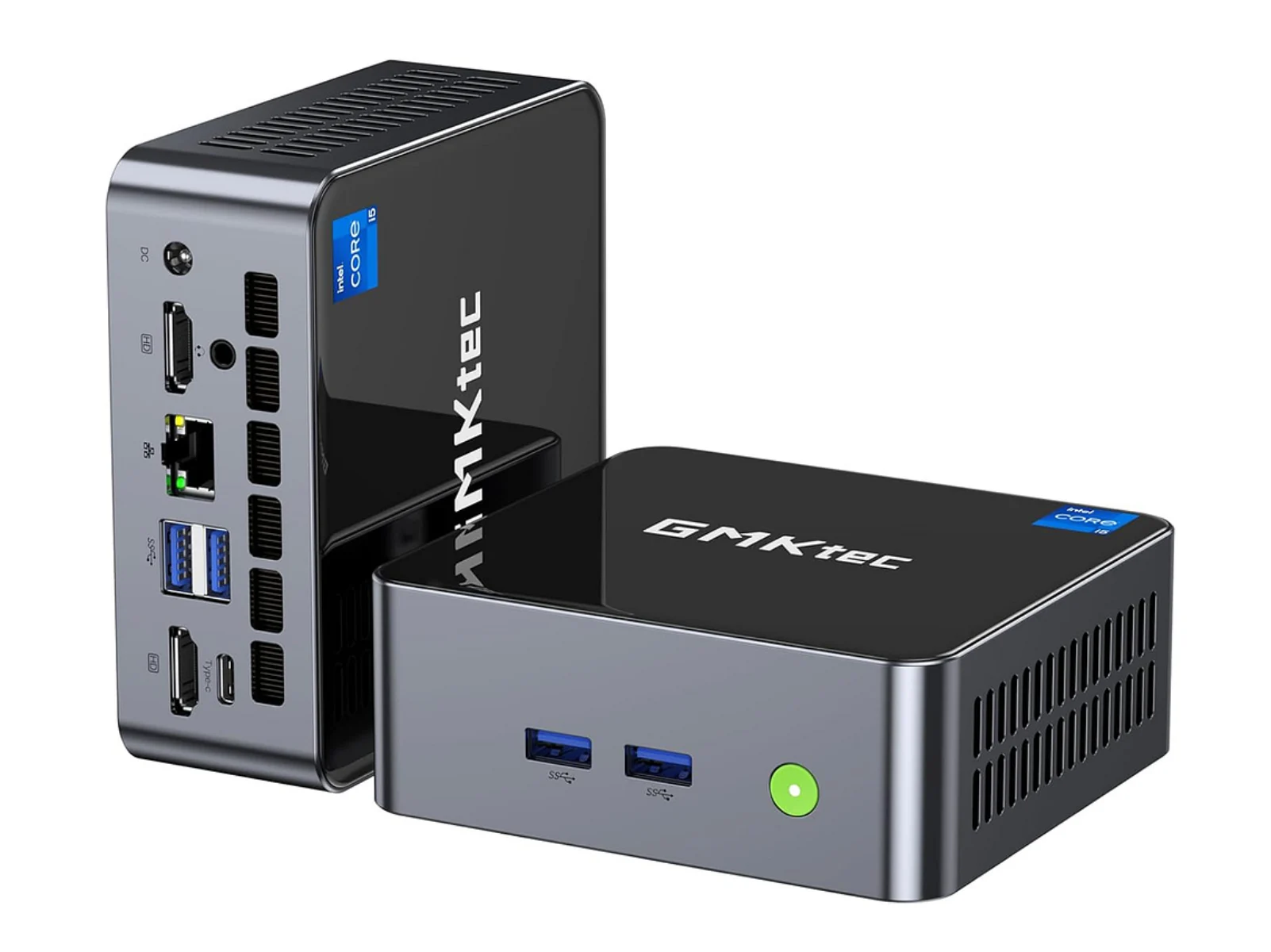
    GMKtec has updated its NucBox mini-PC line, just a few weeks after the global launch of the NucBox M5 Ultra. Similar to the M5 Ultra, the NucBox M2 Pro S is notably less powerful compared to GMKtec’s EVO series, which features the AMD Strix Halo-driven EVO-X2, currently priced at $1,499 on Amazon.

    Specifications Overview

    The NucBox M2 Pro S is powered by the Core i7-1185G7, which is a quad-core CPU from Intel’s Tiger Lake series. While it may seem outdated, the Core i7-1185G7 has a thermal design power (TDP) of 28 W and is equipped with an Iris Xe Graphics G7 iGPU that has 96 Execution Units (EUs). Additionally, the NucBox M2 Pro S is built to support M.2 2242 and M.2 2280 SSDs, features dual SODIMM slots for DDR4-3200 RAM, and comes with various ports, all packed into a compact 114 x 106 x 42.5 mm chassis.

    Pricing Options

    At the moment, the NucBox M2 Pro S is available starting at $279.99 as a barebones unit, meaning it does not come with RAM or storage. On the other hand, the most affordable pre-configured version is priced at $349.99, which includes 16 GB of RAM and 512 GB of storage. Alternatively, GMKtec offers a model with 32 GB of RAM and 1 TB of storage for $419.99. For further information, you can check out the NucBox M2 Pro S listing on the company’s website.

    GMKtec’s products are designed for users who need compact and affordable computing solutions, making the NucBox M2 Pro S an attractive option for those looking to balance performance and price.

    Source:
    Link


  • Scientists Uncover Reasons Behind Frequent Satellite Failures

    Scientists Uncover Reasons Behind Frequent Satellite Failures

    Key Takeaways

    1. Researchers identified unexpected malfunctions in satellites due to spacecraft environment discharges (SEDs).
    2. A team from Los Alamos National Laboratory proved a link between electron accumulation and SEDs using a sensor on STPSat 6.
    3. Electron build-up can lead to spark discharges, damaging satellite electronic systems.
    4. The study found that 75% of SEDs were preceded by significant electron accumulation.
    5. This research may lead to advancements in systems to protect satellites from SED-related damages.


    Thousands of satellites circle the Earth daily, and researchers have encountered a puzzling issue. Many of these devices began to experience unexpected malfunctions, prompting scientists to investigate the cause.

    Research Breakthrough

    A group from the Los Alamos National Laboratory in the U.S. has made significant progress in solving this enigma. They published their findings in the journal Advances in Space Research. In their study, the scientists focused on spacecraft environment discharges (SEDs), which are short circuits that can disrupt the electronic systems of orbiting satellites.

    The presence of SEDs was previously acknowledged; however, the connection between these failures and electron levels was still unclear. To clarify this, the team installed a sensor on the American experimental satellite STPSat 6, successfully proving that these satellites gather electrons throughout their operation.

    Consequences of Electron Accumulation

    However, after a period, this electron build-up leads to a spark discharge, which can severely damage their electronic systems. Over nearly a year, the team demonstrated that this phenomenon preceded 75% of SEDs, which is quite a significant statistic.

    This research could pave the way for future advancements, particularly through the development of systems designed to mitigate the effects of such events on satellites. This mission is crucial, as these devices provide numerous benefits to our daily lives and have become essential in various sectors.

    Source:
    Link


  • Apple Set to Begin Production of New MacBooks and Studio Displays

    Apple Set to Begin Production of New MacBooks and Studio Displays

    Key Takeaways

    1. Apple M5 chip production is starting this spring, with launches in iPad Pro and Apple Vision Pro expected soon.
    2. New Macs with the M5 chip, including the 14-inch and 16-inch MacBook Pro and 13-inch and 15-inch MacBook Air, are set for mass production.
    3. Anticipated launch dates for the new MacBook models are in Q4 2025 or Q1 2026, with March 2026 as the latest date.
    4. Major upgrades for MacBook models will mainly focus on the new ARM processors, with minimal design changes expected until future models.
    5. Apple is also preparing to produce two new monitors, likely successors to the Apple Studio Display, with potential enhancements like a 120 Hz panel or mini-LED backlighting.


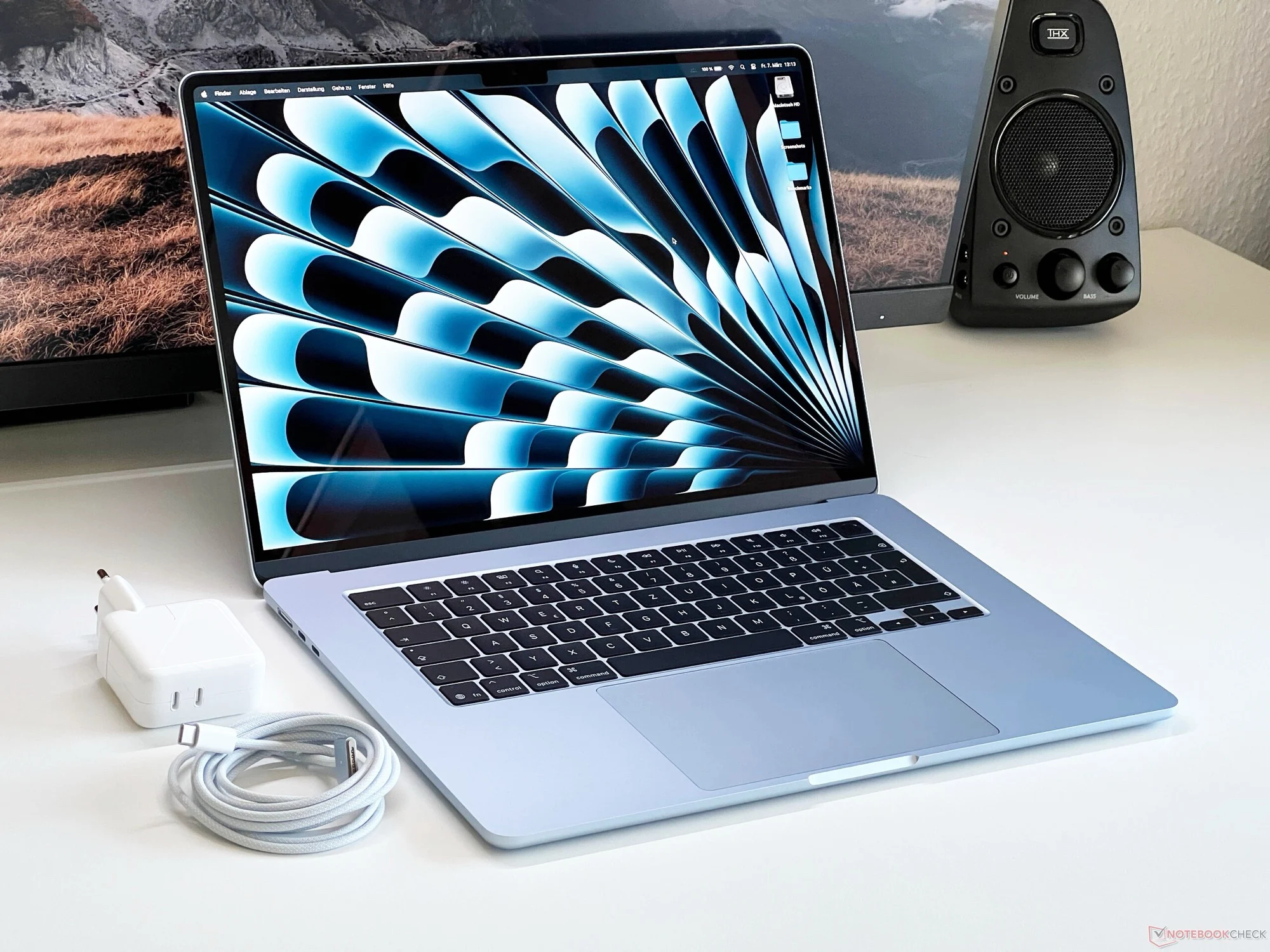
    With the Apple M5’s mass production starting this spring, the chip is set to launch soon in the new iPad Pro and Apple Vision Pro. Now, Apple is reportedly gearing up to start mass-production of the first Macs that will utilize this new ARM processor. Recent reports from Bloomberg suggest that the production of the 14-inch and 16-inch MacBook Pro, codenamed J714 and J716, alongside the 13-inch and 15-inch MacBook Air, codenamed J813 and J815, is on the horizon.

    Expected Launch Dates

    These notebooks are anticipated to be officially announced in either the fourth quarter of 2025 or the first quarter of 2026, with March 2026 being the latest possible date. Neither the MacBook Air nor the MacBook Pro is expected to see significant changes; the main upgrade will be the new ARM processors, with only minor improvements expected overall. The MacBook Pro is projected to receive a fresh design featuring an OLED touchscreen and a slimmer, lighter body only when it upgrades to the Apple M6. As for the MacBook Air, a redesign featuring an OLED display may not arrive until 2029.

    New Monitors in the Works

    In addition, Apple is said to be getting ready for mass production of two new monitors, identified by model numbers J427 and J527. These models are believed to be successors to the Apple Studio Display, which will continue to be sold exclusively with a 27-inch screen size. Although the Apple Studio Display already boasts a high pixel density thanks to its 5K IPS panel, it’s possible that the next-gen monitor could feature a quicker 120 Hz panel or mini-LED backlighting to enhance brightness levels.

    Bloomberg’s reports indicate that these developments mark a significant step in Apple’s ongoing innovation in computer hardware and display technology. The anticipation for new devices continues to grow as Apple prepares to unveil its latest offerings.

    Source:
    Link


  • Samsung Hints OLED MacBook Pro Release Date, Silent on Foldable iPhone

    Samsung Hints OLED MacBook Pro Release Date, Silent on Foldable iPhone

    Key Takeaways

    1. Samsung Display will start mass production of OLED screens for Apple MacBook Pro laptops in Q3 2026, confirming a potential Q4 launch.
    2. Both 14-inch and 16-inch MacBook Pro models will feature OLED screens with a built-in touchscreen and enhanced M6 processing power.
    3. Small production runs of OLED panels will begin in Q2 2026 using Samsung’s A6 production line, transitioning from LCD to OLED.
    4. Apple is expected to order around half a million OLED MacBook Pros by the end of 2026, with total orders possibly reaching three million units.
    5. The first OLED MacBook Pros may be released about a year after the 2025 lineup, with potential price increases due to M5 chip upgrades and OLED technology.


    The CEO of Samsung Display has officially announced when the first Apple MacBook Pro laptops featuring OLED screen panels will be available.

    Dual Production Plans

    Samsung is reportedly preparing to manufacture both 14-inch and 16-inch MacBook Pro OLED screens, which are expected to include a built-in touchscreen layer and enhanced M6 processing power. Lee Cheong, from Samsung, shared this information with reporters at a display conference in Seoul, stating that mass production of the new 8.6-gen OLED line is set to kick off in the third quarter of 2026. This indirectly confirms speculations about a Q4 launch for the initial MacBook Pro equipped with OLED screens.

    Production Timeline

    While Samsung will begin small production runs of the OLED panels for the MacBook Pro in the second quarter, they will use their A6 production line, which has been adjusted to produce OLED screens instead of LCDs. The 8.6G line, designed for glass substrates measuring 2290 x 2620 mm, is deemed most appropriate for creating OLED screens for mid-sized electronic devices like laptops. With the ramp-up in production anticipated in the third quarter of 2026, Samsung, which is Apple’s sole supplier for MacBook Pro OLED displays, is preparing for a release in the holiday quarter.

    Anticipated Orders

    “We are looking forward to” Apple’s orders, remarked Lee Cheong, although he didn’t provide details on whether this timing aligns with the launch of Apple’s foldable iPhone, which will also feature a flexible panel produced by Samsung. Industry analysts predict that Apple aims to ship around half a million OLED MacBook Pros by the end of 2026, with total orders potentially reaching three million units, contingent on the pricing of Samsung’s 14-inch and 16-inch OLED panels.

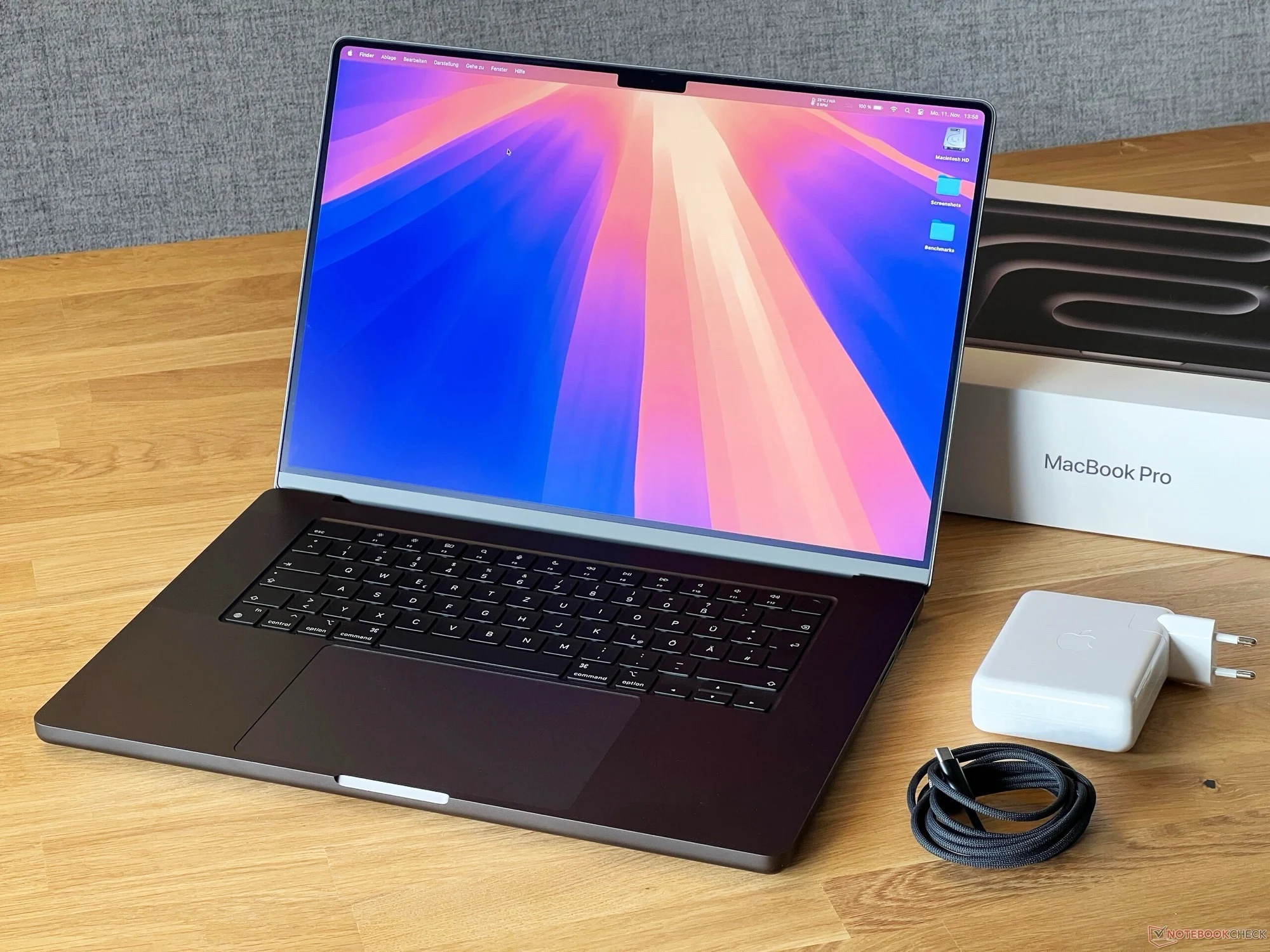
    At present, a MacBook Pro equipped with an M4 processor is priced at $1,399, thanks to discounts on Amazon. However, the anticipated upgrade to an M5 chip might not keep the price that low, especially for a model featuring an OLED screen. Apple is expected to refresh the Pro model with M5 processors either next quarter or early in 2026, meaning the first MacBooks with OLED displays could arrive approximately a year after the 2025 lineup.

    Source:
    Link


  • GMK NucBox K12 Design: Small Yet Annoying Flaw Explained

    GMK NucBox K12 Design: Small Yet Annoying Flaw Explained

    Key Takeaways

    1. The NucBox K12 mini PC features a unique and creative design compared to competitors like Beelink and Apple Mac Mini.
    2. The thumb screws on the NucBox K12 are small and difficult to grip, making servicing more challenging than intended.
    3. Unlike the easier-to-handle thumb screws on Intel NUC models, the NucBox K12’s design may require additional tools for removal.
    4. Accessing the motherboard involves removing four extra Phillips screws after the thumb screws, complicating servicing.
    5. Many other mini PCs offer better designs for easier access and quicker servicing with fewer screws.


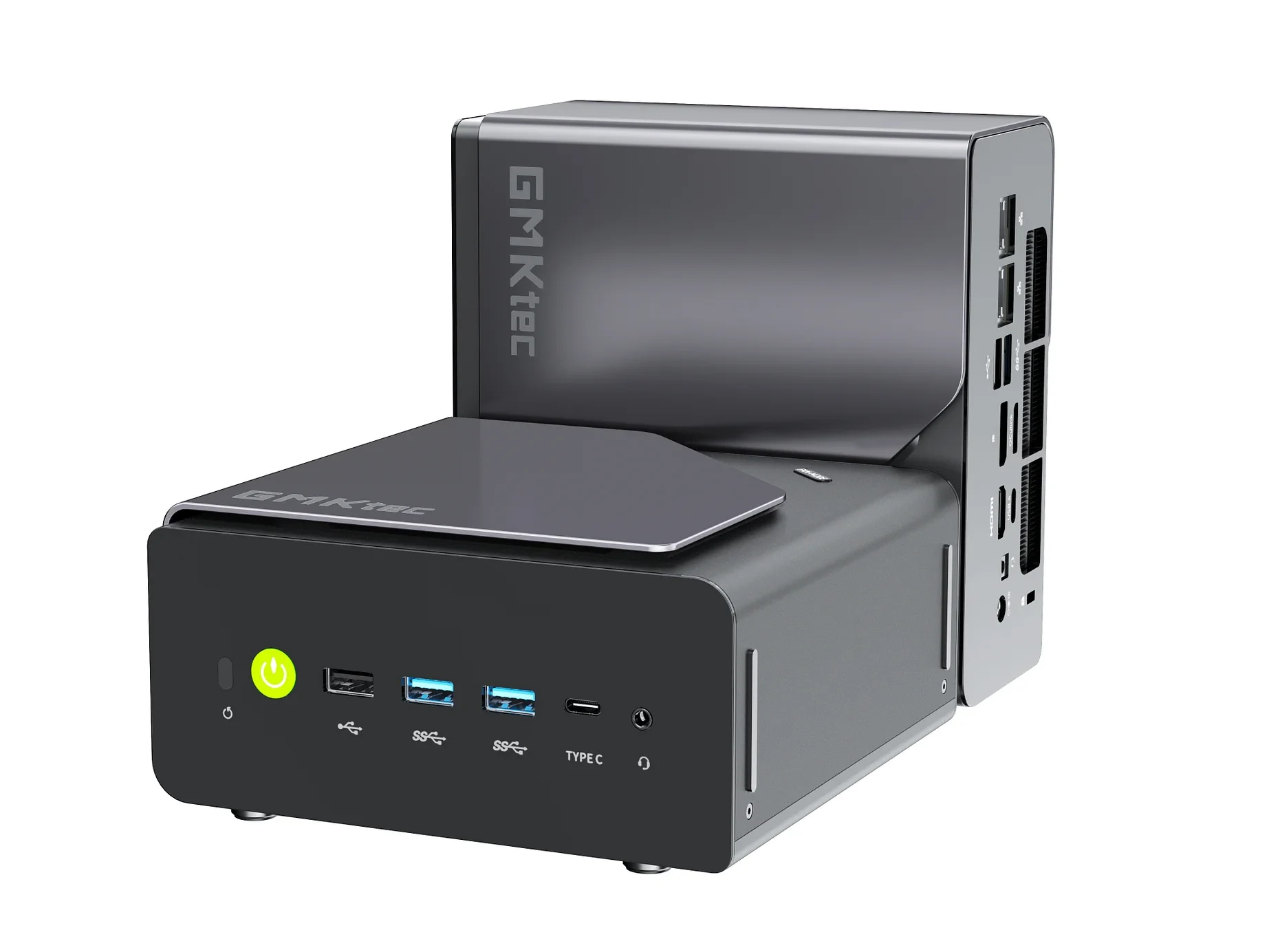
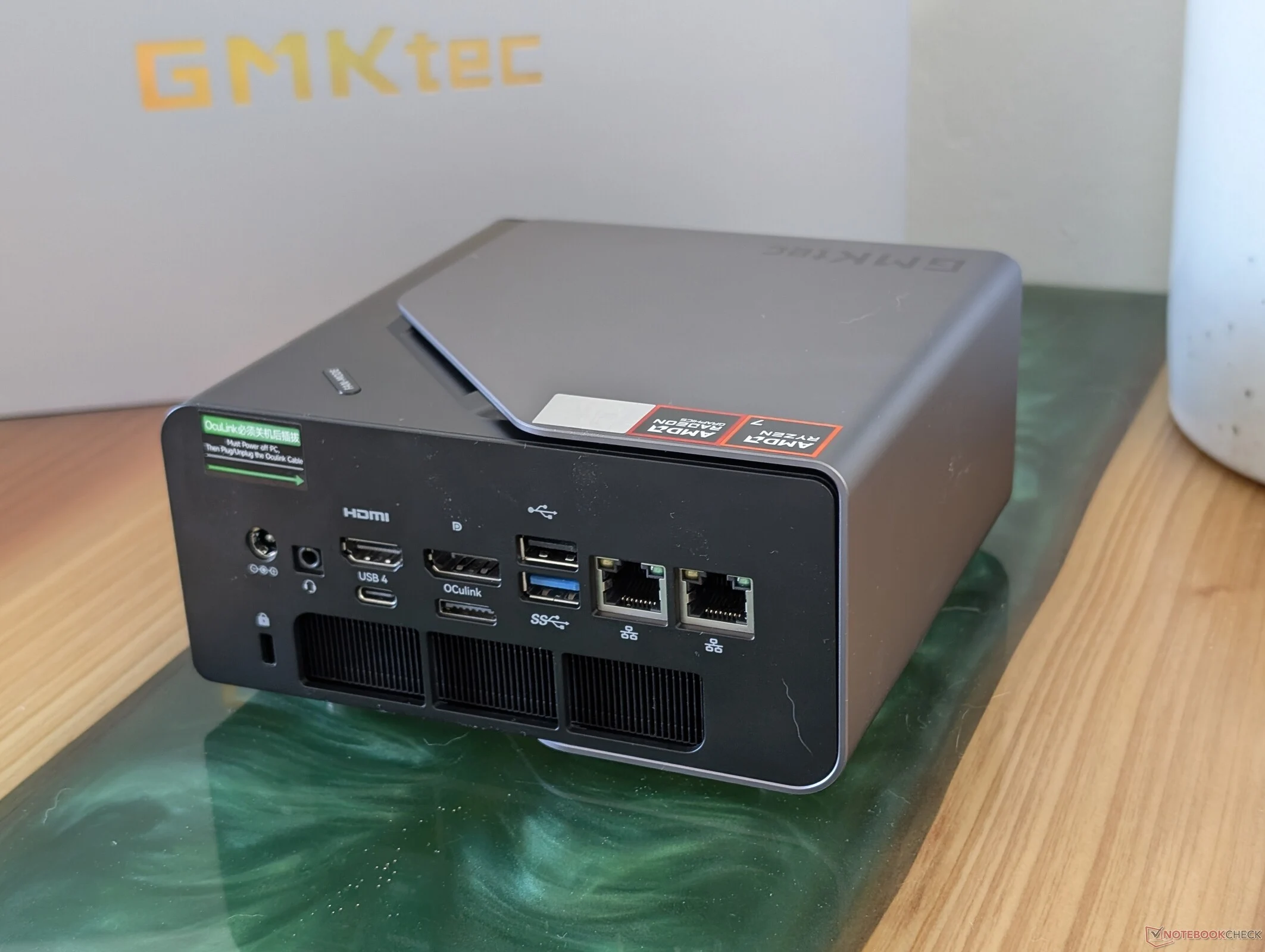
    GMKtec has just introduced the NucBox K12 mini PC, which is basically a bigger version of the NucBox K11 but comes with some added physical features. We really like its distinct and creative outer design, especially when compared to the newest mini PCs from Beelink, which often resemble an Apple Mac Mini. However, there’s one aspect of the NucBox K12’s design that might need a bit more consideration.

    Thumb Screws Design Flaw

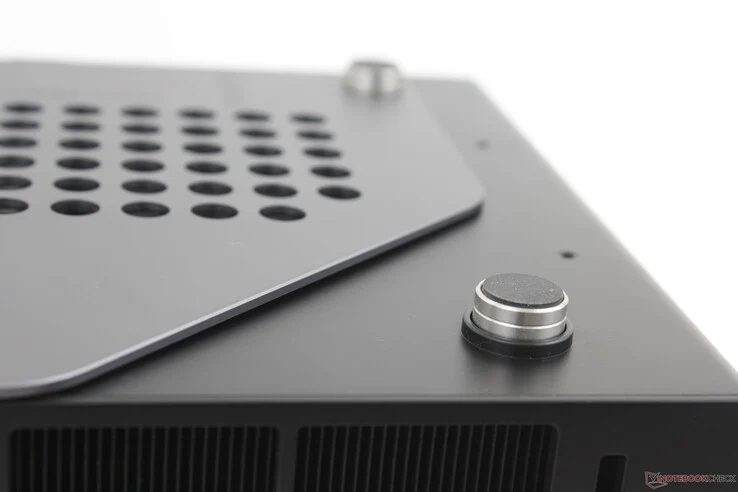
    The image below shows that the four feet of the NucBox K12 also act as thumb screws, similar to those found on older Intel NUC models. These thumb screws are meant to make servicing easier since you don’t need a screwdriver. Sadly, on the GMK device, these thumb screws are small and tightly fitted, with smooth metal edges that make gripping them very difficult. Actually, we found that removing the thumb screws on our NucBox K12 test model would require rubber bands and a monkey wrench. In contrast, the thumb screws on Intel NUCs are larger and have rubber edges, which makes them much easier to grip.

    Accessing the Motherboard

    But things don’t end there. After taking out the four thumb screws from the NucBox K12, you still need to unscrew four more Phillips screws just to get to the motherboard. At this point, those four thumb screws might as well be regular Phillips screws since you’ll still need a screwdriver for any servicing. Many other mini PCs are designed for easier access, featuring fewer screws that allow for quicker servicing.

    Source:
    Link


  • Ryzen 7 H 255 vs. Ryzen 7 7840HS: Performance Comparison

    Ryzen 7 H 255 vs. Ryzen 7 7840HS: Performance Comparison

    Key Takeaways

    1. Systems with the Ryzen 7 H 255 CPU, like the GMK NucBox K12, are becoming more common but may not offer significant advantages over older models.
    2. The Ryzen 7 H 255 performs similarly to the Ryzen 7 7840HS, Ryzen 9 7940HS, and Ryzen 9 8845HS, raising questions about the number of processor models available.
    3. All tested CPUs have the same core/thread counts and integrated graphics, with the Ryzen 7 H 255 being a relabeled last-gen Zen 4 chip.
    4. The Ryzen 7 7840HS offers better performance for the price, making it a cost-effective choice for home theater PC or 4K streaming tasks.
    5. The naming system for AMD CPUs has changed, complicating the buying process for consumers unfamiliar with the updates.


    Systems with the Ryzen 7 H 255 CPU, like the GMK NucBox K12, are starting to pop up more often. After testing a few of these systems, buyers might want to think about older and often less expensive options like the Ryzen 7 7840HS, Ryzen 9 7940HS, or even the Ryzen 9 7940HS. The performance is quite similar to the Ryzen 9 8845HS, which raises the question of whether there are too many processor models with not much difference between them.

    Performance Insights

    Our tests indicate that the Ryzen 7 H 255 operates nearly identically to the other mentioned options. All four CPUs have the same core and thread counts, cache sizes, integrated Radeon 780M graphics, and they all lack an NPU. The Ryzen 7 H 255 is essentially just a relabeled last-gen Zen 4 chip, despite being released amidst a range of quicker and more efficient Zen 5 alternatives.

    Value for Money

    In general, the performance remains strong for most home theater PC (HTPC) or 4K streaming tasks, especially when you compare it to older mini PCs with Iris Xe or Radeon RX Vega graphics. For those looking to save some cash, the almost 3-year-old Ryzen 7 7840HS can provide better performance for the price. The naming system for AMD CPUs has shifted since the Ryzen 7 7840HS days, making it tougher for buyers who might not be up to speed with the latest changes.

    Further Readings

    For additional benchmarks and comparisons regarding the Ryzen 7 H 255, check out our review of the NucBox K12.

  • ECS Liva Z11 Plus Mini PC Launches with Intel Arrow Lake Processor

    ECS Liva Z11 Plus Mini PC Launches with Intel Arrow Lake Processor

    Key Takeaways

    1. ECS has launched the Z11 Plus mini PC with four CPU options, starting with the Intel Core Ultra 5 125H from the Meteor Lake series.
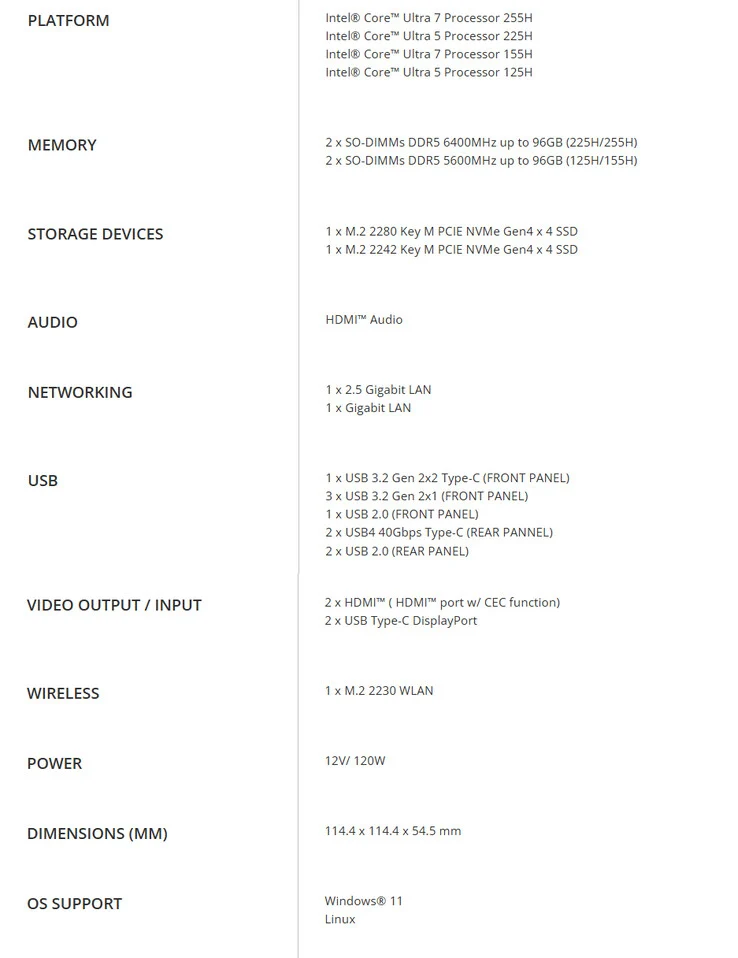
    2. Users can choose between various Meteor Lake and Arrow Lake CPUs, with configurations supporting up to 96 GB of DDR5 RAM.
    3. The mini PC supports DDR5-5600 memory for Meteor Lake variants and DDR5-6400 for Arrow Lake versions, with two M.2 slots for PCIe 4.0 SSDs.
    4. It features multiple ports, including dual HDMI and USB4, allowing for quad-4K display output, and has a compact and stylish design.
    5. Pricing and availability details for the Z11 Plus mini PC have not yet been announced by ECS.


    ECS has unveiled the Z11 Plus mini PC, which was first announced during Computex 2025. The company has now revealed that this system will come in four different CPU configurations, starting with the base model that includes the Intel Core Ultra 5 125H from the Meteor Lake series.

    Additional CPU Options

    There is an alternative CPU option from the Meteor Lake series, the Core Ultra 7 155H. Additionally, ECS is providing choices to configure the mini PC with either the Intel Core Ultra 5 225H or the Core Ultra 7 255H from the Arrow Lake range. Users have the flexibility to combine their chosen processor with a maximum of 96 GB of DDR5 RAM.

    Memory and Storage Specifications

    It’s important to note that the Meteor Lake variants support DDR5-5600 memory, whereas the Arrow Lake versions allow for DDR5-6400 RAM. For storage solutions, the mini PC includes two M.2 slots suitable for PCIe 4.0 SSDs, with one slot specifically designed for 2242 size (currently, a 2 TB Crucial P310 is priced at $148.50 on Amazon).

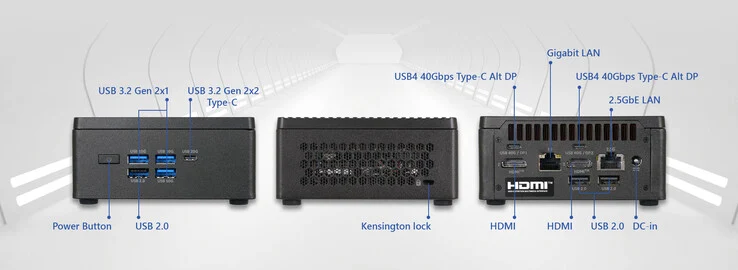
    The mini PC also has a dedicated M.2 2230 slot to accommodate a wireless card. In terms of port selection, the ECS Liva Z11 Plus comes equipped with several ports, including dual HDMI and USB4, which enable quad-4K display output. Among its standout features are its compact size and stylish design.

    Pricing and Availability

    ECS has yet to disclose any details regarding the pricing of the mini PC, nor is it clear when customers will be able to buy the system.

    Source:
    Link


  • Apollo Computer Sets Sale Date for Second Batch of A6000 PCs

    Apollo Computer Sets Sale Date for Second Batch of A6000 PCs

    Key Takeaways

    1. Apollo Computer will release forty Apollo A6000 Amiga-compatible computers on October 13 at €960 each, with delivery expected by November 30, 2025.
    2. An additional twenty units will be available at the Apollo booth during the Amiga 40 event in Mönchengladbach, Germany, from October 17 to 19.
    3. The Apollo A6000 features a compact design with modern ports, a mechanical keyboard, and is powered by Apollo OS compatible with AmigaOS 3.1.
    4. Apollo Computer has a history of upgrading original Amiga models and previously released the Apollo Standalone V4+ mini-computer.
    5. After Commodore’s bankruptcy, the Amiga brand was acquired by Cloanto, and Amiga OS development continues under Hyperion Entertainment and open-source developers.


    Apollo Computer is gearing up to release a new batch of forty Apollo A6000 Amiga-compatible computers. These will be available for purchase on October 13 at 10:00 AM Central European Time (CET). The price is expected to be the same as the first batch, with a Manufacturer’s Suggested Retail Price (MSRP) of €960 (around $1,120). Buyers can expect delivery by November 30, 2025. Additionally, twenty more units will be sold at the Apollo booth during the Amiga 40 event in Mönchengladbach, Germany, from October 17 to 19.

    The History of Amiga

    The Amiga computers were made by Commodore between 1985 and 1994, following the popularity of the Commodore 64 home computers. After the success of these models, several other companies began to offer upgrade boards for the original Amigas. Apollo Computer, for example, released upgrades that improved performance and added modern features to these classic machines.

    Innovations in the Apollo A6000

    Apollo Computer has previously developed the Apollo Standalone V4+ mini-computer, which uses their Amiga upgrade board technology. Their newest Apollo A6000 takes this concept further by fitting it into a compact case reminiscent of the Amiga 600. It features a mechanical keyboard equipped with Cherry MX switches beneath molded keycaps. The case is designed with modernity in mind, offering four USB-A ports, an Ethernet port, and two SD card slots. The system is powered by Apollo OS, which is compatible with the AmigaOS 3.1 API, and it includes 2 GB of fast RAM, 12 GB of chip RAM, and 128 GB of storage—plenty for this efficient operating system.

    The Legacy of Amiga

    After Commodore went bankrupt, Cloanto obtained the rights to the Amiga brand, later releasing Amiga Forever, an emulator for modern Windows PCs. Hyperion Entertainment holds the rights for developing Amiga OS further, with the latest version 4.1 running on newer PowerPC systems like the A-EON X5000. In addition, open-source developers created AROS, an Amiga-compatible OS that serves as a foundation for Apollo OS.

    Source:
    Link


  • Affordable 16GB AI Workstation Card Runs Cyberpunk 2077 at 85 FPS

    Affordable 16GB AI Workstation Card Runs Cyberpunk 2077 at 85 FPS

    Key Takeaways

    1. The Intel Arc Pro B50 is a top-selling workstation GPU with 16 GB of GDDR6 VRAM, aimed at small workstation setups, compact gaming PCs, and beginner AI projects.
    2. In testing, the GPU performed well in AI tasks while consuming only 50-55 W and includes ECC memory support for stability in professional applications.
    3. Benchmark scores indicate that the Arc Pro B50’s performance is lower than dedicated gaming GPUs like the RTX 5060 but comparable to the RTX 4050 mobile GPU.
    4. The GPU can achieve decent gaming performance, reaching 80-90 FPS in Cyberpunk 2077 with optimized settings and maintaining over 100 FPS in Forza Horizon 5 at 1440p Ultra.
    5. Despite being primarily designed for work tasks, the Arc Pro B50 showcases surprising gaming capabilities, especially when utilizing Intel’s XeSS and frame generation features.


    Intel’s new Arc Pro B50 is currently the top-selling workstation GPU on Newegg, but content creator ETA Prime decided to test its performance beyond just work tasks. With 16 GB of GDDR6 VRAM, a board power of 70 W, and a dual-slot low-profile design, the Arc Pro B50 is aimed at small workstation setups. However, its specs also make it appealing for compact gaming PCs and beginner AI projects.

    Specifications Overview

    In ETA Prime’s testing setup, the GPU was combined with an AMD Ryzen 7 8700G, 32 GB of DDR5-6000 RAM, and placed in a Jonsbo NV10 case powered by a 500 W power supply. Thanks to its compact form, the B50 fit snugly into the case’s low-profile dual-slot area.

    Using Intel’s AI Playground, the GPU managed text generation and image creation tasks fully while consuming only about 50-55 W. It also offers ECC memory support to enhance stability in professional applications.

    Benchmark Performance

    When it came to synthetic benchmarks, the Intel Arc Pro B50 fell short compared to gaming GPUs like the RTX 5060. It scored approximately 73,000 points in Geekbench 6 OpenCL, 1,631 points with an average of 16.3 FPS in 3DMark Steel Nomad, and 8,376 points in 3DMark Time Spy.

    For context, data from Notebookcheck shows the RTX 5060 achieving 14,083 in Time Spy and 129,886 in OpenCL. Performance-wise, the Intel Arc Pro B50 is more comparable to an Nvidia GeForce RTX 4050 mobile GPU, which scored 7,980 in Time Spy and 77,854 in OpenCL.

    Gaming Tests

    After switching from the Pro driver to Intel’s gaming driver, ETA Prime tested various games on the Arc Pro B50. In Cyberpunk 2077 at 1440p Ultra with XeSS Super Resolution 2.0 set to Quality, the game ran at 40-50 FPS. By changing XeSS-SR to Balanced, performance improved to 50-60 FPS. Ultimately, enabling Intel XeSS Frame Generation, setting the Intel Xe Low Latency Frame Rate Target to zero, and returning XeSS to Quality, allowed the game to reach 80-90 FPS.

    In Marvel Rivals at 1440p High with XeSS Quality, the frame rate consistently stayed above 60 FPS, even during intense action scenes.

    Doom: The Dark Ages averaged around 71 FPS at 1080p with Nightmare settings and no scaling, while Forza Horizon 5 performed exceptionally well, averaging over 100 FPS at 1440p Ultra without scaling. Throughout all these tests, the GPU’s power draw remained around 50 W, with utilization staying between 98 and 100%.

    Even though the Intel Arc Pro B50 isn’t designed specifically for gaming, ETA Prime’s tests reveal it can offer surprisingly good performance in modern games, especially when using features like XeSS and frame generation. For a deeper dive into the full build and how the card performed across different games, it’s definitely worth checking out the complete video for more insights into both the setup and gameplay results.

    Source:
    Link