Category: Computers

  • Apollo Computer Sets Sale Date for Second Batch of A6000 PCs

    Apollo Computer Sets Sale Date for Second Batch of A6000 PCs

    Key Takeaways

    1. Apollo Computer will release forty Apollo A6000 Amiga-compatible computers on October 13 at €960 each, with delivery expected by November 30, 2025.
    2. An additional twenty units will be available at the Apollo booth during the Amiga 40 event in Mönchengladbach, Germany, from October 17 to 19.
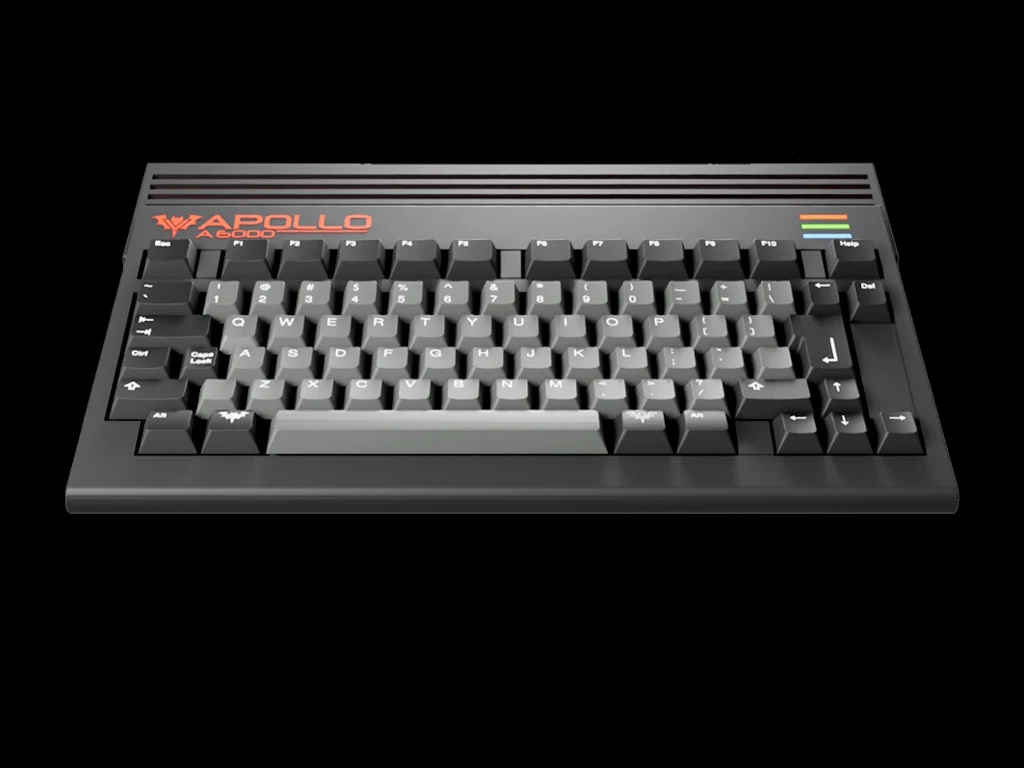
    3. The Apollo A6000 features a compact design with modern ports, a mechanical keyboard, and is powered by Apollo OS compatible with AmigaOS 3.1.
    4. Apollo Computer has a history of upgrading original Amiga models and previously released the Apollo Standalone V4+ mini-computer.
    5. After Commodore’s bankruptcy, the Amiga brand was acquired by Cloanto, and Amiga OS development continues under Hyperion Entertainment and open-source developers.


    Apollo Computer is gearing up to release a new batch of forty Apollo A6000 Amiga-compatible computers. These will be available for purchase on October 13 at 10:00 AM Central European Time (CET). The price is expected to be the same as the first batch, with a Manufacturer’s Suggested Retail Price (MSRP) of €960 (around $1,120). Buyers can expect delivery by November 30, 2025. Additionally, twenty more units will be sold at the Apollo booth during the Amiga 40 event in Mönchengladbach, Germany, from October 17 to 19.

    The History of Amiga

    The Amiga computers were made by Commodore between 1985 and 1994, following the popularity of the Commodore 64 home computers. After the success of these models, several other companies began to offer upgrade boards for the original Amigas. Apollo Computer, for example, released upgrades that improved performance and added modern features to these classic machines.

    Innovations in the Apollo A6000

    Apollo Computer has previously developed the Apollo Standalone V4+ mini-computer, which uses their Amiga upgrade board technology. Their newest Apollo A6000 takes this concept further by fitting it into a compact case reminiscent of the Amiga 600. It features a mechanical keyboard equipped with Cherry MX switches beneath molded keycaps. The case is designed with modernity in mind, offering four USB-A ports, an Ethernet port, and two SD card slots. The system is powered by Apollo OS, which is compatible with the AmigaOS 3.1 API, and it includes 2 GB of fast RAM, 12 GB of chip RAM, and 128 GB of storage—plenty for this efficient operating system.

    The Legacy of Amiga

    After Commodore went bankrupt, Cloanto obtained the rights to the Amiga brand, later releasing Amiga Forever, an emulator for modern Windows PCs. Hyperion Entertainment holds the rights for developing Amiga OS further, with the latest version 4.1 running on newer PowerPC systems like the A-EON X5000. In addition, open-source developers created AROS, an Amiga-compatible OS that serves as a foundation for Apollo OS.

    Source:
    Link


  • Affordable 16GB AI Workstation Card Runs Cyberpunk 2077 at 85 FPS

    Affordable 16GB AI Workstation Card Runs Cyberpunk 2077 at 85 FPS

    Key Takeaways

    1. The Intel Arc Pro B50 is a top-selling workstation GPU with 16 GB of GDDR6 VRAM, aimed at small workstation setups, compact gaming PCs, and beginner AI projects.
    2. In testing, the GPU performed well in AI tasks while consuming only 50-55 W and includes ECC memory support for stability in professional applications.
    3. Benchmark scores indicate that the Arc Pro B50’s performance is lower than dedicated gaming GPUs like the RTX 5060 but comparable to the RTX 4050 mobile GPU.
    4. The GPU can achieve decent gaming performance, reaching 80-90 FPS in Cyberpunk 2077 with optimized settings and maintaining over 100 FPS in Forza Horizon 5 at 1440p Ultra.
    5. Despite being primarily designed for work tasks, the Arc Pro B50 showcases surprising gaming capabilities, especially when utilizing Intel’s XeSS and frame generation features.


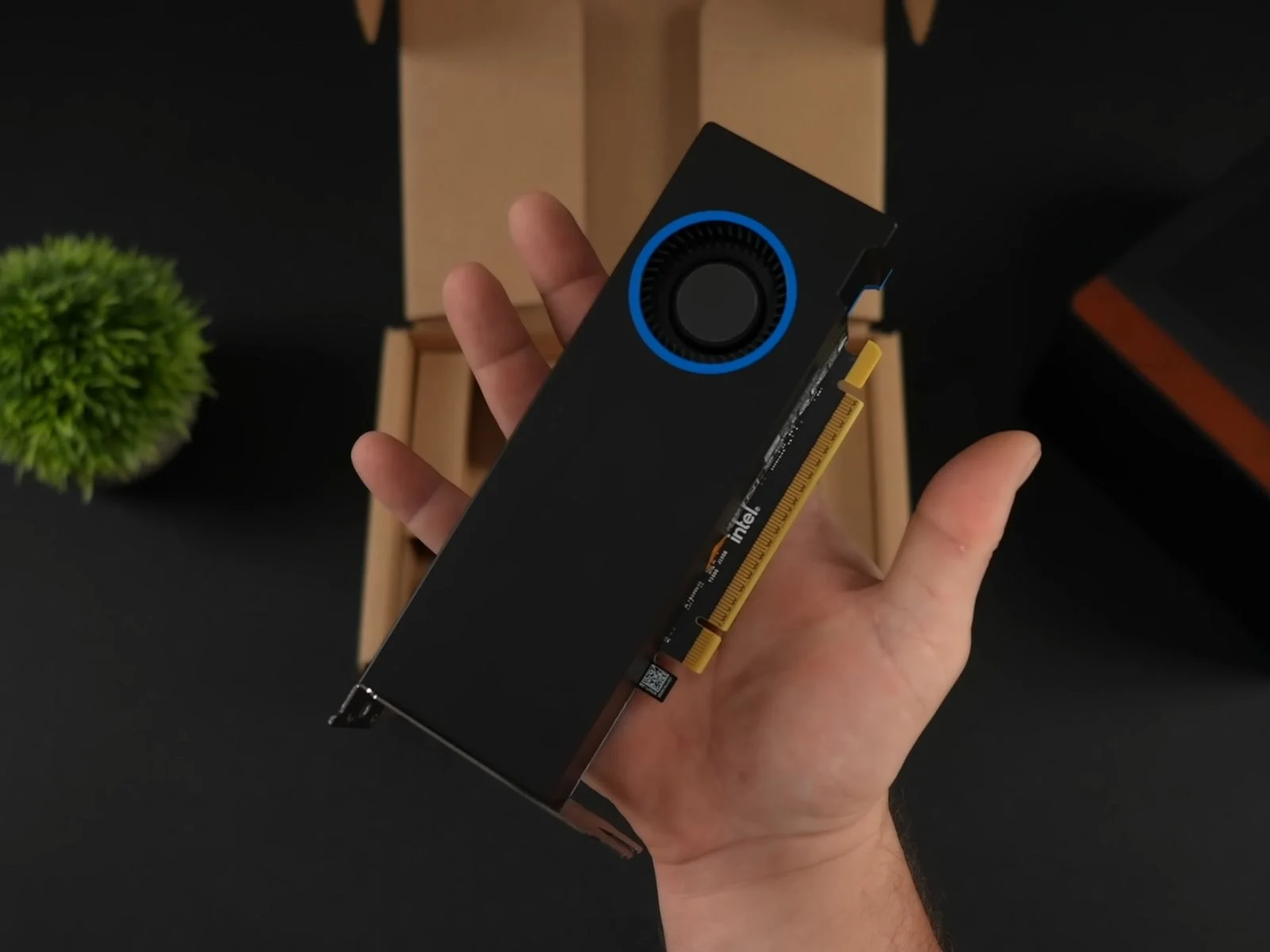
    Intel’s new Arc Pro B50 is currently the top-selling workstation GPU on Newegg, but content creator ETA Prime decided to test its performance beyond just work tasks. With 16 GB of GDDR6 VRAM, a board power of 70 W, and a dual-slot low-profile design, the Arc Pro B50 is aimed at small workstation setups. However, its specs also make it appealing for compact gaming PCs and beginner AI projects.

    Specifications Overview

    In ETA Prime’s testing setup, the GPU was combined with an AMD Ryzen 7 8700G, 32 GB of DDR5-6000 RAM, and placed in a Jonsbo NV10 case powered by a 500 W power supply. Thanks to its compact form, the B50 fit snugly into the case’s low-profile dual-slot area.

    Using Intel’s AI Playground, the GPU managed text generation and image creation tasks fully while consuming only about 50-55 W. It also offers ECC memory support to enhance stability in professional applications.

    Benchmark Performance

    When it came to synthetic benchmarks, the Intel Arc Pro B50 fell short compared to gaming GPUs like the RTX 5060. It scored approximately 73,000 points in Geekbench 6 OpenCL, 1,631 points with an average of 16.3 FPS in 3DMark Steel Nomad, and 8,376 points in 3DMark Time Spy.

    For context, data from Notebookcheck shows the RTX 5060 achieving 14,083 in Time Spy and 129,886 in OpenCL. Performance-wise, the Intel Arc Pro B50 is more comparable to an Nvidia GeForce RTX 4050 mobile GPU, which scored 7,980 in Time Spy and 77,854 in OpenCL.

    Gaming Tests

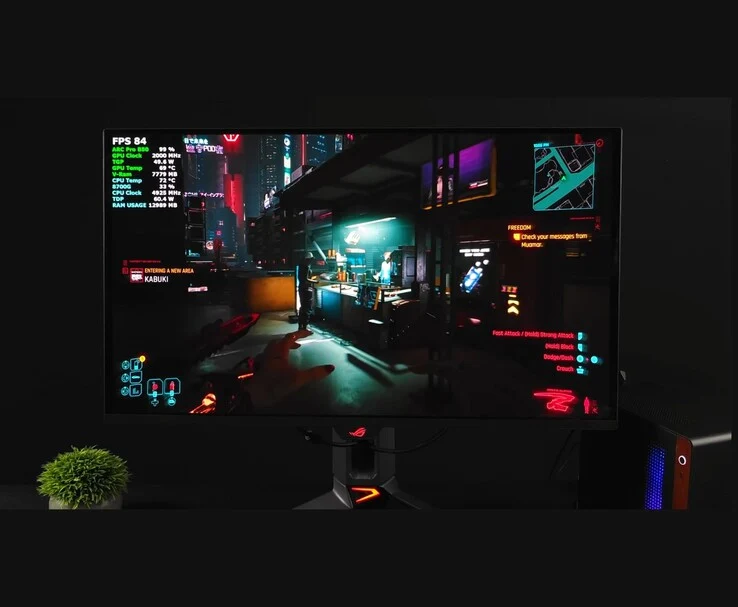
    After switching from the Pro driver to Intel’s gaming driver, ETA Prime tested various games on the Arc Pro B50. In Cyberpunk 2077 at 1440p Ultra with XeSS Super Resolution 2.0 set to Quality, the game ran at 40-50 FPS. By changing XeSS-SR to Balanced, performance improved to 50-60 FPS. Ultimately, enabling Intel XeSS Frame Generation, setting the Intel Xe Low Latency Frame Rate Target to zero, and returning XeSS to Quality, allowed the game to reach 80-90 FPS.

    In Marvel Rivals at 1440p High with XeSS Quality, the frame rate consistently stayed above 60 FPS, even during intense action scenes.

    Doom: The Dark Ages averaged around 71 FPS at 1080p with Nightmare settings and no scaling, while Forza Horizon 5 performed exceptionally well, averaging over 100 FPS at 1440p Ultra without scaling. Throughout all these tests, the GPU’s power draw remained around 50 W, with utilization staying between 98 and 100%.

    Even though the Intel Arc Pro B50 isn’t designed specifically for gaming, ETA Prime’s tests reveal it can offer surprisingly good performance in modern games, especially when using features like XeSS and frame generation. For a deeper dive into the full build and how the card performed across different games, it’s definitely worth checking out the complete video for more insights into both the setup and gameplay results.

    Source:
    Link


  • Intel Panther Lake Leak Reveals 45W TDP for High-End Variant

    Intel Panther Lake Leak Reveals 45W TDP for High-End Variant

    Key Takeaways

    1. Intel’s Panther Lake-H chip will feature a combination of 4 performance cores, 8 efficiency cores, and 4 LPE cores.
    2. The CPU will use Intel’s 18A technology and the GPU will be made with TSMC’s N3E process, while the Platform Control Die will be on TSMC’s N6.
    3. The integrated GPU is expected to offer up to 12 EU based on Intel’s Celestial architecture.
    4. The LPE cores will be fully functional for applications, marking an improvement over previous generations.
    5. The premier Panther Lake SKU may have a maximum TDP of 45 Watts, higher than the Core Ultra 9 288V’s 30 Watts.


    YouTuber Moore’s Law is Dead has shared intriguing insights about Intel’s upcoming Panther Lake platform for laptops. According to the latest information, Intel’s high-end Panther Lake-H chip is expected to feature 4 Cougar Cove performance cores, 8 Darkmony efficiency cores, and 4 Darkmont LPE cores.

    Specifications Breakdown

    The CPU tile will utilize Intel’s 18A technology, while the GPU die will be produced using TSMC’s N3E process, and the Platform Control Die will be crafted on TSMC’s N6. On the graphics front, Panther Lake is anticipated to launch with an integrated GPU offering up to 12 EU, built on Intel’s Celestial architecture.

    Conflicting Information

    This news contradicts a leak from the previous year, which forecasted a lineup of five Panther Lake CPUs, with the top model expected to include 6 P-cores, 8 E-cores, and 4 LPE cores. However, that same leak indicated that the two SKUs featuring 6 P-cores were lagging behind in development compared to the model with 4 P-cores.

    Enhanced Usability

    Moreover, the latest leak suggests that the LPE cores in Panther Lake will be fully functional for applications this time around, a feature that was not available in earlier generations. Moore’s Law is Dead estimates a potential IPC increase of 5-13%, but notes that predicting IPC improvements in Intel’s recent CPUs has proven to be difficult.

    The premier Panther Lake SKU is said to have a maximum Thermal Design Power (TDP) of up to 45 Watts, which is a bit higher than the Core Ultra 9 288V’s 30 Watts. Furthermore, there may be a possibility of pushing other (non-Core Ultra 9) SKUs to that TDP, unlike what was achievable with Lunar Lake.

    Source:
    Link


  • Volvo North America Confirms Data Theft from Miljödata Ransomware

    Volvo North America Confirms Data Theft from Miljödata Ransomware

    Key Takeaways

    1. Volvo Group North America experienced a personal data breach affecting current and former employees due to a ransomware attack on third-party HR software provider Miljödata.
    2. Approximately 16,000 individuals had their personal information, including names and Social Security numbers, compromised as a result of the breach.
    3. The ransomware group DataCarry has claimed responsibility for the attack and released samples of stolen files on the darknet.
    4. The breach has caused significant disruptions across Sweden, impacting multiple municipalities and organizations using Miljödata’s systems.
    5. Volvo is offering 12 months of free identity theft protection and credit monitoring to affected employees but has no plans for direct financial compensation.


    Volvo Group North America has announced a breach of personal information affecting some current and former employees due to a ransomware attack on its third-party HR software provider, Miljödata. A breach notice was officially filed with the Massachusetts Attorney General’s office on September 24, 2025. The attackers accessed employee data through the compromised systems of Miljödata, not through Volvo’s own networks.

    Incident Overview

    The Miljödata breach started during the weekend of August 23–24, 2025, when the supplier’s systems went offline, causing numerous Swedish customers to report service issues. Lund University, one of the first to report the incident, confirmed that approximately 16,000 current and former employees had their personal data compromised in the systems powered by Miljödata.

    Details of the Breach

    According to Volvo’s filing in Massachusetts, the personal information that may have been exposed includes first and last names, as well as Social Security numbers for some individuals; however, the filing does not specify the exact number of affected Volvo employees. The company states it is in the process of notifying those impacted and providing identity protection services as they, along with Miljödata, continue to investigate the situation.

    Connection to Ransomware Group

    Security experts and various news sources have tied the Miljödata breach to the ransomware group DataCarry, which has claimed the attack and posted samples of the stolen files on the darknet. Local media also reported confirmation from Swedish prosecutor Sandra Helgadottir regarding this information.

    Wider Impact in Sweden

    The breach has caused significant issues across Sweden, with multiple municipalities, universities, and other organizations using Miljödata’s Adato and Novi systems experiencing disruptions and subsequently filing notices with Sweden’s data protection authority, the Integritetsskyddsmyndigheten (IMY).

    Support for Affected Employees

    In its communication, Volvo mentioned that it is providing affected employees with 12 months of complimentary identity theft protection and credit monitoring, as well as a dedicated support line to help address potential fraud or misuse of personal data. As of September 26, 2025, there are no plans for direct financial compensation.

    Warnings from Lund University

    Lund University, another client of Miljödata impacted by the attack, has warned its employees and former staff to be vigilant against unusual calls, texts, or emails, cautioning that the stolen data could be used for phishing scams or other fraudulent activities.

    Source:
    Link


  • Venus May Be Hiding Hidden Dangers for Earth

    Venus May Be Hiding Hidden Dangers for Earth

    Key Takeaways

    1. Scientists have identified hidden threats near Venus, specifically potentially hazardous asteroids that are difficult to detect.
    2. A study highlights that these asteroids do not belong to the main asteroid belt and can pose a future collision risk to Earth.
    3. Some asteroids could be large (around 300 meters) and capable of causing significant destruction if they collide with Earth.
    4. Continuous monitoring of these near-Venus asteroids is crucial, as they may remain undetected for years.
    5. While the risk of impact is not immediate, vigilance is necessary to prepare for potential future threats.


    Space is an enormous expanse filled with enigmas. Scientists have discovered unseen threats to Earth located near Venus, and various catastrophic possibilities are being taken into account.

    The Universe’s Hidden Dangers

    When considering the cosmos, we typically think of galaxies, stars, and planets. Yet, there are numerous other celestial entities, like asteroids, some of which could be hazardous to our planet.

    This is especially the case for those that orbit Venus, the second planet from the sun, as they can remain undetected for years. A study published in the journal Astronomy & Astrophysics on June 30, 2025, by researchers from São Paulo State University (UNESP) in Brazil, sheds light on the risk these asteroids present.

    Insights from Astronomers

    To highlight this concern, astronomer Valerio Carruba states:

    “Our research indicates that there exists a group of potentially harmful asteroids that current telescopes cannot spot. These objects circle the sun but do not belong to the asteroid belt, which is located between Mars and Jupiter. Instead, they are significantly closer, in resonance with Venus. Their elusive nature makes them difficult to detect, even though they might pose a real collision threat to our planet in the far future.”

    Although the risk is not immediate, it should not be dismissed, as true giants are lurking near Venus, according to Carruba:

    “Asteroids measuring around 300 meters across, capable of creating craters between 3 to 4.5 kilometers wide and unleashing energy comparable to hundreds of megatons, could be concealed in this group. A strike in a densely populated region would lead to massive destruction.”

    The Need for Vigilance

    Moreover, extended monitoring is essential to mitigate this hazard. Some asteroids might stay hidden for several years before becoming visible only days prior to a possible impact. Nevertheless, it is important to recognize that this scenario may never occur, thus protecting Earth from a significant disaster.

    Source:
    Link


  • D12 Plus Mini-PC with AMD Krackan/Strix Point & 128GB RAM

    D12 Plus Mini-PC with AMD Krackan/Strix Point & 128GB RAM

    Key Takeaways

    1. The D12 Plus mini-PC is available under different brand names like CyminilmdPC and KingnovyPC, featuring multiple AMD mobile APUs.
    2. It offers up to 8 TB of PCIe 4.0 storage across two M.2 2280 slots and supports up to 64 GB of DDR5-5600 RAM, with potential for 128 GB.
    3. The entry model comes with the Ryzen AI 7 H 350 processor, while options include the Ryzen AI 7 Pro 360 and Ryzen AI 9 models.
    4. Pricing starts at around $320 on AliExpress for the base model and can reach $1,044 for higher configurations; Amazon prices start at $560.
    5. The mini-PC has a consistent array of ports regardless of the specific AMD APU used.


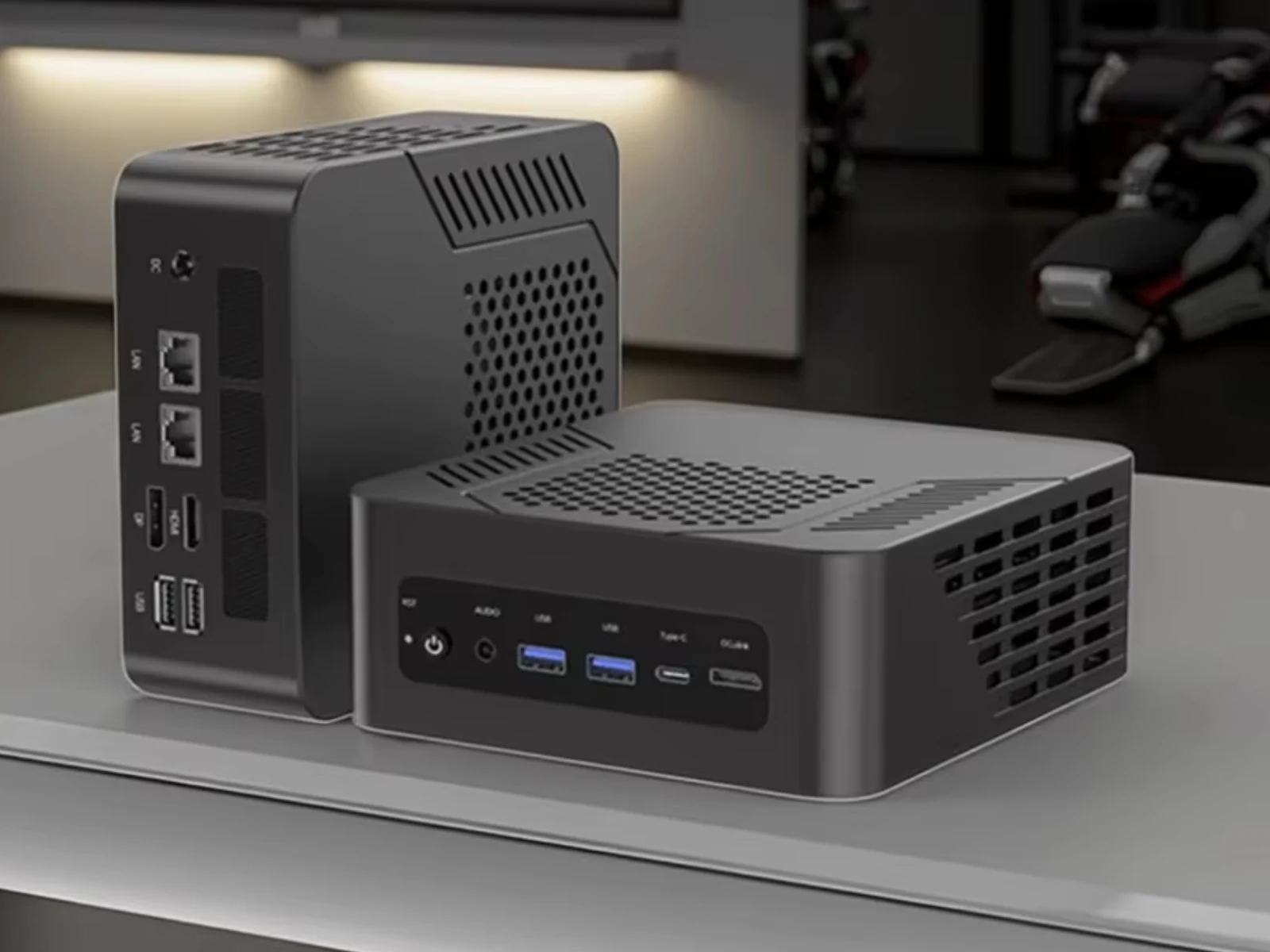
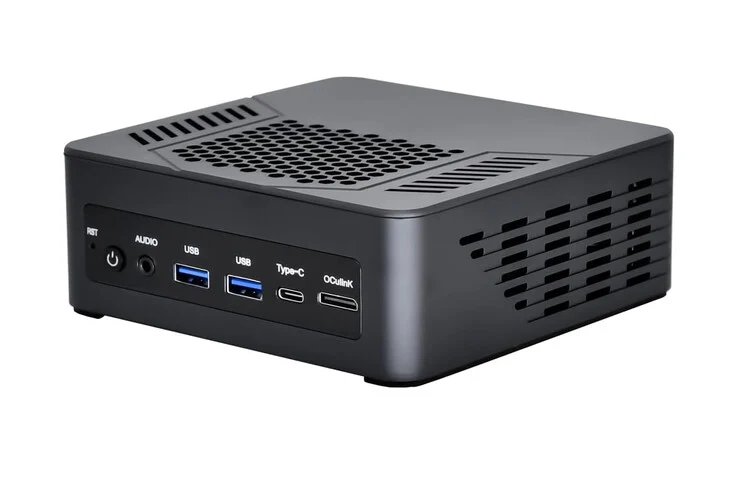
    The D12 Plus is a recently launched mini-PC that can be found under different brand names like CyminilmdPC or KingnovyPC. No matter the name it goes by, this mini-PC comes equipped with several AMD mobile APUs, as well as multiple ports. It provides a consistent array of ports, which are present irrespective of the specific AMD APU that powers the device.

    Storage and Memory Options

    Moreover, this mini-PC offers two M.2 2280 slots that can support up to 8 TB of PCIe 4.0 storage when divided between two drives. In addition, the D12 Plus has dual SO-DIMM slots that can be set up with a maximum of 64 GB of DDR5-5600 RAM straight from the factory. Interestingly, it can actually support as much as 128 GB of RAM if required.

    A Range of Processors

    As of now, the entry model of the D12 Plus is outfitted with the Ryzen AI 7 H 350, which is a special Chinese OEM version of the Ryzen AI 7 350. It features four Zen 5 cores and four Zen 5c cores based on AMD’s Krackan Point architecture. Alternatively, buyers have the option to configure the D12 Plus with other processors like the Strix Point-based Ryzen AI 7 Pro 360, Ryzen AI 9 365, and Ryzen AI 9 HX 370.

    Pricing Details

    At present, you can get the D12 Plus starting at approximately $320 on AliExpress with the Ryzen AI 7 H 350, and it can go up to $1,044 for a model with the Ryzen AI 9 HX 370, 64 GB of RAM, and a 4 TB SSD. In comparison, this same mini-PC is available on Amazon starting from $560 for a barebones Ryzen AI 7 Pro 360 version, reaching up to $1,352 for the highest configuration found on AliExpress.

    Source:
    Link


  • ESA’s Euclid Project Maps 3.4 Billion Galaxies in Detail

    ESA’s Euclid Project Maps 3.4 Billion Galaxies in Detail

    Key Takeaways

    1. The Flagship 2 mock catalogue simulates over 3.4 billion galaxies to aid the ESA’s Euclid space telescope in mapping a third of the sky.
    2. Euclid’s mission focuses on understanding dark matter and dark energy, which drive the Universe’s accelerating expansion.
    3. The catalogue provides over 400 characteristics for each galaxy, helping scientists refine data processing methods before actual data collection.
    4. The dataset was generated using advanced algorithms on Switzerland’s Piz Daint supercomputer, modeling the gravitational development of over four trillion particles.
    5. The project exemplifies big-data cosmology, making detailed simulations accessible to researchers worldwide via CosmoHub.


    An international group of researchers from the Euclid Consortium has released the most intricate virtual model of the universe ever created, simulating over 3.4 billion galaxies. This synthetic dataset, called the Flagship 2 mock catalogue, is made to mimic what the European Space Agency (ESA)’s Euclid space telescope will observe during its six-year quest to map a third of the sky.

    Launch and Purpose

    Since launching in July 2023, Euclid investigates cosmic structures to better understand dark matter and dark energy, the invisible forces that drive the Universe’s accelerating expansion. By combining actual telescope data with comprehensive simulations, scientists hope to refine analysis techniques and reveal new information about the large-scale layout of the cosmos.

    Importance of Simulations

    “These simulations are crucial for the Euclid mission,” mentioned Pablo Fosalba from the Institute of Space Sciences (ICE-CSIC), as stated in a press release. “They let us evaluate our analysis methods and get ready to manage the massive amount of data that Euclid will generate.”

    Detailed Galaxy Descriptions

    The catalogue outlines each galaxy with over 400 characteristics, such as brightness, shape, speed, and rate of star formation. This remarkable level of detail helps scientists test and confirm their data processing systems before the full data from Euclid is released.

    “This represents a significant advancement for the scientific community, as it is now available to everyone,” said Jorge Carretero, a researcher at the Port d’Informació Científica (PIC) and CIEMAT. “Moreover, it can serve many different scientific purposes beyond just the Euclid mission,” he added according to the press release.

    Advanced Computational Methods

    The Flagship 2 catalogue was generated on Switzerland’s Piz Daint supercomputer, utilizing specialized algorithms created at the University of Zurich. The computation monitored the gravitational development of over four trillion particles to shape the cosmic web, clusters, filaments, and voids formed by both dark and visible matter.

    Cutting-Edge Big Data Cosmology

    This project illustrates the forefront of big-data cosmology: simulations at the petabyte scale, sophisticated algorithms, and high-performance computing all combined to create a realistic universe. By making the dataset accessible through CosmoHub, the team is allowing researchers around the globe to investigate complex cosmological issues without the need for their own supercomputing capabilities.

    Source:
    Link


  • EnergyBook Pro Ultra: 7 Days Standby & 28 Hours Office Use

    EnergyBook Pro Ultra: 7 Days Standby & 28 Hours Office Use

    Key Takeaways

    1. The EnergyBook Pro Ultra features a remarkable 192 Wh battery, promising up to 28 hours of office usage.
    2. The large battery capacity may increase the laptop’s weight and could face air travel restrictions.
    3. Key specifications include an AMD Ryzen 5 processor, 16 GB of DDR4 RAM, and a 512 GB NVMe SSD.
    4. The display resolution is 1,920 x 1,200, which is not the highest available.
    5. The announced price is €449 ($525), but the release date is still unknown.


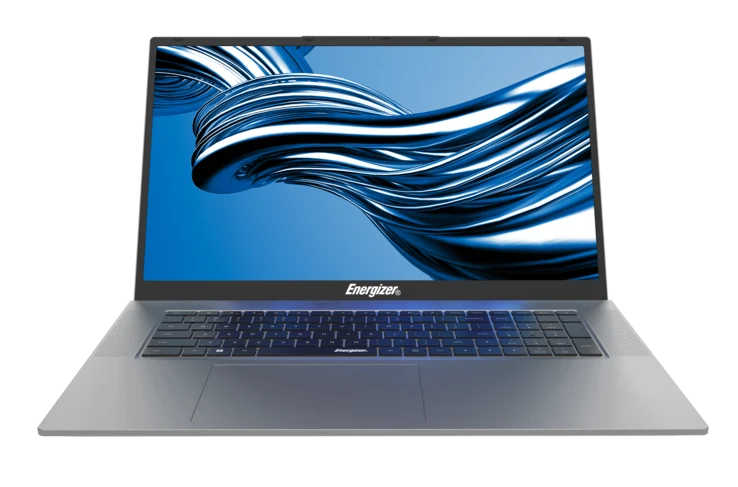
    Energizer has made its mark in the laptop industry by unveiling its latest device, the EnergyBook Pro Ultra. The standout feature of this notebook is its impressive 192 Wh battery, claiming to deliver up to 28 hours of office usage. However, there are other laptops, like the Asus Vivobook S16, that manage to offer similar battery life without such a massive battery. The large capacity of the EnergyBook Pro Ultra comes with some downsides: it adds to the weight of the device, and laptops with batteries over 100 or 160 Wh typically face restrictions when it comes to air travel. Whether or not airport personnel will pay attention to this rule regarding the EnergyBook Pro Ultra is uncertain, and it could mean having to leave the notebook behind during trips.

    Specifications and Features

    While a detailed specifications sheet isn’t yet available, some key features have been shared. It’s expected to be powered by an AMD Ryzen 5 processor along with 16 GB of DDR4 RAM. A 512 GB NVMe SSD is included, and the 18-inch display is reported to have a resolution of 1,920 x 1,200, which is not exactly the most high-definition. Connectivity options include USB Type-C, HDMI, USB ports, a memory card reader, and a headphone jack. The announced price is €449 ($525), but it’s still unclear when the device will be available for purchase.

    Conclusion

    Energizer is stepping into the laptop scene with a unique offering that raises questions about battery size and its implications for users on the go. As more details emerge, potential buyers will be eager to see how the EnergyBook Pro Ultra compares to existing models in terms of performance and portability.

    Source:
    Link


  • Lenovo’s Self-Charging Bluetooth Keyboard Now Available for Purchase

    Lenovo’s Self-Charging Bluetooth Keyboard Now Available for Purchase

    Key Takeaways

    1. The Lenovo Self-Charging Bluetooth Keyboard was initially priced at $69.99 but is now available for $99.99, a $30 increase.
    2. It features a supercapacitor for energy storage and a photovoltaic cell to harness power from ambient light.
    3. The keyboard can last up to 1 month on a full charge, which is shorter than the 4 months claimed by a competitor’s product.
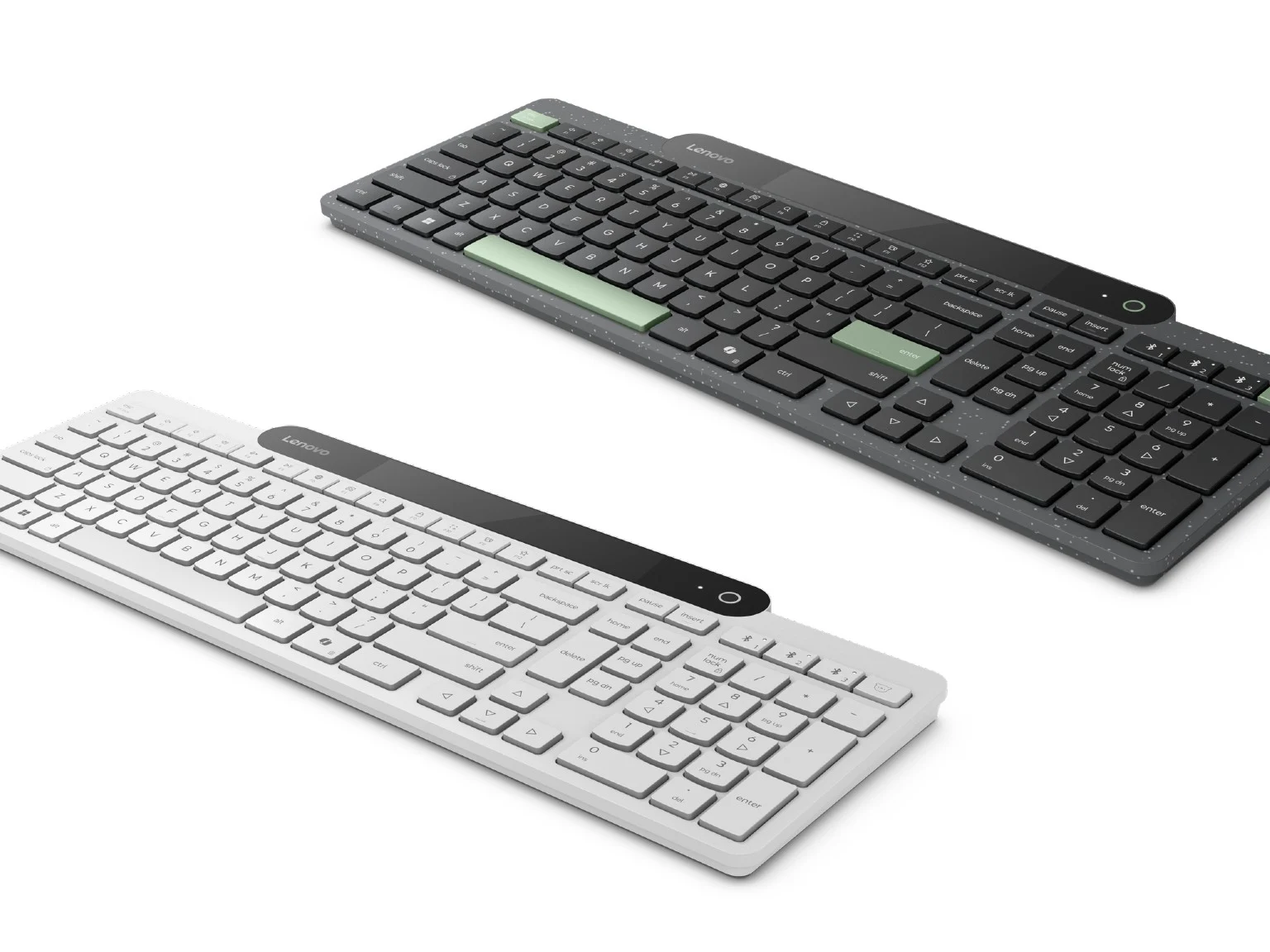
    4. It has 108 island-style keys, a dedicated number pad, a low-profile layout, adjustable tilt legs, and a spill-resistant design.
    5. The keyboard connects via Bluetooth 5.1, is compatible with Windows 10 and 11, and can be managed with the Lenovo Accessories and Display Manager app.


    Announced back in January during CES 2025, the Lenovo Self-Charging Bluetooth Keyboard was initially set to hit the shelves in May, but that date came and went without a release. Now, this keyboard is finally up for purchase, but the unfortunate news is that it comes with a higher price tag.

    Pricing Details

    When Lenovo first revealed this keyboard at CES 2025, they mentioned it would be priced at $69.99 upon its May release. However, the current price is $99.99, which is a $30 hike from what was originally expected. Currently, the keyboard is only offered in black, and there are no updates regarding the potential release of a white variant.

    Unique Features

    What sets the Lenovo Self-Charging Bluetooth Keyboard apart is its lack of a traditional battery. Instead, it utilizes a supercapacitor for energy storage. At the top, there is a photovoltaic cell that enables the keyboard to harness power from ambient light, eliminating the need for direct sunlight exposure.

    For those who prefer working in low-light conditions, there’s a USB-C port available for emergency charging. Once fully charged, the keyboard can last for up to 1 month of usage. This duration is significantly shorter than the 4 months claimed by the Logitech Signature Slim Solar+ Keyboard, which is currently available on Amazon for $99.99.

    Specifications

    The Lenovo Self-Charging Bluetooth Keyboard features 108 island-style keys, complete with a dedicated number pad. According to the specifications, it has a low-profile 2.5 zone keyboard layout designed for quiet typing. The keyboard also includes adjustable tilt legs and a spill-resistant design. It connects through Bluetooth 5.1 and is compatible with Microsoft Swift Pair. Lenovo states that it works with devices running Windows 10 and 11, and can be managed using the Lenovo Accessories and Display Manager app.

    Source:
    Link


  • Minisforum MS-S1 Max: Global Launch of USB4 v2 & dGPU Support

    Minisforum MS-S1 Max: Global Launch of USB4 v2 & dGPU Support

    Key Takeaways

    1. The Minisforum MS-S1 Max mini PC is available for pre-order at $2,299, with a discount of $30 using the coupon code S1MAX30.
    2. It features USB4 v2 ports with a transfer speed of 80 Gbps, making it superior to OCuLink for eGPU setups.
    3. Powered by the Ryzen AI Max+ 395 APU and Radeon 8060S iGPU, it performs comparably to the Nvidia RTX 4070 Laptop for AAA gaming at 1080p.
    4. The mini PC includes a PCIe x16 slot for adding a dedicated GPU, although it operates at x4 speed, with suggestions for improved airflow in the chassis design.
    5. It has a peak performance mode of 160 W, a robust chassis, and offers easy storage upgrades, such as a 4 TB Samsung 990 EVO Plus available for $239.99.


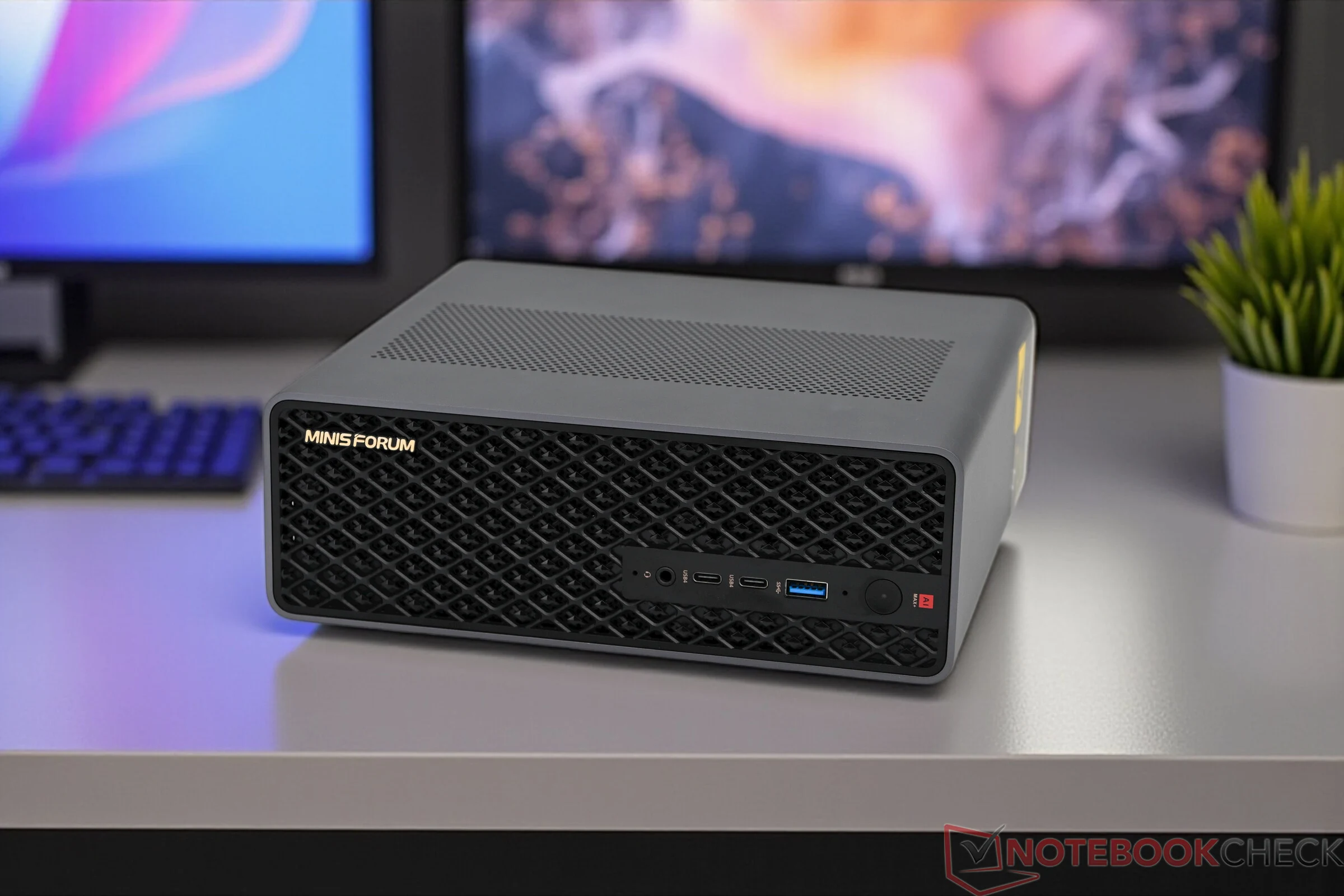
    Minisforum has released the MS-S1 Max mini PC for sale. It is now listed on the global store with a configuration that includes 128 GB of RAM and 2 TB of storage. The price for pre-order is $2,299, and customers can save $30 by applying the coupon code S1MAX30 at checkout.

    Mini PC Overview

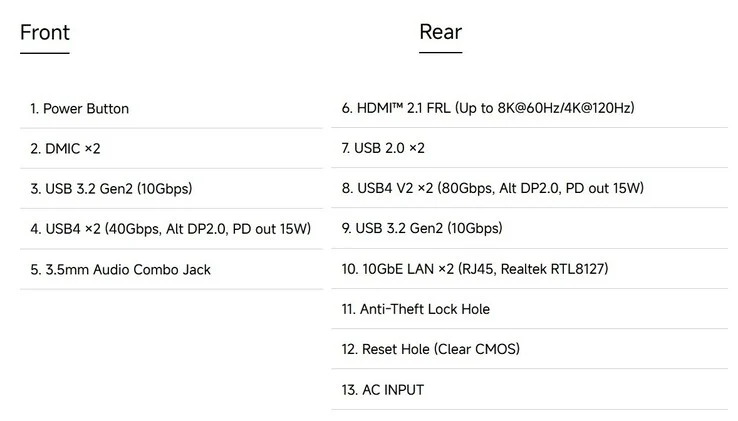
    The MS-S1 Max mini PC was initially launched in China in early September 2025. This device stands out as one of the first mini PCs to feature USB4 v2 ports, which provide a transfer speed of 80 Gbps, doubling the speed of the initial version. This enhancement makes the newer ports preferable to OCuLink for external GPU (eGPU) configurations.

    Performance Specs

    Inside, the mini PC is powered by the Ryzen AI Max+ 395, an advanced APU from the Strix Halo series. It is equipped with the Radeon 8060S, the strongest integrated graphics processor (iGPU) AMD currently has. As highlighted in our detailed review, this iGPU offers performance comparable to the Nvidia RTX 4070 Laptop, and through our testing, we found the MS-S1 Max capable of running AAA games smoothly at 1080p resolution.

    Upgrade Options and Other Features

    Additionally, users can add a dedicated graphics processing unit (dGPU) to this mini PC, as there is a PCIe x16 slot available inside, though it is restricted to x4 speed. Furthermore, our review pointed out that Minisforum’s chassis design could be improved to ensure better airflow to this expansion slot.

    Among the other notable features of the mini PC are a peak performance mode of 160 W, a sturdy chassis, a wide array of ports, and straightforward storage upgrades (a 4 TB Samsung 990 EVO Plus is currently priced at $239.99 on Amazon).

    Source:
    Link