Key Takeaways
1. Qualcomm launched new Snapdragon chips for Windows laptops, including the Snapdragon 8 Elite Gen 5 for smartphones, featuring third-generation Nuvia CPU cores and enhanced AI performance.
2. The flagship Snapdragon X2 Elite Extreme has an 18-core CPU, boosts up to 5.0 GHz, and supports 192-bit LPDDR5X RAM with 228 GB/s memory bandwidth.
3. The Snapdragon X2 Elite X2E-88-100 has similar cores as the Extreme variant but lower clock speeds, with a maximum support of 128 GB of RAM and 152 GB/s bandwidth.
4. The Snapdragon X2 Elite X2E-80-100 features a 12-core CPU, lower cache, and supports 128 GB of RAM, with an Adreno X2-85 GPU.
5. Devices with these chips are expected to be available in early 2026, likely from major brands like Lenovo, Dell, and HP.
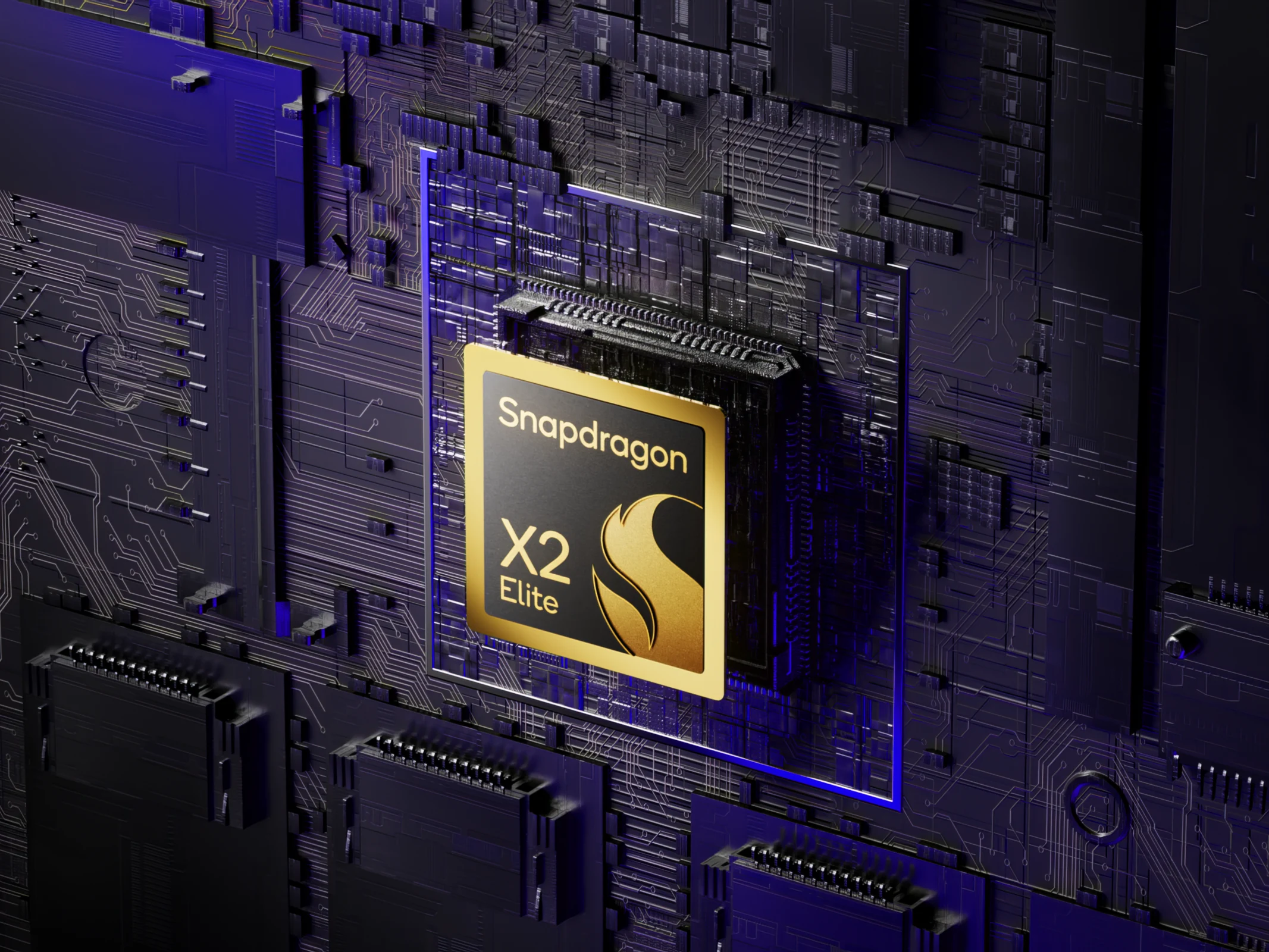
Qualcomm has announced its latest series of Snapdragon chips designed for Windows laptops, along with the Snapdragon 8 Elite Gen 5 for smartphones. The newly introduced Snapdragon X2 Elite is complemented by a higher performance variant called the Snapdragon X2 Elite Extreme. All three models utilize Qualcomm’s third-generation Nuvia CPU cores and feature an enhanced dual-Hexagon NPU that delivers 80 TOPS in AI performance. These chips are manufactured using TSMC’s 3 nm N3P process, which is also the same technology used by Apple for its M4 chip lineup.
The Flagship Snapdragon X2 Elite Extreme
Leading the pack, the Snapdragon X2 Elite Extreme X2E-96-100 is the flagship offering of this generation. It boasts an 18-core CPU configuration with 12 performance cores and 6 efficiency cores, achieving a single-core boost of up to 5.0 GHz and a multi-core boost clock reaching 4.4 GHz. The chip has a total cache of 53 MB (specifics on L1/L2/L3 distribution are not provided). On the graphics side, it features a next-gen Adreno X2-90 GPU with a maximum boost clock of 1.85 GHz. Devices equipped with the Snapdragon X2 Elite Extreme will include 192-bit LPDDR5X-9523 RAM, providing a memory bandwidth of 228 GB/s. While Qualcomm mentions support for “128+” GB of RAM, they have not disclosed the maximum supported amount. Additionally, this SoC includes 12 PCIe Gen 5 lanes and four PCIe Gen 4 lanes.
The Snapdragon X2 Elite X2E-88-100
Next, we have the Snapdragon X2 Elite X2E-88-100, which shares the same core configuration as the Extreme variant but operates at a slightly lower clock rate, with a 4.7 GHz single and dual-core boost and a 4.0 GHz multi-core boost clock. It also features the same 53 MB cache and reuses the Adreno X2-90 GPU, albeit with a lower boost clock of 1.7 GHz. This model has other minor reductions, such as a maximum of 128 GB of RAM on a 128-bit memory bus, maintaining the same LPDDR5X specifications for a bandwidth of 152 GB/s.
The Snapdragon X2 Elite X2E-80-100
Lastly, we have the Snapdragon X2 Elite X2E-80-100, which is equipped with a 12-core CPU (6P + 6E) and offers a 4.7/4.4 GHz single/dual-core boost clock, along with a total cache of 34 MB. This model supports eight PCIe Gen 5 lanes and four PCIe Gen 4 lanes, with memory support up to 128 GB using the same specifications as the X2 Elite X2E-88-100. Changes also include the Adreno X2-85 GPU with a peak boost clock of 1.7 GHz. Unfortunately, Qualcomm has not clarified how the X2-85 differs from the X2-90 in terms of compute unit count and other specifications.
The Snapdragon X2 Elite Extreme X2E-96-100, Snapdragon X2 Elite X2E-88-100, and Snapdragon X2 Elite X2E-80-100 all incorporate Qualcomm’s Spectra ISP, which supports camera sensors up to 36 MP and 4K video capture at 30 FPS. OEMs have the option to integrate a Snapdragon X85 5G modem for enhanced cellular connectivity, along with support for Wi-Fi 7 and Bluetooth 5.4. The chipsets can accommodate up to three USB 4.0 ports, and video output capabilities peak at 3X 4K 144 Hz or 1X 5K 60 Hz through the eDP 1.4 interface.
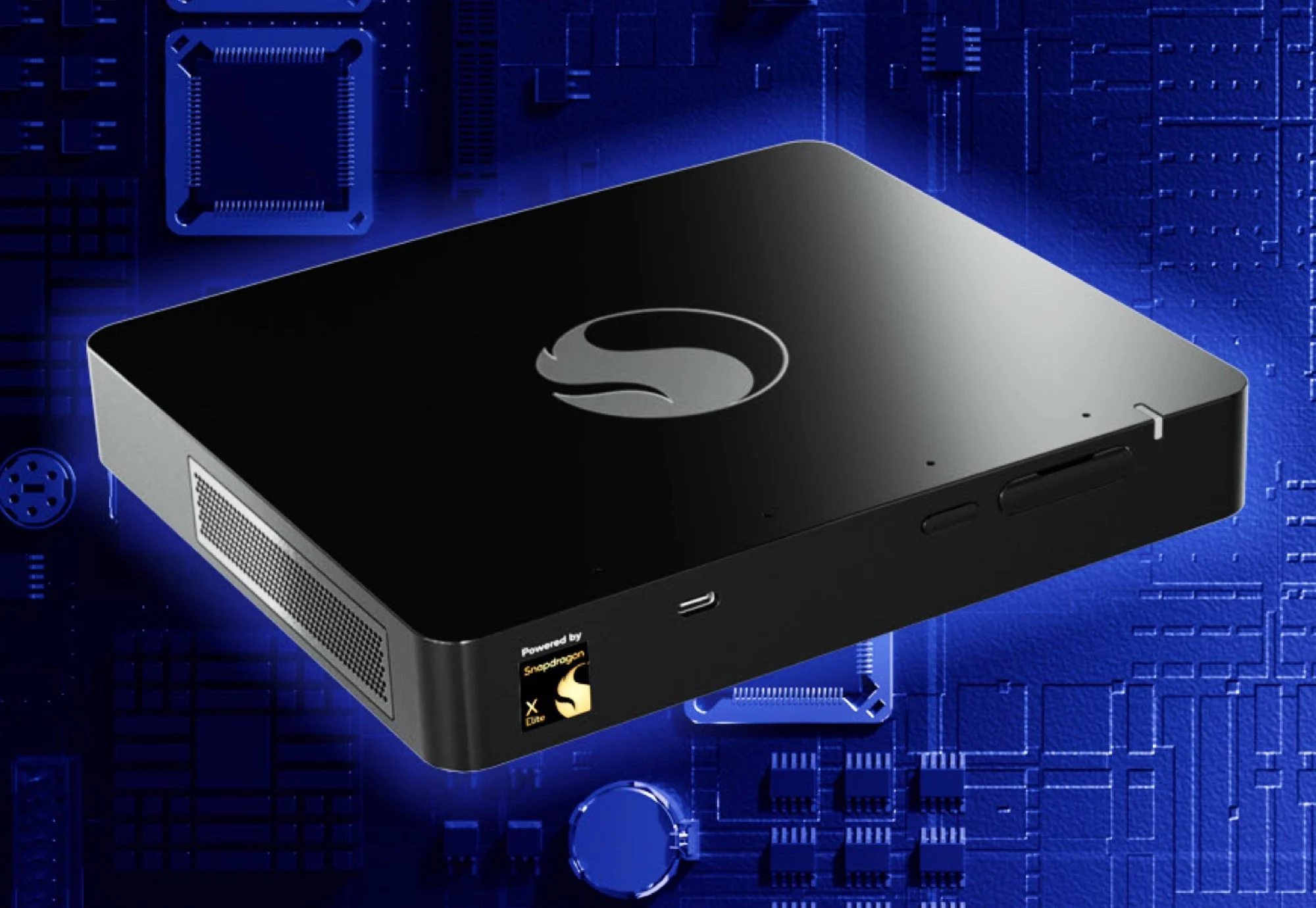
Devices such as laptops and mini-PCs powered by the Snapdragon X2 Elite Extreme and Snapdragon X2 Elite are expected to be available in the first half of 2026, meaning it may be some time before consumers can purchase them. While Qualcomm hasn’t specified which OEMs will be involved, it’s likely that well-known brands like Lenovo, Dell, and HP will be among the partners.