Tag: Raspberry Pi Zero 2 W

  • Raspberry Pi Zero 3 W: Affordable, Un-Zero-Like Price Today

    Raspberry Pi Zero 3 W: Affordable, Un-Zero-Like Price Today

    Key Takeaway

    – Zero 3 W is considered feasible but unlikely to follow the historic rapid cadence; price and RAM constraints are delaying the release.
    – A potential Zero 3 W may require a dual-sided board to fit DRAM and a more modern SoC, increasing complexity and cost.
    – Ongoing LPDDR4/LPDDR4X price pressures are the main reason for postponingZero announcements, aiming for a more reasonable price point.


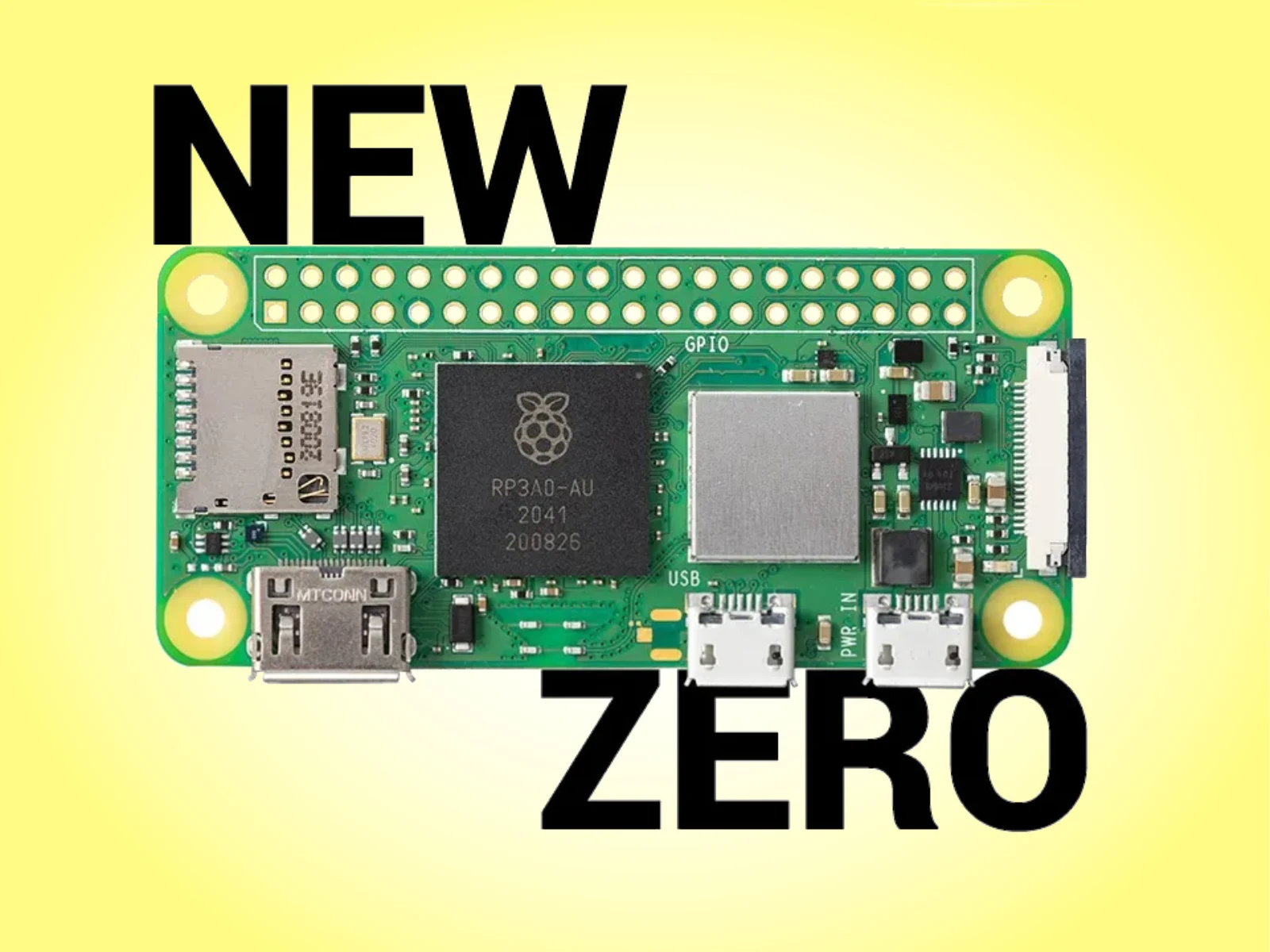
    The Raspberry Pi Zero 2 W is almost half a decade old. Presented in late 2021, the Zero 2 W was originally priced at $15. Additionally, Raspberry Pi complemented its tiny single-board computer (SBC) with a Zero 2 WH variant for those who needed a pre-soldered GPIO header (curr. $36.99 on Amazon).

    Industry Update

    Now, Raspberry Pi CEO Eben Upton has offered early hints about the prospect of it launching a long-awaited Zero 3 W. For context, the company released the original Pi Zero in 2015 at a mere $5. In a Reddit AMA, Upton has indicated that the Zero W series will not follow this release cadence for its third-generation release.

    Feasibility and Hardware Considerations

    Currently, Upton considers a Zero 3 W ‘quite feasible’. However, it stresses that the next Zero-branded SBC may need to adopt a dual-sided SBC to accommodate DRAM and ‘one of the more modern SoCs’. Unfortunately, ongoing LPDDR4 and LPDDR4X price pressures mean that a Zero 3 W would launch with a ‘rather un-Zero-like price point’ today.

    Market Strategy

    As a result, Upton and Raspberry Pi appear to have postponed any new Pi Zero announcements until it can stockpile LPDDR4 and LPDDR4X RAM at more reasonable prices. For reference, Raspberry Pi has also commented on the state of the Raspberry Pi 6, too. Please see our corresponding article for more details about the company’s other anticipated SBC.
    Sources
  • Raspberry Pi 500 Plus: First Mechanical Keyboard and RGB SSD

    Raspberry Pi 500 Plus: First Mechanical Keyboard and RGB SSD

    Key Takeaways

    1. The Raspberry Pi Compute Module 0 shares hardware with the Raspberry Pi Zero 2 W and is currently only available in China.
    2. The global version, Raspberry Pi 500 Plus, is an upgraded model priced at $200, featuring enhancements over the original Raspberry Pi 500.
    3. Key features of the Raspberry Pi 500 Plus include the Broadcom BCM2712 chipset, 16 GB of RAM, and a 256 GB NVMe M.2 SSD.
    4. The device is designed as a mechanical keyboard, allowing users to replace key caps, but not the switches.
    5. Additional accessories, such as a power supply and HDMI cable, are not included with the Raspberry Pi 500 Plus but can be purchased in a kit for $220.


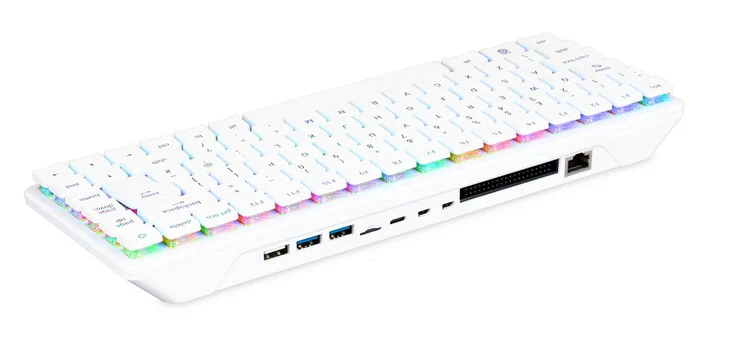
    Earlier this week, the Compute Module 0 was unveiled by Raspberry Pi in China. This new module shares the same hardware as the Raspberry Pi Zero 2 W. Currently, the company’s CEO has mentioned that the Compute Module 0 will only be available in China. As a result, they have chosen to offer the Raspberry Pi 500 (currently priced at $139 on Amazon) to global consumers under the new name of Raspberry Pi 500+ or Raspberry Pi 500 Plus.

    Upgrades and Features

    The Raspberry Pi 500 Plus, as the name implies, comes with enhancements compared to the original Raspberry Pi 500, while still keeping its main features. It includes the Broadcom BCM2712 chipset along with various I/O options, such as a 40-pin GPIO header, two micro HDMI ports, and three USB Type-A ports.

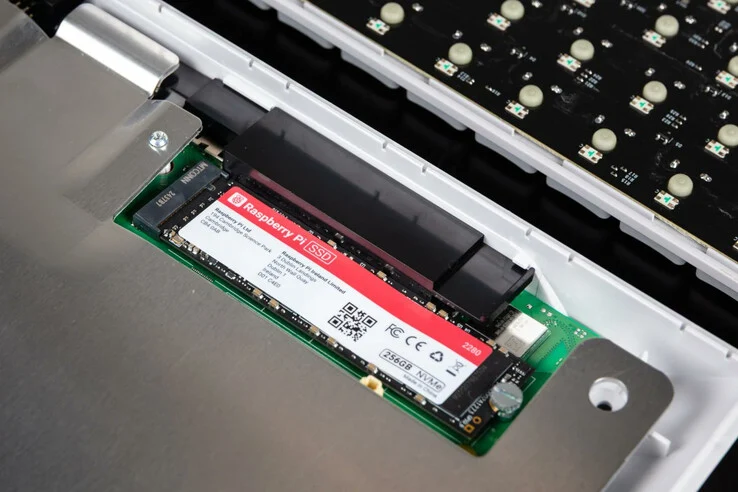
    In addition, this updated model boasts 16 GB of RAM and a 256 GB NVMe M.2 2280 SSD, which can be easily replaced without needing to take apart the entire device. To add to its appeal, the Raspberry Pi 500 Plus incorporates RGB lighting situated below the Gateron Blue KS-33 low-profile switches.

    A Mechanical Keyboard

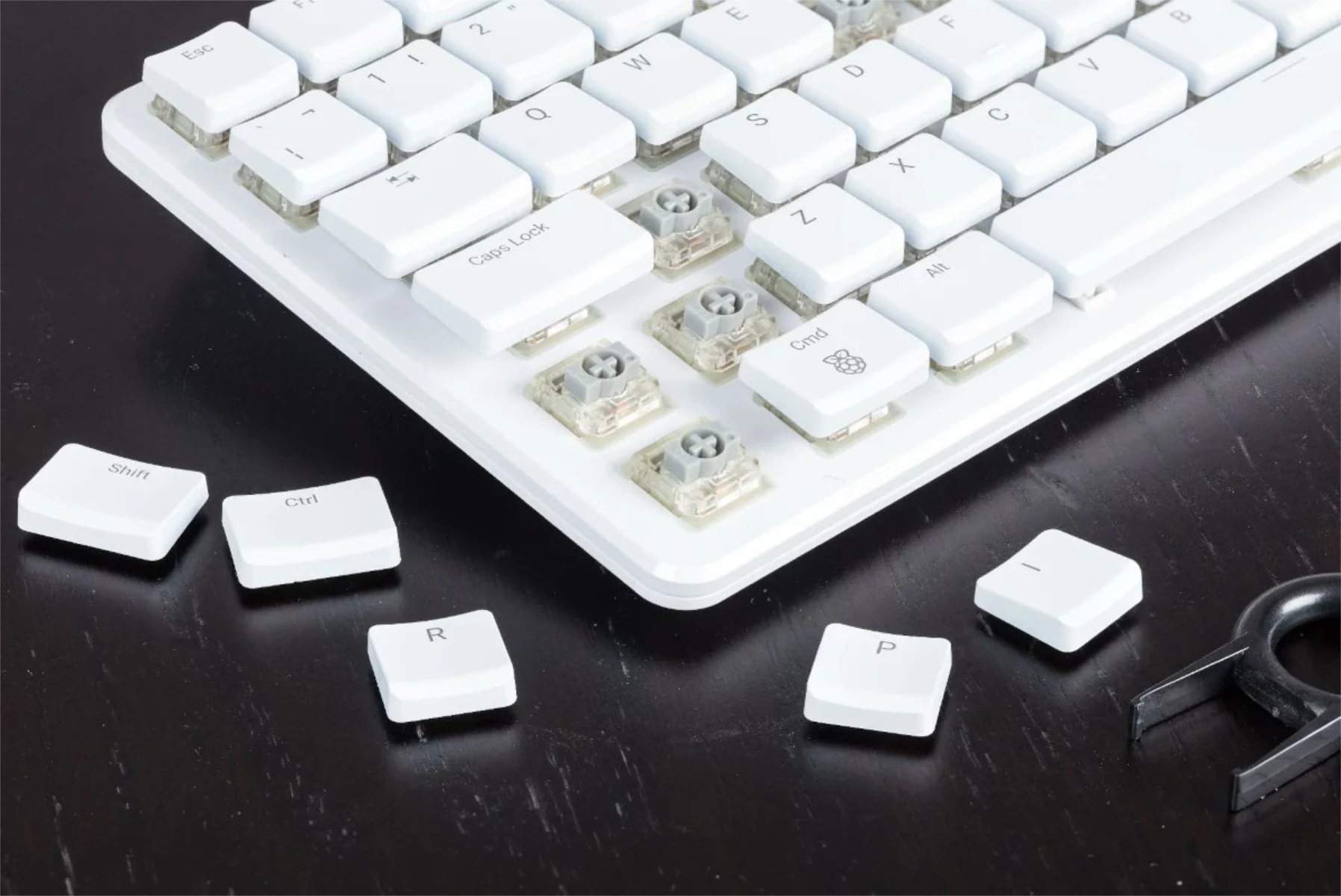
    Unlike the Raspberry Pi 400 or the Raspberry Pi 500, the Raspberry Pi 500 Plus is designed as a mechanical keyboard. This means users can replace the key caps with others made for Cherry MX stems. According to Raspberry Pi’s documentation, however, the switches themselves cannot be changed.

    You can place your order for the Raspberry Pi 500 Plus starting today for $200. Keep in mind that Raspberry Pi does not provide extra accessories like a power supply, HDMI cable, or mouse. These are available in a kit priced at $220. For more information, check out Raspberry Pi’s official website.

    Raspberry Pi via CNX Software

    Source:
    Link


  • New Raspberry Pi Compute Module 0: Ultra-Cheap Device Unveiled

    New Raspberry Pi Compute Module 0: Ultra-Cheap Device Unveiled

    Key Takeaways

    1. Raspberry Pi is set to announce the new Compute Module 0 (CM0) at the China International Industry Expo (CIIF) in Shanghai.
    2. The CM0 features the RP3A0 system-in-package, Broadcom BCM2710A1 chipset, and 512 MB of RAM, measuring approximately 56 x 48 mm.
    3. The module includes Bluetooth 4.2 Low Energy, Wi-Fi 4, 8 GB of eMMC flash storage, and 132 castellated holes.
    4. A CM0 IO Board will also be available, featuring a 40-pin GPIO connector, microSD card slot, HDMI port, and microUSB port.
    5. The CM0 is expected to be priced between $18 and $26, but its global availability date is currently unclear.


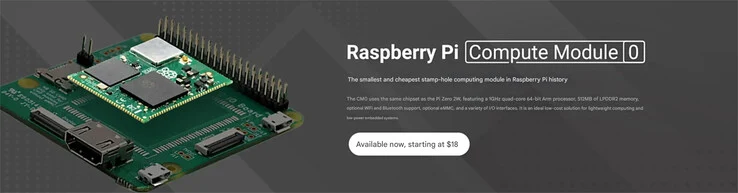
    It looks like Raspberry Pi is about to make a big announcement regarding a new addition to its Compute Module lineup. Just to remind you, the Compute Module 5 (CM5) was launched nearly a year ago as the successor to the CM4. Now, at the China International Industry Expo (CIIF) happening in Shanghai until September 27, Raspberry Pi has showcased the Compute Module 0.

    Specifications and Features

    From the images shared, it’s clear that the CM0 is built on the Raspberry Pi RP3A0 system-in-package (SiP), which is already utilized in the Raspberry Pi CM3E and Zero 2 W (currently priced at $22 on Amazon). This new Compute Module features a Broadcom BCM2710A1 chipset along with 512 MB of RAM, all packed into a unit that roughly measures 56 x 48 mm.

    Additionally, the Raspberry Pi CM0 comes equipped with Bluetooth 4.2 Low Energy, Wi-Fi 4, and 8 GB of eMMC flash storage, along with 132 castellated holes. Raspberry Pi plans to offer a CM0 IO Board as well, which can be seen in the images provided, featuring a 40-pin GPIO connector, a microSD card slot, an HDMI port, and a microUSB port.

    Pricing and Availability

    Reports from ITHome suggest that the CM0 will be priced between $18 and $26, intended to be more affordable compared to the Zero 2 W. However, the timeline for when it will be available globally is still unclear at this stage.

    Source:
    Link


  • Budget DIY Radio Hotspot with Beofeng UV-5R for Email and SMS

    Budget DIY Radio Hotspot with Beofeng UV-5R for Email and SMS

    Key Takeaways

    1. The project features a budget-friendly radio transceiver based on the Beofeng UV-5R, known for its low price and modifiability.
    2. Essential components include a Ham radio all-in-one-cable (AIOC), Raspberry Pi Zero 2 W, USB battery pack, and ferrite beads for noise reduction.
    3. The software used is DigiPi, which supports various data modes like FT8, JS8Call, and APRS for versatile communication options.
    4. The setup allows for sending and receiving messages, including instant messaging, email, and SMS, through a self-hosted web interface.
    5. This project offers a low-cost entry point for those interested in creating a flexible, off-grid communication tool.


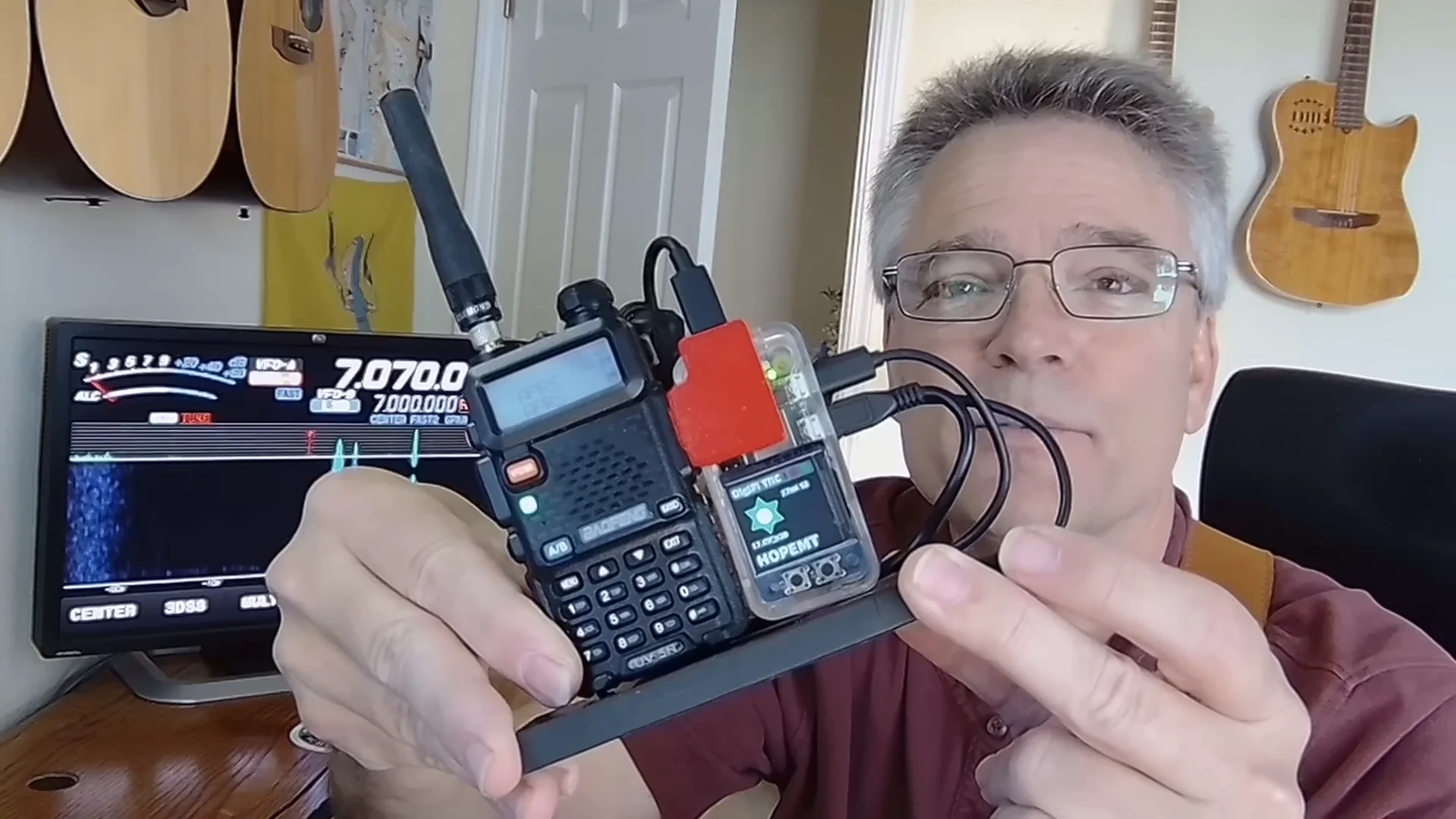
    Ham Radio operator KM6LYW recently presented his new budget-friendly build for a basic radio transceiver that can manage various data modes for different communication needs. This project is based on the well-known Beofeng UV-5R, blending the radio’s features with several components to establish a hotspot setup that includes its own web interface. Although it might not boast the highest signal strength, it compensates with flexibility and affordability.

    Heart of the Setup

    The core component of this build is the Beofeng UV-5R. Celebrated for its low price, modifiability, and dedicated following, this radio costs around $23 and is key for transmitting data. To connect with the radio, this project also requires a Ham radio all-in-one-cable (AIOC) and a Raspberry Pi Zero 2 W. Additional items needed include a USB battery pack, a variety of USB cables, ferrite beads to eliminate noise, and an SD card to install the software image for the setup.

    Software Magic

    On the software front, the project utilizes DigiPi to manage the intricacies of data transmission via RF. This specially configured image serves as an all-in-one solution, allowing various message types to be sent through its self-hosted web client. The protocols supported include FT8, JS8Call, and APRS, enabling services like instant messaging, email, and SMS to be both sent and received. Furthermore, networking features such as APRS Packet Radio network IGate and node services can be set up through the web interface.

    A Great Starting Point

    There’s plenty more to explore in this project, and with its low entry cost, it could be an ideal option for those wanting to create a flexible, off-grid communication tool. For those interested, additional details on the project can be found in the link below.


  • Interrupt: New Linux-Based Flipper Zero Rival Now Funded

    Interrupt: New Linux-Based Flipper Zero Rival Now Funded

    Key Takeaways

    1. The Interrupt is a “portable hacking computer” designed for makers and funded through Kickstarter by Interrupt Tech.
    2. It features an open-source system, giving developers full control over hardware and software.
    3. Unlike similar devices, it uses the Raspberry Pi Zero 2 W instead of ESP32-based components.
    4. The device is expected to include a touchscreen, keyboard, and gamepad buttons for versatile usage.
    5. The Kickstarter price is $199, making it comparable in cost to the Flipper Zero.


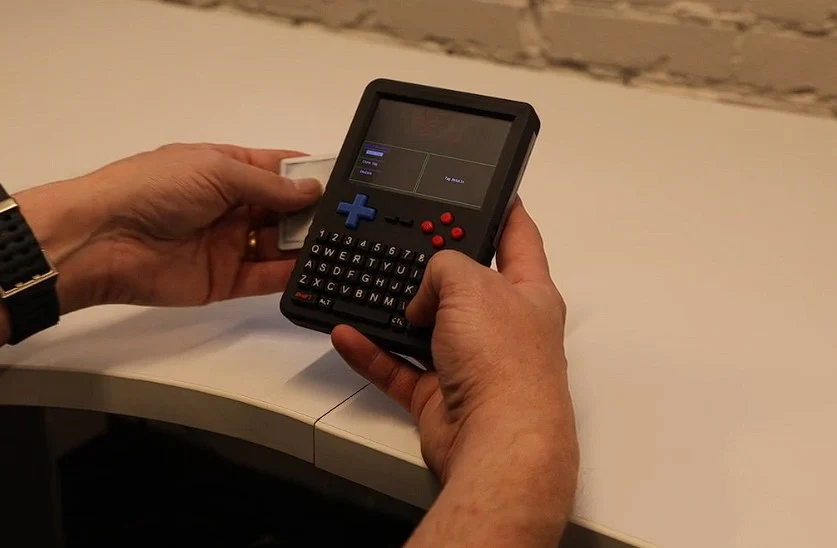
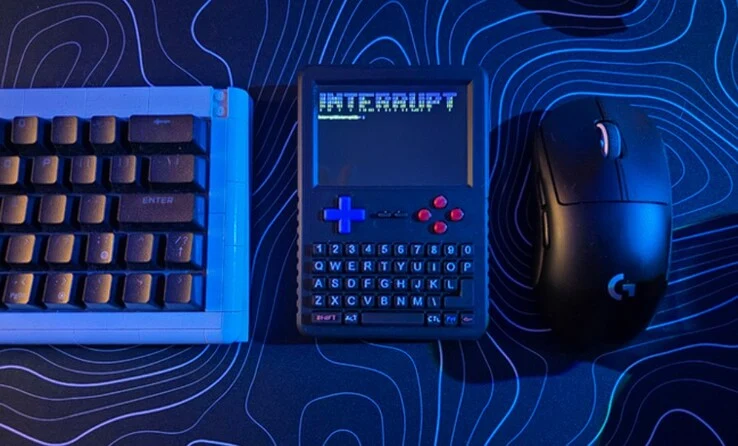
    Sporting a classic handheld design, the Interrupt is a “portable hacking computer” that was recently introduced on Kickstarter. It marks the first product to be funded through crowdfunding by the new company, Interrupt Tech. The creators of Interrupt claim that they aimed it at makers, integrating an open-source system to give developers full control over both the hardware and software. Unlike many similar devices that rely on ESP32-based components, such as the Flipper Zero, the Interrupt opts for the Raspberry Pi Zero 2 W and allows users to choose from various operating systems to work with the built-in hardware.

    Features of the Interrupt

    Users of the Interrupt will find offerings akin to those of the Flipper Zero, but with a few key enhancements. Although the product is still in the last stages of prototyping, it is expected to come equipped with the following:

    The proposed touchscreen, keyboard, and gamepad buttons could allow for considerable versatility in how the device is used. Furthermore, even though it doesn’t yet have a dedicated user community, Interrupt aims to tap into the existing support for the Zero 2 W. However, with a price tag of $199 on Kickstarter, both Interrupt and Flipper Zero are somewhat comparable in their entry costs. For further details and updates regarding the campaign, please check out the official Kickstarter page linked below.

    Source:
    Link


  • Pi Tin: Compact Raspberry Pi Retro Handheld in Mint Tin

    Pi Tin: Compact Raspberry Pi Retro Handheld in Mint Tin

    Key Takeaways

    1. The Pi Tin is an open-source handheld gaming device that uses the Raspberry Pi, created by enthusiasts jacks01 and soaporsalad.
    2. It requires advanced assembly skills, with options to build it in a 3D-printed shell or an Altoids mint tin.
    3. Users must source their own components, although an SD card image for the device is available for download.
    4. It features a Raspberry Pi Zero 2 W, allowing for the emulation of classic retro games, though with limited performance.
    5. The device includes a 2.8-inch screen, custom-designed PCBs, four action buttons, and a D-pad, with soldering required for assembly.


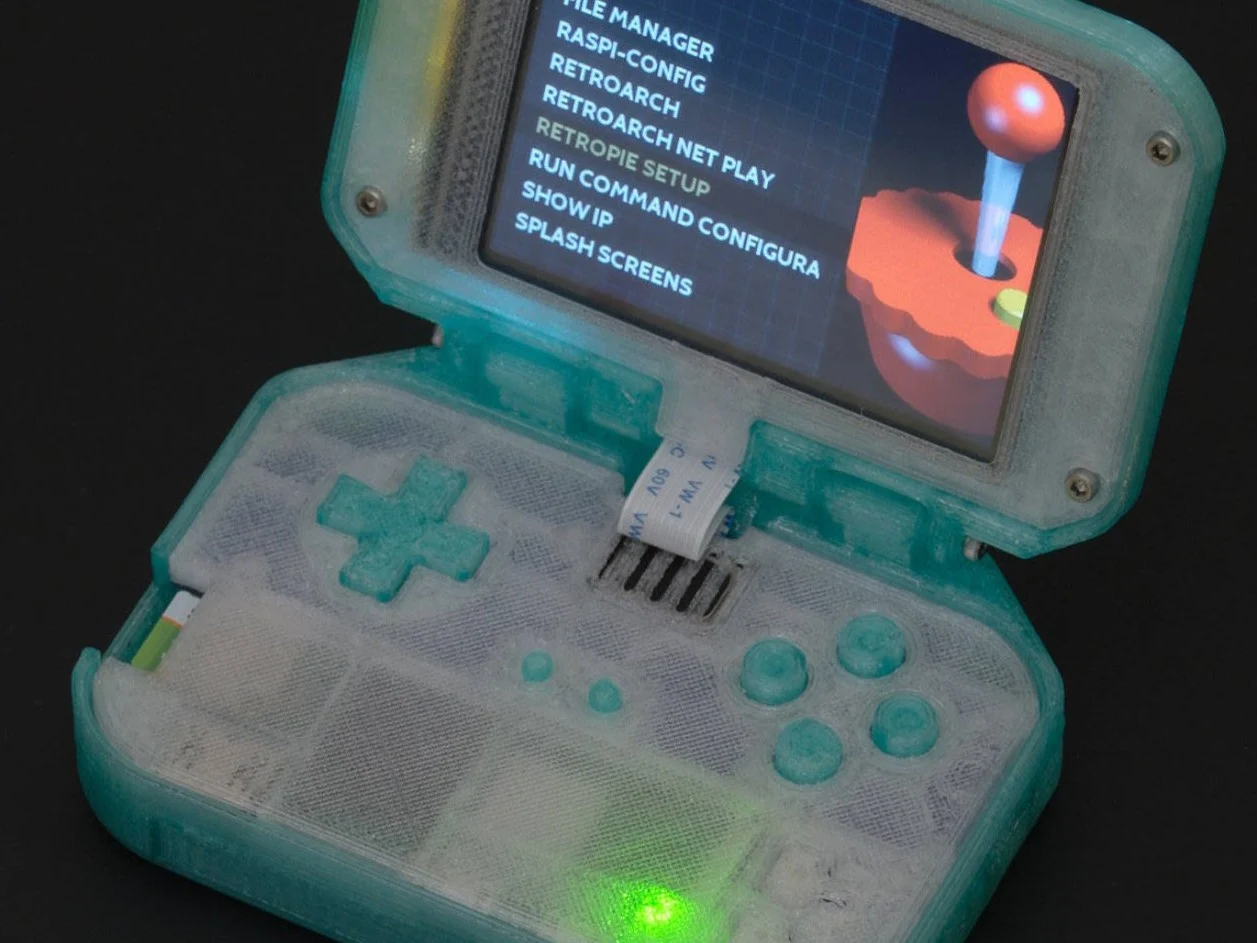
    Gaming handhelds today come in a variety of forms and sizes, some of which are made by enthusiasts rather than large corporations. The Pi Tin is a project by creators jacks01 and soaporsalad, which is an open-source handheld device that utilizes the Raspberry Pi, enabling virtually anyone to construct their own unit. Currently, kits for this portable console are still being worked on, meaning that those who want to join in must source the necessary components by themselves. However, there is an SD card image ready for download for the handheld device.

    Advanced Assembly Needed

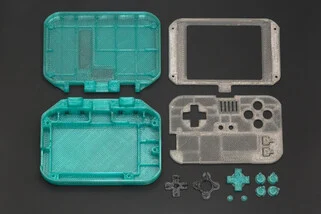
    As stated by its creators, the Pi Tin is aimed at users who have some experience, as putting it together requires a certain amount of skill. There are two main assembly options for the Pi Tin, which differ mainly in terms of the casing: You can make it fit inside a 3D-printed shell or, as the name suggests, you can use an Altoids mint tin. The components needed for the two different versions have some considerable differences.

    Key Features and Specifications

    At the heart of the Pi Tin is a Raspberry Pi Zero 2 W (check it out here on Amazon), allowing the handheld to emulate classic retro games, even though its performance isn’t top-notch. Moreover, the device comes with a 2.8-inch screen and custom-designed PCBs that are specifically made for this project, which need to be ordered from a PCB manufacturer on their own. Assembly also requires soldering. For controls, the retro handheld has four action buttons alongside a D-pad.

    Source:
    Link