
Key Takeaways
1. The project features a budget-friendly radio transceiver based on the Beofeng UV-5R, known for its low price and modifiability.
2. Essential components include a Ham radio all-in-one-cable (AIOC), Raspberry Pi Zero 2 W, USB battery pack, and ferrite beads for noise reduction.
3. The software used is DigiPi, which supports various data modes like FT8, JS8Call, and APRS for versatile communication options.
4. The setup allows for sending and receiving messages, including instant messaging, email, and SMS, through a self-hosted web interface.
5. This project offers a low-cost entry point for those interested in creating a flexible, off-grid communication tool.
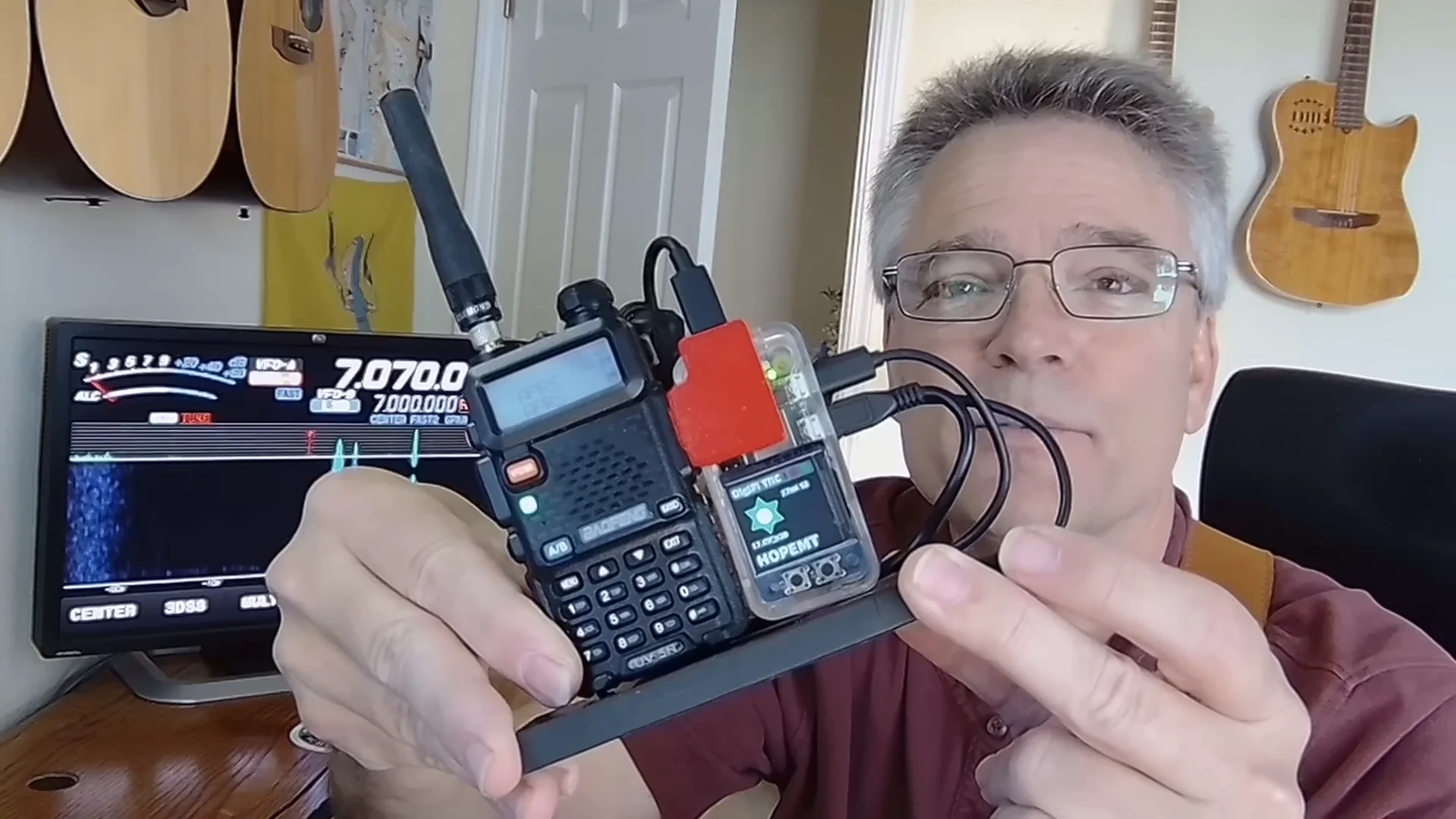
Ham Radio operator KM6LYW recently presented his new budget-friendly build for a basic radio transceiver that can manage various data modes for different communication needs. This project is based on the well-known Beofeng UV-5R, blending the radio’s features with several components to establish a hotspot setup that includes its own web interface. Although it might not boast the highest signal strength, it compensates with flexibility and affordability.
Heart of the Setup
The core component of this build is the Beofeng UV-5R. Celebrated for its low price, modifiability, and dedicated following, this radio costs around $23 and is key for transmitting data. To connect with the radio, this project also requires a Ham radio all-in-one-cable (AIOC) and a Raspberry Pi Zero 2 W. Additional items needed include a USB battery pack, a variety of USB cables, ferrite beads to eliminate noise, and an SD card to install the software image for the setup.
Software Magic
On the software front, the project utilizes DigiPi to manage the intricacies of data transmission via RF. This specially configured image serves as an all-in-one solution, allowing various message types to be sent through its self-hosted web client. The protocols supported include FT8, JS8Call, and APRS, enabling services like instant messaging, email, and SMS to be both sent and received. Furthermore, networking features such as APRS Packet Radio network IGate and node services can be set up through the web interface.
A Great Starting Point
There’s plenty more to explore in this project, and with its low entry cost, it could be an ideal option for those wanting to create a flexible, off-grid communication tool. For those interested, additional details on the project can be found in the link below.
Leave a Reply