Tag: OLED screens

  • Improve Screens: A Key Issue in Popular Business Laptops

    Improve Screens: A Key Issue in Popular Business Laptops

    Key Takeaways

    1. ThinkPad screens have historically been subpar, with low resolution and poor color performance until improvements began around 2015.
    2. Current standard screens in the ThinkPad T series still lack quality, with some models featuring outdated WUXGA panels despite slight brightness improvements.
    3. High-quality OLED displays with 2.8K resolution are available but are often hard to find in newer models like the Lenovo ThinkPad T14 Gen 6.
    4. The Lenovo ThinkPad T14 Gen 6 primarily offers a Low Power panel as the best option, which, while decent in brightness, is slow and has a low refresh rate.
    5. There is a demand for better display options in the T series, as competitors are starting to offer higher refresh rate panels, highlighting a gap in Lenovo’s offerings.


    Screens have long been a weak point for the ThinkPad line. In the past, mainstream models, like the 14-inch T400 series, often featured low resolution and color performance with dim TN and IPS displays. It wasn’t until around 2015 that we started to see better IPS screens, and it was with the Lenovo ThinkPad T480 that we finally got a resolution greater than Full-HD (1,920 x 1,080), introducing a WQHD screen (2,560 x 1,440).

    Current Display Quality

    Even now, the standard screens in the ThinkPad T series fail to impress. WUXGA (1,920 x 1,200) resolution panels with limited color coverage still exist, although brightness levels have improved somewhat lately. On the brighter side, there are high-quality OLED displays available with a 2.8K resolution (2,880 x 1,800) that provide HDR, extensive color gamut, and swift refresh rates, but they can be hard to find.

    The Lenovo ThinkPad T14 Gen 6 Experience

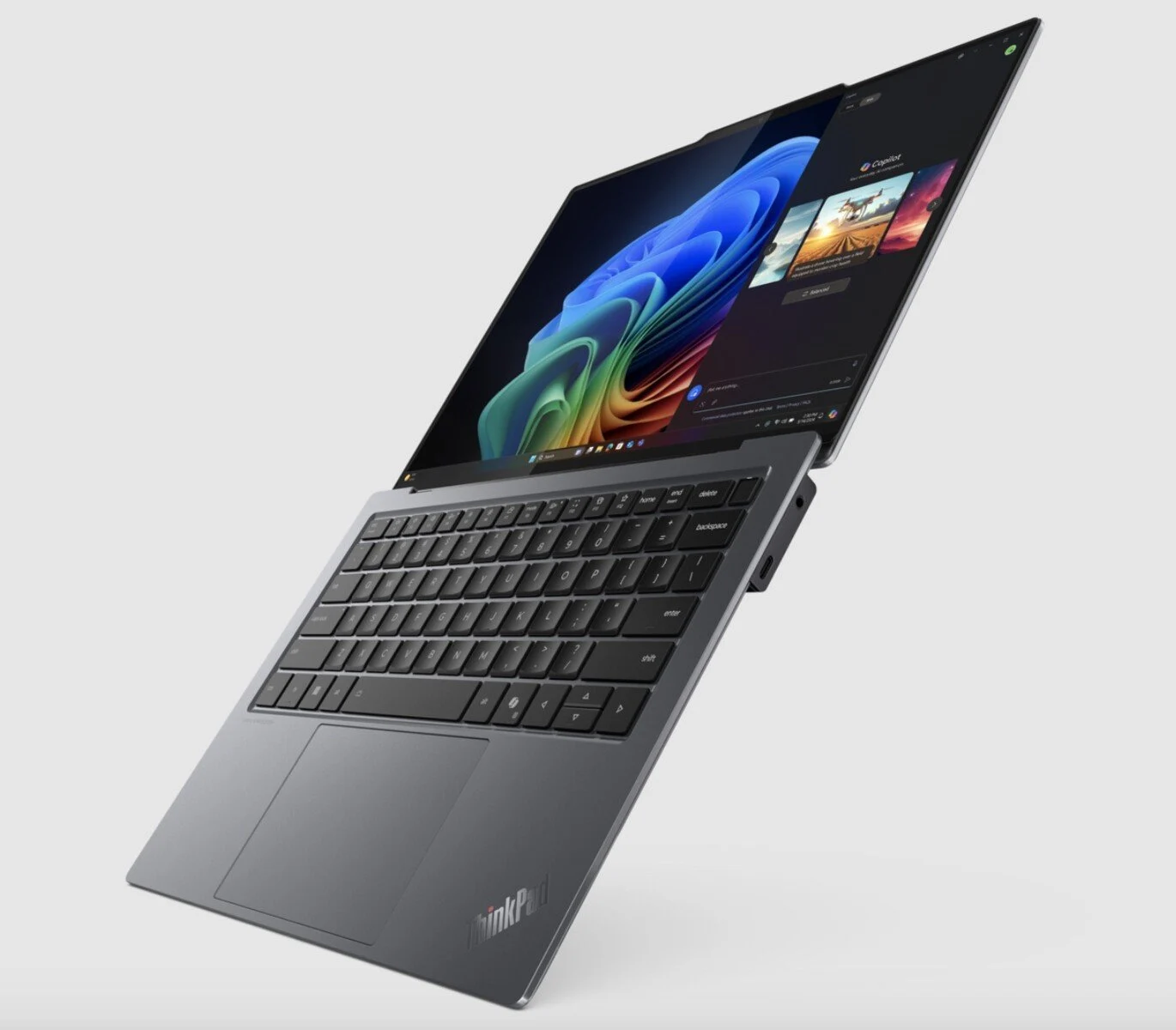
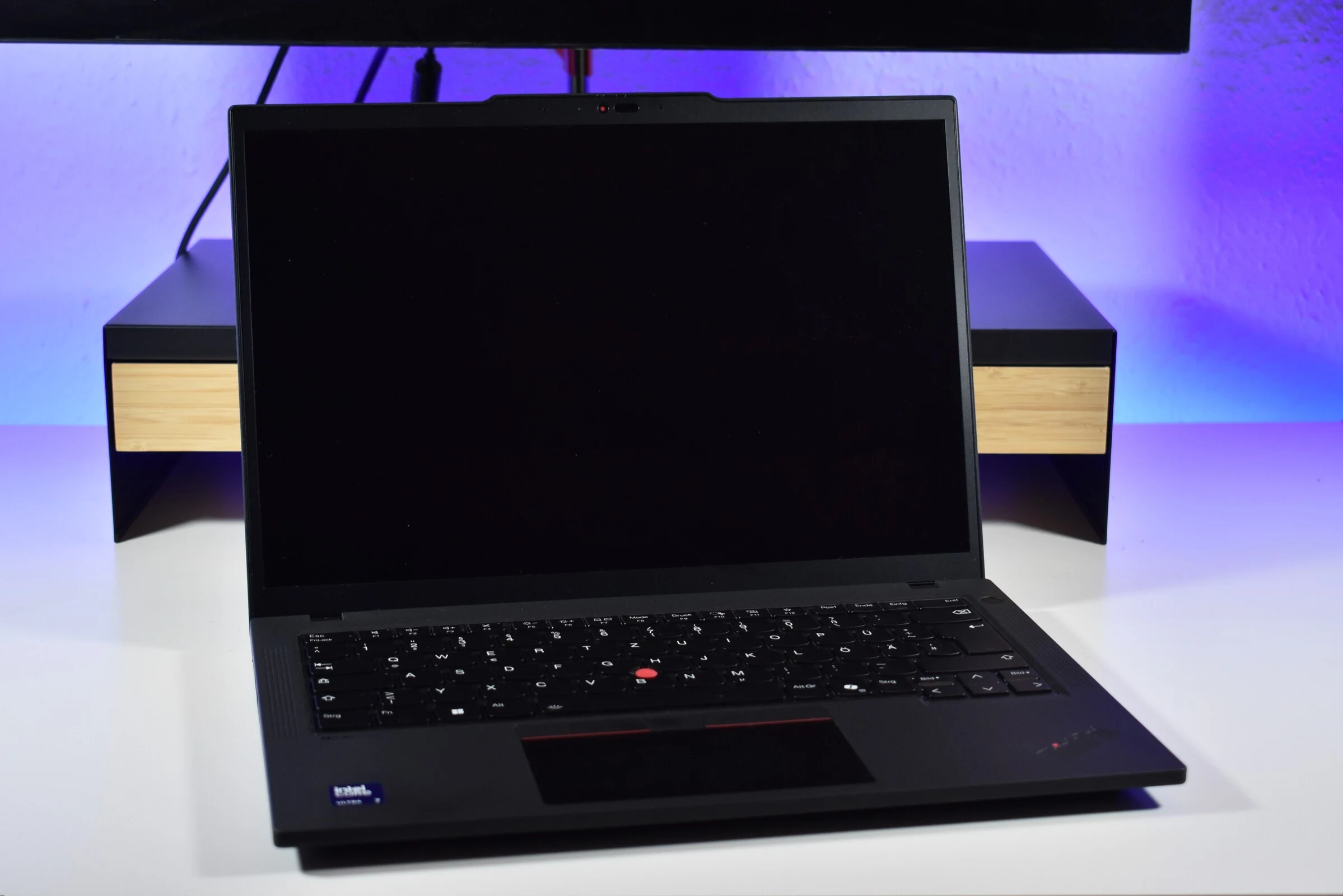
    For instance, take the Lenovo ThinkPad T14 Gen 6 equipped with Intel’s Lunar Lake that we reviewed recently. Oddly enough, this configuration doesn’t come with an OLED screen option from Lenovo, relegating it to WUXGA IPS panels instead. While this isn’t the worst thing ever, the issue really lies in the limited screen choices available.

    Our review unit of the Lenovo ThinkPad T14 Gen 6 Intel (which you can find on Amazon) is equipped with the Low Power panel, which is the only worthwhile option for regular customers. The two base panels featuring 45% NTSC are merely there to lower the entry price; the ePrivacy feature is something that’s mainly relevant for corporate users, so it’s not recommended for anyone outside of big companies.

    Need for Better Panels

    That leaves the Low Power panel as the best choice. Unfortunately, while it offers decent brightness, it still falls short in other areas. It’s a slow panel with a low response rate and only a 60 Hz refresh rate. While 60 Hz is adequate for office work, anyone considering this as a personal laptop should really look for better options these days.

    Some brands are now providing 90 Hz IPS WUXGA displays, and we believe it is about time Lenovo follows suit! After all, the T series isn’t a budget line, and those basic panels still exist to help keep the starting price low.
     

  • Samsung Hints OLED MacBook Pro Release Date, Silent on Foldable iPhone

    Samsung Hints OLED MacBook Pro Release Date, Silent on Foldable iPhone

    Key Takeaways

    1. Samsung Display will start mass production of OLED screens for Apple MacBook Pro laptops in Q3 2026, confirming a potential Q4 launch.
    2. Both 14-inch and 16-inch MacBook Pro models will feature OLED screens with a built-in touchscreen and enhanced M6 processing power.
    3. Small production runs of OLED panels will begin in Q2 2026 using Samsung’s A6 production line, transitioning from LCD to OLED.
    4. Apple is expected to order around half a million OLED MacBook Pros by the end of 2026, with total orders possibly reaching three million units.
    5. The first OLED MacBook Pros may be released about a year after the 2025 lineup, with potential price increases due to M5 chip upgrades and OLED technology.


    The CEO of Samsung Display has officially announced when the first Apple MacBook Pro laptops featuring OLED screen panels will be available.

    Dual Production Plans

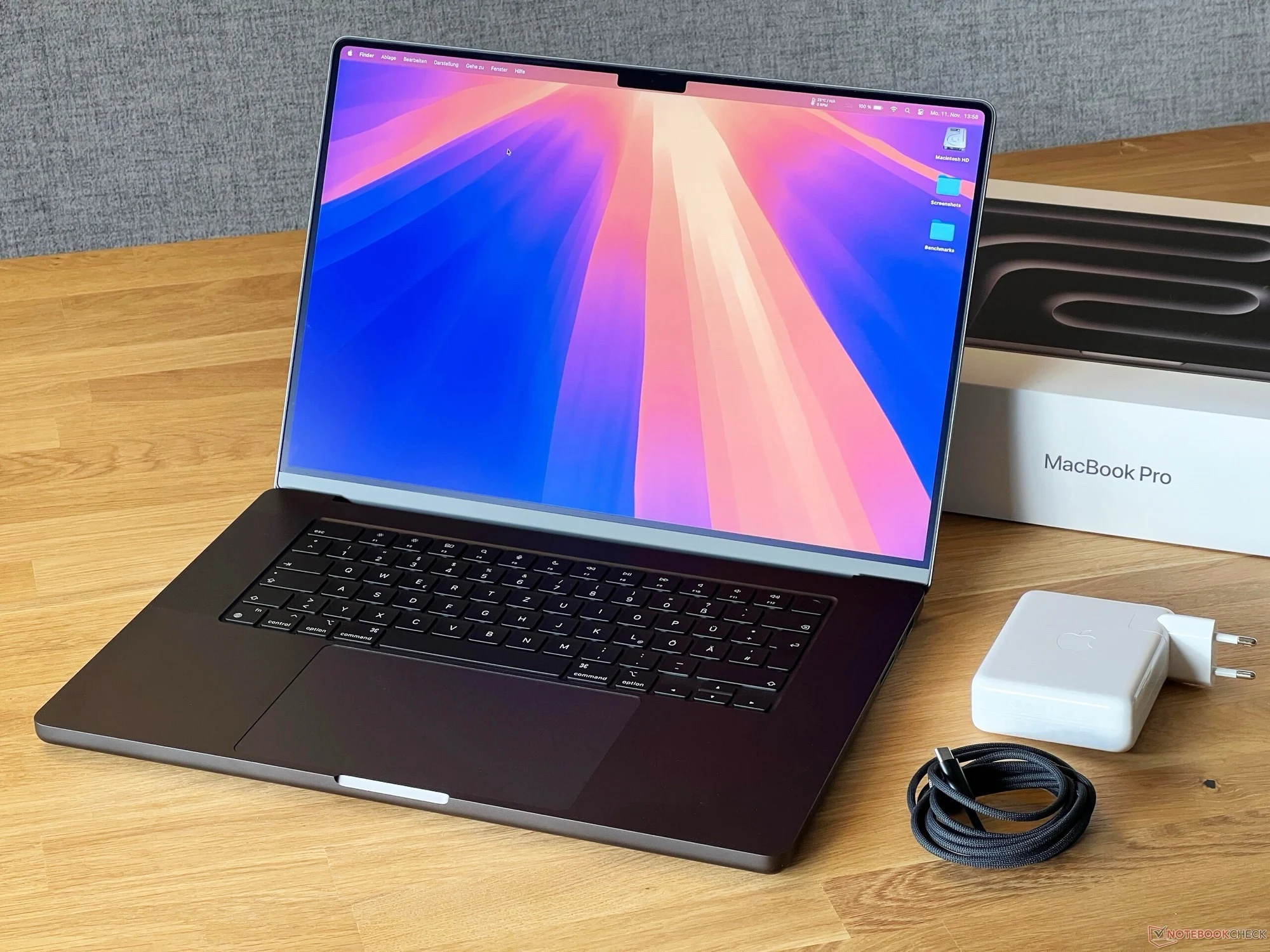
    Samsung is reportedly preparing to manufacture both 14-inch and 16-inch MacBook Pro OLED screens, which are expected to include a built-in touchscreen layer and enhanced M6 processing power. Lee Cheong, from Samsung, shared this information with reporters at a display conference in Seoul, stating that mass production of the new 8.6-gen OLED line is set to kick off in the third quarter of 2026. This indirectly confirms speculations about a Q4 launch for the initial MacBook Pro equipped with OLED screens.

    Production Timeline

    While Samsung will begin small production runs of the OLED panels for the MacBook Pro in the second quarter, they will use their A6 production line, which has been adjusted to produce OLED screens instead of LCDs. The 8.6G line, designed for glass substrates measuring 2290 x 2620 mm, is deemed most appropriate for creating OLED screens for mid-sized electronic devices like laptops. With the ramp-up in production anticipated in the third quarter of 2026, Samsung, which is Apple’s sole supplier for MacBook Pro OLED displays, is preparing for a release in the holiday quarter.

    Anticipated Orders

    “We are looking forward to” Apple’s orders, remarked Lee Cheong, although he didn’t provide details on whether this timing aligns with the launch of Apple’s foldable iPhone, which will also feature a flexible panel produced by Samsung. Industry analysts predict that Apple aims to ship around half a million OLED MacBook Pros by the end of 2026, with total orders potentially reaching three million units, contingent on the pricing of Samsung’s 14-inch and 16-inch OLED panels.

    At present, a MacBook Pro equipped with an M4 processor is priced at $1,399, thanks to discounts on Amazon. However, the anticipated upgrade to an M5 chip might not keep the price that low, especially for a model featuring an OLED screen. Apple is expected to refresh the Pro model with M5 processors either next quarter or early in 2026, meaning the first MacBooks with OLED displays could arrive approximately a year after the 2025 lineup.

    Source:
    Link


  • Lenovo ThinkPad X9 Aura Laptops with Intel Lunar Lake Processor

    Lenovo ThinkPad X9 Aura Laptops with Intel Lunar Lake Processor

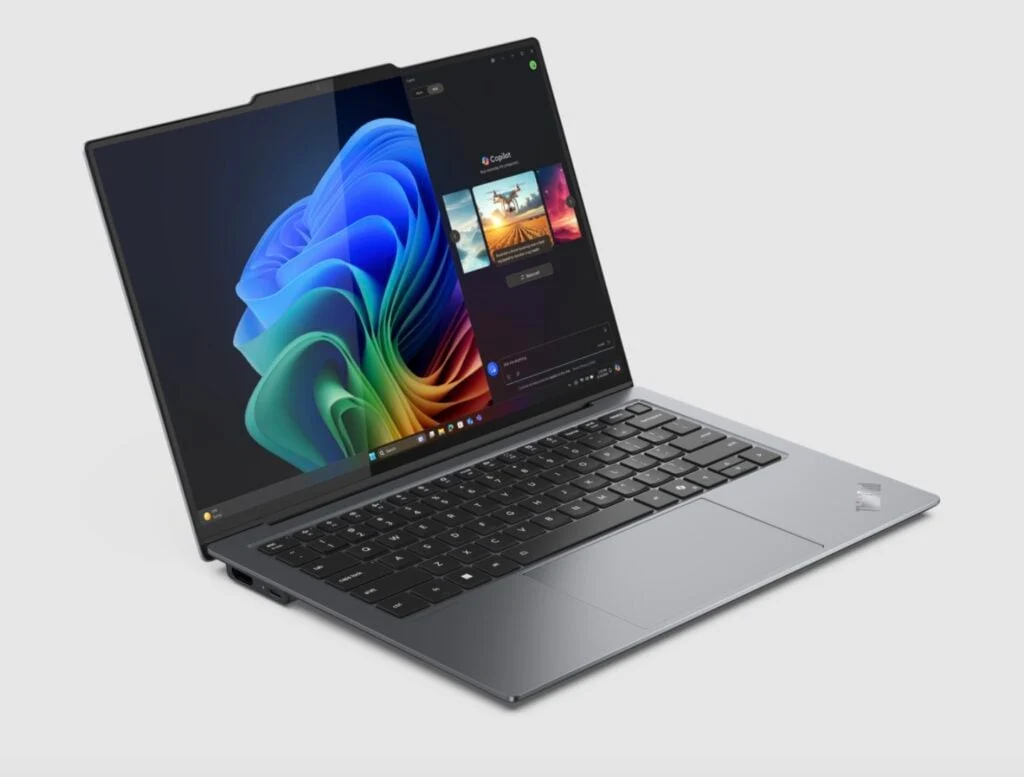
    Lenovo has launched the ThinkPad X9 Aura at CES 2025, now equipped with Intel’s Lunar Lake processors. The 16-inch version is priced at $1,349, while the 14-inch model starts at $1,239. These laptops are currently available for purchase in the United States.

    Changes in Design

    The ThinkPad X9 moves away from the traditional ThinkPad look. The classic TrackPoint has been removed and is replaced with a substantial haptic touchpad. The keyboard now takes inspiration from Apple’s MacBook design. Additionally, the X9 sports a silver aluminum chassis, setting it apart from earlier ThinkPad models that were known for their black finishes.

    Display and Performance

    One of the standout features is the introduction of OLED screens in all variants. The 14-inch model begins with a WUXGA OLED screen (1,920 x 1,200, 60Hz, 400 nits), while the 15.3-inch version offers a sharper standard 2.8K OLED display (2,880 x 1,800, 120Hz, 500 nits). Inside the device, Intel’s Lunar Lake Core Ultra 200V emphasizes efficiency over sheer power. To ensure consistent performance, Lenovo has integrated an active cooling system with dual fans, unlike Apple’s MacBook Air which uses passive cooling. RAM is built into the processor, with choices of 16GB or 32GB, and users can upgrade storage up to 2TB using an M.2 2242 SSD.

    Connectivity and Battery Life

    In contrast to many ultrabooks, the ThinkPad X9 offers a variety of ports. The “Engine Hub” includes two Thunderbolt 4 ports, an HDMI port, and a 3.5mm audio jack. The 15.3-inch variant also adds a USB-A port. However, the absence of LTE and 5G connectivity could be a downside for business professionals who depend on mobile internet access.

    The 15.3-inch model houses a more powerful 80Wh battery, while the 14-inch version features a 55Wh battery. Additionally, the larger variant comes with four speakers and an 8MP webcam, whereas the smaller model offers these as optional extras.


  • MacBook Pro 2026: OLED Display, Hole-Punch Camera, No Notch

    MacBook Pro 2026: OLED Display, Hole-Punch Camera, No Notch

    Apple is gearing up to introduce new MacBook Pro models equipped with OLED displays and an upgraded camera system in 2026, as revealed by a recent roadmap from Omdia. The upcoming models are likely to replace the current notch with a hole-punch camera design, and they might even feature the Dynamic Island that iPhone users have come to know.

    New Display Features

    These refreshed MacBook Pros will come with 14.3-inch and 16.3-inch Hybrid OLED screens that utilize RGB Tandem and Oxide TFT technology, along with support for Dynamic Frame Rate. The new dimensions are slightly larger than the existing 14.2-inch and 16.2-inch Mini LED displays.

    Benefits of OLED

    Transitioning to OLED is expected to provide several significant improvements, including brighter screens, enhanced contrast with richer blacks, and better battery life for extended usage. Such advancements might also allow future MacBooks to be slimmer overall.

    Design and Chip Updates

    However, before we see these changes, the MacBook Pro will maintain its current design, with models in 2025 getting an upgrade to the new M5, M5 Pro, and M5 Max chips. Omdia indicates that OLED screens will remain exclusive to the MacBook Pro for a period of two years, with the MacBook Air receiving them only in 2028.

    The elimination of the notch could create more space for the macOS menu bar, resulting in a more integrated display experience. Yet, specifics regarding the functionality of the hole-punch camera and Dynamic Island remain uncertain.

    Source: Link