Category: Artificial intelligence

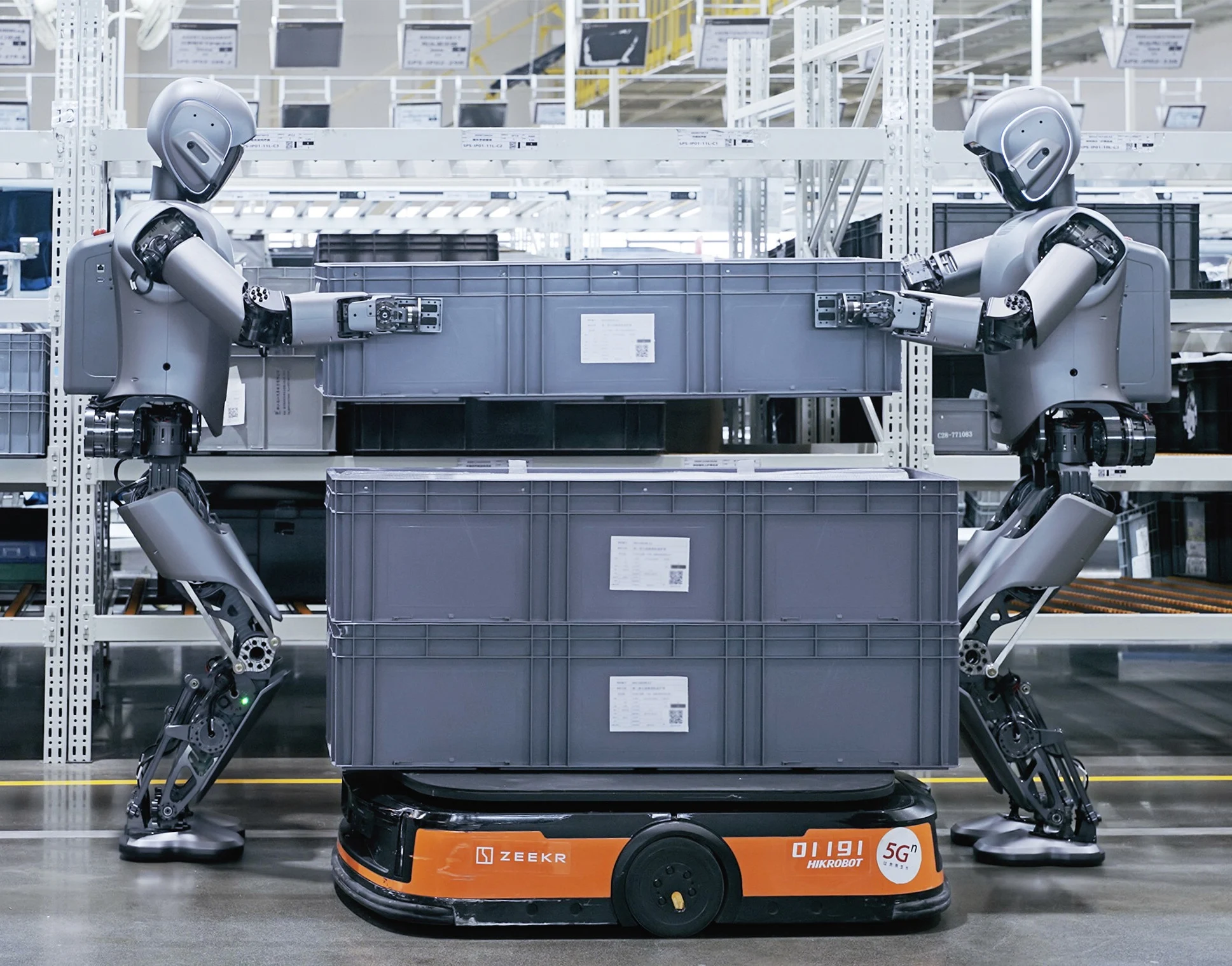
  • Foxconn to Use Nvidia Robots in Factories Within Six Months

    Foxconn to Use Nvidia Robots in Factories Within Six Months

    Key Takeaways

    1. Foxconn plans to integrate bipedal robots into its workforce within six months to assemble AI servers for Nvidia.
    2. This deployment marks the first time in Foxconn’s 50-year history that humanoid robots will be used in manufacturing.
    3. Foxconn is a major contract manufacturer for technology giants like Apple, Microsoft, Google, Sony, and Nvidia.
    4. Nvidia is collaborating with Foxconn to develop a next-generation AI-driven factory in Houston, utilizing Nvidia’s Isaac GR00T N technology.
    5. The new factory aims to set a standard for AI smart factories, focusing on efficiency while ensuring safety and addressing logistical challenges in robot-human integration.


    If the idea of a bunch of humanoid robots taking over factory jobs seems unnerving, a major hardware producer is gearing up to turn this vision into a reality. Foxconn, which is a manufacturing partner for Apple, has announced plans to integrate bipedal robots into its workforce over the next six months.

    Robots in Action

    According to Foxconn’s CEO, Young Liu, the robots will be responsible for assembling AI servers for Nvidia. This marks the first instance in the company’s 50-year history where such a deployment will take place.

    Foxconn’s Role

    Foxconn, also known as Hon Hai Precision Industry, is a contract manufacturer for some of the biggest names in technology, such as Apple, Microsoft, Google, Sony, and Nvidia. The company operates facilities in the U.S. across Texas, California, and Wisconsin, with intentions to expand into Ohio.

    Nvidia, on its part, is not just sitting back waiting for its AI servers to be produced. The largest company by market value is collaborating with Foxconn to develop a next-generation AI-driven factory in Houston. Foxconn will be one of the first to use Nvidia’s Isaac GR00T N technology, which enables robots to operate independently in manufacturing settings.

    A New Standard

    Both companies have stated that the new factory aims to be a “world-leading benchmark AI smart factory” that emphasizes efficiency. Foxconn has not disclosed any specifics about the humanoid robots or what they can do. Moreover, there are no details on how many robots will be brought into service. What is clear, however, is that integrating robots with human workers will require meticulous planning to ensure safety and tackle logistical issues.

    Source:
    Link



  • AI and AR in the Operating Room: Transforming Surgery Today

    AI and AR in the Operating Room: Transforming Surgery Today

    Key Takeaways

    1. The KARVIMIO project aims to enhance surgical procedures using augmented reality (AR) and artificial intelligence (AI) to provide in-situ instructions directly within the user’s line of sight.

    2. A user-centered development approach involves active participation from surgical teams and equipment manufacturers, focusing on usability and minimizing distractions during high-pressure situations.

    3. Potential risks include over-dependence on technology, technical malfunctions, and ethical concerns regarding accountability for incorrect instructions provided by the system.

    4. The project considers ethical, legal, and social implications (ELSI), emphasizing the importance of trust, data protection, and maintaining human accountability in surgical contexts.

    5. Beyond surgical operations, AI and AR technologies could improve training, documentation, and workflows in central sterilization services, highlighting their broader applications in healthcare.


    In the newest issue of its Forschung aktuell series (11/2025 / in German), the Institute for Work and Technology (IAT) at Westfälische Hochschule Gelsenkirchen closely examines the KARVIMIO research initiative. Supported by the German Federal Ministry of Education and Research (BMBF), this project looks into how artificial intelligence and augmented reality can be utilized in operating rooms to assist surgical teams and boost patient safety.

    Innovative In-Situ Instructions

    The project aims to create “in-situ instructions” – visual, step-by-step guides shown through AR glasses or head-mounted devices like Microsoft’s HoloLens 2. These guides are visible directly within the user’s line of sight. The AI identifies the surgical tools being used and overlays the relevant setup or usage instructions onto the actual object. This removes the necessity for printed manuals, which are not practical in sterile settings. A depth camera also improves the system by allowing it to detect objects that are not in the user’s direct line of sight.

    User-Centered Development Approach

    Under the leadership of Elena Fitzner and Dr. Peter Enste, the project team adheres to a strictly user-focused approach. Throughout every phase, surgical assistants, equipment manufacturers, and central sterilization personnel have been actively involved via workshops and practical testing. Participants stressed the need for user-friendly controls, bright color displays, and visuals that are easy to interpret. Meanwhile, some raised concerns that AR systems could be distracting, especially in high-pressure situations or during routine tasks.

    Risks and Ethical Considerations

    There is also a chance that personnel might become too dependent on the technology, which could lead to a gradual decrease in their routine knowledge. Technical problems – such as wrong object identification or system malfunctions – could further complicate surgical workflows. In addition to these practical issues, the application of such systems brings forth significant ethical and legal dilemmas. For instance, who would be held accountable if the system delivers incorrect instructions? Furthermore, how can one guarantee that the technology aids rather than replaces human accountability in critical instances?

    Along with the technical advancements, the project also explores ethical, legal, and social dimensions, adhering to the ELSI framework (Ethical, Legal, and Social Implications). Significant themes encompass trust in technology, data protection, professional accountability, and the development of skills. The main aim is to create systems that amplify human abilities instead of taking their place.

    The researchers recognize vast opportunities for integrating AI and AR in the surgical environment. Beyond aiding during surgical operations, these technologies could significantly benefit training for surgical assistants, assisting documentation, and enhancing workflows in central sterilization services.


    Source:
    Link


  • XPeng Engineers Reveal Humanoid Robot Iron to Prove It’s Real

    XPeng Engineers Reveal Humanoid Robot Iron to Prove It’s Real

    Key Takeaways

    1. XPeng’s bipedal robot, Iron, impressed viewers with its realistic, human-like appearance during a live demonstration.
    2. Audience skepticism was addressed when CEO He Xiaopeng allowed engineers to reveal Iron’s internal components, proving its authenticity.
    3. Iron’s smooth walking and stable stance captivated both live attendees and online viewers.
    4. The event highlighted XPeng’s advancements in AI and mobility, alongside their projects in robotaxis and flying cars.
    5. Iron is envisioned for future applications in museums, retail, and factories, showcasing XPeng’s innovative potential.


    You can tell you’re excelling in your role as a humanoid engineer when people are convinced that your walking robot isn’t a human. This is what XPeng engineers experienced during the live demonstration of their latest bipedal robot, Iron, in Guangzhou.

    Uncanny Realism

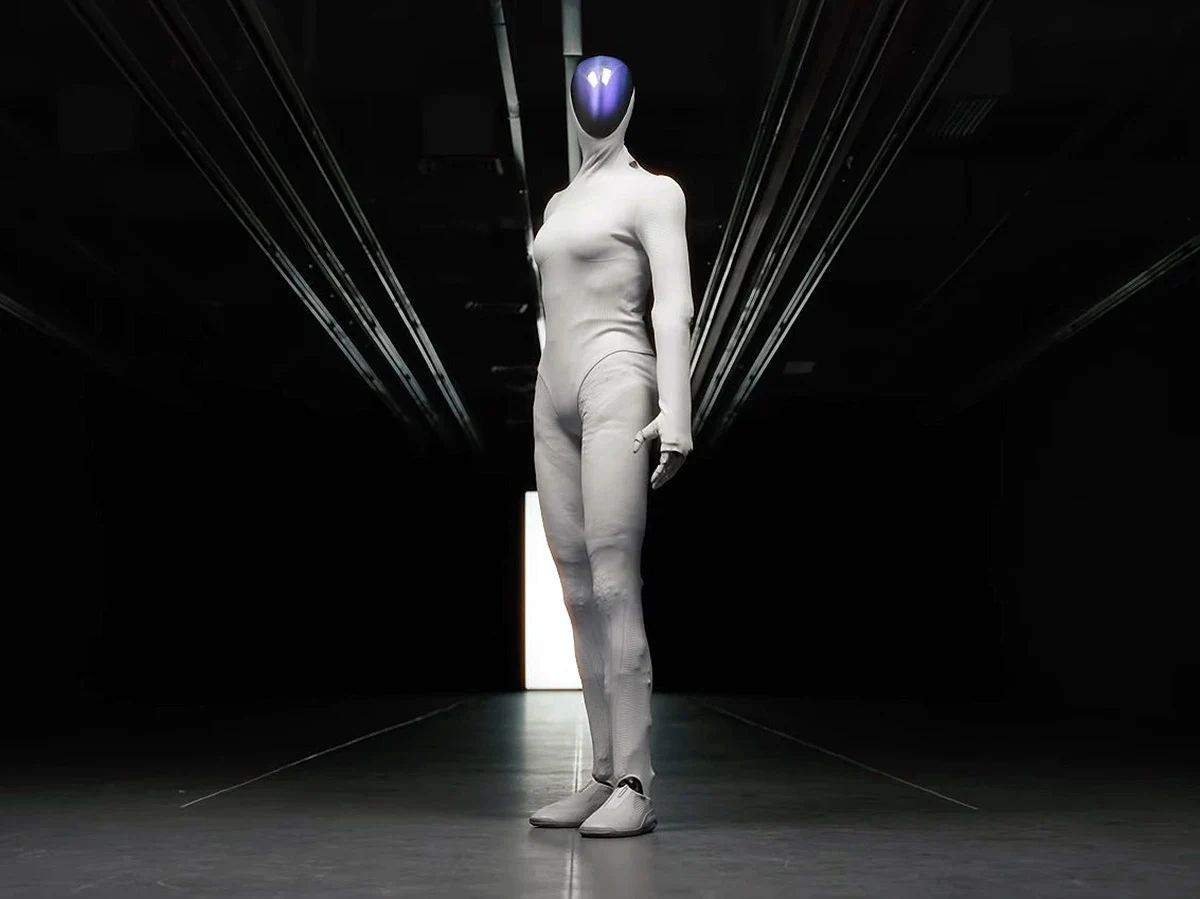
    The life-sized robot showcased an eerily human-like appearance as it walked across the stage towards CEO He Xiaopeng. Many audience members were led to believe that the company had employed an actor dressed in a robotic suit. Iron’s smooth walking style and stable stance amazed both those present and viewers watching the livestream.

    Addressing Doubts

    The skepticism from the event attendees was quite justifiable. The online community still remembers how Elon Musk’s Tesla showcased an actor in a bodysuit pretending to be a humanoid during the 2021 Optimus robot reveal.

    To dispel any doubts about dishonesty, Xiaopeng called engineers back to the stage and asked them to cut open one of Iron’s legs. After carefully slicing through several layers of fabric, the audience could see the robot’s metal joints, actuators, and wiring.

    Iron’s Performance

    Despite this revealing moment, Iron didn’t stop moving. The robot confidently continued its walk across the stage, and videos of the event have rapidly spread across Chinese social media platforms.

    Iron represents XPeng’s commitment to AI and mobility, with the company also working on robotaxis and flying cars. They envision Iron being used as guides in museums, helping customers in retail, or working in factories in the near future. For now, XPeng engineers can feel proud for successfully surprising even the most tech-savvy observers.

    Source:
    Link


  • Elon Musk’s Plan to Dim the Sun and Combat Climate Change

    Elon Musk’s Plan to Dim the Sun and Combat Climate Change

    Key Takeaways

    1. Elon Musk is exploring the idea of dimming the sun to combat climate change using AI-operated satellites as a sunshade.
    2. The concept is similar to Solar Radiation Management (SRM), which aims to cool the Earth by reflecting sunlight.
    3. The satellites could be launched by SpaceX and operated by AI from Musk’s company xAI to monitor solar radiation and temperature.
    4. Experts warn of potential dangers, including unpredictable side effects like altered rainfall patterns and impacts on agriculture.
    5. Concerns about “termination shock” highlight risks of rapidly rising temperatures if the satellite program were to stop suddenly.


    Tech tycoon Elon Musk is well-known for his out-of-the-box thinking. His recent announcement about launching a marketplace on his messaging platform, X, where users can purchase usernames for exorbitant amounts, is just one example. But that idea seems pretty tame compared to his latest one. On November 3, Musk shared on X that he’s contemplating the notion of dimming the sun as a solution to climate change.

    A Bold Plan

    The strategy involves sending a fleet of AI-operated satellites into space. Musk stated, “A large solar-powered AI satellite constellation would be able to prevent global warming by making tiny adjustments in how much solar energy reached Earth.” The goal is to have these satellites—possibly numbering in the hundreds or thousands—act as a gigantic sunshade to intentionally reduce sunlight and thereby cool the planet.

    Similar Concepts

    This idea resembles what’s known as Solar Radiation Management (SRM), a technique aimed at cooling the Earth by reflecting or blocking some sunlight. Musk could potentially design and launch these satellites via his aerospace firm, SpaceX. Once in orbit, the operation would probably be overseen by an AI system that employs self-learning algorithms to continually assess solar radiation and global temperature data. This AI might come from xAI, Musk’s own artificial intelligence venture.

    Potential Hazards

    It’s still uncertain how serious Musk is about this proposal, but recognizing the potential dangers is crucial—especially if it is grounded in the SRM strategy. Experts from the Columbia Climate School caution that while modifying solar radiation may provide short-term cooling benefits, it could also lead to unpredictable side effects. These could include alterations in global rainfall patterns, harm to the ozone layer, and adverse effects on agricultural production.

    The Risk of Termination Shock

    Another significant worry is the phenomenon known as “termination shock.” If such a program were to abruptly stop—be it due to technical issues or political disagreements—the artificially lowered temperatures could spike back up quickly. Research from NOAA and Indiana University indicates that global temperatures could increase significantly in just a few years.

    On X, the responses have largely been critical or sarcastic, with some users likening Musk to villains from comic books. One user quipped, “Mr. Burns had the same idea,” referencing a character from The Simpsons. Others expressed worries about the concentration of power and control, asking: “If people can’t agree on simple matters, how can they effectively manage the global climate?” Some also raised questions about the security of such a system, pondering: “Who exactly controls the thermostat?”

    Source:
    Link


  • Square Enix to Automate 70% QA with AI Amid Western Layoffs

    Square Enix to Automate 70% QA with AI Amid Western Layoffs

    Key Takeaways

    1. Square Enix plans to automate 70% of its quality assurance and debugging tasks by the end of 2027 to improve efficiency and reduce costs.
    2. The company is collaborating with the Matsuo-Iwasawa Laboratory at the University of Tokyo to develop AI systems for faster and more effective QA processes.
    3. Recent layoffs of over 100 employees in Western branches are part of a restructuring effort, raising concerns about potential job losses in QA due to automation.
    4. The gaming industry is increasingly adopting AI, with over half of surveyed companies using it for various development tasks, indicating a broader trend in the sector.
    5. Despite strong financial performance recently, the push for automation may risk employee morale and talent retention at Square Enix.


    Square Enix is aiming to automate 70% of its quality assurance (QA) and debugging tasks in game development by the conclusion of 2027. This move follows their recent announcement of significant layoffs across its Western branches.

    New Initiative Explained

    In its latest progress report for the medium-term business plan titled “Square Enix Reboots and Awakens,” the company outlined this initiative to tackle issues like the disappointing sales of games such as Final Fantasy XIV. Square Enix is collaborating with the Matsuo-Iwasawa Laboratory at the University of Tokyo, which includes a group of researchers from the lab alongside engineers from Square Enix. Their ultimate goal is to streamline QA processes, making them faster and more cost-effective.

    Traditional QA Testing Challenges

    Traditionally, QA testing requires manual examination of games for bugs, glitches, and other problems, which can be particularly taxing for major titles like Final Fantasy and Dragon Quest. Square Enix’s report clearly stated, “To automate 70% of QA and debugging tasks in game development by the end of 2027.” This initiative suggests that an AI debugging system could automatically create test scenarios, imitate player actions, and identify bugs and problems in video games. While there are similar tools in platforms like Unreal Engine 5, Square Enix appears to be eager to advance this technology even further.

    Layoffs and Industry Context

    Nevertheless, this progress comes at a cost, as the same day Square Enix announced it had let go of over 100 employees from its UK, U.S., and European offices. The company described this as a “fundamental restructuring” of its international publishing division, aiming to optimize the group’s long-term growth. The firm did not directly link the job reductions to the QA AI initiative, but there are speculations that a large portion of its testing staff might soon be replaced by AI.

    In the broader context, Square Enix is not alone in its AI ambitions. A survey by CESA in September 2025 revealed that 54 companies were asked about AI, with 51% confirming they are utilizing generative AI for creating artwork, story ideas, and coding. Furthermore, 31% acknowledged that they were adopting AI to develop game engines.

    Financial Performance and Future Prospects

    Square Enix believes that AI will enhance its competitiveness in an industry where the costs of AAA games have been soaring due to increasing licensing, labor, and QA expenses. It’s worth mentioning that the company has been performing well financially this quarter, partially due to the success of Dragon Quest III HD-2D Remake.

    Despite its optimism, pushing for QA automation poses significant risks for the company, as it may alienate talent that could be difficult to replace if things go wrong. Employee morale is already under pressure at the company, and only time will tell if Square Enix’s “reboot” will truly yield positive results.

    Source:
    Link


  • AI Lane Guidance Launches on Google Maps in Key Markets

    AI Lane Guidance Launches on Google Maps in Key Markets

    Key Takeaways

    1. Google introduced Live Lane Guidance, a new navigation tool for cars with Google built-in, designed to enhance driving by providing real-time lane tracking and cues.
    2. The feature uses the vehicle’s front-facing camera and Google’s Gemini AI to identify road markings and signs, offering lane directions through displays and voice prompts.
    3. Live Lane Guidance is especially useful in complex driving scenarios, such as highway merges, helping drivers change lanes safely and avoid missed exits.
    4. Initially available in the Polestar 4, the feature will roll out in the U.S. and Sweden, with plans to expand to more markets and car models in the future.
    5. Community feedback on the feature has been mixed, with some users expressing optimism while others are concerned about its reliability based on past experiences with Google Maps in Polestar vehicles.


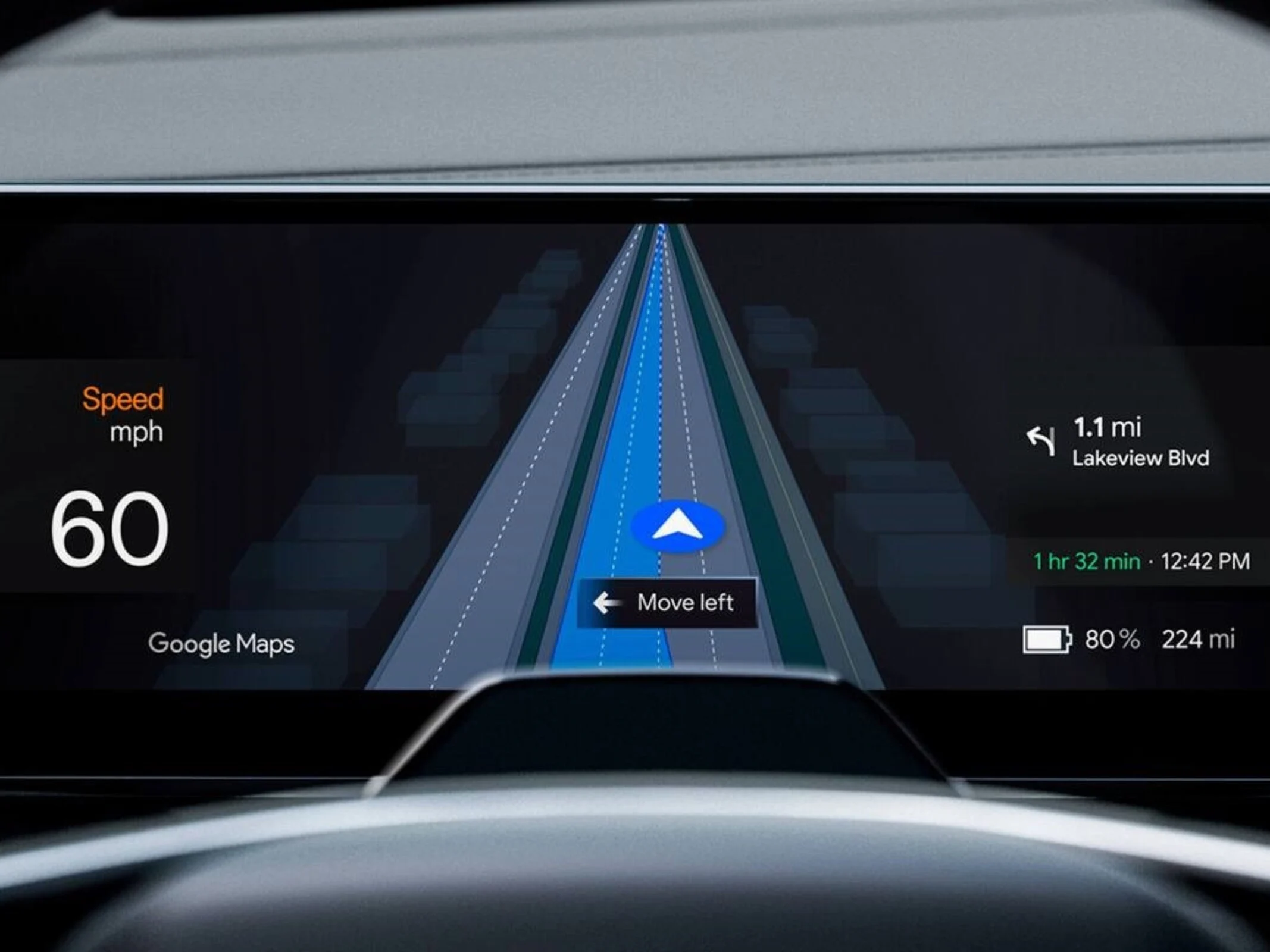
    Google is introducing a fresh navigation tool for cars equipped with Google built-in: Live Lane Guidance. According to a blog post from the company, their aim is to assist drivers in “navigating as if Google Maps could see the road through their own eyes.” This innovative system tracks the current lane in real-time and offers visual and audio cues at the right moments when a lane change is necessary, helping drivers avoid missing turns or exits.

    How It Works

    This new feature integrates the vehicle’s camera information with Google’s Gemini AI. By utilizing the front-facing camera, the system identifies road markings and traffic signs, aligning this data with navigation information from Google Maps. Consequently, Live Lane Guidance provides lane directions via the driver display and voice prompts.

    Real-World Application

    Tailored for everyday driving, the system is particularly advantageous in complicated traffic situations, like multi-lane highway merges. For example, if a driver is positioned in the left lane and an exit approaches on the right, the AI recognizes the vehicle’s location and gives an early warning to change lanes. Ideally, this feature helps to avert hurried lane shifts and missed exits.

    The Live Lane Guidance feature will first be available only in the Polestar 4. This all-electric vehicle from the Swedish-Chinese automaker operates on Android Automotive, which serves as the backbone for integrating Google built-in functionalities. As per Polestar, the Lane Guidance details will show up directly on the 10.2-inch driver display. The feature rollout will begin in the United States and Sweden before it extends to more markets and car models in the future.

    User Experience Focus

    Sid Odedra, who is the Head of UI/UX at Polestar, highlights the importance of this feature for users in the official press release:

    “Live Lane Guidance continues the path of Polestar’s driver centric UX strategy, reducing driver stress and improving safety by making missed exits and last-minute lane changes much less of a worry.”

    Google has plans to extend its AI-driven lane guidance to a wider range of car manufacturers eventually. Over time, the feature is anticipated to cover more than just highways and be applicable on different road types—as long as the vehicle is compatible with Google built-in.

    Community Feedback

    Reactions from the Polestar community on Reddit have been a mixed bag. Some users find the feature to be “promising” and “practical,” while others are skeptical about its dependability. Given the inconsistent performance of the software and Google Maps in Polestar vehicles thus far, some fear that the new feature might lead to more frustration than it alleviates.

    Google, Polestar’s

    Source:
    Link


  • Apple to Pay Google $1 Billion for Siri AI Model Upgrade

    Apple to Pay Google $1 Billion for Siri AI Model Upgrade

    Key Takeaways

    1. Apple is reportedly negotiating a $1 billion annual deal with Google for access to an AI engine to enhance Siri.
    2. The discussions involve implementing Google’s Gemini AI model in future versions of Apple’s operating systems.
    3. Apple’s own AI efforts, “Apple Intelligence,” have not met expectations, prompting the search for external solutions.
    4. The new AI model is expected to operate mainly on Apple’s “Private Cloud Compute servers,” focusing on user privacy.
    5. Neither Apple nor Google has confirmed the deal, and the future of Siri’s enhancements remains speculative.


    Apple is said to be discussing a deal with Google to pay $1 billion each year for access to an AI engine. As reported by Bloomberg’s Mark Gurman, sources familiar with the situation indicate that Apple and Google are close to reaching an agreement that would enable Apple to utilize one of Google’s AI models to revamp Siri.

    AI Integration for Siri

    Earlier this year, it was alleged that Apple and Google were in negotiations to implement Gemini as the AI engine driving Siri in upcoming versions of Apple’s operating systems. Apple’s own AI efforts, known as “Apple Intelligence,” have not performed well, which makes it understandable for the company to seek alternative ways to enhance the AI that powers its virtual assistant.

    A Significant Investment

    According to Gurman, Apple is expected to invest around $1 billion annually for the utilization of a 1.2 trillion parameter AI model. This new model is anticipated to support a refreshed Siri, which is rumored to launch in the Spring alongside iOS 26.4.

    Gurman also mentions that while the new Siri will still incorporate some internal engines for certain capabilities, Google’s model will manage the majority of information processing and task execution. The AI model is likely to operate on Apple’s “Private Cloud Compute servers,” aligning with the company’s strong emphasis on user privacy.

    Speculation and Future Developments

    Neither Apple nor Google has provided comments on this potential agreement, and Gurman suggests they may not be inclined to do so. As this remains speculation, it’s wise to take such information cautiously. Apple has been promising an enhanced Siri for several years now, but it appears that Google might be the one to finally deliver on those expectations.

    Bloomberg’s insights highlight the ongoing evolution in the AI landscape and the strategic moves being made by tech giants.

    Source:
    Link


  • Solid-State Battery Fuels Iron Humanoid Robot to Outpace Tesla Optimus

    Solid-State Battery Fuels Iron Humanoid Robot to Outpace Tesla Optimus

    Key Takeaways

    1. XPeng’s Iron humanoid robot aims for mass production by the end of 2026 and can be customized in various human-like designs.
    2. The robot features advanced technology with three Turing AI chips, 3,000 TOPS of computing power, and 82 degrees of freedom in its body.
    3. XPeng’s Iron robot is powered by an all-solid-state battery, achieving over 500 Wh/kg energy density, outperforming Tesla’s Optimus battery.
    4. The design includes innovative elements like a humanoid spine, bionic muscles, and flexible artificial skin for a more human-like appearance.
    5. XPeng plans to position the Iron robot for diverse roles, potentially making it the first mass-produced humanoid robot, ahead of Tesla.


    One of the leading electric vehicle startups in China, XPeng, has introduced a new generation of its Iron humanoid robot that could challenge Tesla’s Optimus. This development raises questions about Elon Musk’s ambitious claims regarding the trillion-dollar valuation that could come from it.

    Production Timeline and Design

    Set for mass production by the end of 2026, the Iron robot can be customized with various human-like designs, including a female form that ignited debates online about whether XPeng had concealed a human inside. To clarify, an employee had to unzip the robot’s artificial skin to show its mechanical components.

    Advanced Technology

    The second generation of XPeng’s Iron robot is powered by three specially designed Turing AI chips that collectively deliver 3,000 TOPS of computing power. Its “face” is made from a curved OLED display. The robot offers an impressive 82 degrees of freedom in its body, while its robotic hand features the smallest harmonic joint globally and also boasts 22 degrees of freedom, matching Tesla’s Optimus.

    Battery Innovation and Applications

    In addition to a seamless and quiet demonstration, XPeng highlighted the all-solid-state battery that powers its new Iron humanoid robot. Leading battery manufacturers like CATL have indicated that solid-state batteries are better suited for high energy density applications, such as drones or robots, rather than electric vehicles, and XPeng is taking this advice seriously.

    A solid-state battery can achieve energy densities exceeding 500 Wh/kg, which is twice the capacity of the battery used in Tesla’s Optimus, all within the same size constraints. This improvement has enabled XPeng to reduce the dimensions of other parts of the humanoid robot, outfitting it with a “humanoid spine and bionic muscles.” Additionally, Iron is covered in a flexible artificial “skin,” similar to the adult Optimus bodysuit available on Amazon, to enhance its human-like appearance compared to other models.

    Future Prospects

    The Iron robot could potentially be the first mass-produced humanoid robot of its kind, getting ahead of Tesla if production begins as planned next year. XPeng aims to monetize its innovative physical AI platform by offering the Iron robot for roles such as a tourist guide, traffic officer, or shopping assistant for businesses.

    Source:
    Link


  • Vasco Translator Q1: AI Voice Cloning & Real-Time Call Translation

    Vasco Translator Q1: AI Voice Cloning & Real-Time Call Translation

    Key Takeaways

    1. The Translator Q1 enables real-time conversations in 113 languages and is priced at $489.
    2. It features a smartphone-like design with a 3.54-inch screen and a 13 MP rear camera for image translation.
    3. The device supports quick charging, has a 2,500 mAh battery, and offers hands-free real-time voice translation.
    4. Additional features include AI-generated voice cloning, text-to-speech for 82 languages, and automatic language detection.
    5. It includes a built-in SIM for free lifetime internet access and is resistant to dust, splashes, and drops.


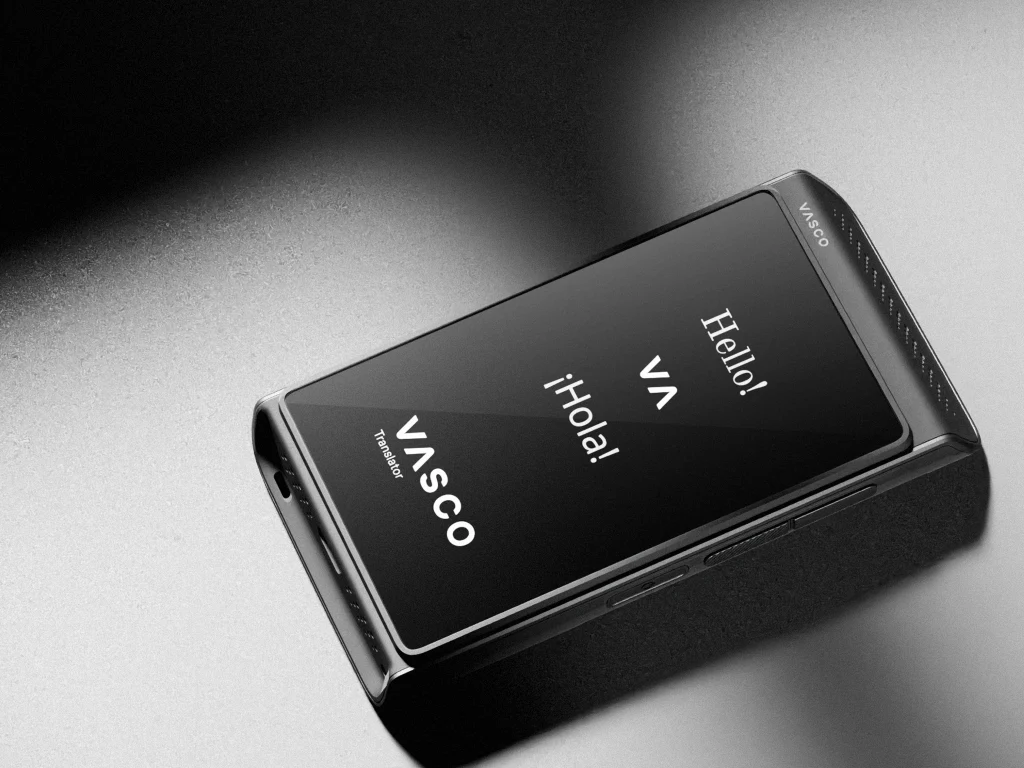
    Vasco Electronics has launched its newest handheld translator, the Translator Q1, in the United States. This new automatic translator is aimed at enabling real-time conversations in as many as 113 languages. It was originally presented at CES 2025, and it is currently for sale on Vasco’s official site. The price tag for this device is set at $489 and it is available in one color: mystic plum.

    Design and Display

    In terms of design, the Translator Q1 closely resembles a smartphone. It features a 3.54-inch IPS TFT screen that delivers a resolution of 960 x 640 pixels. On the rear side, there is a 13 MP Sony IMX258 camera equipped with autofocus capabilities, which can translate text found in images. The device is both compact and lightweight, measuring 115 x 61 x 17 mm (4.52 x 2.40 x 0.66 inches) and weighing approximately 147 grams (0.32 lbs).

    Battery and Features

    The whole system is powered by a 2,500 mAh battery, which also supports quick wired charging through USB-C. Talking about its main features, the Translator Q1 includes AI-generated voice cloning, real-time translation for phone calls in over 50 languages, image translation, text-to-speech functionality supporting 82 languages, and a touchless mode for hands-free real-time voice translation.

    Moreover, the device also provides several additional functions like adjustable speech rate settings, automatic language detection, and storage for translation history. It comes with a built-in SIM card that gives users free lifetime internet access. According to the company, it can translate more than 113 languages and dialects across roughly 54 native languages.

    Additional Specifications

    Other notable features include an integrated flashlight, speakers that fire from the bottom, an MT8766V processor, 3 GB of RAM, and 32 GB of internal storage. The device is also designed to be resistant to dust, splashes, and drops. For further information, you can check out Vasco Electronics’ official website.

    Vasco via GlobeNewswire

    Source:
    Link


  • Huskylens 2 AI Camera with NPU, Touchscreen & Affordable Models

    Huskylens 2 AI Camera with NPU, Touchscreen & Affordable Models

    Key Takeaways

    1. Built-in NPU: The Huskylens 2 features a built-in Neural Processing Unit (NPU) for machine learning, eliminating the need for cloud services or extra devices.

    2. User-Friendly: The device supports 20 AI models for tasks like face recognition and object detection, making it easy to use, including for robotics applications.

    3. Performance Specs: It runs on a Kendryte K230 SoC with 6 TOPS of AI performance, 1GB of LPDDR4 RAM, and 8GB of eMMC storage, capturing images at 60 fps with a 2MP sensor.

    4. Standalone Functionality: Users can operate the Huskylens 2 without a computer, featuring a 2.4-inch touchscreen, microphone, speaker, and power via USB Type-C.

    5. Affordable Price: The official price of the Huskylens 2 is set at $75, making it a cost-effective option for AI applications.


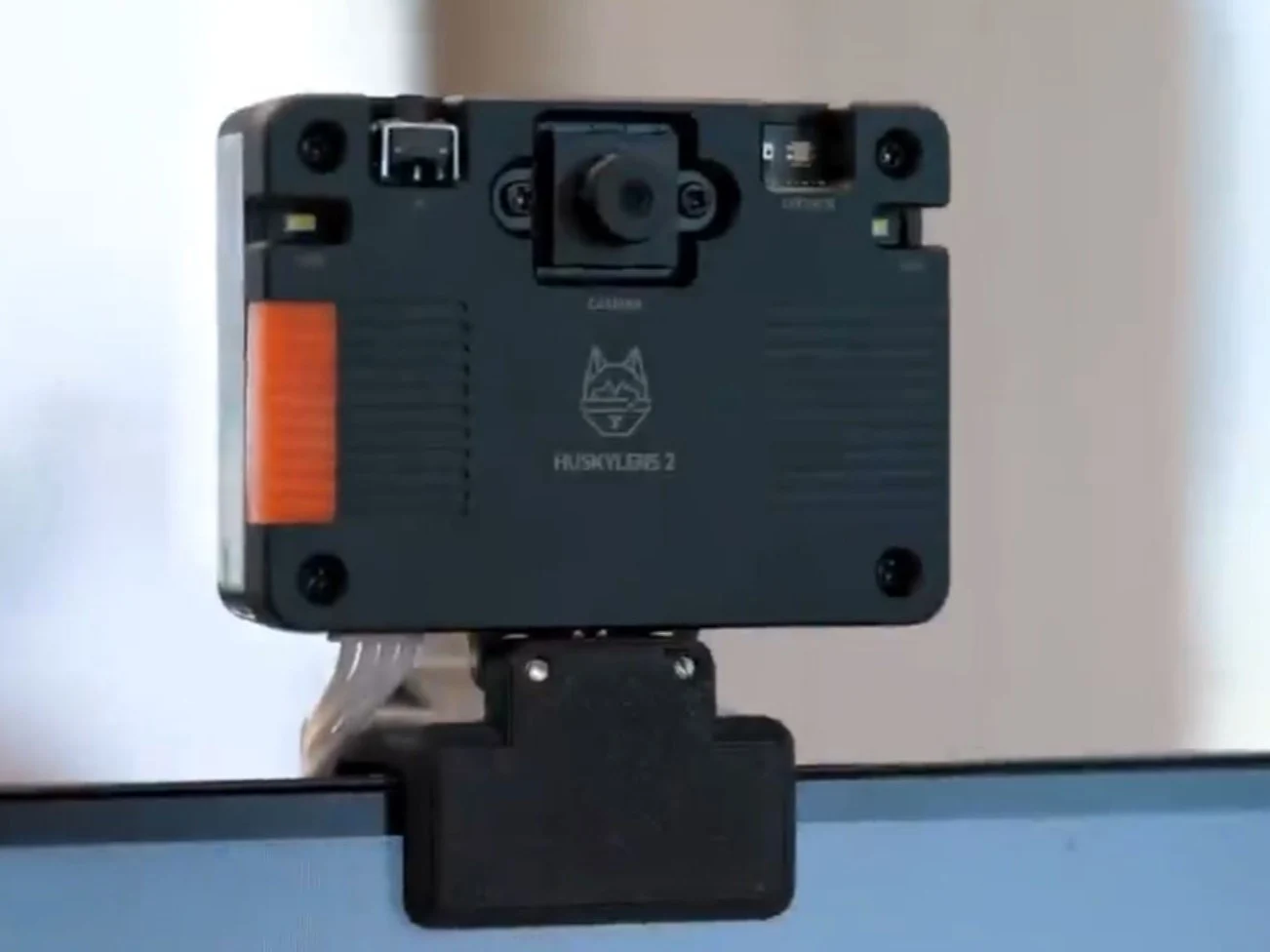
    The Huskylens 2 is a new camera equipped with a built-in NPU. This allows it to utilize machine learning capabilities without needing any cloud services or extra devices. It can be employed for various applications, including recognizing gestures, faces, and even spotting unsafe conditions or potential hazards.

    Easy to Use

    The manufacturer claims that this device is user-friendly. It can handle 20 different AI models, including those for face recognition and object detection or classification. Additionally, the Huskylens 2 can be attached to a robot to detect traffic light colors. It is compatible with both I2C and UART interfaces.

    Performance Specs

    The AI camera runs on a Kendryte K230 SoC, which offers 6 TOPS of AI performance. While this is relatively low when compared to the NPUs in modern AMD and Intel APUs or dedicated GPUs, it still provides decent capabilities. The device features 1GB of LPDDR4 RAM and 8GB of eMMC storage, with an image sensor that captures at a rate of 60 frames per second at 2 megapixels.

    Standalone Functionality

    As previously mentioned, users do not require a computer for the Huskylens 2 to function. The camera is equipped with a 2.4-inch touchscreen that has a resolution of 640 x 480 pixels. It also includes a microphone and a 1-watt speaker. The power consumption ranges between 1.5 to 3 watts and is powered via USB Type-C. An SD card slot is also included. The official price for the Huskylens 2 is set at $75.

    Source:
    Link