Key Takeaways
1. Innovative Design and Safety: NEO features a Tendon Drive system for movement, 3D polymer padding for safety, and can carry weights up to 55 pounds while operating quietly.
2. Advanced AI Capabilities: Powered by the Nvidia Jetson Thor platform, NEO can chat, learn new tasks, and perform household chores autonomously.
3. Navigation and Functionality: Weighing 66 pounds, NEO navigates homes with 22 degrees of freedom in its hands and operates indoors and outdoors with a 5G connection.
4. Battery Life and Charging: The robot can function for up to four hours on its battery and automatically returns to its dock when low on power.
5. Pre-Order Information: NEO is available for pre-order with a $200 deposit, priced at $20,000 or a monthly subscription option, with deliveries starting in 2026.
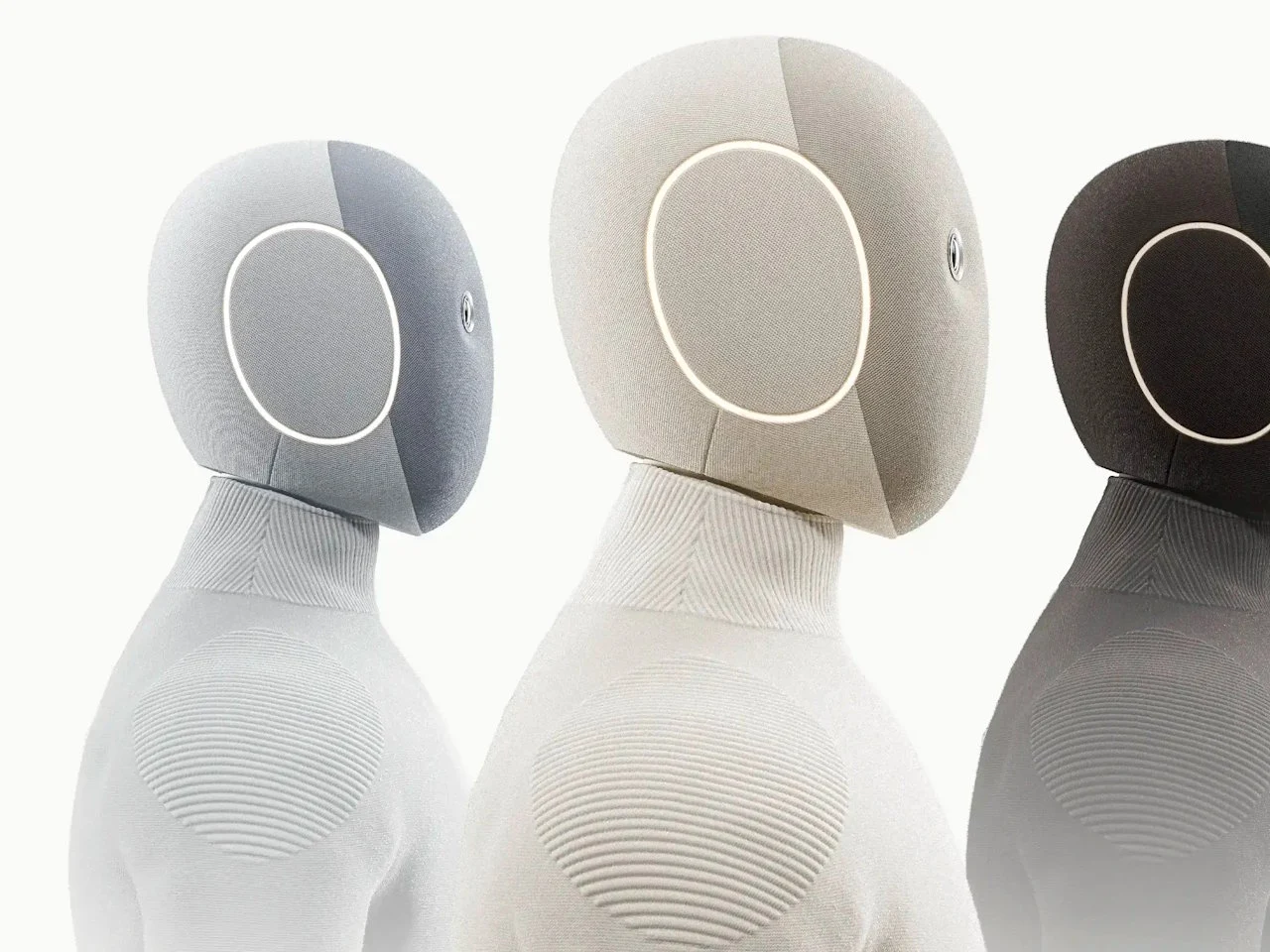
1X has started taking pre-orders for its NEO humanoid AI home robot, bringing a sigh of relief to overworked moms everywhere. This 5-foot 6-inch (1.68 m) robot was introduced in 2024.
Innovative Design and Safety
The robot features the Tendon Drive, a unique movement system that combines tendon-based transmission with high-torque motors. Its body is shielded with a layer of 3D polymer padding and is dressed in a turtleneck, which enhances safety for those nearby, as stated by the company.
With its robust motors, NEO can transport laundry to the washing machine and food to the refrigerator, handling weights up to 55 pounds (24.95 kg) while producing a quiet 22 dB of motor noise, according to 1X. It is equipped with two 8 MP cameras, four 360-degree microphones, and three speakers, allowing it to see, hear, and communicate with its owners.
Advanced AI Capabilities
Thanks to the Nvidia Jetson Thor platform, the AI robot can remember all conversations and access the internet for answers. NEO can chat with its owners, perform routine household tasks like laundry and kitchen cleaning, and, with the help of human experts from 1X, learn to tackle chores it hasn’t been programmed for yet.
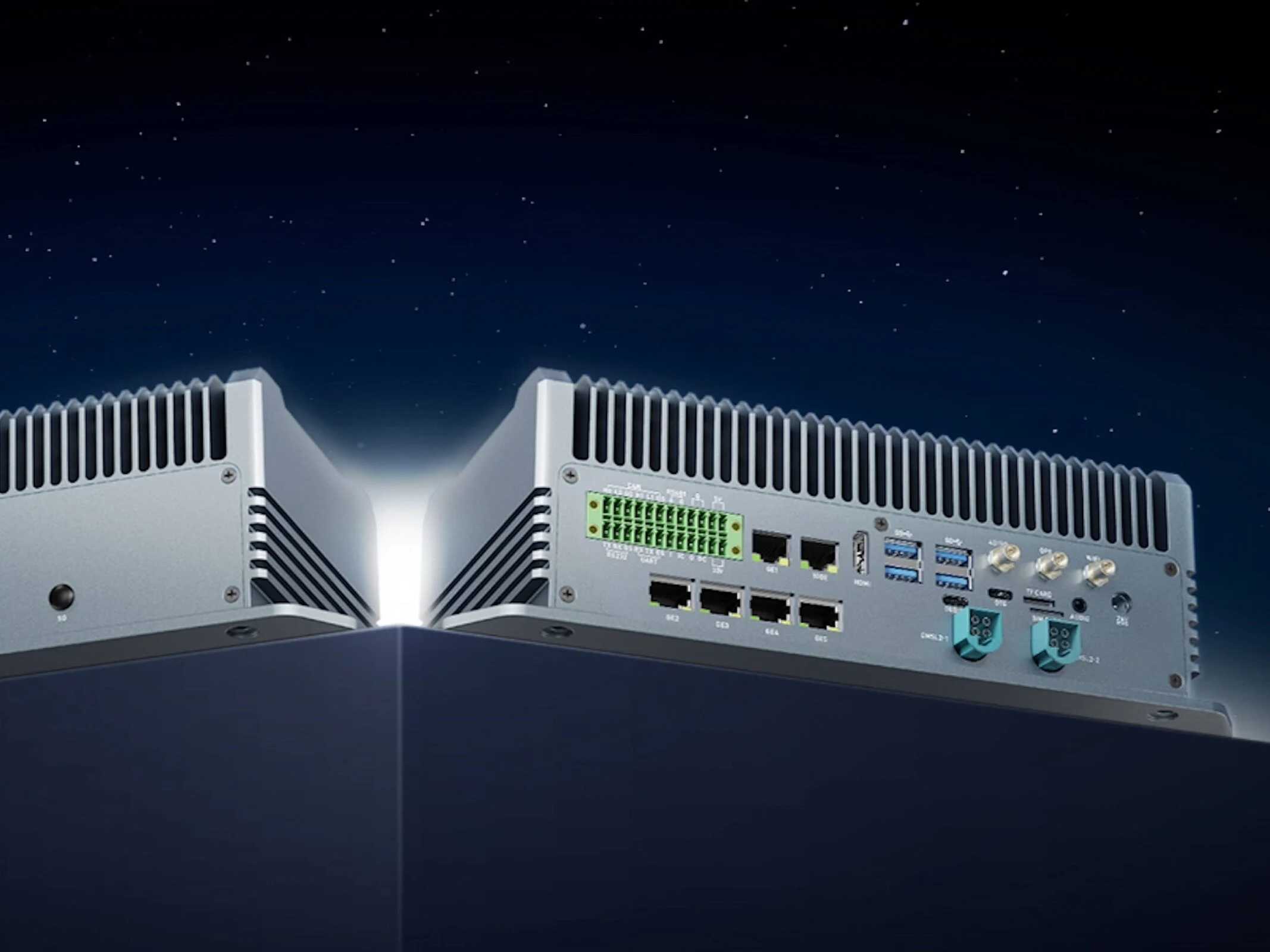
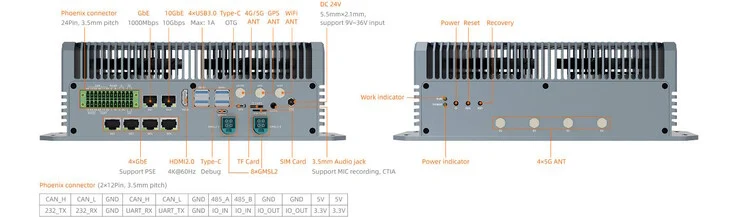
Weighing 66 pounds (29.94 kg), the NEO robot can navigate around the house to autonomously manage chores, utilizing hands that offer 22 degrees of freedom. Its 5G wireless connection enables it to function both indoors and outdoors in dry conditions. The humanoid operates for up to four hours on its internal 0.75 kWh battery pack, and it automatically returns to its dock for charging when the battery is running low.
Pre-Order Details
The 1X NEO humanoid AI home robot is available for pre-order with a deposit of $200. Prospective buyers can opt for a one-time payment of $20,000 or a monthly subscription of $499. Deliveries are expected to begin in 2026.
NEO is not fully autonomous yet, unlike the robots depicted in Isaac Asimov’s I, Robot, so those concerned about a Terminator-like scenario in their homes can be at ease…for now.
Source:
Link