Tag: AI integration

  • Google Gemini App Now Available for macOS Users

    Google Gemini App Now Available for macOS Users

    Key Takeaway

    1. Google has introduced a new native Gemini app for macOS, offering quick access via the dock and screen sharing capabilities.
    2. The Gemini app provides enhanced integration with the operating system, including quick sharing shortcuts and the ability to share local files and windows for instant analysis.
    3. Google launched a separate AI-enhanced Google app for Windows, focusing on quick search responses and AI-powered assistance, signaling a push for desktop AI tools.

    Google Improves Gemini for macOS Users

    Today Google has upgraded its Gemini experience especially for macOS users, introducing a new native app that makes it way easier to access Gemini straight from your desktop dock. This new app provides quick access and even features screen sharing capabilities directly within the tool, which is pretty useful for multitasking or getting quick help.

    Enhanced Features for Better User Experience

    The main benefit of the new app is it supports sharing your whole screen or specific windows with Gemini. This means if you’re looking at a complex graph or chart, you can easily share your window and ask questions like, “What are the top three insights here?”, for instant summaries. The integration enhances your work flow, especially for creative editing or analyzing data.

    Deeper OS Integration

    What makes Gemini stand out from just using it on the web, is how well it works with macOS. For example, users can activate sharing by pressing Option + Space to immediately share a window with the AI. This allows for quick, efficient querying without leaving your current apps, making the whole process more seamless and efficient.

    Availability and Compatibility

    Gemini’s native app is accessible for all Mac users with macOS 15 and higher. Google’s pushing to make its AI tools more user-friendly on desktops shows with this new launch, emphasizing quick accessibility. For Windows users, Google released a different app similar to Spotlight search, designed for fast responses and also featuring AI Mode for more involved searches.

    Windows App with AI Integration

    The Windows app, unlike Gemini, emphasizes speedy search interactions and provides helpful answers powered by AI, including links to relevant web pages. It supports all Windows 10 and newer systems, illustrating Google’s commitment to making AI tools more mainstream across platforms.

    Conclusion: Google’s Desktop Focus

    It’s clear that Google recognizes a significant section of users still prefer desktops for their work, despite the popularity of smartphones. By releasing these new AI-enhanced desktop apps, Google hopes to make using AI more natural and as accessible as a single tap, encouraging more people to integrate these tools into their daily routines.

    Sources
  • Google Expands Gemini Personal Intelligence Service to India

    Google Expands Gemini Personal Intelligence Service to India

    Key Takeaway

    1. Google is launching Personal Intelligence for Google Gemini in India, enabling deeper integration with personal data from Google services.
    2. The feature helps Gemini provide context-aware suggestions by drawing from data across Gmail, Photos, YouTube, and Search.
    3. Google assures user data privacy by training on limited information and not directly on personal content like Gmail inboxes or Photos library.
    4. The goal is to make Gemini more integrated and proactive, with plans for broader international expansion in the future.

    Google is bringing Personal Intelligence to Gemini in India

    In a exciting move, Google announced it will be launching Personal Intelligence for their Gemini AI in India. This sneaky feature basically makes the AI get super personal, tapping into your own data from services like Gmail, Photos, YouTube, and Search. This allows the AI to offer suggestions that are more tailored to your specific activities and interests. Today, subscribers of select Google AI plans in India can start using this way to make their AI interactions more useful and personalized.

    What Exactly is Personal Intelligence?

    This cool add-on of Google Gemini allows the AI to merge info from multiple Google services all at once. For example, if you’re planning a trip to Jaipur, Gemini can look at your email to find your flight or hotel booking info, look at your Photos for any related pictures, and even suggest restaurants based on videos or searches you’ve seen on YouTube. Instead of being just a search engine, it becomes more like a personal assistant that knows what you need before you ask.

    Availability and Privacy Concerns

    The rollout in India closely follows the initial launch for U.S. users last January. The feature is being offered to Google AI Pro and AI Pro Ultra subscribers across both countries. Although Google has all your data, they reassure users that this won’t be used to directly train the AI on your personal stuff like Gmail or Photos. Instead, they say they only use limited info, such as prompts and responses, to help Gemini get better over time. Privacy conscious users can feel safe knowing their data is not directly exploited for AI training.

    Future Plans for Gemini

    Google is working hard to make Gemini feel more like an integrated part of your daily tech life, not just some app you visit when needed. Features like Personal Intelligence, the development of agentic capabilities for smartphones, and a shiny new “Your Day” feed are all hinting at a future where Gemini works quietly in the background, actively assisting you without annoying pop-ups. Though access is currently limited, Google has plans to roll out these services to additional countries soon, aiming for broader reach in the future.

    Sources
  • LG TVs Introduce Unrequested Microsoft Copilot App Feature

    LG TVs Introduce Unrequested Microsoft Copilot App Feature

    Key Takeaways

    1. Major tech companies are rapidly integrating AI features into products, even when not necessary.
    2. LG TV users are frustrated with the new Microsoft Copilot app that cannot be fully uninstalled.
    3. The integration of Copilot in LG TVs was anticipated but lacks clear benefits for users.
    4. Competitors like Samsung are also adopting Microsoft’s AI assistant in their products.
    5. LG already offers its own AI services, raising questions about the motivation for integrating a rival AI.


    There has been a significant trend towards integrating AI into various products in recent years, with major technology companies racing to incorporate AI features into items that previously functioned perfectly well without them. Search engines are now focused on AI-generated summaries, smartphone makers are making vague claims about on-device intelligence, and Microsoft has even launched a new series of PCs featuring a special AI key. Just when it felt like your living room was safe from the buzz around generative AI, LG has begun incorporating Microsoft’s Copilot AI into its smart TVs.

    Unwanted Features

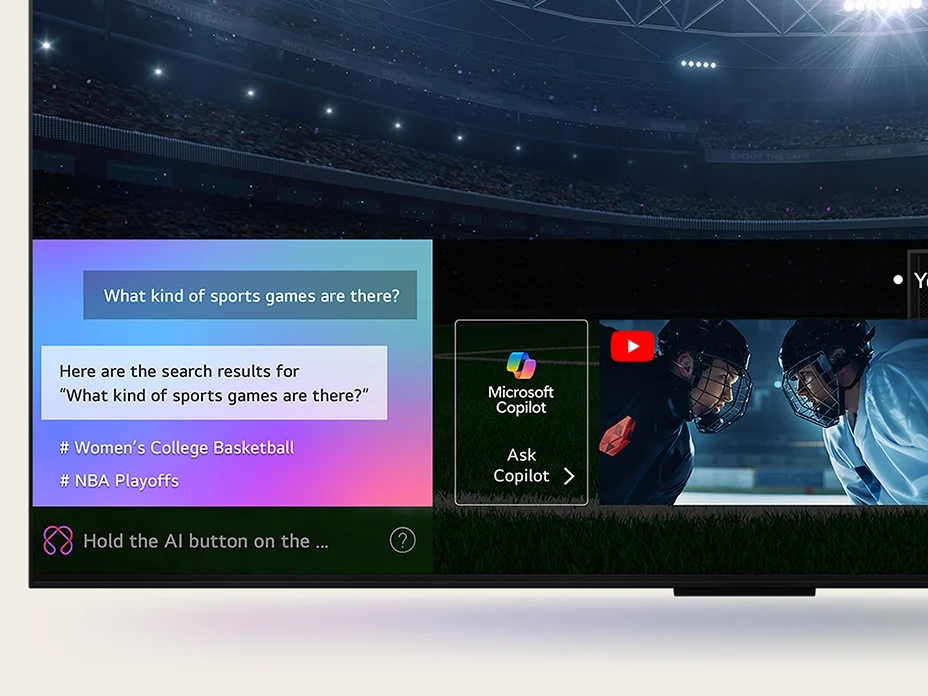
    According to several LG TV users, a recent update to WebOS has added a Microsoft Copilot app to the homescreen. Similar to other preinstalled system apps, this one can’t be fully deleted or uninstalled, leaving users with the option to only hide it. Many LG TV owners took to Reddit to express their annoyance, with a post in r/mildlyinfuriating receiving over 35,000 upvotes and numerous comments criticizing LG for adding yet another unnecessary app to an already cluttered smart TV interface.

    Expectations vs. Reality

    This development was somewhat anticipated. LG had announced at CES 2025 in January that it would integrate Microsoft Copilot, but they didn’t elaborate on how this would function or benefit users, only vaguely mentioning that it would help them “efficiently find and organize complex information using contextual cues.”

    Competitors Join the AI Craze

    LG isn’t alone in adopting Copilot; Samsung has already integrated Microsoft’s AI assistant into its 2025 TV models, which includes Micro RGB, OLED, The Frame Pro, and The Frame series, along with the M7, M8, and M9 monitors.

    Currently, the Copilot app on LG TVs offers limited functionality, mainly directing users to the web version of Copilot. The anticipated deeper integration that would provide context-aware recommendations has yet to materialize, and users were not particularly asking for it in the first place. It’s likely that this will continue to be the case.

    LG’s Own AI Services

    LG already has a range of its own AI offerings, such as an AI chatbot, AI Voice ID, and AI Concierge, which makes it seem unlikely that they would prioritize a rival AI service over their own. This situation raises questions about the motivation behind this integration, suggesting that it might be aimed at boosting Microsoft’s growth metrics through undisclosed agreements.

    Source:
    Link


  • EA’s AI Initiative Fails as Developers Address Cleanup Issues

    EA’s AI Initiative Fails as Developers Address Cleanup Issues

    Key Takeaways

    1. EA’s acquisition and AI strategy aim to reduce staff through stronger AI integrations.
    2. The internal AI chatbot, ReefGPT, struggles with coding and creates errors, causing tension between developers and management.
    3. Developers spend significant time fixing issues caused by the AI, leading to increased costs for the company.
    4. EA’s aggressive push for AI raises concerns about the potential replacement of human workers.
    5. The company faced backlash for using voice actors and game artists to train AI technologies.


    Following the $55 billion acquisition of EA, the company has been looking into stronger AI integrations to cut down on staff. Last year, they introduced an internal generative chatbot called ReefGPT, which can convert text into real-time visuals. However, it seems this AI strategy isn’t panning out as EA has to allocate more resources to fix the problems caused by the AI.

    Issues Between Developers and Management

    According to a report from Business Insider that is behind a paywall, Tweaktown mentions there is tension between EA’s developers and its management. It turns out that ReefGPT isn’t very good at writing code and is making errors that create problems for the developers. Some sources have gone as far as to say it generates “hallucinations” which the developers must correct by hand.

    Time Wasted on Fixing AI Problems

    Because this corrective work needs to happen immediately, employees are forced to spend their time monitoring these trial AI tools. Reportedly, this is leading to higher costs for the company instead of reducing expenses.

    AI’s Goal of Replacing Human Workers

    Even more worrying is that this scenario is just training the AI to improve, bringing it closer to its main goal of taking over the jobs of human developers. The report states that EA has been pushing the use of AI aggressively, and they faced backlash earlier this year for having voice actors help train voice generation technology. The same situation applied to game artists, as highlighted in a Financial Times article from earlier this year.


  • Microsoft Shifts Focus to AI Agents Amid Mass Layoffs

    Microsoft Shifts Focus to AI Agents Amid Mass Layoffs

    Key Takeaways

    1. Microsoft is laying off 9,000 workers across various departments, framed as organizational adjustments.
    2. CEO Satya Nadella revealed that about 30% of Microsoft’s code is now generated by AI, indicating a push for AI integration.
    3. There are concerns about employee morale, with some expressing frustration over job cuts despite the company’s profitability.
    4. The memo from management suggested that the layoffs aim to increase “agility and effectiveness,” hinting at a potential replacement of human roles with AI.
    5. While Microsoft has not officially linked AI agents to the layoffs, the trend of using AI in development is evident in projects and internal initiatives.


    Microsoft is currently undergoing another significant wave of layoffs, letting go of 9,000 workers across different departments. Although the company’s leadership refers to these layoffs as organizational adjustments, a recent report from a developer familiar with the situation suggests that Microsoft aims to substitute its human employees with artificial intelligence.

    AI Integration on the Rise

    At the LlamaCon AI developer event held by Meta in May, Microsoft CEO Satya Nadella noted that around 30% of the code produced by the company is now generated by AI. It appears that Microsoft is accelerating its AI integration efforts, which may be linked to the recent job cuts. An Engadget report quotes a developer at Microsoft, who received a memo from Phil Spencer but was not among those laid off, indicating that management is “trying their hardest to replace as many jobs as they can with AI agents.”

    Concerns About Employee Morale

    While the report didn’t go into much detail about this assertion, the memo did mention “increase agility and effectiveness” as one of the reasons for the layoffs. If AI agents are properly utilized, they have the potential to greatly streamline various processes, lending credibility to the developer’s claim that Microsoft is striving to replace human roles with AI technology. This trend isn’t isolated, as even Amazon has recently communicated to its staff that AI agents will take over certain human job functions.

    The developer also expressed frustration over the memo and the overall state of development at Microsoft. “I’m personally really angry that Phil’s email to us highlighted that this was the most profitable year ever for Xbox while also announcing layoffs. I wasn’t clear on what part of that I was meant to feel proud about,” the developer reportedly told Engadget. They further mentioned that employees are dissatisfied with the product quality and that there’s a lot of motivational talk being used to boost morale.

    The Future of AI at Microsoft

    It’s important to highlight that Microsoft has not directly connected AI agents to the layoffs. However, given the prevalence of AI-generated code, the use of generative AI in projects like Call of Duty: Black Ops 6, and other internal AI initiatives, it seems that AI agents are a key objective for the company.

    Source:
    Link

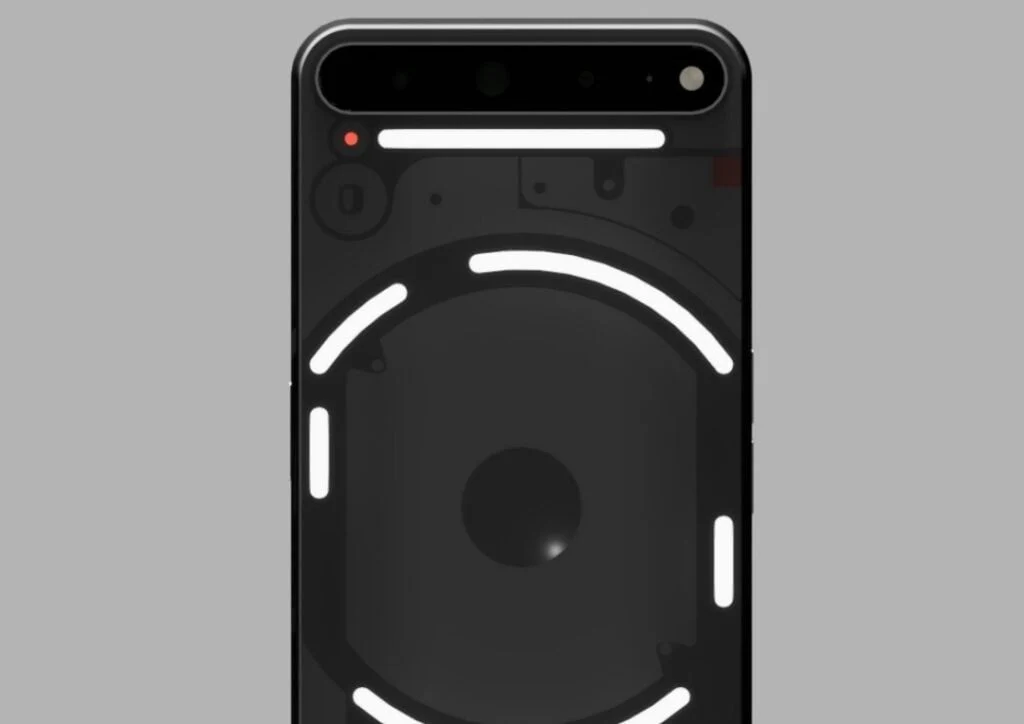
  • Leaked Email Unveils Nothing’s Plans for Phone (3) and Landmark

    Leaked Email Unveils Nothing’s Plans for Phone (3) and Landmark

    Nothing, the tech company led by Carl Pei, has been mostly quiet since it introduced the Phone (2) back in July 2023. Recently, tipster Evan Blass shared an internal email from the company’s CEO addressed to its staff. This email outlines the company’s ambitious plans for 2025, which include launching two new smartphones – the Nothing Phone (3) and another device referred to as “landmark.”

    Plans for 2025

    The email confirms that the Nothing Phone (3) is in development and set to be launched soon, promising to introduce “breakthrough innovations in user interface.” The CEO mentioned that the Phone (3) will be a significant advancement in incorporating AI into their ecosystem, a topic he discussed in an interview last year.

    A Bold Future Ahead

    “2025 will be by far our biggest year yet,” Pei stated in his email. He emphasized the goal of transforming the user experience with personal computing devices, aiming to create tech that understands you and simplifies your life, being available wherever you are.

    However, there’s more to it. The email also hints at a “landmark” smartphone, expected to debut in the first quarter of 2025. There are rumors it might be a budget-friendly device, or perhaps a CMF product.

    More Devices on the Horizon

    In addition to the Phone (3), reports suggest that Nothing is working on several devices. A new Phone model, known as NT04, has appeared on the BIS listing, indicating a potential launch in India soon. According to UL Demko certification, this model will have a battery pack of 4,290 mAh, which is considerably less than the 5,000 mAh cells found in the Phone (2a) and Phone (2a) Plus.

    Regarding the Nothing Phone (3), it is expected to feature a telephoto camera. Both devices are likely to utilize the Snapdragon 7s Gen 3 SoC with eSIM support, and the pricing might remain around Rs 30,000, similar to their earlier models.

    With a focus on AI integration, unique designs, and user-friendly features, Nothing is gearing up to make 2025 a groundbreaking year in the tech world.

    Source:
    Link

  • Meizu 22 Series Launching Next Year with Snapdragon 8 Elite

    Meizu 22 Series Launching Next Year with Snapdragon 8 Elite

    In a twist that caught many off guard, Meizu, which was once a significant player in the smartphone market, is preparing to make a comeback with the eagerly awaited Meizu 22 series. This announcement follows a time of doubt, as the company had previously suggested it might stop making traditional smartphones.

    Details on the Meizu 22 Series

    Earlier this year, a reliable source, Digital Chat Station, indicated that Meizu was in the works for the Meizu 22 series, though not much information was available except for a rough launch timeline. Recently, another well-known source, Smart Pikachu, disclosed that the Meizu 22 series will probably utilize Qualcomm’s new Snapdragon 8 Elite chipset. Additionally, the devices are rumored to showcase a white panel design, similar to their earlier models.

    Two Models in the Works

    The tipster also mentioned that Meizu plans to introduce two different models in this series: one with a compact screen for users who like smaller devices, and another featuring a larger, flat screen. Both models are expected to come with improved in-car connectivity through Flyme Auto, reflecting Meizu’s comprehensive “All In AI” strategy, which aims to weave artificial intelligence more thoroughly into the user experience. Moreover, Meizu is experimenting with an AI button that could be added to the devices, introducing new interactions and features.

    Focus on Photography and Display

    Meizu has historically been strong in design and performance, yet it has received some backlash regarding its camera technology. In response, the company is reportedly investigating cutting-edge imaging technologies and software enhancements to improve the photography experience. The display is also a vital factor for the Meizu 22 series. Speculations indicate that the line will include high-quality Chinese OLED panels, with the standard model expected to deliver a 1.5K resolution, while the Pro version is set to offer a 2K resolution.

    Additional Features and Previous Launches

    The smartphones are predicted to incorporate domestically made ultrasonic fingerprint sensors, and the company is said to be testing high-capacity batteries, possibly exceeding 5500mAh. To recall, Meizu introduced its Meizu 21 series in 2023, followed by other models in 2024, such as the Meizu 21 Pro in February and the Meizu 21 Note in May. The Meizu 21 Pro features a 6.79″ 2K+ 120Hz LTPO AMOLED display, Snapdragon 8 Gen 3 chipset, 50MP triple camera setup, a 5050mAh battery with 80W wired and 50W wireless charging, IP68 rating, and up to 16GB RAM with 1TB storage.79″ 2K+ 120Hz LTPO AMOLED display

    In September 2024, Meizu also launched the Note 21 series and the Lucky 08. The Meizu 22 series is expected to debut sometime in 2025.


    Image 1
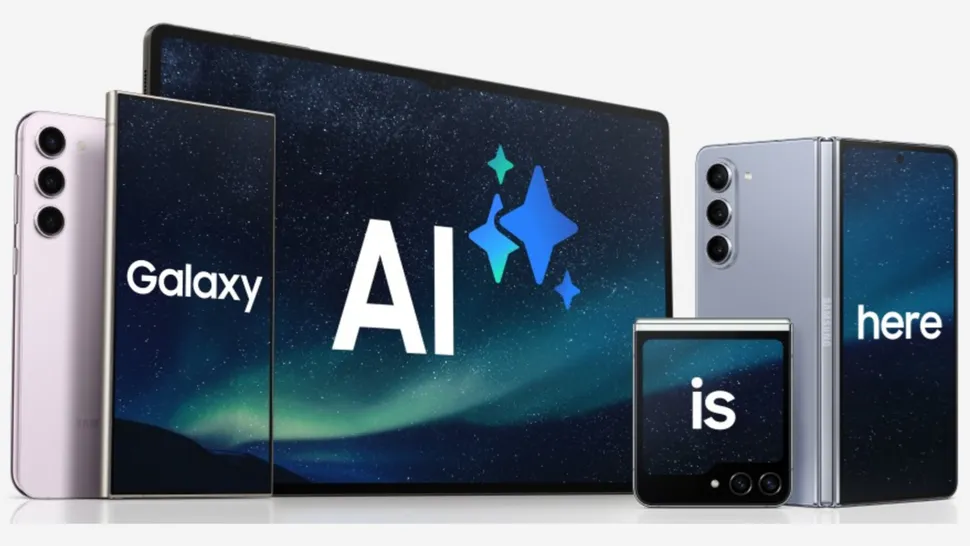
  • Samsung to Replace ‘Settings’ App with AI Feature

    Samsung to Replace ‘Settings’ App with AI Feature

    The present movement of bringing AI into smartphones began with simple tasks like text summarization, but it’s advancing rapidly. According to ETNews, a South Korean news outlet, Samsung is developing an AI-driven system that could completely replace the ‘Settings’ app on its Galaxy smartphones.

    Predictive Technology

    This new system aims to anticipate user needs by analyzing real-time interactions. By doing this, it can help users make adjustments quickly without having to delve into the app itself.

    A Growing Trend

    While this may sound a bit like science fiction, many smartphone manufacturers have been heading in this direction for the past few years. For example, smartphones now have cameras that change their image processing based on what they detect—be it a document, landscape, or person. The AI on the device identifies the type of scene you want to capture and automatically makes adjustments.

    There are numerous applications of AI in various apps and user interfaces designed to simplify tasks for users. Samsung, in particular, is working to further elevate the user experience through a deeper integration of AI in its OneUI interface. This latest development aligns with their main strategy.

    Samsung’s Bixby

    AI-enabled voice assistants have been a part of smartphones for quite some time now, yet their capabilities remain quite basic. These smart assistants can help with simpler tasks, like setting alarms, but they often lack comprehensive control over the device. It remains to be seen if this new development will offer a more advanced AI that can handle complex tasks independently.

    Current AI Features in Galaxy Devices

    Samsung’s Galaxy AI currently comes with a range of useful features, such as easier photo editing and facilitating conversations between people who speak different languages. The enhanced "ProVisual Engine" supports the camera, enabling it to produce clearer and more stable images, even in poor lighting.

    Additionally, the AI-powered Note Assist feature streamlines the process of taking notes and retrieving information. While these AI features do save time, their usage is still confined to certain apps and areas of the user interface. Nevertheless, Samsung’s ongoing work could enhance accessibility, leading to a significant improvement in the overall user experience.


    Image 1
  • Why Qualcomm Snapdragon X Plus 8-Core Transforms Budget Laptops

    Why Qualcomm Snapdragon X Plus 8-Core Transforms Budget Laptops

    Qualcomm's Snapdragon X Elite processors have been a formidable competitor to Apple in terms of laptop performance, AI capabilities, and battery longevity.

    At the IFA 2024 event, Qualcomm is now shifting focus towards cost-effectiveness with the introduction of the Snapdragon X Plus. This budget-friendly variant aims to make AI-driven laptops more accessible, with potential starting prices as low as $700.

    Before you consider making a purchase, let's delve into the details and implications for your upcoming laptop decision.

    The X1P Chip Variants

    The new processors are available in two versions: the X1P-46-100 and the X1P-42-100. The X1P-46-100 can reach a CPU speed of 4.0 GHz for single-core tasks, with a GPU performance of 2.1 TFLOPS (compared to 3.8 TFLOPS for the 10-core X Plus and 4.6 for the higher-end Snapdragon X Elite models). In contrast, the X1P-42-100 boosts to 3.4 GHz and has a 1.7 TFLOPS GPU. Despite these differences, all Qualcomm NPUs offer 45 trillion operations per second (TOPS), similar to the Snapdragon X Elite. Laptops utilizing these chips will feature the Copilot+ label.

    Here are the specifications for the Snapdragon X Plus (X1P-42-100):

    • Cores: 8
    • Frequency (max): 3.4 GHz
    • Memory bandwidth: 135 GB/s
    • Cache (total): 30 MB

    Microsoft indicates that laptops powered by these new Qualcomm chips will handle more generative AI and machine learning tasks locally, reducing reliance on cloud services. Even if AI isn't your primary interest, the Copilot+ PC label offers benefits. Every laptop with this label includes at least 16GB of RAM and 256GB of solid-state storage, enhancing functionality for web browsing and general computing tasks.

    Understanding the Performance

    While these chips may not set new performance records, they are expected to handle everyday tasks like browsing, document editing, and streaming effectively.

    For example, Tom's Guide tested the Asus Vivo S 15 equipped with Qualcomm's X Plus chips. Here’s how they stack up against the Apple M3 MacBook Air in Geekbench 6:

    Chip Geekbench 6 Single-Core Geekbench 6 Multi-Core
    Snapdragon X Plus 8-core (X1P-46-100) 2780-2813 11713-12001
    Snapdragon X Plus 8-core (X1P-42-100) 2385-2445 11027-11530
    Apple M3 MacBook Air 3082 12087

    As evident, both single-core and multi-core performance lag behind Apple's offerings. The same trend is observed in graphics, with the X1P-46-100 achieving approximately 26 FPS in the demanding WildLife Extreme Vulkan benchmark.

    3D Mark Wildlife Extreme FPS
    Snapdragon X Plus (X1P-46-100) 41
    Snapdragon X Elite (X1E-80-100) 36
    Apple M3 45

    The upside? This reduced performance could potentially result in extended battery life. While official figures are not yet available, these chips might power laptops for longer durations due to lower processing demands.

    Manufacturers and Availability

    Several manufacturers have embraced the new chip announcement. Asus offers a Vivobook S 15 featuring the 8-core X Plus for $899—a significant reduction from its 12-core X Elite counterpart, priced at $1,300. Similarly, Dell's Inspiron 14 is priced at $899 with this new chip.

    Expect additional announcements from Acer, HP, Lenovo, and Samsung. Rumors suggest the $999 Acer Swift Go 14 AI and a new 15-inch Samsung Galaxy Book4 Edge will debut in October.

    Although these budget-friendly Snapdragon X Plus laptops may take time to arrive in stores, their price points provide a clear expectation.

    Is the X Plus Right for You?

    So, who should consider a laptop with the new Snapdragon X Plus chip? Here’s a quick guide:

    • Budget-Conscious Buyers: If you're seeking an AI-powered laptop experience without a hefty price tag, starting prices around $700 are significantly lower than current alternatives.
    • Battery Life Enthusiasts: If extended battery life in a Windows device is your priority, these chips could be appealing, especially if manufacturers design for efficient power use.

    Conclusion

    The Snapdragon X Plus 8-core presents an intriguing choice, blending affordability with AI integration for daily tasks. However, its performance falls short when compared to top-tier options.

    The critical factor will be real-world application performance and how manufacturers incorporate these chips into their laptops. If cost-effectiveness and battery life are your priorities and you don't require high-demand performance, the X Plus could be a worthy contender.

    On the other hand, if top-notch performance is crucial, consider higher-end Qualcomm models or established brands like Apple.

  • Dangbei D6X Projectors: Integrated Gimbal, 6.95″ AI Display

    Dangbei D6X Projectors: Integrated Gimbal, 6.95″ AI Display

    Dangbei recently introduced their D6X series projectors in China, featuring integrated gimbal capabilities and AI dynamic screen functions.

    The D6X series includes two models – D6X Pro and standard. Both projectors deliver Full HD (1080p), but their brightness levels differ; for instance, while Pro utilizes an ALPD laser light source of up to 1200 CVIA brightness, standard models utilize tricolor laser light sources that reach only up to 720 CVIA brightness levels.

    Price and Availability

    The Dangbei D6X Pro can be preordered now with shipping beginning on April 27th – preorders have already opened for both models!

    Innovative Features

    The D6X series comes equipped with an innovative gimbal platform designed for smooth movement and automatic adjustments, including real-time keystone correction, obstacle avoidance, auto focus adjustment and screen entry via AI visual algorithms. Furthermore, this versatile camera boasts 225deg pitch adjustment range for versatile placement without compromise image quality.

    D6X series projectors boast an AI dynamic screen measuring 6.95-inches in diagonal size that introduces an unprecedented level of interactivity to users. Users can control the projector using gestures like swiping up, down, left, or right while also serving as customizable clock, lyrics board, time album gallery and artwork gallery; in real-time music streaming as well as weather/news updates are provided via real time streaming capabilities.

    Increased Functionality

    For increased user interactivity, the D6X series introduces its Magic Touch function allowing users to control the projector with touch capabilities similar to that found on laptop touchpads or smartphone touchscreens.

    Projectors equipped with MediaTek MT9669 chipset and 32GB storage and 3GB RAM run Dangbei OS 4.1, featuring card-based design as the main interface and multi-user mode/multitasking/quick life features for customized shortcut scenes.

    The D6X Pro projector features a 0.33-inch DMD chip and supports ALPD laser technology for brighter pictures, as well as built-in speaker system featuring Dolby Audio support. In addition, HDR/HLG decoding, MEMC motion compensation and far-field voice control capabilities as well as multiple interfaces such as HDMI, USB, and eARC are provided as part of its features.

    Outdoor use is made simpler with the D6X series’ outdoor mode enabled by an adaptor cable for power bank use and its 45W PD power source.