
Tag: AI integration

  • AI and Traditional Chinese Medicine: Data Model Learns from Ancient Chinese Texts

    AI and Traditional Chinese Medicine: Data Model Learns from Ancient Chinese Texts

    The realm of traditional Chinese medicine (TCM) could be on the cusp of a significant transformation with the integration of AI technology. The Haihe Qibo model, named after a renowned TCM doctor and Tianjin's iconic river, has completed successful testing and is now eyeing global markets. This model symbolizes a crucial link between age-old practices and cutting-edge innovations.

    Multilingual Capabilities and Data Foundation

    Haihe Qibo distinguishes itself with its multilingual functionality, a feature previously absent in major TCM data models. This enhancement not only broadens its reach to a global audience but also facilitates wider adoption. Moreover, the model is backed by a substantial data repository, drawing from extensive resources such as Chinese text databases, specialized TCM knowledge, and historical medical archives. This wealth of data enables precise and dependable AI-driven TCM analyses.

    AI in Healthcare: Enhanced Diagnoses and Drug Development

    The potential applications of Haihe Qibo are vast. Local healthcare services can leverage its capabilities for more accurate diagnoses, ultimately improving patient care. Pharmaceutical firms stand to benefit by using the model to scrutinize TCM components and mechanisms, potentially catalyzing advancements in new drug research. The model's monitoring and regulation features also offer advantages in quality control of TCM products.

    Future Prospects and Global Deployment

    Initial deployment focus will center on China and Southeast Asia, regions deeply rooted in TCM traditions. This targeted approach allows for further enhancements based on practical experiences in established markets. Nevertheless, experts foresee broader implications beyond these initial stages. The fusion of AI and TCM is anticipated to revolutionize the sector, enhancing product quality, fostering innovation, and rejuvenating traditional knowledge systems.

    The Haihe Qibo model signifies a promising stride towards harmonizing ancient wisdom with contemporary technological breakthroughs. With its potential to elevate diagnostics, drug innovation, and product quality, this model could significantly influence the future landscape of traditional Chinese medicine. The recent deployment serves as a prelude to even grander possibilities that lie ahead.
  • Samsung Unveils 2024 Micro LED TV Range: Prices from 650K to 1.25M Yuan

    Samsung Unveils 2024 Micro LED TV Range: Prices from 650K to 1.25M Yuan

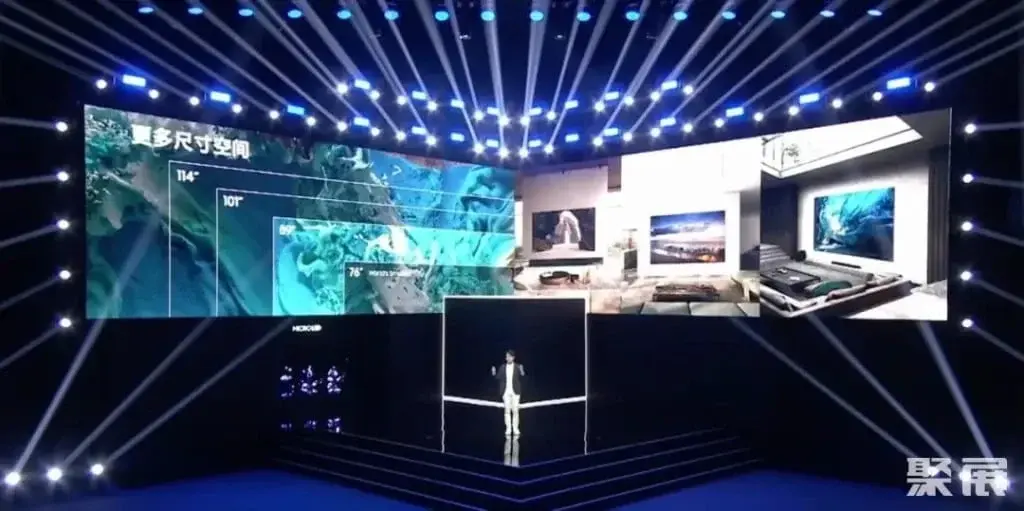
    Yesterday, Samsung unveiled its latest range of TVs – Micro LED, Neo QLED, and OLED – during a product launch event in China. This launch, much like others by Samsung, centered on AI technologies. The 2024 Micro LED lineup offers TVs in four sizes: 76/89/101/114 inches, with this year's new additions being the 76-inch and 114-inch variants.

    Micro LED Panels Enhanced with AI Features

    The TVs in this year's lineup boast Micro LED panels constructed from sapphire and inorganic self-luminous pixels. They incorporate "Micro contrast technology" to enhance sharpness by eliminating blurry boundaries, along with "Micro color" providing precision control with 65,536 levels.

    Advanced Audio and Video Capabilities

    These TVs feature OTS Pro audio and video tracking technology, supporting a built-in 6.2.2 channel setup with Dolby Atmos for a 3D full surround sound experience. The inclusion of a "Q Symphony" function enables synchronized sound between the TV and sound bars, powered by the "NQ8 AI Gen 3" processor for upscaling and AI enhancements.

    Samsung's Focus on AI Integration

    Samsung is looking to usher in an "AI Screen Era" with these innovations, offering features such as 8K AI Upscaling Pro and AI Motion Enhancer for an improved user experience. During the launch, the company emphasized creating a more intuitive and convenient device experience.

    Choi Seung-sik, President of Samsung Electronics Greater China, highlighted the company's commitment to integrating AI across various connected technologies. He stated, "Samsung is integrating AI into our connected technologies, from Galaxy AI in mobile devices to disruptive display technologies and smart home appliances."

    Pricing:

    • 76 inches: RMB 650,000 (~US$90,299)
    • 89 inches: RMB 750,000 (~US$104,191)
    • 101 inches: RMB 900,000 (~US$125,030)
    • 114 inches: RMB 1.25 million (~US$173,650)
  • OPPO and OnePlus Predict AI-Focused Smartphones as Industry Trend

    OPPO and OnePlus Predict AI-Focused Smartphones as Industry Trend

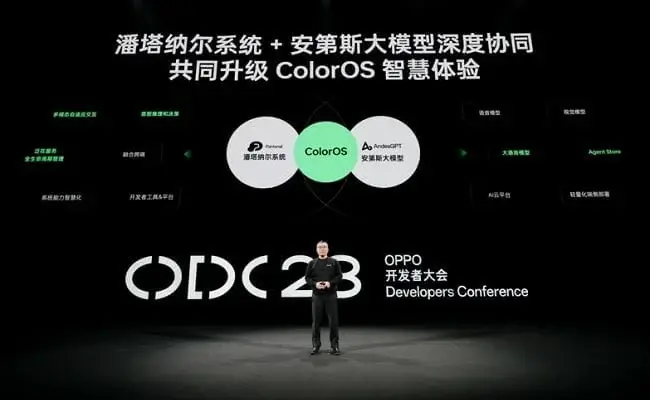
    Oppo and OnePlus recently introduced the AI-powered ColorOS New Year Edition update. Liu Zuohu, OPPO's Senior Vice President and OnePlus founder, discussed the increasing importance of AI in mobile phones during an internal meeting. He highlighted that AI integration is not just a trend but a crucial industry development, projecting that other companies would likely follow suit in the next three months. A video obtained from Sina Technology revealed Liu Zuohu's insights and OnePlus's recent progress.

    Oppo's Investment in OnePlus for AI Advancement

    Oppo has disclosed plans to invest 10 billion Yuan in OnePlus to drive its AI advancements. They unveiled a self-trained gen AI model in September last year. Liu Zuohu emphasized OnePlus's impressive growth rates, notably experiencing a 40% year-on-year growth at the start of 2024. This growth aligns with OPPO's strategic investment in OnePlus, as announced during a dual-brand era declaration in 2022. By committing to inject 10 billion Yuan exclusively into OnePlus over the next three years, OPPO intends to strengthen OnePlus's technological progress, expand its channels, and enhance services.

    Emphasis on AI Strategy and Future Developments

    OPPO has placed a significant focus on AI, evident from the establishment of an AI center and a dedicated AI strategy conference in 2024. The company has even applied for trademarks such as "AndesGPT" and "AndesAI" for a new AI assistant last year. Liu Zuohu underlined that AI integration will play a pivotal role in shaping the future of mobile devices. Despite varying opinions in the industry regarding the practical importance of AI in smartphones, Liu Zuohu remains resolute in his belief in its transformative power.

    Future Outlook and Core Strategies

    Addressing doubts surrounding AI-centric smartphones, Liu Zuohu drew comparisons with Apple's expansion beyond its core products, indicating that embracing AI is an inevitable progression. He confidently predicted that skeptics would eventually adopt AI within three months as the industry trend solidifies. Looking forward, Liu Zuohu reiterated OnePlus's core strategy centered on product excellence and user satisfaction. He emphasized the company's dedication to innovation, striving to disrupt the industry with every product launch. While performance growth is significant, the primary focus remains on delivering exceptional products that resonate with consumers.

  • HP Launches Largest AI PC Series: EliteBook, ProBook, ZBook Laptops

    HP Launches Largest AI PC Series: EliteBook, ProBook, ZBook Laptops

    HP has introduced its most recent range of business laptops, touting them as "the industry’s largest AI PC product series". The latest EliteBook, ProBook, and ZBook models are furnished with Intel Core Ultra or AMD Ryzen Pro series processors, along with dedicated NPUs that assist in achieving a balance between performance and efficiency.

    HP Smart Sense and AI-Driven Functions

    One notable feature is HP Smart Sense, which automatically adapts usage behavior to optimize performance and power consumption. Moreover, these laptops provide a variety of AI-powered functions such as Poly Studio, Dynamic Voice Leveling, AI noise reduction, and automatic framing.

    Overview of the New HP Laptops

    • HP EliteBook 630 G11 / EliteBook 640 G11 / EliteBook 660 G11: Incorporates a Core processor with optional RTX 2050 dedicated graphics. Set for release in April starting at 9,281 yuan (~US$1,291).
    • HP EliteBook 645 G11 / EliteBook 665 G11: Features the latest generation AMD processor. Expected to launch in April with a starting price of 8,633 yuan (~US$1,199).
    • HP Elite x360 830 G11 / EliteBook 830 G11 / EliteBook 840 G11 / EliteBook 860 G11: Equipped with a Core Ultra processor, debuting this month starting at 11,513 yuan (~US$1,601).
    • HP EliteBook 835 G11 / EliteBook 845 G11 / EliteBook 865 G11 (Zhan X Ryzen Edition): Driven by the latest generation AMD processors, slated for an April release with a starting price of 10,577 yuan (~US$1,471).
    • HP Elite x360 1040 G11 / EliteBook 1040 G11: Features a Core Ultra processor and a 14-inch 2.8K screen. Set to launch in April.
    • HP ProBook 440 G11 / HP ProBook 460 G11 (Zhan 66 Core Edition): Powered by a Core Ultra processor with optional RTX 2050 graphics, available in April starting at 6,833 yuan (~US$949).

    HP ZBook Lineup

    • HP ZBook Power G11 (Zhan 99): Comprising a Core Ultra/Ryzen 9 Pro processor and RTX 3000 Ada graphics, to be released in April.
    • HP ZBook Fury G11: Equipped with 13th/14th generation Core processor and RTX 5000 Ada discrete graphics card, available in April.
    • HP ZBook Studio G11 (Zhan 99 Studio) notebook: Features a Core Ultra processor with RTX 3000 Ada / RTX 4070 independent graphics card, set to launch in May.
    • HP ZBook Firefly G11 (Zhan X Core Edition): Powered by a Core Ultra / Ryzen 9 Pro 8945HS processor with optional RTX A500 graphics, also available in April.
  • MWC 2024: Honor Introduces Foldable Flip Phone & Smart Ring

    MWC 2024: Honor Introduces Foldable Flip Phone & Smart Ring

    Honor’s Diversification Plans Unveiled at Mobile World Congress 2024

    Honor is gearing up to venture into new product categories beyond conventional smartphones, marking a significant shift in its offerings. During an exclusive discussion with CNBC at the Mobile World Congress 2024 in Barcelona, George Zhao, the CEO of Honor, disclosed the brand’s intentions to introduce a vertical-folding style smartphone, possibly named Honor Magic Flip, alongside a smart ring. This strategic move by Honor signals its intent to compete with established players in the sector, such as Samsung.

    Honor Magic V2: A Glimpse into the Future of Flip Phones

    The forthcoming flip phone from Honor signifies the brand’s entry into the foldable category, particularly the flip foldable style popularized by industry giants like Samsung and Motorola. Zhao expressed confidence in the potential of foldable devices, emphasizing the company’s optimistic outlook for the market. While Honor already offers a range of foldable phones like the Honor Magic V2, which features a book-style design and generally comes at a higher price point.

    AI Integration: Shaping the Future of User Experience

    Central to Honor’s strategy is the integration of artificial intelligence (AI) into its devices. Zhao stressed the significance of AI in enhancing user interactions and experiences. By harnessing AI capabilities, Honor aims to predict user preferences and needs, demonstrated through features like predictive actions based on user behavior. At MWC, the company showcased AI-powered functions like eye-tracking technology on the Honor Magic 6 Pro and a chatbot powered by Meta’s Llama 2 AI model.

    While detailed hardware specifications remain undisclosed, earlier reports hinted at a possible configuration for the vertical folding device, including a dual-cell battery setup with a total capacity of 4,500mAh, potentially making it one of the flip phones with the largest battery capacity.

    Smart Rings: Pioneering AI-Driven Health Monitoring

    In addition to its smartphone innovations, Honor is diversifying its product range to include smart rings within its wearables segment. Unveiled at MWC 2024, the smart ring offering from Honor follows in the footsteps of Samsung’s Galaxy Ring debut. Zhao hinted at a seamless integration between Honor’s wearables and smartphones through a health app, envisioning effortless health monitoring enabled by AI technology.

    The integration of AI into health-centric devices opens up possibilities for personalized health insights and recommendations. Zhao highlighted AI’s transformative role in reshaping health applications, envisioning tailored training programs based on individual health data and habits. Through the smart ring, Honor aims to equip users with actionable insights derived from AI-driven analysis, complementing its existing lineup of wearables and smartphones.


    MWC 2024: Honor Introduces Foldable Flip Phone & Smart Ring
  • Google to Integrate Gemini into Android Phones by 2025

    Google to Integrate Gemini into Android Phones by 2025

    Google’s Integration of Advanced AI Models into Android Phones

    Google has revealed its strategy to integrate its sophisticated AI language models, dubbed Gemini, directly into Android smartphones by 2025. This decision follows the earlier launch of Gemini Nano, a scaled-down version of the AI model that relies on internet connectivity.

    Gemini Ultra: A Paradigm Shift in AI Integration

    Google’s Gemini Ultra stands out as a formidable model with a staggering 1.56 trillion parameters, placing it in the league of OpenAI’s GPT-4 in terms of language comprehension and generation capabilities. The integration of Gemini Ultra has the potential to usher in a host of innovative features and functionalities for Android users.

    AI and the Smartphone Market: A Potential Supercharge

    In a market where smartphone sales have hit a plateau, the industry is eyeing AI as a catalyst for innovation and renewed consumer interest, envisioning a potential “AI supercycle.” However, analysts remain cautious, citing that current advancements may not be compelling enough to drive widespread upgrades from existing devices.

    Google’s AI-Powered Initiatives

    Amidst varying industry sentiments, Google and other technology giants are channeling significant investments into AI-driven chatbots and virtual assistants. The transformation of Google’s Bard app into Gemini exemplifies this commitment. This move aligns with CEO Sundar Pichai’s vision of a unified AI agent seamlessly aiding users across the Google ecosystem.

    The forthcoming integration of advanced AI models into Android devices in 2025 marks a potential shift towards a more intelligent and personalized mobile experience. The extent of this transformation and its impact on users is yet to be fully unveiled.

  • MWC 2024: Oppo Introduces Air Glass 3 XR Smart Glasses with AndesGPT AI Assistant

    MWC 2024: Oppo Introduces Air Glass 3 XR Smart Glasses with AndesGPT AI Assistant

    MWC 2024 unveiled a game-changer from Oppo, introducing the Air Glass 3 XR, a revolutionary advancement in AI-integrated eyewear. This innovative product serves as the successor to the Air Glass 2 and is poised to redefine the way we interact with AI technology in our daily lives.

    Setting a New Standard

    Oppo's Air Glass 3 XR represents a significant leap forward in merging technology seamlessly into our routines. These lightweight glasses promise to offer a solution to the complexities often associated with integrating AI into our daily experiences.

    Advanced Features and Design

    The Air Glass 3 XR boasts a display with an impressive brightness level of up to 1000 nits. Weighing a mere 50 grams, this featherlight device is crafted for comfort, making it easy to wear for extended periods. The high-quality resin waveguide with a refractive index of 1.70 ensures a crystal-clear view, while the exceptional brightness capability enables optimal performance under varying lighting conditions. Beyond visual clarity, these glasses excel in providing a user-friendly interface for seamless interactions.

    Enhanced AI Integration

    Oppo has seamlessly integrated its AndesGPT AI assistant into the Air Glass 3, enabling users to engage with the device through voice commands and touch interactions. From controlling music playback and answering calls to accessing information and browsing through photos, users can effortlessly navigate the glasses with simple gestures or voice prompts. The inclusion of four strategically positioned microphones underscores Oppo's commitment to delivering superior audio quality, even in noisy surroundings.

    With competitors like Apple's Vision Pro leading the charge in the AR/VR eyewear market, companies like Oppo are seizing the opportunity to showcase their unique technological solutions. While past attempts, such as Google Glass, may not have gained widespread traction, evolving consumer preferences and technological advancements suggest a more promising landscape today. As iterations like Oppo's Air Glass 3 XR continue to refine and enhance user experiences, customer feedback will play a crucial role in shaping the future of such devices.

    For the latest updates on MWC 2024, stay tuned to Gizmochina's coverage.

    MWC 2024: Oppo Introduces Air Glass 3 XR Smart Glasses with AndesGPT AI Assistant

  • MWC 2024: Lenovo Reveals ThinkPad X12 Gen 2 Detachable Laptop

    MWC 2024: Lenovo Reveals ThinkPad X12 Gen 2 Detachable Laptop

    Unveiled at MWC 2024, Lenovo’s ThinkPad X12 Detachable Gen 2 aims to build upon the success of its predecessor with upgraded internals and AI features. The new iteration retains the familiar detachable design, allowing users to switch between laptop and tablet modes with ease.

    Upgraded Processor and AI Integration

    The most significant upgrade lies in the processor. The Gen 2 ditches the previous generation Intel chips in favor of the latest Core Ultra processors, promising improved performance for demanding tasks. Additionally, Microsoft’s Copilot, an AI assistant, makes its way to the ThinkPad X12 Detachable Gen 2 with a dedicated key for easy access. This integration aligns with Microsoft’s plans to include a Copilot button in future Windows laptops.

    Familiar Design Elements and Enhanced User Experience

    While the press release doesn’t reveal any significant design changes, the Gen 2 is expected to retain the comfortable backlit keyboard, split trackpad, and the red TrackPoint nub. These features, combined with the included magnetic stylus, aim to offer a versatile user experience for both typing and note-taking.

    Interestingly, the inclusion of the dedicated Copilot button in the Gen 2 hints at a similar feature potentially coming to the next Surface Pro. This development could further blur the lines between the two devices, leaving aesthetics as the only potential differentiator for consumers.

    The ThinkPad X12 Detachable Gen 2 is expected to launch in April 2024, starting at $1,399. While the new features suggest a potential leap forward, it remains to be seen how the device performs against rivals like the Surface Pro in real-world scenarios. Lenovo also showcased the ThinkPad T14 Gen 5 at MWC 2024.

  • Oppo Unveils AI Center for Advanced Tech by 2024

    Oppo Unveils AI Center for Advanced Tech by 2024

    Artificial intelligence technologies are experiencing widespread adoption. Companies across industries are integrating AI into their products and services, with those who succeed reaping massive financial rewards. Oppo seems to want to be one of the companies achieving commercial success, as evidenced by the establishment of an AI center and the announcement of the introduction of generative AI features on the Reno series. Here are the details…

    OPPO Establishes AI Center, Announces Arrival of Generative AI Features on Reno Series

    As you know, artificial intelligence is a complex technology requiring significant effort to function correctly. Recognizing this, Oppo today announced the establishment of the Oppo AI Center. This center will drive advancements in artificial intelligence research, pushing the boundaries of what’s possible. We can expect this work to yield significant benefits in the near future.

    For example, according to Oppo, within the second quarter of 2024, the Reno 11 Series will be equipped with advanced generative AI capabilities, including the innovative AI Eraser function and more. Similar features in rival models like the Galaxy S24 indicate that the company will not lag behind in competition, which is very good news for us users.

    “Following feature phones and smartphones, next-gen AI Smartphones will represent the third major transformative stage in the mobile phone industry. In the era of AI Smartphones, both the mobile phone industry and user experience will witness revolutionary changes,” said Pete Lau, Chief Product Officer of Oppo.

    OPPO Outlines Four Distinctive Characteristics of AI Smartphones

    As the AI smartphone era unfolds, OPPO defines four key characteristics based on its advanced research in large models and generative AI technology:

    • Efficient Computing: AI smartphones must optimize computing resources to handle the demands of generative AI.
    • Real-World Awareness: AI smartphones should leverage sensors to perceive and understand complex user and environmental data.
    • Powerful Self-Learning: AI smartphones must possess robust self-learning abilities to evolve and adapt.
    • Multimodal Content Generation: AI smartphones will empower users with inspiration and knowledge through diverse content creation capabilities.

    Actually, Oppo is actively involved in artificial intelligence technologies. The company recently released its AndesGPT language model, which focuses on dialogue enhancement, personalization, and cloud-device collaboration. The model’s core capabilities include knowledge, memory, tools, and creation. Moreover, it can be used in the Find X7 series. Oppo plans to extend these features to its entire device lineup in the near future.

  • Alibaba Launches AI-Powered CRM Tool for Enhanced Customer Relationship Management

    Alibaba Launches AI-Powered CRM Tool for Enhanced Customer Relationship Management

    Alibaba.com Integrates AI to Enhance Merchant Efficiency and Global Reach

    Chinese tech giant Alibaba.com is taking a significant step forward by integrating artificial intelligence (AI) into its operations. This strategic move aims to enhance the efficiency and global reach of the merchants on its platform, rather than just embracing modern technology.

    Automating Client Interactions for Time Savings

    Alibaba.com, a prominent player in international business-to-business wholesale, is introducing an AI-upgraded version of OKKI, a customer relationship management tool. This upgrade goes beyond technical enhancements and proves to be a game changer for merchants dealing with overseas clients, particularly in communication. With AI-powered assistance, merchants can now automate client interactions, including the time-consuming task of drafting business emails. This capability is expected to attract more customers globally, providing a critical advantage in the competitive e-commerce sector.

    Boosting Productivity and Sales

    Alibaba’s integration of AI into its operations reflects the company’s commitment to staying ahead in the digital race. By automating client-facing operations, merchants can divert their focus to other aspects of their business, leading to increased productivity and potentially higher sales. The AI tool has already displayed promising results, with a reported 32% improvement in response rates from overseas clients when utilizing OKKI to refine business correspondence.

    Advancing Accessibility to AI Tools

    This innovation is part of Alibaba Cloud’s broader initiative to make advanced AI tools more accessible to businesses. Their recent suite of AI tools, built on a large language model, aims to help enterprises unlock the potential of generative AI, which is the same technology behind notable services like ChatGPT.

    A Timely Move in a Competitive Market

    Alibaba’s integration of AI comes at a crucial time, considering the growing competition in global markets. By offering advanced tools like OKKI, the company not only supports its merchants but also positions itself as a leader in the digital transformation of e-commerce. The AI-enabled Software-as-a-Service (SaaS) offering could be a critical factor in Alibaba’s growth, particularly when domestic sales are facing challenges.

    Overall, the integration of AI into Alibaba.com’s operations demonstrates the company’s commitment to leveraging technology to enhance merchant efficiency and expand its global reach. With the automation of client interactions and the promise of increased productivity, Alibaba is well-positioned to maintain its leadership in the ever-evolving e-commerce industry.