Category: Artificial intelligence

  • AI Revolutionizes Heart Attack Treatments in Cardiology Breakthrough

    AI Revolutionizes Heart Attack Treatments in Cardiology Breakthrough

    Key Takeaways

    1. The new GRACE 3.0 AI model predicts risks and treatment outcomes for acute coronary syndrome (ACS) patients more accurately than older methods.
    2. It uses data from over 600,000 patients across ten European countries and employs advanced machine learning techniques.
    3. The model shows impressive results, achieving an AUC of 0.90 for in-hospital mortality predictions and 0.84 for one-year mortality.
    4. GRACE 3.0 can predict individual treatment benefits, suggesting that personalized care may be more effective than fixed risk thresholds.
    5. Despite its strengths, the model has limitations, such as being based solely on European data and needing further validation in future studies.


    Artificial intelligence may change the way heart attacks are manage. Researchers from the University of Zurich along with other European partners have introduced a new AI model in The Lancet Digital Health that predicts risks and treatment results for patients with acute coronary syndrome (ACS) much more accurately than older methods. ACS is a blood circulation problem that impacts the coronary arteries and greatly heightens the chance of heart attacks.

    New AI Model

    The GRACE 3.0 model utilizes health information from over 600,000 patients across ten European nations and employs machine learning tools like XGBoost and Rboost to find complicated patterns in clinical data. Unlike the older GRACE 2.0 score, which is based on outdated datasets and linear models, this new version was specifically designed for patients suffering from non-ST-elevation myocardial infarction (NSTEMI) – the most common form of heart attack.

    Impressive Results

    The AI-driven models showed remarkable outcomes. The in-hospital mortality model, which estimates whether a patient might die during their hospital visit, reached an AUC of 0.90, significantly better than the prior scoring system. Predictions for one-year mortality were also much more precise, with a time-dependent AUC of 0.84.

    Individualized Treatment Prediction

    A particularly innovative feature of GRACE 3.0 is its ability to predict individual treatment outcomes. Using the R-Learner algorithm, researchers could for the first time evaluate how much a patient would benefit from early invasive treatment like cardiac catheterization. The findings revealed that only a small group of patients saw major benefits from early intervention – especially younger patients, often women, with stable kidney function and clear signs of ischemia.

    For other patient demographics, the treatment showed minimal to no advantages – or even negative effects. The researchers suggest that this knowledge might change how clinical decisions are made: rather than depending on fixed risk thresholds, future care should focus more on the individual treatment effects. “AI-based analysis could greatly enhance post–heart attack care and improve long-term cardiovascular health,” the team from the University of Zurich points out.

    Limitations and Future Potential

    Even with its advantages – including a comprehensive dataset, high-quality models, and an easy-to-use design – the authors admit several limitations. The data is exclusively from Europe, and the results about treatment effectiveness are still seen as preliminary, needing further confirmation in future research. Nonetheless, GRACE 3.0 has strong potential to influence future clinical guidelines.


     

  • Study Warns 50% of Jobs at Risk in Major Labor Market Shift

    Study Warns 50% of Jobs at Risk in Major Labor Market Shift

    Key Takeaways

    1. By 2040, AI and robotics could potentially take over half of the jobs in Germany, according to a survey conducted by the Bonn Business Academy and the Diplomatic Council.
    2. 69% of surveyed leaders expect AI to become as common in workplaces as Microsoft Office by 2027, with varying predictions for the adoption of humanoid robots.
    3. 77% of participants are concerned that automation may eliminate many jobs, especially in routine fields like production, logistics, and administration.
    4. Despite fears of job loss, 45% of respondents see benefits in reduced physically demanding tasks, and 64% believe AI will boost productivity and reduce costs.
    5. There is a possibility that AI could create new jobs to balance the loss, but there are concerns about whether this transition will happen quickly enough to prevent disruption.


    Is AI a threat to jobs or a force for advancement? This question has sparked intense discussions lately. A new survey by the Bonn Business Academy (BWA) in partnership with the Diplomatic Council (DC) reveals some concerning insights: by the year 2040, artificial intelligence and robotics could take over half of the jobs currently available in Germany. These results will be shared at the 8th Ordinary Trade Union Congress of the IGBCE, scheduled from October 19 to 24 in Hanover.

    Survey Insights

    The research, led by Harald Müller, who is the Managing Director of BWA and Co-Chair of the Real-World AI Forum at the Diplomatic Council, involved responses from 150 leaders in large and medium-sized firms, along with trade union members. The aim was to explore the prospects, dangers, and timelines of the technological shift prompted by AI and humanoid robots.

    As per the survey, 69% of participants predict that by 2027, artificial intelligence will be as ubiquitous in workplaces as Microsoft Office is now. In the manufacturing sector, 35% foresee a significant AI presence by 2030, while 55% believe this won’t occur until after 2040. When it comes to humanoid robots, the forecasts are even more reserved: just 18% think they will be widely used by 2030, while 40% expect this to happen closer to 2040. Almost half – 46% – think that broad acceptance before 2050 is unrealistic.

    Job Displacement vs. Benefits

    A significant majority of those surveyed – 77% – worry that automation could eliminate up to half of all jobs by 2040, particularly affecting routine positions in production, logistics, and administration. Nonetheless, 45% see potential upsides, like a decrease in physically taxing or monotonous tasks. Simultaneously, 64% of employers anticipate that AI and robotics will enhance productivity and cut costs.

    On another note, there are studies indicating that AI might not greatly disrupt the job market. In fact, AI and robotics may lead to the creation of new jobs and fields that could balance out the loss of traditional employment. The key question, though, is if this change will occur swiftly enough to mitigate the anticipated upheavals.

    Conclusion

    In conclusion, the future of work in the age of AI remains uncertain. As technology evolves, so too will the landscape of employment. The conversation continues as we seek to understand the full impact of these advancements on our workforce and economy.

    Source:
    Link


  • AI Revolution in Gaming: NPCs with Memory and Real Emotions

    AI Revolution in Gaming: NPCs with Memory and Real Emotions

    Key Takeaways

    1. Ego AI launched character.world to create virtual characters with memory, emotions, and relationship-building capabilities.
    2. The Character Context Protocol (CCP) enables consistent character interactions across various platforms and games.
    3. The technology combines compact language models and reinforcement learning for realistic, human-like behaviors.
    4. This innovation aims to transform gameplay in genres like role-playing and life simulation, enhancing emotional engagement.
    5. Initial demos have attracted significant user interest, with applications already seen on platforms like Roblox and Discord.


    Founded in 2023, an AI startup in San Francisco called ego AI has introduced character.world, a platform that animates virtual characters, giving them memory, emotions, and the capability to build relationships. The aim is to revolutionize digital interactions by replacing static non-playable characters (NPCs) with “living” characters that remain consistent across various games and platforms.

    Core Technology

    The Character Context Protocol (CCP) is the heart of this innovation, serving as an open-source framework that dictates how characters see, act, and remember. It supports integration across game engines and social media platforms like Unity, Unreal Engine, Roblox, and Discord. This means that characters can not only react to events in the game but also remember previous interactions and develop long-lasting connections with players and other characters. CEO Vishnu Hari claims this signifies “the end of forgetful NPCs.”

    Innovative Framework

    At its foundation is a new framework that merges compact language models with reinforcement learning to produce realistic, human-like behaviors. The white paper titled Behavior is All You Need explains four essential elements: personality, needs, emotions, and memory. Unlike conventional chatbots, these AI characters are meant to operate independently, mimic real emotions, and participate in context-sensitive conversations.

    Impact on Gaming

    This technology is set to drastically change gameplay in genres like role-playing games, life simulation, and adventure titles. Imagine revisiting an NPC after a long absence, welcomed with a sincere “What took you so long?” or perhaps reminded of a promise you broke. It signifies a move towards more immersive and emotionally engaging environments.

    Initial versions of this technology are already being utilized. A demo on Roblox attracted over one million users in its first month, and on Discord, AI characters can now engage as active members of communities. The studio’s social deduction game, Accomplice, will soon demonstrate this technology on Discord, with a Steam release to come later. A developer video also showcases the AI character Kaguya in various settings, including a demo and within Minecraft.

    Source:
    Link


  • AI Crawlers Often Outperform Google Search in Coverage

    AI Crawlers Often Outperform Google Search in Coverage

    Key Takeaways

    1. Google has long been the leading web crawler, but now faces competition from AI firms like OpenAI, which have developed their own bots to gather internet data.

    2. A study by Hostinger found that OpenAI’s GPT bot accessed 4.4 million websites, surpassing Google’s bot, which accessed 3.9 million.

    3. Other bots, including those from Ahrefs, Anthropic, Meta, TikTok, Bing, and Apple, collectively make about 1.4 billion daily requests for information across the 5 million sites studied.

    4. Different bots target various sections of the web, allowing them to create a comprehensive map of the internet over time.

    5. About 80% of web queries originate from U.S. tech firms, indicating that a few major companies control the indexing process and influence the content and answers provided by AI systems.


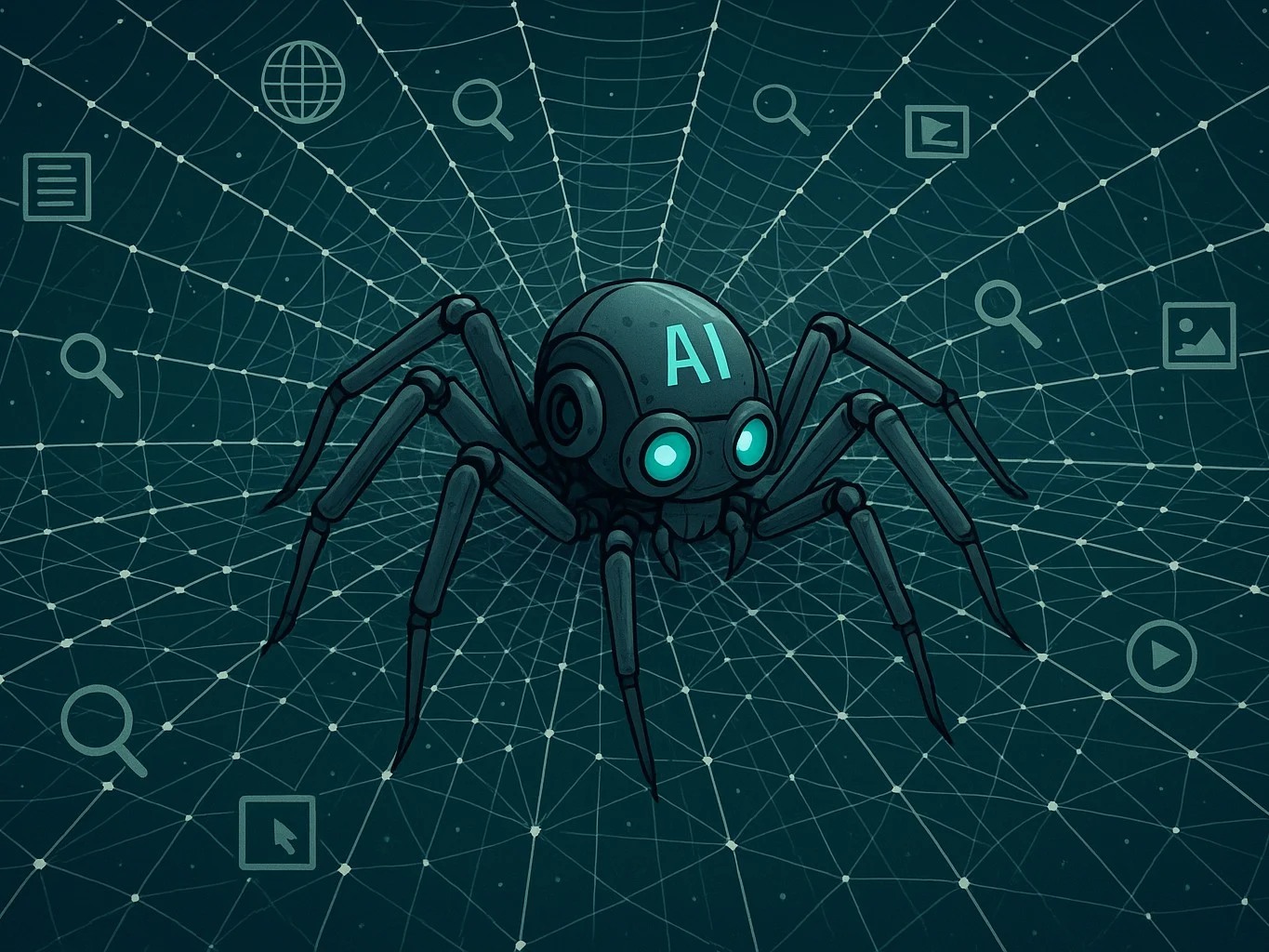
    For many years, Google has been the go-to source for gathering information online and is often seen as the best example of a web crawler. These automated tools explore the web and record what they find, helping search engines make sites easy to find. However, Google Search is now up against rivals, as AI technologies also need internet data. This has led AI firms like OpenAI to create their own bots to scour the web for information.

    Study on Website Crawlers

    In late August 2025, Hostinger, a web hosting company, carried out research on how accessible 5 million websites are to crawlers. Notably, OpenAI’s GPT bot managed to reach 4.4 million of these websites, surpassing Google’s bot, which only accessed 3.9 million. Other lesser-known bots, including Ahrefs’ SEO crawler and Anthropic’s Claude bot, along with crawlers from Meta, TikTok, Bing, and Apple, were also quite active, collectively making roughly 1.4 billion daily requests for the 5 million sites.

    Coverage of Internet by Bots

    The fact that some bots cover fewer websites than others doesn’t mean they overlook certain areas of the web. Instead, these programs alternate their targets, which allows them to build a nearly complete map of the internet over time, usually in just a few weeks.

    The research also found that about 80% of queries come from tech firms in the United States, while around 10% come from China, with other countries contributing only a tiny fraction. This indicates that the process of indexing the internet is largely controlled by U.S. providers, particularly a few major tech companies. Consequently, a small group of platforms significantly shapes what content is accessible and what answers AI systems provide.

    Hostinger via Presseportal

    Source:
    Link


  • Ascent GX10: Asus Mini PC with 128GB RAM and Nvidia GB10

    Ascent GX10: Asus Mini PC with 128GB RAM and Nvidia GB10

    Key Takeaways

    1. The Asus Ascent GX10 is priced over $4,000, targeting professional users focused on AI models rather than regular gamers.
    2. It features an Nvidia GB10 SoC with 10 Cortex-A925 and 10 Cortex-A725 cores, offering a theoretical performance of 1,000 TFLOPS.
    3. The mini PC is capable of processing large data sets to identify hidden correlations, such as manufacturing issues linked to environmental factors.
    4. Specifications include compact dimensions (5.9 x 5.9 x 2.0 inches), one HDMI port, multiple USB 3.2 Gen 2 ports, 10Gbps Ethernet, and WiFi 7 support.
    5. The Ascent GX10 launched on October 15 and is available for order at various online retailers.


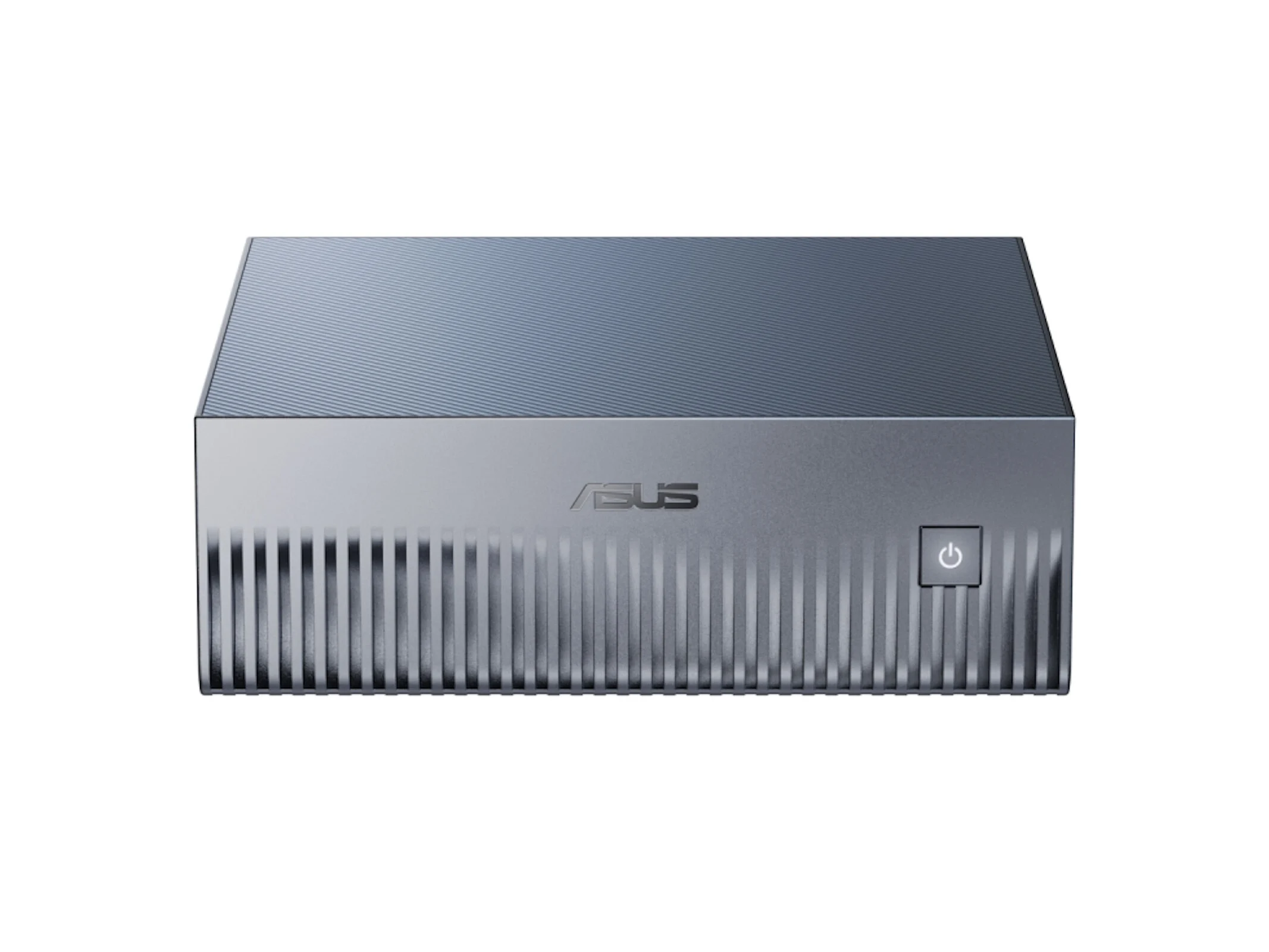
    The Asus Ascent GX10 has finally hit the market. The company is asking for more than $4,000 for this compact desktop, which is quite a sum that could get regular users a high-end gaming rig. However, Asus is aiming this device at professional users, particularly those interested in experimenting or working with AI models locally. As a result, the system comes with some unusual components.

    Unique Components

    The Ascent GX10 is equipped with an Nvidia GB10 SoC, which includes 10 Cortex-A925 cores and 10 Cortex-A725 cores, boasting a theoretical performance of 1,000 TFLOPS. It’s important to approach this number with some skepticism, but overall, the Ascent GX10 is tailored for AI-focused tasks.

    Data Analysis Capabilities

    This Asus mini PC can process vast amounts of data to uncover hidden correlations. For example, it may identify manufacturing problems in a machine part that only arise on days with high solar radiation combined with low ambient temperatures. This could happen due to poor insulation in the hall, leading to the temperature sensor being sunlit and giving inaccurate readings.

    Specifications and Availability

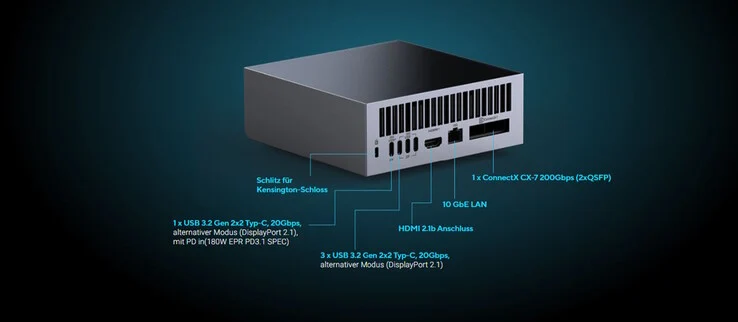
    The Ascent GX10 has dimensions of 5.9 x 5.9 x 2.0 inches and includes one HDMI port along with several USB 3.2 Gen 2 ports. It also features Ethernet connectivity at 10Gbps and supports WiFi 7. The mini PC comes with 128GB LPDDR5X RAM, and two units can be linked together using a special ConnectX CX-7 port. According to Asus’ press release, the mini PC was launched on October 15 and is already available for order at various online retailers.

    Source:
    Link


  • Microsoft Unveils Copilot Actions for Hands-Free Windows 11 PCs

    Microsoft Unveils Copilot Actions for Hands-Free Windows 11 PCs

    Key Takeaways

    1. Microsoft introduces “Agentic AI” with Copilot Actions, enabling voice navigation of Windows 11 for a hands-free experience.
    2. Users can interact with their computers in everyday language to perform tasks like drafting emails or organizing files.
    3. Microsoft emphasizes user control, allowing users to monitor progress and intervene in tasks as needed.
    4. A new wake word, “Hey Copilot,” simplifies interaction with the assistant, supported by Copilot Vision for contextual understanding.
    5. Copilot features will be rolled out to all Windows 11 devices in phases, enhancing accessibility beyond just Copilot+ users.


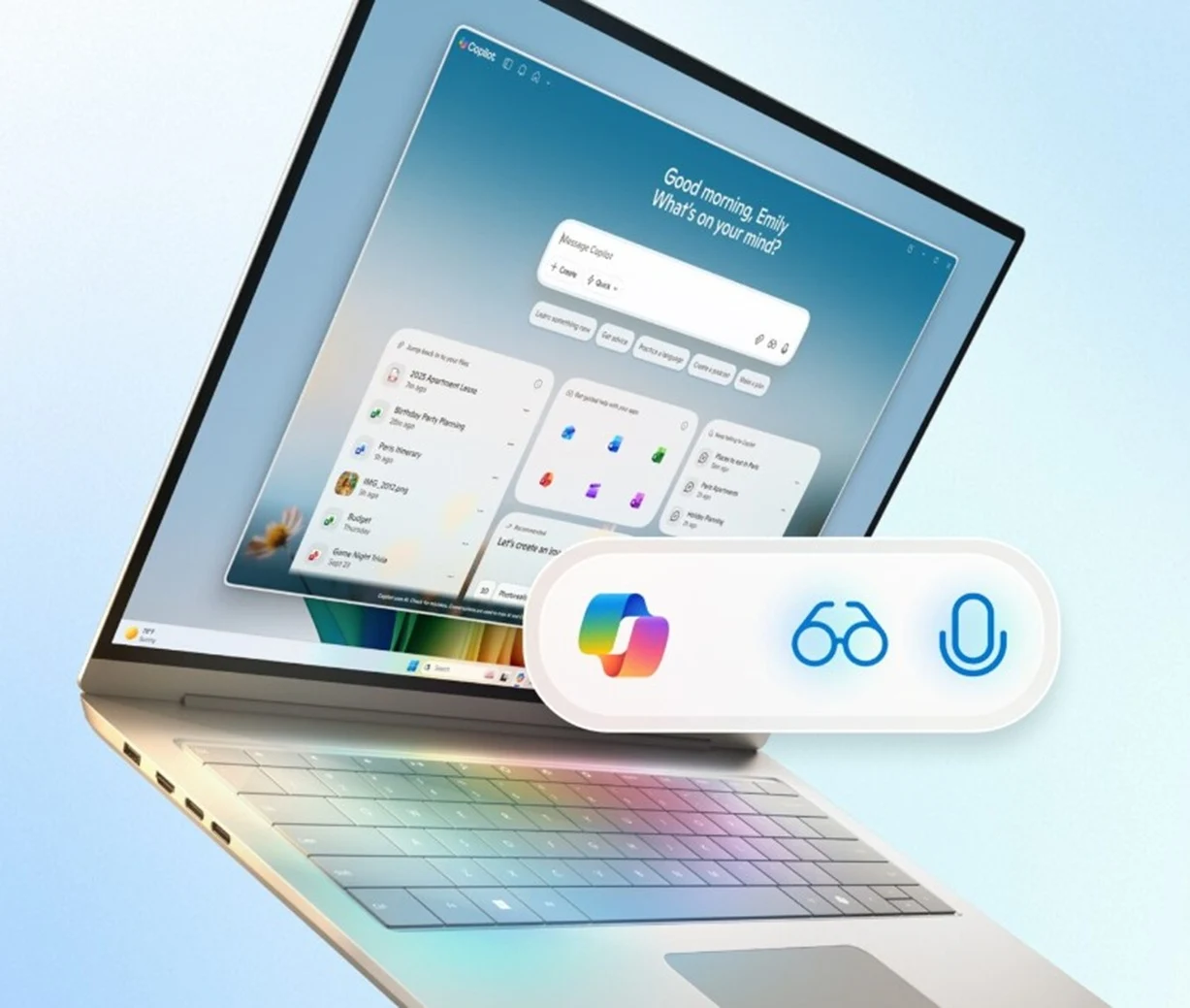
    Microsoft is encouraging users to engage in conversation with their computer as it unveils one of the most ambitious updates for Windows 11. A new feature called “Agentic AI” named Copilot Actions will allow users to navigate the operating system (OS) using just their voice, offering a hands-free experience.

    A New Era of Interaction

    Windows 11 is evolving into “the computer you can talk to,” as Microsoft enhances the OS with more AI capabilities. With Copilot Actions, users can communicate with their computers in everyday language, allowing for interaction with apps, files, and online services.

    For instance, Copilot Actions can independently draft and send emails or arrange folders while users focus on other tasks. Progress updates will appear in the Copilot app, and the system will ask for user confirmation or intervention when needed.

    Simplifying Tasks with AI

    Yusef Mehdi, who is the Chief Marketing Officer for Microsoft Consumer, said, “Just explain the task you wish to accomplish in your own words, and the agent will work to finish it by interacting with both desktop and web apps. During this process, you can concentrate on different tasks. You can always take control of the task or check how it’s going, including what actions have been taken.”

    To start using Copilot Actions, users must enable it manually before it can connect with the Copilot app.

    New Features for Seamless Experience

    Additionally, Microsoft has introduced a new wake word, “Hey Copilot,” allowing users to bypass a few clicks to interact with the assistant whenever they want. This voice-activated feature is driven by Copilot Vision, which understands the context of what’s on the screen. A redesigned Taskbar will merge Copilot chat with the traditional Windows search.

    Microsoft plans to roll out these new Copilot features to all Windows 11 devices, not just those equipped with Copilot+. Some updates will be delivered to users in phases, starting today, while other Copilot Actions are set to enter preview shortly.

    Source:
    Link


  • Unitree G1: A Kung Fu Robot with Impressive Moves and Upgrades

    Unitree G1: A Kung Fu Robot with Impressive Moves and Upgrades

    Key Takeaways

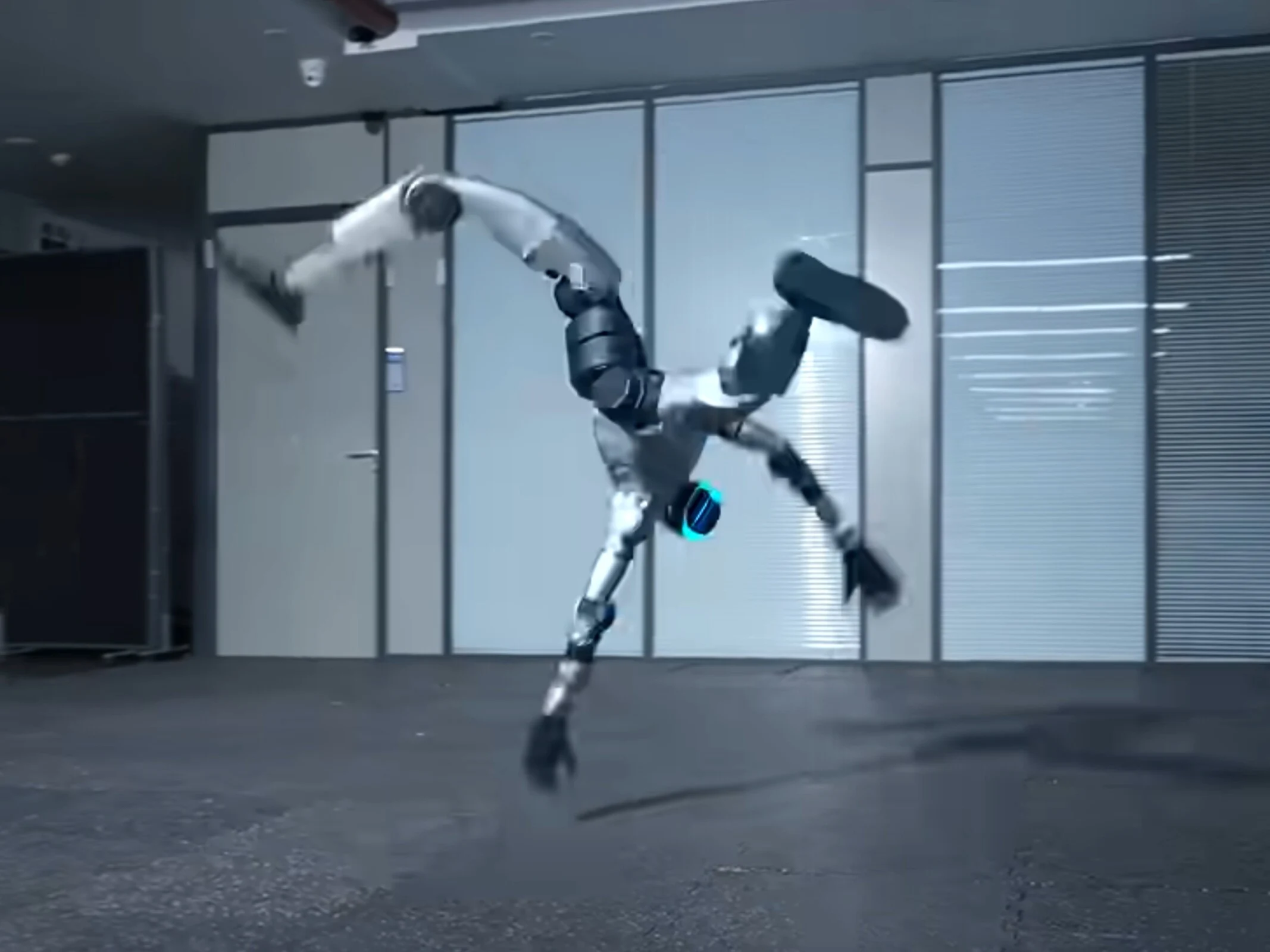
    1. The Unitree G1 robot, known as “Kungfu Kid V6.0,” shows significant improvements in body control and movement compared to earlier models.
    2. The robot can now perform advanced maneuvers, including quick somersaults and precise spin kicks, demonstrating enhanced confidence and fluidity.
    3. Unitree achieved these advancements using real-time video footage and the open-source LAFAN1 dataset for motion capture data.
    4. The G1 features 31 degrees of freedom and a complete body sensor system that helps maintain balance, allowing for complex martial arts moves.
    5. Public reactions are mixed, with admiration for the technology and concerns about potential military applications and control issues.


    Back in the start of March 2025, we shared the remarkable kung fu skills of the Unitree G1. Recently, Unitree has taken things up a notch, revealing the newest version of its humanoid robot on YouTube, titled “Kungfu Kid V6.0.” The robot stands at 5 feet 5 inches (165 cm) tall and showcases a level of body control that is clearly better than what was shown before.

    Improved Motion and Skills

    When compared to the model presented in February 2025, the G1 now shows a much higher confidence, fluidity, and responsiveness in its movements. Whereas it previously could only do basic punches and spin kicks in March, it now performs more intricate movement patterns, incredibly quick somersaults, and much more precise spin kicks. In April 2025, the G1 even took part in a boxing match, and its physical control appears to have made significant advancements since that time.

    Rapid Advancements

    Unitree has clearly achieved impressive advancements with the G1 in a short period. The Chinese robotics firm stated that all video footage was captured in real-time without any added visual effects. The new motion models utilize the open-source dataset LAFAN1, which includes motion capture data of human actions. The G1 has 31 degrees of freedom (not counting the hands) and employs a complete body sensor system to help it keep its balance. Its high-performance actuators respond at a remarkable speed, allowing the robot to perform complicated martial arts moves with accuracy.

    Public Reaction

    In the comments section of the YouTube video and on Reddit, many viewers share their admiration. Yet, some express concerns about possible military uses or warn about the dangers of losing control over such technology. While the advancements are clear, many people are eager to see more practical, real-world applications. One humorous comment captured it well: “He’s passed his black belt exam – now all he needs is his vacuum cleaner license.”

    Source:
    Link


  • Walmart Teams with OpenAI for ChatGPT Shopping Experience

    Walmart Teams with OpenAI for ChatGPT Shopping Experience

    Key Takeaways

    1. Walmart is partnering with OpenAI to enable conversational shopping through ChatGPT, allowing customers to shop directly within the chat interface.
    2. The new feature aims to simplify and enhance the shopping experience by using a “buy” button and connecting to Walmart or Sam’s Club accounts.
    3. The launch is scheduled for fall, but it will initially exclude fresh foods due to typical shopping habits.
    4. The partnership includes developing an AI certification program to train Walmart staff in using generative AI tools for various operational tasks.
    5. This collaboration highlights the growing trend of using generative AI to improve customer experiences and may change how customers interact with online retailers.


    Walmart is making a significant move into conversational shopping by teaming up with OpenAI, allowing customers to shop right through ChatGPT. This integration will enable users to explore Walmart’s online inventory, which includes clothes, entertainment, and packaged products, and make purchases without needing to exit the chat.

    Enhancing Shopping Experience

    As stated by Daniel Danker, Walmart’s executive vice president of AI, product and design, this new feature aims to streamline the shopping process, bringing simplicity and efficiency by “meeting customers where they are.” By using a “buy” button within ChatGPT, customers will have the ability to connect their Walmart or Sam’s Club accounts and directly order items from the retailer’s stock or third-party vendors.

    Launch Timeline

    Set to debut in the fall, this feature will not include fresh foods at first, as Walmart notes that most shoppers tend to buy those through regular weekly orders. OpenAI has already established similar shopping functionalities with platforms like Etsy and Shopify, indicating that conversational AI is rapidly evolving into a new commercial space.

    Beyond Shopping

    Walmart’s partnership with OpenAI extends past just sales transactions. The two companies are also developing an AI certification program aimed at training Walmart staff in utilizing generative AI tools for tasks such as inventory management, scheduling, and coordination with suppliers. AI technology is already integrated throughout Walmart’s operations, helping to automate orders and speed up the fashion design process.

    In conclusion, this collaboration showcases the importance that large retailers place on enhancing customer experiences through generative AI. The integration will also serve as a trial for the effectiveness of AI-based shopping interfaces, potentially transforming how customers engage with online brands.

    Source:
    Link


  • Nvidia DGX Spark: Compact Desktop for 1 Petaflop AI Training

    Nvidia DGX Spark: Compact Desktop for 1 Petaflop AI Training

    Key Takeaways

    1. The Nvidia DGX Spark features a powerful 20-core Arm CPU, 128 GB of LPDDR5x RAM, and 4 TB of NVMe M2 storage, achieving up to one petaflop of Tensor core performance while consuming only 240 watts of power.

    2. It allows AI developers to load large models entirely into memory, eliminating the need for model quantization or GPU VRAM swapping, which simplifies the prototyping and tuning process.

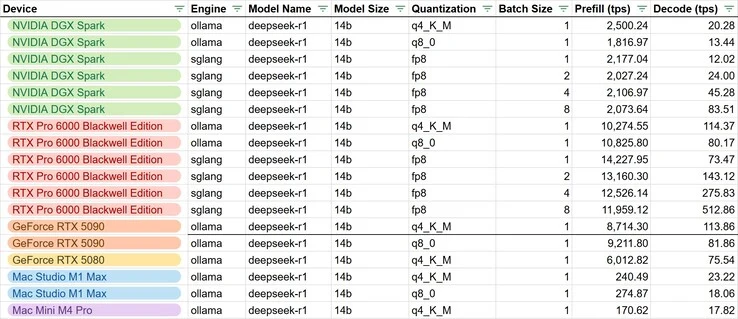
    3. Although not as fast as Nvidia’s higher-end GPUs (RTX 5080, 5090, Pro 6000), its unified RAM offers significant advantages for AI model development.

    4. The suggested retail price of the DGX Spark is $3,999.99.

    5. The DGX Spark will be widely available starting on October 15, 2025, and has been seen at Microcenter but is not yet available on the Nvidia store on Amazon.


    Nvidia has kicked off the delivery of its new DGX Spark, a compact desktop made for AI model creation.

    Specs and Performance

    This small desktop packs a punch with a 20-core Arm CPU, which includes 10 Cortex-X925 performance cores and 10 Cortex-A725 efficiency cores. It also comes with 128 GB of LPDDR5x RAM and a whopping 4 TB of NVMe M2 storage, allowing it to achieve up to one petaflop of Tensor core performance (FP4 thanks to the sparsity feature) while consuming only 240 watts of power.

    Comparison to Other GPUs

    While the DGX Spark isn’t as quick as Nvidia’s RTX 5080, 5090, or Pro 6000 GPU cards according to LMSys benchmarks, it shines with its unified RAM. This enables AI developers to load large AI models entirely into memory without needing to do model quantization or GPU VRAM swapping. This feature makes it easier to prototype and tune AI models locally and offline.

    Availability and Pricing

    The Nvidia DGX Spark has a suggested retail price of $3,999.99 and is set to be widely available beginning on October 15, 2025. It has been spotted at Microcenter, but it has yet to show up on the Nvidia store on Amazon.

    Source:
    Link


  • Dell Pro Max Mini-PC Launches for AI Workloads with Nvidia GB10 SoC

    Dell Pro Max Mini-PC Launches for AI Workloads with Nvidia GB10 SoC

    Key Takeaways

    1. The Dell Pro Max mini-PC features Nvidia’s GB10 SoC with a 20-core CPU and Nvidia Blackwell GPU with 6,144 CUDA cores.
    2. It offers 128 GB of LPDDR5x unified memory and storage options of 2 or 4 TB SSD.
    3. Users can connect multiple machines via the Nvidia ConnectX port, compatible only with Nvidia’s DGX-OS.
    4. Connectivity includes three USB-C ports (with DisplayPort support), one USB-C power port, an HDMI 2.1 port, and a 10 Gb/s Ethernet connection.
    5. The Dell Pro Max is set to launch on October 15, but pricing details have not yet been disclosed.


    AMD Strix Halo has been making appearances in more and more mini-PCs lately. In contrast, Nvidia’s DGX Spark is much less common and is mainly found with a few manufacturers like Asus and Lenovo. Now, Dell has entered this exclusive group with its latest creation, the Dell Pro Max mini-PC (which should not be mistaken for the Dell Pro Max laptop series).

    Powerful Specifications

    This new mini-PC is powered by Nvidia’s GB10 SoC featuring a 20-core CPU (10 Cortex-X925 cores + 10 Cortex-X725 cores) and an Nvidia Blackwell GPU boasting 6,144 CUDA cores. The Dell Pro Max is equipped with 128 GB of LPDDR5x unified memory and offers options for 2 or 4 TB of solid-state storage. Users can link multiple machines together through the Nvidia ConnectX port, with support currently only for Nvidia’s DGX-OS.

    Connectivity Features

    When it comes to I/O, the Dell Pro Max is fitted with three USB-C ports that support DisplayPort functionality, one USB-C power port, an HDMI 2.1 port, and a 10 Gb/s Ethernet connection. It comes with a 280 Watt power adapter included in the package. The Dell Pro Max is set to launch on October 15, but Dell has not yet revealed its pricing. Considering its advanced AI capabilities, it’s expected to carry a hefty price tag.