Category: All News

  • GTA 5 Cheat Service Data Breach Exposes 64,000 Users

    GTA 5 Cheat Service Data Breach Exposes 64,000 Users

    Key Takeaway

    – Atlas Menu, a paid cheat service for GTA 5 and CS2, suffered a data breach in May 2026, exposing 63,926 users’ data.
    – Stolen data includes email addresses, usernames, IP addresses, support tickets, and bcrypt-hashed passwords.
    – Atlas Menu has not publicly acknowledged the breach, provided no warnings, and is no longer accessible.
    – Affected users should immediately change passwords for the email used on the service and any other accounts sharing that password.
    – Use Have I Been Pwned to check if your email was compromised.


    Major Security Incident Hits Popular Cheat Service

    Many GTA 5 players use different cheats and mod menus to gain an advantage over other players. Whether it is spawning money or unlocking features, cheat services remain popular despite Rockstar’s efforts to crack down on them. However, it seems that a large number of those cheaters are now dealing with a different problem, as one of the most well-known paid cheat providers has suffered a major data breach.

    Service Targeted Last Month

    Atlas Menu, a paid cheating service that offered tools for both GTA 5 and Counter-Strike 2, was reportedly breached last month in May 2026. According to the breach notification service Have I Been Pwned, the incident affected 63,926 users connected to the platform.

    The breach exposed thousands of unique email addresses tied to Atlas Menu’s user base. However, the stolen data also included usernames, IP addresses, support tickets, and passwords stored as bcrypt hashes.

    Complete Silence From Company

    What’s interesting is that Atlas Menu has not released any statement about the breach. There has been no public acknowledgement, warning to users, or explanation about what happened. On top of that, the platform itself is no longer accessible, leaving users without any official source of information.

    Immediate Steps for Affected Users

    For anyone who was using Atlas Menu, now is probably a good time to take security seriously. The first thing users should do is change the password associated with the email account they used on the service. More importantly, if that same password was used on other websites, services, or gaming accounts, those passwords should be changed immediately as well.

    For now, Atlas Menu remains offline and silent. Until more information emerges, affected users should assume their information may have been exposed and take the necessary steps to secure their accounts.


    Sources

  • Asus unveils 800W RTX 5090 with AMOLED screen & 4.7-slot cooler

    Asus unveils 800W RTX 5090 with AMOLED screen & 4.7-slot cooler

    Key Takeaway

    – ROG Astral GeForce RTX 5090 Edition 20 is a limited, oversized 4.7-slot GPU with a transparent glass backplate and curved AMOLED display.
    – It features four fans, liquid metal, a vapor chamber, and copper heat pipes for extreme cooling.
    – The card uses a 12V power connector plus BTF mainboard power, enabling up to 800W total for a 2,760 MHz boost clock (5.7% faster than the regular ROG Astral).
    – Part of a broader 20th-anniversary lineup including the ROG Ally X20 and ROG NUC 16.
    – Price and availability have not yet been announced.


    ROG’s 20th Anniversary Surprise

    To mark the 20th anniversary of the Republic of Gamers brand, Asus has unveiled a range of unusual products, from the ROG Xbox Ally X20 to a limited version of the ROG NUC 16 mini PC to the ROG Astral GeForce RTX 5090 Edition 20.

    Bigger & Faster Design

    The limited edition not only looks far more eye-catching than the regular ROG Astral GeForce RTX 5090, the graphics card is also larger. This is because the Edition 20 measures 36.1 x 13.9 x 9.4 centimeters, which is 4.7 slots thick according to Asus. Asus combines a 12-volt high-power power connector with its own BTF power supply via the mainboard, which means that the graphics card can be supplied with up to 800 watts of power in total. This should be enough to achieve a GPU clock of up to 2,760 MHz. For comparison: Nvidia specifies a boost clock of 2,410 MHz, while the older ROG Astral achieves 2,610 MHz, making the Limited Edition around 5.7 percent faster on paper.

    Cooling and Exclusive Features

    To maintain this performance even during longer gaming sessions, Asus installs four fans, which are combined with liquid metal, a vapor chamber and copper heat pipes as heat conductors. The ROG Astral GeForce RTX 5090 Edition 20 is also intended to set itself apart from other graphics cards with its exclusive design. To this end, Asus has installed a transparent glass backplate that provides a view of the mainboard and also includes a removable, curved AMOLED display that can display content via a corner of the graphics card, giving it a 3D appearance.

    Display & Availability

    In addition to 3D graphics, the display can also show information on the system load. Asus has not yet commented on the price or availability of the graphics card. Further information can be found on the official product page.


    Sources

  • Dell unveils Nvidia RTX creator laptop: 16-inch OLED, 128GB RAM

    Dell unveils Nvidia RTX creator laptop: 16-inch OLED, 128GB RAM

    Key Takeaway

    – Dell’s XPS 16 Creator Edition challenges the Surface Laptop Ultra and MacBook Pro M5 by focusing on the creative professional market.
    – It is among the first laptops to feature Nvidia’s RTX Spark platform, enabling local AI and high-performance computing in a slim form factor.
    – Key specs include up to 128GB of unified memory, a Tandem OLED display with True Black HDR 600, and built-in SD card reader and HDMI port.
    – The laptop balances slim design with robust thermal and processing demands for modern AI and creative workflows.
    – Pricing and launch date are unannounced, with RTX Spark laptops expected in fall 2026.


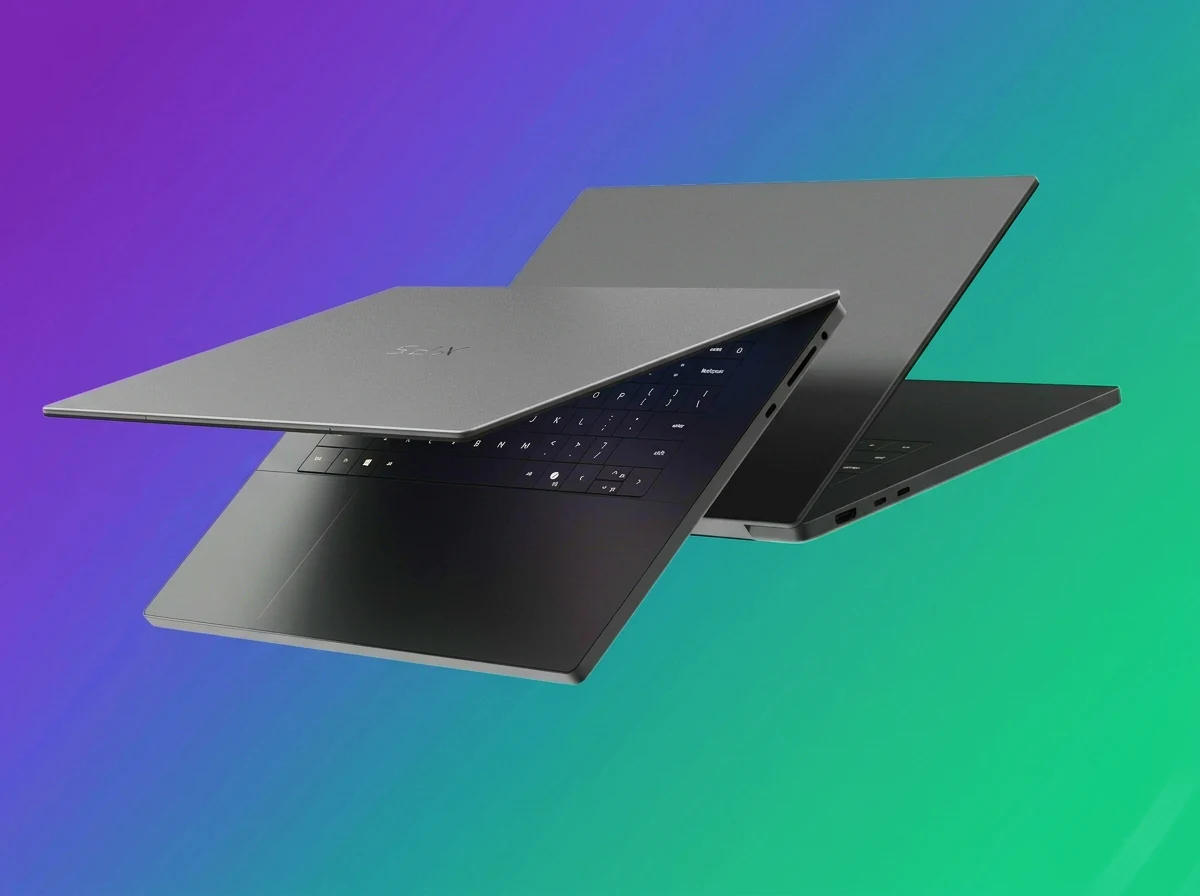
    After unveiling its MacBook Neo rival, Dell has officially challenged the just-announced Surface Laptop Ultra and Apple’s MacBook Pro M5 series by announcing the upcoming Dell XPS 16 Creator Edition, starting a monumental shift for the premium laptop line.

    Bridging Productivity and Workstation Power

    Designed to bridge the gap between traditional productivity machines and high-performance workstations, the new laptop is among the first to feature the newly announced Nvidia RTX Spark platform. This architecture is really quiet a big deal for portable systems.

    Core Specifications of the RTX Spark

    The core of the XPS 16 Creator Edition is the integration of Nvidia’s RTX Spark architecture. Nvidia’s new chips are engineered to bring a full-stack AI environment to slim, portable form factors. By combining a high-performance RTX GPU with an ultra-efficient CPU and up to 128GB of unified memory, Dell aims to provide power users and AI developers with local computing capabilities previously reserved for bulkier systems. This means you don’t need a huge desktop anymore to run heavy AI models.

    For creative professionals, this RTX Spark-powered XPS 16 translates into tangible workflow improvements: rendering tasks can be completed much faster, video editing timelines will feel smoother, and complex 3D models can be manipulated in real time without lag.

    Display and Port Selection Upgrades

    While performance is the headliner, Dell has focused on practical usability for creators who work on the move. The XPS 16 Creator Edition features a Tandem OLED display capable of True Black HDR 600, ensuring high color accuracy for pro-grade design and color grading. The screen also supports a high refresh rate and covers the full DCI-P3 color gamut for vibrant visuals.

    Built-in Connectivity Returns

    Addressing common pain points for portable laptops, the XPS 16 Creator Edition also features a built-in SD card reader and an HDMI port (just like the Surface Laptop Ultra and MacBook Pro). This welcome upgrade aims to reduce the reliance on dongles for photographers and videographers who frequently offload media. It supports USB-C charging aswell, but having these legacy ports is a major plus.

    With the XPS 16 Creator Edition, Dell is positioning its flagship laptop to compete more directly in the professional creative market currently dominated by Apple’s Macs, while balancing the slim aesthetic of the XPS series with the robust thermal and processing demands of modern AI and creative workflows.

    Future Plans and Launch Window

    Dell says that the new XPS 16 Creator Edition is only the first step in the company’s collaboration with Nvidia, and there’s more to come. Pricing and an official launch date haven’t been announced yet, but most new RTX Spark laptops are expected to debut in the fall of 2026. There will be more models revealed later that also use this platform.


    Sources

  • Qualcomm takes subtle dig at Nvidia’s new RTX Spark

    Qualcomm takes subtle dig at Nvidia’s new RTX Spark

    Key Takeaway

    – Qualcomm welcomes Nvidia to ARM-based PC chips but implies it pioneered the ecosystem.
    – Qualcomm highlights its years of investment in ARM compatibility for Windows.
    – Nvidia’s RTX Spark promises full Windows app compatibility, a key challenge for ARM.
    – Both companies see Nvidia’s entry as positive for the ARM PC ecosystem’s growth.


    Nvidia’s RTX Spark Announcement Shocks the Industry

    Nvidia’s announcement of the RTX Spark “Superchip” SoC based on the ARM platform took the internet by storm. It aims to usher in a new era of Windows PCs aside from traditional x86 chips. Qualcomm, being the company that sort of pioneered ARM-based laptop chip development many years ago, naturally had something to say about it.

    Qualcomm’s Response and the Statement

    Through a statement shared with Windows Central, SVP of Computing at Qualcomm, Kedar Kondap, gave a seemingly backhanded compliment to Nvidia, welcoming the new chip to the family. Here’s the full quote:

    Welcome to the family. We are, you know, we’re excited. When you think about the investments that we’ve made over the last several years, it’s a good endorsement of the fact that there is an ecosystem that’s growing outside of x86. We invested many years ago, driving the ecosystem and driving the entire platform story, whether it is getting the printers to work, whether it’s getting the software apps to be compatible, whether it is getting the docks and peripherals to work, or whether it’s getting more than 2,500 games to be compatible with Snapdragon. We led the way in driving that ecosystem, and I think this is positive tailwinds for the entire ecosystem. It will tell us how we’re all taking the ball forward in the trajectory that we started.

    Superiority Hints and ARM Progress

    Its hard to glean the exact tone from text, but there seem to be hints of superiority baked into the welcoming message. Qualcomm made quite a few advancements with ARM through the Snapdragon X Elite, X Plus, C, and the upcoming X2 series chips. But it took them quite a few years to reach this point. That said, the efficiency gains that come from the platform are nothing to shirk at. Even Apple’s M-series chips are ARM-based, and thanks to the software and hardware level optimizations, they are extremely capable.

    Windows on ARM Compatibility Concerns

    The major concern with Windows on ARM is compatibility, but both Qualcomm and app developers have made solid headway in that department, as well. With RTX Spark, Nvidia seems to have made it a non-issue, promising compatibility with every Windows app.

    Sources
  • Apple unveils new Wallet feature for iPhone 18 Pro soon

    Apple unveils new Wallet feature for iPhone 18 Pro soon

    Key Takeaway

    – iOS 27 Wallet app can scan restaurant bills and split costs per person
    – Split requests are sent via Messages with one-click payment
    – Payments use Apple Cash, currently limited to the USA
    – New feature may not be available or may be limited outside the US
    – No Android version is planned, limiting competition with Venmo


    Wallet App Gets a Smart New Feature for iOS 27

    Bloomberg has now been able to reveal details about a new feature of the Wallet app in advance, after Bloomberg editor Mark Gurman previously revealed information about new camera features and the Siri app. According to the new report, the Wallet app of the Apple iPhone can scan bills via the camera after the update to iOS 27 and split the bill amount between several people.

    How the Bill Splitting Function Works

    For example, if a restaurant bill is scanned, all dishes and drinks, including their price, will be listed separately so that they can be assigned to the respective person. IOS then automatically sends messages to these people, which can be used to pay the corresponding amount with just a few clicks. According to Bloomberg, this function can be accessed either in the Wallet app or in Apple’s Messages app.

    Availability Limited to Apple Cash Users

    To pay the amount, Apple Cash is to be used – a feature that allows money to be easily transferred from one iPhone to another, although this service is currently only available in the USA. This could mean that this new feature for splitting bills will not be offered at all in other regions, or only in a slimmed-down form. In order to seriously compete with apps such as Venmo, Apple would also have to offer a version of this feature for Android smartphones, which is not currently planned, at least according to the Bloomberg report.

    • Scan restaurant bills using the camera in iOS 27
    • List all dishes and drinks with seperate prices
    • Assign each item to a specific person
    • Pay via Apple Cash with automatic messages
    • Feature is currently U.S. only due to Apple Cash limitations
    Sources
  • Apple foldable iPhone gaming leak: best-ever model revealed

    Apple foldable iPhone gaming leak: best-ever model revealed

    Key Takeaway

    – Foldable iPhone Ultra to feature vapor chamber (VC) cooling system for sustained performance.
    – Device designed with ultra-slim 4.5mm profile, omitting Face ID, MagSafe, and physical SIM slot.
    – VC system uses deionized water to distribute heat, similar to iPhone 17 Pro design.
    – Manufacturing challenges persist, particularly with surface-mount technology (SMT) scaling.
    – September 2026 debut planned alongside iPhone 18 Pro lineup, starting at $2,000.


    After seeing our first leaked design model hands-on video of Apple’s upcoming foldable iPhone Ultra, we are now learning that the phone will reportedly feature a sophisticated vapor chamber (VC) cooling system.

    Thermal Engineering and Thinness

    Despite the rumors of an ultra-slim 4.5mm profile, a fresh report from a top leakster indicates that Apple is prioritizing high-end thermal engineering, with the leaker describing the device’s thermal performance as “quite impressive”. This is the first time a reliable source has hinted at a vapor chamber cooling system for the foldable iPhone. For reference, the similarly thin iPhone Air does not utilize this technology.

    Feature Compromises for Thickness

    To accommodate the rumored 4.5mm thickness, the device is expected to omit several standard iPhone features, including Face ID, MagSafe, and a physical SIM slot, with Touch ID serving as the biometric authentication. The VC cooling system is expected to mirror the design first introduced in the iPhone 17 Pro, which circulates deionized water to distribute heat across the chassis.

    Sustained Performance Goals

    This move suggests that Apple might really be going all out to ensure the A20 Pro-powered foldable can maintain sustained performance despite its compact internal volume. While the cooling solution might indeed be on the way, the iPhone Ultra continues to face manufacturing challenges. Reports suggest that pre-assembly stages, specifically regarding surface-mount technology (SMT), are proving difficult to scale.

    Manufacturing and Pricing

    However, despite these yield pressures, the September 2026 debut remains on track to coincide with the iPhone 18 Pro lineup. Pricing for the foldable iPhone is rumored to start at $2,000. Further updates on the device are expected to be shared by the leaker in the coming days.


    Sources

  • Lenovo Debuts ThinkPad with Intel Panther Lake & 120Hz Display

    Lenovo Debuts ThinkPad with Intel Panther Lake & 120Hz Display

    Key Takeaway

    – ThinkPad E16 Gen 4 now available in Europe and North America after earlier Asia-Pacific launch
    – Configurable with up to Core Ultra 7 355H or Core Ultra 5 336H processors
    – Offers 16GB/32GB RAM, up to 1TB storage, and 48Wh or 64Wh battery options
    – Starting prices: $1,399 (US), £1,410 (UK), €1,359-€1,670 (Eurozone)
    – Base model in North America comes with Core Ultra 5, 16GB RAM, 512GB storage, Wi-Fi 7, and fingerprint reader


    Extended availability for a budget ThinkPad

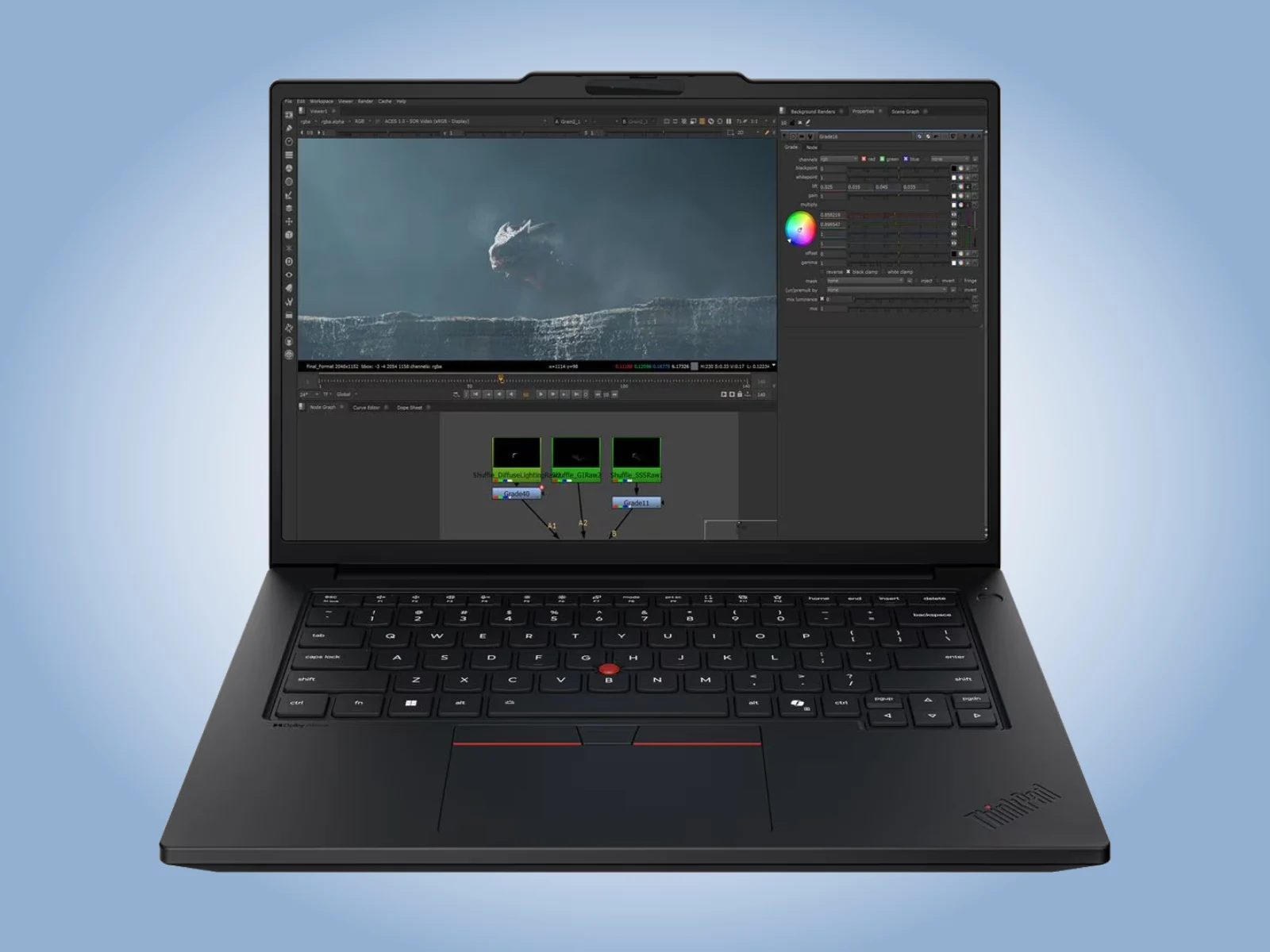
    Lenovo has now increased the availability of the ThinkPad E16 Gen 4 to Europe and North America, meaning thier affordable 16-inch notebook is finally landing in these regions after a prior launch in Australia, East Asia and Southeast Asia at the end of May.

    Processor options and performance context

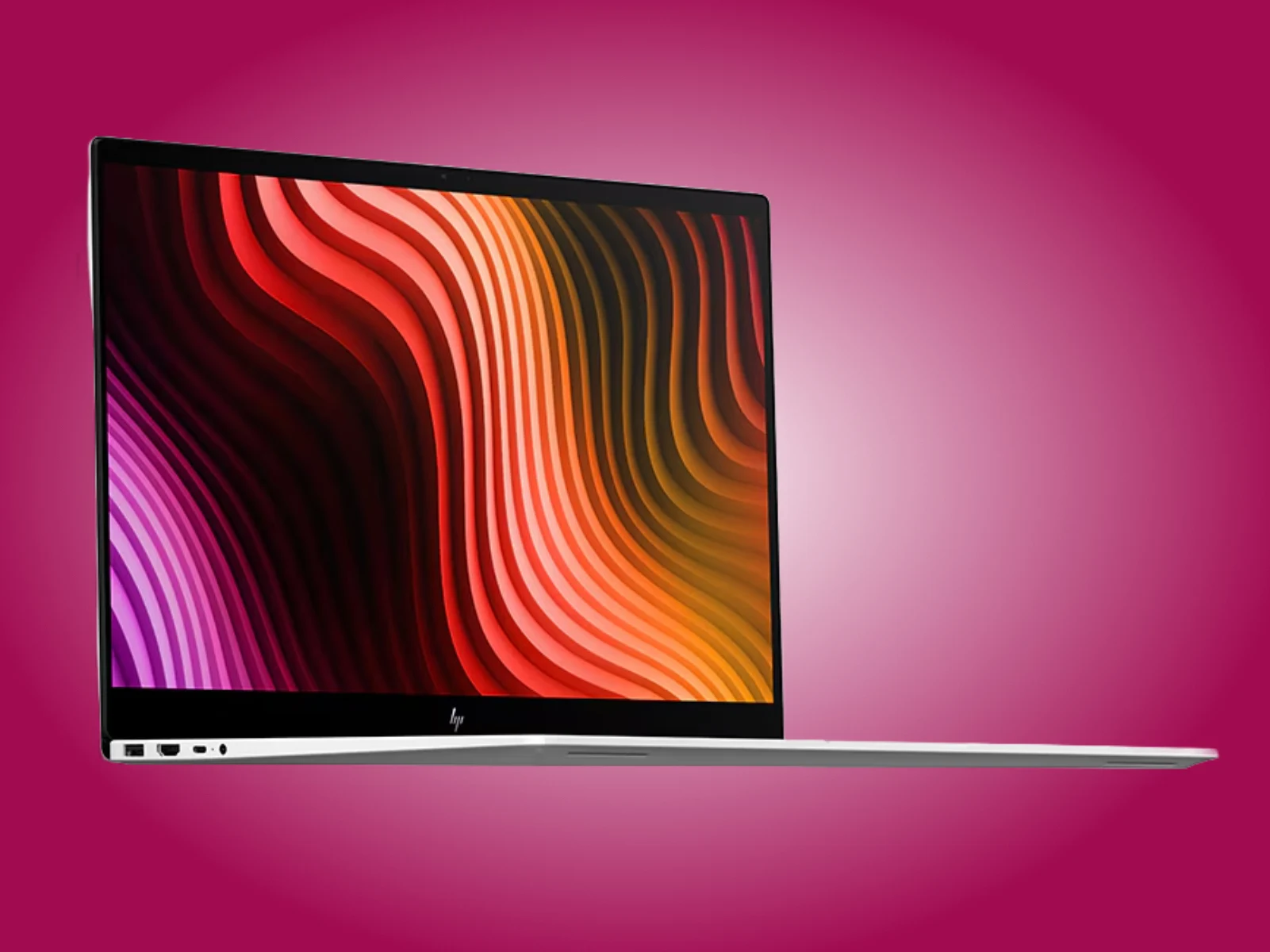
    The ThinkPad E16 Gen 4 can be configured in Europe with up to a Core Ultra 7 355 or a Core Ultra 5 336H. These chips shoud provide more power than the Core Ultra 7 255U-based Gen 3 model we reviewed in July 2025, though our benchmarks show that the Core Ultra 7 255H-powered sibling (currently $1,289 on Amazon) holds an edge over the Gen 4. Notwithstand this, the laptop also comes with these display options.

    Memory, storage and other configurable features

    You can get 16 GB or 32 GB of DDR5-5600 RAM and 256 GB, 512 GB or 1 TB of M.2 2242 PCIe Gen 4 storage. A 48 Wh or 64 Wh battery is configurable, along with a fingerprint reader and Wi-Fi 7. Finishes include ABS or aluminium, but only in Eclipse Black colour. There is no mention of any other color at all sadly.

    Pricing and starting specifications

    In the UK, the ThinkPad E16 Gen 4 starts at £1,410, while Eurozone pricing ranges between €1,359 and €1,670, including taxes. The US price is $1,399 and in Canada it is CAD $1,939. All base models feature a Core Ultra 5 325 processor and 16 GB of RAM. Lenovo only sells a pre-configured unit in North America with 512 GB of storage, Wi-Fi 7, a fingerprint reader and its most basic display. Further details are available on Lenovos website.


  • PlayStation Monitor & FlexStrike Stick: Price & Preorder Date

    PlayStation Monitor & FlexStrike Stick: Price & Preorder Date

    Key Takeaway

    – 27-inch QHD IPS gaming monitor priced at $350, pre-orders start June 5.
    – 240 Hz on PC/Mac, 120 Hz with VRR on PS5/PS5 Pro.
    – Available only in the US and Japan via PlayStation website and Best Buy.
    – FlexStrike fight stick for PS5/PC priced at $200, pre-orders start June 12.
    – Both products announced ahead of June 2 State of Play event.


    Key Details Emerge for Sony’s Display

    After its quiet unveiling back in November last year, the PlayStation 27-inch gaming monitor now finnaly has some pricing information and a pre-order date. Sony shared this info through an official blog post, where they also revealed the cost and pre-order date for the FlexStrike fight stick, which was first shown off almost a year ago now.

    Specs and Features of the New Monitor

    Starting off with the PlayStation gaming monitor, its a 27-inch QHD display with 2,560 x 1,440 pixels and an IPS panel. It supports up to 240 Hz refresh rate on PC and Mac, plus up to 120 HZ with VRR on the PS5 and PS5 Pro. This device comes equipped with Auto HDR Tone Mapping, built-in stereo speakers, two HDMI 2.1 ports, a DisplayPort 1.4, two USB Type-A ports, and a single USB Type-C port. An optional DualSense Charging Hook accessory will also be available that attaches to the monitor’s stand.

    Pricing and Pre-Order Timeline

    Sony has placed a price tag of $350 on this gaming monitor. It will be available for purchase through the PlayStation website and Best Buy retailers. Notably, Its only going to be sold in the United States and Japan markets. Pre-orders for this monitor are scheduled to start from June 5, so mark your calendars if you want one.

    FlexStrike Fight Stick Details

    The FlexStrike fight stick for PS5 and PC marks a significant milestone as the first such controller officially released from PlayStation themselves. It carries a price of $200. Pre-orders will begin on June 12, and the device will be available in the US, Japan, and European markets through the website and various participating retailers. At this price point, it is actually cheaper than some competing products on the market.

    Competition and Comparison

    In terms of cost, the FlexStrike undercuts the Nacon Daija Arcade fight stick, the Victrix Pro FS ESports Playstation Fight Stick, and also the Turtle Beach Victrix Pro KO Leverless Fight Stick. This pricing strategy could make it an attractive option for fighting game enthusiasts looking for an official Sony product at a more affordable price then the third-party alternatives currently offer.

    Event Context and Future Information

    This announcement comes just ahead of the State of Play event which is scheduled for tomorrow on June 2. During that event, Sony may share additional information about both of these new gaming devices. The timing suggests the company is building momentum heading into their presentation, potentially with more announcements planned for the gaming community to look forward to.

    Sources
  • Samsung Unveils World’s Thinnest Laptop OLED Panel: 240Hz

    Samsung Unveils World’s Thinnest Laptop OLED Panel: 240Hz

    Key Takeaway

    – 20% thinner OLED panel for gaming laptops unveiled at Computex 2026
    – Thickness reduction achieved by etching TFT and encapsulation glass by over 30%
    – Proprietary techniques prevent panel warping despite slimmer design
    – Enables thinner, lighter laptops without sacrificing thermal or component space
    – Not yet in commercial production; no confirmed first adopters


    Record-breaking slim OLED panel

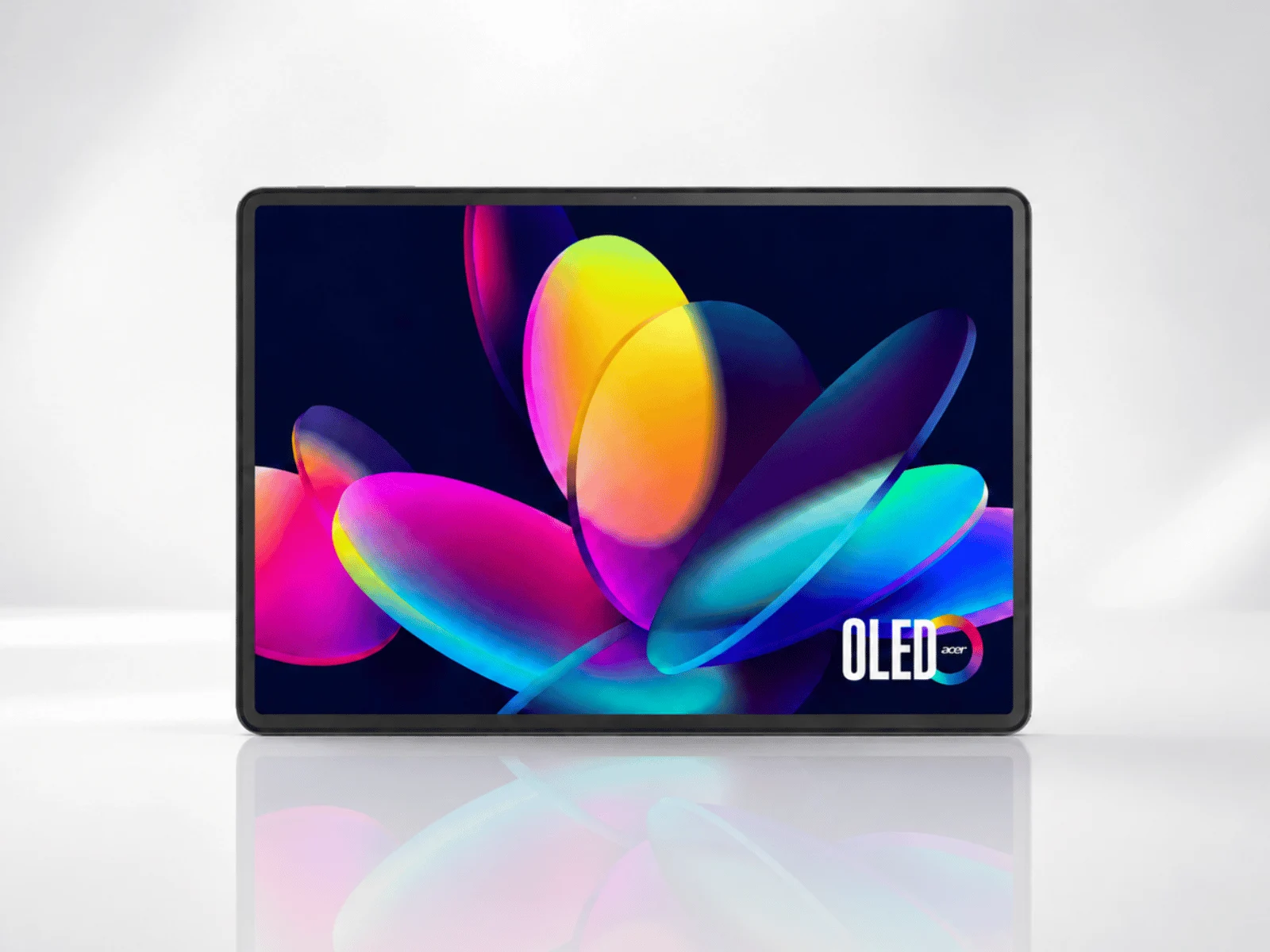
    After announcing the development of the world’s first 4K 360Hz QD-OLED, Samsung Display wants to break another record by unveiling its new “Ultra Slim” OLED panel at Computex 2026. Designed specifically for the high-performance gaming laptop market, this new technology promises to shed bulk without sacrificing the visual fidelity gamers demand. It’s a pretty big deal for folks who care about lugging around a lighter machine but still want those rich colors and deep blacks.

    How they made it so thin

    The new panel achieves a dramatic reduction in thickness, cutting the module’s outer-edge profile by more than 20% compared to Samsung’s current mass-produced displays. To reach this benchmark, Samsung engineers developed a specialized etching process that reduces the thickness of both the Thin Film Transistor (TFT) substrate glass and the encapsulation glass by over 30%. This aproach is quite innovative, and it allows them to shave off millimeters without completely redesigning the whole panel structure from scratch.

    Despite the aggressive physical reduction, Samsung has addressed the common industry challenge of panel warping, utilizing proprietary manufacturing techniques to ensure structural integrity in the thinner form factor. They’ve managed to keep the thing from bending like a wet noodle, which is often a problem when you take away too much material from a display.

    Design flexibility for manufacturers

    While portability is the primary benefit of the Ultra Slim design, Samsung emphasizes that the technology maintains premium visual standards: “The Ultra Slim panel provides device manufacturers with unprecedented design flexibility”, the company says. By reducing the footprint of the display module, manufacturers can develop thinner, lighter laptops that do not compromise on the high-end thermal management or component space required for modern gaming hardware. This means they can still pack in a proper cooling system and a powerful GPU without needing to make the chassis thicker.

    • Reduces module outer-edge profile by over 20%
    • Both TFT substrate and encapsulation glass reduced by over 30%
    • Proprietary anti-warping manufacturing techniques
    • Maintains premium visual standards for gamers

    Status and availability unclear

    It’s worth noting that while Samsung Display is showcasing the technology at Computex to demonstrate its design capabilities, the Ultra Slim panel has not yet reached the commercial manufacturing stage, and it’s unclear which new laptops might be first to utilize it. So, don’t expect to see this in the next Alienware or Razer blade right away; it’s still very much a prototype that needs to go through final testing and production scaling before hitting the streets.


    Sources

    • Hubble Reveals Dwarf Galaxy 23 Million Light-Years Away

      Hubble Reveals Dwarf Galaxy 23 Million Light-Years Away

      Key Takeaway

      – ESO 490-017 is a dwarf irregular galaxy only 12,000 light-years across, significantly smaller and fainter than the Milky Way.
      – Its weak gravity causes stars to be loosely dispersed, resulting in a poorly defined structure.
      – These galaxies contain fewer heavy elements, creating an environment similar to that of the early universe.
      – Studying dwarf galaxies like ESO 490-017 helps scientists better understand the early universe and poorly understood celestial phenomena.


      Hubble’s Latest Cosmic Snapshot

      Since 1990, the Hubble Space Telescope has been staring into the void, letting scientist’s study a whole bunch of celestial objects. Recently, this here telescope managed to capture a real striking image of a dwarf galaxy, which is located about 23 million light-years from our own planet Earth.

      The Odd Little Galaxy Called ESO 490-017

      Known as ESO 490-017, this dwarf irregular galaxy has a composition and structure that’s very interesting, dispite its small size. Indeed, it only measures about 12,000 light-years in diameter, while the Milky Way’s diameter is around 100,000 light-years, and it is also very faint, making it hard to see with normal telescopes.

      • Diameter: 12,000 light-years
      • Distance: 23 million light-years
      • Luminosity: Very low
      • Gravity: Weak

      Why Its Structure Matters

      In addition, the structure of this galaxy is not clearly defined, as you can clearly see in the image that was captured. As a result, its weak gravity allows stars to move around freely inside the galaxy with almost no restriction. Finally, its low luminosty is also directly linked to its gravity, since the stars aren’t concentrated in one single place but are instead dispersed all over the place.

      Unremarkable But Actually Interesting

      However, even though this galaxy might look unremarkable on the surface, it is actually very interesting for astronomers. These kind of structures contain fewer heavy elements then spiral galaxies do, and their environment is quite similar to that of the early universe before everything changed. Thus, by discovering and studdying these celestial objects, researchers will be able to better understand this mysterious period of the universes history.

      A Peek Into the Early Universe

      This will also allow them to better study celestial phenomenons that are still very poorly understood by modern science. The data obtained from such faint galaxies helps us fill in gaps about how stars formed back when the cosmos was young. Every new observation brings us a little bit closer to solving the biggest mysteries of space and time. Its a fascinating field of study that keeps giving us surprises.


      Sources