
Tag: 1080p IPS

  • HP Slim 17-Inch Laptop with Arc B390 & Intel Panther Lake

    HP Slim 17-Inch Laptop with Arc B390 & Intel Panther Lake

    Key Takeaway

    – New OmniBook X 17 trades discrete GPU for Intel Arc B390 integrated graphics (dedicated RTX 5050 model coming in 2026).
    – Features a 17.3-inch 1080p IPS display with 16:9 aspect ratio, 400 nits brightness, 100% sRGB, and touchscreen.
    – Configurable with up to 32 GB LPDDR5X-8533 RAM and 2 TB PCIe Gen 5 storage.
    – All SKUs share the same 76 Wh battery.
    – Pricing starts at $1,499 (US), CAD 2,199 (Canada), €2,099 (Eurozone), varying by region and specs.


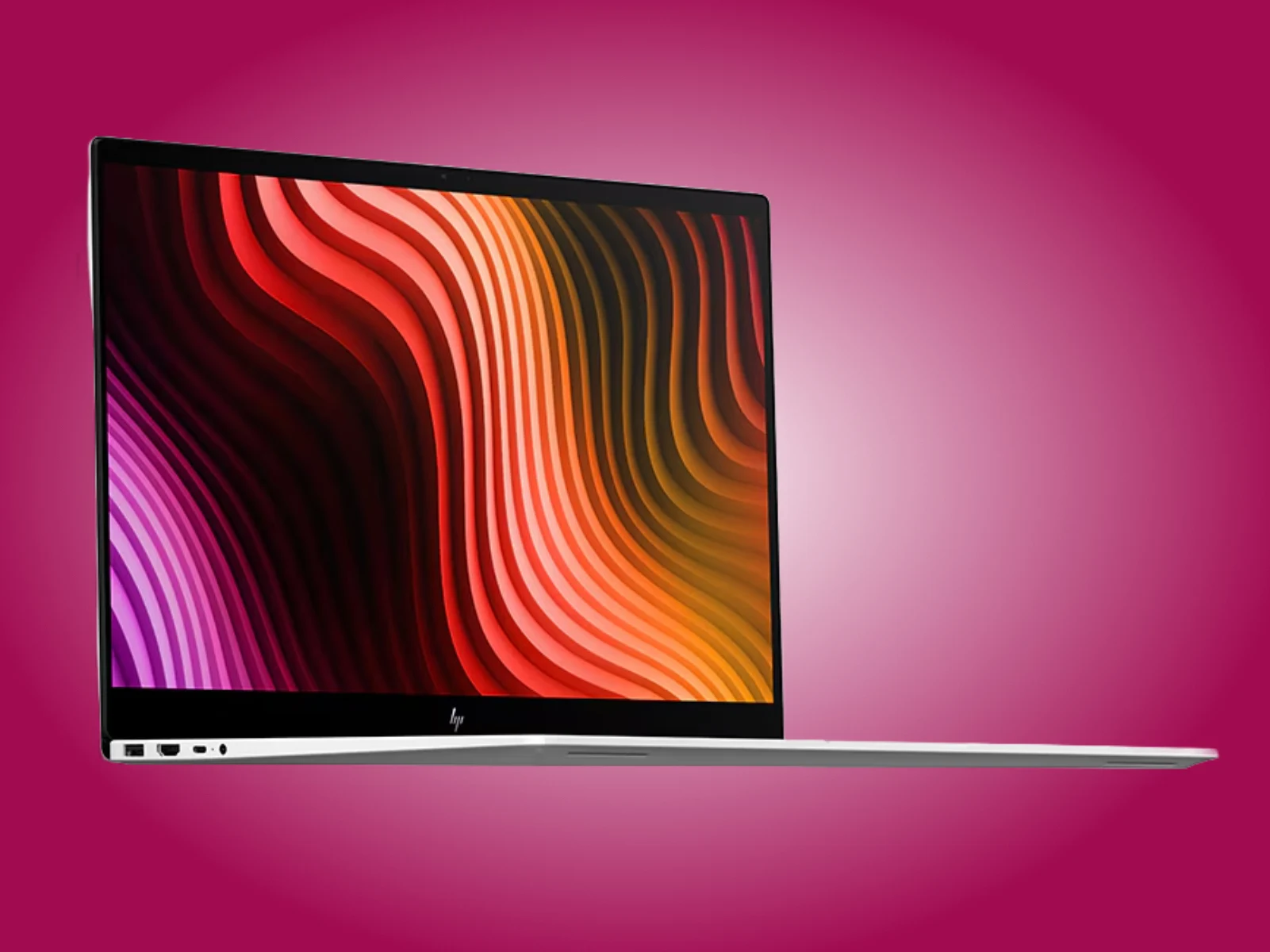
    HP has now started selling a new OmniBook X with a 17-inch display. To recap, the company introduced a Lunar Lake-based model last year (curr. $999 on Amazon). While the older OmniBook X 17 was available with up to Nvidia GeForce RTX 4050 graphics, the newer model currently trades a discrete GPU for up to Intel’s Arc B390 integrated graphics. A GeForce RTX 5050-powered model should be launching later in 2026, though.

    Pricing and Memory Details

    HP offers its new 17.3-inch laptop with 24 GB or 32 GB of LPDDR5X-8533 RAM and 2 TB of PCIe Gen 5 storage, too. All SKUs ship with the same 76 Wh battery and 1080p IPS display, though. Featuring a 16:9 aspect ratio, the display also delivers 400 nits peak brightness with 100% sRGB colour space coverage and touchscreen support.

    Regional Pricing Variations

    The OmniBook X 17 starts at $1,499 in the US with a Core Ultra 5 325 processor, 16 GB of RAM and 512 GB of storage. Limited SKUs means that the same laptop costs CAD 2,199 in Canada with the more powerful Core Ultra 7 355. Likewise, the 17-inch laptop costs at least €2,099 in the Eurozone by virtue of HP including 32 GB of RAM, a 1 TB SSD and the Core Ultra X7 358H with Arc B390 graphics. Please see HP’s website for more details.


  • LG 25G590B: 1080p Monitor with 1000Hz Native Refresh Rate

    LG 25G590B: 1080p Monitor with 1000Hz Native Refresh Rate

    Key Takeaway

    – LG UltraGear 25G590B can achieve native 1000Hz at 1080p, not relying on dual-mode upscaling.
    – 24.5-inch IPS panel with Motion Blur Reduction Pro and AI-powered features (AI Scene Optimization, AI Sound).
    – Launch expected in H2 2026; pricing not announced yet.


    LG looks set to launch the fastest 1080p gaming monitor this year. To recap, we’ve already seen plenty of high-refresh gaming monitors unveiled, including the Philips Evnia 27M2N5500XD and the Samsung Odyssey G6 (G60H), both of which can hit 1000Hz and 1040Hz refresh rates, respectively. However, both monitors need to drop down to 720p to reach those refresh rates.

    UltraGear 25G590B: Native 1000Hz on 1080p

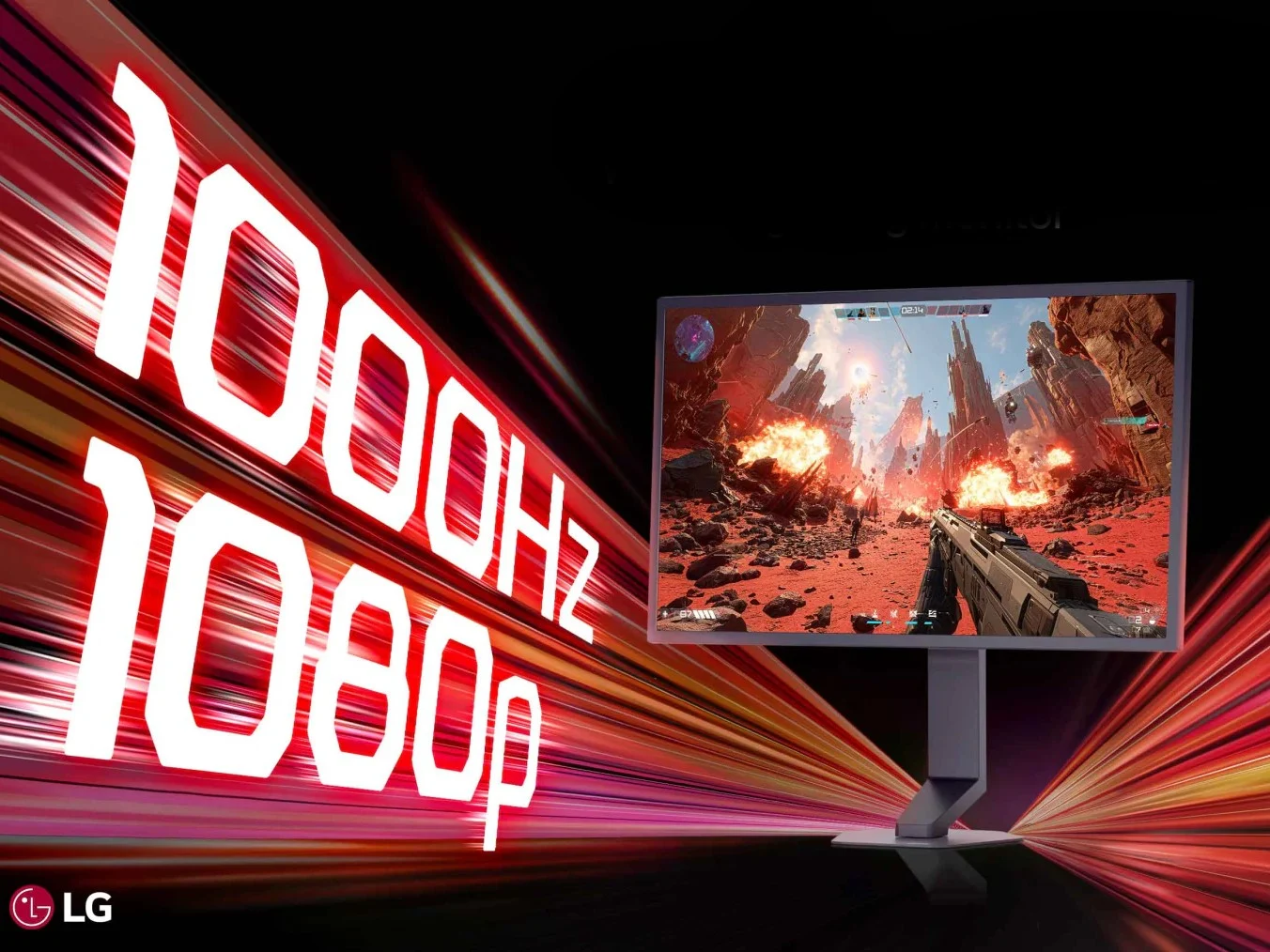
    The UltraGear 25G590B is the first gaming monitor announced that can run at a native 1000Hz refresh rate without using a dual-mode feature. Specifically, the monitor supports 1000Hz at its native 1080p resolution, which means you get both smoother motion and sharper image quality than the 720p dual-mode alternatives. Needless to say, it’s going to take a much more powerful PC to push 1000Hz at 1080p. That said, the 25G590B comes in an esports-friendly 24.5-inch size, which LG says “allows gamers to keep key visual elements within their natural field of view.”

    Design and Panel Technology

    LG hasn’t revealed the full specifications of the UltraGear 25G590B yet, but we do know it’s built around an IPS panel instead of OLED, unlike many of the recent high-refresh gaming monitors we’ve seen. The monitor will also support Motion Blur Reduction Pro, which LG says improves motion clarity and makes “fast-moving objects sharper and easier to track.” Additionally, AI features like AI Scene Optimization and AI Sound will come baked in, just like on most of LG’s 2026 monitors.

    Launch Window and Pricing

    According to LG, the UltraGear 25G590B will launch in the second half of 2026, but there are no pricing details at this point. This means enthusiasts will be waiting for more concrete specs, including brightness, contrast, inputs, and adaptive sync support, before forming a full opinion on value.


    Sources