Category: All News

  • LG considering sale of TV business to Hisense

    LG considering sale of TV business to Hisense

    Key Takeaway

    – LG may be considering selling its entire TV business to Hisense, signaling a potential exit from the consumer TV market.
    – The move follows years of shrinking profits and heightened competition from aggressive Chinese TV brands.
    – If completed, this would mark a historic shift for LG, which has a long-standing presence in TV manufacturing since 1966.


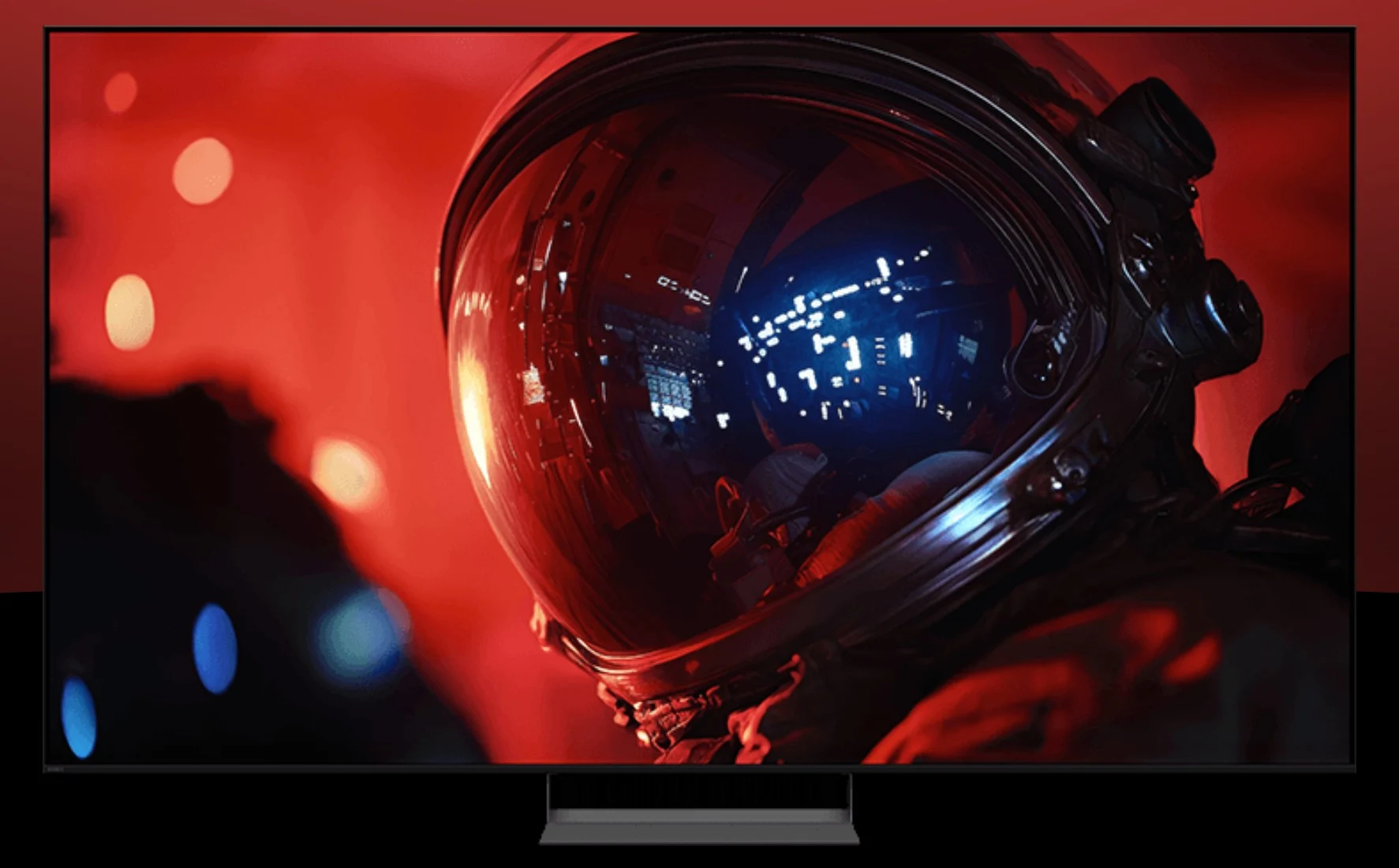
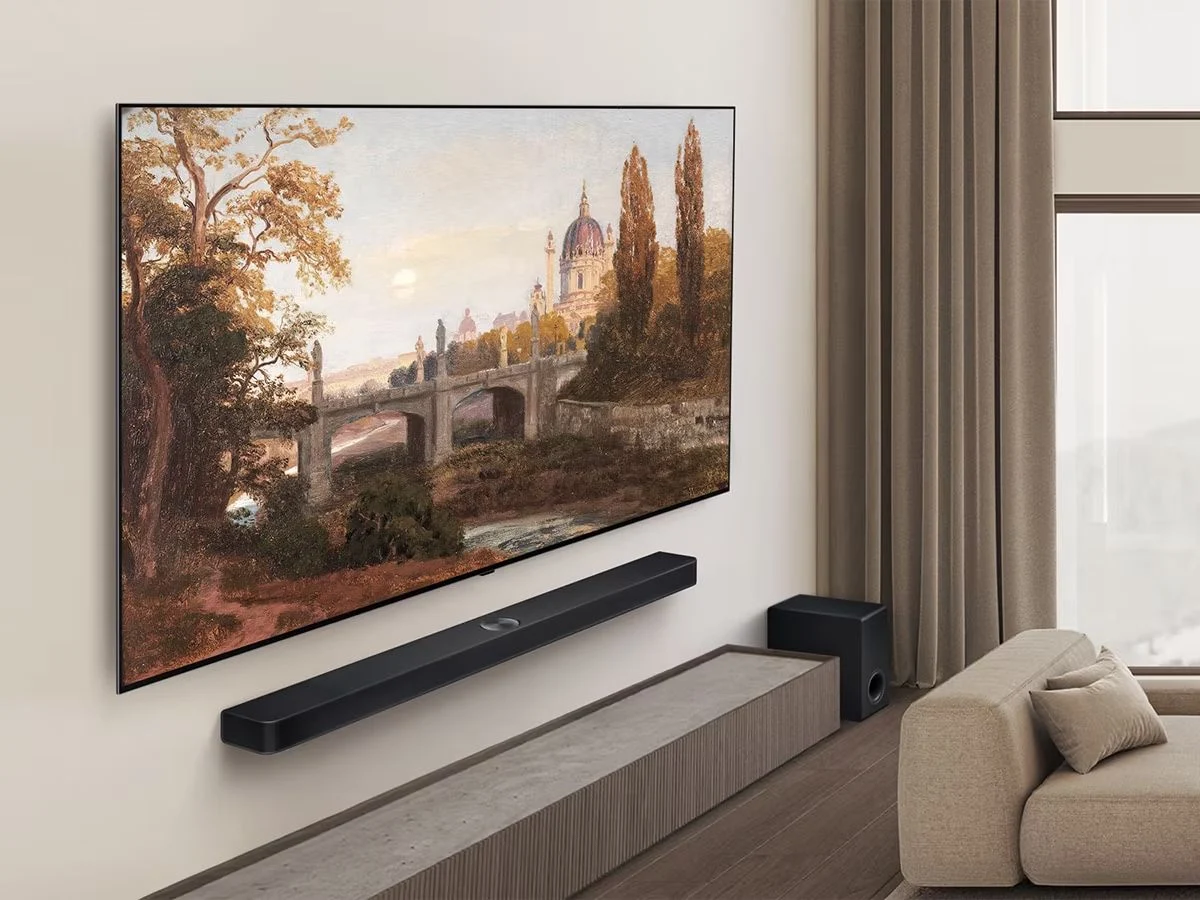
    LG could be preparing another major exit from the consumer electronics arena. An interesting new report from Korean news outlet EBN claims that LG is in talks to sell its entire TV business to Chinese electronics giant Hisense.

    Industry shift and talks

    According to the report, senior LG executives visited Beijing recently for talks with Hisense officials on a possible restructuring or total sale of the unit. The discussions suggest a potential strategic pivot that could reshape the company’s hardware lineup and focus areas, especially in flat-panel displays and smart TV software ecosystems.

    Historical context and pressures

    If the sale happens, it would be the end of an era. For close to 60 years, LG has been a mainstay in the television industry, originating in 1966 when its predecessor, GoldStar, brought out Korea’s first black-and-white TV. This lineage underscores a long tradition in display technology and consumer electronics that would be challenged by ongoing market pressures and price competition from overseas rivals.

    • LG has faced falling profits amid aggressive pricing from Chinese TV brands.
    • There is ongoing competition from companies that undercut traditional manufacturers on price.
    • This pressure mirrors other strategic moves in the sector, such as Sony selling a majority stake in its TV business to TCL.

    Strategic realignment

    However, LG has in recent times faced falling profits and intense competition from Chinese TV brands that are aggressively undercutting traditional manufacturers on price. This is the same reason that recently caused Sony to sell a majority stake in its own TV business to TCL. LG also made the tough decision in 2021 to pull the plug on its popular but failing smartphone division after years of growing losses. The company at the time shifted focus and resources to more profitable ventures like electric vehicle components, robotics, and smart home technology.

    It looks like LG could be doing the same with its television business, prepared to cut its losses in a very competitive hardware market. Critics argue that consolidating or exiting the TV segment could free up funds for more scalable or higher-margin projects, while supporters claim that established brands like LG’s display tech still carry value in partnerships and licensing deals.
    Sources
  • New Anker 8-in-1 Dual Display USB-C Hub Coming Soon

    New Anker 8-in-1 Dual Display USB-C Hub Coming Soon

    Key Takeaway

    – Dual-monitor support: teased to feature two HDMI outputs, an upgrade from the 555 model’s single HDMI port.
    – Multi-port hub: expected to include USB-C, plus card slots (TF/SD) based on the mock-up.
    – Availability signal: listed on Anker’s official eBay UK storefront with immediate shipping at £27.99, but official launch/release date is not confirmed.


    Anker Teases a New 8-in-1 USB-C Hub

    Anker has teased a new charging accessory: the Nano USB-C Hub (8-in-1, Dual Display). This upcoming model would join similar older products from the brand, like the Anker 555 USB-C Hub (8-in-1) (curr. $35.98 at Amazon).

    Speculative Features and Display Capabilities

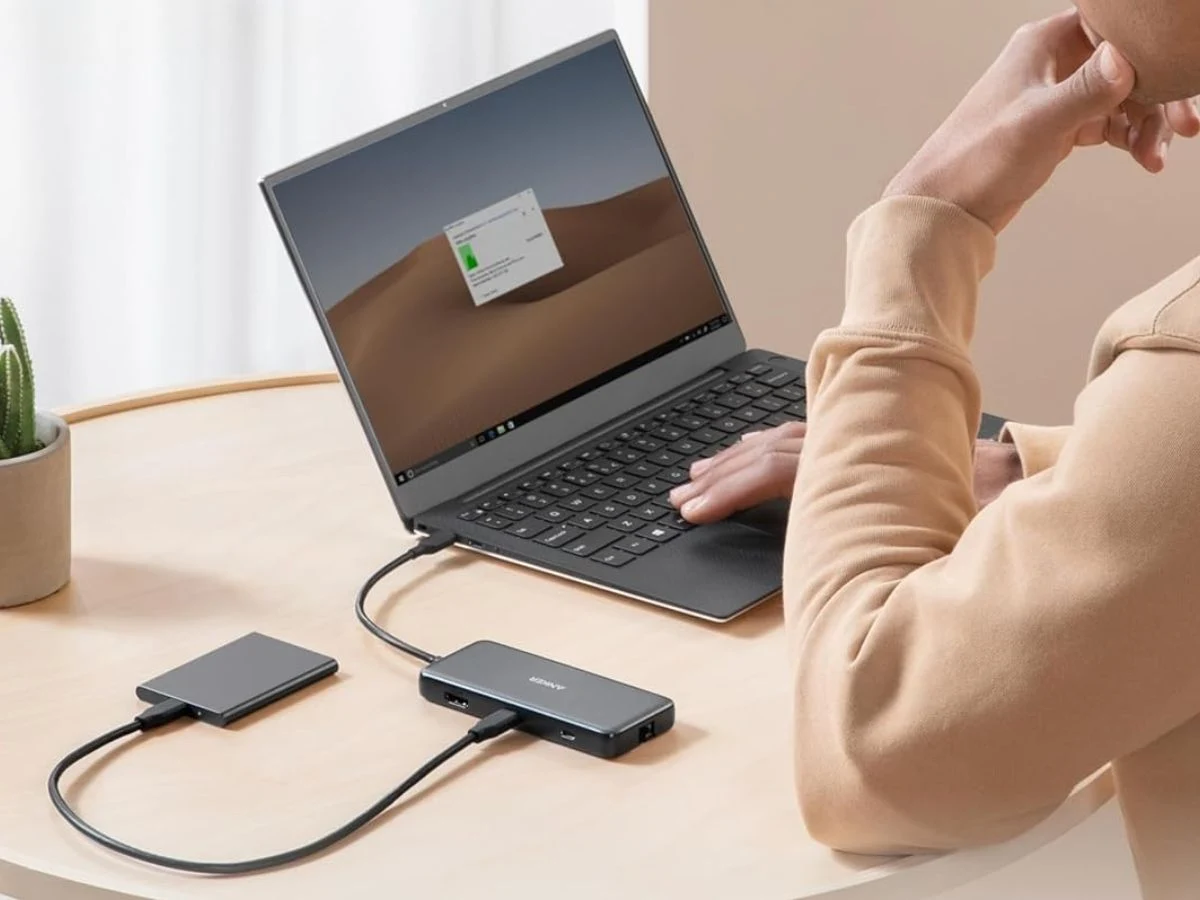
    The Anker Nano USB-C Hub (8-in-1, Dual Display) has appeared in a product listing at the brand’s official storefront at eBay UK. The page reveals few details about this unreleased accessory. However, both the gadget’s name and a teaser image suggest that users will be able to connect two monitors via a pair of HDMI ports. This would be an upgrade over the 555 USB-C Hub, which has a single HDMI port.

    Possible Ports and Card Slots

    The mock-up of the Anker Nano USB-C Hub (8-in-1, Dual Display) also suggests that the accessory will offer at least one USB-C port. Plus, the image appears to show TF and SD card slots. It is unclear how users will connect the gadget to the host device, though this will likely be via a USB-C cable.

    Launch Details and Pricing

    It is unclear when the Anker Nano USB-C Hub (8-in-1, Dual Display) will be officially unveiled or when it will be released. At the brand’s official eBay storefront in the UK, the model is listed for £27.99, with the product page suggesting that it would ship to customers immediately.

    Sources
  • Volvo Rolls Out 20k+ Fast-Charging Points for EV Fleet Update

    Volvo Rolls Out 20k+ Fast-Charging Points for EV Fleet Update

    Key Takeaway

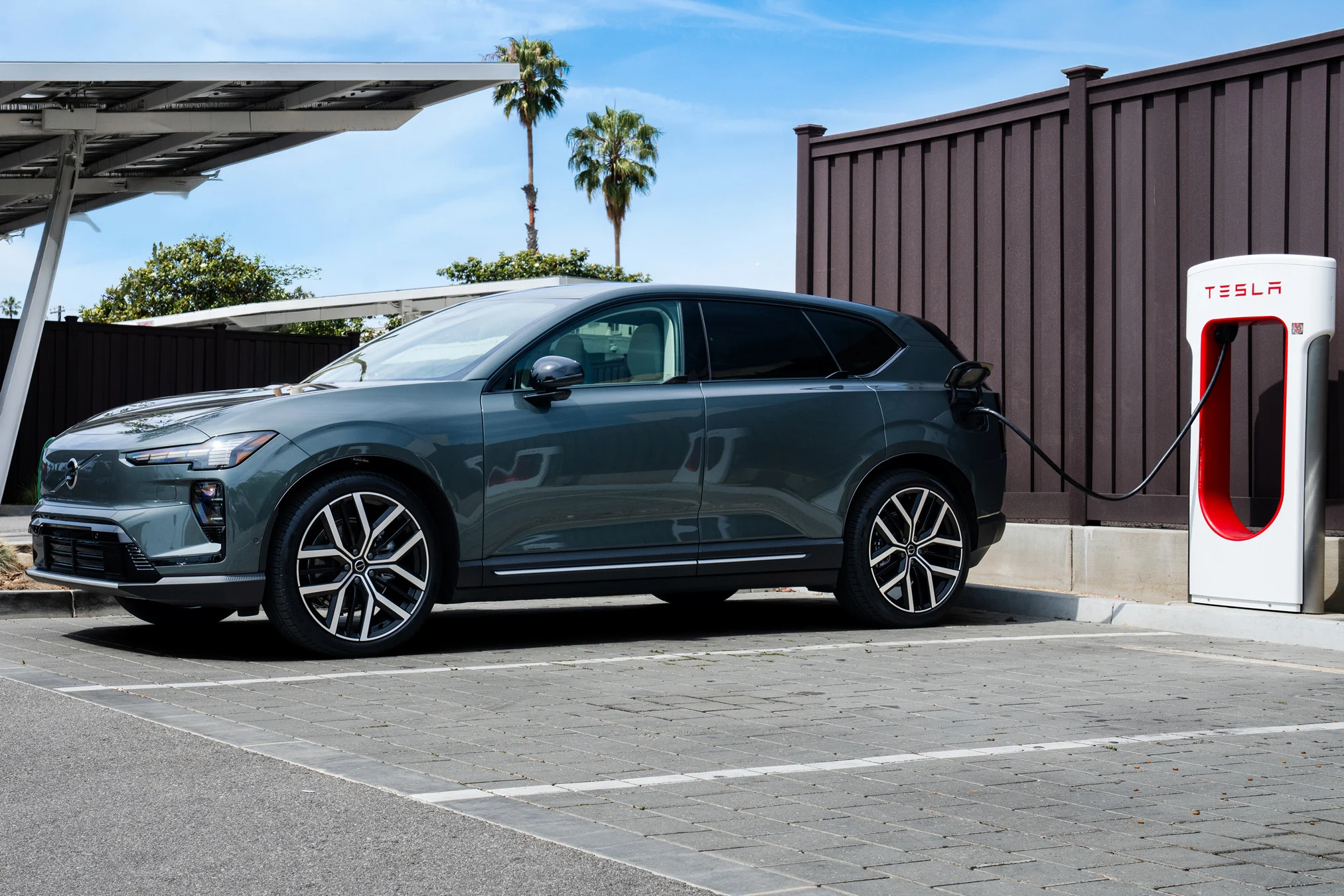
    – Volvo will enable direct access to over 20,000 Tesla Superchargers via Volvo Public Charging Service in its app starting Q4 2026, across 29 European countries.
    – The service already provides access to about 1.2 million charging points in Europe and 3 million worldwide, covering Volvo’s full model lineup.
    – Volvo plans to extend access beyond Europe, transitioning certain Asia-Pacific models to NACS by 2029 for seamless Tesla charging in Asia and North America.


    From the fourth quarter of 2026, Volvo drivers will be able to skip the detour through third-party apps, as more than 20,000 Tesla Superchargers become reachable, activated, and billed directly via the company’s own smartphone app. The plan promises a smoother, more streamlined charging experience, reducing the need to juggle several services on the road.

    Public charging service rollout

    Through the Volvo Public Charging Service inside the app, owners of a fully electric model will gain direct access to the charging stations of the US pioneer. The rollout covers 29 European countries, including Germany, France, the United Kingdom, Italy, Spain, Sweden, and Norway, aiming to support long-distance drivers with quick recharges on the go. This integration is designed to simplify long journeys and daily commutes alike, making charging more predictable and convenient for Volvo users.

    Current and future reach

    Even now, customers can access around 1.2 million charging points in Europe and a total of three million charging options worldwide through the app. Volvo does not exclude anyone from this new convenience and explicitly names the EX30, EX30 Cross Country, EX40, EC40, and EX60, as well as the large flagship EX90 and the ES90 electric sedan. The Swedish brand thus covers its entire range, from compact city cars to luxury long-distance BEVs.

    Global ambitions and market expansion

    But the developers’ focus isn’t only on Europe. In key Asia-Pacific markets like Japan and South Korea, Volvo plans to transition selected model lines to the North American Charging System (NACS, SAE J3400 standard) by 2029. This move will give Volvo drivers in Asia direct access to the local Tesla Supercharger network, removing the need for bulky adapters and promoting easier cross-border charging experiences.

    Impact on charging anxiety

    Through this strategic partnership, Volvo aims to make daily BEV life as straightforward as possible. The ongoing chaos around standardisation and public charging is often cited as a major hurdle to mass market adoption. By integrating one of the most well-known and reliable fast-charging networks directly, Volvo reduces traditional range and charging anxiety for its customers, potentially speeding up the shift to electric driving.

    Volvo


    Sources

  • Mid-Range Phones Offer More Security Than High-End Models

    Mid-Range Phones Offer More Security Than High-End Models

    Key Takeaway

    – Four Android versions and six years of security updates (until 2032) provide long-term security and feature access.
    – Pre-installed Android 16 and ongoing updates mean active maintenance with patches roughly every three months.
    – The extended support makes the Nord 6 attractive for both individual users and businesses seeking lower replacement costs over several years.


    Overview

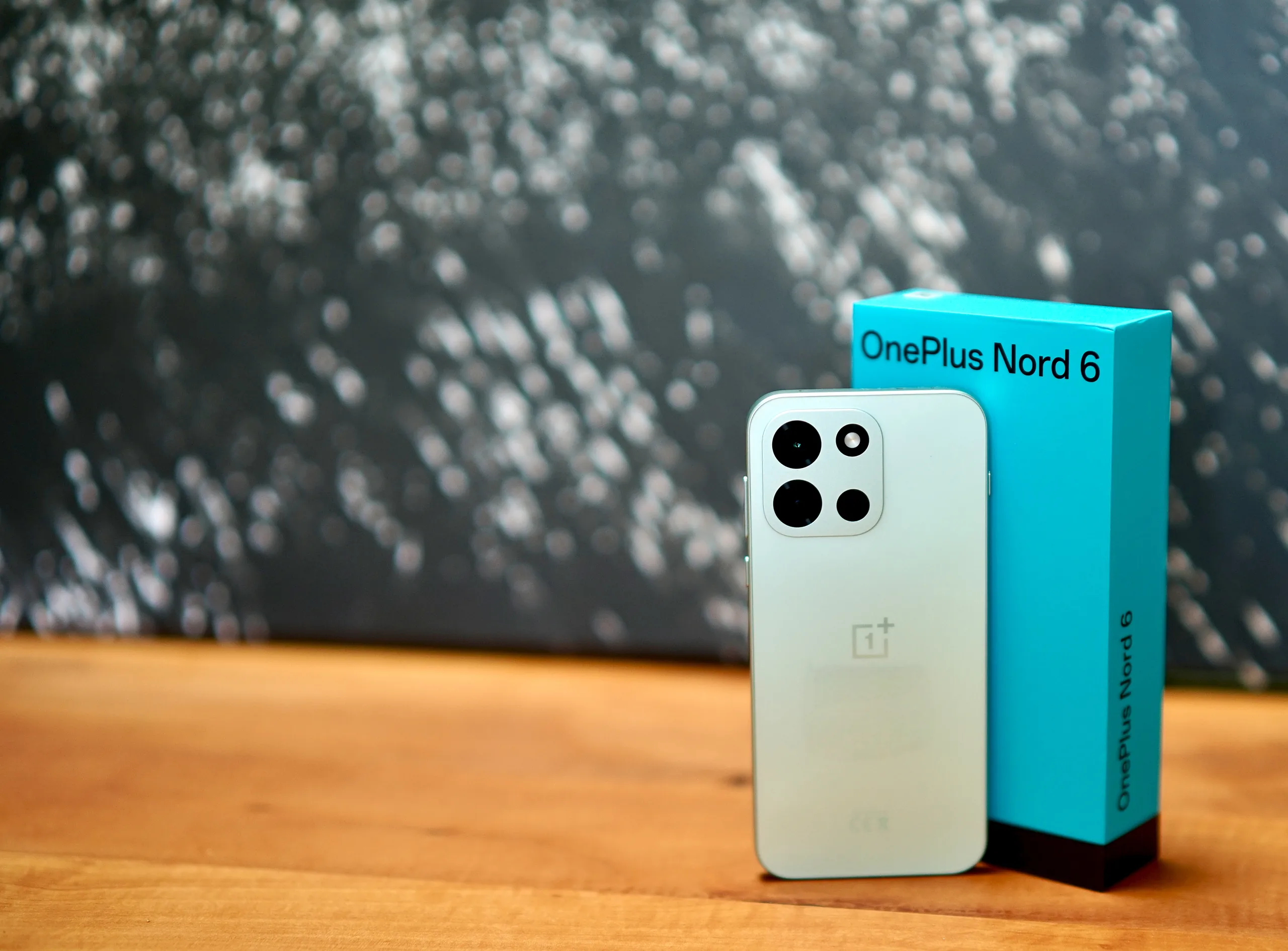
    The OnePlus Nord 6 sets standards in the mid-range with its long software update guarantee. Four Android versions and six years of security updates until 2032 ensure long-term security, which is unfortunately not always a given in this price range. With Android 16 pre-installed and the promise of four new Android versions and six years of security updates until 2032, the Nord 6 offers an update policy that is otherwise often only found on premium devices.

    Long-Term Support

    This long-term support means that users can keep their device secure and up-to-date for at least six years without having to do without new functions. The security patches date from March 2026, which shows that the device is being actively maintained. You will probably receive updates at least every three months. For the average user, this guarantee means that the smartphone will still be safe and functional in five years’ time.

    Impact for Users and Businesses

    If you use the device for several years, you benefit from continuous security updates that close known vulnerabilities. This long-term support is also an important factor for companies that use smartphones for their employees, as it reduces the cost of replacing devices. The promise of four Android versions also ensures that new functions and improvements remain available over a long period of time. We often criticize the update period for other mid-range smartphones: models such as the Nothing Phone (4a) or the Motorola Edge 70 Fusion offer shorter update periods, which limits long-term usability.

    Market Comparison

    Overall, however, the situation has improved significantly in recent years, which is likely to be helped by the new EU directives. The long-term software update guarantee of the OnePlus Nord 6 is a clear plus. With four Android versions and six years of security updates until 2032, it offers good future security. This is a strong argument for users who want to use their smartphone for several years.


  • Samsung 4K 360Hz QD-OLED Monitor: World’s First by Samsung Display

    Samsung 4K 360Hz QD-OLED Monitor: World’s First by Samsung Display

    Key Takeaway

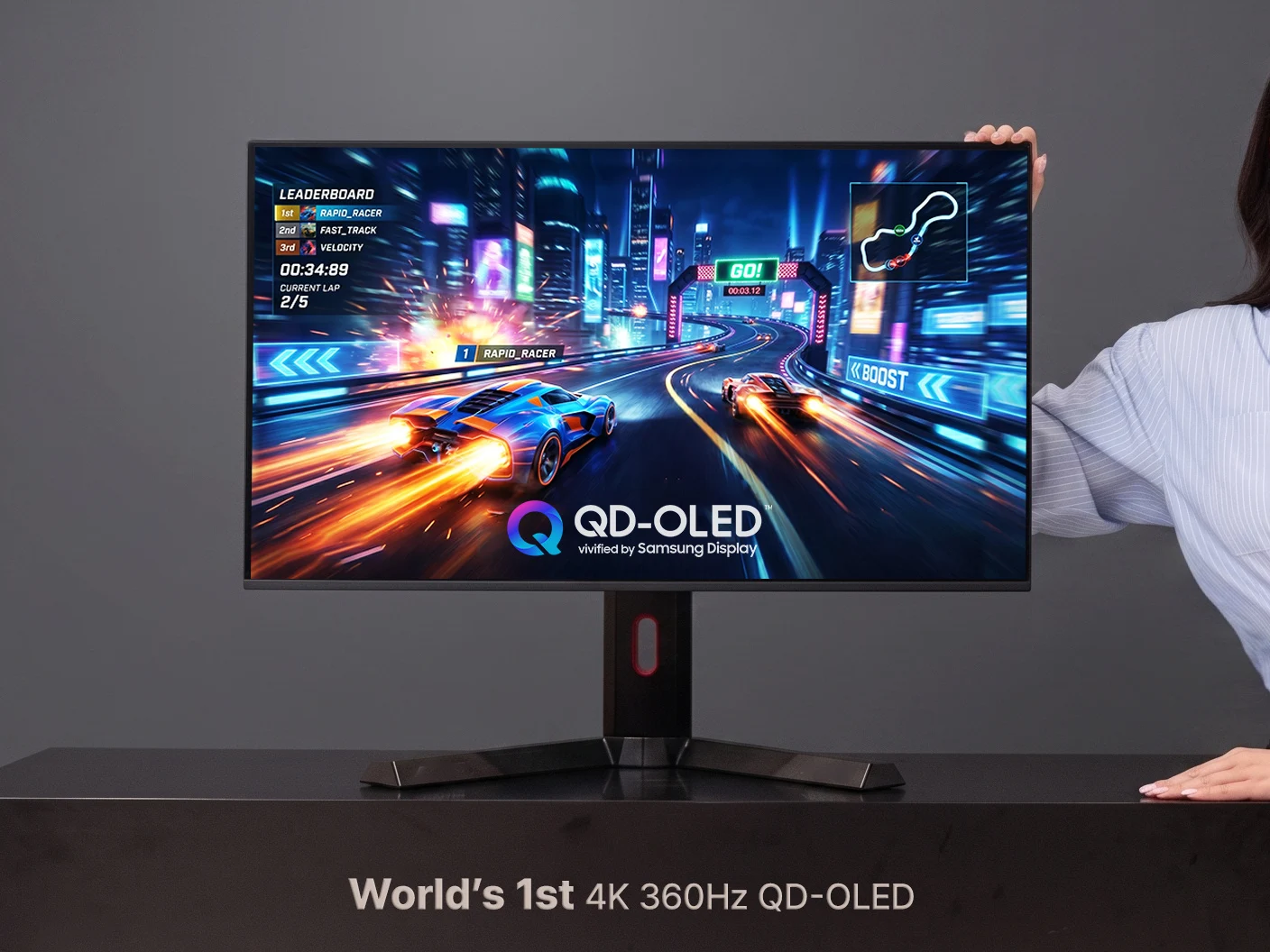
    – 31.5-inch QD-OLED panel with 4K resolution at 360 Hz, plus a built-in 1080p 680 Hz mode
    – Re-engineered internal driving circuitry to handle higher data load and a dual-mode resolution/refresh feature
    – First to meet VESA DisplayHDR True Black 600 standard (≥600 nits brightness with deep blacks)
    – Vertical V-Stripe subpixel layout for improved text clarity and reduced edge blur
    – Mass production targeted for H2 2026, with collaborations from ten global tech brands


    Samsung Display reveals new 31.5-inch QD-OLED monitor panel

    In a bold move, the company announced a 31.5-inch QD-OLED panel that sports 4K resolution and a whopping 360 Hz refresh rate, with plans to showcase this at Computex 2026 in June. The claim that this panel can deliver both 4K clarity and ultra-high refresh rate in one device marks a notable shift from prior compromises where users had to pick either 4K at 240Hz or lower QHD for 360Hz. This product seems to be stepping into a new territory where high resolution meets extreme speed, a combination tech enthusiasts have awaited for years.

    Engineering tweaks enable higher data throughput

    Samsung Display says the breakthrough comes from re-engineering the panel’s internal driving circuitry to accommodate the heavier data load required by 4K at 360 Hz. This technical rework purportedly optimizes how signals are processed and delivered across the panel, reducing bottlenecks that previously limited performance. The result, they claim, is sustained performance at those demanding specifications without compromising other aspects of the display’s behavior.

    Dual-mode functionality and HDR capabilities

    Another notable feature is a built-in dual-mode function that lets users drop the resolution to 1080p while ramping the refresh rate up to 680 Hz for scenarios that demand extreme motion clarity. Such a mode could be particularly appealing to competitive gamers or professional users who need ultra-fast response times in fast-paced workloads. Additionally, the panel claims to be the first monitor panel to pass the VESA DisplayHDR True Black 600 standard, achieving at least 600 nits peak brightness while maintaining deep black levels, which is a meaningful milestone for contrast-rich visuals.

    Vertical V-Stripe subpixel layout and production plans

    The panel introduces a vertical “V-Stripe” subpixel arrangement, aligning red, green, and blue subpixels in a way that’s intended to improve text legibility and minimize edge blurring. This layout change is part of Samsung Display’s broader effort to optimize both text and image quality on high-end OLED panels. Mass production is expected in the second half of 2026, and the company is already collaborating with ten global tech brands to bring these panels to market, signaling strong industry adoption in the near term.

    Sources
  • Steam Deck OLEDs Sell Out Hours After Price Hike

    Steam Deck OLEDs Sell Out Hours After Price Hike

    Key Takeaway

    – Steam Deck OLEDs are sold out again, despite recent restocks for the 512GB and 1TB models.
    – Valve significantly increased prices: 512GB from $549 to $789; 1TB from $649? to $949 (noting the $300 jump).
    – Valve says hardware hasn’t changed; price hikes are due to memory/NAND shortages and global logistics affecting component costs.


    Steam Deck OLED stock evaporates as prices soar

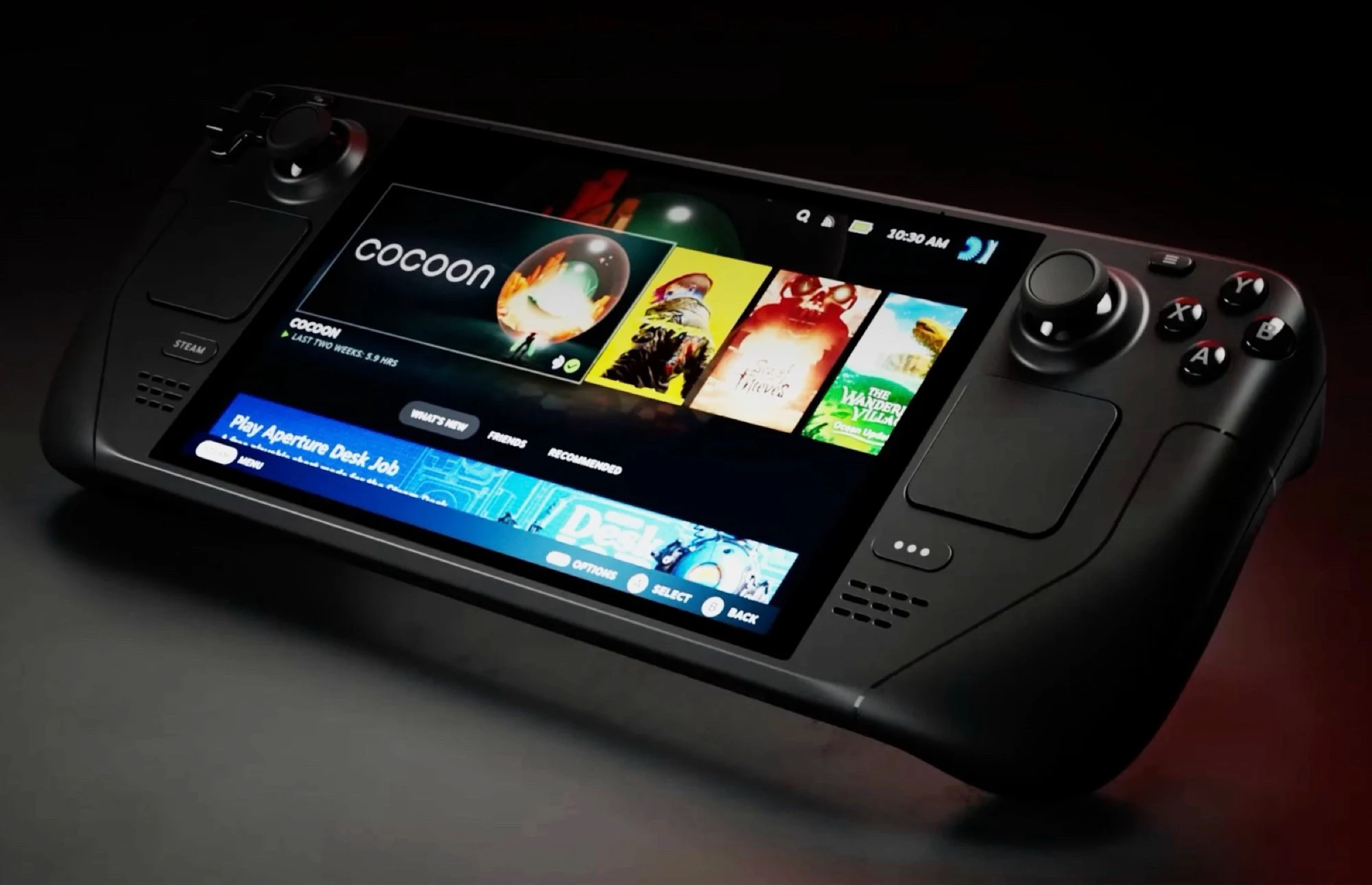
    If you were hoping to snag the Steam Deck OLED, you’re outta luck again. After Valve finally restocked the hotly anticipated handheld, the 512GB and 1TB variants have all vanished from shelves in record time, leaving buyers with little choice but to wait or seek alternatives. The situation underscores the tug-of-war between demand and supply for this gadgety favorite, and how fast two popular SKUs can disappear from mainstream channels.

    Pricing shift explains by Valve

    This news comes hot on the heels of Valve’s sweeping price update for the consoles. The 512GB model jumped from $549 to $789, a steep rise that will leave many shoppers re-evaluating their budget. The 1TB version fared even worse, seeing a $300 increase to $949. Valve’s brief note asserted that the hardware specs had not changed, just the price point due to external pressures. The company’s explanation aims to calm fears of firmware or performance downgrades while acknowledging market realities that impact retail pricing.

    Why the costs spiked, according to Valve

    Valve pointed at the heavy costs of components as the primary culprit for the price surge. Memory chips and NAND flash shortages, alongside a broad spectrum of global supply-chain disturbances, have pushed production expenses upward. The tech sector, in general, has struggled with supplier lead times and logistics bottlenecks, which ripple through to consumer prices for high-end portable gaming devices like the Steam Deck OLED.

    What this means for buyers and stock posting

    For shoppers in the immediate term, the combination of sold-out status and inflated retail prices creates a tricky buying environment. Those hoping for restocks soon may need to brace for delayed availability as manufacturers navigate constrained inventories. Meanwhile, price-conscious consumers might weigh alternatives or older models to balance feature needs with a tighter budget, since the OLED variant remains a premium option in Valve’s lineup.

    Sources
  • Apple iPhone 18 Pro Camera and AI Siri Apps in iOS 27 Leak (Early)

    Apple iPhone 18 Pro Camera and AI Siri Apps in iOS 27 Leak (Early)

    Key Takeaway

    – Siri overhaul to become an always-on AI agent capable of analyzing on-screen content, personal data, and web information.
    – Major enhancements to the iPhone camera experience driven by generative AI.
    – Potential feature exclusivity to newer devices (iPhone 18 Pro/Pro Max and foldable iPhone Ultra with the A20 Pro chip), with some features possibly rolling out to older iPhones later.


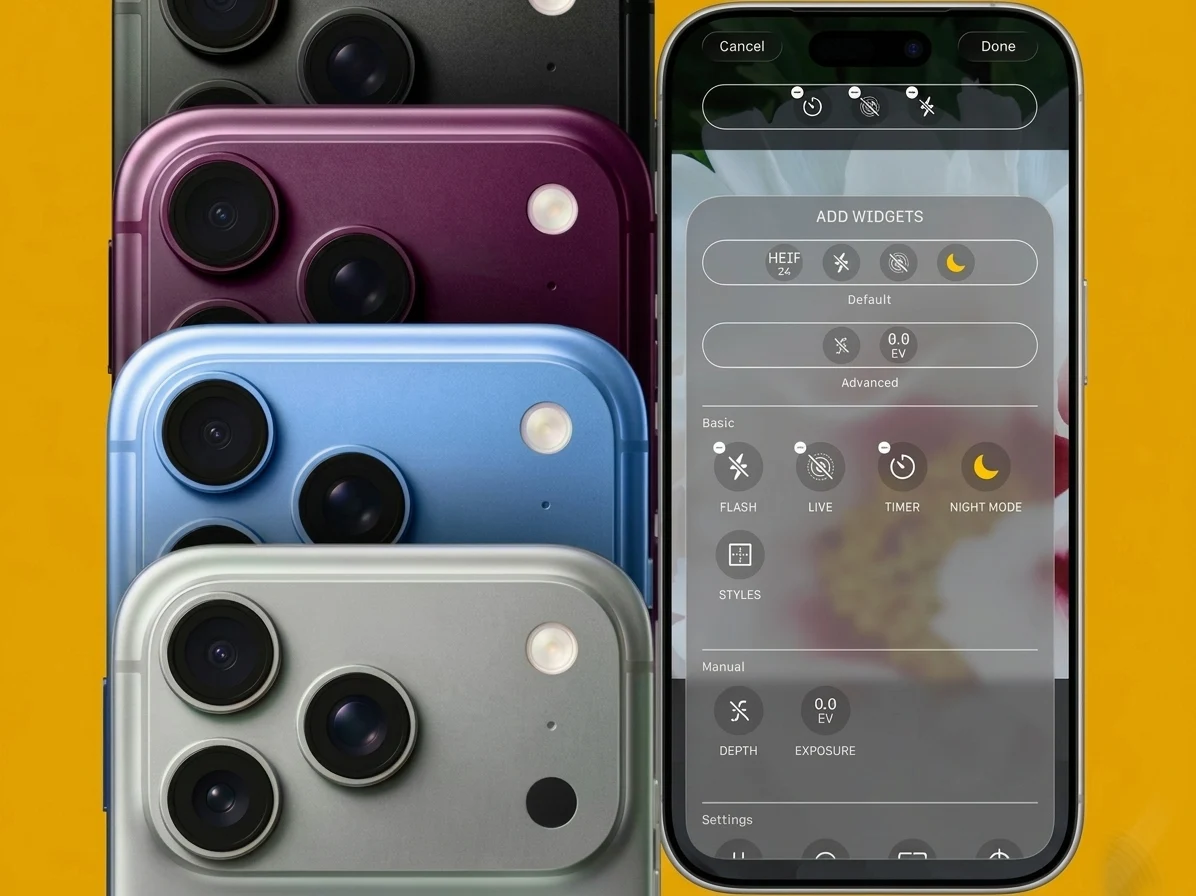
    Ahead of the June 8 Worldwide Developers Conference (WWDC), a very unusual leak (coming from a very reputable source) seems to have revealed Apple’s plans for the upcoming iPhone 18 Pro and iOS 27, suggesting a notable reshaping of Siri and the iPhone camera with a stronger push into generative AI. The piece hints at a total revamp of the voice assistant and major enhancements to native imaging workflows, signaling a broader shift in how users will interact with devices.

    Leaked details and cautions

    According to Bloomberg, the leaked info and iOS 27 renders are based on detailed description by people who’ve seen the software in action, so they are likely to be close to what Apple actually ships with the iPhone 18 Pro when the final version iOS 27 is out. The notes also warn that some features might not appear exactly as shown, since Apple could adjust elements between the beta shown at WWDC and the September final release, a familiar pattern for Apple’s software cycles.

    Potential exclusivity and hardware ties

    It’s worth noting that it’s not 100% clear which new features will make it to all iPhones supporting iOS 27 and which ones will remain exclusive to the new iPhone 18 Pro, iPhone 18 Pro Max and the foldable iPhone Ultra, thanks to the new A20 Pro chip. Apple is known for making certain new software features exclusive to the newest iPhones, so we’ll have to wait and see what lands for older models and what stays behind in the launch lineup.

    Sources
  • Sony Bravia 7 II & 9 II 4K TVs with True RGB Backlighting and 405W Theater Trio System

    Sony Bravia 7 II & 9 II 4K TVs with True RGB Backlighting and 405W Theater Trio System

    Key Takeaway

    – True RGB backlighting across XR70M2/XR90M2 series boosts brightness, color purity and gamut while reducing off-axis color shifting versus prior Bravias.
    – Immersive Black Screen Pro anti-reflection/glare film on XR90M2 enhances contrast by minimizing stray light reflections.
    – Bravias support advanced features (AI image enhancement, 4K ATSC 3.0, Dolby Atmos/Vision, 3D surround, Room Calibration, Google TV with Gemini AI, AirPlay, Cast, Alexa) and Game Mode with PS5 up to 4K120/low latency.


    Overview

    Sony has announced the arrival of the Bravia 7 II and Bravia 9 II 4K HDTVs with True RGB backlighting and the Bravia Theater Trio Dolby Atmos wireless speaker system. The HDTVs deliver higher brightness with greater color purity, while the speaker system delivers immersive spatial sound from three speaker modules. Both the TVs and the speaker system can be further expanded with external subwoofers and speakers.

    Backlighting Technology

    The key change between the latest XR70M2 and XR90M2 series and the prior series is the switch to True RGB backlighting. Each backlight zone can now output a specific color, rather than simply white light. The new light technology helps to increase maximum brightness, color purity, and color gamut volume, while reducing off-axis color shifting for a superior image when compared to the prior generation of Bravias. The backlight color better matches the local image color to help make the natural LCD light leakage appear less conspicuous, especially versus the prior generation of Bravias.

    Brightness, Specs, and Display

    The specifications do not state the maximum brightness of the new models, so it’s unknown whether they can match the 4,000-nit brightness of Sony’s $34K BVM-HX3110 premium 4K HDR grading monitor.

    Anti-Reflection Enhancements

    Additionally, the XR90M2 series benefits from a newly developed Immersive Black Screen Pro anti-reflection and anti-glare film that further reduces stray light reflections beyond what was previously achieved with the XR90 series, while also increasing the apparent contrast.

    Features and Connectivity

    The Bravias come with the expected slate of features that top-end HDTVs ought to have, including AI-powered image enhancement, 4K ATSC 3.0 (Nexgen) TV tuners, Dolby Atmos and Vision, 3D surround sound, automatic room sound calibration, and voice control thanks to Google TV with Gemini AI. The TVs are also compatible with Apple AirPlay, Google Cast, and Alexa for easy sharing from smartphones and smart home integration.

    Gaming and Integration

    For PlayStation 5 owners, the Bravias will automatically switch into low-latency Game mode with optimized HDR tone mapping and variable refresh rates up to 4K 120 Hz. Networked Bravias can remotely access PS4 and PS5 consoles to play games from afar.

    Bravia Theater Trio and Sound

    The 9-speaker Bravia Theater Trio sound system can be used with the Bravias to provide 3.0.2 surround sound output, with Dolby, DTS, and IMAX Enhanced support. The included calibration microphone enables quick, automated room sound optimization.

    Speaker Array and Subwoofers

    Upward firing speakers in the wireless satellite units along with 360 Spatial Sound Mapping enable the Trio to recreate up to 24 phantom speakers for immersive surround sound without the need to install dozens of physical speakers. However, for powerful low-end bass, external subwoofers can be connected to the Trio.

    Sizes and Pricing

    The Bravia 9 II comes in 65″, 75″, 85″, and 115″ sizes, while the Bravia 7 II comes in 50″, 55″, 65″, 75″, 85″, and 98″ sizes. The former is priced from $3,599.99 to $30,999.99, and the latter is priced from $1,599.99 to $8,999.99. The Bravia Theater Trio is priced at $2,199.99. Some Bravia 7 II models are available for purchase today, while the other HDTV models and the sound system will be released later in 2026.

    Availability

    Readers can look for their arrival in the Sony Store in the official channels and Sony’s regional stores.


  • Oura Ring 5: 40% Smaller Body, Up to 9 Days Battery Life

    Oura Ring 5: 40% Smaller Body, Up to 9 Days Battery Life

    Key Takeaway

    – Higher comfort and durability: 2.28 mm thickness, up to 40% more compact, made of titanium, water-resistant to 100 meters.
    – Longer battery life and improved sensors: 6–9 days; heart rate accuracy ~99%, sleep detection ~95%.
    – 50+ health metrics with advanced tracking: sleep phases, workouts, active calories, daily form, personalized goals, skin temperature, cycle and stress tracking, cardiovascular age.
    – New features via software in Ring 5 (also available on Ring 3/4) with pre-orders starting; multiple color/finish options and price tiers.
    – Subscription required for most features: $5.99/mo or $69.99/yr.


    Oura Ring 5 Overview

    The Oura Ring 5 replaces the Oura Ring 4 ($349 on Amazon) and, with a thickness of 2.28 millimetres, is up to 40 percent more compact than its predecessor, making it even more comfortable to wear. The battery life is increased to six to nine days and the sensors are said to work even more precisely.

    Performance and Build

    According to Oura, the heart rate sensor detects the pulse with 99 percent accuracy, while sleep should be detected with 95 percent precision. The Oura Ring 5 is made of titanium and is water-resistant to a depth of 100 meters, so it can also be worn for swimming. The basic functionality does not change, because while Oura introduces new software features, these are also available on the Oura Ring 3 and 4.

    Health Metrics and Tracking

    The Oura Ring 5 provides over 50 health metrics. The Smart Ring is capable of sleep phase tracking and can provide bedtime recommendations. The ring automatically recognizes workouts from cycling to basketball, measures the active calories burned, evaluates daily form and creates personalized activity goals. In combination with the integrated skin temperature sensor, cycle and stress tracking as well as an assessment of cardiovascular age are also possible.

    Pricing and Availability

    The Oura Ring 5 can now be pre-ordered at the manufacturer’s online store. The version in black or silver with a glossy finish costs $399, while matt black, brushed silver, gold and rose gold each cost $499. A subscription is required to use most of the features, which costs $5.99 per month or $69.99 per year.


    Sources

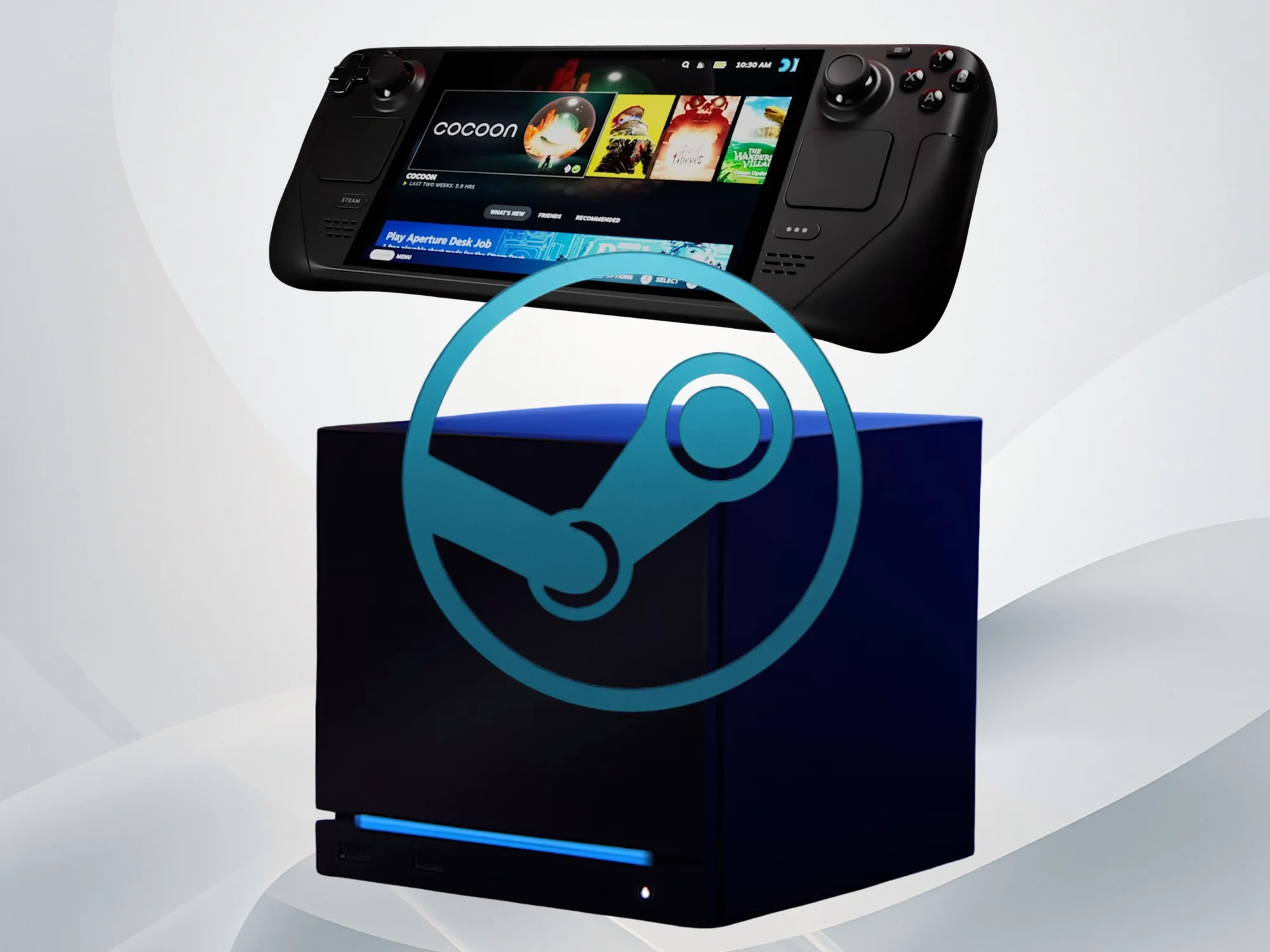
  • Insider Leaks Steam Machine Price, Safer Steam Deck Value

    Insider Leaks Steam Machine Price, Safer Steam Deck Value

    Key Takeaway

    – Steam Deck prices increased (OLED 1TB at $949; LCD 512GB at $789) due to component shortages and AI-influenced DDR5 RAM/SSDs.
    – Insider Brad Lynch suggests the forthcoming Steam Machine will cost above MSRP and potentially well over $1,000 for at least one variant.
    – Predictions have shifted toward a high-end price reality, with earlier ranges ($600 or less to $1,200+) now leaning to the higher end.


    Overview of Restock and Price Increase

    After months of low supply, Valve finally restocked its gaming handheld. Unfortunately, a severe Steam Deck price increase accompanied the new units. As fears grow over what the Steam Machine may cost on its release date, a reliable insider has provided a sobering hint. The situation feels like a sudden twist in a long-running story, where fans hoped for stable pricing but are met with higher expectations and cautious optimism.

    Insider Input and Price Speculation

    On social media, Brad Lynch, the source of many Valve leaks, commented on the Steam Deck news. He explained that he was given a Steam Machine price estimate about 2 months ago. Although he doesn’t reveal a specific number, gamers can expect it to be higher than the MSRP of the SteamOS handhelds. The chatter points toward a premium tier that could impact how buyers view the lineup at launch.

    Current Pricing Trends for Steam Deck Variants

    The gaming giant’s storefront now lists $949 for the Steam Deck OLED 1TB, up from $649. Meanwhile, the LCD 512GB alternative is no longer so appealing at $789, previously costing $549. With storage and memory prices at record levels, the company blamed component shortages for the changes. The upcoming console challenger also uses DDR5 RAM and SSDs impacted by the AI boom. It’s a response from Valve that mirrors broader market pressures and supply chain constraints that many tech firms are facing today.

    Portents for the Steam Machine

    Unsurprisingly, considering its superior specs, Lynch suggests that the Steam Machine will be more expensive. That could send the MSRP of at least one variation well above $1000. A recent datamine pointed to a similar figure, which was largely dismissed at the time. Before the latest leak, predictions varied from $600 or less to $1200 or higher. It now seems that the latter scenario is realistic. The narrative has shifted toward a premium handheld that targets power users and long-term enthusiasts who want top-tier performance on the go.

    Industry Comparisons and Revenue Strategies

    Some fans may hope that Valve will subsidize its compact Linux system. When the Xbox Series X and PS5 launched, it’s believed that Microsoft and Sony lost money on the hardware. The goal was to solidify a user base before potentially earning profits later in their lifecycles. In the meantime, they relied on game sales, accessories, and subscriptions for revenue. The idea of loss-leaders isn’t new in gaming hardware, yet Valve’s approach could differ due to its software ecosystem and platform strategy.

    What Analysts Are Saying

    Based on earlier guidance, it’s unlikely that Valve is taking the same approach. Analysts have also speculated that the manufacturer pays more for components than competitors. Gamers will only know the Steam Machine price with certainty when they hear an official release date update. The ongoing speculation mixes market dynamics with long-term expectations for how Valve might monetize hardware alongside its vast game catalog and Steam services.


    Sources