Category: All News

  • Razer Blade 16: Quiet Low-Performance Gaming Worth It

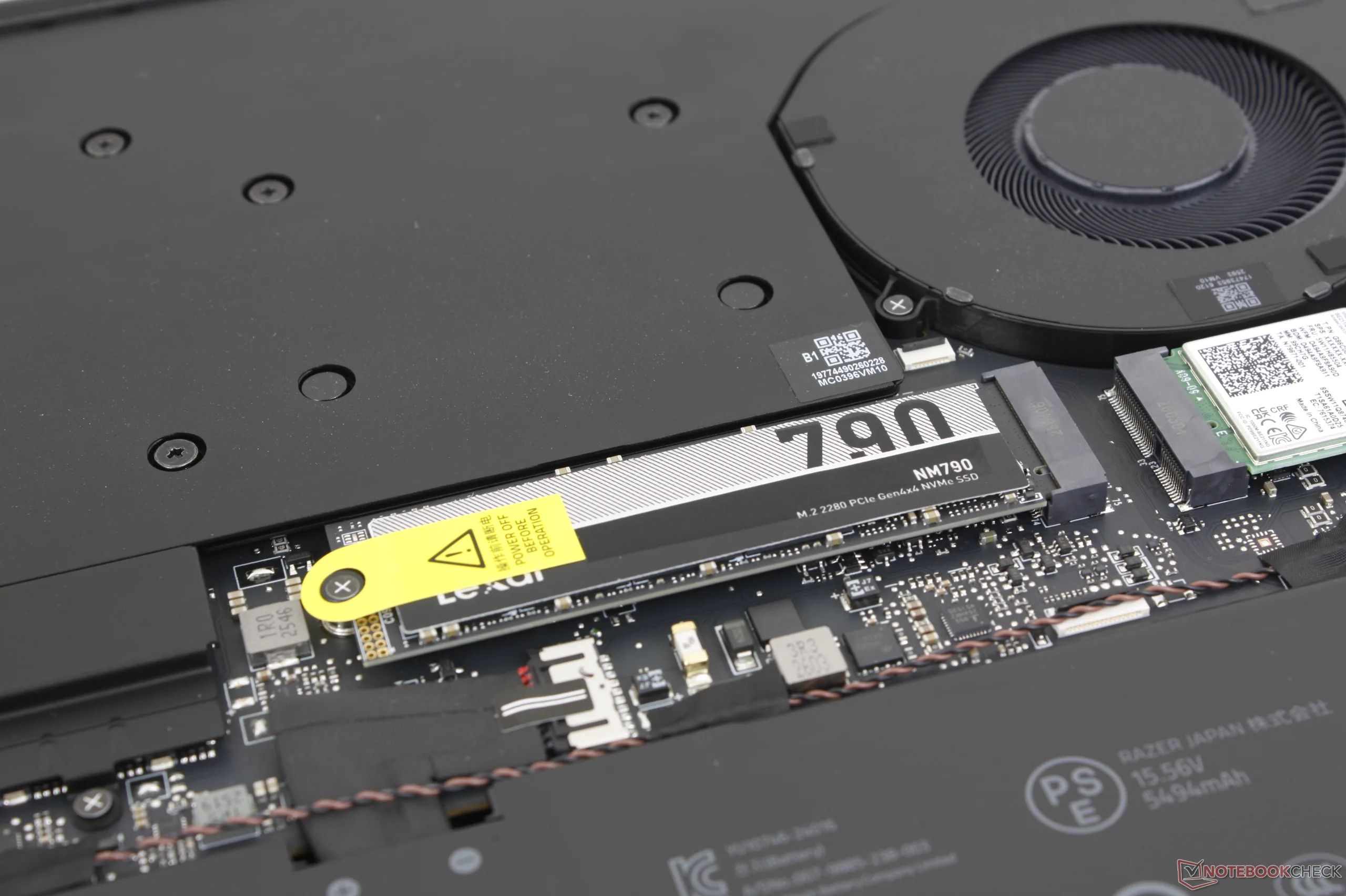
    Razer Blade 16: Quiet Low-Performance Gaming Worth It

    Key Takeaway

    – Performance mode delivers highest GPU/TGP (around 140 W) with the loudest fans; Balanced drops only ~4% in GPU performance vs Performance, with noticeable but smaller fan noise reduction; Quiet further reduces both CPU/GPU performance by ~15% but maintains much quieter operation.
    – The fan noise reduction from Balanced to Quiet is substantial (about 4 dB(A) from 53.6 to 49.7, and to 45 dB(A) in Quiet), despite only modest gains in performance difference.
    – Quiet mode remains capable for 1600p gaming with DLSS on Balanced, delivering around 64 FPS in Cyberpunk 2077 RT Ultra at 1600p, making the trade-off between performance and noise favorable for a more tolerable experience.


    Overview of the Razer Blade 16 Performance Modes

    The Razer Blade 16 offers three main modes of performance accessible via the built-in Synapse software: Performance, Balanced, and Quiet. The software provides no additional information about what these modes entail and so we decided to do a little digging into these modes ourselves. This paragraph maintains a casual tone and shows how the modes are introduced, with a focus on user curiosity and hands-on testing to supplement missing official details.

    Mode Comparisons and Fire Strike

    The table below compares the Fire Strike scores of the three different modes. In this section, a simple comparison layout is used, keeping things straightforward while still presenting the numeric results that matter for quick assessment. The emphasis is on how each mode stacks up in a controlled benchmarking snapshot to guide user expectations.

    Power Use with Cyberpunk 2077

    When running Cyberpunk 2077, TGP would average 142 W, 115 W, and 95 W when set to Performance, Balanced, and Quiet modes, respectively. Razer advertises a sustained TGP of 140 W which is only attainable when set to Performance mode. This paragraph reproduces the power figures exactly as reported, preserving the original numeric details for accuracy and reproducibility in discussions about efficiency and thermal behavior.

    Minor GPU Gap in Balanced Mode

    The most noteworthy find is the very minor GPU performance deficit of only 4 percent when set to Balanced mode relative to the much more noticeable fan noise change. Dropping from 53.6 dB(A) to 49.7 dB(A) is still quite loud for a laptop, but the difference is nonetheless significant given the logarithmic dB scale. Here we keep the focus on how a small performance delta can come with a perceptible noise shift, illustrating the trade-off users often experience.

    Quiet Mode Performance and Noise

    Dropping down to Quiet mode makes things even more interesting. Both CPU and GPU performance would drop by roughly 15 percent when compared to Performance mode, but fan noise would top out at only 45 dB(A) to be much more tolerable. Given the 1600p native resolution of the Blade 16 display, we find performance on Quiet mode to be more than sufficient even when factoring in the ~15 performance deficit. For example, Cyberpunk 2077 averages an impressive 64 FPS on RT Ultra 1600p settings even when set to Quiet mode with DLSS on Balanced and no frame generation. This paragraph keeps the narrative concrete with real-world gaming implications, while noting the balancing act of frame rate versus thermal and acoustic comfort in Quiet mode.

    Wrap-up and Additional Resources

    More details and benchmarks can be found on our review of the 2026 Blade 16. This concluding note points readers toward broader testing context, while the current piece preserves the core figures and qualitative insights without introducing external links or source notes in this section as requested.

    Sources
    • HP launches lightweight 14-inch laptop with Arc B390, 120Hz OLED, 64GB RAM

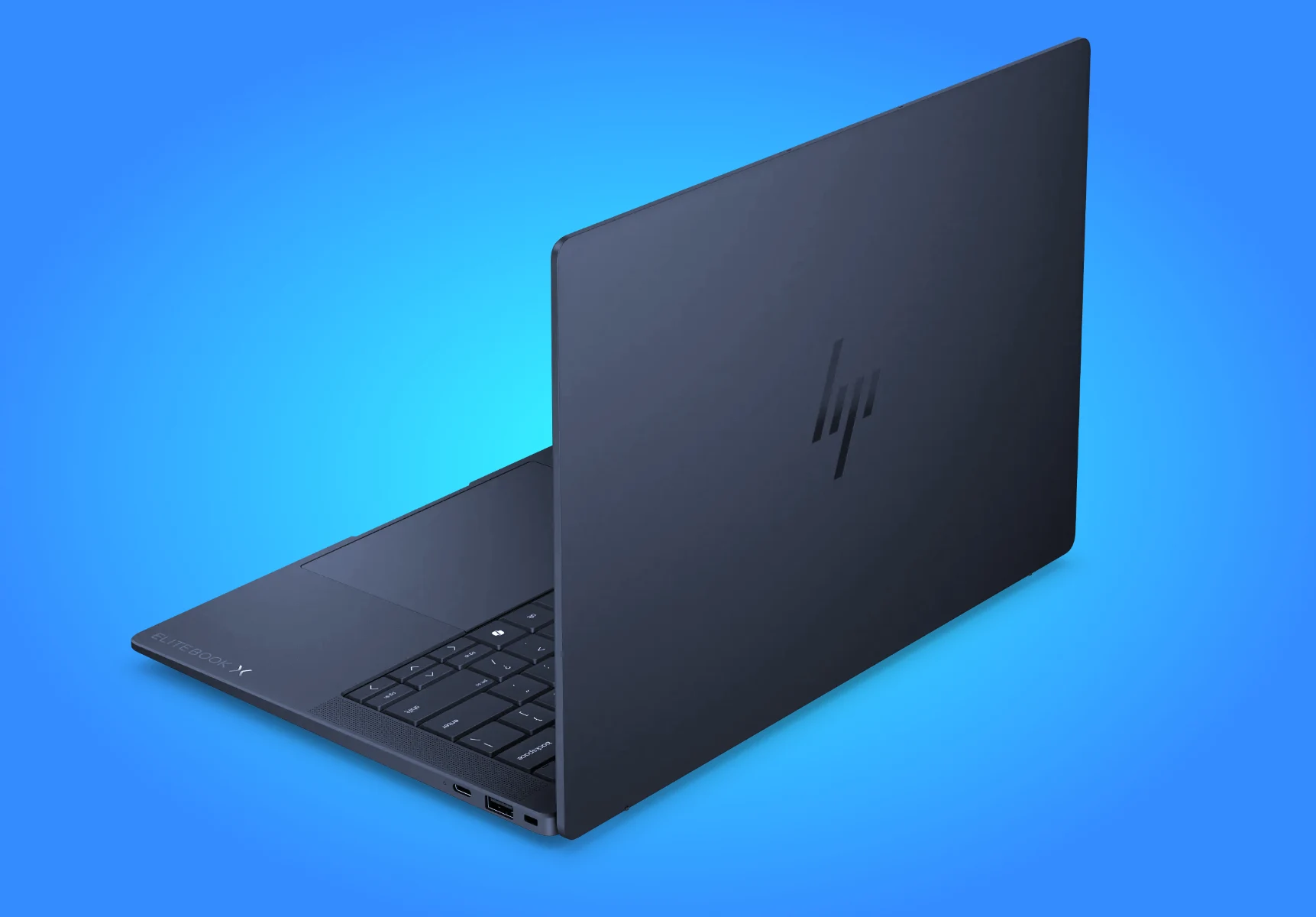
      HP launches lightweight 14-inch laptop with Arc B390, 120Hz OLED, 64GB RAM

      Key Takeaway

      – HP has released the EliteBook X G2i 14 globally, replacing the X G1i with newer Panther Lake options and a variety of SKUs mainly concentrated in the UK.
      – European pricing is notably different from the US, with UK starting prices around £1,595 and Germany showing high-end configurations near €3,121, while the US shows several premium configurations exceeding $4,000–$6,000.
      – All configurations share a 68 Wh battery and up to 100 W charging, with high-end models offering OLED 120 Hz displays, up to 2 TB PCIe Gen 5 SSDs, and up to 64 GB RAM.


      HP launches the EliteBook X G2i 14 globally

      HP has now released the EliteBook X G2i 14 globally. For context, the new 14-inch laptop replaces the EliteBook X G1i we reviewed almost a year ago (curr. $949 – renewed on Amazon). While the EliteBook X G1i leveraged Intel’s Lunar Lake platform, the EliteBook X G2i adopts newer Panther Lake alternatives.

      Pricing in different regions

      Currently, HP is selling far more SKUs in the UK than elsewhere. For instance, we can only find a single SKU on HP’s German website. Listed as being out of stock at the time of writing, this variant costs €3,121 with a Core Ultra X7 358H, Arc B390 graphics, 32 GB of LPDDR5X-9600 RAM, 1 TB of storage and a 1800p OLED display. For reference, this panel also features a 120 Hz refresh rate, 500 nits peak brightness, 100% DCI-P3 colour space coverage and HP’s Eye Ease technology.

      US pricing and processor quirks

      Meanwhile, this configuration runs to $3,189 in the US. For some reason, HP charges more for slower processors, though. For instance, a Core Ultra 5 335 variant with 512 GB storage, 32 GB of RAM and a 1200p display costs over $4,000. Worse still, HP has priced a Core Ultra 7 366H model with 64 GB of RAM at $5,998.

      Starting prices and top configurations

      By contrast, pricing starts at £1,595 with the Core Ultra 5 325, 16 GB of RAM, 512 GB of storage and a 1200p IPS display. For now, the EliteBook X G2i 14 retails for up to £4,259 with a Core Ultra X7 358H, 64 GB RAM, a 2 TB PCIe Gen 5 SSD and a 120 Hz OLED display. All variants ship with a 68 Wh battery that supports up to 100 W charging. Please see our launch article and HP’s website for more details.


    • New Cheaper Xiaomi Mini LED TVs Global Launch

      New Cheaper Xiaomi Mini LED TVs Global Launch

      Key Takeaway

      – 4K QD-Mini LED display across 43″, 55″, 65″, and 75″ with 60Hz native refresh and 120Hz Game Boost/MEMC, plus 93% DCI-P3 coverage and HDR formats (HDR10+, HLG).
      – Fire TV OS with Alexa voice control, supporting Prime Video, Netflix, YouTube, AirPlay, and Miracast; multiple connections (HDMI 2.1/2.0, USB 2.0, Ethernet, Bluetooth 5.0, dual-band Wi-Fi).
      – Ultra-thin design with brushed metal frame and integrated DTS:X/Dolby Audio speakers.


      Overview

      Xiaomi has listed the TV FX Mini LED series on its global website. The model is expected to be released in some markets worldwide over the coming months. It will be available in four sizes: 43”, 55”, 65” and 75”.

      Display and Visuals

      The Xiaomi TV FX Mini LED is a QD-Mini LED model with a 4K (3,840 x 2,160 px) resolution. While it has a native 60Hz native refresh rate, it comes with features like 4K 60Hz MEMC motion smoothing and Game Boost 120Hz. Other specifications of the upcoming model include 93% coverage of the DCI-P3 color space, support for HDR10+, HLG and Filmmaker mode.

      Smart Features

      Xiaomi’s TV FX Mini LED uses the Fire TV operating system, allowing users to access many popular streaming platforms on the device, including Prime Video, Netflix and YouTube. Fire TV also brings support for Alexa voice commands, with a dedicated wake button on the accompanying Bluetooth remote. Connectivity options include Bluetooth 5.0, dual-band Wi-Fi and ports such as HDMI 2.1, HDMI 2.0, USB 2.0 and Ethernet. The model supports wireless screencasting using tools like Apple AirPlay and Miracast, and also has integrated stereo speakers compatible with DTS:X and Dolby Audio. Plus, Xiaomi markets this model as having an ultra-thin body, with a brushed metal frame.

      Release and Pricing

      In India, the Xiaomi TV FX Mini LED will be released on June 4th, though the pricing has yet to be confirmed. Based on the features, this is expected to be a cheaper model in Xiaomi’s range. Should it be released in Europe, it will join other recent models like the TV S Mini LED 2026.

      Sources
    • Philips Hue Module Turns Old Light Switches Into Smart, Battery-Free

      Philips Hue Module Turns Old Light Switches Into Smart, Battery-Free

      Key Takeaway

      – Wired, power-supplied wall switch module eliminates battery replacements and powers the switch directly from mains.
      – Allows programming scenes and control via Philips Hue app, while keeping non-switched lamps responsive to motion or app.
      – Introduction of a Hue Wired Dimmer Switch to control and dim non-smart lights through the Hue app (subject to fixture compatibility); launch details (timing/price) are unknown.


      Philips Hue Wall Switch Module: A New Era of Wired Power

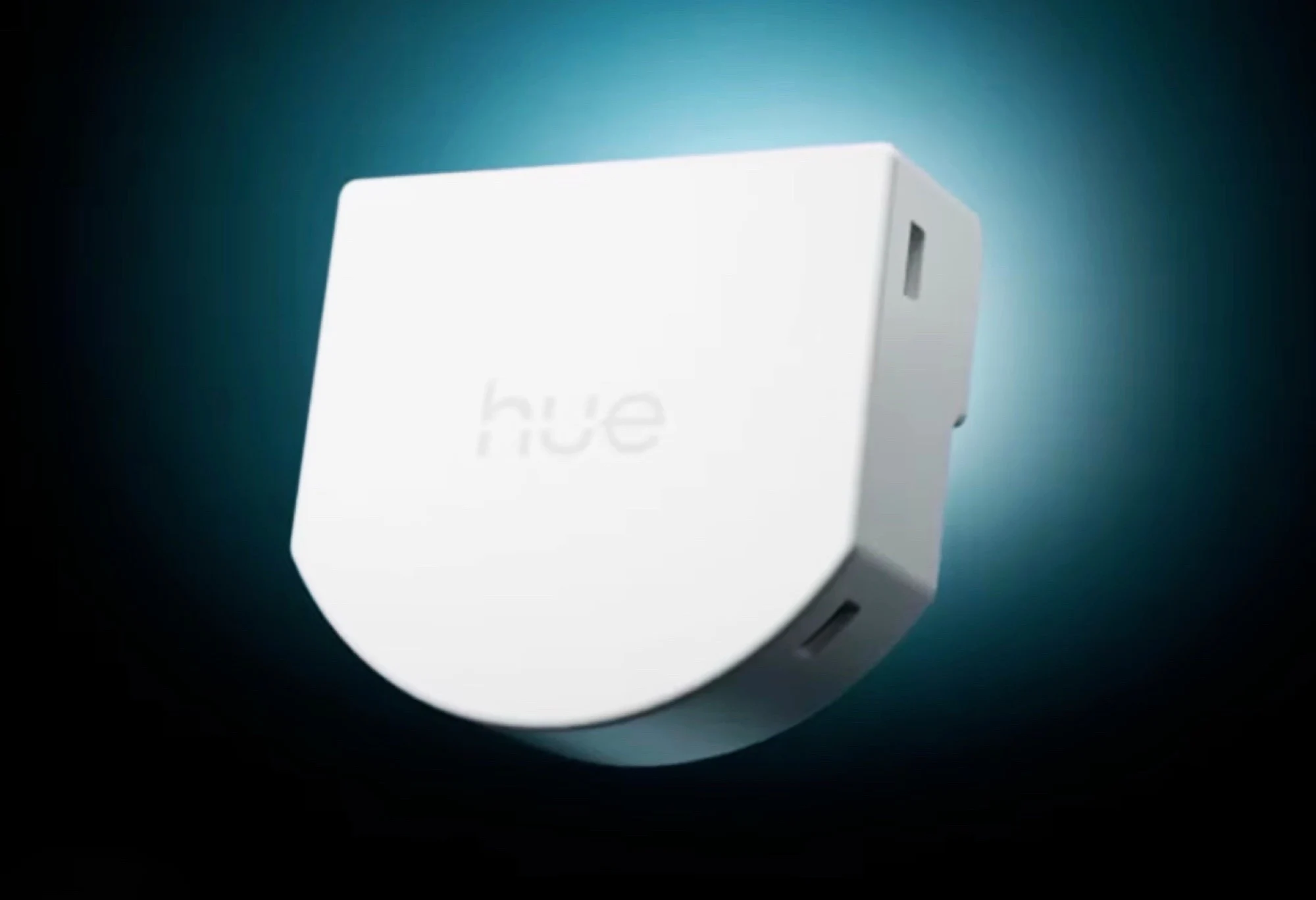
      the wall switch module from Philips Hue has long let folks turn a normal light switch into a smart switch for the Hue ecosystem, and this article keeps that thread alive while weaving in fresh twists. historically, pressing the switch can trigger scenes or sequences, yet the device never actually cuts the power, so motion detectors and the Hue app still respond even if the switch is off. the new info hints at a bigger shift, but the core behavior remains rooted in keeping the circuit alive for smart control.

      Battery-Free Future Emerges

      in a move that reads like the future knocking on the door, Hueblog reports that Philips Hue is steering toward a wired option rather than the current wireless, battery-powered approach. the official Hue YouTube channel already hints at a “Wired Wall Switch Module” with videos that surfaced a few months back but were hidden behind private status links, delaying discovery. this suggests an imminent change that could erase the need for battery replacements every several years, a pain point for many users who value maintenance-free operation.

      Power Direct from the Grid

      the most striking claim is that the new wired module would plug into the same power cables as the existing switch, drawing its supply directly from the domestic electrical grid. if this holds, it would eliminate batteries entirely, simplifying installation and reducing long-term upkeep. this wired approach could also enhance reliability since it relies on a steady power source rather than a finite battery life, potentially improving response stability in smart scenes and automations.

      Hue Wired Dimmer Switch: Expanded Capabilities

      another facet of the anticipated update is the Hue Wired Dimmer Switch, designed to control and dim a ceiling lamp that might not be smart on its own, provided the fixture supports dimming. this feature would integrate non-smart lighting into the Hue ecosystem through wired control, broadening the range of compatible luminaires and enabling more seamless scene execution via the Hue app. pricing and release timing are still unknown as of now.

      Philips Hue (YouTube), via Hueblog


      Sources

    • First 95-Minute AI Movie: Skateboards, Demons, Online Criticism

      First 95-Minute AI Movie: Skateboards, Demons, Online Criticism

      Key Takeaway

      – Hell Grind is marketed as an AI-made action film produced in two weeks for $500k, using ByteDance’s Seedance 2.0 via Higgsfield AI.
      – The project is released as episodic content (Episode 1 ~22 minutes); Episode 2 requires user registration and notifications, casting doubt on the “first 95-minute AI movie” claim.
      – Reactions praise technical consistency but criticize artificial look, choppy editing, weak story, and lack of emotional depth; viewed more as an AI demo than a finished film.


      Film fans eye AI powered cinema and hype

      For film and TV fans, the idea that human actors could increasingly be replaced by artificial intelligence may still feel strange. Hell Grind, an action film by Higgsfield AI, offers a glimpse of what a live-action film created entirely with AI might look and feel like. The US-based AI company is marketing the project as a showcase for its own AI video platform.

      Production claims and platform details

      According to Higgsfield AI, the film was created by a small team in just two weeks on a budget of only $500,000. On Instagram, it is being promoted as the “first 95-minute AI movie”. The project was made using Seedance 2.0, the AI video model from TikTok parent company ByteDance, which Higgsfield AI offers through its own website.

      Plot vibes and audience reactions

      The plot sounds fairly absurd, but also like something that can be realized relatively easily with artificial intelligence: four skateboarding teens who grew up as orphans are drawn into a fight against an interdimensional demonic threat. There is plenty of action and visual spectacle. On Reddit and YouTube, however, early reactions have been mostly negative.

      Critical reception and what works

      Some viewers acknowledge that the technology has improved and that the consistency of characters and settings is impressive. However, most reactions to the film itself are critical. Viewers criticize its artificial look, choppy editing, weak story and lack of emotional depth. As a film, Hell Grind has hardly convinced so far; as an AI demo, however, it works considerably better.

      Viewing status and how it’s being released

      Hell Grind cannot currently be watched in full. Higgsfield is releasing the project in episodes, which calls its marketing as the “first 95-minute AI movie” into question. In practice, it currently feels more like a mini-series. Episode 1 is around 22 minutes long and can be watched on YouTube and on the official Higgsfield website.

      Access hurdles and next steps

      To access Episode 2, users are asked to register on the website. They also have to answer questions about what they want to use the service for, such as video or image editing. After registration, they are taken back to the series section, but Episode 2 is still not available. Instead, users can only enable a notification for when the next episode is released.


      Sources

    • Lenovo ThinkPad Europe 96GB RAM, AMD CPU, 120Hz OLED Display

      Lenovo ThinkPad Europe 96GB RAM, AMD CPU, 120Hz OLED Display

      Key Takeaway

      – AMD-powered ThinkPad P16s Gen 5 units arrived ahead of the June window in Europe and are shipping soon (ships June 2 per Lenovo).
      – Configurations include up to 96 GB LPDDR RAM, PCIe Gen 4/5 SSD options, Wi-Fi 7, optional 5G WWAN, and 60–90 Wh batteries.
      – Display options include up to 1800p OLED with 30–120 Hz VRR, 100% DCI-P3, and 500 nits brightness; RTX Pro 2000 Blackwell GPU available only with Ryzen AI 9 HX Pro 470.


      Lenovo Pushes AMD ThinkPad P16s Gen 5 Release Ahead Of Schedule

      Lenovo has continued to release AMD versions of the ThinkPad P16s Gen 5 a month earlier than expected. To recap, the company claimed that AMD models would be available in June when unveiling all ThinkPad P16s Gen 5 variants at Nvidia GTC 2026. The news comes with a sense of surprise, yet it also reflects Lenovo keeping to a cadence that suits their regional rollout plans across markets, including Australia and Europe. The phrasing here keeps emphasis on the unexpected early availability while noting the original claim and its context in the broader product lineup.

      Early Arrival In Australia And Europe

      However, AMD-powered models arrived earlier this month in Australia. Now, the same variants have turned up across Europe to replace the Gen 4 model we reviewed in December 2025 (curr. $1,799 on Amazon). For reference, Intel Panther Lake alternatives are already on sale internationally as the ThinkPad P16s i Gen 5. The paragraph lays out the progression from initial market appearance to wider European presence, while mentioning the price reference and a comparison line to related Intel options that are already available. The tone shifts slightly here to a more explanatory cataloging of market moves and product family naming.

      Configuration and Memory Options

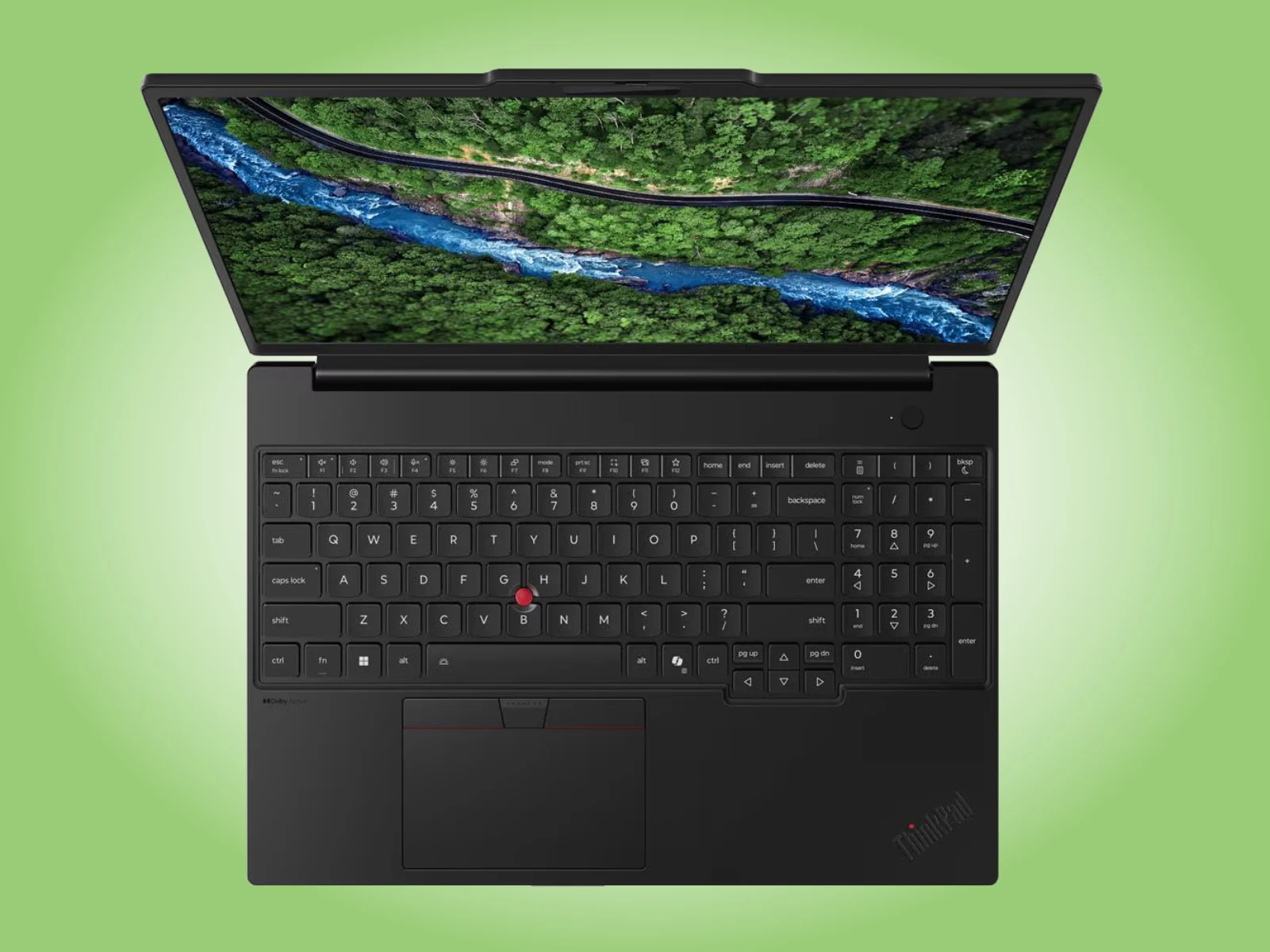
      Currently, the new 16-inch laptop can be configured with the following processors: Additionally, the ThinkPad P16s Gen 5 features 16 GB, 32 GB, 64 GB or 96 GB LPCAMM2 RAM running at 8,533 MT/s. On top of that, Lenovo offers PCIe Gen 4 or PCIe Gen 5 SSDs, Wi-Fi 7 connectivity, an optional 5G WWAN antenna and 60 Wh or 90 Wh batteries. This paragraph stacks specs in a quick bulletless flow, preserving the exact model naming and feature set so people can compare specs side by side, including the RAM tiers, speed, storage interface generations, wireless tech, WWAN option, and battery choices.

      Display and Graphics Options

      Europe has also received three display options up to a 1800p OLED panel combining a 30-120 Hz VRR refresh rate with 100% DCI-P3 colour space coverage and 500 nits peak brightness. Moreover, the Nvidia RTX Pro 2000 Blackwell (8 GB) graphics is available, but only with the Ryzen AI 9 HX Pro 470. The paragraph preserves the display specs and the graphics pairing nuance, including the conditional availability tied to a specific Ryzen AI SKU, while maintaining the flow of features in a concise, yet full, specification note.

      Pricing and Ship Dates

      Pricing starts at £2,050 in the UK with a Ryzen AI 5 Pro 440, 16 GB of RAM, 512 GB of storage, a 1200p IPS display and a 60 Wh battery. By contrast, the same configuration costs between €1,959 and €2,420 in the Eurozone. Lenovo states that it will begin shipping ThinkPad P16s Gen 5 orders on June 2. The pricing block is presented in a comparative format to reflect regional variation, including currency and feature parity notes, while restating the official ship date in a straightforward manner to guide potential buyers across markets.

    • Acer 14-inch Laptop Europe 120Hz Display, 20+ Hours Battery Life

      Acer 14-inch Laptop Europe 120Hz Display, 20+ Hours Battery Life

      Key Takeaway

      – Availability and pricing in Europe: Ryzen AI 5 430 at €1,199/£999 and Ryzen AI 7 445 at €1,299/£1,099, with roughly 20% CPU performance gain for the higher tier.
      – Hardware specs: 16 GB LPDDR5X RAM, 512 GB SSD, Radeon 840M iGPU, 65 Wh battery rated up to 21 hours.
      – Display and form factor: 14-inch, 120 Hz IPS, 1200p resolution, lightweight chassis at 1.27 kg, dimensions 312 x 226 x 16 mm.


      Almost five months have passed since Acer updated the Aspire 14 AI with new models.

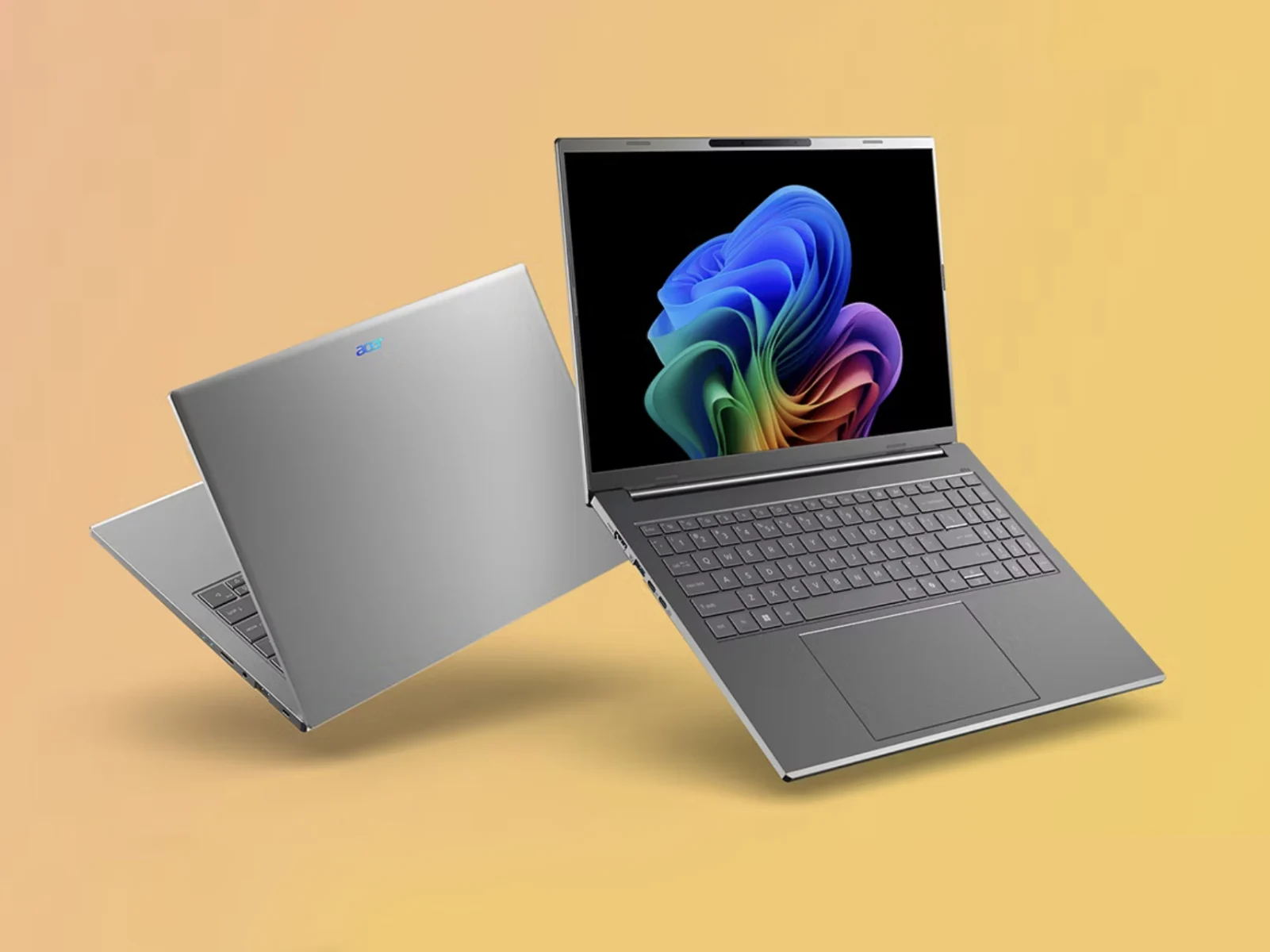
      Almost five months have passed since Acer updated the Aspire 14 AI with new models. As we discussed at the time, the company introduced Intel Panther Lake models to replace the Lunar Lake edition we reviewed in 2025 (curr. $598 on Amazon). At the same time, Acer launched AMD-powered equivalents too.

      Now, the latter are available to purchase in Europe.

      Now, the latter are available to purchase in Europe. Specifically, Acer’s new 14-inch laptop can be purchased in the Eurozone and the UK, where prices start at €1,199 and £999, respectively. At the time of writing, this entry-level edition features the Ryzen AI 5 430, a quad-core Zen 5 processor that sits at the bottom of AMD’s Gorgon Point family.

      Alternatively, a Ryzen AI 7 445 variant can be picked up for €1,299 and £1,099 in the same markets.

      Alternatively, a Ryzen AI 7 445 variant can be picked up for €1,299 and £1,099 in the same markets. According to our benchmarks, this €100 and £100 surcharge will yield around a 20% performance in CPU-heavy tasks. Both processors feature a Radeon 840M iGPU, albeit with a 3.5% clock speed uplift in the Ryzen AI 7 445’s favour.

      Meanwhile, both Aspire 14 AI configurations contain 16 GB of LPDDR5X RAM and a 512 GB SSD.

      Meanwhile, both Aspire 14 AI configurations contain 16 GB of LPDDR5X RAM and a 512 GB SSD. Also, Acer claims that the included 65 Wh battery should last up to 21 hours between charges. All configurations ship with a 120 Hz and 1200p IPS display in a housing that weighs 1.27 kg and measures 312 x 226 x 16 mm. Please see Acer’s website for more details.


    • Lenovo Launches 16-Inch Laptop Worldwide with AMD and 500-Nit Display

      Lenovo Launches 16-Inch Laptop Worldwide with AMD and 500-Nit Display

      Key Takeaway

      – AMD-powered ThinkPad T16 Gen 5 is globally released with regional configuration differences (NA: Ryzen 7 Pro 250, 16GB RAM, 512GB, 75Wh, 1200p/60Hz; Australia: Ryzen AI Pro 440/450, up to 64GB RAM, 2TB, 4G, 60/75Wh).
      – NA availability currently limited to a single AMD config; other NA options not yet confirmed by Lenovo.
      – Pricing varies by region (NA ~$1,639 USD; Canada ~CAD 2,279; Australia starting AU$2,359 with higher-end models up to AU$6,259).


      Lenovo has finally released AMD-powered versions of the ThinkPad T16 Gen 5 globally. For context, the company announced successors to the ThinkPad T16 Gen 4 (curr. $1,999 on Amazon) in March during MWC 2026. Then a month later, AMD and Intel versions of the ThinkPad T16 Gen 5 arrived in Europe.

      Summary of Availability Across Regions

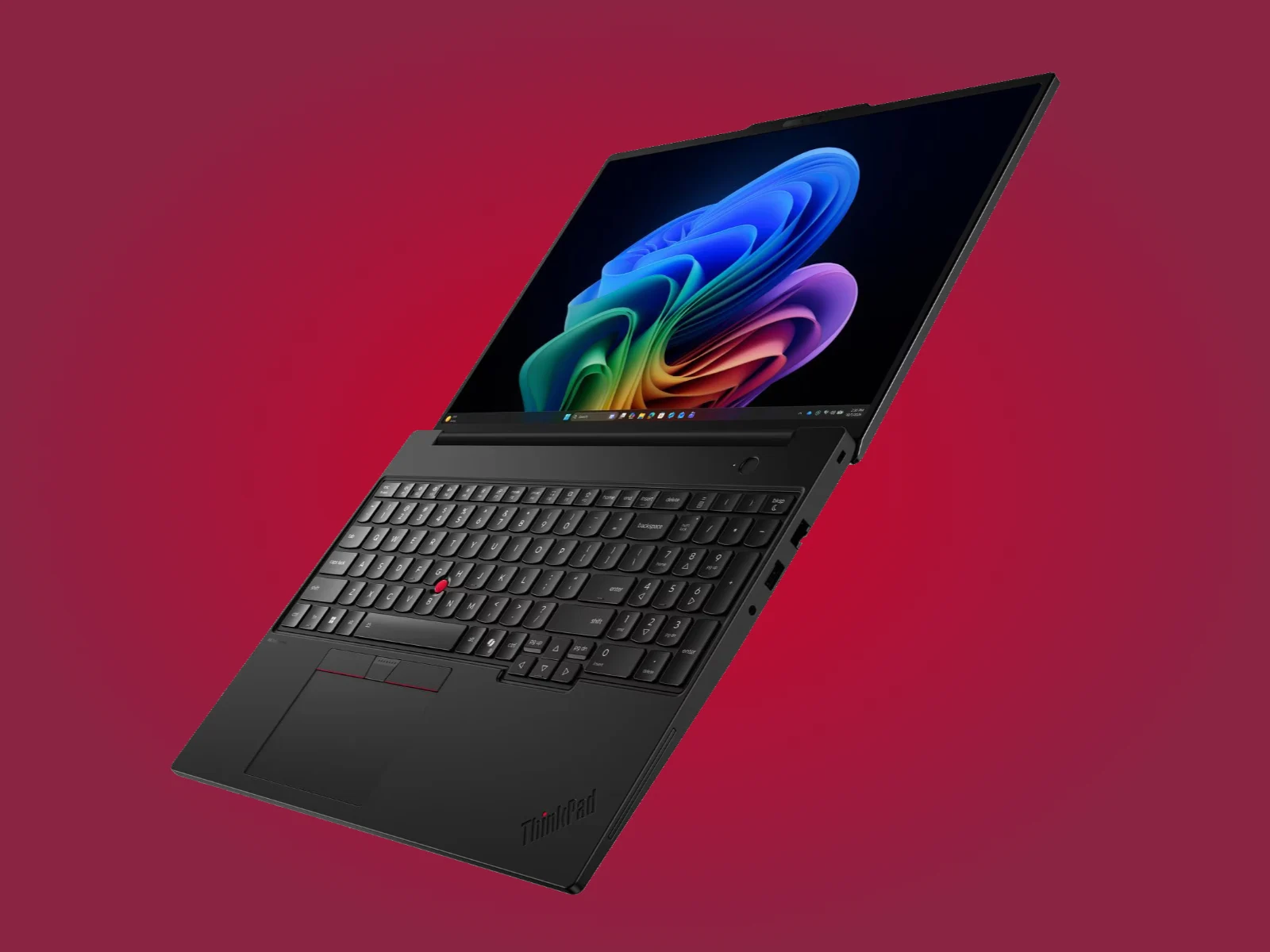
      Now, AMD versions have joined Intel alternatives in Australia, Canada and the US. However, Lenovo has released different versions in Australia from those sold in North America. Currently, AMD versions of the ThinkPad T16 Gen 5 can only be purchased in North America with a Ryzen 7 Pro 250, 16 GB of RAM, 512 GB of storage, a 75 Wh battery and a 500-nit IPS display that resolves at 1200p and 60 Hz.

      Pricing Details

      At the time of writing, Lenovo charges $1,639 for this configuration in the US. By contrast, the laptop has reached Canada for CAD 2,279 (~$1,651). Unfortunately, Lenovo has not confirmed when it plans to expand configuration options in North America.

      Regional Variants in Other Markets

      Meanwhile, Australia has received Ryzen AI 5 Pro 440 and Ryzen AI 7 Pro 450 variants with up to 64 GB of RAM and 2 TB of storage. A 4G cellular modem can be configured too, as can 60 Wh or 75 Wh batteries. Pricing starts at AUD 2,359 in Australia (~$1,688) and rises to AUD 6,259 (~$4,480) for a fully configured unit.

    • CDPR Teases Scale of The Witcher 3: Songs of the Past Expansion

      CDPR Teases Scale of The Witcher 3: Songs of the Past Expansion

      Key Takeaway

      – Songs of the Past is a large expansion for The Witcher 3, likely similar in scope to Cyberpunk 2077’s Phantom Liberty, with extensive new content and time added.
      – The expansion will include a visual modernization pass to update The Witcher 3’s visuals ahead of the release.
      – It’s expected to serve as a transitional bridge between The Witcher 3 and The Witcher 4, potentially shifting focus from Geralt to Ciri and passing the torch to the next era of the franchise.


      Expansion teased for The Witcher 3: Wild Hunt

      After months of rumors and leaks, an expansion for the now 11-year-old The Witcher 3: Wild Hunt was finally confirmed. Titled “Songs of the Past,” it will act as a bridge between the original game and the next iteration in the franchise, The Witcher 4. For those wondering how big this expansion is going to be, a CD Projekt Red (CDPR) senior has shared an older clip to give fans an idea.

      Clip used to hint at scale

      The clip in question was shared by Paweł Sasko, the Associate Game Director at CDPR, and is from the Phantom Liberty promos before it was released. Idris Elba is answering the internet’s questions about the Cyberpunk 2077 expansion, and corrects a commenter’s use of the word “DLC,” saying, “Just to be clear, it’s not a DLC, it’s an expansion. You know why? Because we do expansions, big, massive, monster!”

      Phantom Liberty precedent and expectations

      Phantom Liberty was a huge story arc for Cyberpunk 2077 with over 20 hours of content, several new missions, a whole new area that was previously restricted, and a lot more. Thus, Songs of the Past can be expected to be of a similar scale, adding a lot of game time to The Witcher 3. CDPR is also going to push a visual update to modernize the decade-old game, ahead of the expansion’s release.

      Story direction and potential focus

      While not a lot is known about the storyline, it is strongly believed that it will act as a transition from The Witcher 3: Wild Hunt, which focused on Geralt of Rivia, to The Witcher 4, which focuses on Ciri. Fans have been sharing theories online, with one user pointing out that the sword Geralt is holding in the expansion’s cover art is Ciri’s Zireael, or something very close to it. This suggests it will be a ‘passing the torch’ setting, adding more fuel to past rumors.

      Official voices and hints

      Paweł Sasko on X, Reddit

      Sources
    • Modern Warfare 4: Key Details Revealed by Infinity Ward

      Modern Warfare 4: Key Details Revealed by Infinity Ward

      Key Takeaway

      – Return to grounded modern warfare with a global conflict backdrop centered on North Korea’s invasion of South Korea and a dual narrative featuring Private Park and Captain Price.
      – Large-scale campaign environments include Korea trench warfare, New York close-quarters combat, Paris vehicle chases, and SAS raids in Mumbai.
      – Multiplayer introduces 12 core 6v6 maps, Gunfight arenas, Big War maps, and a new Kill Block mode with dynamic round-based layouts.
      – Ballistic Authority tech stack enhances weapon handling, bullet trajectory, visibility, audio, and aiming precision.
      – DMZ returns as the extraction-shooter mode, expanding in dynamic Exclusion Zones with changing weather and objectives.


      Infinity Ward teases Modern Warfare 4 for PS5 with October launch

      Infinity Ward has officially revealed Call of Duty: Modern Warfare 4 for PlayStation 5, confirming the long-awaited continuation of one of gaming’s most commercially dominant FPS sub-franchises ahead of its October 23 launch. The details revealed in the announcement position the sequel as a return to grounded modern warfare storytelling after years of increasingly experimental Call of Duty settings and live-service experimentation.

      Story focus pivots back to large scale warfare

      The campaign centres on a global conflict triggered by a full-scale North Korean invasion of South Korea, pushing the series back toward large-scale geopolitical warfare reminiscent of the original Modern Warfare trilogy. Players follow Private Park, a young South Korean soldier experiencing combat for the first time while attempting to survive collapsing front lines alongside his squad.

      Character arcs and global action across diverse locales

      Running parallel to that storyline is Captain Price, now operating outside official military systems as an outlaw pursuing revenge tied to a weapon capable of destabilising global power balances. Infinity Ward says the campaign spans trench warfare in Korea, close-quarters firefights in New York, vehicle chases through Paris, and SAS raids in Mumbai.

      Multiplayer and new combat modes

      Multiplayer launches with 12 core 6v6 maps, dedicated Gunfight arenas, and multiple large-scale Big War maps focused on infantry and vehicle combat. A new mode called Kill Block takes place inside a live-fire training facility that dynamically changes layouts between rounds, altering routes, sightlines, and tactical flow during matches.

      Tech innovations and the DMZ extraction experience

      Modern Warfare 4 also introduces Ballistic Authority, a new technology stack focused on weapon handling, bullet trajectory, visibility, audio propagation, and aiming precision. Infinity Ward describes the system with a simple philosophy, which in their words is: every shot tells the truth.

      DMZ expansion and long-term competitive framing

      DMZ returns as the franchise’s extraction experience, placing players inside volatile exclusion zones filled with hostile operators, shifting weather systems, and dynamic military objectives. Extraction shooters have exploded in popularity since Escape from Tarkov helped define the genre, and Activision appears intent on positioning DMZ as Call of Duty’s long-term answer within that increasingly competitive space globally. The game is launching on October 23, across platforms, including PS5, Xbox Series X|S, Switch 2, and PC, and is available for pre-order now, May 28, 2026.

      Sources