Category: All News

  • Anker Unveils New Pokémon Nano Charger Edition

    Anker Unveils New Pokémon Nano Charger Edition

    Key Takeaway

    – Limited-edition Pikachu-themed 70W Anker Nano Charger with 3 ports (2 USB-C, 1 USB-A) announced for Japan to celebrate Pokémon’s 30th anniversary.
    – Maximum 70W output when a single USB-C port is used; USB-A up to 33W; dual- or triple-device charging splits power (e.g., 45W:7.5W:7.5W).
    – Compact form factor (approx. 53 x 43 x 30 mm, ~120 g) with a Pikachu-inspired design and included accessory cable tidbits. Release in US/other markets is unconfirmed.


    New Anker x Pokémon Nano Charger (70W, 3 Ports) Debuts in Japan

    The Anker x Pokémon Nano Charger (70W, 3 Ports) has been announced in Japan. This special edition charging accessory celebrates the 30th anniversary of the popular franchise and will be released alongside other themed products.

    Pikachu-Inspired Design and Accessories

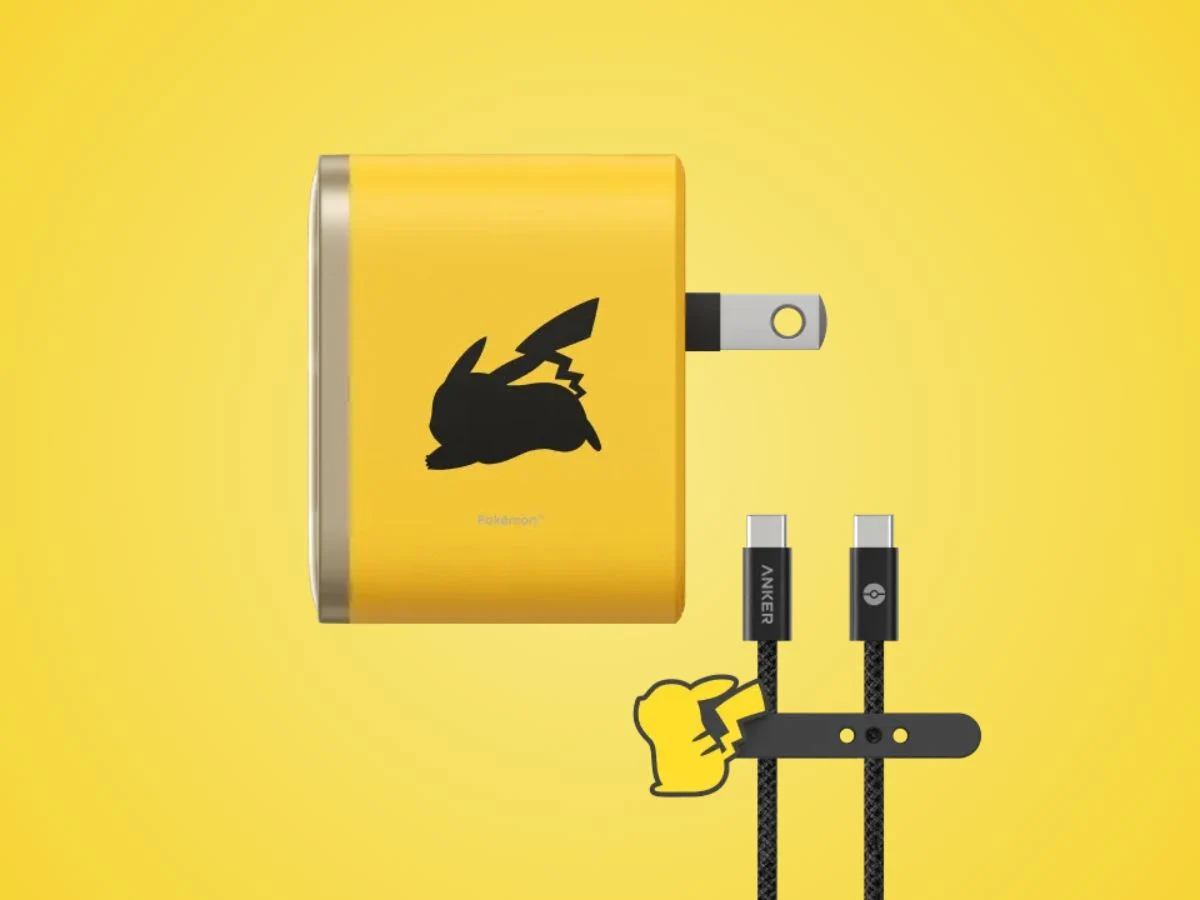
    Anker’s USB Fast Charger 70W Pikachu Model has a design inspired by the Electric-type Pokémon. It has a yellow body, featuring a black outline of Pikachu, with a golden hued glass panel around the accessory’s ports. Plus, the charger comes with a black braided USB-C to USB-C cable, featuring a small image of a Poké Ball, and a Pikachu shaped cable tidy.

    About the Anker Nano Charger (70W, 3 Ports)

    The Anker Nano Charger (70W, 3 Ports), launched in 2025, is a compact charging plug. It can be used to charge up to three devices simultaneously via its two USB-C and a single USB-A ports. The maximum 70W output can be achieved when a single USB-C port is in use, while the USB-A delivers up to 33W power. When charging multiple devices, the power can be split 45W:7.5W:7.5W. The accessory measures 2.1 x 1.7 x 1.2 inches (~53 x 43 x 30 mm) and weighs 4.2 oz (~120 g).

    Market Release and Pricing Uncertainty

    Whether or when this special version of the Anker Nano Charger (70W, 3 Ports) could be released in other markets like the US, where the original retails for $39.99 at stores like Amazon, is unclear.
    Sources
  • Amazfit Helio Strap 2: FCC Filing Signals Fitbit Air Rival Release

    Amazfit Helio Strap 2: FCC Filing Signals Fitbit Air Rival Release

    Key Takeaway

    – Zepp Health is filing for a screenless Bluetooth Low Energy wearable under model A2671, widely expected to be the Amazfit Helio Strap 2, with a likely 2H 2026 release window.
    – The device relies on BLE only (no Wi‑Fi or cellular) and uses a 230 mAh battery, with a rectangular module and rear optical sensor array.
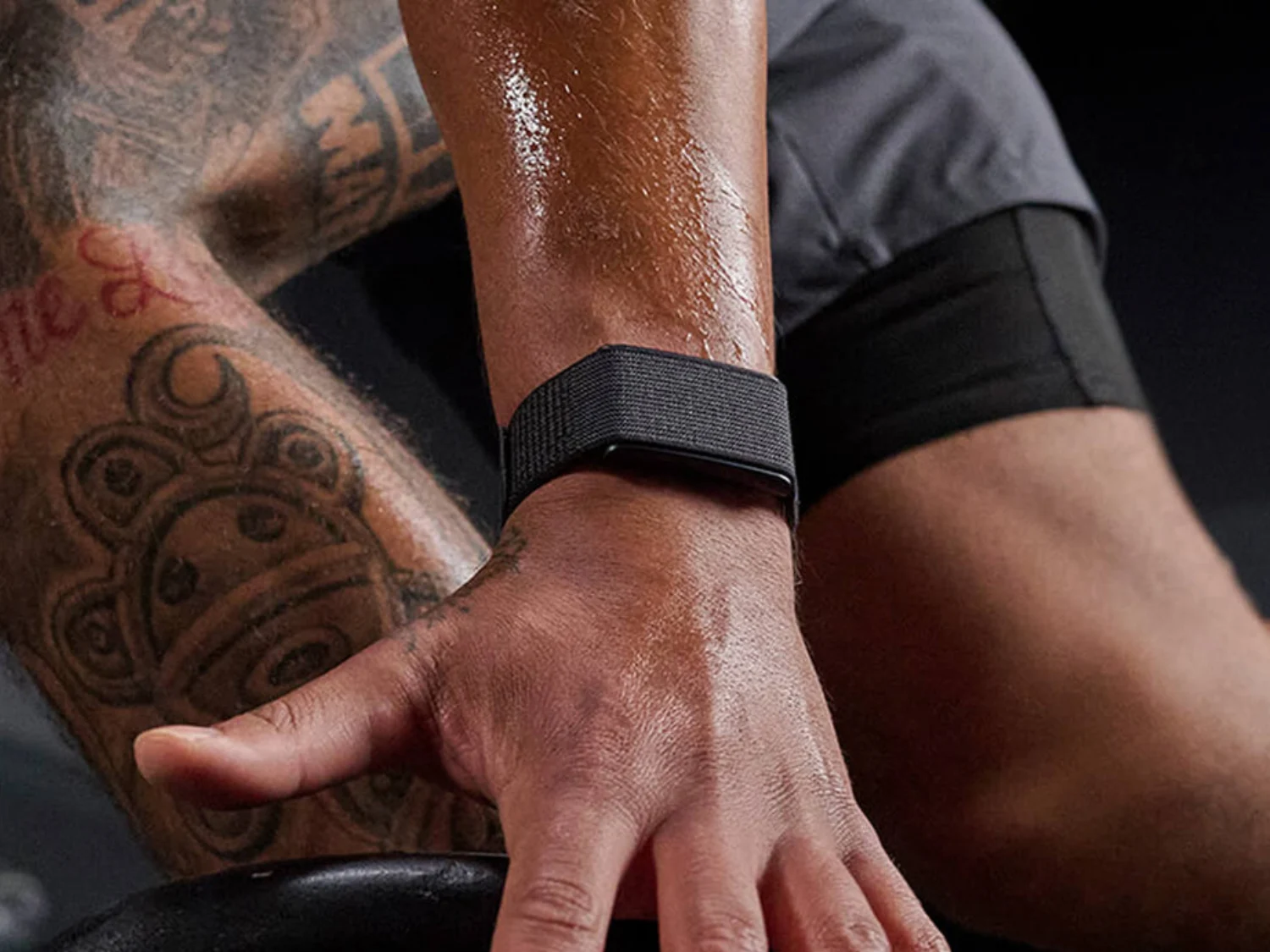
    – Conceptually similar to the first-gen Helio and Google’s Fitbit Air, it will likely be a price-competitive, screenless fitness tracker that processes metrics via a paired smartphone.
    – Official details on algorithms or companion app features are pending, but hardware design appears largely unchanged and software updates could improve performance to match rivals.


    FCC filings hint at Zepp Health’s A2671 device, a screenless Bluetooth Low Energy sensor that may become the Amazfit Helio Strap 2. The document trails out that the hardware footprint and prior roadmap strongly point to this conclusion, with a 180-day confidentiality request on internal photos aligning with a late-2026 launch window.

    Introduction to the upcoming device

    The article notes that basic fitness trackers are catching on this year, driven by the Whoop band and the OG Helio Strap whose renewed variant sits around $90 on Amazon. Google’s new entry, the $99 Fitbit Air, is highlighted as a screenless monitor that doesn’t hide core data behind a paid tier. If Zepp Health keeps its pricing habits, this new module might appear as a plain competitor to Google’s current hardware.

    Summary of the specs and what they mean

    Public FCC filings indicate Bluetooth Low Energy-only connectivity, with no Wi-Fi or cellular radios. The battery is rated at 230 mAh, a figure that matches the existing Helio generation. The regulatory label’s placement suggests a rectangular module with rounded corners and a rear optical sensor array, keeping a familiar form factor for users who’ve seen the prior model.

    What to expect in features and software

    At this moment, official confirmation about algorithm updates or new companion app features remains elusive. Visually, the device appears largely unchanged from the previous Helio strap, but modest software tweaks could help it better rival the Fitbit Air in real-world performance and metrics processing.

    Conclusion and regulatory context

    The latest FCC documentation, cited by Gadgets and Wearables, anchors the rumor with hardware specifics and expected release timing, while leaving room for subtle firmware adjustments and app enhancements beyond the bare metal.


    Sources

  • ThinkPad T14 Gen 7 Linux Compatibility: Works and Not Works

    ThinkPad T14 Gen 7 Linux Compatibility: Works and Not Works

    Key Takeaway

    – Linux compatibility is strong on ThinkPad T14 Gen 7, with core input devices (touchpad, TrackPoint, fingerprint, webcam) working out of the box.
    – Initial Linux Mint live boot requires enabling 3rd party CAs; most essential hardware still needs post-boot tweaks.
    – Some components lack out-of-the-box support on Linux, notably Wi‑Fi, Bluetooth, stereo speakers, microphones, and certain function keys (F4–F7, F10–F12).


    ThinkPads may run Windows out of the box in most cases, but the black business laptops from Lenovo are also a popular choice in the Linux community.

    In this piece we explore the practicalities of running Linux on ThinkPads, especially Lenovo devices, and the way their hardware tends to play with Linux ecosystems. The claim that ThinkPads are Linux friendly is a talking point we wanted to test, and the results here reflect a hands-on approach using real hardware and software builds.

    Setup and initial boot

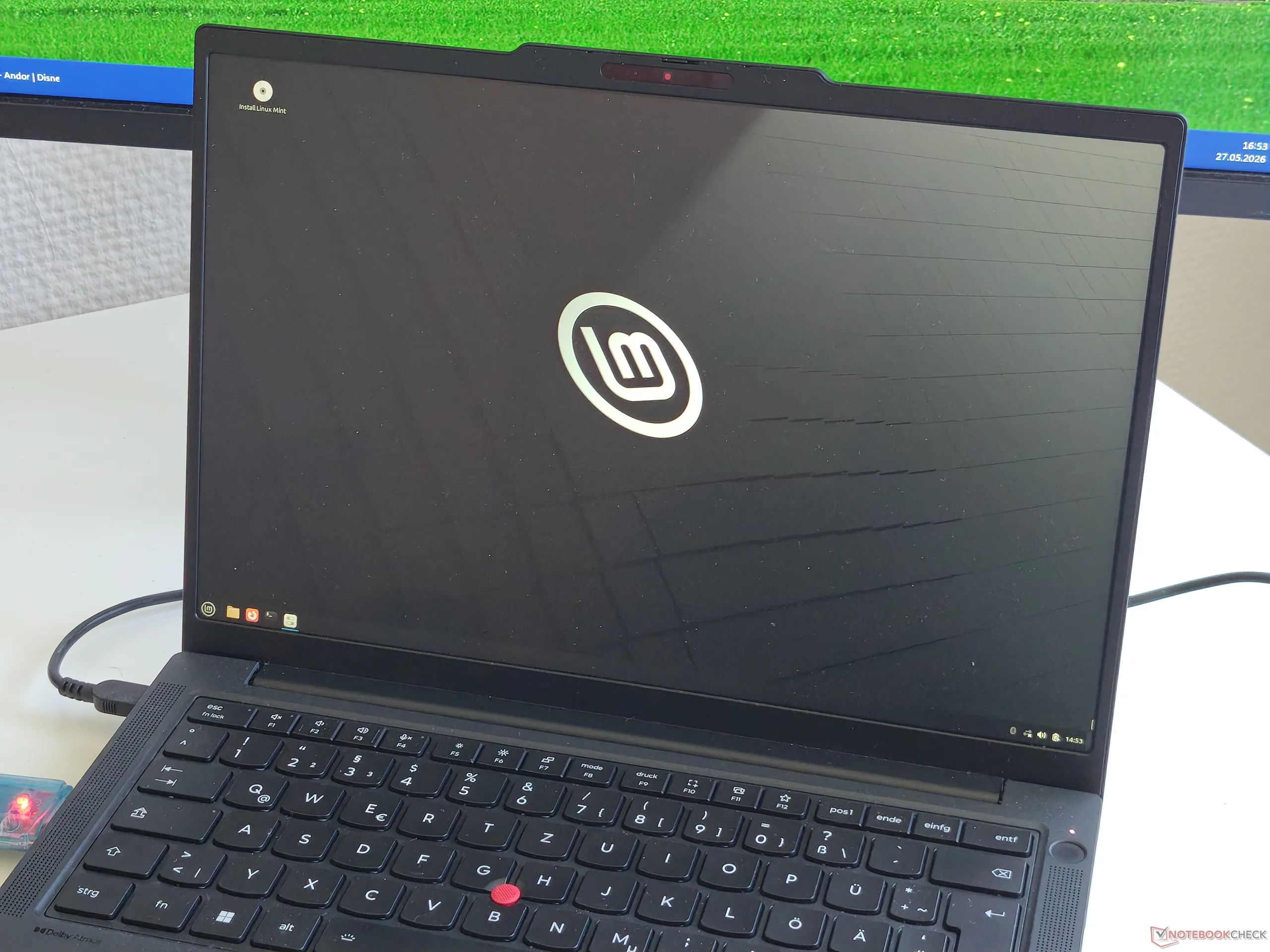
    So, we grabbed the Lenovo ThinkPad T14 Gen 7 we recently reviewed, downloaded a Linux Mint ISO and created a Live USB Stick. After enabling 3rd Party CAs, the system booted up with no issues. The process was described in straightforward terms, with emphasis on the steps required to get the environment running from external media without preinstalled drivers getting in the way.

    Hardware compatibility check

    With Linux Mint booted up, we did a quick check for hardware compatibility issues. First thing we noted was that neither Wi-Fi nor Bluetooth worked out of the box. RJ45-Ethernet, however, does, so it is possible to put get the ThinkPad laptop online. The writeup keeps the tone practical, focusing on what components behave as expected and which ones need a workaround or additional drivers to function.

    Peripherals and input devices

    Another feature that does work out of the box: The touchpad and the TrackPoint pointing stick. The same is also true for the fingerprint reader and the webcam. However, the stereo speakers are not functioning, as the system does not recognize them – and neither do the microphones or the FN functions of the F4 to F7 and F10 to F12 keys. These notes highlight the gaps and potential fixes an user might explore to improve the experience down the line.

    Overall takeaway and and user questions

    Overall, these are issues experienced users can probably easily work out, especially since at least the touchpad and TrackPoint work out of the box. Which system do you prefer on your system: Linux or Windows? And which other Linux tests do you wish us to do? Tell us in the comments!

    Sources
    • Casio Square Digital Display Watches Coming Soon Worldwide

      Casio Square Digital Display Watches Coming Soon Worldwide

      Key Takeaway

      – Casio expanding rollout of W-738H in Europe, with EU release planned in June 2026.
      – New variants: W-738H-1AV (black) and W-738H-3AV (khaki) priced at €49.90 in the EU.
      – Features: square digital display, LED backlight, dual time, 1/100th second stopwatch, daily alarm, countdown timer, and vibration alerts.


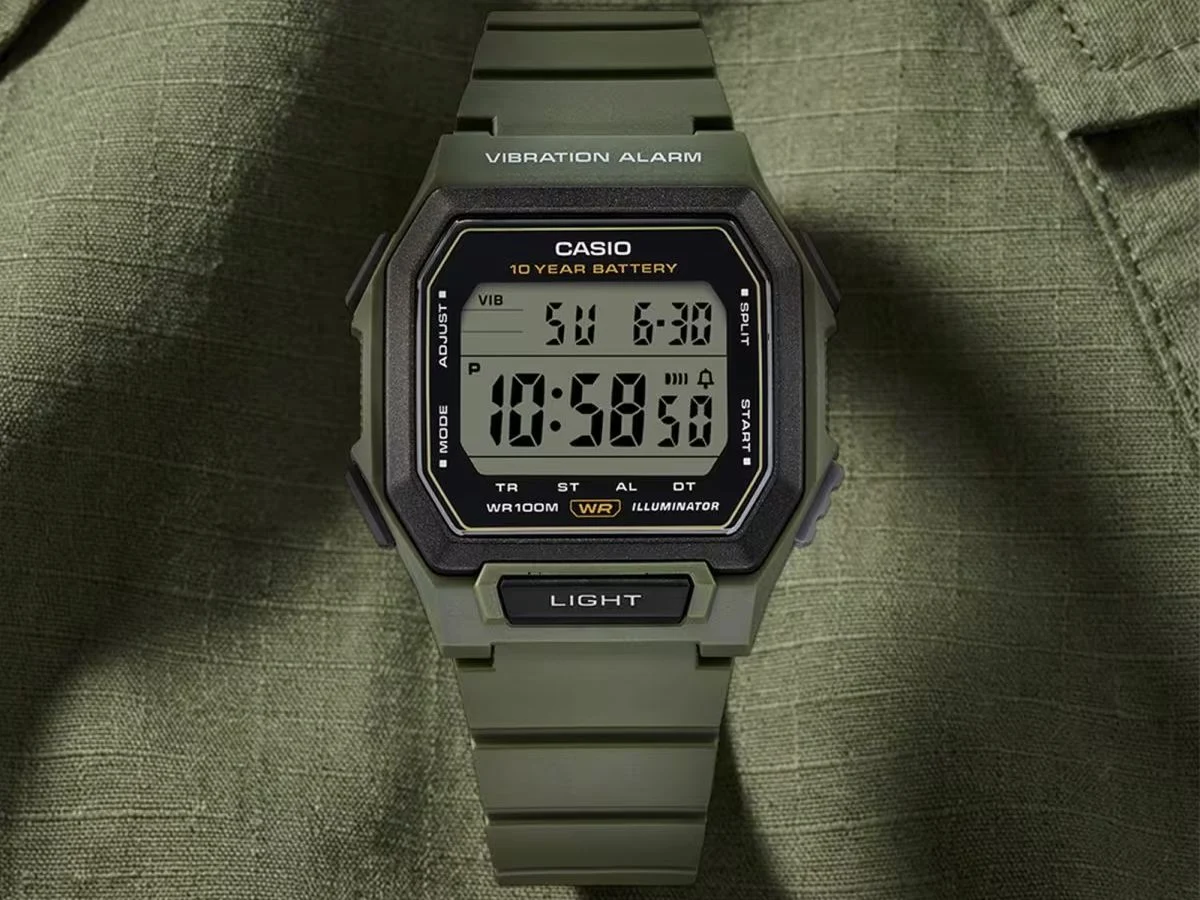
      Casio has officially confirmed that its new W-738H watches will shortly be rolled out more widely across Europe. These two digital watches were both released in the UK earlier in May 2026.

      Casio W-738H European rollout details

      Casio’s W-738H is a square faced digital watch with a dedicated button to activate an LED backlight. This model supports dual time and has tools like a 1/100th second stopwatch, a daily alarm and a countdown timer. Plus, the watch offers vibration alerts linked to these functions, with a tight-fitting strap ensuring that these can be felt on your wrist. This is a mid-size model, measuring 47.0 x 42.8 x 13.5 mm (~1.85 x 1.69 x 0.53 inches).

      Specific models and EU pricing

      Now, at the Casio store in countries like the Netherlands, France and Spain, the company has listed the new W-738H-1AV (black casing/strap, silver bezel) and W-738H-3AV (khaki casing/strap, metallic black bezel) watches. In the EU, this model will retail for €49.90, as leaked by retailer David et Philly.

      Release timeline and sign-up

      The Casio W-738H-1AV and W-738H-3AV watches are expected to be released in countries across the European Union in June 2026. Prospective customers can join a mailing list to be notified of the launch of these products. You can do this via the black “sign up” button on the product page.

    • Honor’s next smartphone: Dimensity 8500 and 10,000 mAh battery

      Honor’s next smartphone: Dimensity 8500 and 10,000 mAh battery

      Key Takeaway

      – Honor Win Turbo debuts with a Mediatek Dimensity 8500 Elite, 10,000 mAh battery, 80 W charging, and a 6.7″ 1200p LTPS 120 Hz display.
      – Camera setup is modest: 50 MP main, 5 MP secondary, and 16 MP selfie; IP68/69K dust/water resistance with stereo speakers and a Z-axis motor.
      – Expected to launch tomorrow in China with immediate availability; unlikely to reach the global market.


      Intro

      The Honor Win debuted at the start of the year as Honor’s attempt at a gaming-centric device with a large battery. The former Huawei subsidiary is set to return with a new model in the lineup shortly, with the Honor Win Turbo scheduled to debut tomorrow. There must be 1-3 headings between paragraphs!

      Specs and Power

      As reported by Chinese sources, the Honor Win Turbo will be powered by a MediaTek Dimensity 8500 Elite, and will feature LPDDR5X RAM and UFS 4.1 storage. The phone itself will sport a 6.7-inch 1200p LTPS screen with a 120 Hz refresh rate. The specs are described with a focus on performance and a smooth display experience, yet the overall configuration keeps a balanced approach for the gaming ambitions of the device.

      Camera and Build

      The Honor Win Turbo will arrive with even lower camera aspirations than the standard Honor Win. Supposedly, it will feature a 50 MP main camera, joined by an uninspiring 5 MP lens and a 16 MP selfie camera. The rest of the Honor Win Turbo’s specification sheet is respectable, however: IP68/69/69K certification, stereo speakers, a Z-axis motor, 80 W fast charging, and the star of the show—a 10,000 mAh battery. The paragraph maintains the gist of the original details while varying tone and cadence.

      Release and Market

      As previously mentioned, the Honor Win Turbo will debut tomorrow in China and will be available for purchase immediately. Seeing as the Honor Win has yet to be released globally, five months after its Chinese debut, it’s unlikely that the Honor Win Turbo will make its way to the global market. This section keeps the timing narrative intact and conveys the potential regional focus.


    • Lenovo unveils compact laptop with Intel Panther Lake, 30h battery life

      Lenovo unveils compact laptop with Intel Panther Lake, 30h battery life

      Key Takeaway

      – Availability: ThinkPad X13 Gen 7 is launching in North America (US/Canada) with Intel Panther Lake; AMD-based models are coming to other regions.
      – Key specs: Core Ultra 5 325 (8-core CPU) with a 4-core Xe iGPU, 16 GB LPDDR5X RAM, 512 GB PCIe Gen 4 storage, 54.7 Wh battery rated up to 30h video playback (150 nits) / 15h+ MobileMark 30 (250 nits).
      – Display and connectivity: 13.3-inch 1200p IPS, 400 nits, 100% sRGB, 60 Hz; Bluetooth 5.4 and Wi-Fi 7 modem.
      – Pricing: US configuration at $1,599; Canada CAD 2,219.


      Lenovo Begins ThinkPad X13 Gen 7 Sales in North America

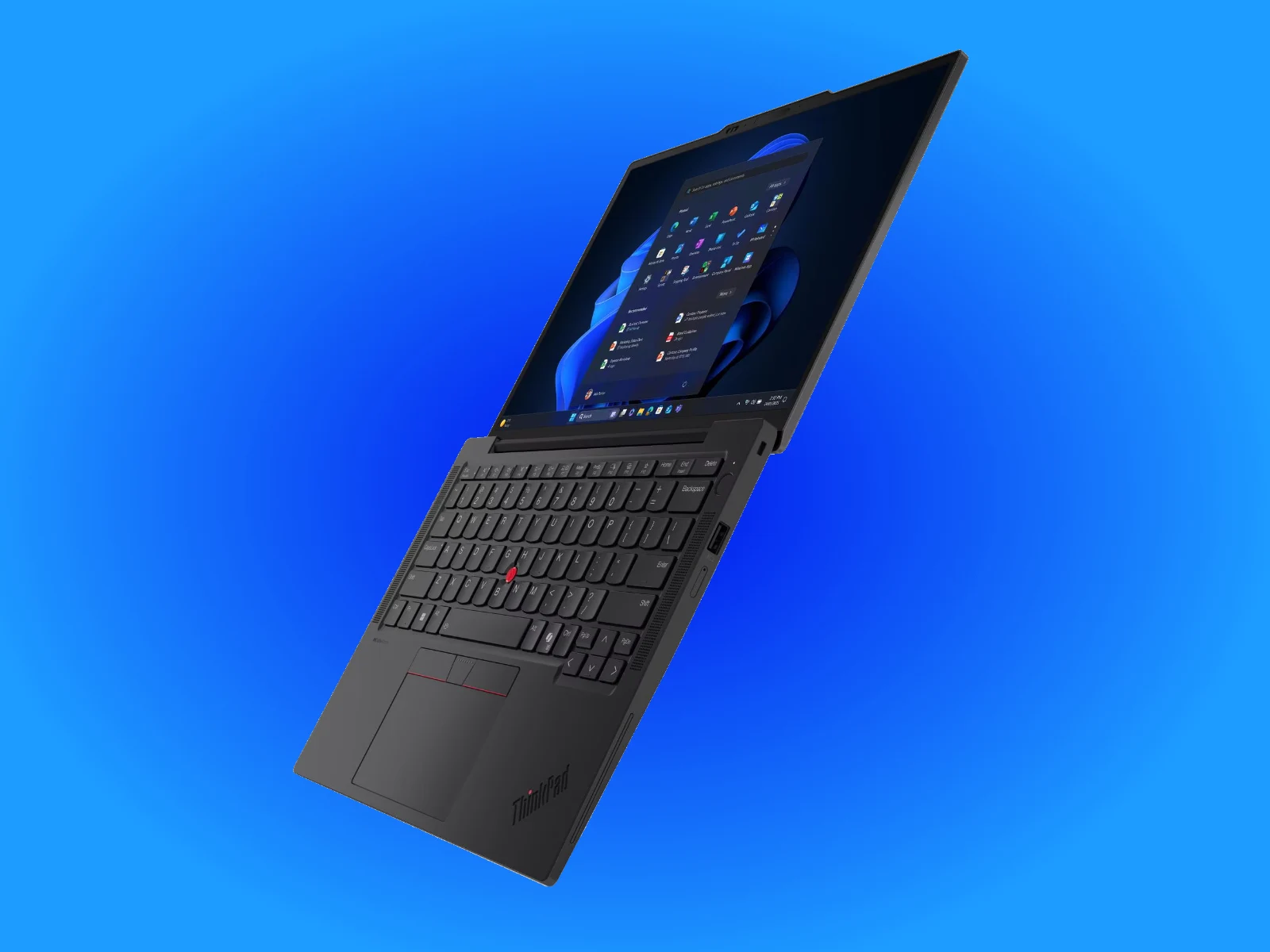
      Lenovo has started selling the ThinkPad X13 Gen 7 in North America after unveiling the laptop earlier this year. Currently, the company is only selling Intel Panther Lake-based models in Canada and the US. However, AMD-based alternatives are on the way, given recent releases in Australia, East Asia and Southeast Asia.

      Limited Availability and Future Plans

      Likewise, Lenovo restricts the ThinkPad X13 Gen 7 to a single preconfigured unit at the time of writing. Presumably, the company will expand availability further soon. There is no word yet on when this will happen, though.

      Core Specs and Battery Life

      Setting that aside, the ThinkPad X13 Gen 7 currently comes with the Core Ultra 5 325, an 8-core processor with a 4-core Xe3 iGPU at its disposal. Additionally, the 13.3-inch laptop contains 16 GB of LPDDR5X RAM clocked at 7,467 MT/s and 512 GB of PCIe Gen 4 storage. Lenovo’s higher capacity 54.7 Wh battery is included too, which the company claims will last up to 30 hours in local video playback at 150 nits and over 15 hours in MobileMark 30 at 250 nits.

      Connectivity and Display

      On top of that, the company equips a Bluetooth 5.4- and Wi-Fi 7-compatible modem. Moreover, a 1200p IPS display is present with 400 nits peak brightness and 100% sRGB colour space coverage, but only a 60 Hz refresh rate. All in all, Lenovo charges $1,599 for this configuration in the US and CAD 2,219 in Canada. Please see our ThinkPad X13 Gen 6 review for our thoughts on last year’s model (curr. $1,319 on Amazon).

      Lenovo Canada & Lenovo US


    • Vertu AlphaFold launches at $6,800 with Alligator Leather and weak specs

      Vertu AlphaFold launches at $6,800 with Alligator Leather and weak specs

      Key Takeaway

      – Focus on luxury and materials (alligator leather, gold plating) rather than cutting-edge specs.
      – High-end, server-free AI assistant “Hermes” with on-device processing and an extra A5 security chip.
      – Strong battery and fast charging (6,500 mAh, USB-C 65W) paired with a heavy, premium build, but older Snapdragon 8 Elite and modest 5 MP telephoto camera.


      Overview of the Vertu AlphaFold’s Market Position

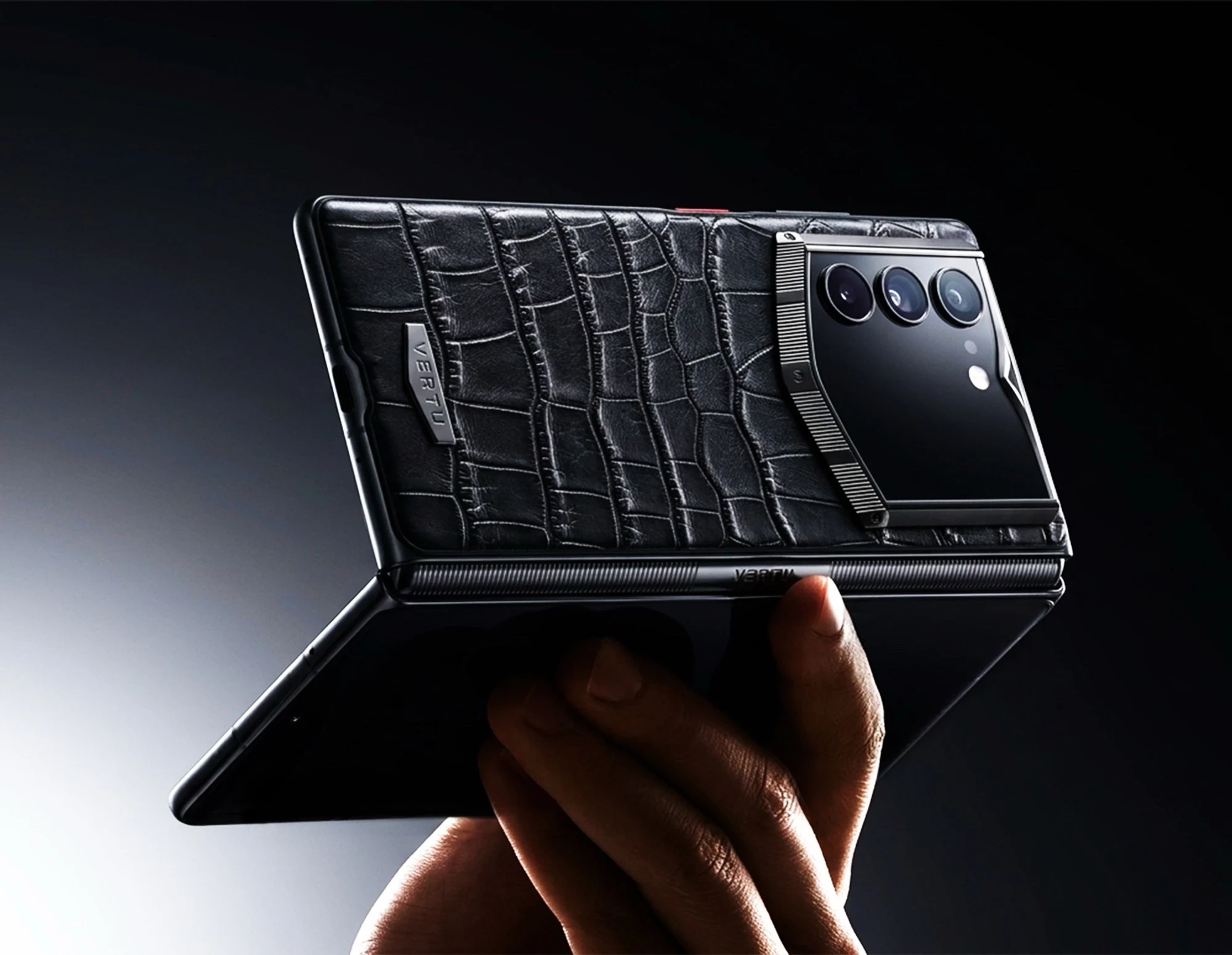
      Smartphones like the Samsung Galaxy Z Fold7 tend to chase the peak tech prowess and aggressive price points, but the Vertu AlphaFold diverges by highlighting luxury first. The device’s allure rests on an opulent exterior that includes alligator leather and gold plating in certain variants, which sets it apart from typical flagship phones. The text keeps a curious balance between premium materials and practical features, attempting to carve a niche where exclusivity matters more than sheer horsepower.

      Build, Materials, and Longevity

      The AlphaFold’s chassis combines titanium and carbon in its hinge, a design choice pitched to sustain roughly 650,000 folding cycles. This emphasis on durability sits alongside a framework that proclaims a high-end, artisanal appeal. The emphasis on resilience complements the luxury narrative, even as some might wonder how such premium components translate into real-world longevity for everyday use.

      Onboard AI and Privacy Hardware

      The device touts an exclusive AI assistant named Hermes, designed to summarize business reports or diagnose sales declines, supposedly executed entirely on-device. Supporting privacy, the manufacturer claims a dedicated A5 security chip enhances safeguarding user data against external access. This approach aligns with a broader trend of on-device AI processing and hardware-enforced security, though real-world performance and energy impact can vary with workload.

      Performance, Battery, and Cameras

      In terms of internals, the AlphaFold uses a Snapdragon 8 Elite from 2024, paired with a substantial 6,500 mAh battery capable of USB-C fast charging up to 65 watts. The camera setup includes a 50 MP main sensor, a 50 MP ultra-wide lens, and a 20 MP selfie camera, complemented by a 5 MP telephoto module. The device also features an 8.05-inch folding display with an astonishing HDR peak brightness of 5,000 nits, plus a secondary 6.53-inch panel for external viewing, all contributing to a visually striking, albeit heavy, multimedia experience.

      Pricing, Availability, and Configuration

      As for purchase details, the AlphaFold is listed at the Vertu online store with prices ranging from $6,880 to $13,800, depending on color and materials, and it consistently ships with 16 GB of RAM and 1 TB of flash storage. Free shipping is offered, reinforcing Vertu’s premium positioning with a door-to-door service vibe. Potential buyers should weigh the luxury branding against practical needs and long-term support expectations before committing.

      Closing Thoughts and Market Implications

      In sum, Vertu’s AlphaFold is less about cutting-edge benchmarks and more about making a lifestyle statement through craftsmanship and exclusive features. The blend of on-device AI, a dedicated security chip, and a remarkable display experience crafts a niche appeal for luxury enthusiasts who value both aesthetics and privacy in equal measure. Whether this model will redefine folding phone prestige remains a debated topic among enthusiasts and critics alike.


    • OnePlus 16: Display and Camera Details Leak

      OnePlus 16: Display and Camera Details Leak

      Key Takeaway

      – Expected Q4 2026 launch with leaks suggesting a 9,000mAh battery and Snapdragon 8 Elite Gen 6 Pro chipset.
      – Display rumored with narrow bezels and a 185–240Hz refresh rate (recent leaks point to 185Hz).
      – Camera: possible 200MP periscope telephoto with 3x optical zoom, main sensor possibly 50MP.
      – Potential AI-focused features and a dedicated AI button, similar to OnePlus 15.


      OnePlus 16 Rumors and Specs Shuffle

      In the ever buzzing world of smartphones, the OnePlus 16 is teased as a Q4 2026 release, but official confirmation remains scarce. The chatter centers on potential specs and design ideas that might shape the next flagship, yet nothing concrete has been officially announced by OnePlus yet. The tale is woven from leaks and speculative whispers rather than confirmed facts, so readers should regard it with caution and patience.

      Sleek Display Talks and Refresh Rates

      Early chatter suggested a display capable of extraordinary refresh rates, with some mentions of up to 240Hz. Newer leaks contort that notion, proposing a more modest 185Hz refresh rate as the probable reality. The discrepancy illustrates how rumors can diverge, leaving potential buyers unsure whether the screen will feel blisteringly fast or merely brisk in everyday use, depending on the final tuning by OnePlus.

      Camera and Design Highlights

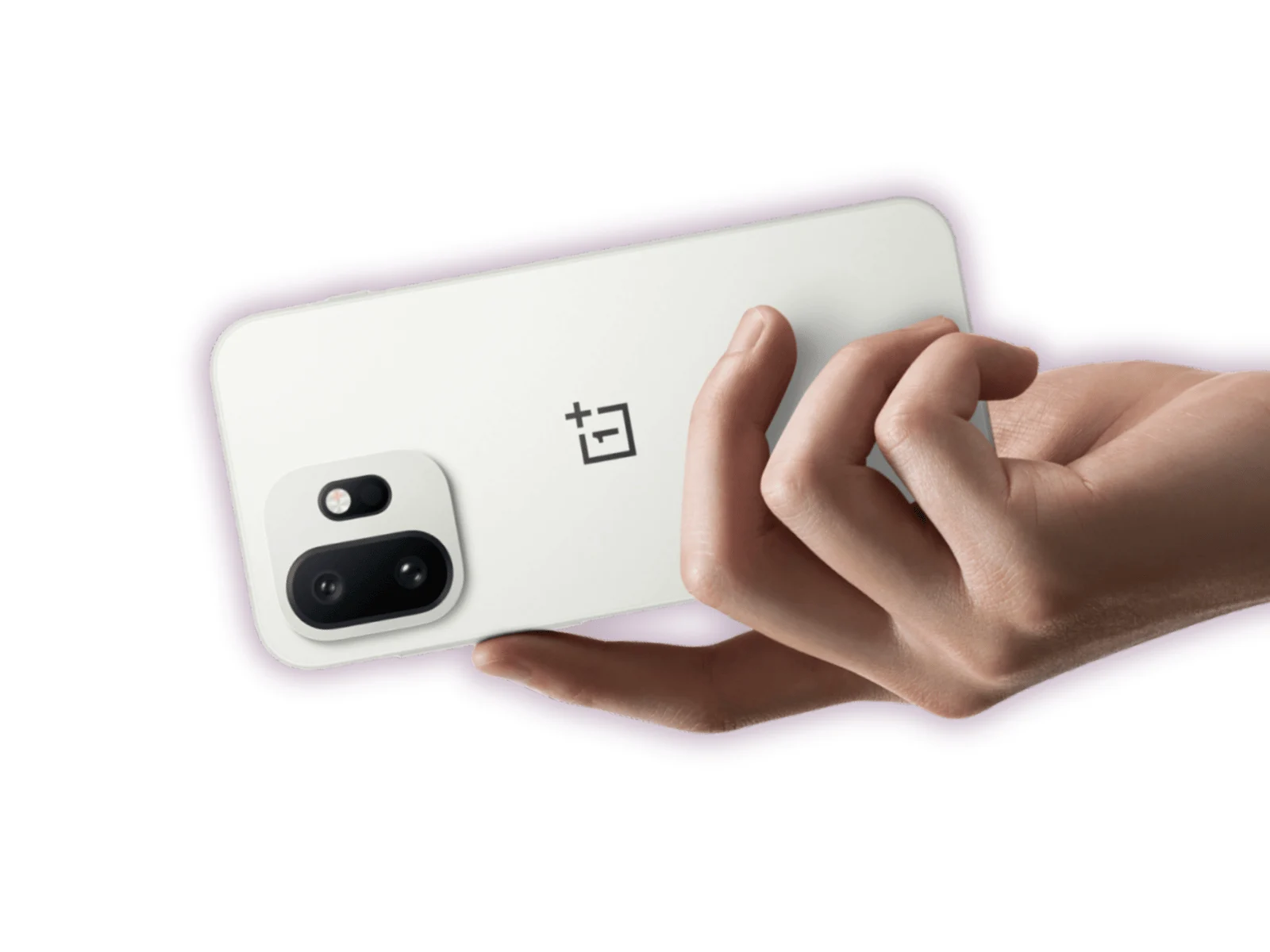
      A new leak hints at very narrow display bezels and a 200MP periscope telephoto camera offering 3X optical zoom. This aligns with a growing trend toward higher megapixel cameras in premium devices, though the practical benefits and image quality in day-to-day shots will depend on sensor performance, processing, and software optimization. There may also be a dedicated AI button, reminiscent of features rumored for the OnePlus 15, though exact implementation remains unconfirmed at this juncture.

      Resolution on the Main Sensor and Processor Talk

      Industry chatter from tipsters suggests that the OnePlus 16 could carry a 50MP main sensor, contrasting with some other next-gen flagships that push toward 200MP on the primary camera. Separately, there are whispers about a Snapdragon 8 Elite Gen 6 Pro chipset powering the phone, paired with a battery around 9,000mAh. As always with leaks, these claims should be treated with skepticism until official specs surface from OnePlus themselves.

      Battery and Platform Considerations

      Beyond the core camera and display discourse, the broader ecosystem of the OnePlus 16 includes expectations of robust endurance and high-end performance. The rumored 9,000mAh battery suggests a focus on longevity, while the possible Snapdragon silicon points to strong computational capabilities. However, given the leak-based nature of these details, potential buyers should not rely on them as fact and should await confirmed specifications from OnePlus.

      Other Developments and Market Context

      In related tech news, companies continue exploring new compact tablets with OLED displays, indicating that OnePlus might be diversifying beyond phones. These peripheral developments signal an ongoing push into premium devices with high-end screens, but they do not directly change the anticipated OnePlus 16 feature set. Until official words emerge, enthusiasts can only speculate based on the latest rumors and trends in flagship smartphones.


      Sources

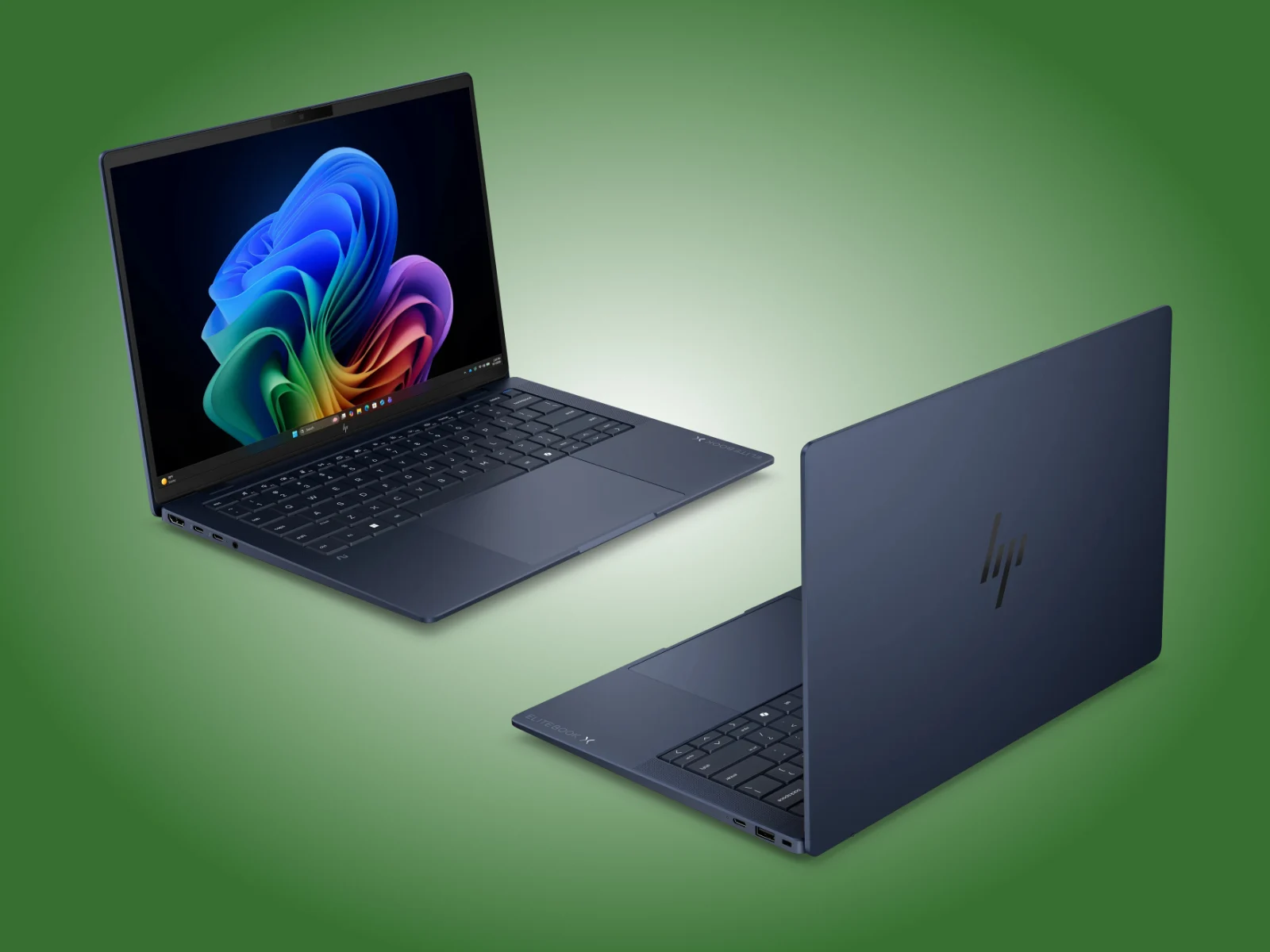
    • HP launches 14-inch laptop with 64GB RAM, cellular, 120Hz OLED display worldwide

      HP launches 14-inch laptop with 64GB RAM, cellular, 120Hz OLED display worldwide

      Key Takeaway

      – HP launched the EliteBook X G2a with Ryzen AI 400 series CPUs, starting at $3,105 (64-bit Windows 11 Pro included) and configurable up to high-end specs, including 64 GB RAM and 1 TB SSD.
      – The same model is available in UK, Eurozone, and US with analogous configurations and prices, staggered by region; notable top-spec options include Ryzen AI 9 HX PRO 470, 64 GB RAM, 1 TB PCIe Gen 5 storage, and an OLED 1200p display.
      – The EliteBook X G2a offers add-ons such as a haptic trackpad, NFC, and optional 5G connectivity, with regional variations in display options (OLED in some markets) and a notable price disparity compared to the older X G1a.


      HP has quietly started selling one of its latest 14-inch laptops powered by AMD Ryzen AI 400 processors. Announced during CES 2026 in January, the EliteBook X G2a was joined by the Snapdragon X2-based EliteBook X G2q, too. Incidentally, the latter has now gone on sale globally as well, full details of which we have covered separately.

      Pricing and availability

      By default, the Elitebook X G2a starts at $3,105 with the Ryzen AI 5 435, 16 GB of RAM and 512 GB of PCIe Gen 4 storage. This pricing includes a Windows 11 Pro licence though, which can be swapped with FreeDOS for a $250 saving. Nonetheless, the EliteBook X G2a is significantly more expensive than the EliteBook X G1a that we reviewed in early 2025 (curr. $1,199 on Amazon).

      Regional pricing

      By contrast, the same configuration costs £1,535 in the UK. Configurations range up to £3,323 with a Ryzen AI 9 HX PRO 470, 64 GB of RAM, a 1 TB SSD and a 1800p (2.8K) Tandem OLED display featuring a 120 Hz refresh rate. Meanwhile, HP lists the EliteBook X G2a in the Eurozone with the same processor for €4,119 but 32 GB of RAM, a 1 TB SSD and a 1200p IPS display.

      US options

      The company offers similar configurations in the US, too. At the time of writing, the EliteBook X G2a can be purchased there with the Ryzen AI 9 PRO HX 470, 64 GB of RAM, 1 TB of PCIe Gen 5 storage and the same OLED display as in the UK. A haptic trackpad, NFC and 5G cellular connectivity can be added too, but for a total price of $6,975 at the time of writing. Please see HP’s website for more details.


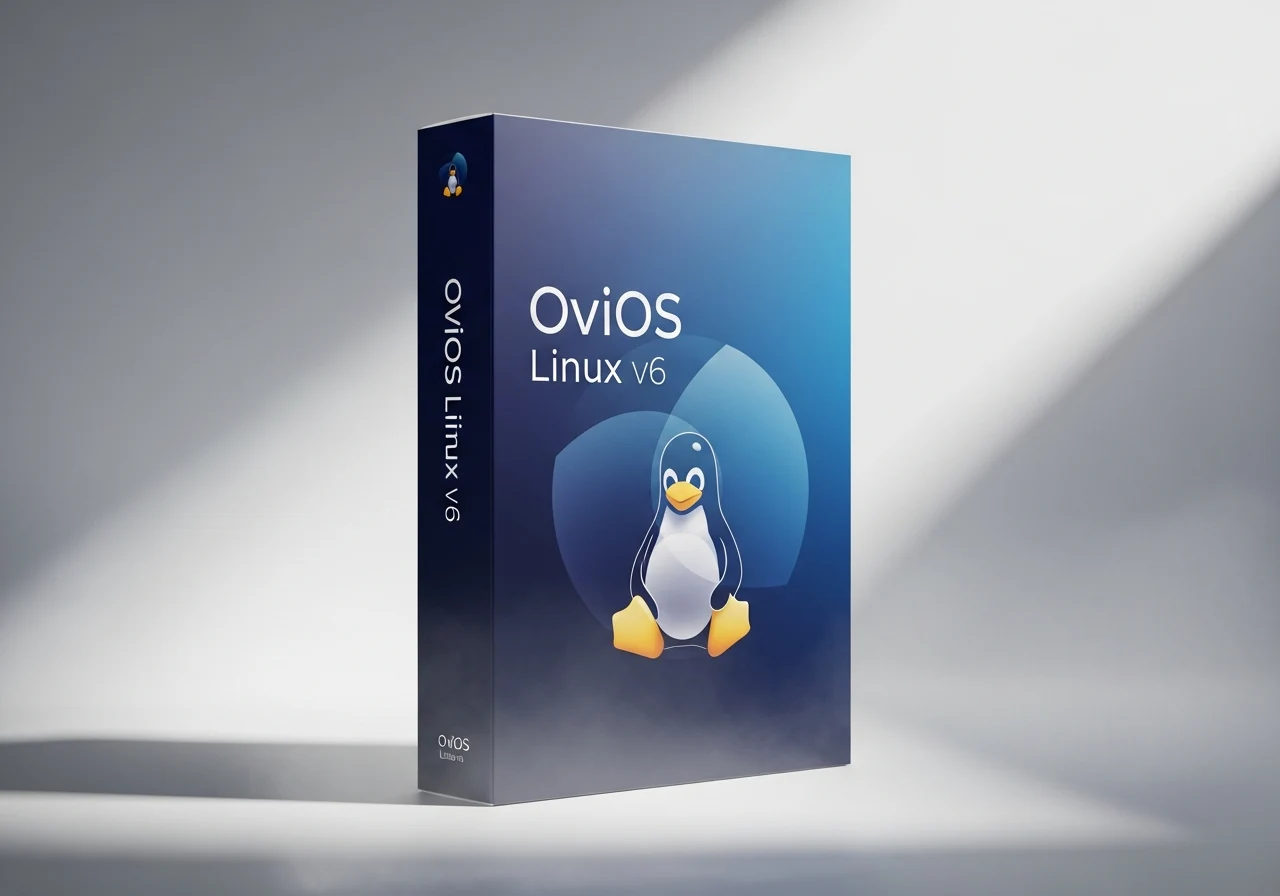
    • OviOS Linux 6 Switches from SysV to Systemd

      OviOS Linux 6 Switches from SysV to Systemd

      Key Takeaway

      – Transition from SysV to systemd, with newer Samba, NFS, iSCSI, and security daemons using systemd units while preserving legacy commands (pool, lun, target, service) for compatibility.
      – Major generational upgrade: modernized internals, expanded protocol support, and guided simplicity for administrators.
      – OviOS 6 ships with Linux kernel 7.0 (stable) and ZFS 2.4.2, targeting x86_64 hardware and maintaining LSB compliance.


      OviOS Linux 6 is presented as a major upgrade with modernised internals and expanded protocol support, while keeping the familiar guided simplicity that admins rely on. This release notes describe a significant generational shift in the storage platform, emphasizing enhanced capabilities without sacrificing ease of use.

      System and kernel changes

      The distribution moves from SysV to systemd, reflecting a modernized init and service management approach. New versions of Samba, NFS utilities, iSCSI tools, and security daemons are provided with systemd unit files, making the transition smoother for administrators who rely on contemporary tooling. The kernel remains aligned with the latest stable release at the time of the update, and the platform targets x86_64 hardware to maintain broad compatibility.

      New features and compatibility

      OviOS 6 ships with Linux kernel 7.0 stable and ZFS 2.4.2, providing enhanced performance and storage capabilities. The system maintains LSB compliance, ensuring compatibility with a wide range of software expectations and standards. The release highlights several new features while stating that existing commands from the previous version—such as pool, lun, target, or service—continue to operate as before. The additional capabilities are designed to layer on top of the established workflow rather than replace it.

      Usage and deployment notes

      Old users can rely on the continuity of essential commands, with the new features available when needed. The Polaris codename identifies this release, and the distribution is distributed as a 1.4 GB ISO file that can be downloaded from the official page. This packaging choice mirrors the intent to deliver a complete, ready-to-deploy system while preserving familiar management paradigms.

      Sources